Skip to content
USDA zones 2b to 4b

Shade and Privacy Trees in Copper River Census Area, AK

Shop large, nursery-grown shade, privacy, flowering and fruit trees, delivered by freight in Copper River Census Area. Every tree is matched to your hardiness zone and backed by our 1-Year Alive & Thrive Guarantee.

See what thrives at your address

Enter your ZIP and we'll match trees to your exact growing zone.

Typical winter lows in Copper River Census Area run about -45 to -20 F.

1-Year Guarantee

Alive & Thrive promise

Freight Delivery

Quoted at checkout

Nursery-Grown

Shipped at landscape size

Zone-Matched

Only what thrives near you

Matched to Copper River Census Area's zones

Featured trees for Copper River Census Area

6 landscape-grade picks covering shade, privacy, color and fruit, all hardy in Copper River Census Area's zones. Prices and stock shown live.

Shop by category

Browse everything that thrives in Copper River Census Area

Every category below is stocked with trees rated for Copper River Census Area's zones. Tap a bestseller or view the full range.

Choosing trees by goal

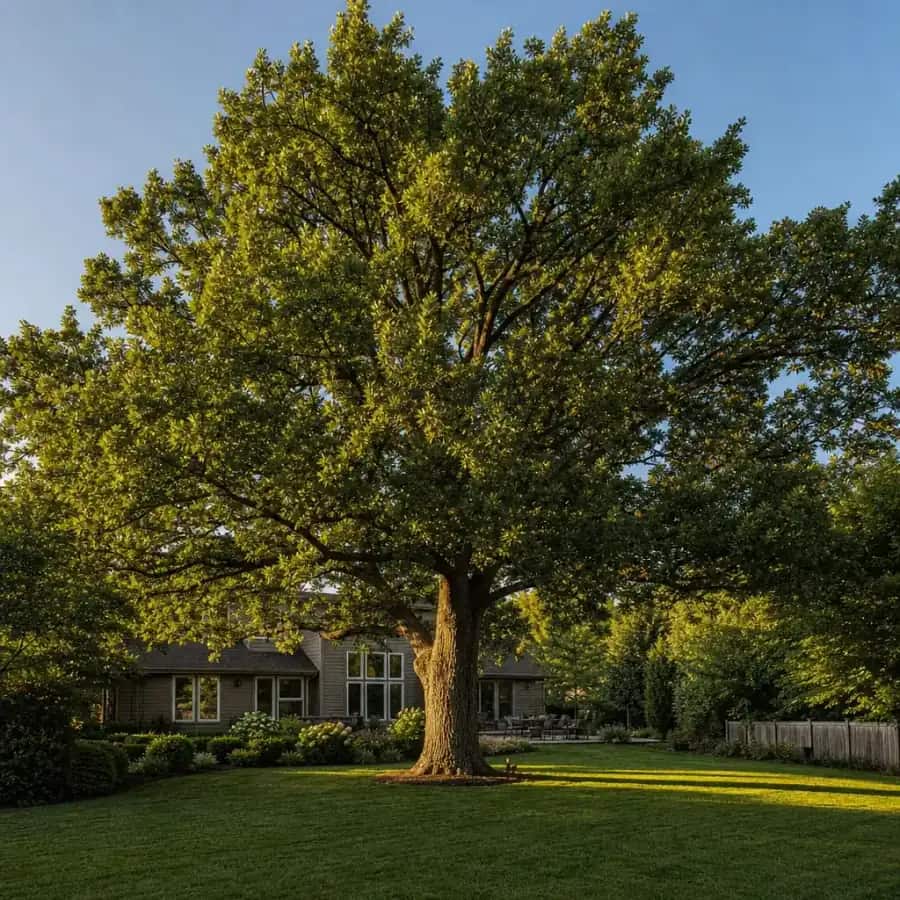
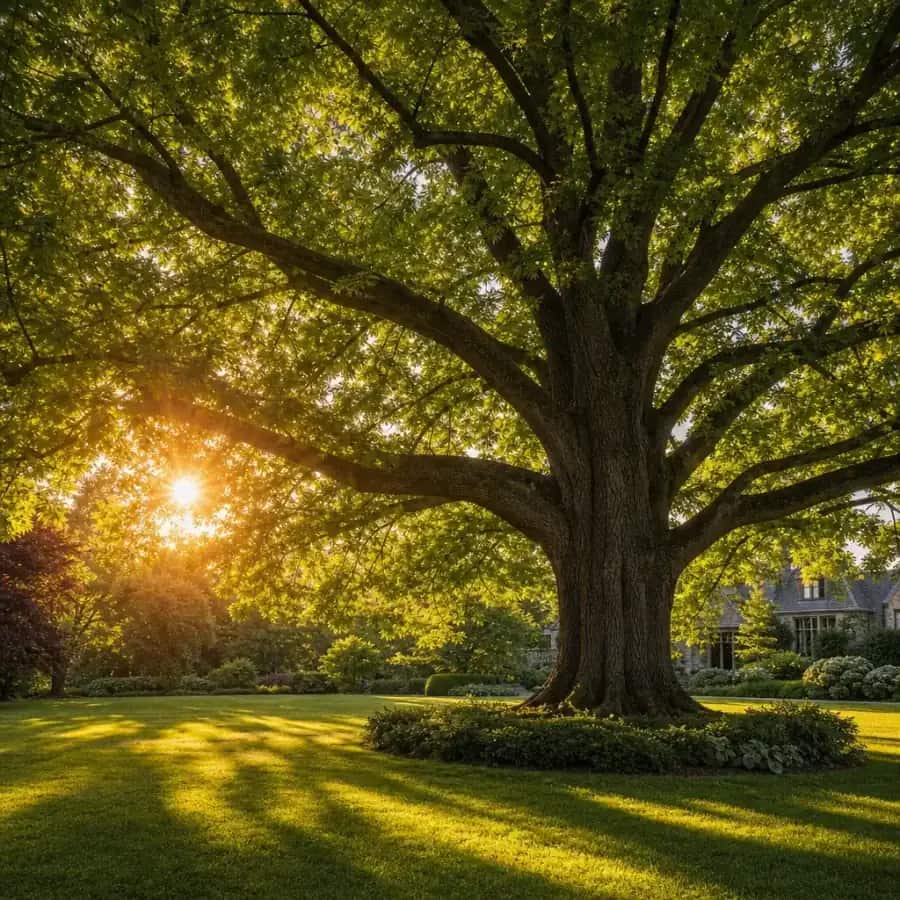
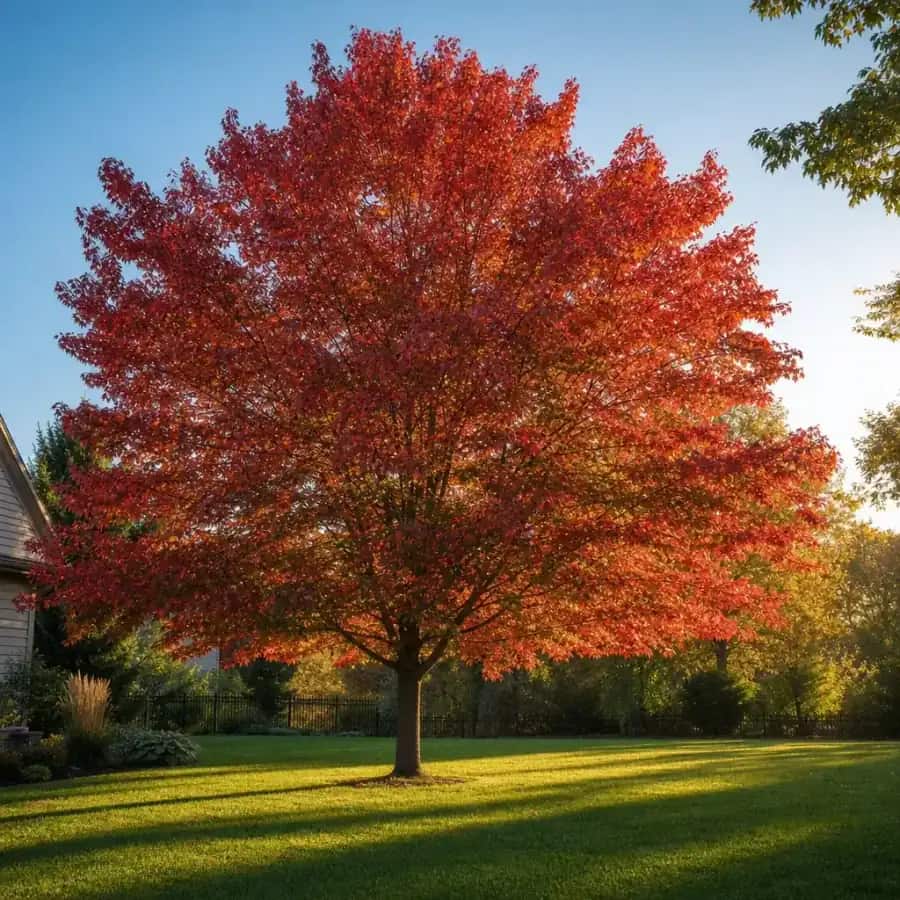
Shade and canopy. Bur Oak, Autumn Blaze Red Maple. These large trees need room to spread once mature. Plant away from power lines and foundations.

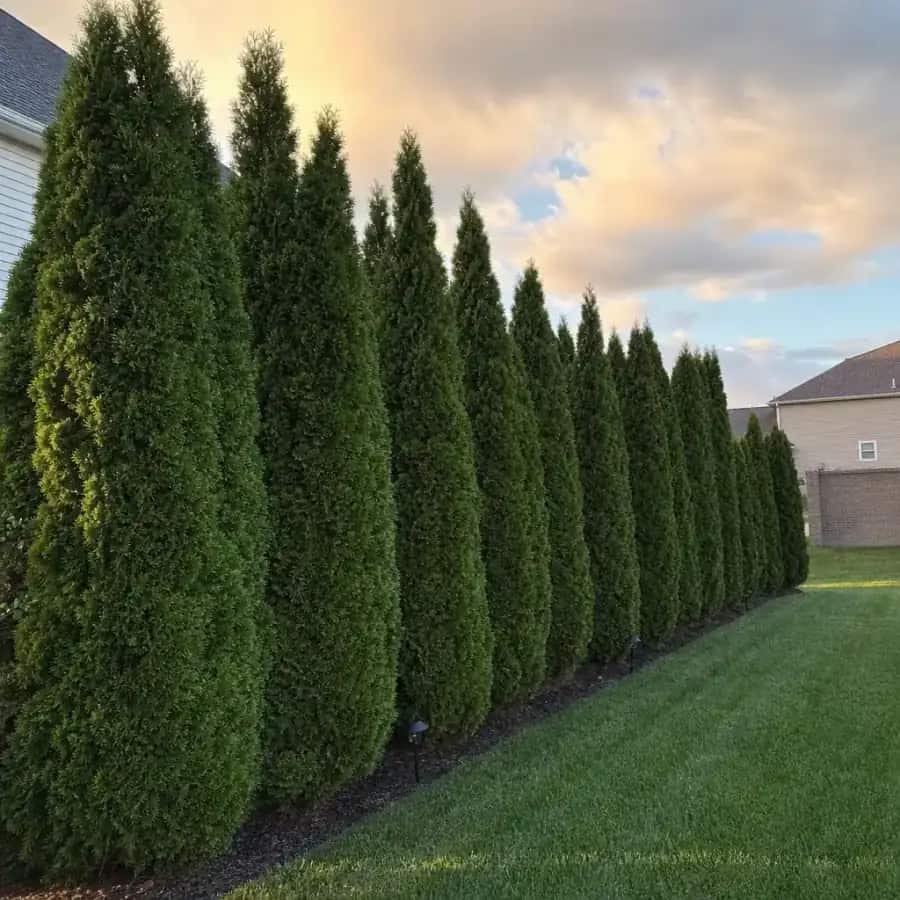
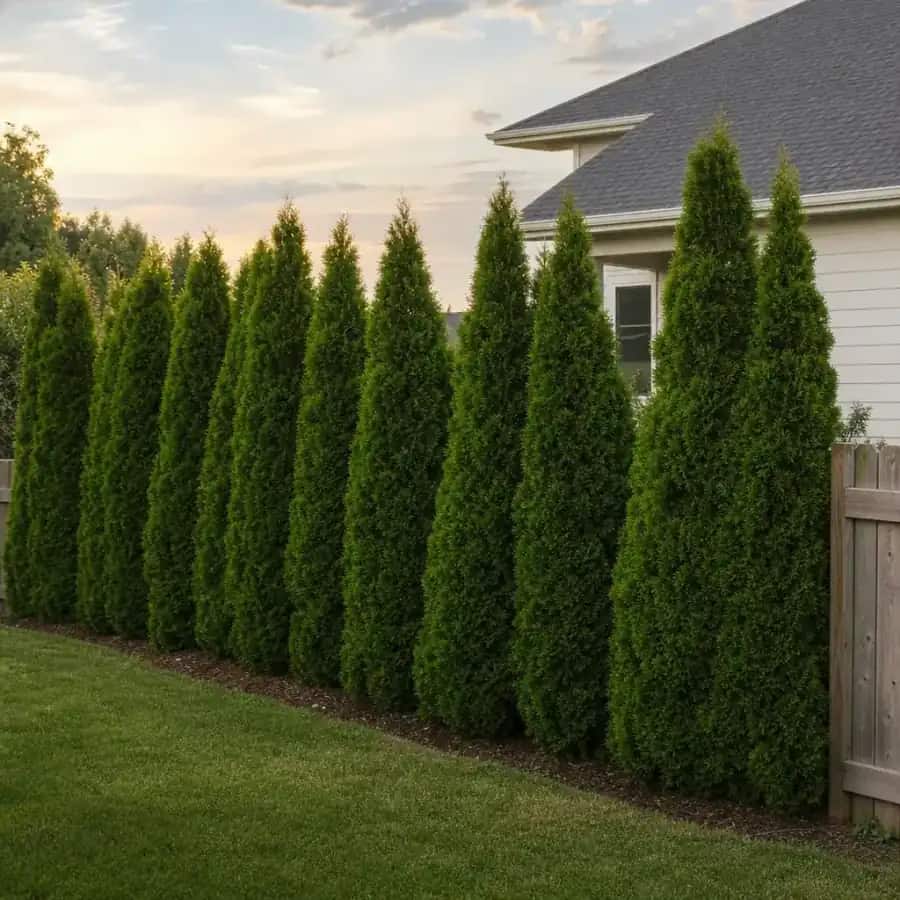
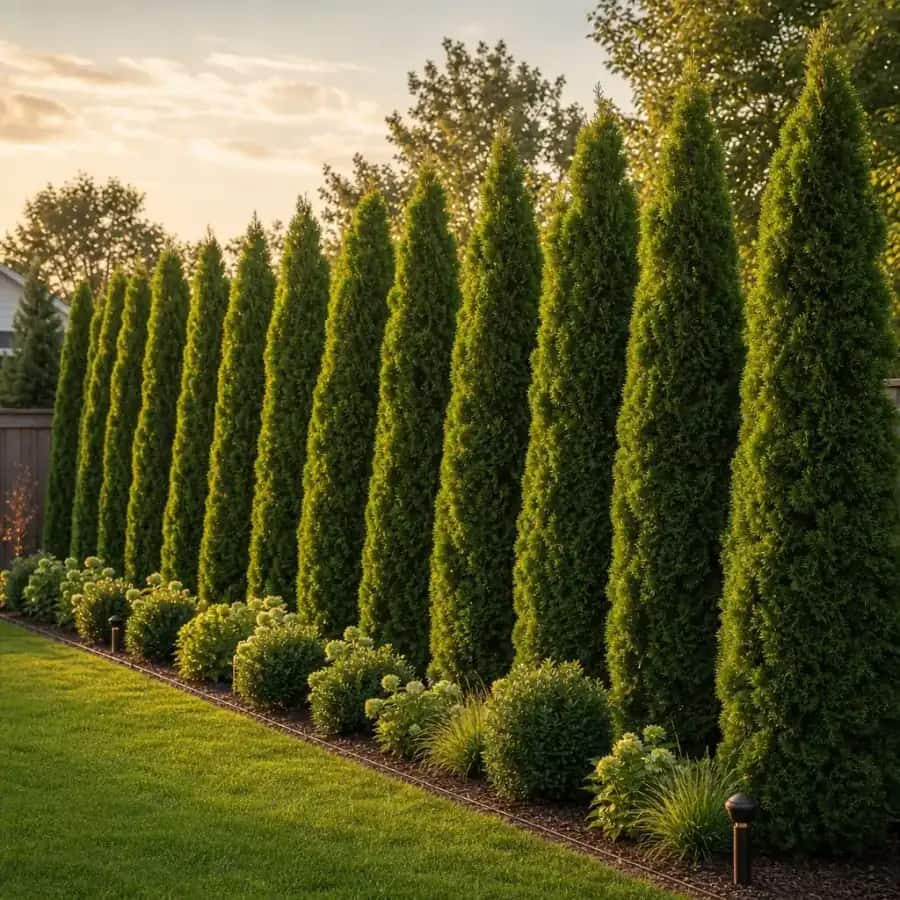
Privacy and screening. American Pillar Arborvitae, Skyrocket Juniper, Taylor Red Cedar. Evergreen screens work year-round. But they grow at different rates, so plan your spacing accordingly.

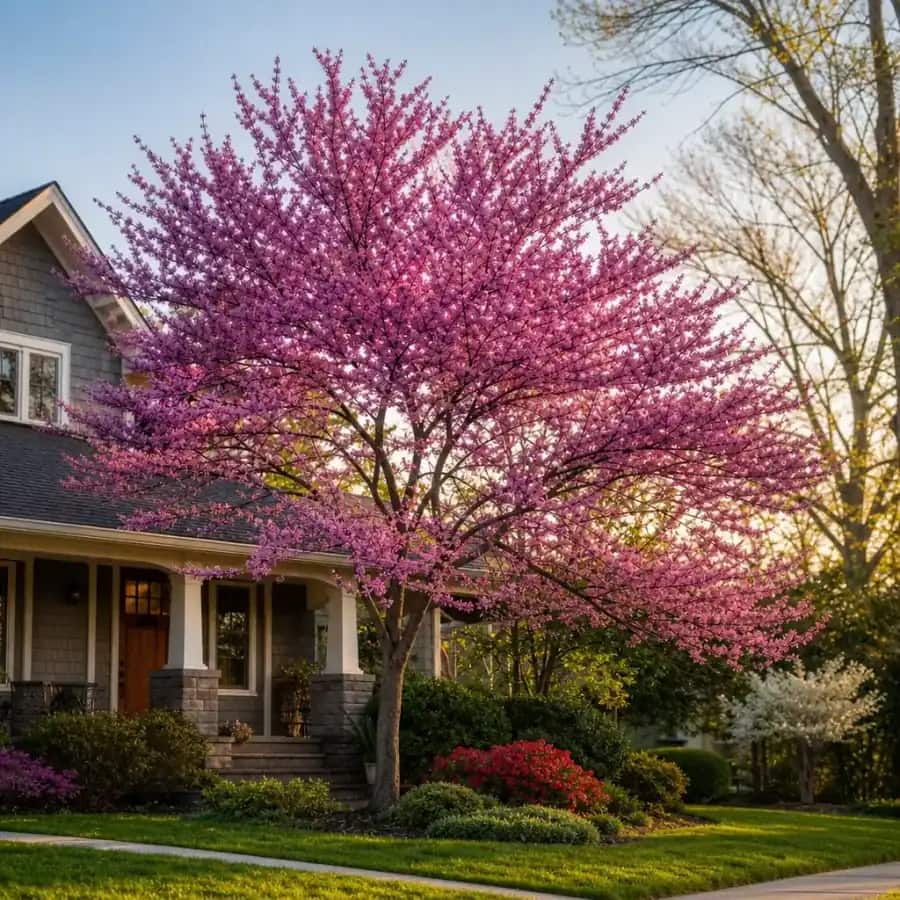
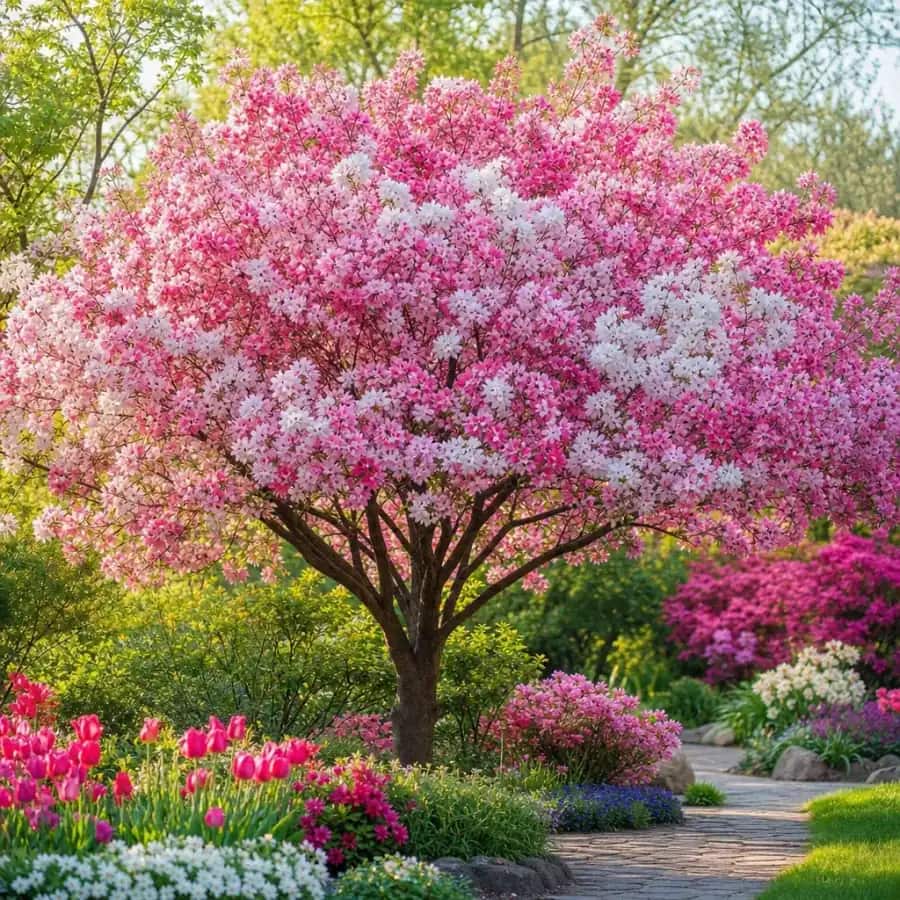
Flowering and curb appeal. Honeycrisp Apple (flowers and fruit). Look for cold-hardy flowering varieties like serviceberry or some crabapples. Spring is short, but blooms are worth it.

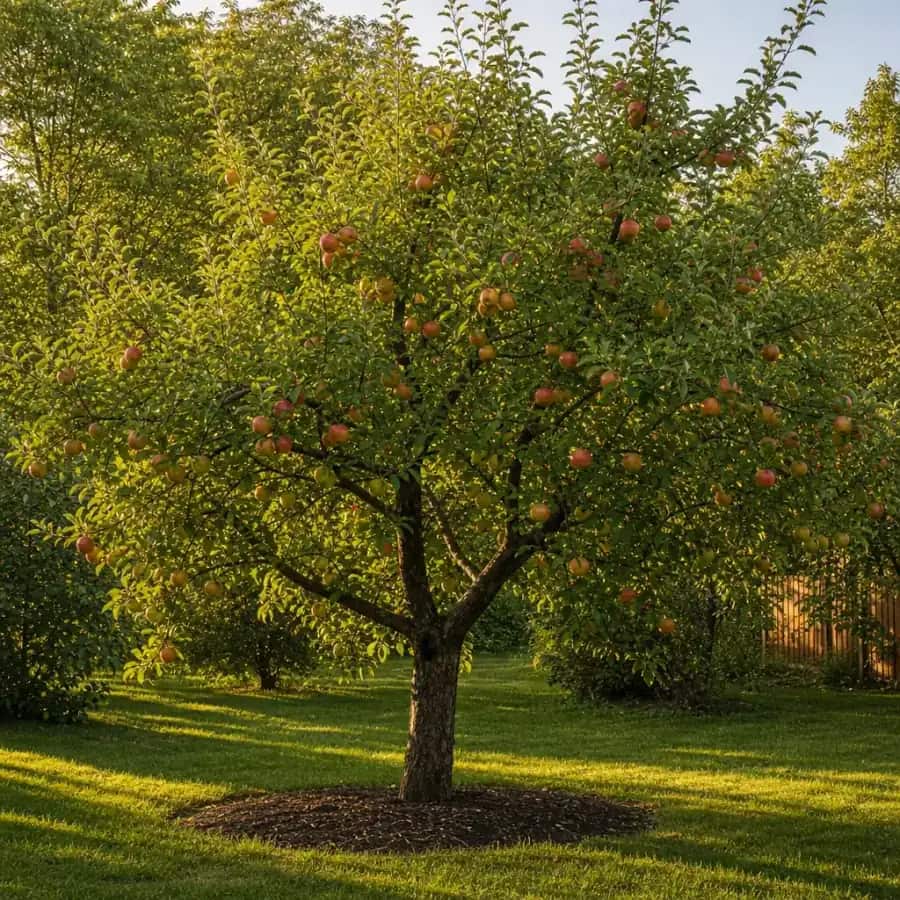
Grow your own fruit. Honeycrisp Apple Tree. Most fruit trees need a second variety nearby for pollination. Check our selection for a suitable pollinator.

Small spaces and accents. Skyrocket Juniper, American Pillar Arborvitae. These stay narrow and upright. They don't need much width yet still provide visual structure.

Local fit, from data

Growing conditions in Copper River Census Area

USDA zones

2b to 4b

Typical winter lows

about -45 to -20 F

ZIP codes served

4

Largest city

Chitina

Looking for shade, privacy, or fruit trees that can handle your Copper River Census Area, Alaska (AK) winters? Arbor Buddy delivers large, nursery-grown trees by freight direct to homeowners. Every tree is matched to your hardiness zone, from 2b to 4b. So you can plant with confidence.

Climate and Hardiness Zone Fit in Copper River Census Area

Your county spans hardiness zones 2b to 4b across its four ZIP codes. That typical winter low of -45 to -20 degrees F shapes everything you can plant. The warmer end, near Chitina, opens up more options for shade and flowering trees. The colder pockets lean toward the toughest evergreens and cold-hardy oaks.

Winters here are long and dry, with a short growing season. That means trees need to be fully hardy before planting. Trees for zone 2 in Copper River Census Area should be selected carefully. The Bur Oak and American Pillar Arborvitae are proven performers across the band.

The lack of extreme summer heat helps reduce stress on new transplants. But the dry cold means you want trees that can handle wind and snow. Evergreens and sturdy shade trees do best overall.

Shop Trees by Category in Copper River Census Area

  • Shade Trees: Plant for cooling shade and fall color that spread wide, even in the colder end of your zone.
  • Flowering & Ornamental: Bring blooms to your landscape with hardy choices that flower despite the low winter lows.
  • Evergreen & Privacy: Build a year-round screen with dense evergreens that stand up to snow loads and wind.

Every tree we ship is chosen to survive and thrive in your specific hardiness zone. Below is a quick reference to match your yard goals with the right tree.

Frequently Asked Questions

When do trees ship to Copper River Census Area?

Orders to zone 2 queue for the spring shipping window rather than midwinter. That ensures trees arrive when the ground is workable. Your tree will be shipped at the optimal time for your zone.

What trees grow in zone 2?

Several cold-hardy trees thrive in zone 2, including Bur Oak (hardy to zone 3 but proven in sheltered sites), American Pillar Arborvitae, and Skyrocket Juniper. These species can handle typical winter lows down to -45 degrees F when planted correctly.

What size do the trees arrive at?

Our trees are nursery-grown at a usable landscape size, typically 4 to 7 feet tall depending on the species. They are large enough to make an immediate impact but still manageable for planting. You receive a mature starter tree, not a sapling.

What are good privacy or screening trees here?

For screening in your zone, American Pillar Arborvitae, Skyrocket Juniper, and Taylor Eastern Red Cedar are excellent choices. They stay narrow and dense, providing year-round coverage even through heavy snow.

See What Grows in Your Zone

Your hardiness zone decides your tree list. Arbor Buddy matches every tree to your zone so you can order with confidence. Browse our selection of shade, privacy, and fruit trees that are proven to thrive in Copper River Census Area. Start your order today.

How Copper River Census Area Compares to Other Areas

Your climate is much colder than most of the country. That changes which trees will thrive. Here's how it stacks up against three other areas.

In Polk County, Georgia (GA), the hardiness zone is 8a with winter lows around 10 to 15 degrees F. That gap changes the local shortlist to include many southern magnolias and dogwoods. In your zone, you're limited to the most cold-hardy options, like Bur Oak and junipers.

District of Columbia, District of Columbia (DC) sits in zone 7b to 8a, with winter lows 5 to 15 degrees F. For your cart, that means flowering trees like redbuds are common in D.C. but risk cold damage in your area unless you pick very hardy varieties. You'll lean toward the tough flowering cousins, such as cold-hardy apples.

New Castle County, Delaware (DE) is zone 7b with winter lows 5 to 10 degrees F. In practice, buyers here lean toward a wide range of shade and ornamental trees that would not survive your winters. Your list is shorter but more reliable. The contrast means you should focus on the proven performers for your zone.

The bottom line: your zone decides your list. The colder the area, the more selective you need to be. But with the right picks, you can still have shade, privacy, and fruit.

Freight delivery and the Alive & Thrive Guarantee

We ship large, nursery-grown trees by freight to much of Copper River Census Area. Each tree is zone-matched to your specific location before it leaves our nursery. You get a 1-Year Alive & Thrive Guarantee: if a tree doesn't survive its first year, we replace it free. Note that zone 2 orders queue for the spring window rather than midwinter.

Before delivery day, check:

  • Someone is home to receive and inspect the tree.
  • The freight truck has enough room to stop and turn on your street.
  • You've marked where you want the drop, and the path is clear of low branches or wires.
1

Enter your ZIP, shop only what thrives in your zone.

2

Freight delivery to your address, quoted at checkout.

3

Plant it, watch it thrive, covered for one year.

Not sure which tree fits your yard?

Take the 60-second Plant Finder, or message a tree specialist and we'll shortlist zone-safe picks for your address.

Good to know · Growing guide

Buying trees in Copper River Census Area: what locals should know

Ordering a large tree online is not like ordering a lamp. Here is what is worth knowing before you buy, from reading your hardiness zone to what actually shows up on the truck.

How to read your hardiness zone

Copper River Census Area sits in USDA zones 2b to 4b. Your zone describes the coldest winter a tree can reliably survive. In a cold-winter area, the zone number is the whole ballgame: a tree rated one zone too warm can look fine all summer and fail in its first January.

Typical winter lows here run about -45 to -20 F. Half-zones matter at the edges: two steps on the map are about five winter degrees, which is enough to decide whether a borderline pick belongs in your cart.

What freight delivery actually means

Your tree arrives large, nursery-grown and at a usable landscape size, secured to a pallet and delivered curbside or as close as the truck can safely get. Before delivery day, run through this quick checklist:

  • Someone can be home to receive the tree and look it over on arrival.
  • A freight truck can reach your street, with room to stop or turn around.
  • You know where you want it dropped: curbside, or as close as the driver can safely get.
  • Access watch-outs are handled: narrow driveways, soft ground after rain, low branches or wires.

The guarantee, in plain terms

If a tree does not survive its first year, we replace it free. The promise works because every tree ships zone-matched and nursery-grown, so it arrives set up to succeed in your climate rather than gambling against it.

Coverage runs a full year from delivery. If something goes wrong, contact the team and they arrange the replacement. No store-credit games, no fine-print maze.

More growing guides on the Arbor Buddy blog →

Frequently asked questions

When do trees ship to Copper River Census Area?+

Orders to zone 2 queue for the spring shipping window rather than midwinter. That ensures trees arrive when the ground is workable. Your tree will be shipped at the optimal time for your zone.

What trees grow in zone 2?+

Several cold-hardy trees thrive in zone 2, including Bur Oak (hardy to zone 3 but proven in sheltered sites), American Pillar Arborvitae, and Skyrocket Juniper. These species can handle typical winter lows down to -45 degrees F when planted correctly.

What size do the trees arrive at?+

Our trees are nursery-grown at a usable landscape size, typically 4 to 7 feet tall depending on the species. They are large enough to make an immediate impact but still manageable for planting. You receive a mature starter tree, not a sapling.

What are good privacy or screening trees here?+

For screening in your zone, American Pillar Arborvitae, Skyrocket Juniper, and Taylor Eastern Red Cedar are excellent choices. They stay narrow and dense, providing year-round coverage even through heavy snow.

Ready to plant your Copper River Census Area yard?

Shade, privacy, flowering and fruit trees matched to Copper River Census Area's zones, shipped large and covered by the 1-Year Alive & Thrive Guarantee.

Browse trees for your zone