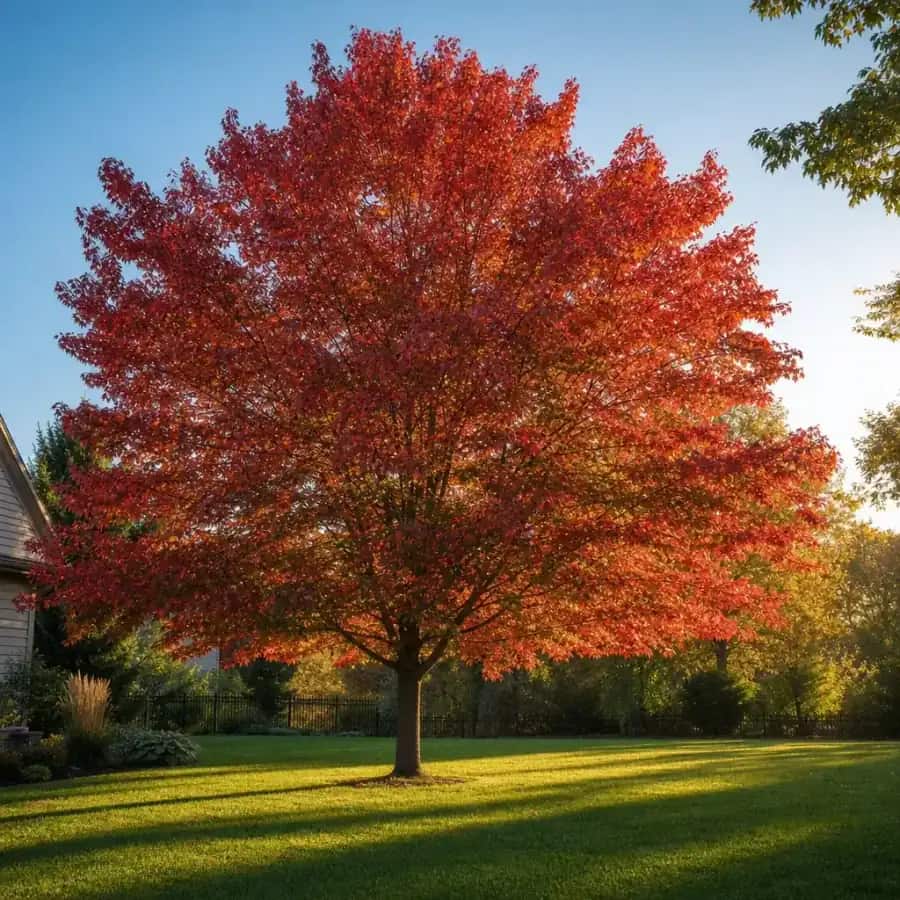
 Zones 3 to 8
Shade Trees
Autumn Blaze Red Maple
$60
Shop large, nursery-grown shade, privacy, flowering and fruit trees, delivered by freight in St. Francis County. Every tree is matched to your hardiness zone and backed by our 1-Year Thrive Guarantee.
Enter your ZIP and we'll match trees to your exact growing zone.
Typical winter lows in St. Francis County run about 10 to 15 F.
Matched to St. Francis County's zones
Zones 3 to 8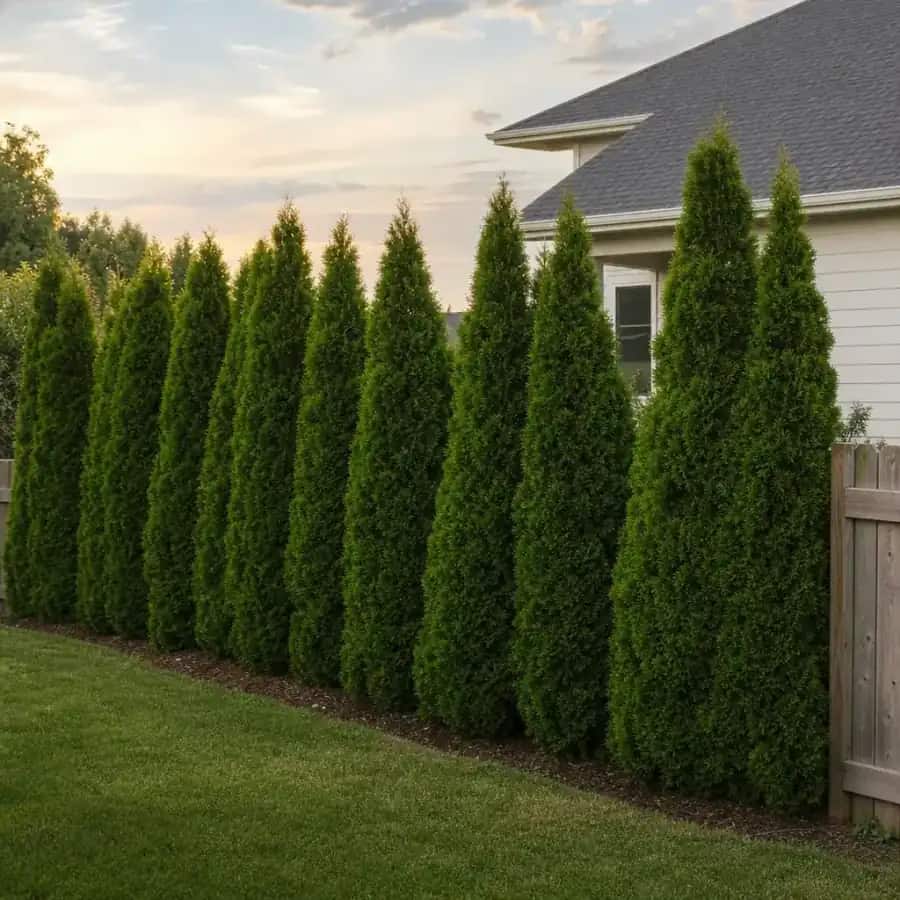 Zones 3 to 8
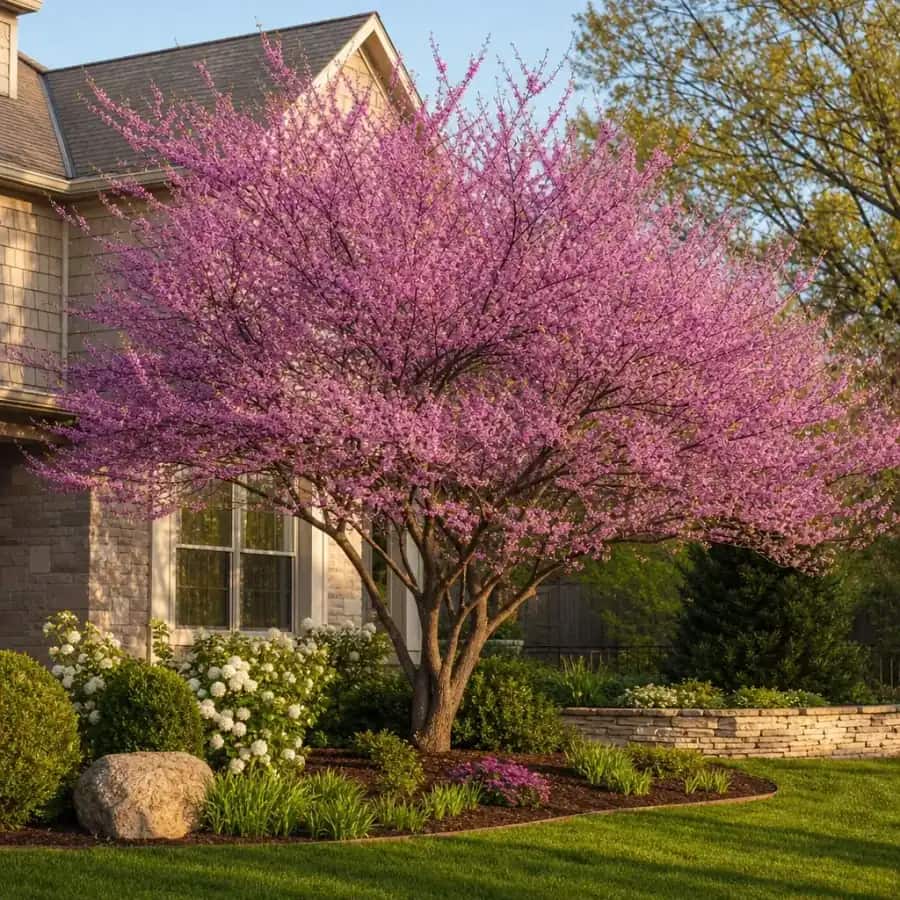 Zones 4 to 9
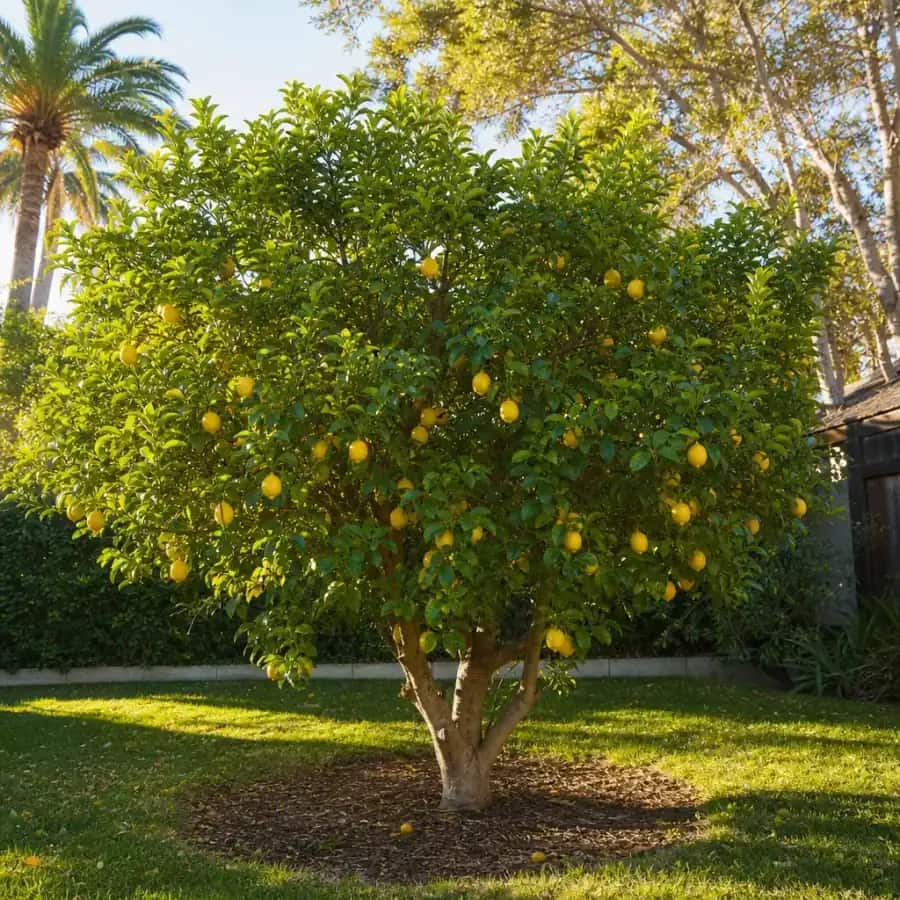 Zones 8 to 11
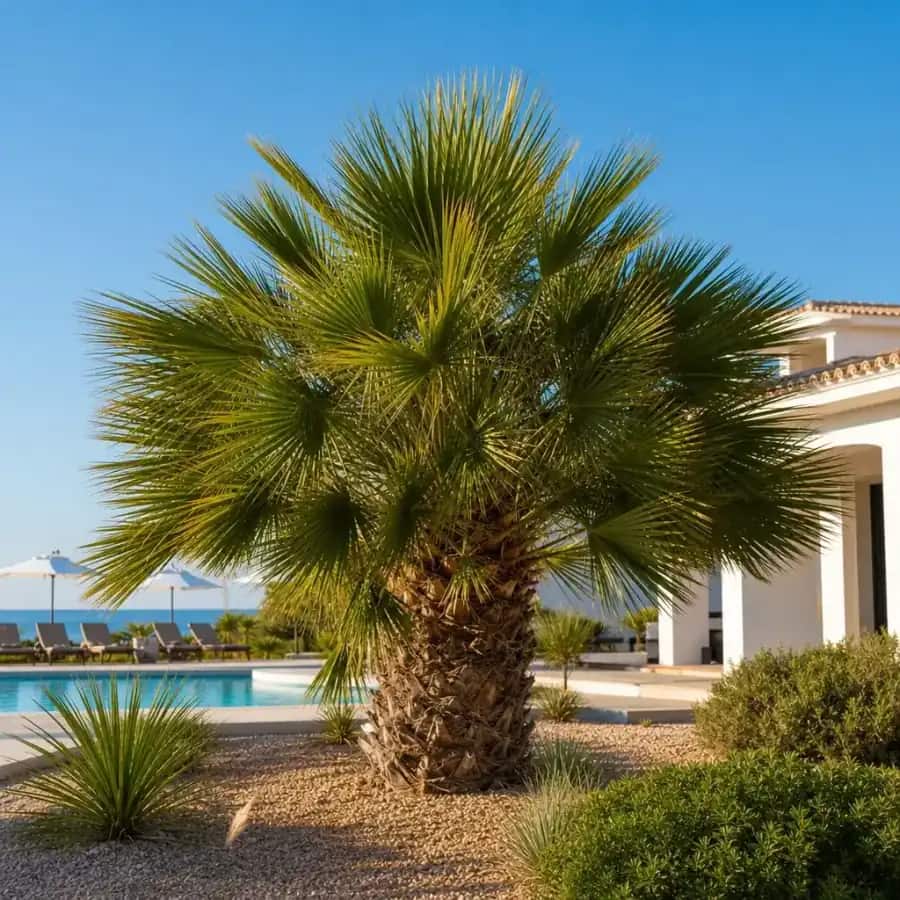 Zones 8 to 11
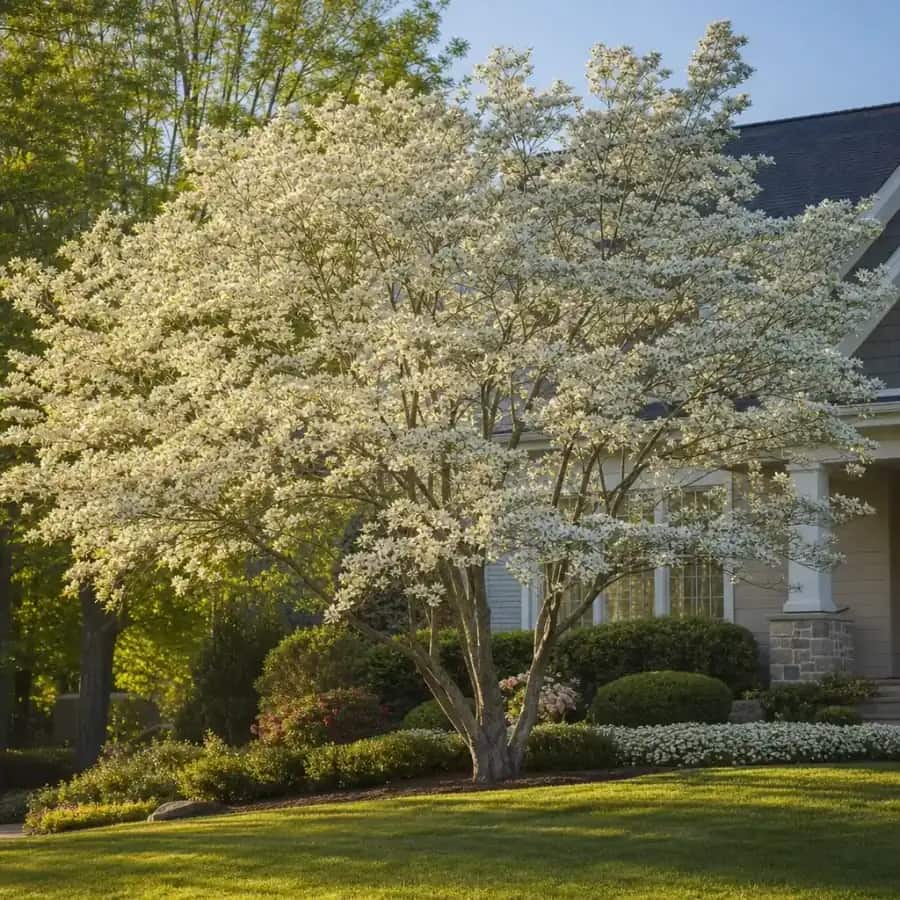 Zones 5 to 9
Shop by category
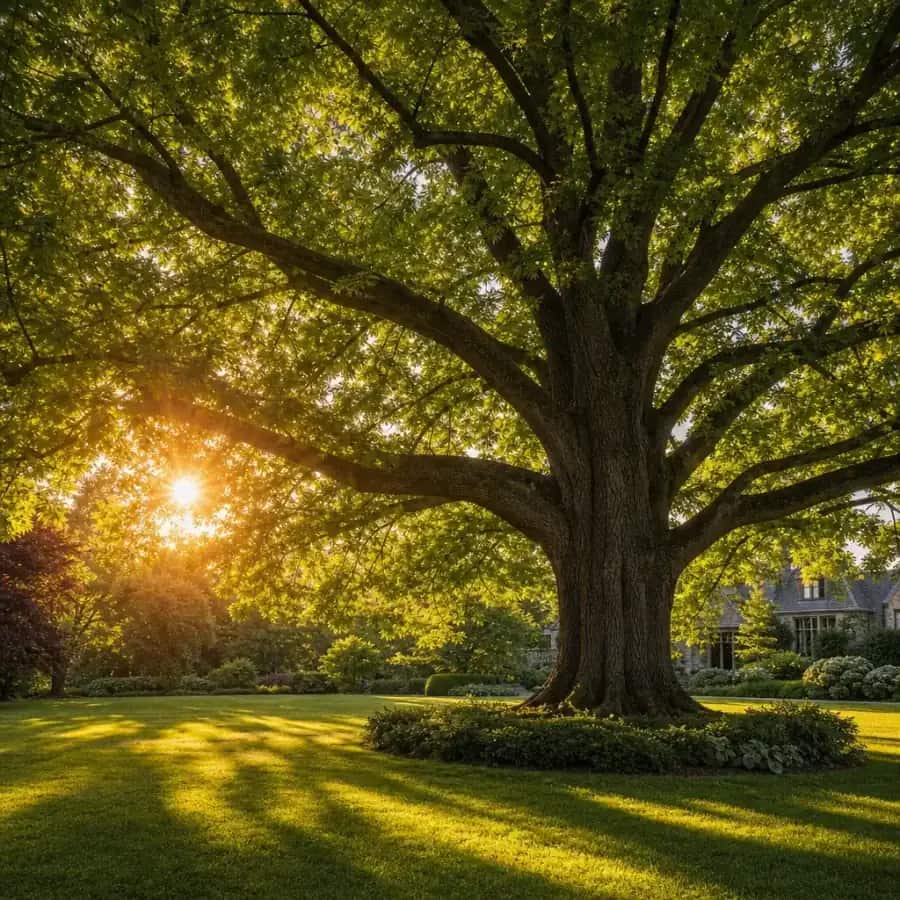 Shade TreesPlant fast-growing shade to cool your home and yard through hot zone 8 summers.View all Shade Trees →
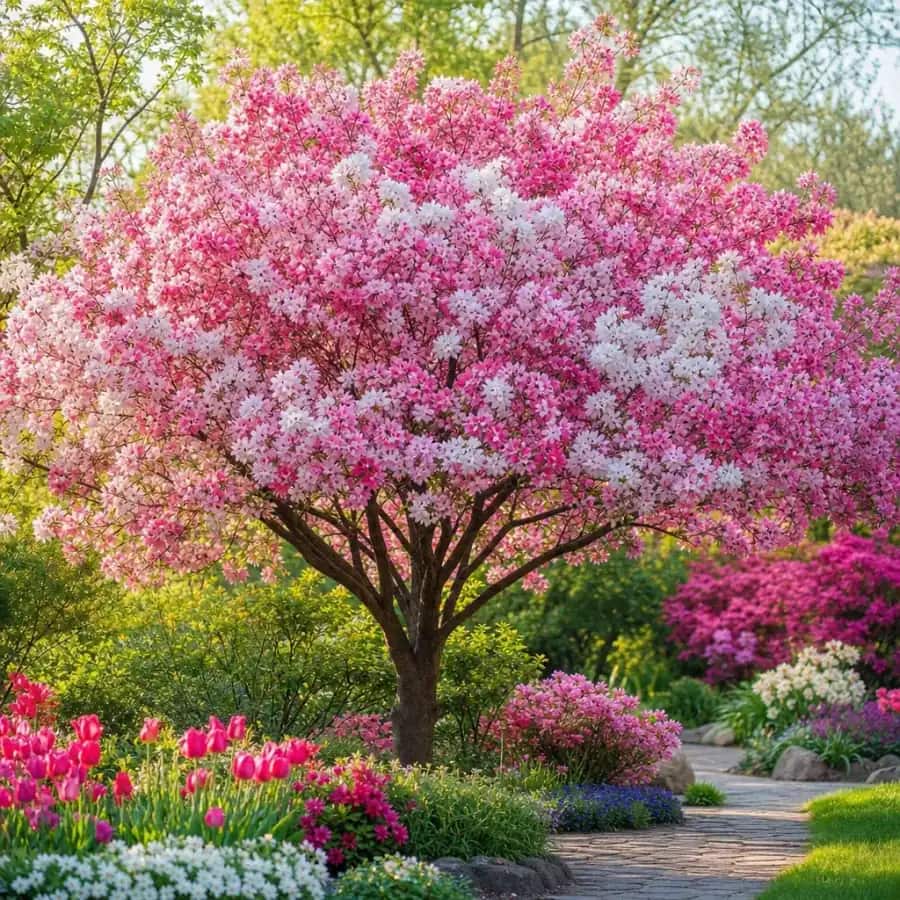 Flowering & OrnamentalAdd seasonal color that blooms reliably in zone 8's mild winters and warm springs.View all Flowering & Ornamental →
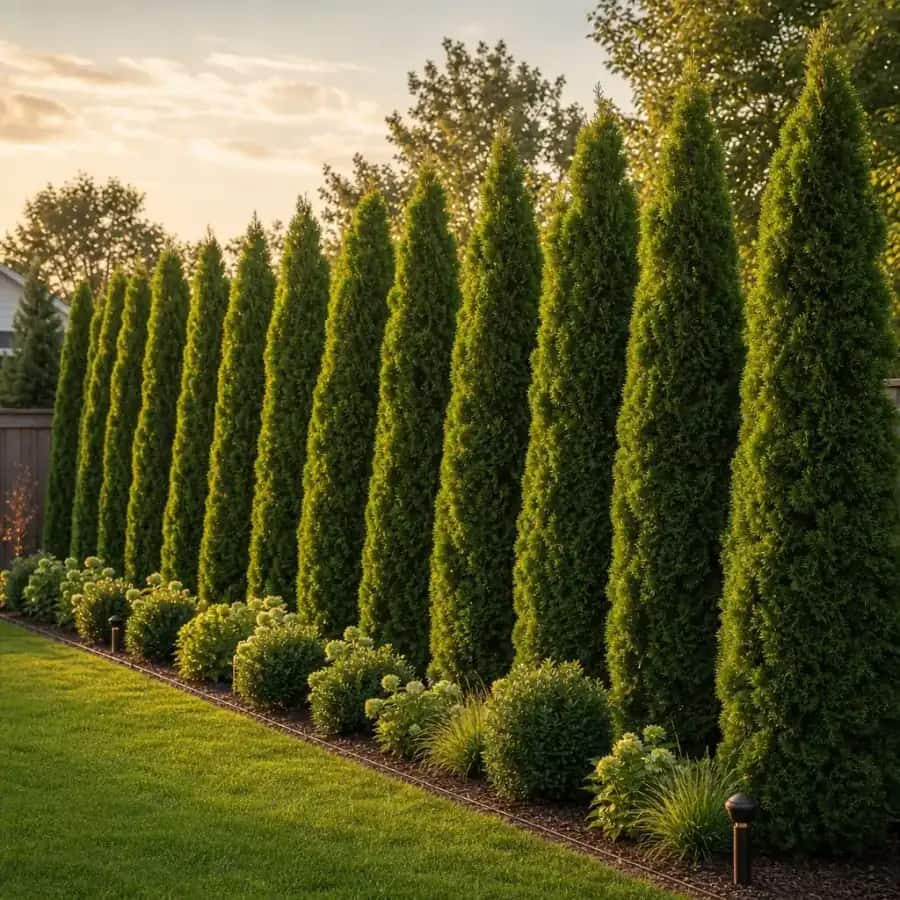 Evergreen & PrivacyBuild year-round screening with evergreens that handle humid summers and winter lows down to 10 degrees.
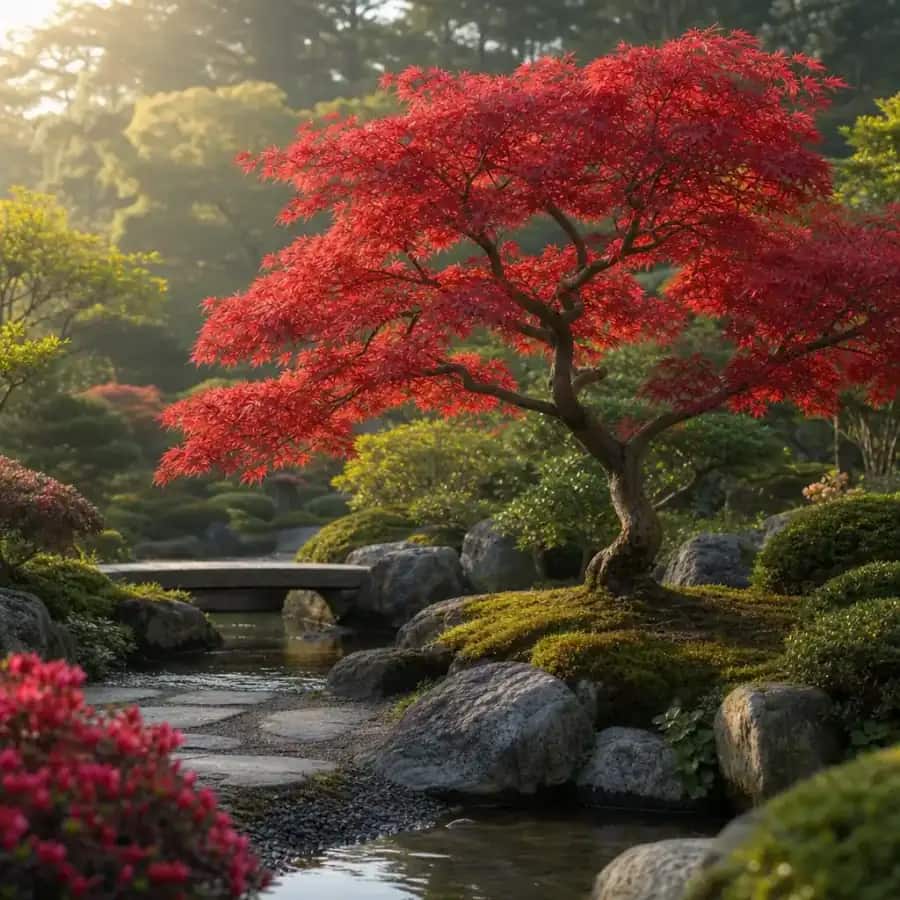 Japanese MaplesChoose delicate leaf color and form for sheltered spots; some varieties need afternoon shade.View all Japanese Maples →
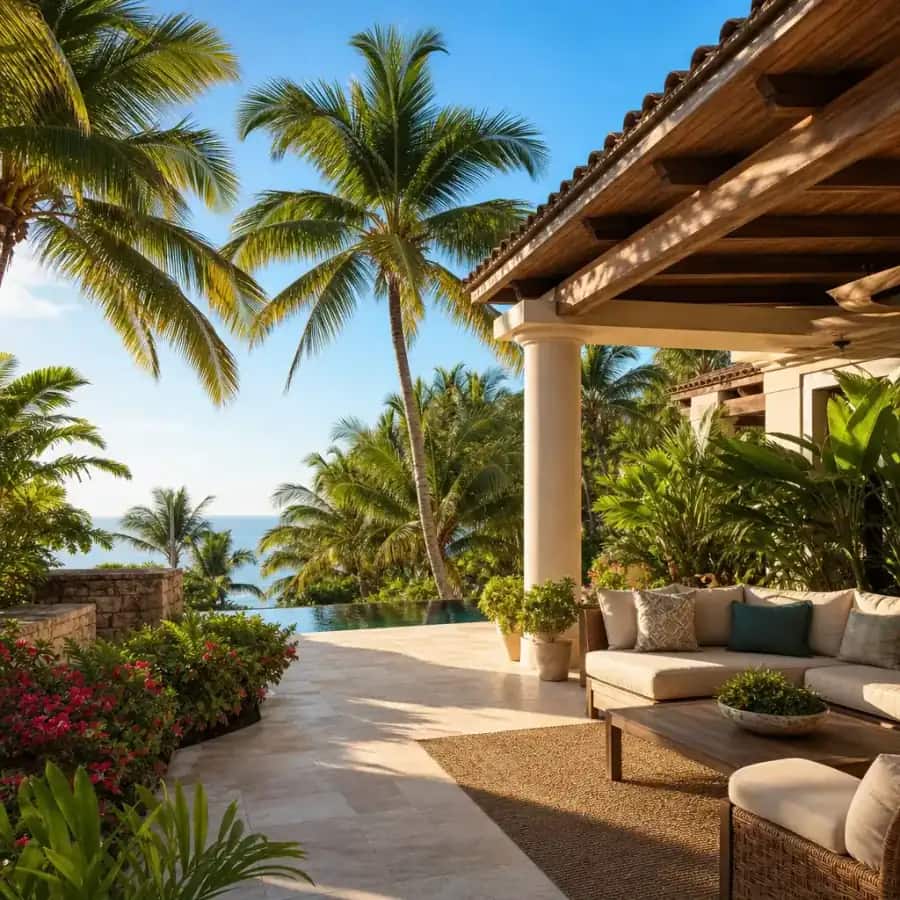 Palms & TropicalsCreate a tropical feel with palms and cycads that thrive in zone 8's warm season.View all Palms & Tropicals →
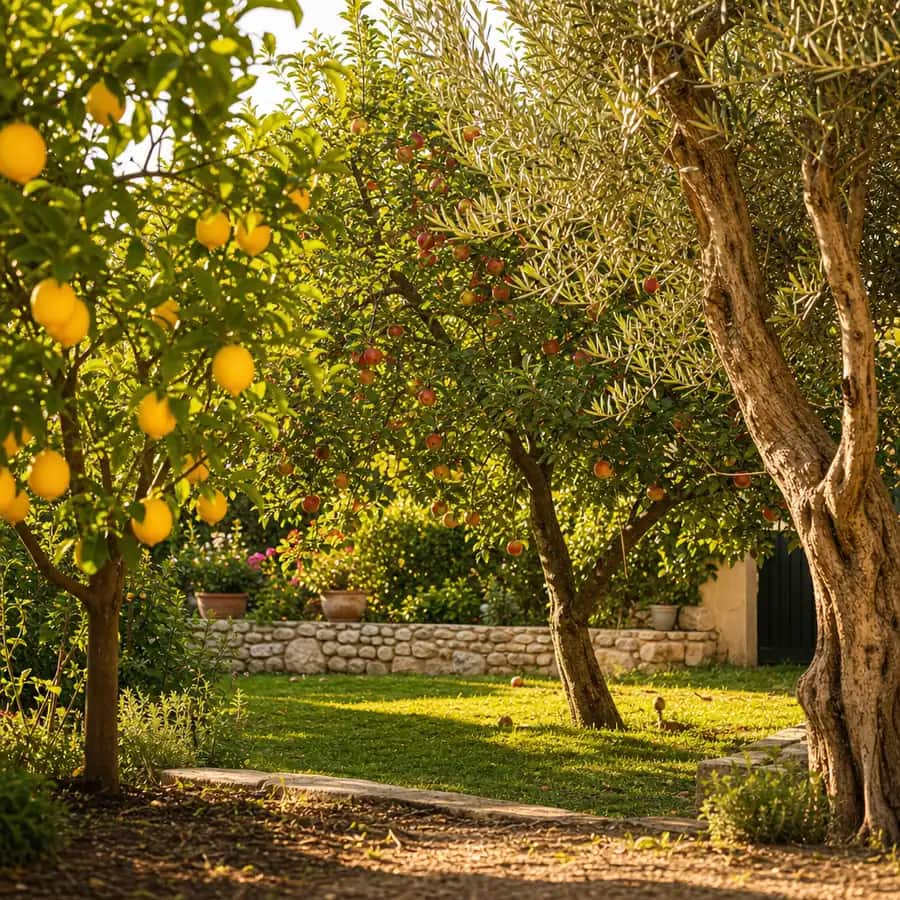 Fruit TreesGrow fresh fruit from apples to figs, selected for your zone's chill hours.View all Fruit Trees →
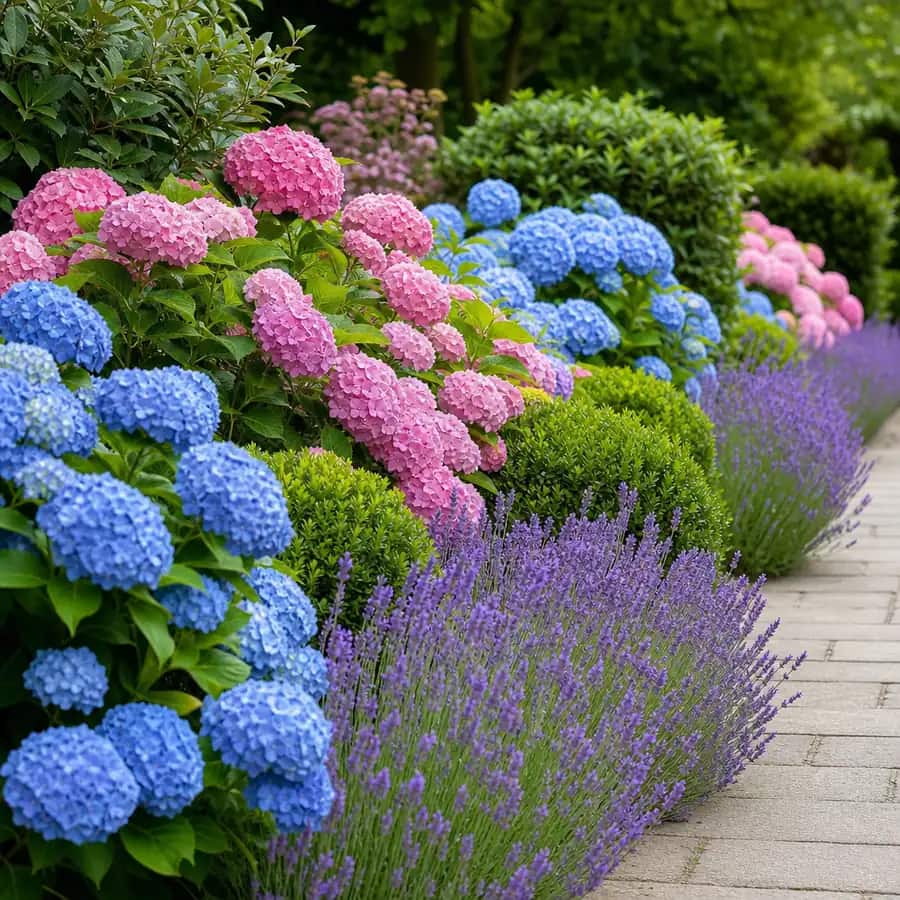 Shrubs & HedgesDefine borders and fill beds with tough shrubs that shrug off humidity and cold snaps.View all Shrubs & Hedges →
Local fit, from data
8a
about 10 to 15 F
11
Forrest City
Looking for shade, privacy, or fruit trees in St. Francis County? Arbor Buddy delivers large, nursery-grown trees shipped by freight straight to homeowners in St. Francis County, Arkansas (AR). Our trees are matched to your yard's hardiness zone, zone 8a, so you get varieties that thrive through winter lows of 10 to 15 degrees Fahrenheit. No need to settle for generic nursery stock.
Not every tree can handle St. Francis County's hot, humid summers and occasional winter cold snaps. Temperate trees that need long chill hours may struggle, and tropicals without cold tolerance won't make it.
But zone 8a opens the door to many options. With typical winter lows of 10 to 15 degrees Fahrenheit, trees in the 8a band thrive. The county's 11 ZIP codes share this zone, so your yard is ready for trees like the Tuscarora Crape Myrtle, Bald Cypress, and Honeycrisp Apple. Summer heat and humidity favor crape myrtles and lavenders, while shade trees like Autumn Blaze Maple provide relief.
When shopping for trees for zone 8 in St. Francis County, choose varieties that exit dormancy early and tolerate wet springs. The zone's mild winters allow a longer growing season, so many flowering and fruit trees produce reliably year after year.
Ships in fall through early spring. Zone 8 orders travel during the fall-to-early-spring stretch, not peak summer. This timing gives your tree a head start before hot weather arrives.
Many trees thrive in zone 8. Our featured picks like Autumn Blaze Red Maple, Tuscarora Crape Myrtle, and Bald Cypress all grow here. The zone's mild winters and long growing season support a large variety of shade, flowering, and fruit trees.
Trees arrive nursery-grown at a usable landscape size. Each tree is shipped bare-root or potted, depending on the variety, and is ready to plant after arrival. Sizes vary by species but are large enough to establish quickly.
Good options include Bald Cypress and Nellie Stevens Holly. Bald Cypress tolerates wet soil but drops needles in winter. For year-round coverage, consider an evergreen like Nellie Stevens Holly or a D. D. Blanchard Southern Magnolia.
Arbor Buddy makes it simple to find trees that fit your St. Francis County climate. Every variety on our site is zone-tested for 8a. Browse the selection, check the guarantee, and order your trees for delivery this season.
Broward County, Florida (FL) sits in zones 10b to 11a, with winter lows of 35 to 45 degrees Fahrenheit. That gap changes the local shortlist to privacy trees that stay evergreen year-round, like clumping bamboos or tropical hedges. In St. Francis County, our colder winters limit broadleaf evergreens to hardier choices like Nellie Stevens Holly.
Belknap County, New Hampshire (NH) lives in zones 5b to 6a, with winter lows as low as -15 degrees. For your cart, that means flowering trees must be cold-hardy to zone 5, like crabapples or serviceberries. Here in zone 8, your flowering options are much broader, you can plant crape myrtles and magnolias that wouldn't survive a northern winter.
Logan County, North Dakota (ND) endures zones 4a to 4b, with winter lows of -30 to -20 degrees Fahrenheit. In practice, buyers there lean toward fruit trees that need intense cold for dormancy, like Honeycrisp apples. In St. Francis County, your milder winters allow even fig trees and some cold-hardy citrus, broadening your home-orchard choices.
For St. Francis County buyers, the contrast shows your zone's flexibility, you can grow trees from several climate bands, as long as they tolerate warm, humid summers and occasional freezes.
Every tree you order from Arbor Buddy arrives with our 1-Year Thrive Guarantee. If the tree doesn't survive its first year, we replace it free. We ship via freight to much of St. Francis County. Orders travel in fall through early spring, the best time for zone 8 planting. Your tree arrives nursery-grown at a usable landscape size, zone-matched before shipping.
Before delivery day, check:
Enter your ZIP, shop only what thrives in your zone.
Freight delivery to your address: $149 flat per order, shown at checkout.
Plant it, watch it thrive, covered for one year.
Good to know · Growing guide
Coverage runs a full year from delivery. If something goes wrong, contact the team and they arrange the replacement. No store-credit games, no fine-print maze.