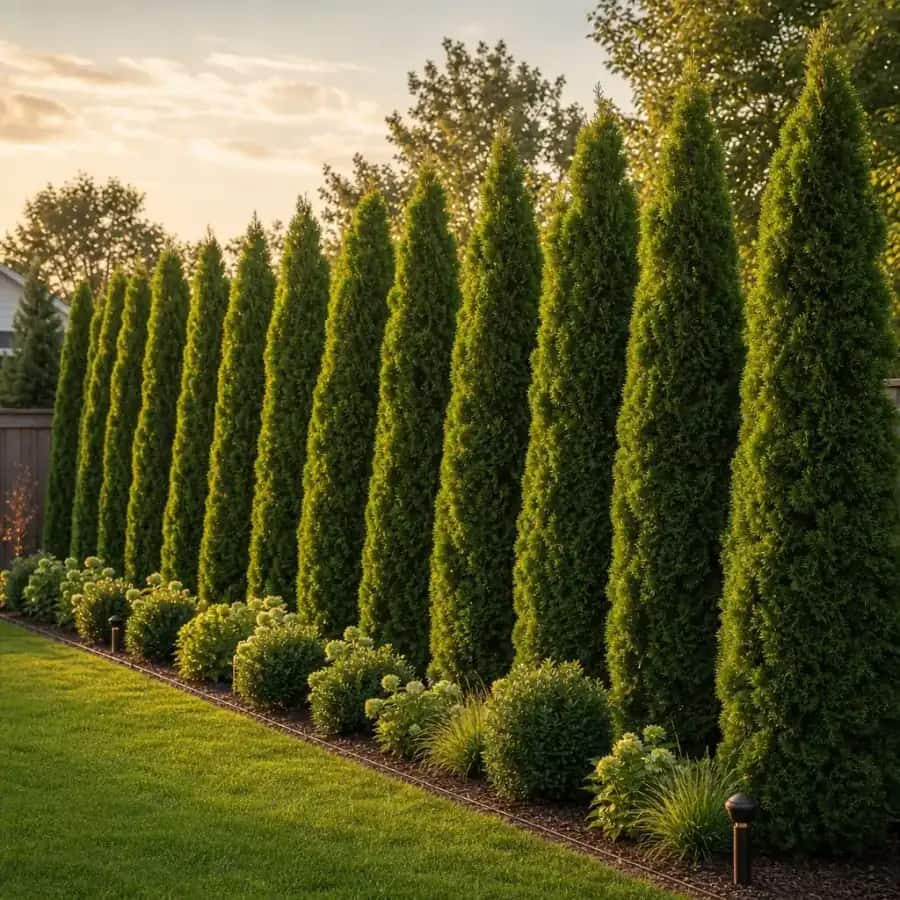
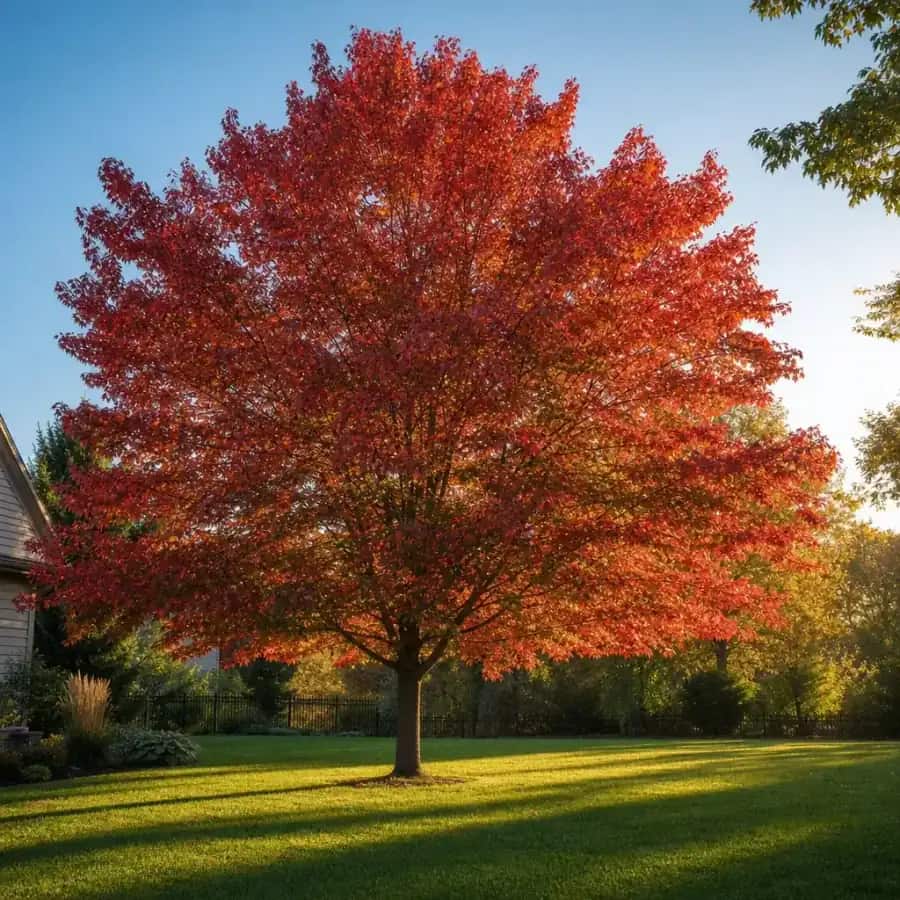
 Zones 3 to 8
Shade Trees
Autumn Blaze Red Maple
$60
Shop large, nursery-grown shade, privacy, flowering and fruit trees, delivered by freight in Beltrami County. Every tree is matched to your hardiness zone and backed by our 1-Year Thrive Guarantee.
Enter your ZIP and we'll match trees to your exact growing zone.
Typical winter lows in Beltrami County run about -35 to -30 F.
Matched to Beltrami County's zones
Zones 3 to 8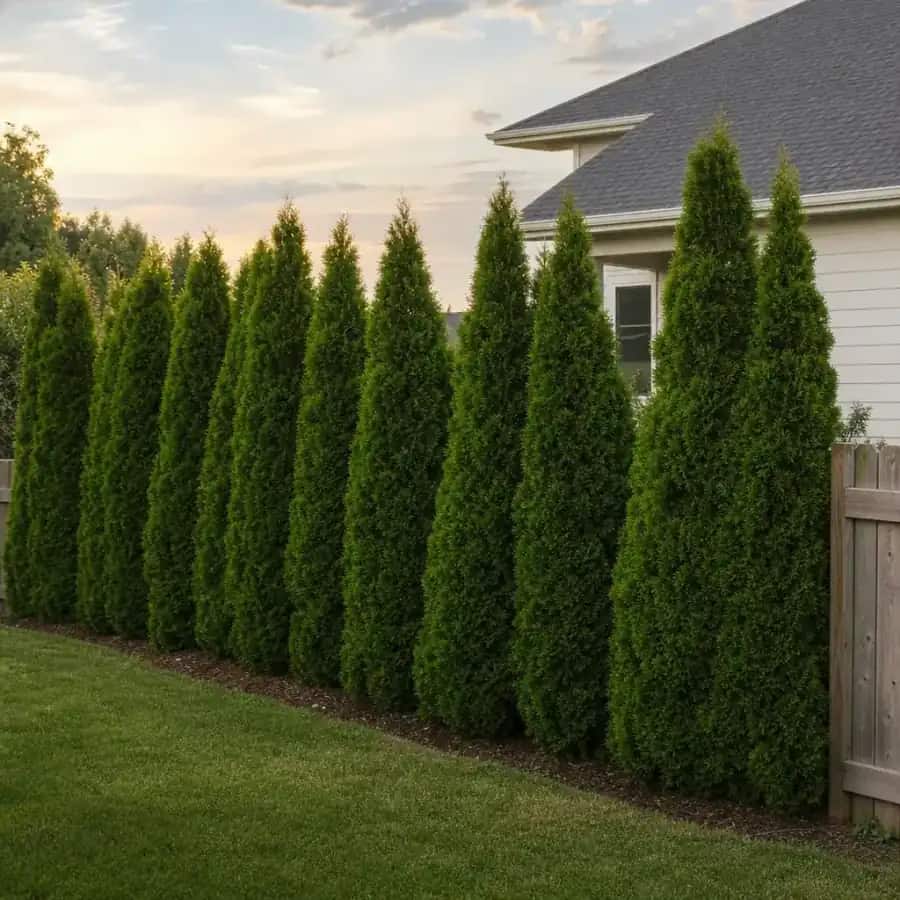 Zones 3 to 8
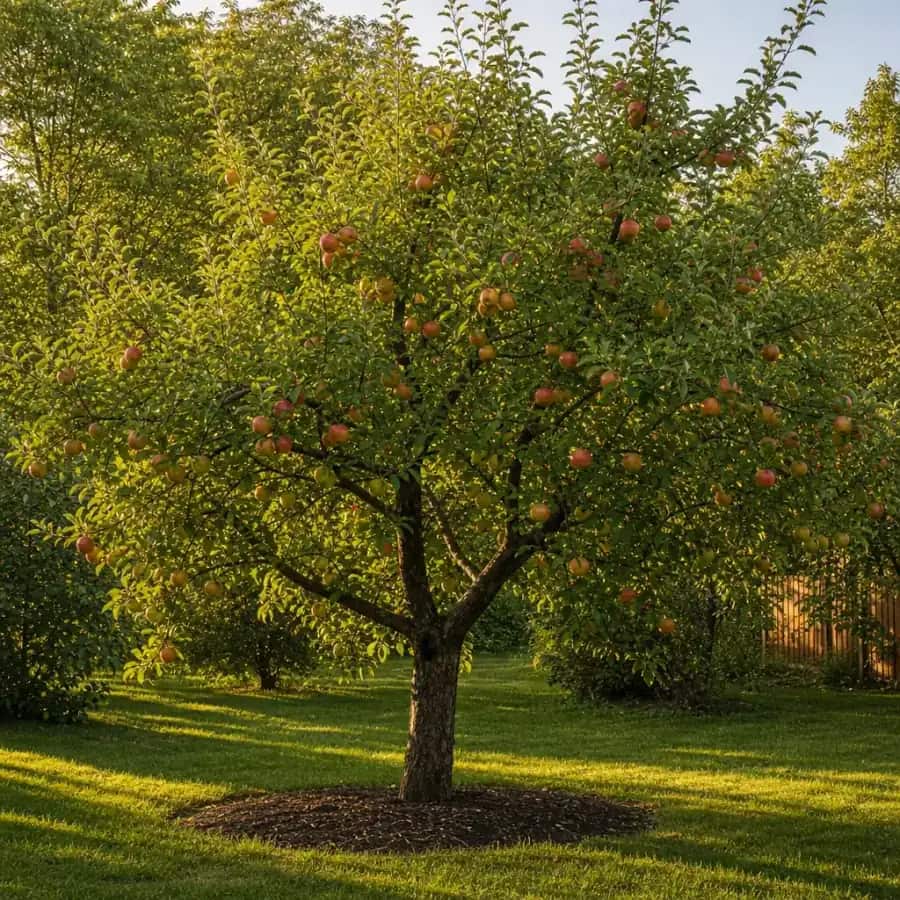 Zones 3 to 8
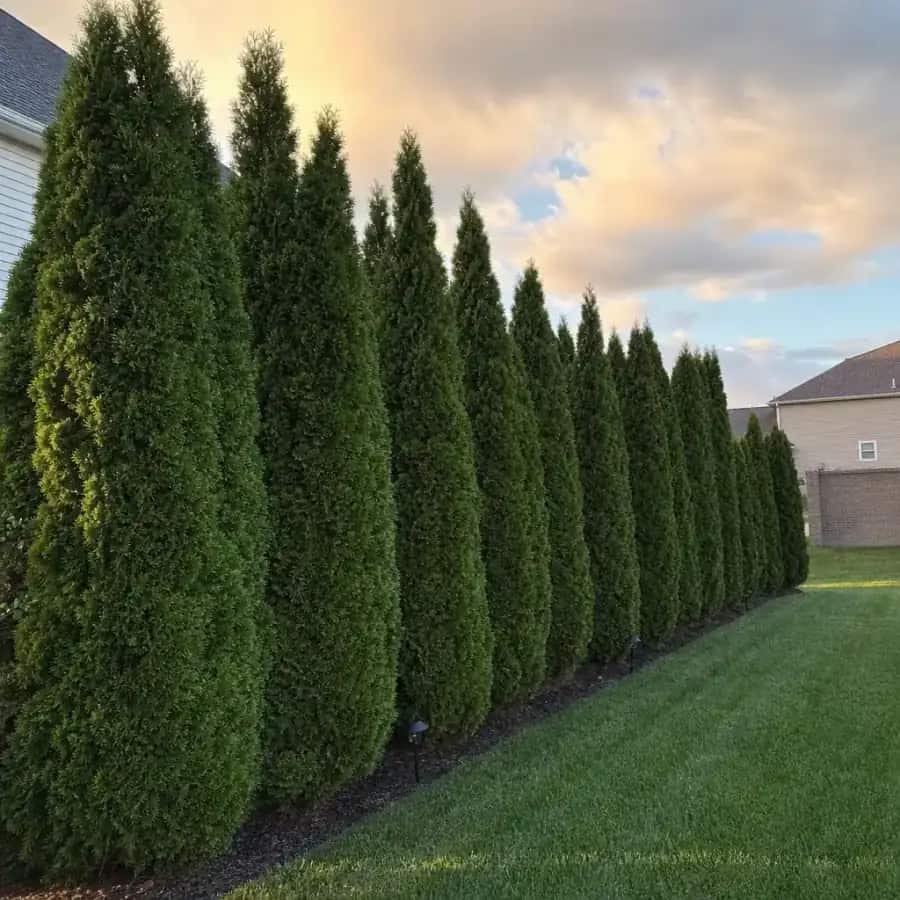 Zones 3 to 8
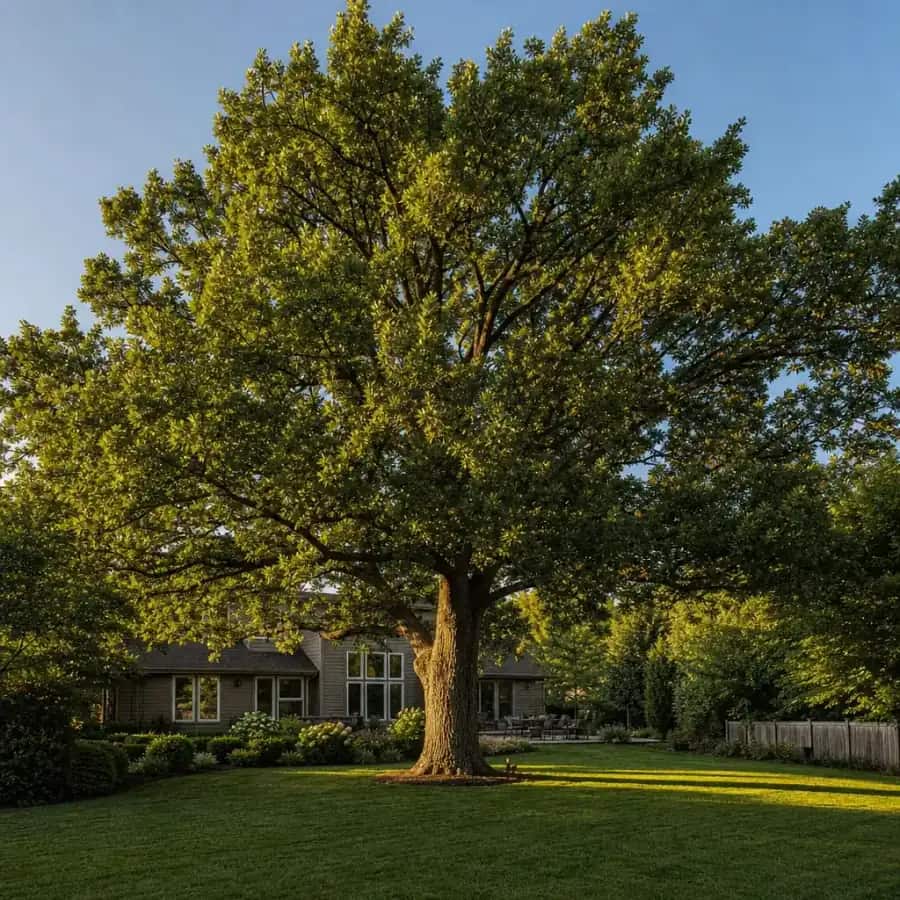 Zones 3 to 8
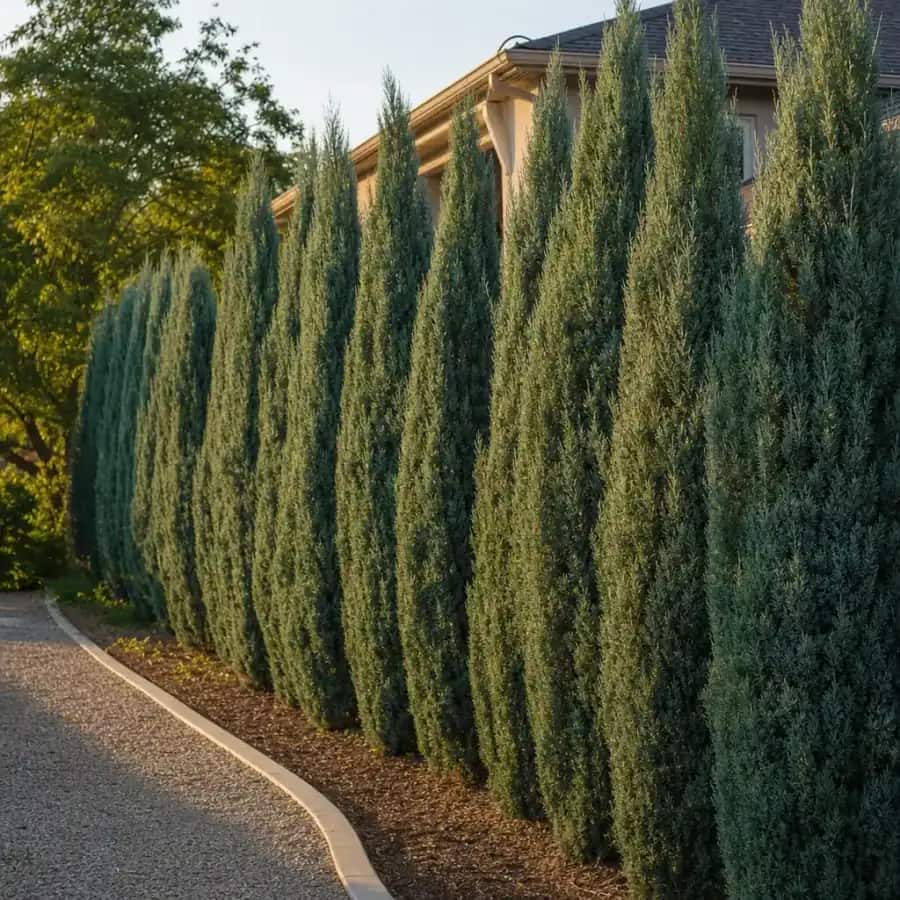 Zones 3 to 7
Shop by category
Local fit, from data
3b
about -35 to -30 F
14
Bemidji
Looking for shade, privacy, or fruit trees that can handle Beltrami County, Minnesota (MN) winters? Arbor Buddy ships large nursery-grown trees by freight direct to homeowners and contractors. Every tree is matched to your hardiness zone, and in Beltrami County that means zone 3b, where winter lows can drop to -35 to -30 F. The list below focuses on what actually survives and earns its place in your yard.
Beltrami County spans hardiness zone 3b across its 14 ZIP codes. That means winter lows typically run about -35 to -30 F. Not everything sold as a "cold-hardy" tree can handle that. The trees on this page are selected specifically to survive those lows and still perform in your yard.
Summers here are short and cool, with moderate rainfall. The western part of the county tends to be a little drier, while the area around Bemidji gets slightly more snow. For trees for zone 3 in Beltrami County, evergreens and shade oaks do very well because they are native to the region or have proven cold tolerance. Fruit trees like Honeycrisp apple are bred for these conditions, but they need a pollinator partner. Privacy plantings should focus on species that stay green through the winter without browning from windburn.
Orders to zone 3 areas like Beltrami County are scheduled for spring arrival, once deep cold has passed. That means trees ship after the ground thaws and the risk of a hard freeze drops. We coordinate with freight carriers to time delivery when you can plant.
Many trees thrive in zone 3, including cold-hardy oaks like Bur Oak, evergreens like American Pillar Arborvitae and Eastern Redcedar, and fruit trees like Honeycrisp Apple. The key is selecting species that can handle winter lows of -30 to -35 F and still put on growth in a short summer.
All trees are nursery-grown at a usable landscape size, typically 5 to 7 feet tall or larger depending on the species. They arrive in sturdy containers or with root balls wrapped for freight. You get a tree that is ready to plant, not a twig.
American Pillar Arborvitae, Brodie Eastern Red Cedar, and Eastern Redcedar are all top picks for zone 3 privacy screens. They stay green through winter, resist windburn, and grow in narrow columns that fit tight side yards. Plant them 4 to 5 feet apart for a solid wall.
Your hardiness zone decides your list. Every tree we sell is field-tested for zone 3 and backed by a 1-Year Thrive Guarantee. Browse the featured picks above or head to the full shop to see all trees that will actually make it through a Beltrami County winter. Arbor Buddy ships directly to your door, ready to plant.
Goochland County, Virginia (VA) sits in zones 7a to 7b with winter lows of 0 to 10 F. That climate is much warmer than what we experience here. The contrast means Goochland can grow broadleaf evergreens like magnolias and camellias. Those would not survive a Beltrami County winter. That gap changes the local shortlist to evergreens that are true zone 3 survivors, like Eastern Redcedar and American Pillar Arborvitae. We cannot rely on southern-style privacy plants.
Windham County, Vermont (VT) falls in zones 5a to 6a with lows -20 to -5 F. That is still colder than most of the country but a full zone warmer than Beltrami County. As a result, their flowering trees like dogwoods and redbuds can perform well. For your cart, that means you should stick with smaller flowering species that are known zone 3 performers, such as certain crabapples. The Honeycrisp apple we carry is a solid choice, but you will not get the same variety of spring color as Vermont residents see.
Box Elder County, Utah (UT) is in zones 6a to 7a with winter lows -10 to 5 F. That dry, high desert climate allows some fruit trees like apricots and peaches to thrive, which are not an option here. In practice, buyers here lean toward Honeycrisp apples and hardy plums if they want homegrown fruit. The warmer Utah climate also supports a wider range of junipers, but our native Eastern Redcedar is tough enough to handle both climates.
What these comparisons show is that your zone 3 belt determines the list powerfully. Stick with trees proven to survive -35 F, and you will avoid costly replacements.
Arbor Buddy ships trees by freight to much of Beltrami County. Because many properties here have long rural driveways or tight winter access, we work with drivers who can handle reasonable roads. Orders to zone 3 areas are scheduled for spring arrival, once deep cold has passed. Every tree is nursery-grown at a usable landscape size and zone-matched before it leaves our facility. It arrives backed by our 1-Year Thrive Guarantee: free replacement if a tree does not survive its first year.
Before delivery day, check:
Enter your ZIP, shop only what thrives in your zone.
Freight delivery to your address: $149 flat per order, shown at checkout.
Plant it, watch it thrive, covered for one year.
Good to know · Growing guide
Coverage runs a full year from delivery. If something goes wrong, contact the team and they arrange the replacement. No store-credit games, no fine-print maze.