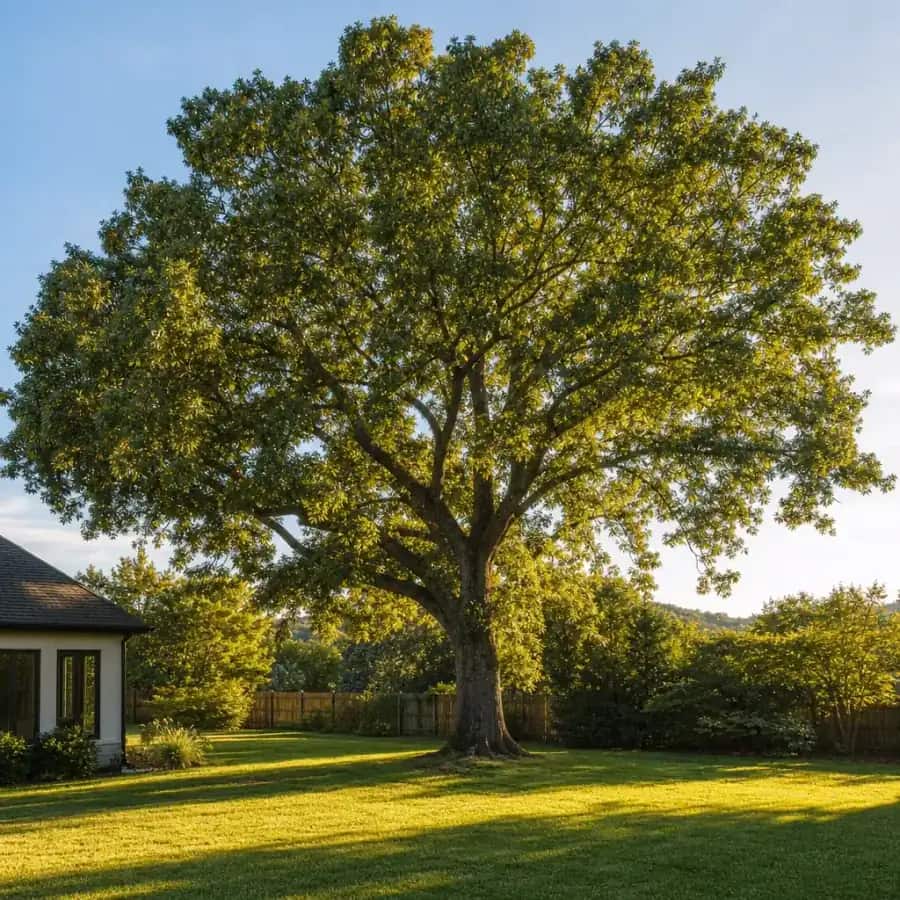
 Zones 4 to 8
Shade Trees
Chinkapin Oak
$579
Shop large, nursery-grown shade, privacy, flowering and fruit trees, delivered by freight in Grant County. Every tree is matched to your hardiness zone and backed by our 1-Year Thrive Guarantee.
Enter your ZIP and we'll match trees to your exact growing zone.
Typical winter lows in Grant County run about -30 to -20 F.
Matched to Grant County's zones
Zones 4 to 8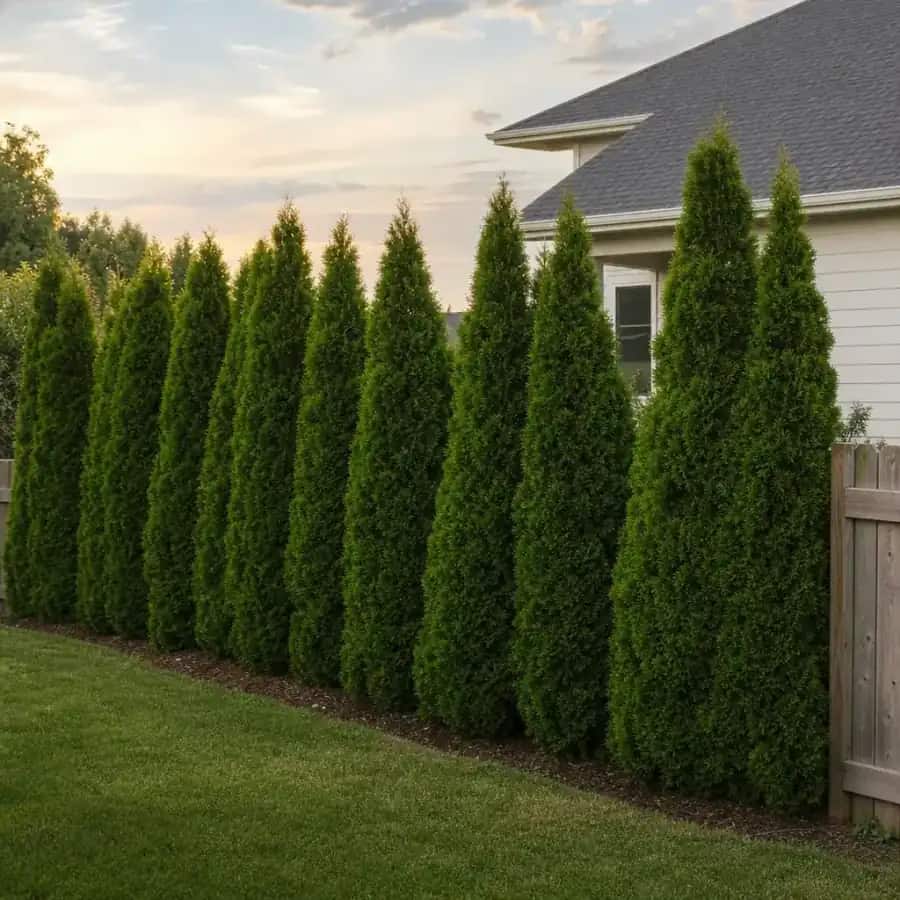 Zones 3 to 8
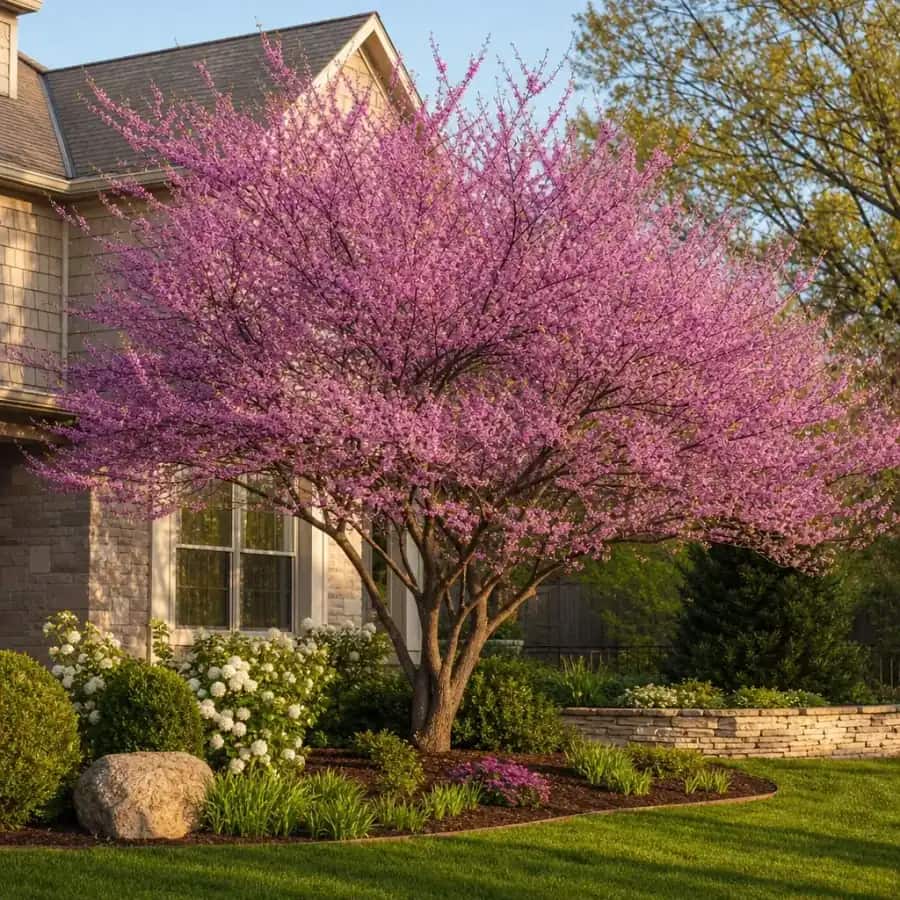 Zones 4 to 9
 Zones 3 to 8
 Zones 4 to 9
 Zones 4 to 9
Shop by category
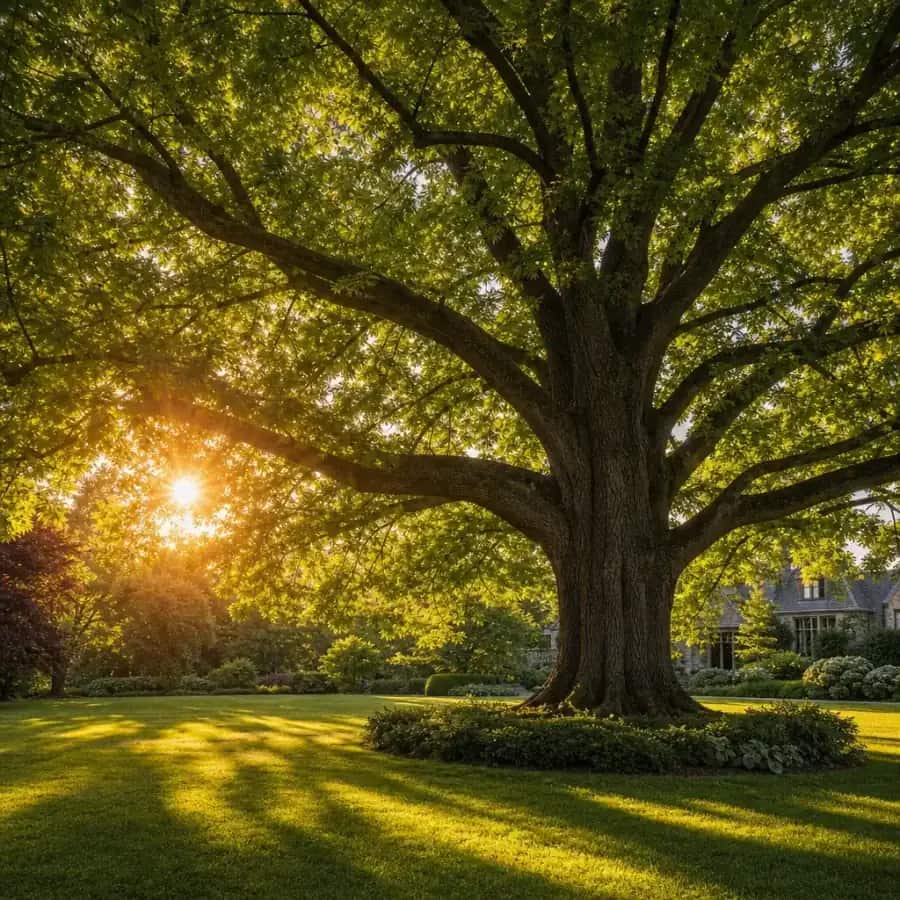 Shade TreesProvides cooling canopy in Grant County's short summers; hardy species like Autumn Blaze Red Maple thrive in zone 4.View all Shade Trees →
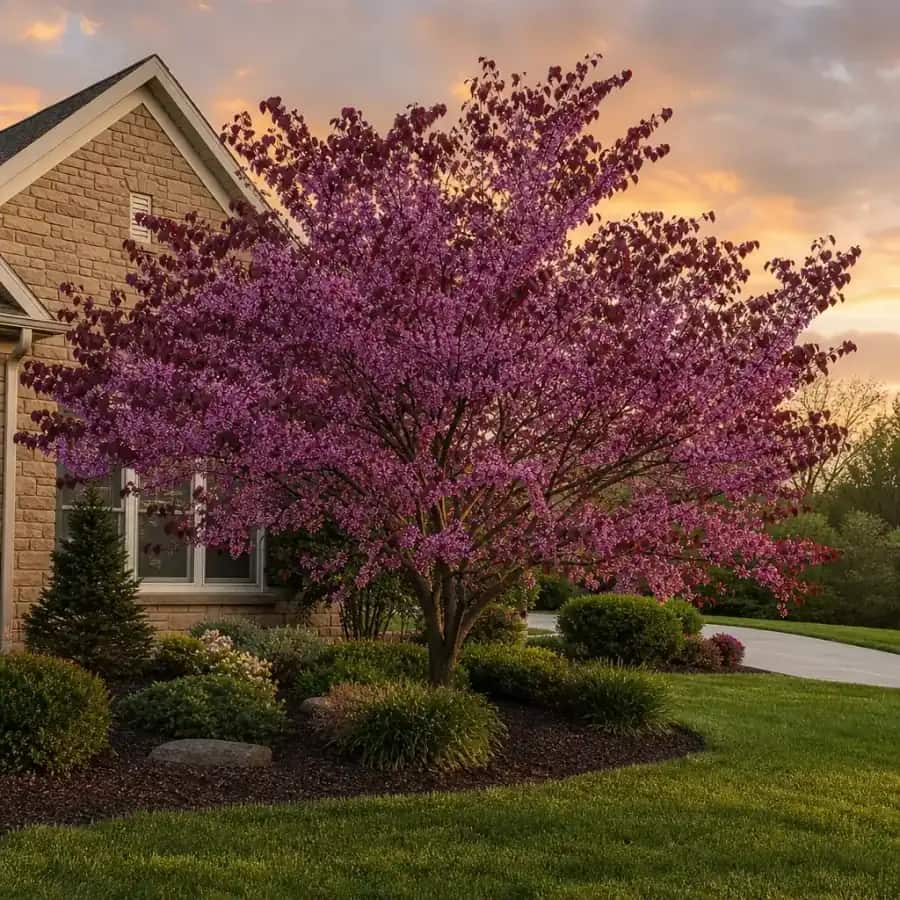
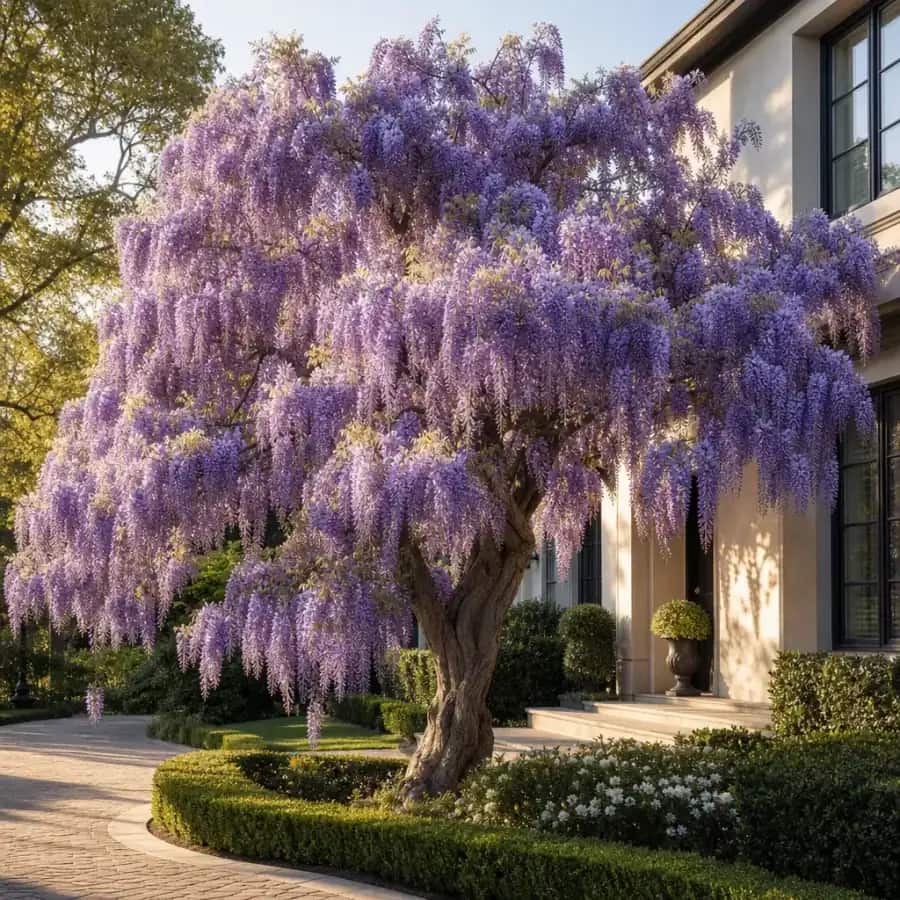
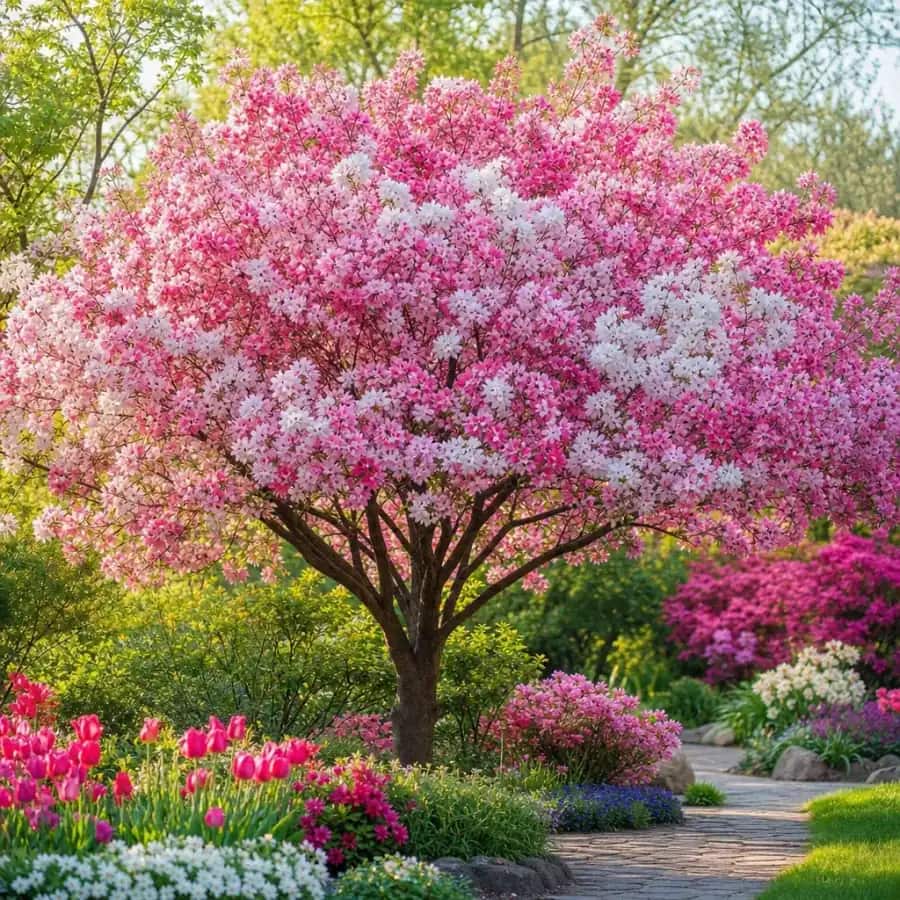 Flowering & OrnamentalAdds spring and summer color to zone 4 yards with Eastern Redbuds and Wisteria Tree.View all Flowering & Ornamental →
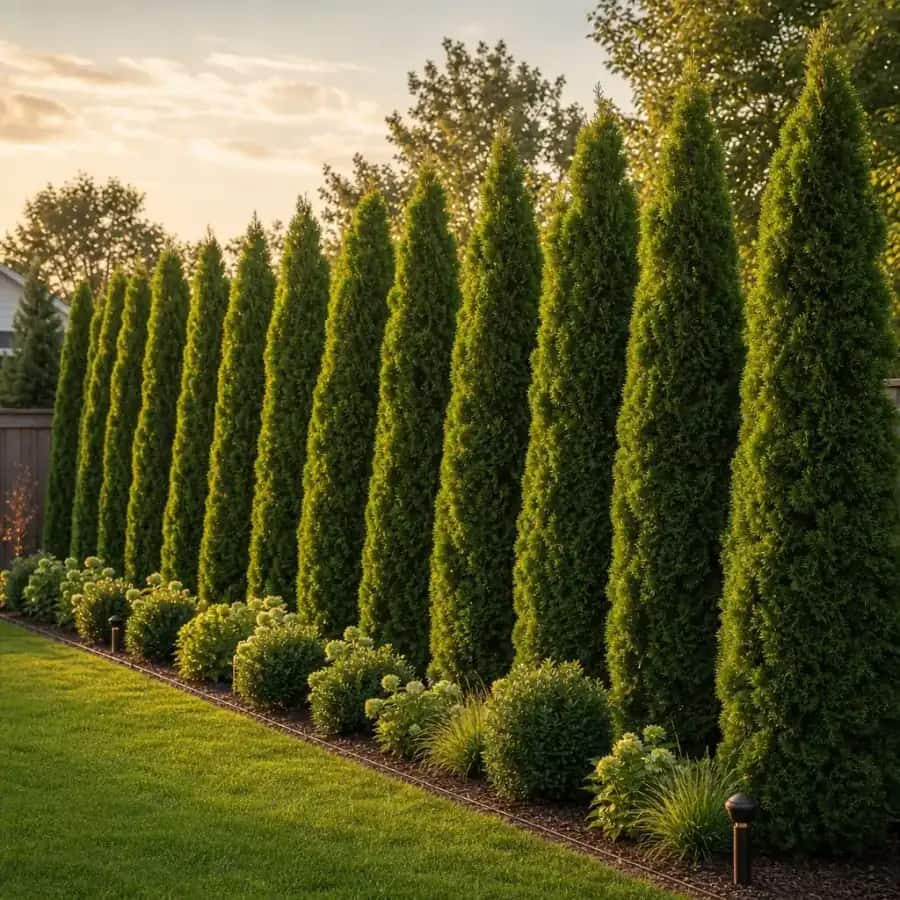 Evergreen & PrivacyScreens wind and neighbors year-round with tough natives like Eastern Redcedar that laugh off -30 F winters.
Local fit, from data
4a to 4b
about -30 to -20 F
7
Ashby
Spring shipping to Grant County, Minnesota (MN) means Arbor Buddy delivers large nursery-grown shade, privacy, and fruit trees by freight. Every tree is matched to your zone 4a to 4b hardiness, where winter lows drop to -30 to -20 F. Homeowners and contractors get a 1-Year Thrive Guarantee.
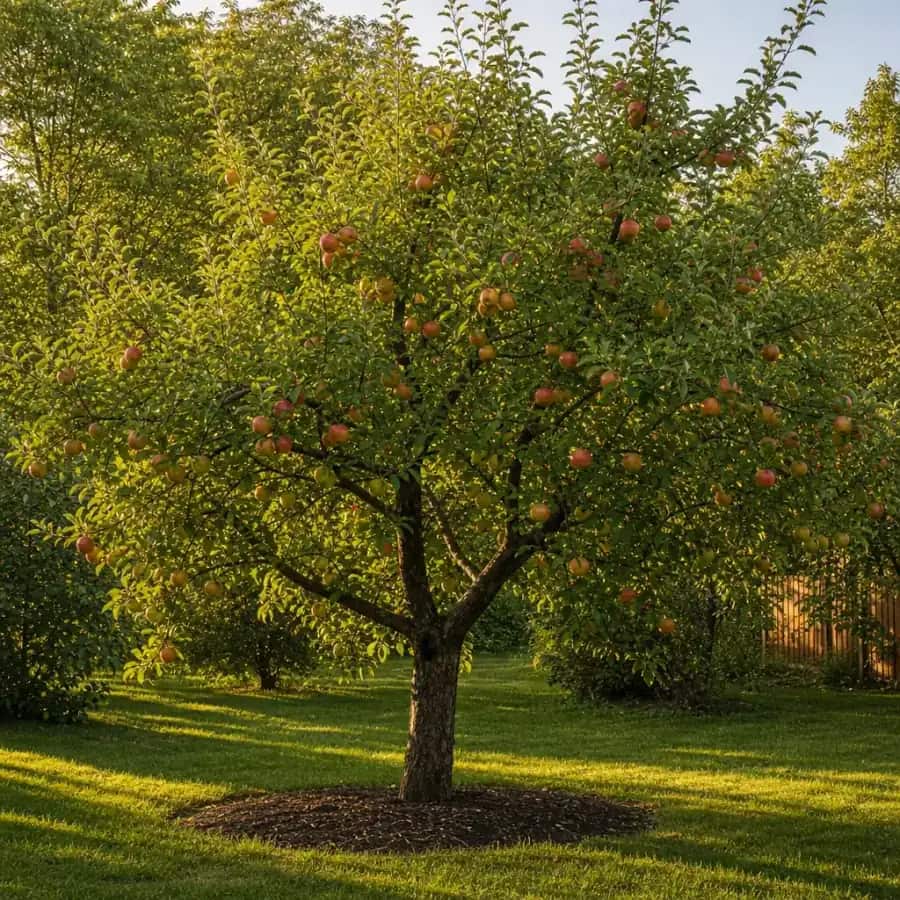
Grant County sits in USDA hardiness zones 4a to 4b across its seven ZIP codes. Typical winter lows of -30 to -20 F rule out trees that need milder winters, such as many dogwoods or Japanese maples. Instead, growers here lean toward species bred for cold endurance. Trees for zone 4 in Grant County include Eastern Redcedar, which survives zone 2, and cold-hardy fruit trees like Honeycrisp Apple.
The western part of the county, around Ashby, may be slightly warmer toward zone 4b, while the eastern rural fringe dips into 4a. Wet springs and dry summers shape choices: shade trees like Weeping Willow thrive near consistent moisture, but the same conditions demand durable root systems.
Flowering ornamentals such as Hearts A'fire Redbud adapt well to the local soil and cold snaps. Overall, the climate favors tough, native or adapted species that can handle a short growing season and deep freezes.
Trees ship in spring. Orders to zone 4 areas are scheduled for arrival after deep cold has passed, typically in April or May. You will receive a shipping window once you order.
Weeping Willow and American Sycamore are top choices. Both handle zone 4a to 4b lows and provide quick shade. Weeping Willow needs consistent moisture and space.
Trees arrive at a usable landscape size, typically 4 to 6 feet tall or larger depending on the species. They are root-balled or potted and ready for planting.
Eastern Redcedar, Honeycrisp Apple, and Hearts A'fire Redbud grow best in zone 4. They tolerate winter lows of -30 to -20 F. All match your hardiness range.
Browse our zone-matched trees for Grant County and find the perfect fit for your yard. Arbor Buddy ships large trees to your door with the 1-Year Thrive Guarantee, so you can plant with confidence. Order now for spring delivery.
Grant County's winters are colder than many other regions, which changes the tree palette. Here, the zone usually pushes the choice toward species that can handle -20 F lows.
First, compare with Bristol County, Rhode Island (RI). Bristol County sits in zone 7a with winter lows of 0 to 5 F. That warmer, more humid climate lets homeowners grow Southern Magnolia and Crape Myrtle, trees that would not survive a Grant County winter. The practical difference is humidity tolerance: in Grant County, trees like Eastern Redcedar and Weeping Willow handle dry spells better than the moisture-loving magnolias of Rhode Island.
Next, Forest County, Pennsylvania (PA) is zone 6a with lows -10 to -5 F. While still cold, it is about 10 degrees warmer than Grant County's -20 F. The practical difference is drought tolerance: many zone 6a trees, such as Red Maple, require consistent moisture. Here, tough species like Eastern Redcedar and Honeycrisp Apple are more forgiving of dry summer stretches.
Finally, Morgan County, Utah (UT) also sits in zone 6a with -10 to -5 lows. Locally, that points buyers toward trees with high cold-hardiness and tolerance for alkaline soil. Grant County's colder winters and more acidic soils mean you are better off with extremely hardy choices like Hearts A'fire Redbud and Krauter's Vesuvius Cherry Plum.
For a buyer in Grant County, these contrasts confirm that trees bred for zone 4 with strong root systems and cold tolerance are your safest bet.
Arbor Buddy ships large, nursery-grown trees by freight to your Grant County address. Each tree arrives at a usable landscape size, root-balled or potted, and zone-matched before it leaves the nursery. The 1-Year Thrive Guarantee means a free replacement if your tree does not survive its first year. Orders to zone 4 areas are scheduled for spring arrival, once deep cold has passed.
Before delivery day, check:
Enter your ZIP, shop only what thrives in your zone.
Freight delivery to your address: $149 flat per order, shown at checkout.
Plant it, watch it thrive, covered for one year.
Good to know · Growing guide
Coverage runs a full year from delivery. If something goes wrong, contact the team and they arrange the replacement. No store-credit games, no fine-print maze.