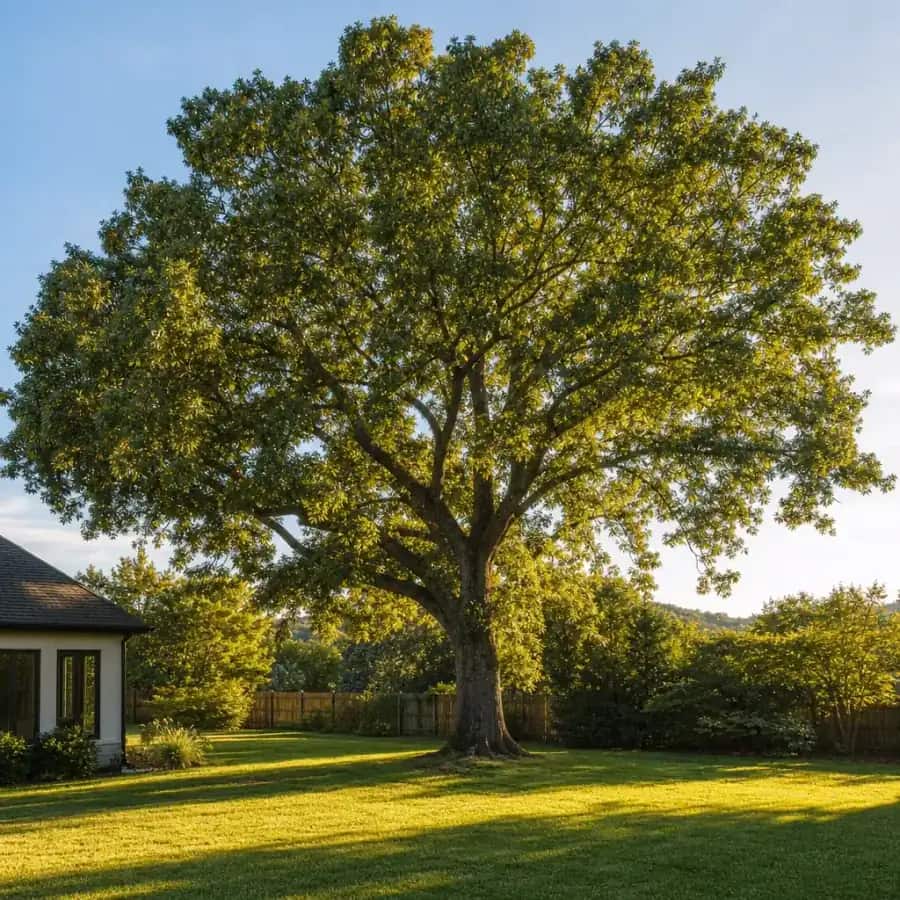
 Zones 4 to 8
Shade Trees
Chinkapin Oak
$579
Shop large, nursery-grown shade, privacy, flowering and fruit trees, delivered by freight in Nara Visa. Every tree is matched to your hardiness zone and backed by our 1-Year Thrive Guarantee.
Enter your ZIP and we'll match trees to your exact growing zone.
Typical winter lows in Nara Visa run about 0 to 5 F.
Matched to Nara Visa's zone
Zones 4 to 8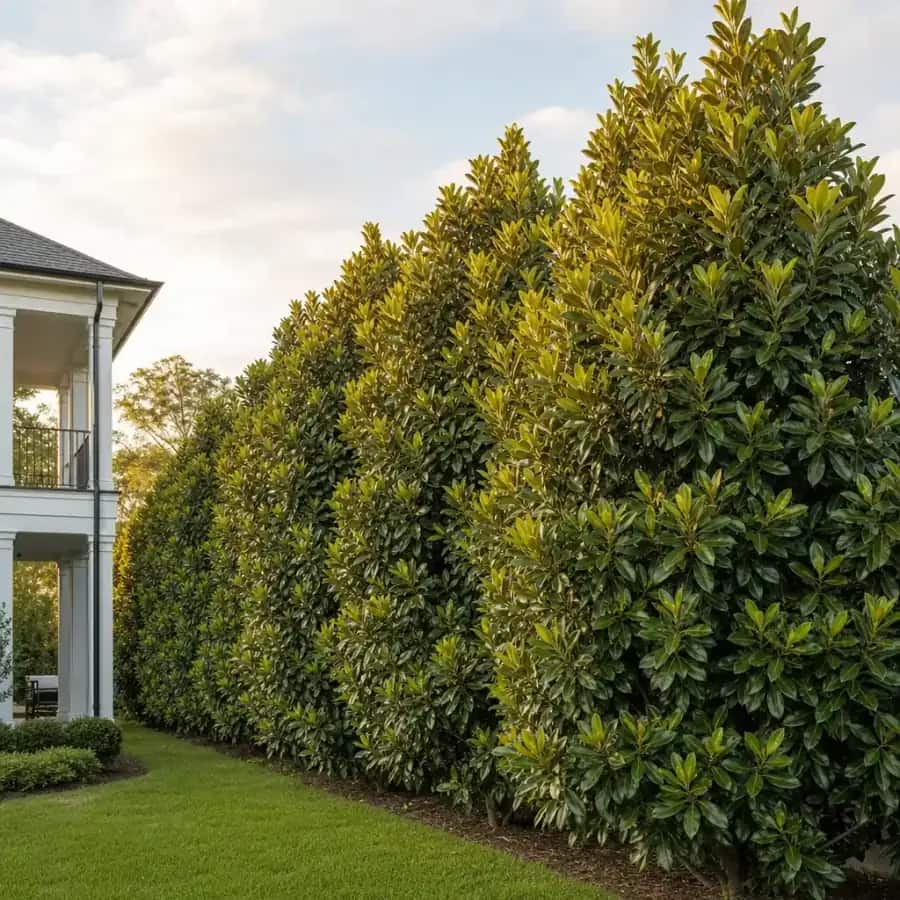 Zones 7 to 9
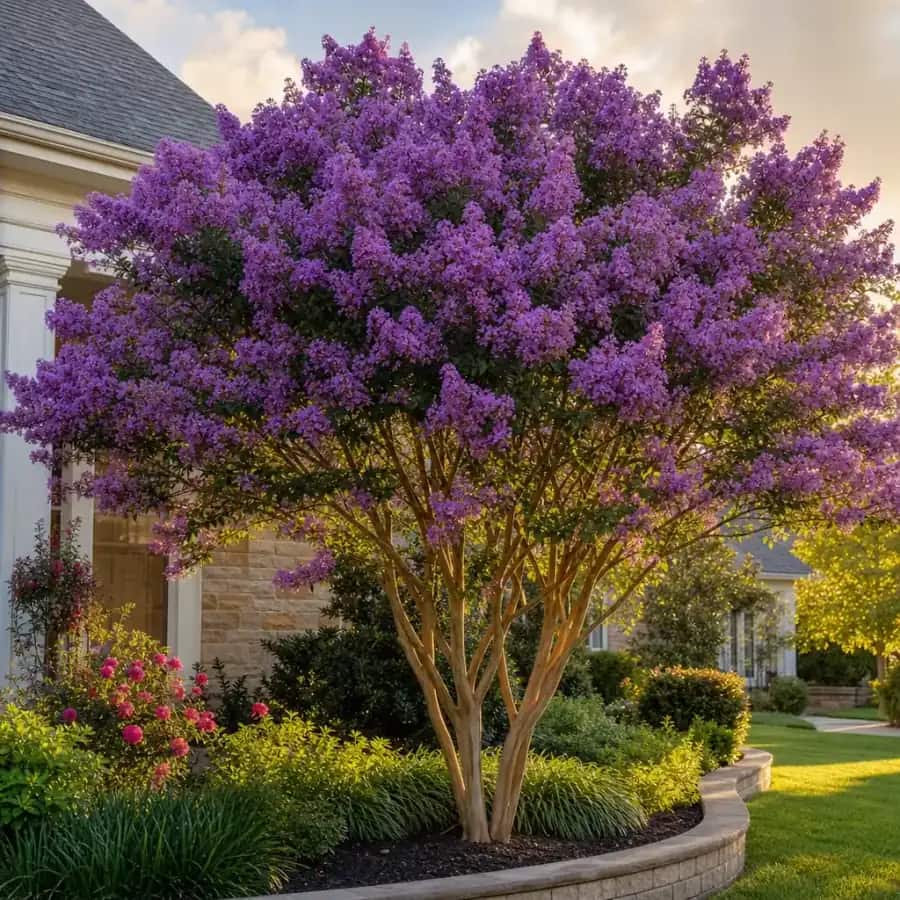 Zones 7 to 9
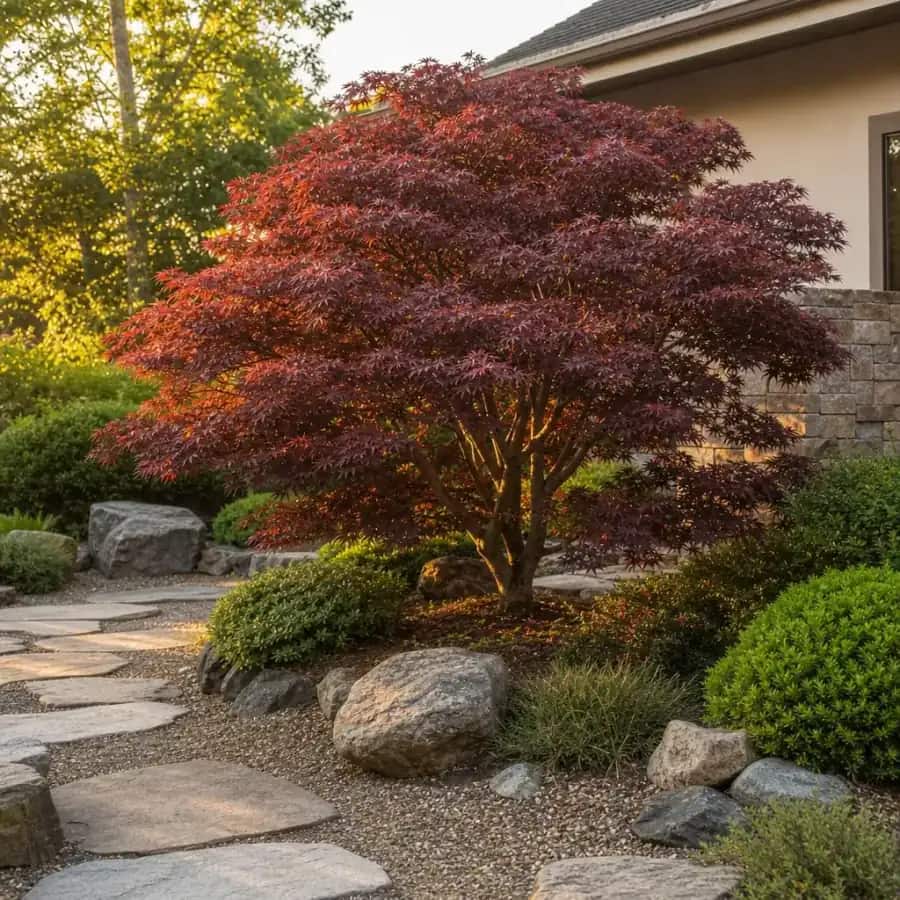 Zones 5 to 8
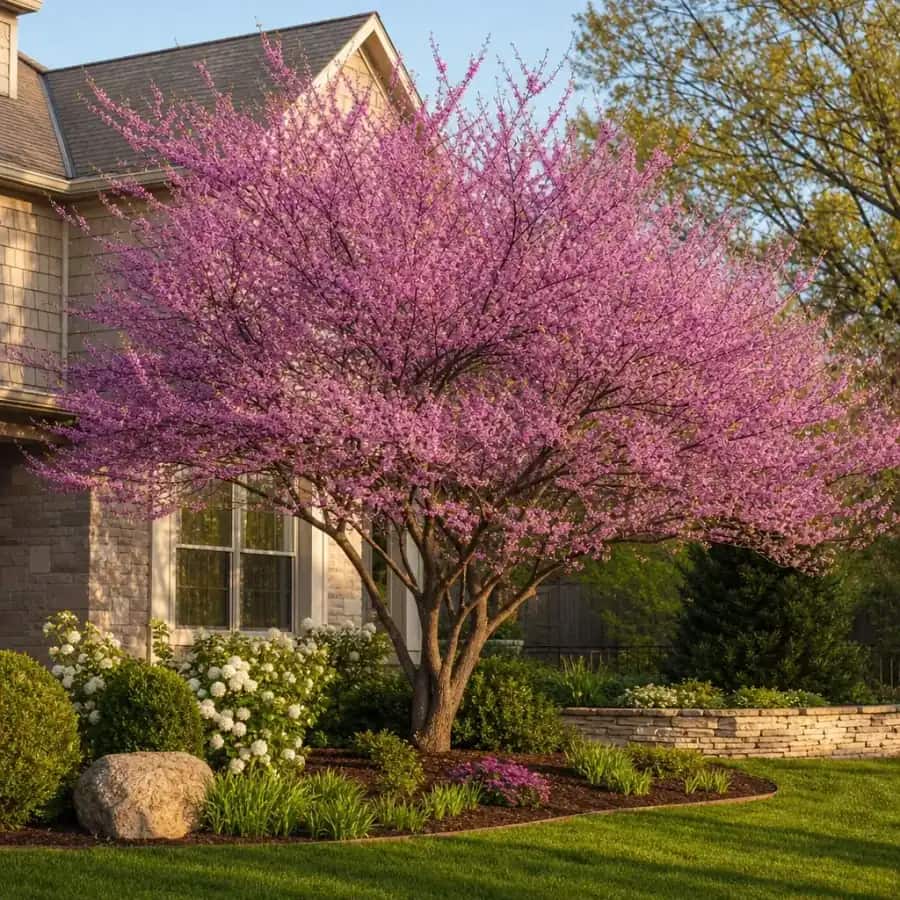 Zones 4 to 9
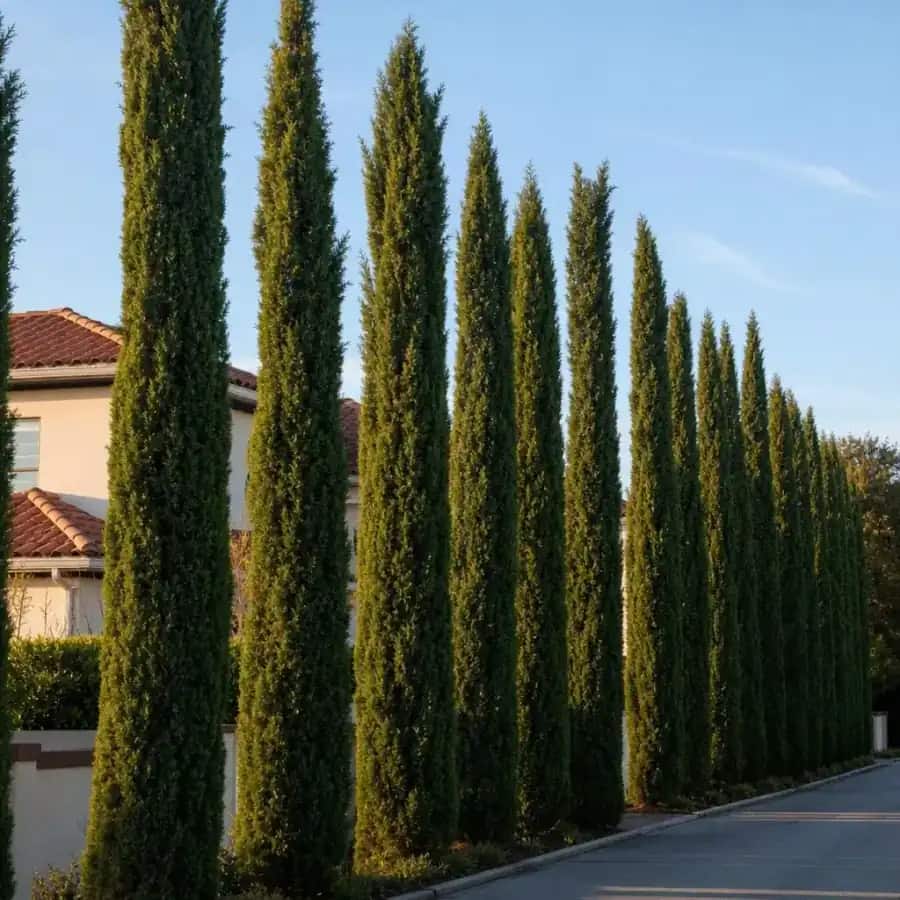 Zones 7 to 11
Shop by category
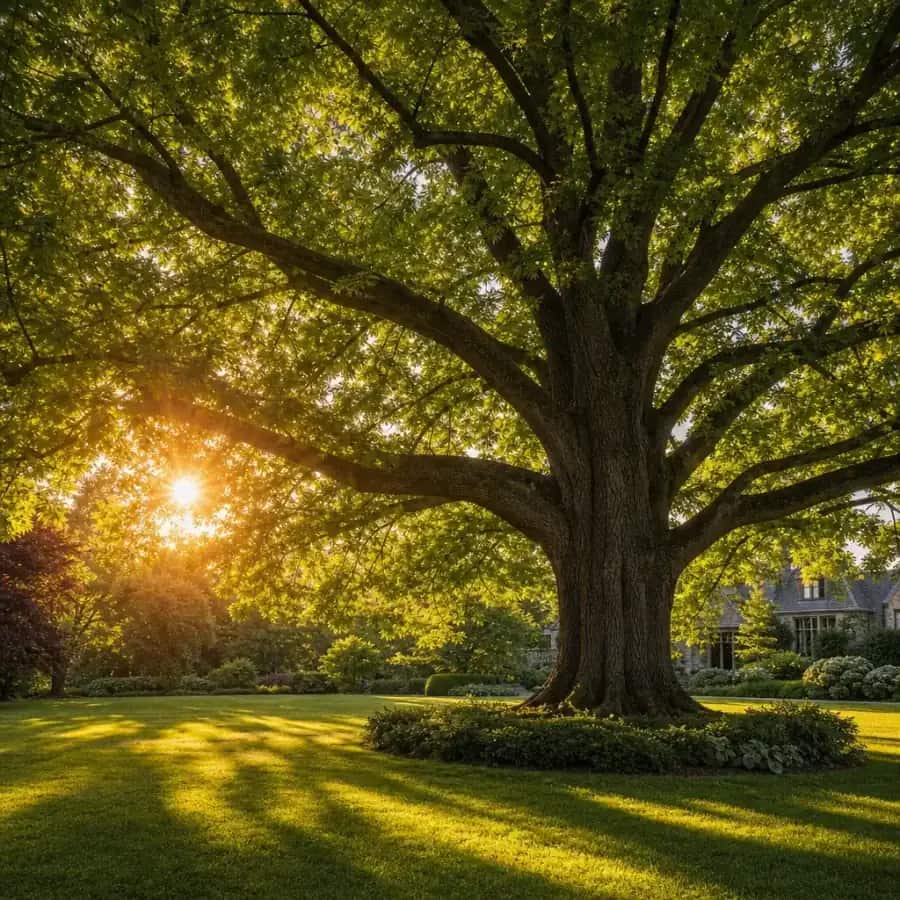 Shade TreesPlant a broad canopy that cuts cooling costs during hot Quay County summers.View all Shade Trees →
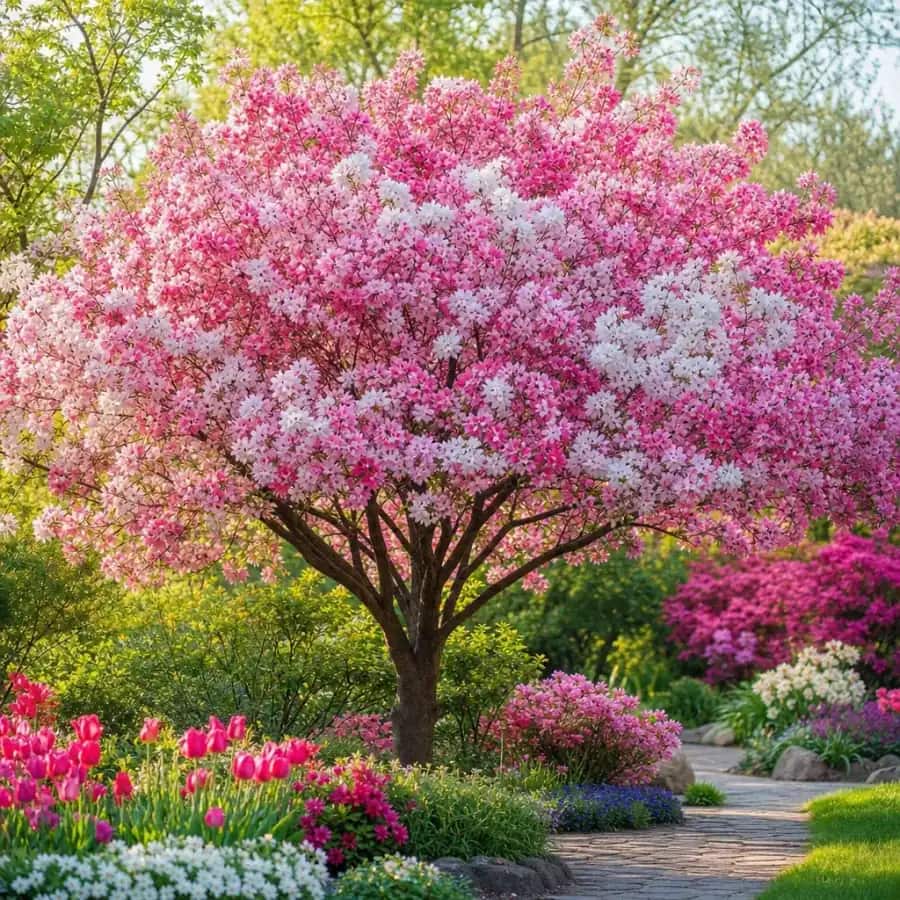 Flowering & OrnamentalAdd spring color that returns reliably despite winter lows near zero.View all Flowering & Ornamental →
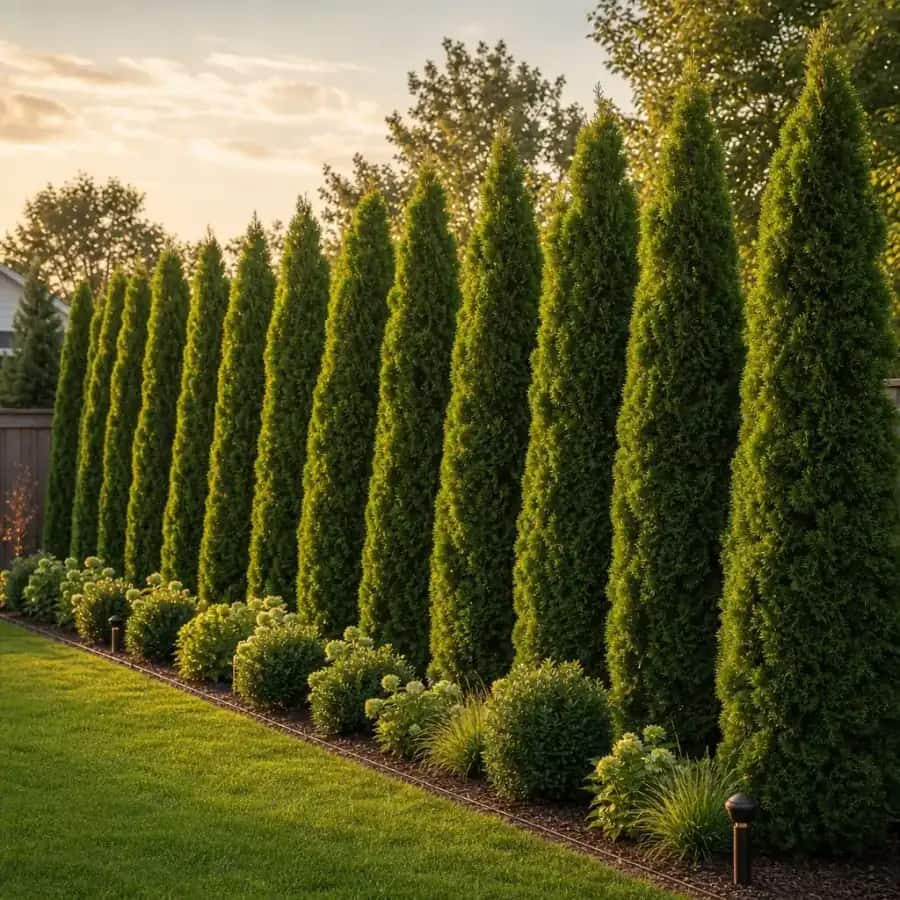 Evergreen & PrivacyBlock views and wind with conifers that stay green through zone 7 winters.View all Evergreen & Privacy →
 Japanese MaplesLiving sculpture in crimson, coral and lace.
Local fit, from data
7a
about 0 to 5 F
Quay County
New Mexico
Arbor Buddy delivers large, nursery-grown trees by freight to Nara Visa, NM 88430. Homeowners in Quay County can order shade, flowering, evergreen, fruit, and palm trees. Every tree is matched to your hardiness zone, so it thrives here. Your local zone is 7a, which means winter lows can dip to 0 to 5 degrees Fahrenheit.
Whether you need privacy screening, shade, or a fruit tree, each species is selected to handle that cold snap. Trees arrive at a usable landscape size, ready to plant in your yard.
Your USDA hardiness zone is 7a, with typical winter lows between 0 and 5 degrees Fahrenheit. That means you can plant many trees that would struggle in colder zones to the north. You are not limited to only the toughest species, Chinese Windmill Palm survives here, for example.
Summers in Quay County are hot and dry. Deciduous trees like Cedar Elm and Redbud handle the heat well once established. Evergreens such as Italian Cypress provide year-round structure without needing constant water. Fruit trees like Honeycrisp Apple get enough winter chill to set fruit but need a compatible pollinator nearby.
When you browse trees for zone 7 in Nara Visa, focus on species that tolerate both cold snaps and dry spells. Native options often require the least care after the first year.
Cedar Elm and Texas Redbud establish quickly in zone 7a. Both tolerate the dry conditions and cold winters of Quay County. For fastest shade, the Cedar Elm adds several feet of height each year after the first season.
Cedar Elm is the top choice, it is tough, native, and handles drought once mature. Other shade trees like American Sycamore and Texas Ash also do well, but they need more water during dry spells. For smaller yards, the Ruby Falls Weeping Redbud provides filtered shade under a 15-foot canopy.
Most trees arrive at a usable landscape size, typically 4 to 7 feet tall. That is large enough to make an immediate impact but small enough to transplant easily. The exact size varies by species; freight carriers deliver each tree in a sturdy box or burlap wrap.
Yes, but only cold-hardy fruit trees. Citrus cannot survive your winter lows of 0 to 5 degrees F. Apples like Honeycrisp are a strong choice, they need 800 to 1,000 chill hours and a second apple variety for pollination. For a low-maintenance option, consider a cold-hardy fig tree like Chicago Hardy Fig, which dies back to the roots in winter but fruits on new wood.
Shade trees, flowering ornamentals, evergreens for privacy, and cold-hardy fruit trees are all available for ZIP 88430. Arbor Buddy ships large, nursery-grown trees matched to your zone 7a climate. Every tree comes with a 1-Year Thrive Guarantee.
Browse the trees suited to your area and order online.
Your choices in Nara Visa differ from buyers in other climates because your zone and winter lows shape what thrives.
In ZIP 33421 in Royal Palm Beach, Florida (FL), the zone is 10b with winter lows 35 to 40 degrees F. That warm climate lets gardeners plant flowering trees like tropical hibiscus and bougainvillea. For your cart, that means the flowering choices you can use, like redbuds, are hardier but not as showy year-round. The payoff is reliable spring color after a cold winter. Locally, that points buyers toward Texas Redbud for its drought tolerance.
In ZIP 85251 in Scottsdale, Arizona (AZ), the zone is 9b with winter lows 25 to 30 degrees F. That warmer zone supports a greater variety of privacy evergreens such as Leyland Cypress. That gap changes the local shortlist to conifers that handle both heat and cold. Italian Cypress still works in your zone 7a, but it grows slower in cooler soil. In practice, buyers here lean toward Cedar Elm or other native shade trees for screening plus summer shade.
In ZIP 93702 in Fresno, California (CA), the zone is 9b with winter lows 25 to 30 degrees F. That milder winter allows gardeners to grow palms and tropicals like Queen Palm without worry. In Nara Visa, Chinese Windmill Palm remains a good choice because it tolerates your 0 to 5 degree lows, but it needs some shade and humidity to look its best. In practice, buyers here lean toward pairing it with a drought-tolerant companion like Texas Redbud.
What these contrasts mean for your cart: your zone limits the most tropical options but opens the door to cold-hardy fruit trees and classic shade trees that perform well in dry summers. Choose trees that match your actual winter lows and summer heat, not just what looks good in a warmer climate.
Arbor Buddy ships large, nursery-grown trees by freight to ZIP 88430. Trees head to your area in spring or fall, matched to mild planting weather. Each tree is already hardened to zone 7a before it leaves the nursery. You receive a tree at a usable landscape size, typically 4 to 7 feet tall for most species, ready to go in the ground. Every tree is backed by the 1-Year Thrive Guarantee. If it does not survive its first year, we send a free replacement.
Before delivery day, check:
Enter your ZIP, shop only what thrives in your zone.
Freight delivery to your address: $149 flat per order, shown at checkout.
Plant it, watch it thrive, covered for one year.
Good to know · Growing guide
Coverage runs a full year from delivery. If something goes wrong, contact the team and they arrange the replacement. No store-credit games, no fine-print maze.