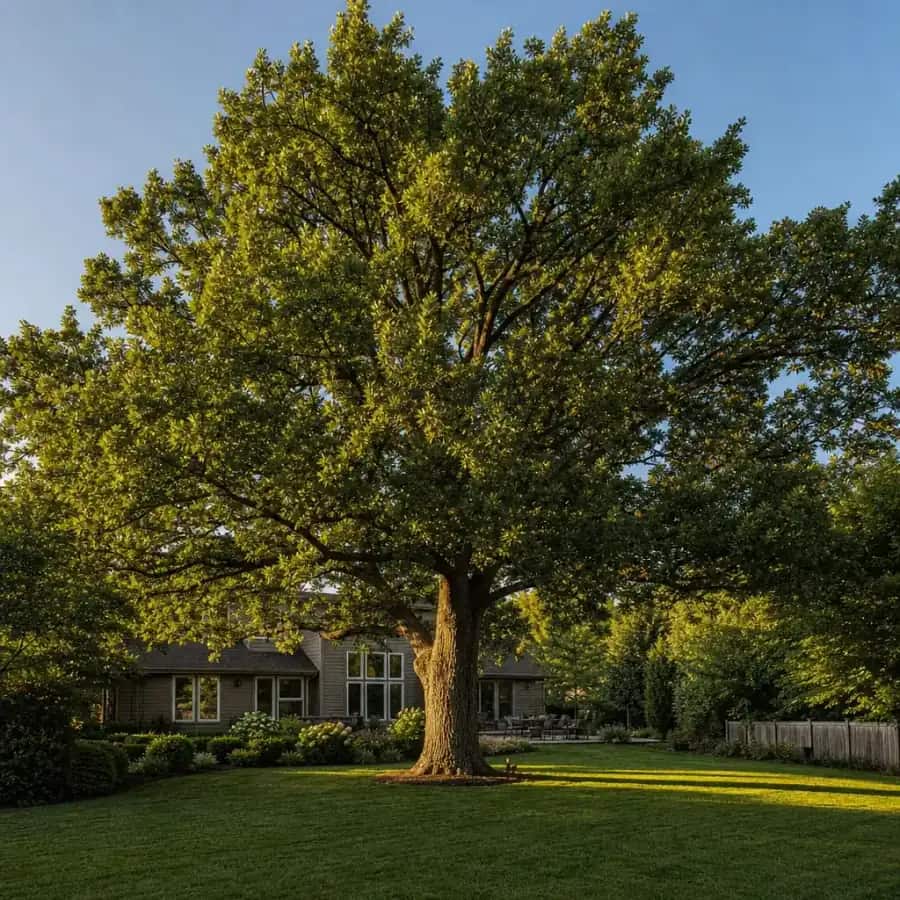
 Zones 3 to 8
Shade Trees
Bur Oak
$490
Shop large, nursery-grown shade, privacy, flowering and fruit trees, delivered by freight in Seneca County. Every tree is matched to your hardiness zone and backed by our 1-Year Thrive Guarantee.
Enter your ZIP and we'll match trees to your exact growing zone.
Typical winter lows in Seneca County run about -10 to 0 F.
Matched to Seneca County's zones
Zones 3 to 8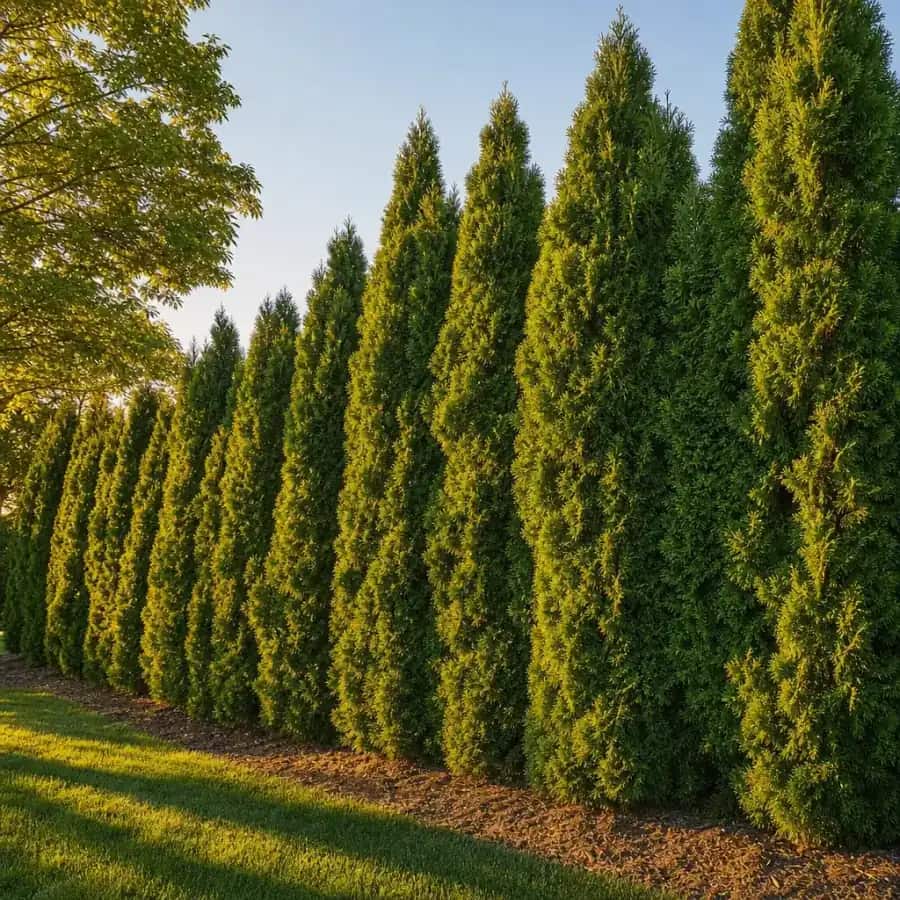 Zones 5 to 8
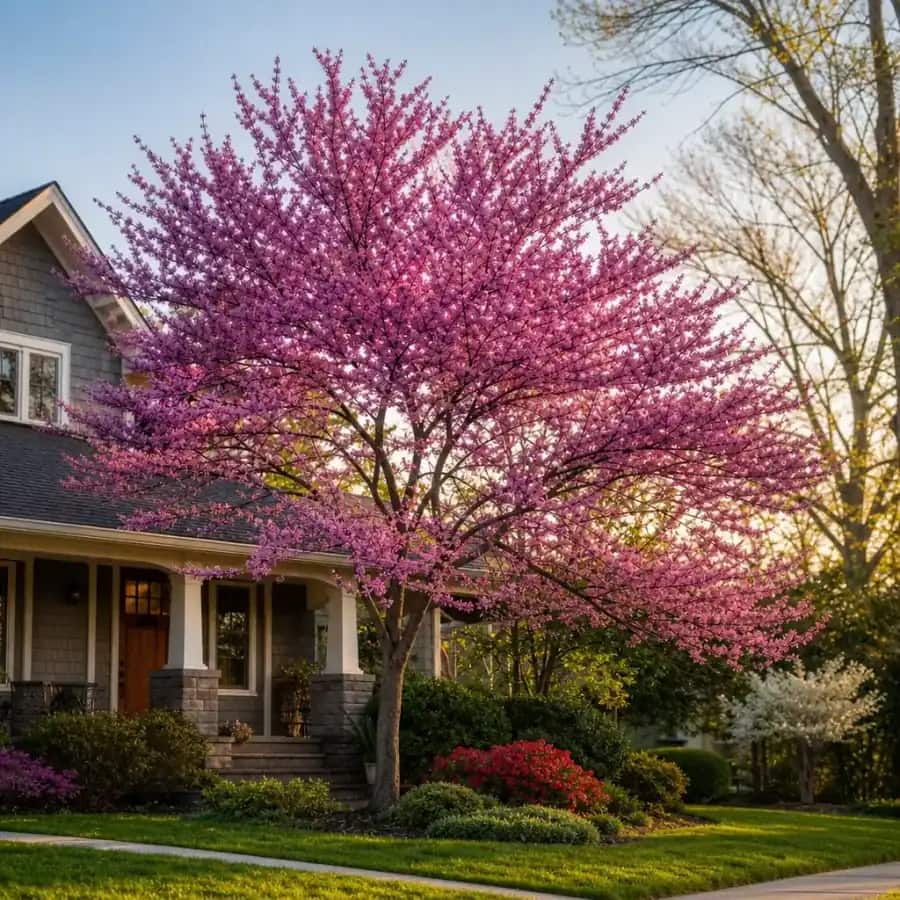 Zones 4 to 9
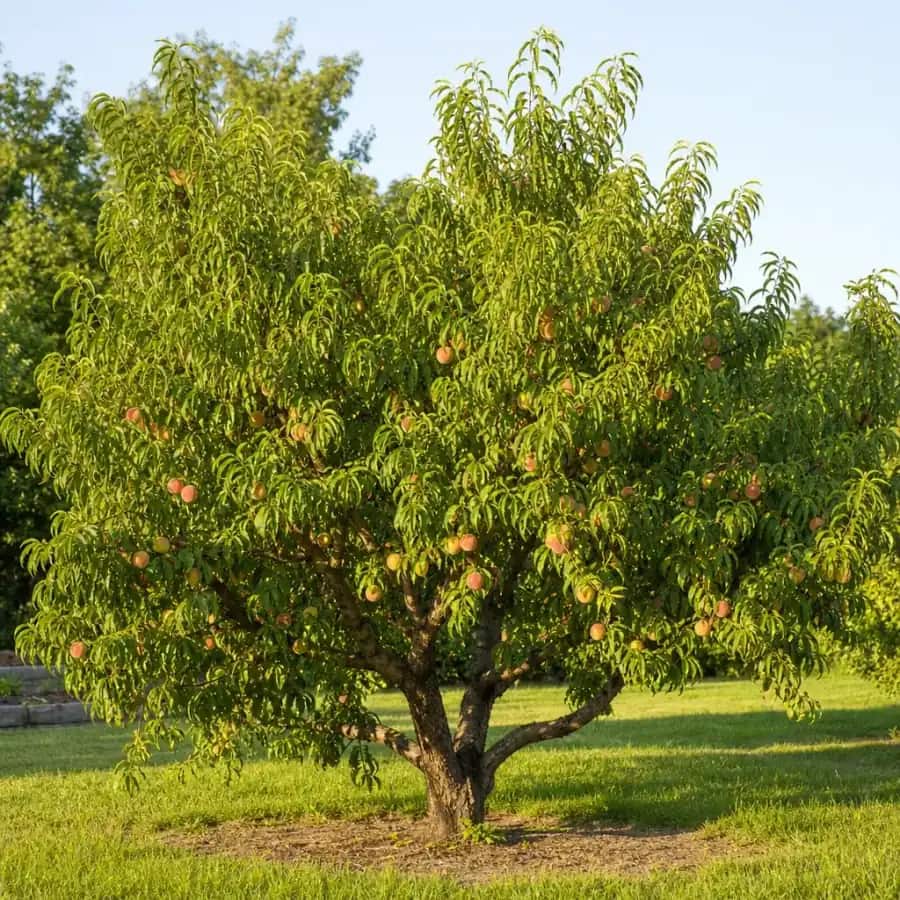 Zones 5 to 9
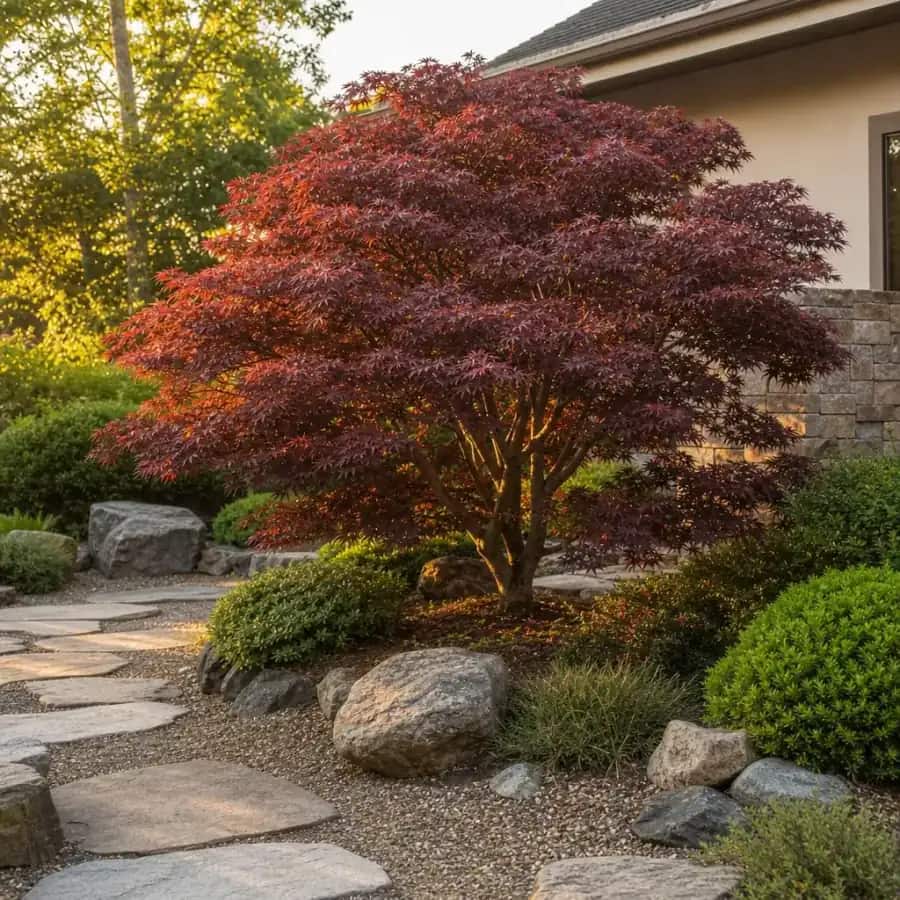 Zones 5 to 8
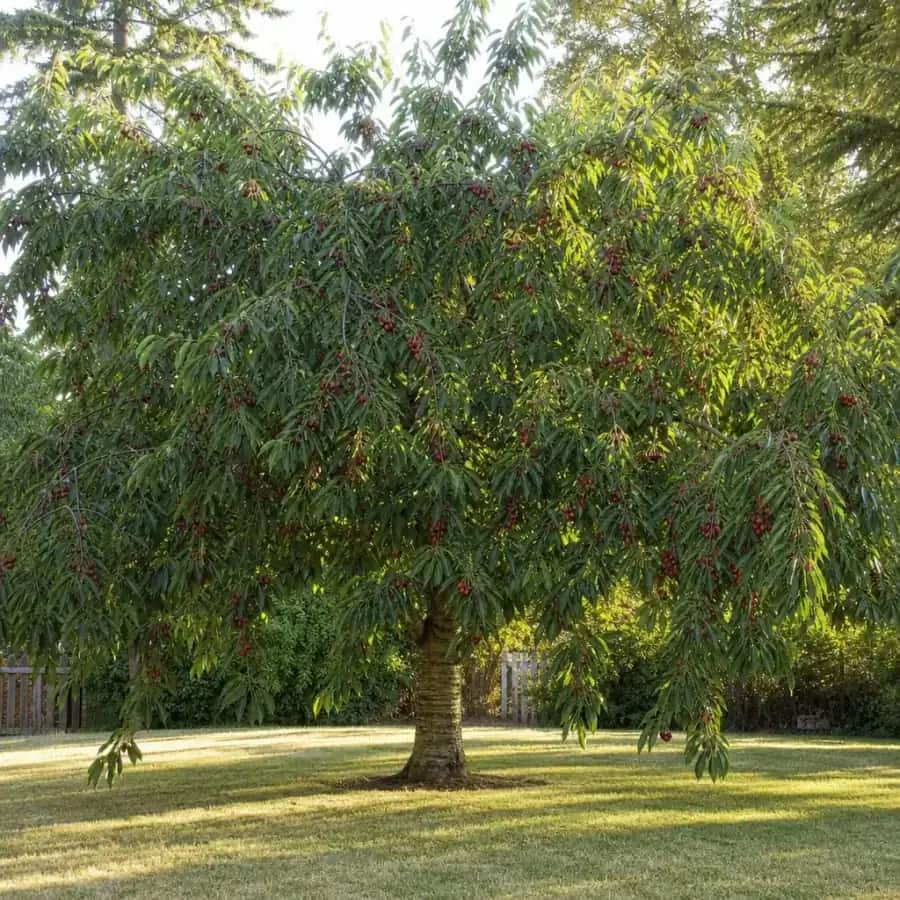 Zones 5 to 8
Shop by category
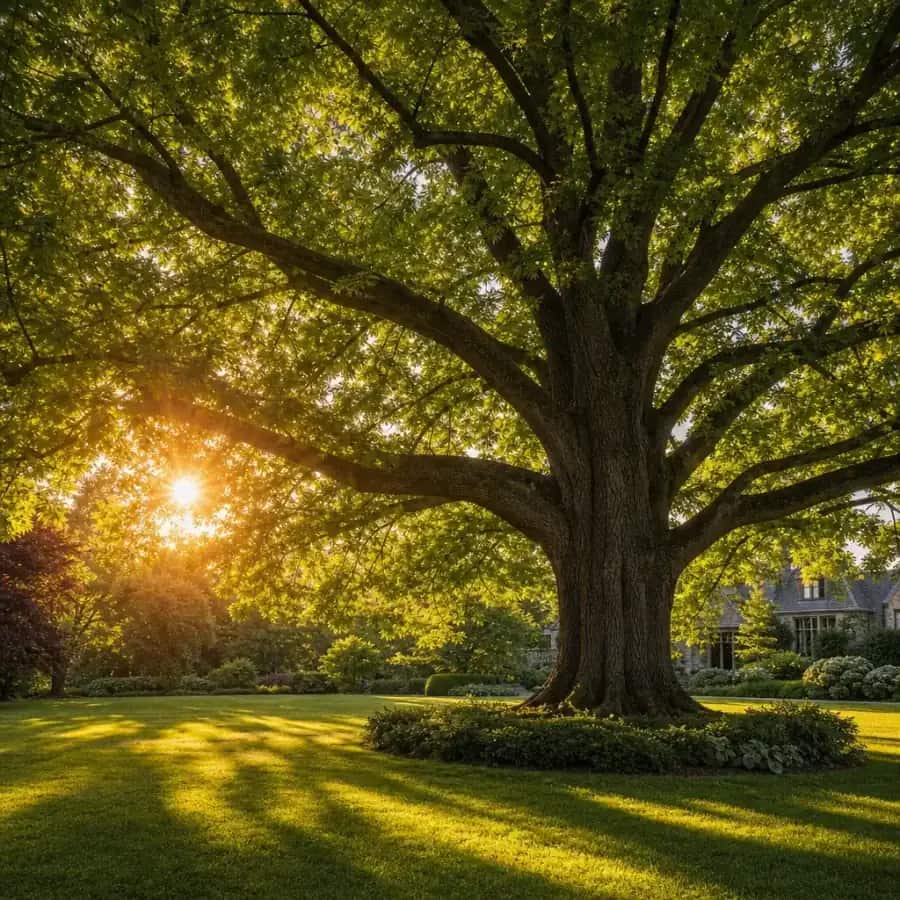 Shade TreesWide canopies for Seneca County's west-facing windows, summer savings.View all Shade Trees →
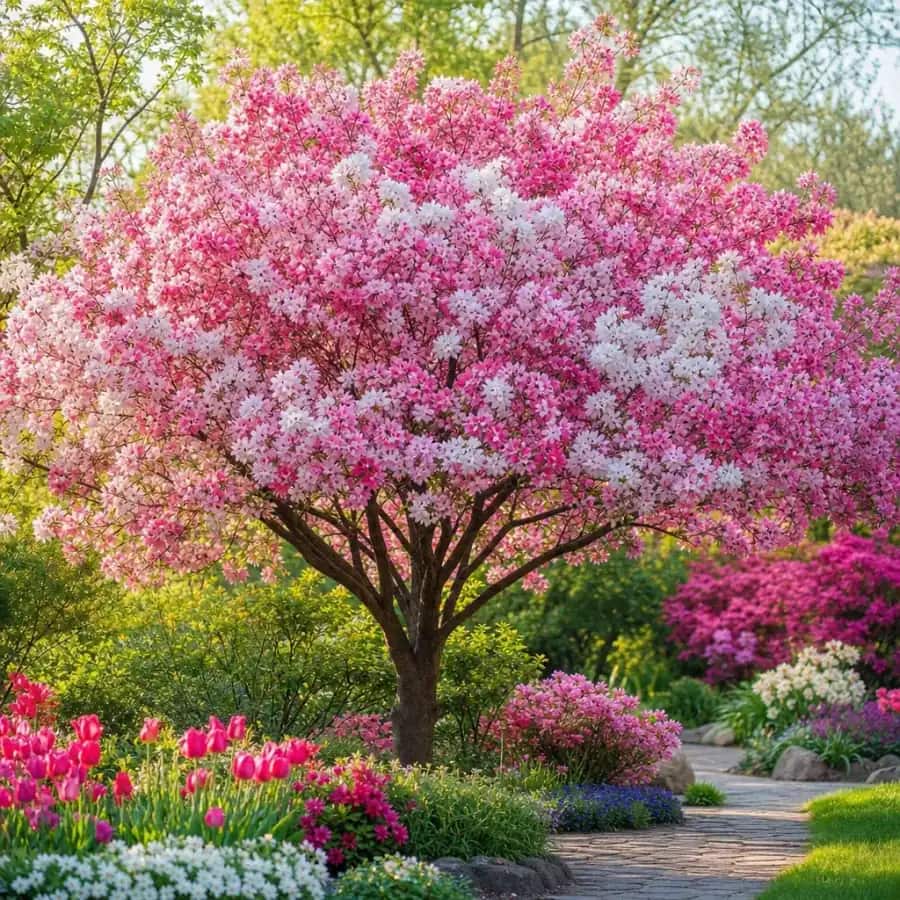 Flowering & OrnamentalEarly color from spring buds that handle your -10 to 0 F lows.View all Flowering & Ornamental →
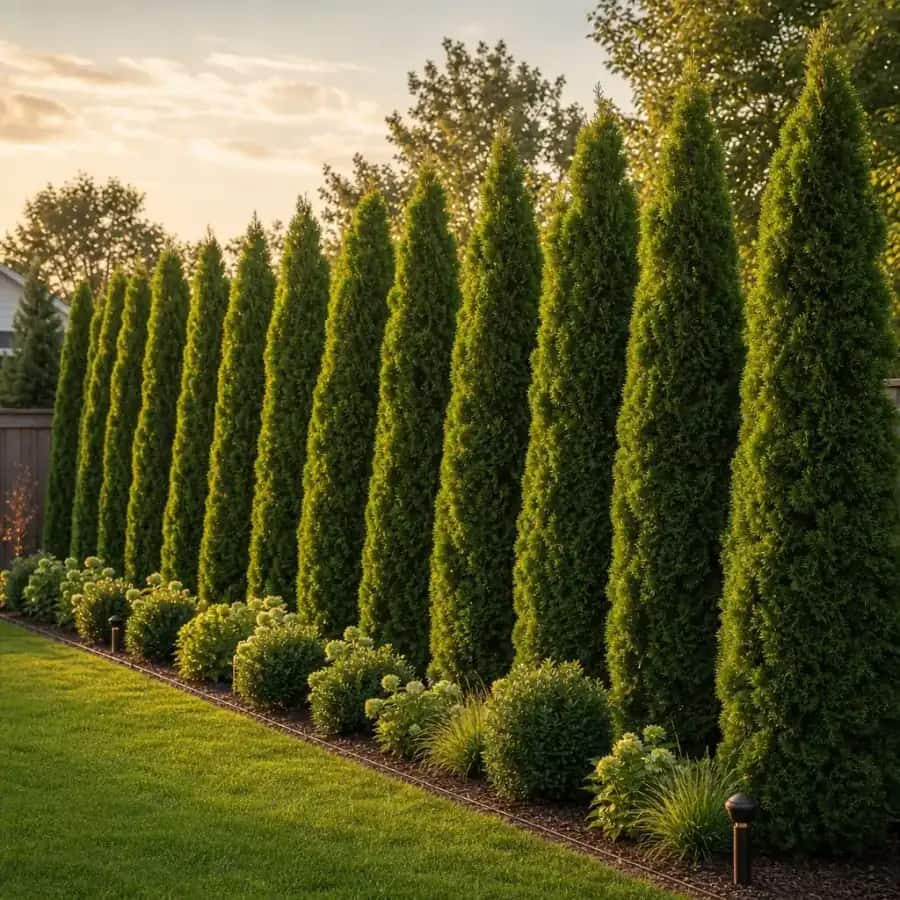 Evergreen & PrivacyYear-round screening shaped by zone 6's cold tolerance.View all Evergreen & Privacy →
 Japanese MaplesDelicate leaf forms that thrive in part shade, guarded from winter wind.
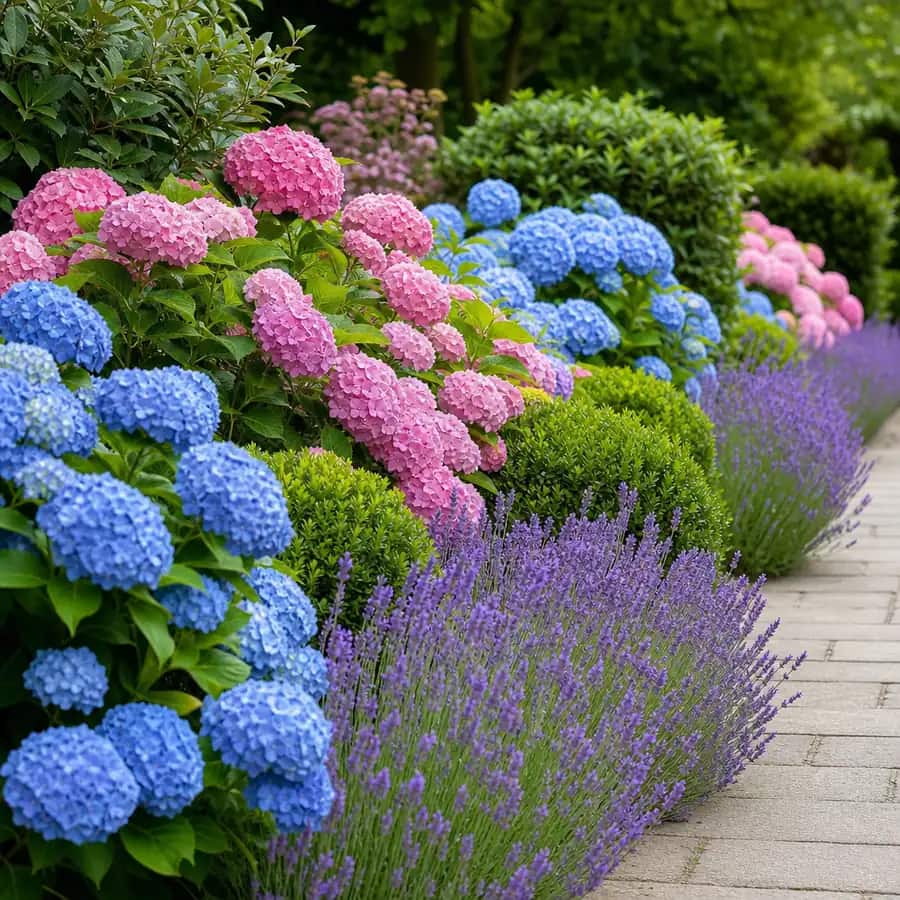 Shrubs & HedgesFoundation plants that layer structure around your yard.View all Shrubs & Hedges →
Local fit, from data
6a to 6b
about -10 to 0 F
8
Fayette
Shade, privacy, and fruit trees in Seneca County, New York (NY) from Arbor Buddy. We ship large, nursery-grown landscape trees by freight direct to homeowners and contractors. Every tree is matched to your hardiness zone, from 6a to 6b across the county. Typical winter lows run about -10 to 0 F, so picking zone-hardy stock matters. Here, the right tree starts with the right goal.
Seneca County covers 8 ZIP codes that fall into USDA zones 6a to 6b. That is a span from -10 to 0 F winter lows. The colder end, 6a, means winter temperatures can dip to -10. The warmer end, 6b, sees lows near 0. Your tree choice shifts slightly by ZIP: cold-hardy evergreens and maples suit 6a, while figs and redbuds handle the milder 6b pockets.
Summers in this part of New York bring moderate heat and humidity. Late frosts can catch early bloomers, so spring-flowering trees benefit from a protected spot. Shade trees and river birch do well with consistent moisture. For many yards here, trees for zone 6 in Seneca County include the featured six plus maples, oaks, and hollies.
Fayette is the largest delivery area in the county. Trees ship to all 8 ZIPs, but microclimates near lakes or valleys may run slightly warmer or cooler. Stick with species rated for zone 6a to be safe on the coldest nights.
Trees ship in spring or fall, matched to the mild planting weather typical of zone 6. That timing gives roots a chance to establish before summer heat or winter freeze. You choose your preferred window when you order.
Zones 6a to 6b support a wide selection: maples, oaks, redbuds, figs, junipers, and more. Every tree we ship is zone-checked against your ZIP. In Seneca County, winter lows of -10 to 0 F mean you need species rated to zone 6a or colder.
Our trees are nursery-grown at a usable landscape size. Typical caliper is 1 to 2 inches, giving you a head start over a bare-root whip. Exact size depends on species and season. All arrive in a container ready for planting.
Yes. Chicago Hardy Fig is a reliable pick for zone 6. Apple varieties with high chill hours also perform well. Just remember: many fruit trees need a second compatible variety nearby for pollination. Check the product page for pollinator requirements.
Every tree from Arbor Buddy ships with the 1-Year Thrive Guarantee. If your tree does not survive its first year in Seneca County, we replace it free. That guarantee is your safety net. Browse the featured trees above or shop by category. Your zone-matched tree is ready to ship.
Understanding how Seneca County stacks up against other regions makes your tree choice clearer. We compare here with three very different climates.
Duval County, Texas (TX), zone 9b, typical winter lows 25 to 30 F. In Duval County, palms and tropicals are viable year-round. Your Seneca County winters at -10 to 0 F rule out most tropicals. In practice, buyers here lean toward cold-hardy evergreens and deciduous shade trees, not palm fronds.
Clallam County, Washington (WA), zone 8b to 9a, typical winter lows 15 to 25 F. That mild coastal zone supports citrus and other tender fruit. Seneca County's winters are too cold for citrus. For your cart, that means sticking with Chicago Hardy Fig, apples, and other chill-hour fruit trees. No lemons or oranges in your yard.
Clay County, South Dakota (SD), zone 5a, typical winter lows -20 to -15 F. Clay County is colder than Seneca County. Their shortlist emphasizes super hardy species like bur oak and Siberian elm. That gap changes the local shortlist to a broader range: you can grow redbuds, Japanese maples, and figs that would freeze in Clay County. Your winter lows are manageable for many ornamentals.
What that means for your cart: Seneca County's zone 6 climate lets you plant a mix of cold-hardy evergreens, flowering trees, and fruit trees that would fail in colder zones or thrive only in warmer ones.
We deliver large, nursery-grown trees across Seneca County by freight. Trees headed to zone 6 arrive in spring or fall, matched to mild planting weather. A freight truck brings your tree to your driveway or street. You or someone on site needs to receive it, inspect the tree, and place it at your prepared spot.
Before delivery day, check:
Every tree ships with a 1-Year Thrive Guarantee. If your Seneca County tree does not survive its first year, we replace it free. That guarantee covers the risk of a tough winter or a tricky planting season.
Enter your ZIP, shop only what thrives in your zone.
Freight delivery to your address: $149 flat per order, shown at checkout.
Plant it, watch it thrive, covered for one year.
Good to know · Growing guide
Coverage runs a full year from delivery. If something goes wrong, contact the team and they arrange the replacement. No store-credit games, no fine-print maze.