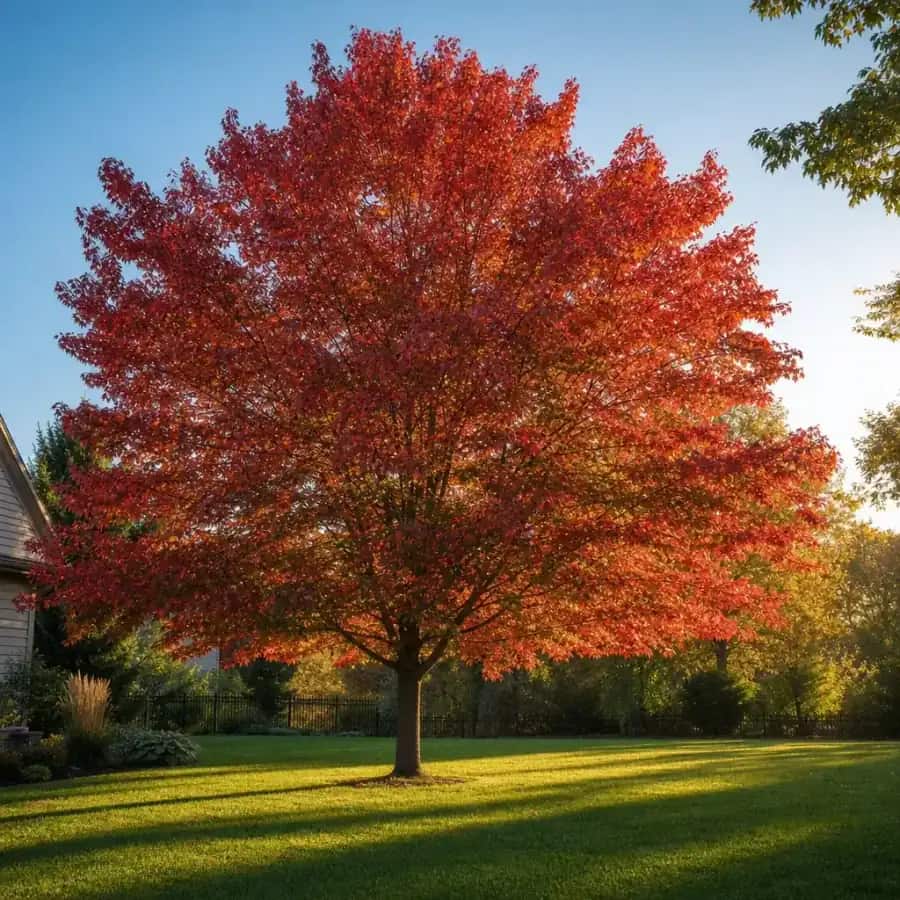
 Zones 3 to 8
Shade Trees
Autumn Blaze Red Maple
$60
Shop large, nursery-grown shade, privacy, flowering and fruit trees, delivered by freight in Johnston County. Every tree is matched to your hardiness zone and backed by our 1-Year Thrive Guarantee.
Enter your ZIP and we'll match trees to your exact growing zone.
Typical winter lows in Johnston County run about 10 to 15 F.
Matched to Johnston County's zones
Zones 3 to 8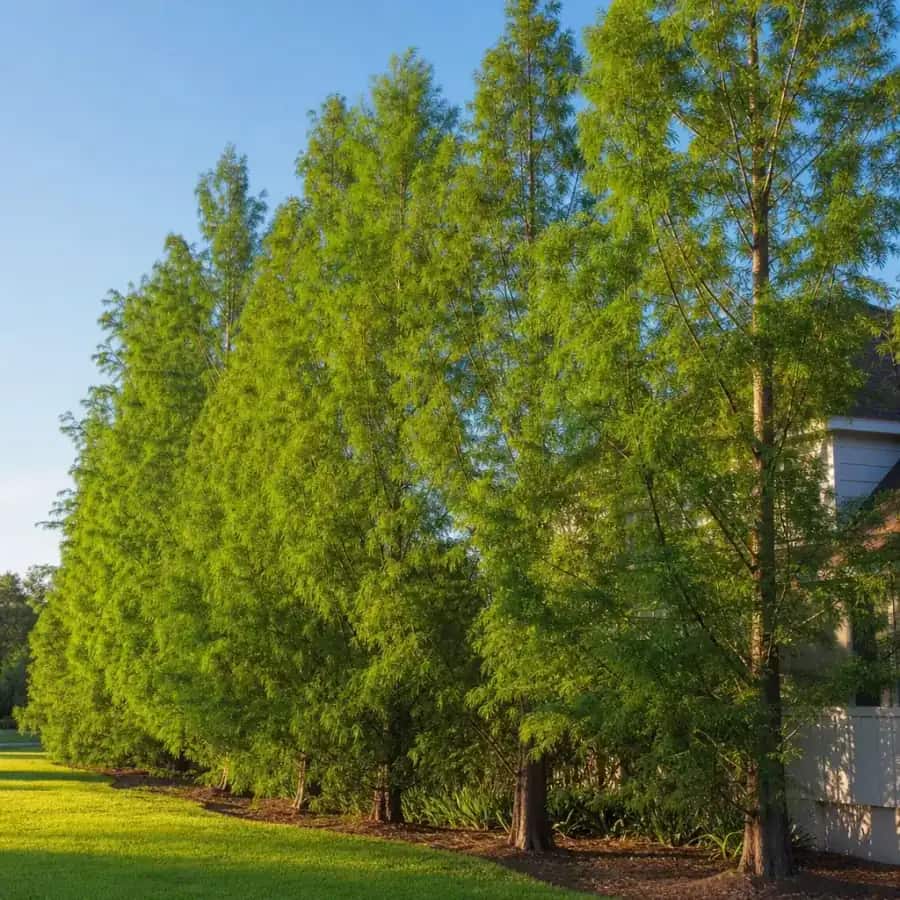 Zones 5 to 9
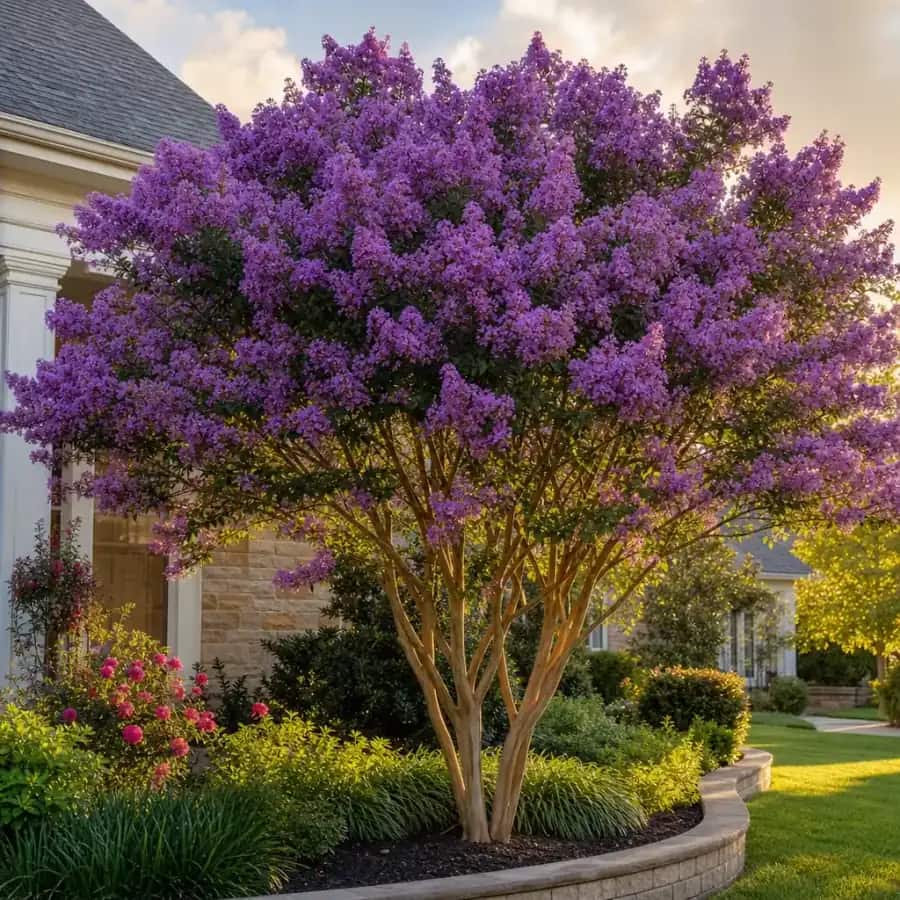 Zones 7 to 9
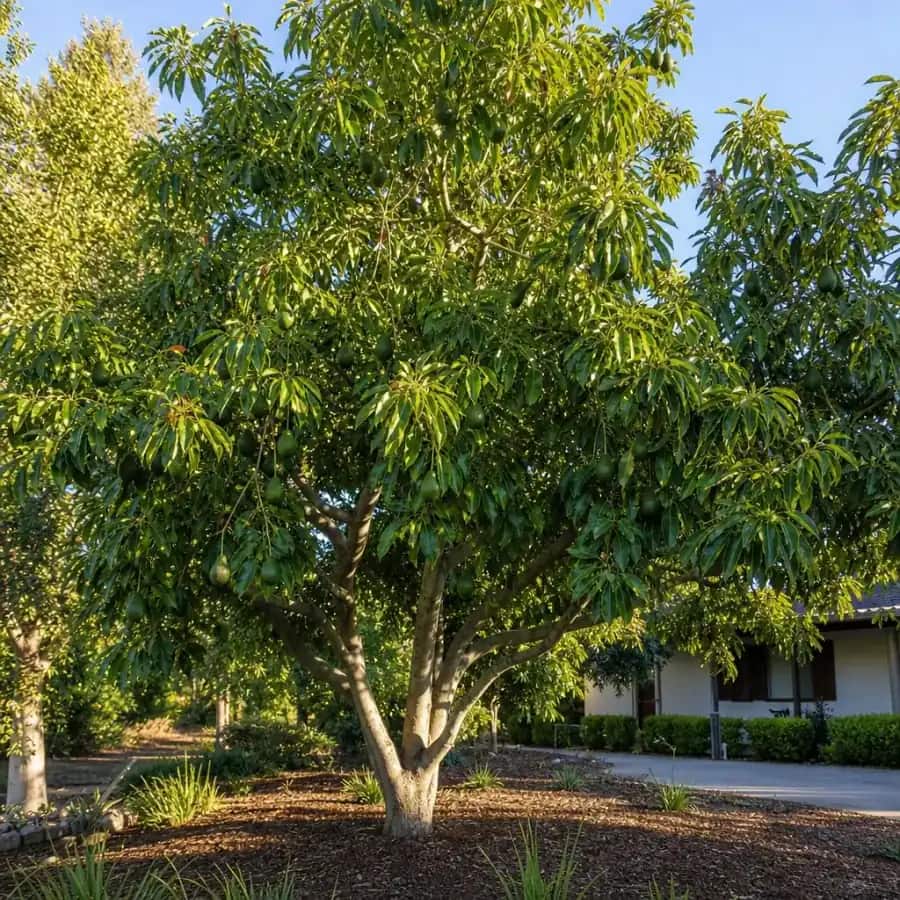 Zones 8 to 11
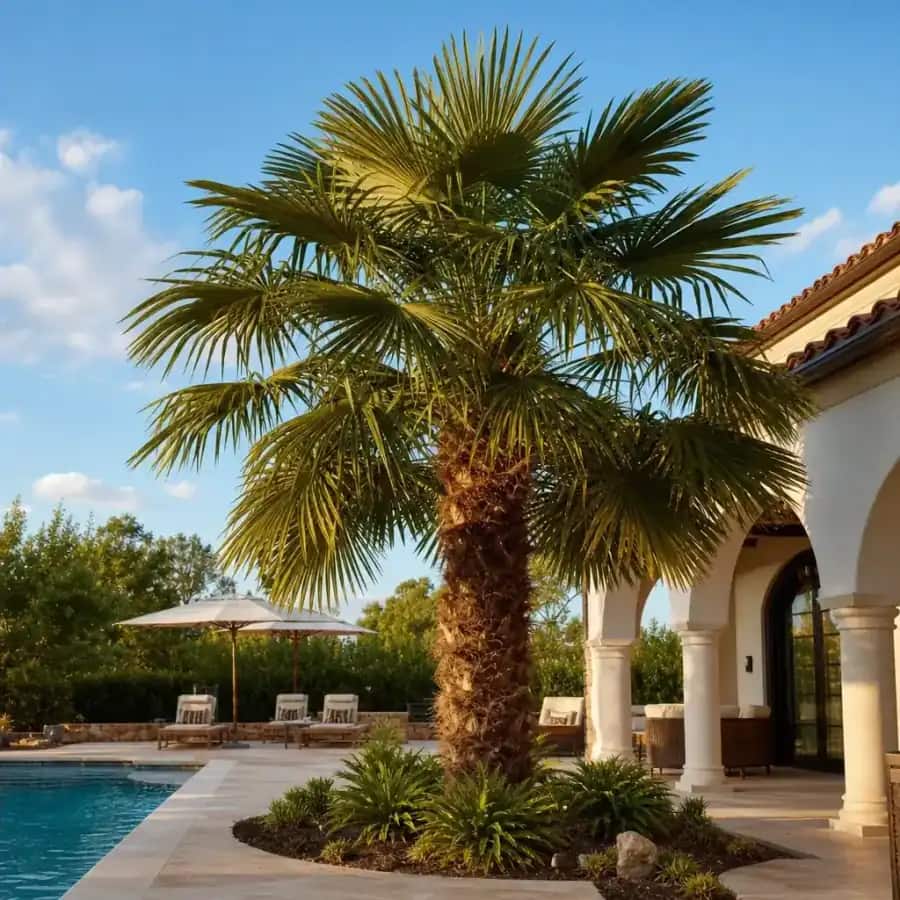 Zones 7 to 11
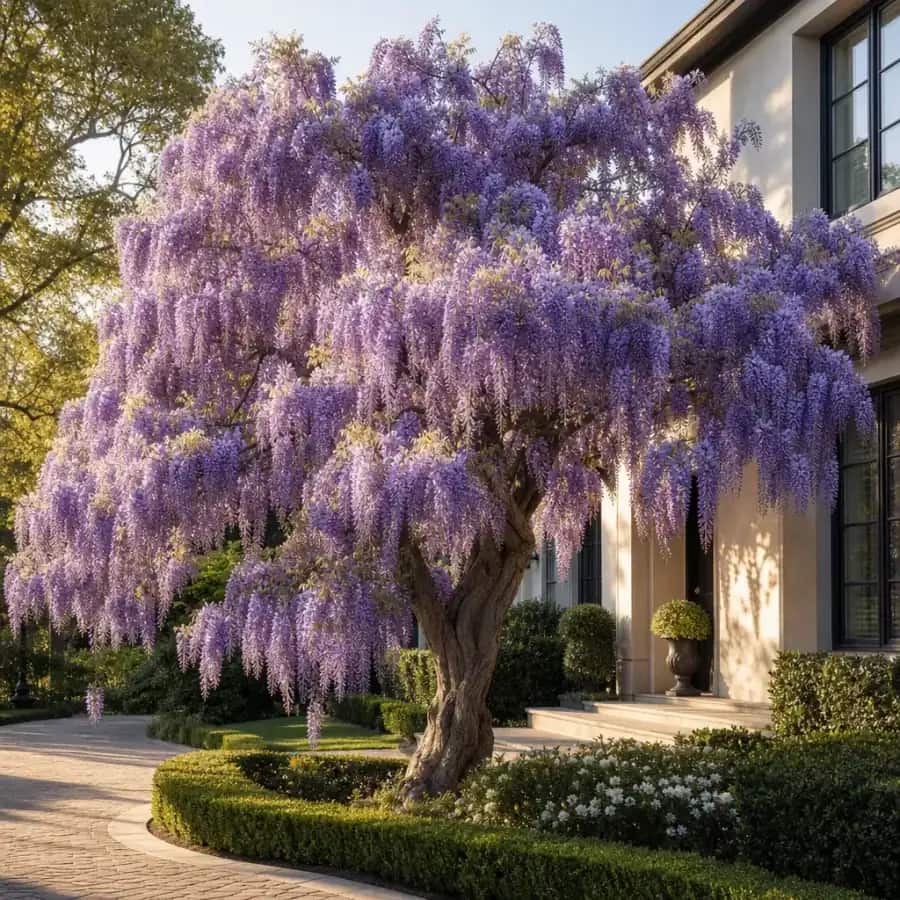 Zones 4 to 9
Shop by category
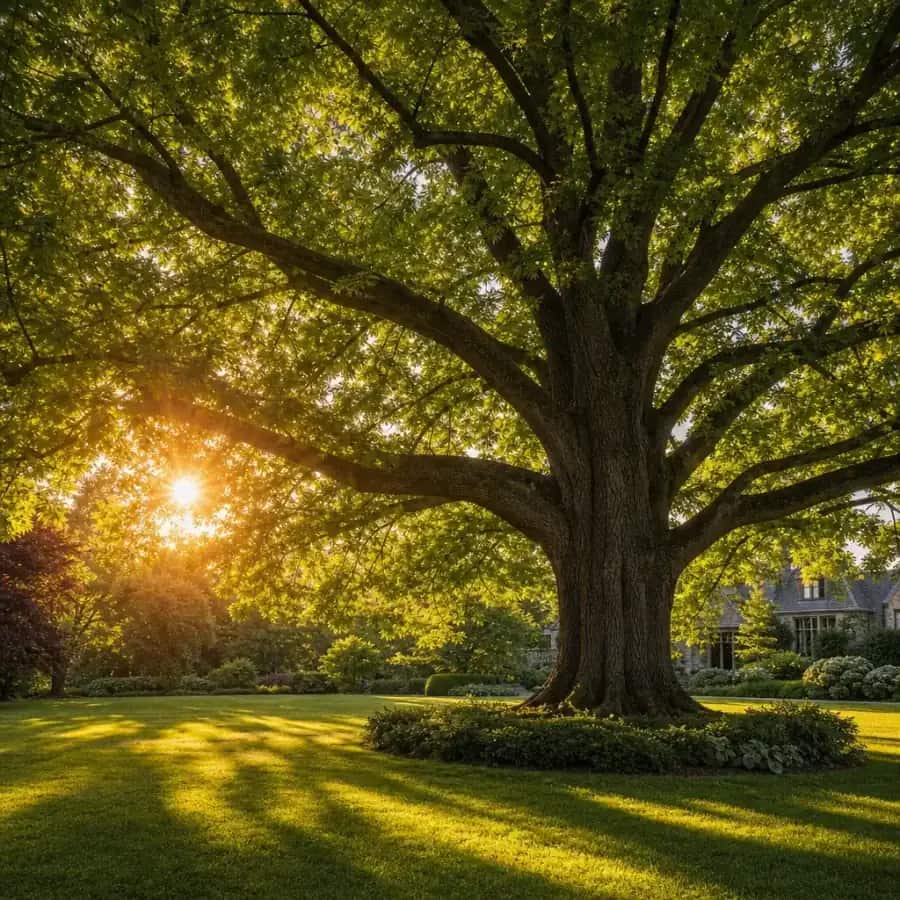 Shade TreesLarge oaks and fast-growing willows that beat the summer heat in zone 8.View all Shade Trees →
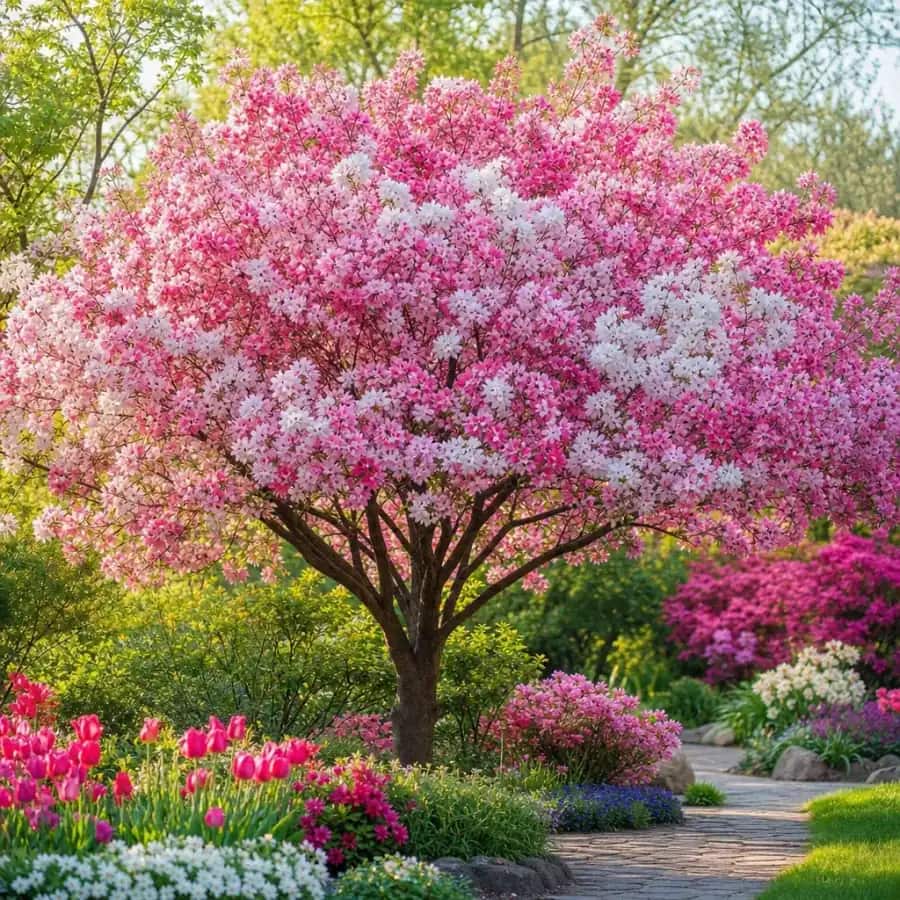 Flowering & OrnamentalRedbuds and other bloomers that bring color without babying.View all Flowering & Ornamental →
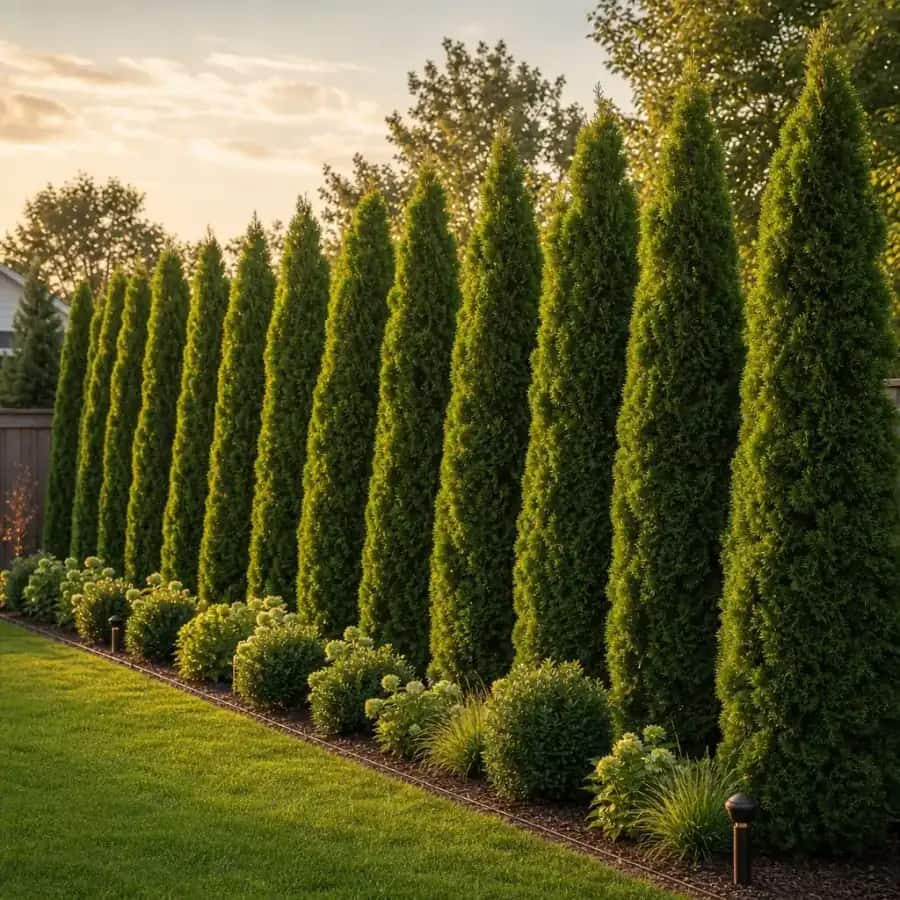 Evergreen & PrivacyJunipers and cypress that screen neighbors and block wind year-round.View all Evergreen & Privacy →
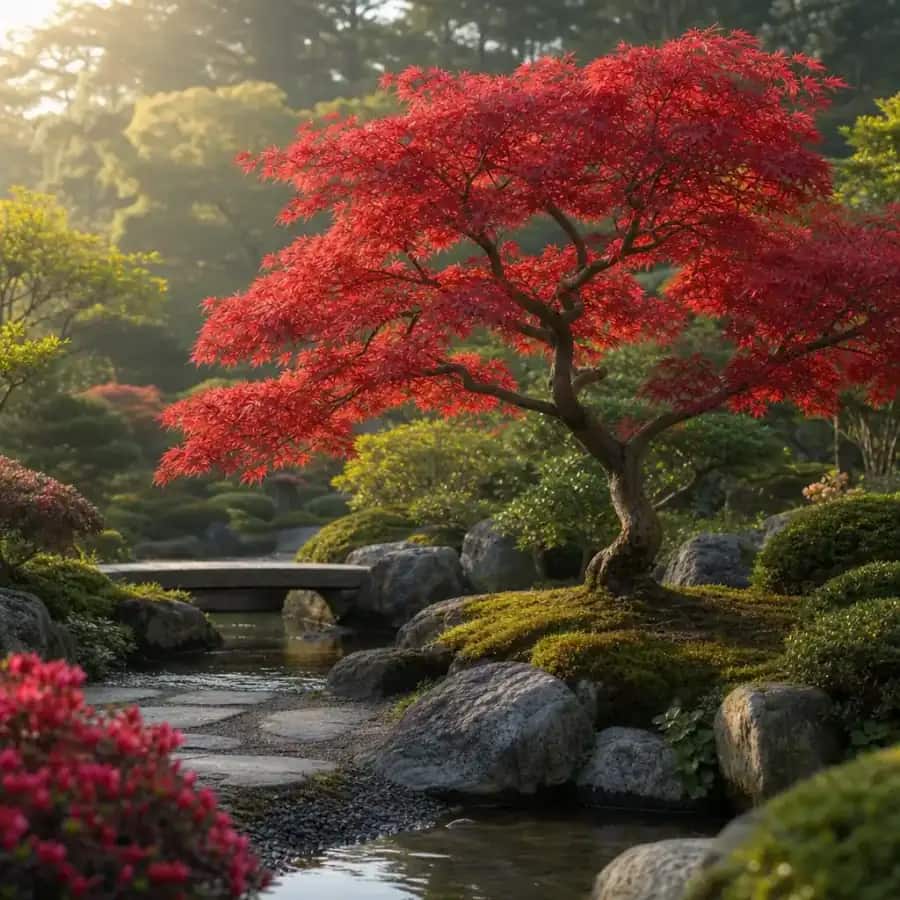 Japanese MaplesDelicate leaf forms that thrive with a little afternoon shade in zone 8.
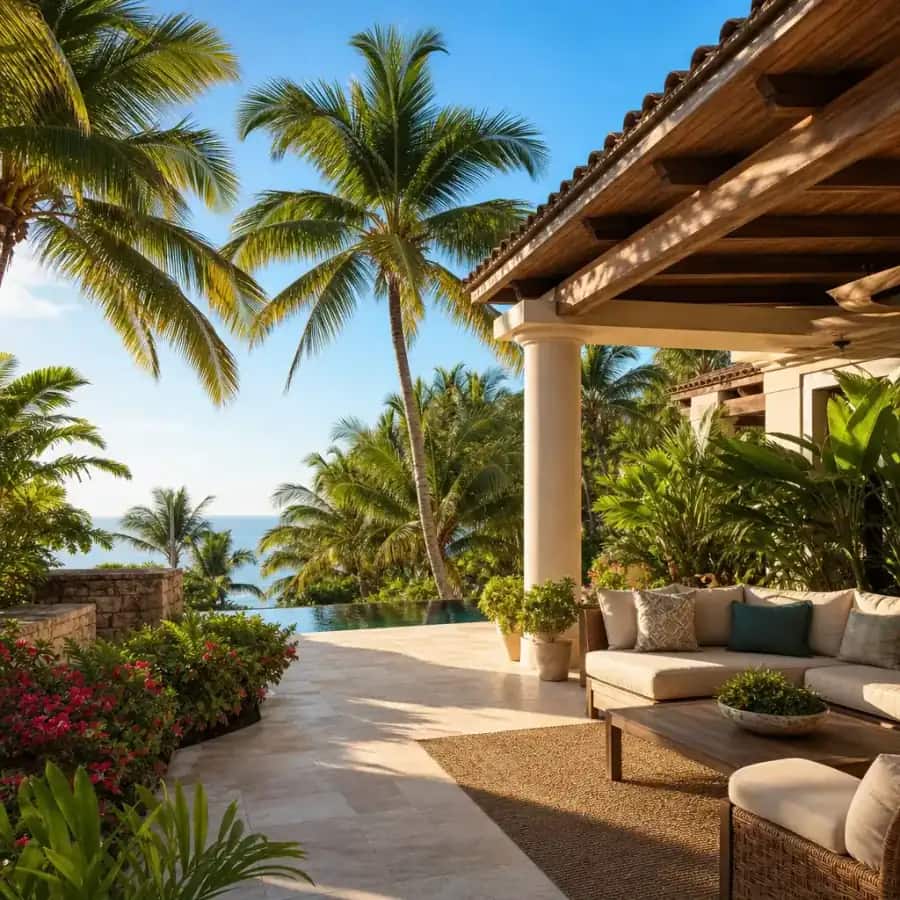 Palms & TropicalsHardy palms that need humidity and protection from scorching sun.View all Palms & Tropicals →
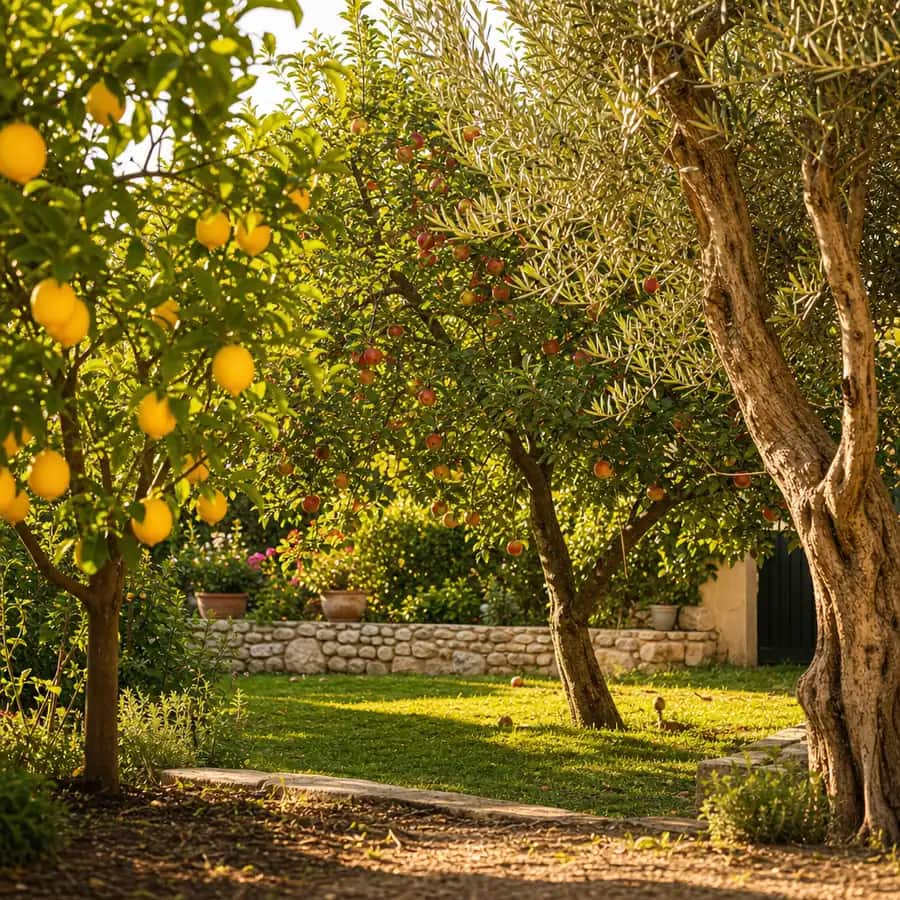 Fruit TreesPeaches, figs, and apples that set fruit after enough winter chill.View all Fruit Trees →
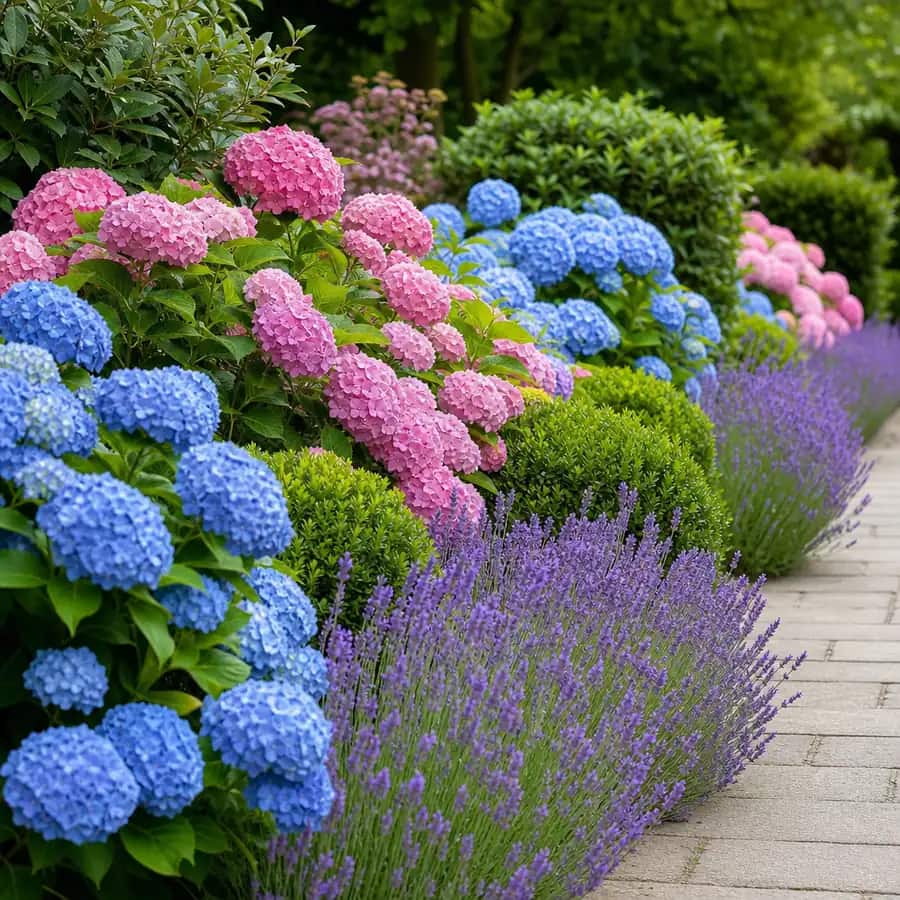 Shrubs & HedgesCompact evergreens and flowering shrubs for borders and foundations.View all Shrubs & Hedges →
Local fit, from data
8a
about 10 to 15 F
12
Clayton
Need shade, privacy, or fruit trees in Johnston County, North Carolina (NC)? Arbor Buddy delivers large nursery-grown trees by freight right to your yard. Every tree is matched to your hardiness zone, zone 8a, where winter lows drop to 10 to 15 F. You get a tree that fits your climate and your goal.
Johnston County sits in USDA hardiness zone 8a across its 12 ZIP codes. Typical winter lows run about 10 to 15 F. That means the coldest nights won't kill most zone 8 trees. Summers bring humidity and occasional dry spells, but the growing season is long.
For shade, deep-rooted oaks like Bur Oak handle both the heat and occasional drought. Evergreens such as Skyrocket Juniper tolerate the humidity without disease. Japanese Maples need some relief from late afternoon sun; the Sangokaku Coral Bark Maple holds up if placed where it gets morning light only. Fruit trees like Elberta Peach get enough chilling hours most years, but a late freeze can cost a crop.
If you are looking for trees for zone 8 in Johnston County, focus on species that don't mind heat and humidity. Palms and tropicals can work with extra water and shade from the harshest sun.
Arbor Buddy backs every tree with a 1-Year Thrive Guarantee. If your tree does not make it through its first year, we replace it free. That means you can order now, plant with confidence, and know your investment is protected. Browse the featured trees above and start your Johnston County order today.
Johnston County's zone 8a climate is warmer than much of the country. That changes what you can grow.
Take Sheboygan County, Wisconsin (WI), zone 5b to 6a with winter lows down to -15 to -5 F. There, palms and tropicals are not viable without heavy protection. In practice, buyers here lean toward cold-hardy shade trees and conifers. For your cart, that means species like Chinese Windmill Palm would never survive a Sheboygan winter, but in Johnston County they can, with some shade and humidity.
Now look at Lewis County, West Virginia (WV), zone 6b with lows -5 to 0 F. That area can grow many of the same trees as Johnston County, but fruit trees with moderate chill hours perform better here. In Lewis, a low-chill peach would be risky. For your cart, that means Elberta Peach (800 chill hours) is a safer bet in Johnston County, where winters are mild enough to meet its requirement but not so mild that the tree blooms too early.
Finally, Laramie County, Wyoming (WY), zone 5a to 5b with lows -20 to -10 F. Laramie's flowering ornamentals are limited to very hardy species. Texas Redbud, which loves zone 8, would not survive Laramie's deep freezes. That gap changes the local shortlist to only the toughest bloomers. In Johnston County, you can plant a wide (avoid banned phrase) selection of flowering trees, including Texas Redbud, without worrying about winterkill.
What does this mean for you? Johnston County's mild winters open a bigger palette of trees: you can choose from shade trees, evergreens, flowering trees, and fruit trees that would struggle farther north. Stick with trees matched to your specific zip within the county, and you will get a tree that thrives.
Your tree arrives by freight truck, nursery-grown at a usable landscape size. It is zone-matched before shipping so it fits your yard from day one. Every tree comes with a 1-Year Thrive Guarantee: if the tree does not survive its first year, we replace it free. Deliveries into zone 8 land in fall through early spring, when planting weather is on your side.
Before delivery day, check:
Enter your ZIP, shop only what thrives in your zone.
Freight delivery to your address: $149 flat per order, shown at checkout.
Plant it, watch it thrive, covered for one year.
Good to know · Growing guide
Coverage runs a full year from delivery. If something goes wrong, contact the team and they arrange the replacement. No store-credit games, no fine-print maze.