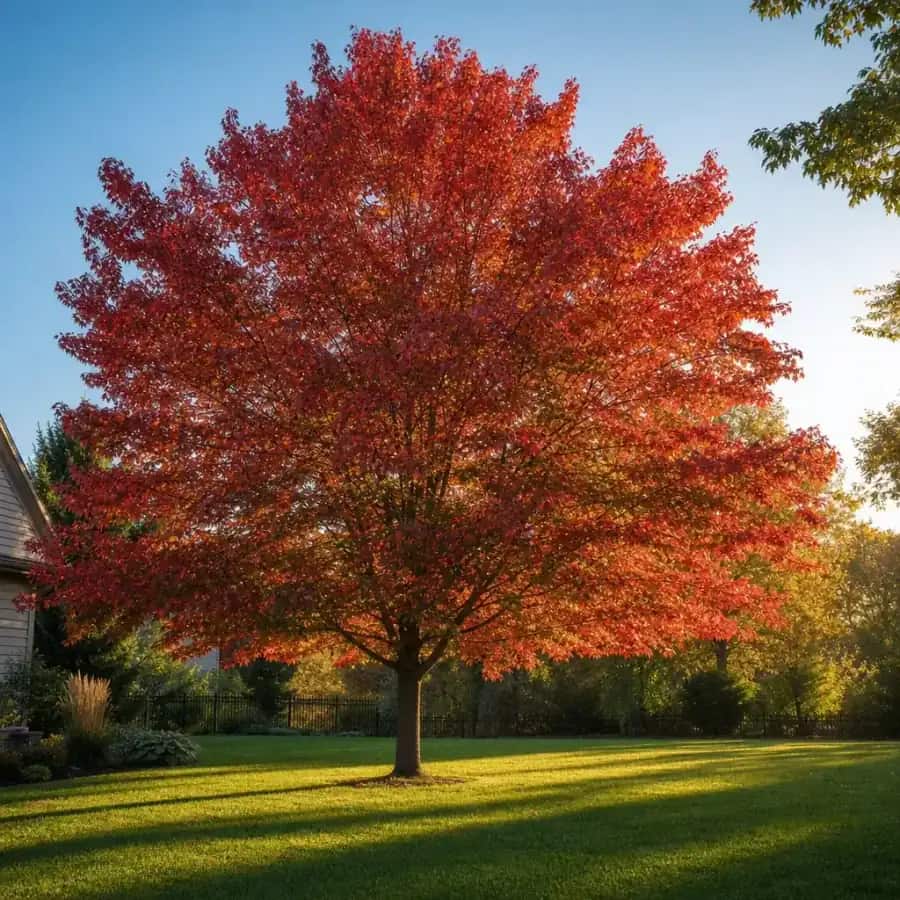
 Zones 3 to 8
Shade Trees
Autumn Blaze Red Maple
$60
Shop large, nursery-grown shade, privacy, flowering and fruit trees, delivered by freight in Tuskegee Institute. Every tree is matched to your hardiness zone and backed by our 1-Year Thrive Guarantee.
Enter your ZIP and we'll match trees to your exact growing zone.
Typical winter lows in Tuskegee Institute run about 15 to 20 F.
Matched to Tuskegee Institute's zone
Zones 3 to 8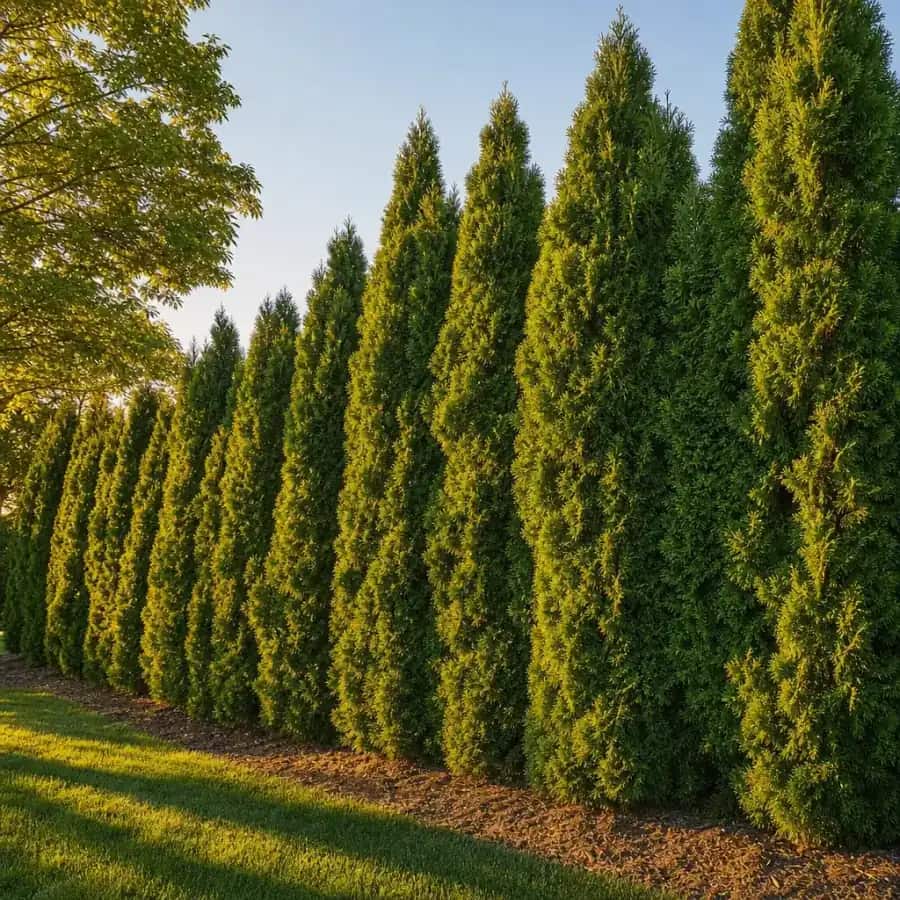 Zones 5 to 8
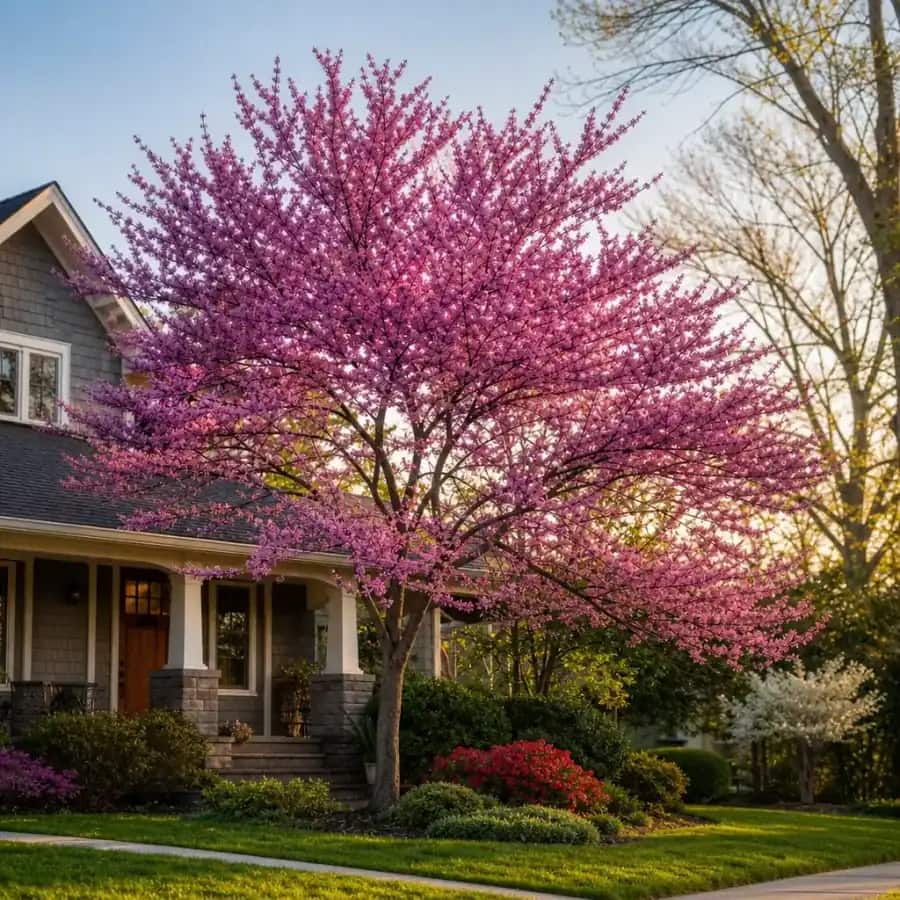 Zones 4 to 9
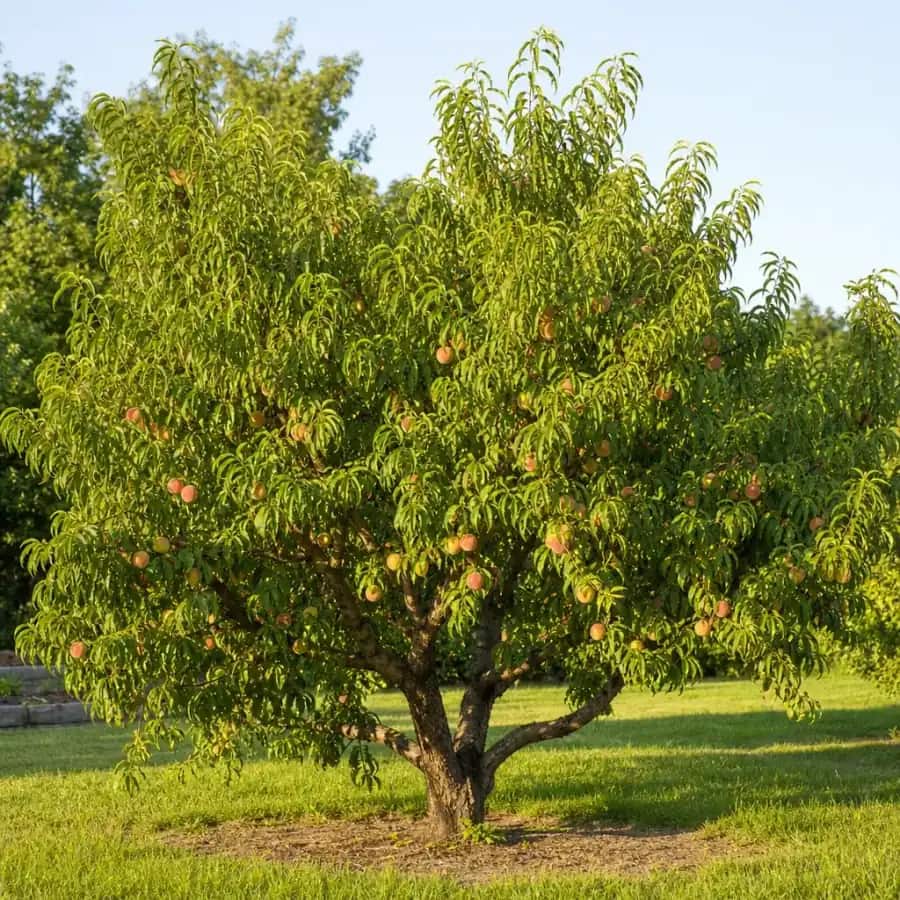 Zones 5 to 9
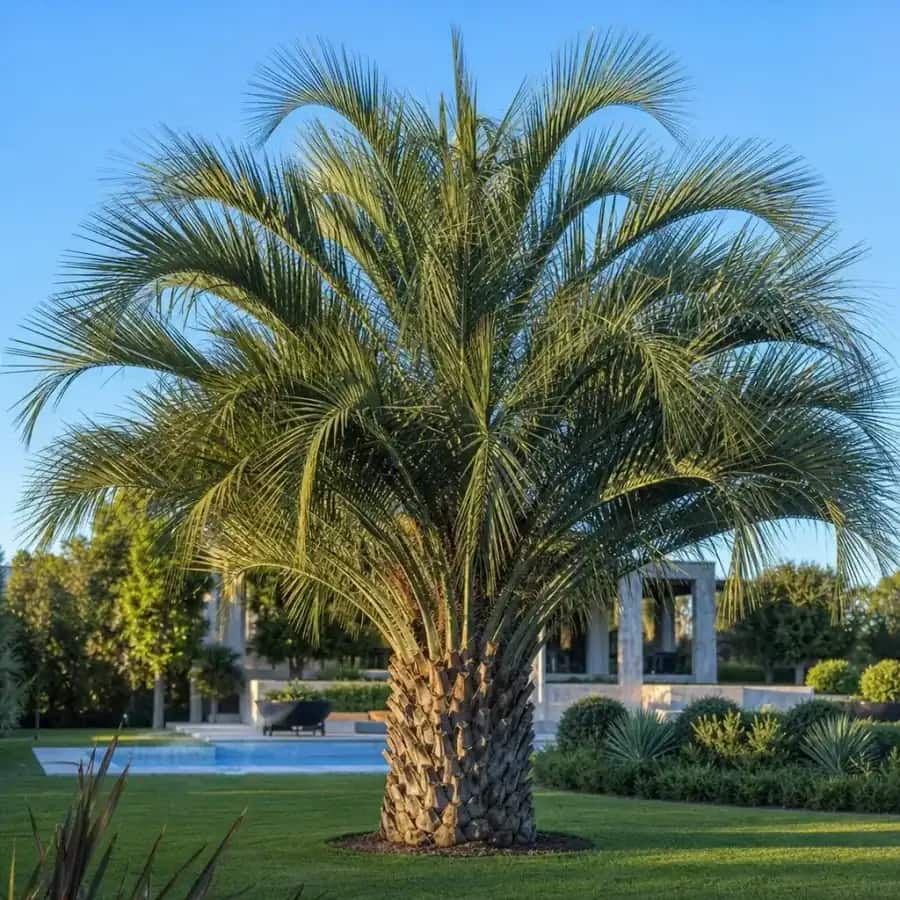 Zones 8 to 11
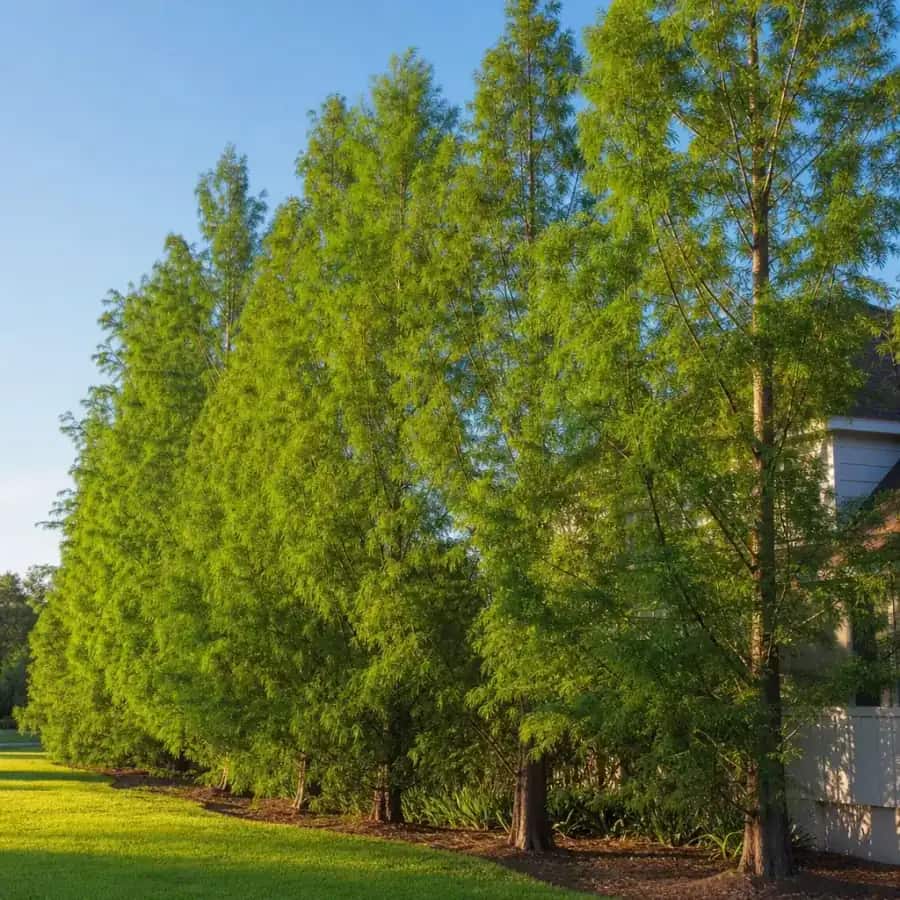 Zones 5 to 9
Shop by category
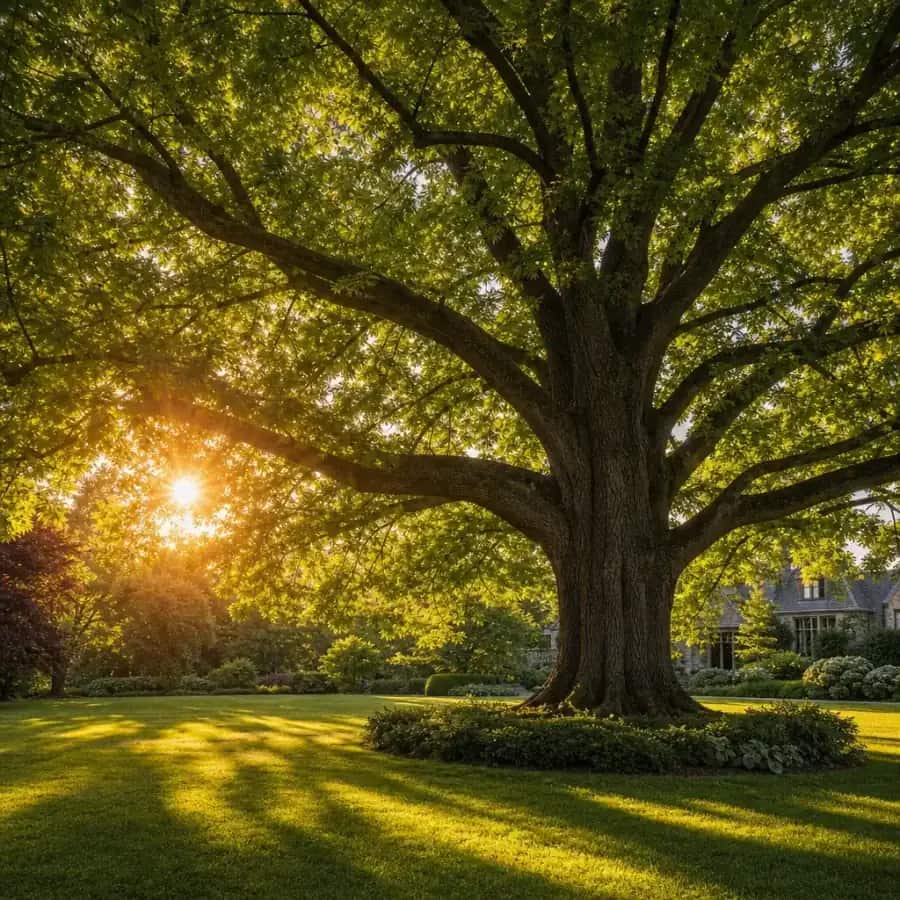 Shade TreesFast canopy for zone 8 summers, with species like Chinese Pistachio and Cedar Elm.View all Shade Trees →
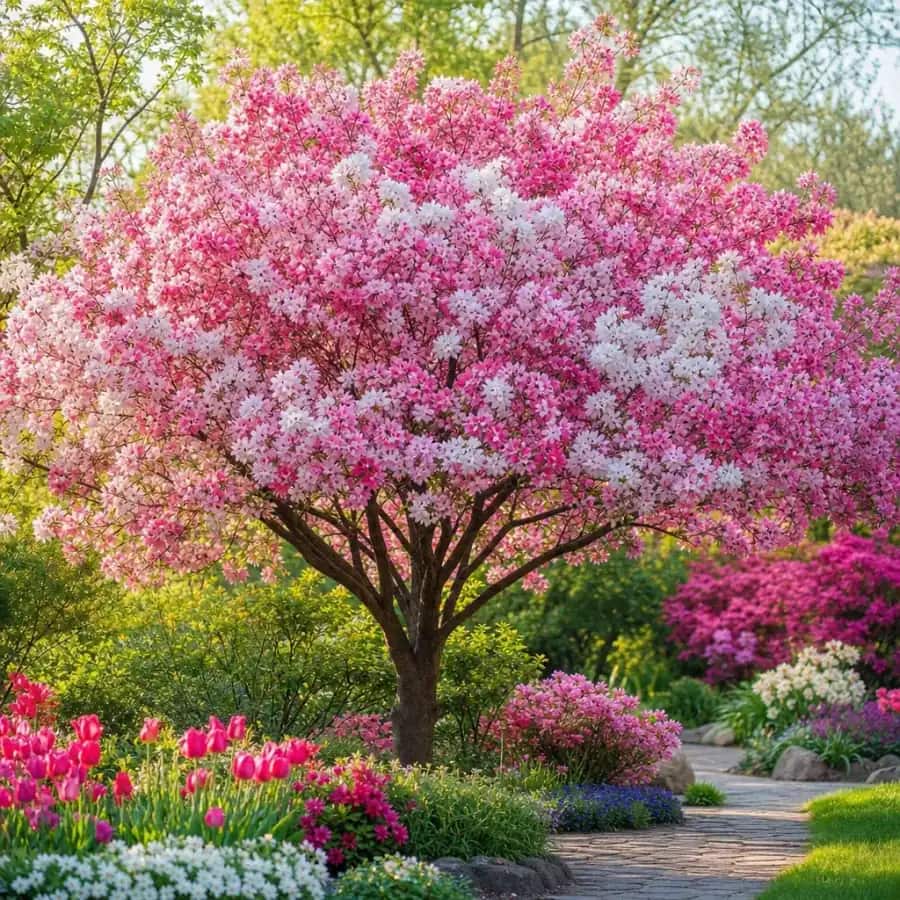 Flowering & OrnamentalBlooming trees that handle humidity, such as Texas Redbud and Wisteria Tree.View all Flowering & Ornamental →
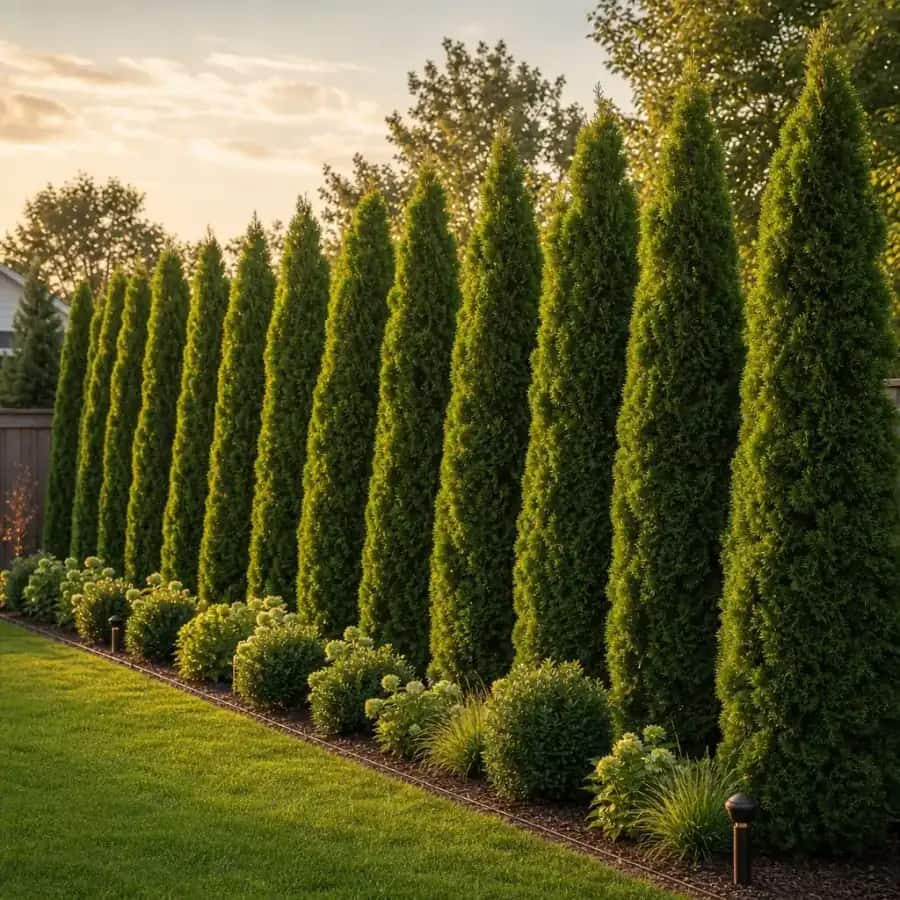 Evergreen & PrivacyYear‑round screening from Teddy Bear Magnolia to American Pillar Arborvitae.View all Evergreen & Privacy →
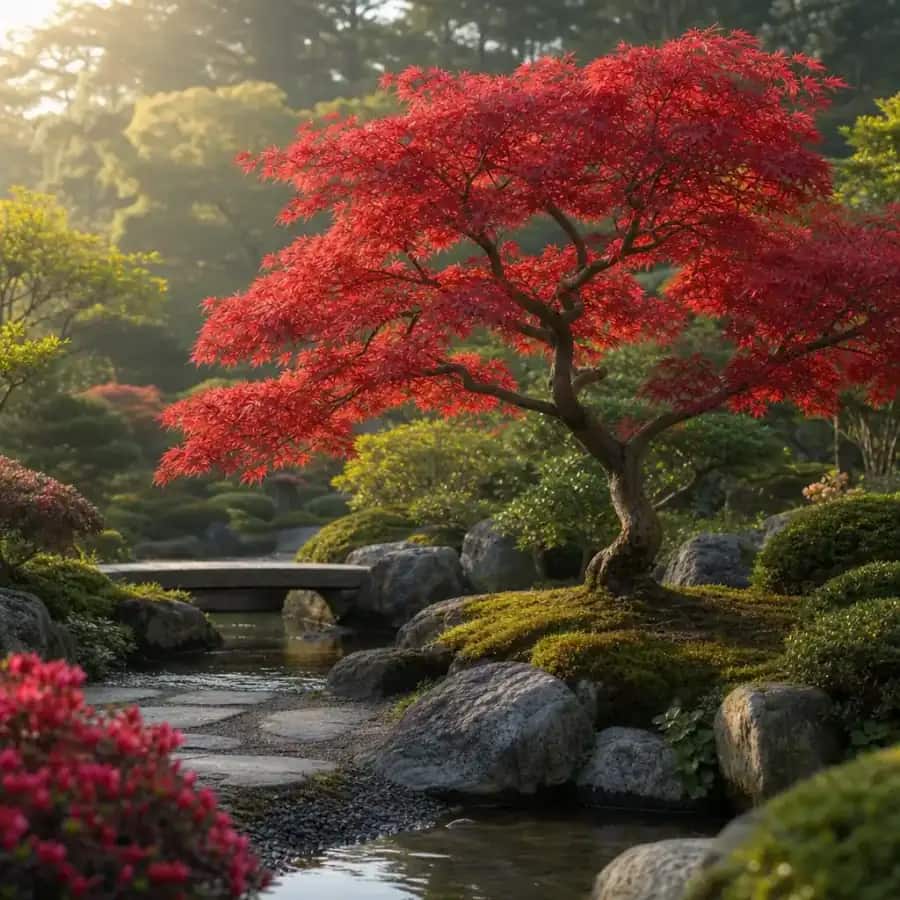 Japanese MaplesDelicate foliage suited for part shade. Avoid scorch in dry heat.
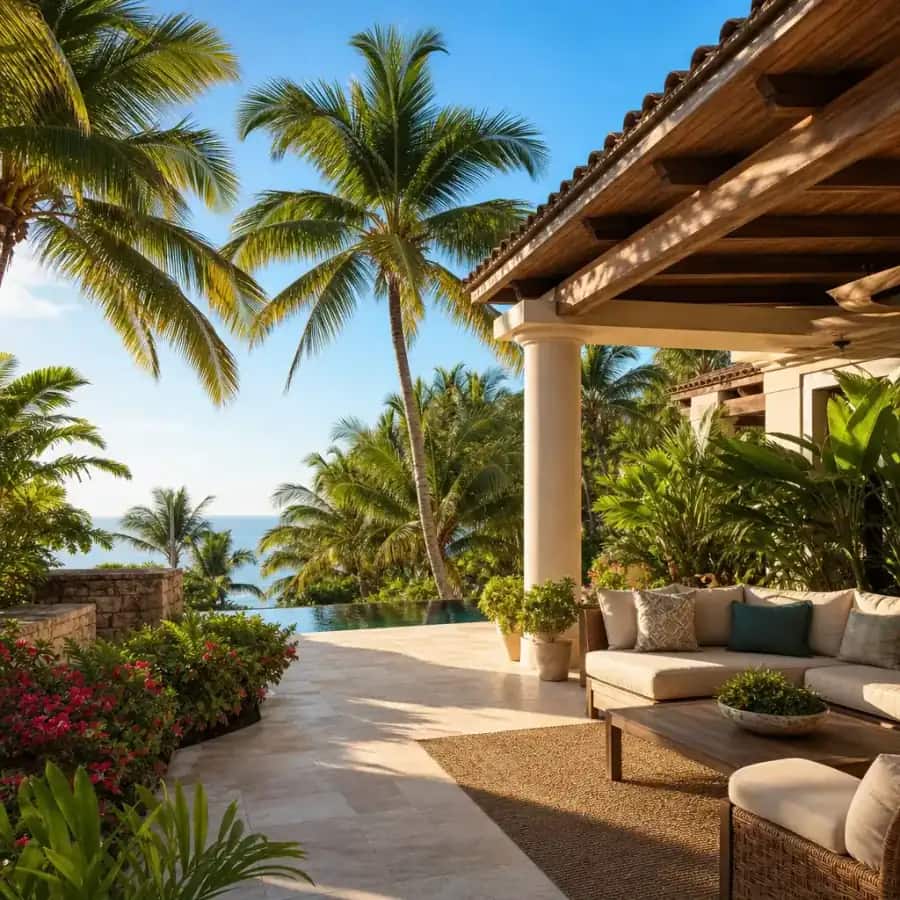 Palms & TropicalsCold‑hardy palms like Chinese Windmill Palm and Sago Palm thrive here.View all Palms & Tropicals →
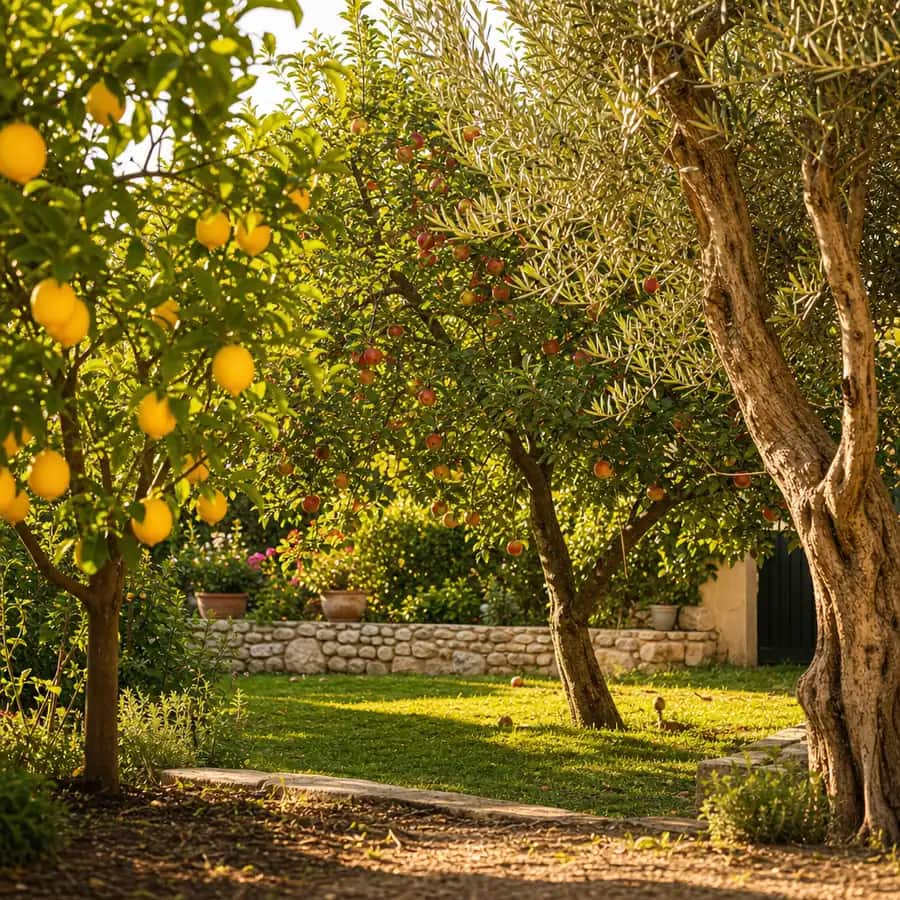 Fruit TreesSweet cherries and peaches that need winter chill match zone 8’s cool season.View all Fruit Trees →
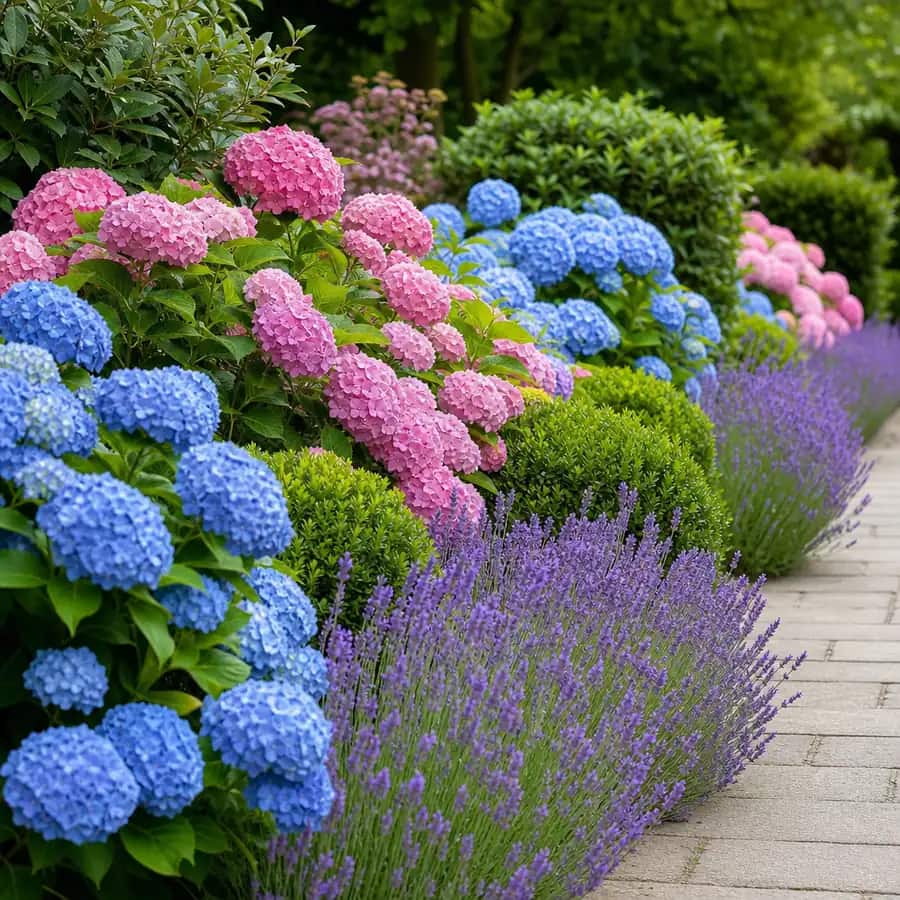 Shrubs & HedgesFoundation plants like Nellie Stevens Holly and Endless Summer Hydrangea.View all Shrubs & Hedges →
Local fit, from data
8b
about 15 to 20 F
Macon County
Alabama
Fall and early-spring are the windows for tree delivery to Tuskegee Institute, AL 36088. Arbor Buddy ships large, nursery-grown landscape trees by freight direct to homeowners. The lineup includes shade, flowering, evergreen, fruit, and palm categories, all matched to your hardiness zone 8b.
Whether you need a fast canopy or a privacy screen, your trees come with a 1-Year Thrive Guarantee.
Your ZIP 36088 sits in USDA hardiness zone 8b, where winter lows typically run about 15 to 20 degrees F. That means you can grow a broad palette of trees that would struggle in colder northern zones. Summer heat and humidity are real, but many shade, evergreen, and flowering species handle them well.
Zone 8 allows both classic Southern choices like live oaks and zone‑stretch species such as Japanese maples in part shade. The rural fringe of the area offers room for large canopy trees. In the older built‑up sections, compact evergreens and palms fit smaller lots. Overall, trees for zone 8 in Tuskegee Institute lean toward heat‑tolerant, low‑chill selections that bloom or produce fruit reliably.
Dry spells can stress shallow‑rooted trees; mulching helps retain moisture. But the mild winters open a long growing season for nearly every category.
Arbor Buddy ships large, nursery‑grown trees to ZIP 36088 with a 1-Year Thrive Guarantee. Browse the zone‑matched selections above and place your order online. Your landscape upgrade begins here.
ZIP 18431 in Honesdale, Pennsylvania (PA) sits in zone 6a, where winter lows drop to -10 to -5 F. Here, the zone usually pushes the choice toward cold‑hardy Japanese maples like Emperor 1 or Orangeola. Those maples risk leaf scorch in Tuskegee’s dry heat. The practical difference is that in zone 8 you can grow nearly any Japanese maple in part shade, while Honesdale gardeners must rely on the hardiest cultivars.
ZIP 57383 in White Lake, South Dakota (SD) is zone 5a with lows of -20 to -15 F. The practical difference is extreme cold tolerance vs. heat and humidity tolerance. White Lake buyers focus on trees that survive harsh winters, while Tuskegee Institute buyers can plant heat‑tolerant evergreens like Taylor Eastern Red Cedar and palms that would freeze in South Dakota. Locally, that points buyers toward moisture‑loving species like Weeping Willow and disease‑resistant redbuds.
ZIP 53517 in Blue Mounds, Wisconsin (WI) also sits in zone 5a with similar winter lows. Here, even with drought tolerance being a concern in both places, the severity of cold rules out many zone 8 staples. Locally, that points buyers toward trees that accept both humidity and occasional dry spells, such as the Dwarf Palmetto Palm and Bing Cherry with a pollinator. In contrast, Blue Mounds gardeners must rely on apples and cold‑hardy shrubs.
For Tuskegee Institute homeowners, the takeaway is clear: your mild winters open more choices, but heat and humidity narrow the list to proven performers in zone 8.
Arbor Buddy ships large, nursery‑grown trees to ZIP 36088 and also covers ZIP 36087 in Tuskegee. Your order travels by freight truck and arrives at a usable landscape size, already matched to your zone before shipping. Orders for zone 8 areas are scheduled for fall and early‑spring arrival. A freight truck needs a street wide enough to stop or turn around.
Before delivery day, check:
Enter your ZIP, shop only what thrives in your zone.
Freight delivery to your address: $149 flat per order, shown at checkout.
Plant it, watch it thrive, covered for one year.
Good to know · Growing guide
Coverage runs a full year from delivery. If something goes wrong, contact the team and they arrange the replacement. No store-credit games, no fine-print maze.