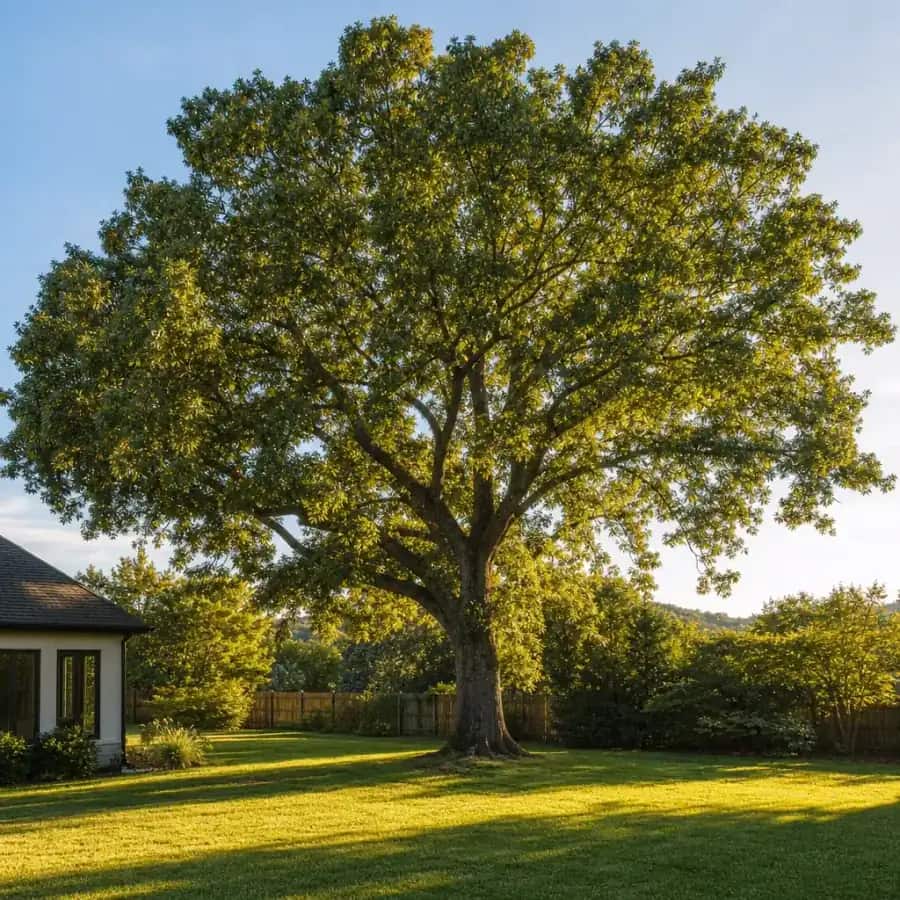
 Zones 4 to 8
Shade Trees
Chinkapin Oak
$579
Shop large, nursery-grown shade, privacy, flowering and fruit trees, delivered by freight in Butler County. Every tree is matched to your hardiness zone and backed by our 1-Year Thrive Guarantee.
Enter your ZIP and we'll match trees to your exact growing zone.
Typical winter lows in Butler County run about 15 to 20 F.
Matched to Butler County's zones
Zones 4 to 8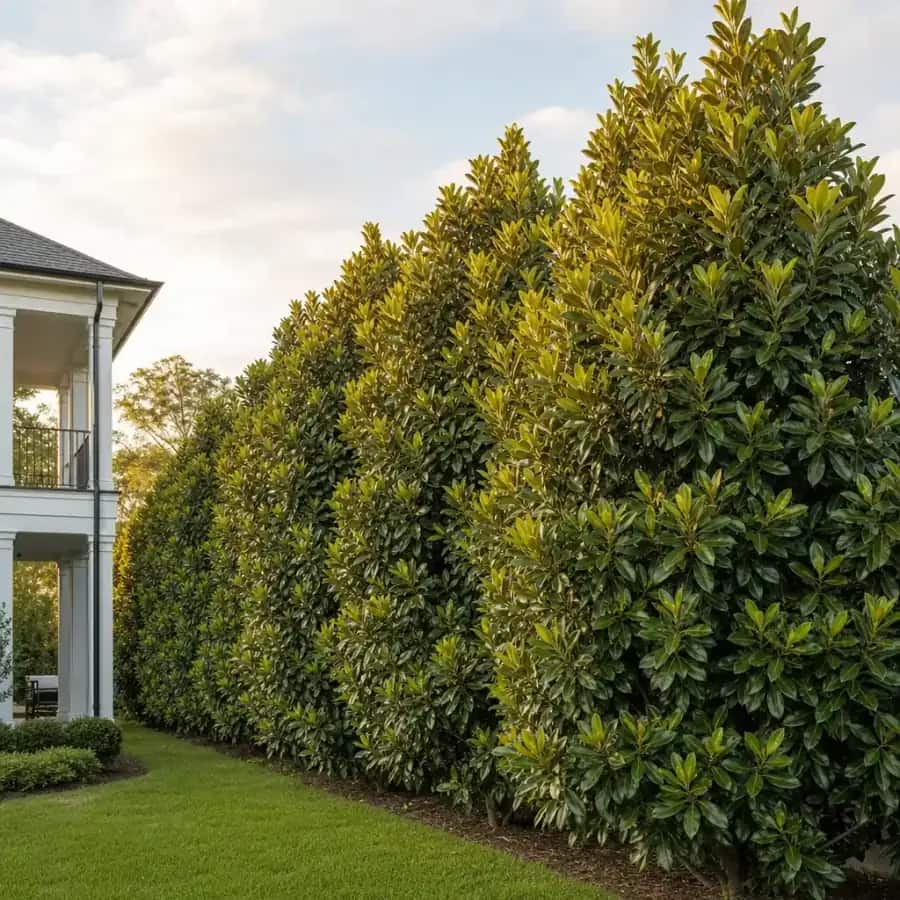 Zones 7 to 9
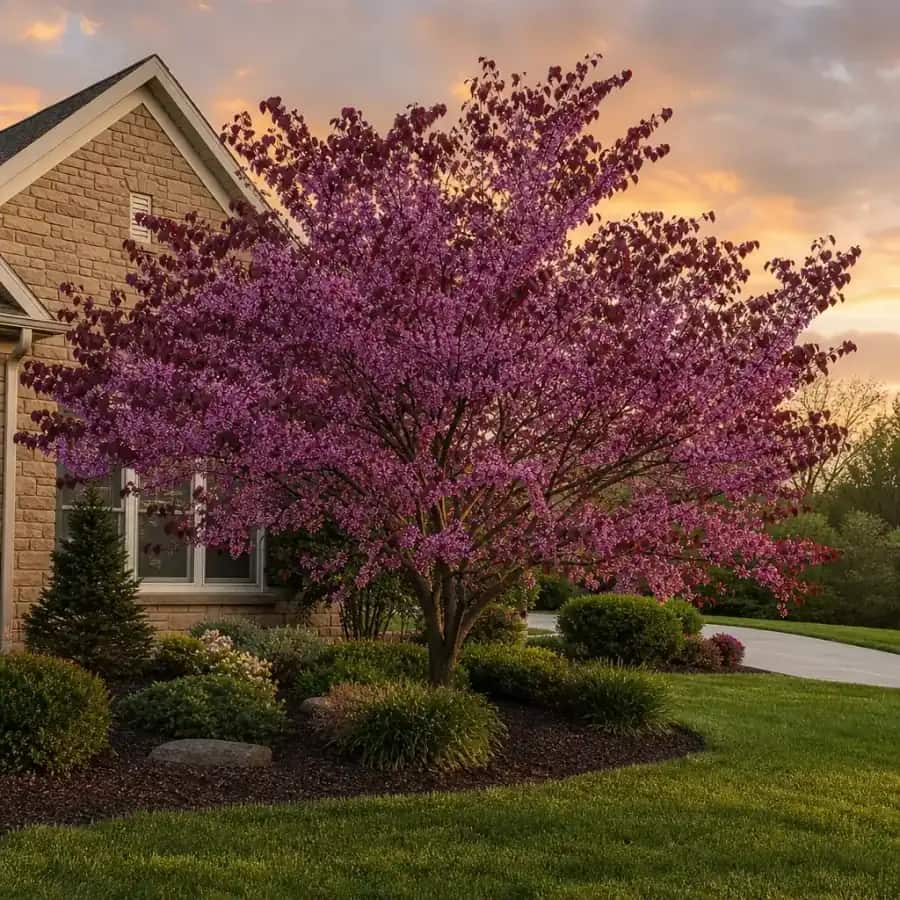 Zones 4 to 9
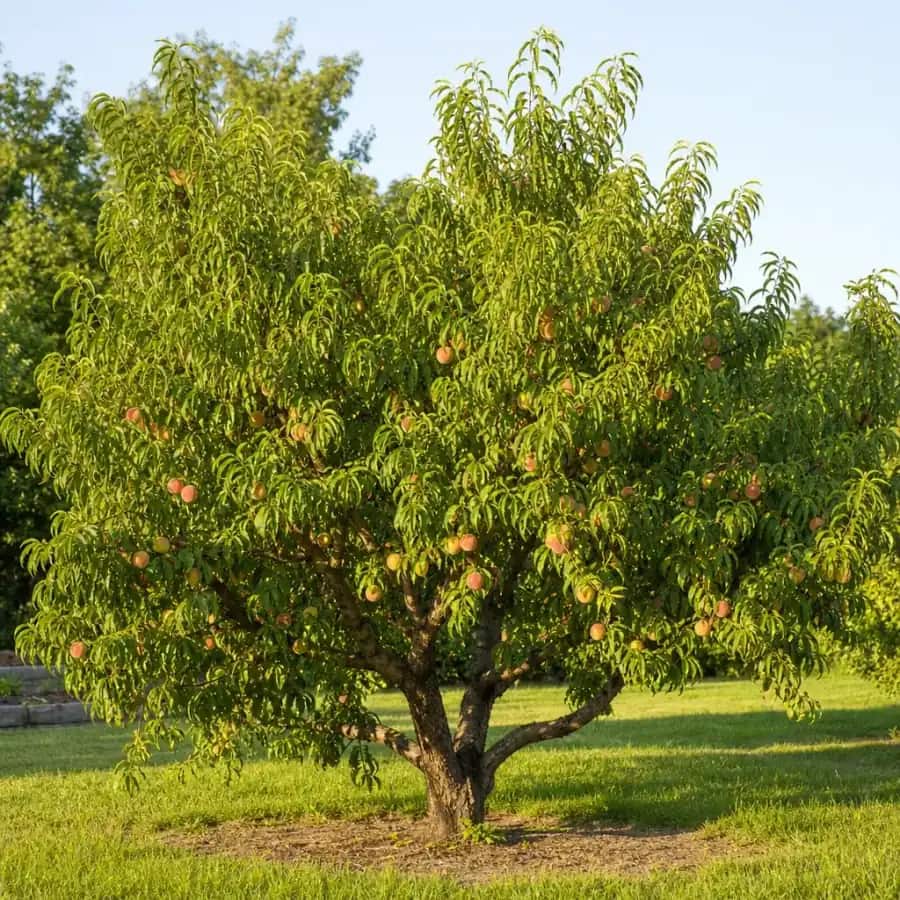 Zones 5 to 9
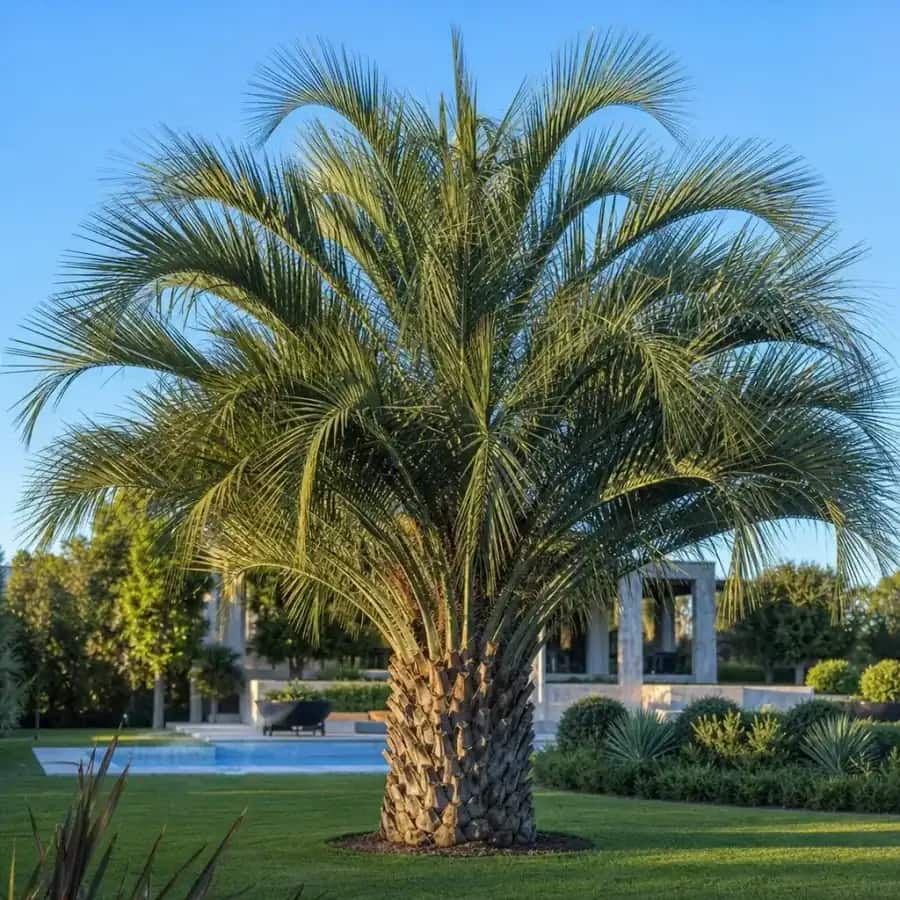 Zones 8 to 11
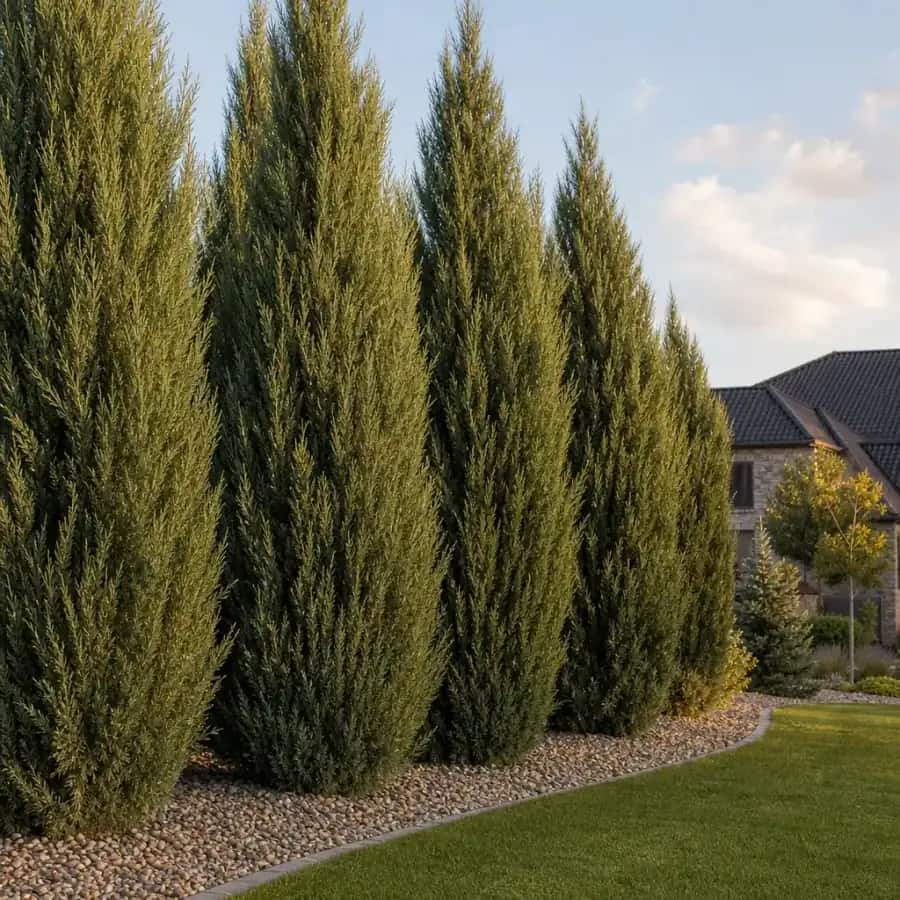 Zones 4 to 9
Shop by category
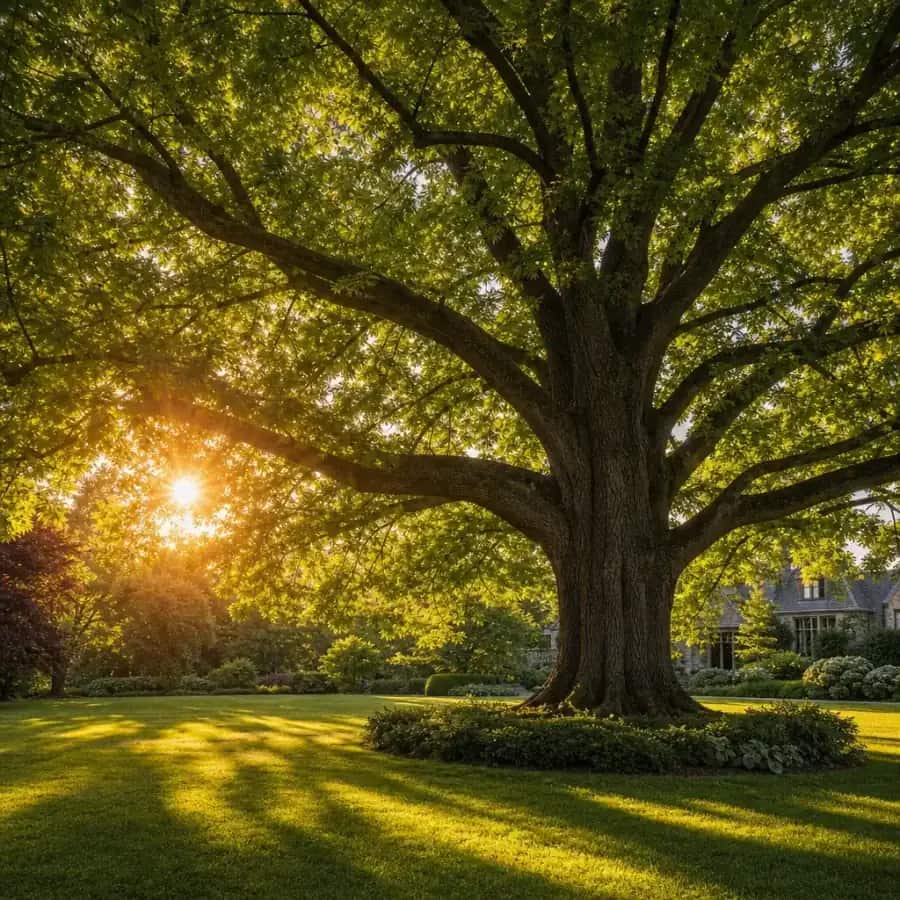 Shade TreesLarge canopy to cool a patio or house, suited to zone 8's warm summers.View all Shade Trees →
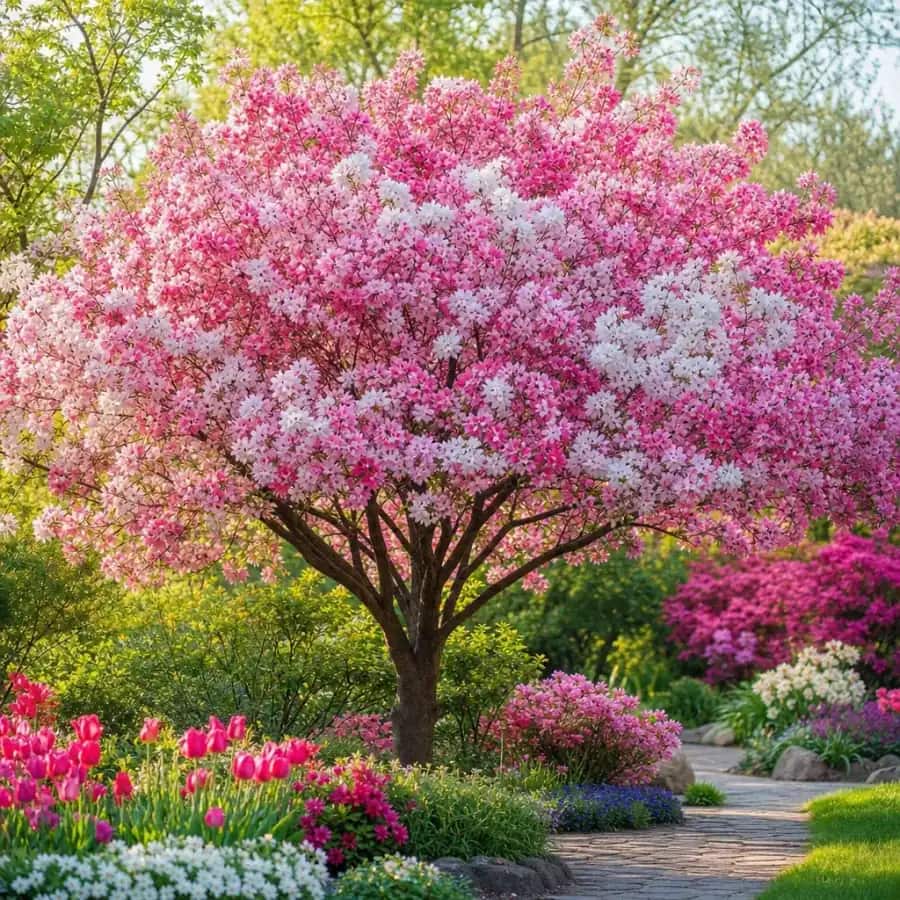 Flowering & OrnamentalYear round color from spring blossoms to fall foliage, reliable in your zone.View all Flowering & Ornamental →
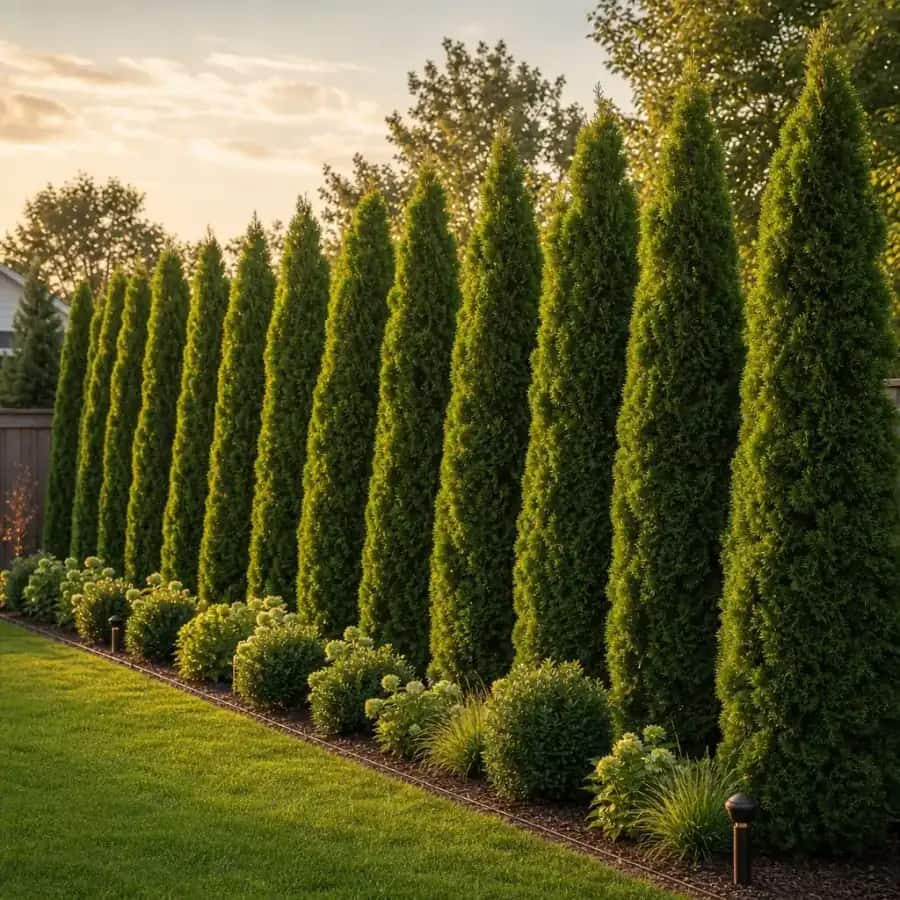 Evergreen & PrivacyDense screens that stay green through mild winters and hot summers here.
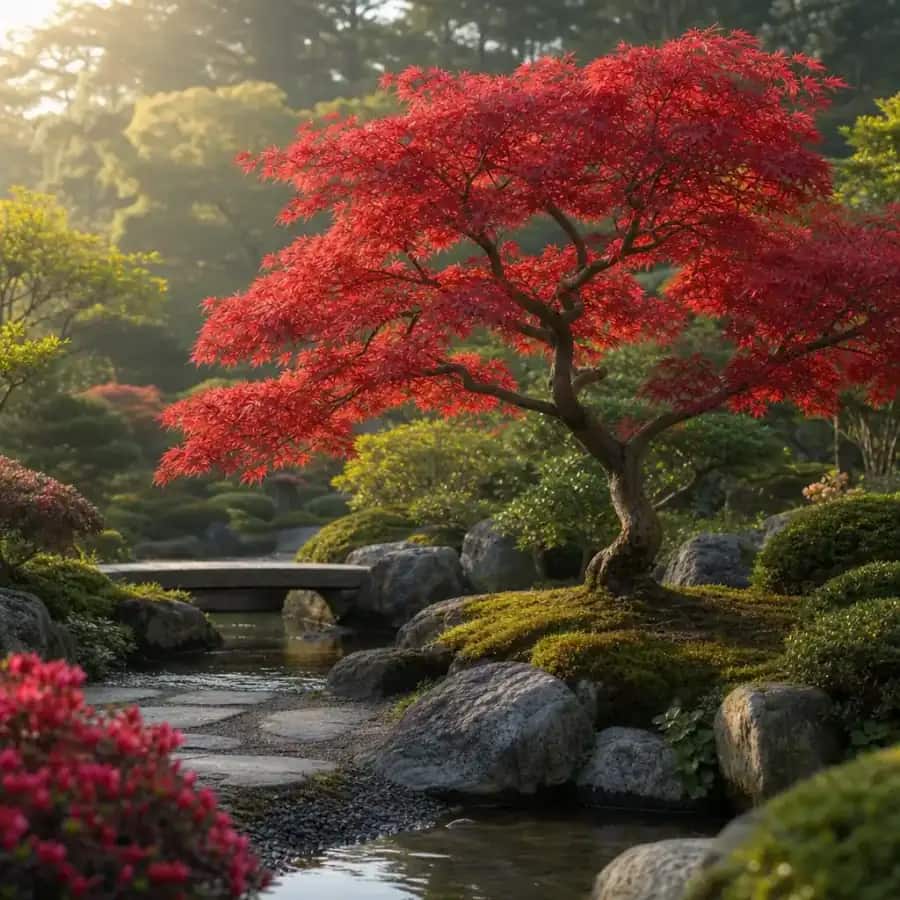 Japanese MaplesDelicate foliage for dappled light spots; choose shade and consistent moisture.
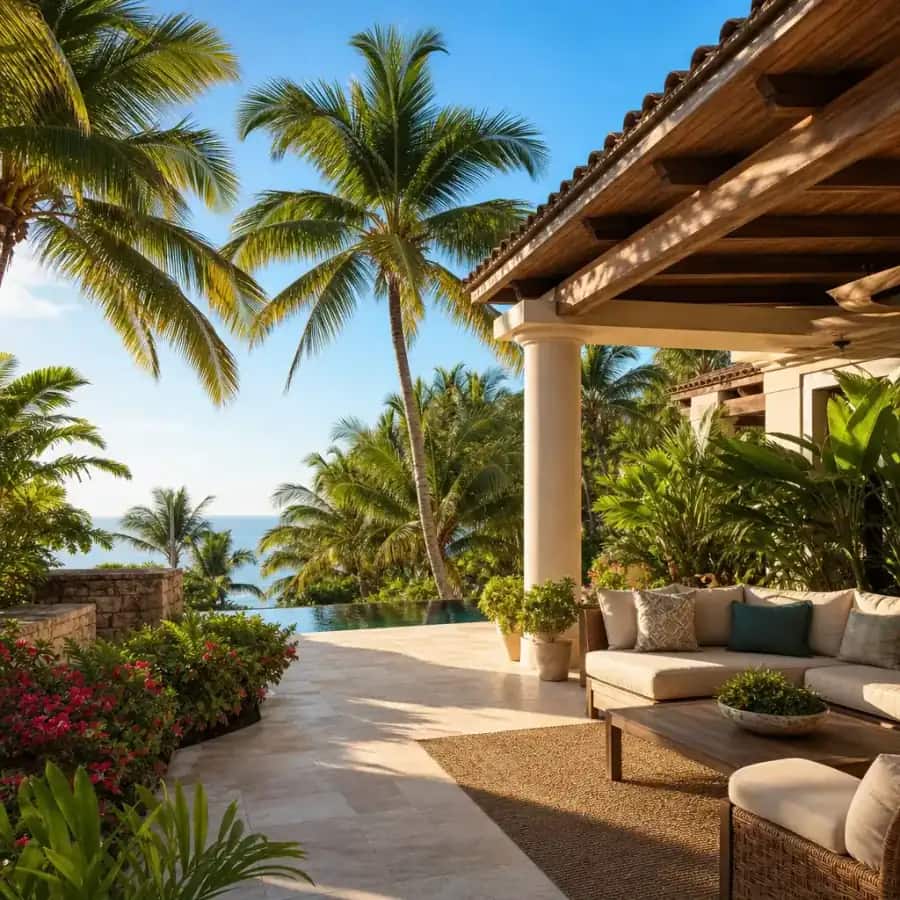 Palms & TropicalsZone hardy palms that add a southern touch without winter worry.View all Palms & Tropicals →
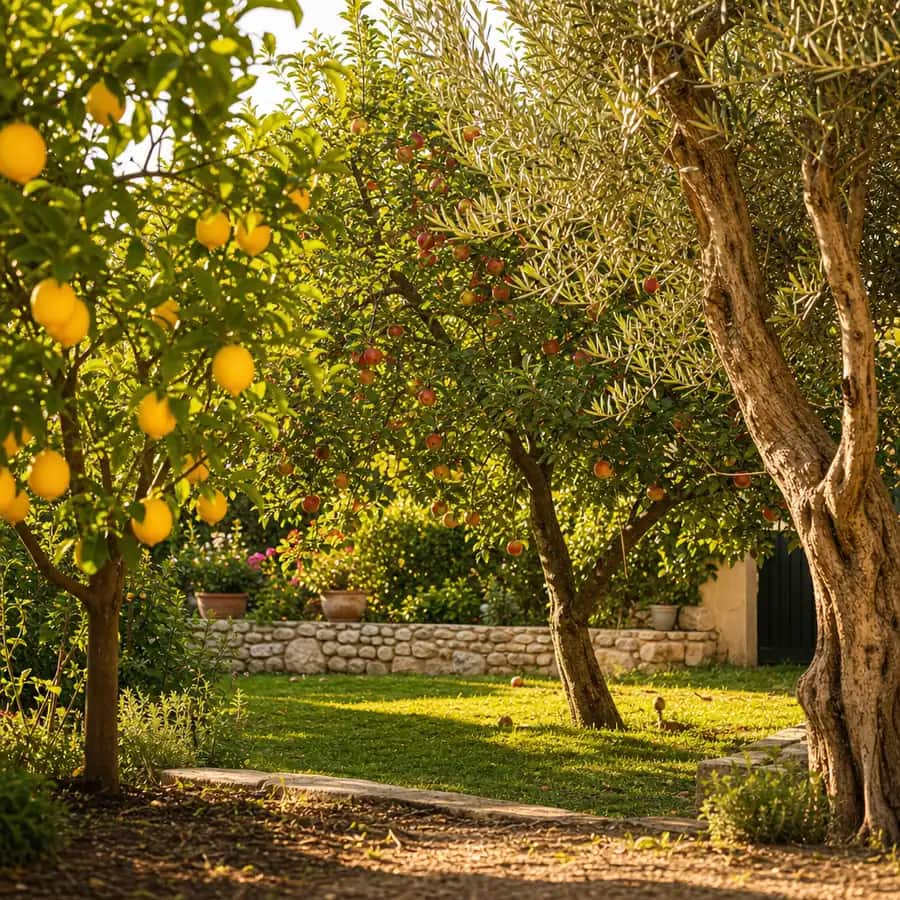 Fruit TreesSweet cherries and other fruits that need chill hours and warm summers to produce.View all Fruit Trees →
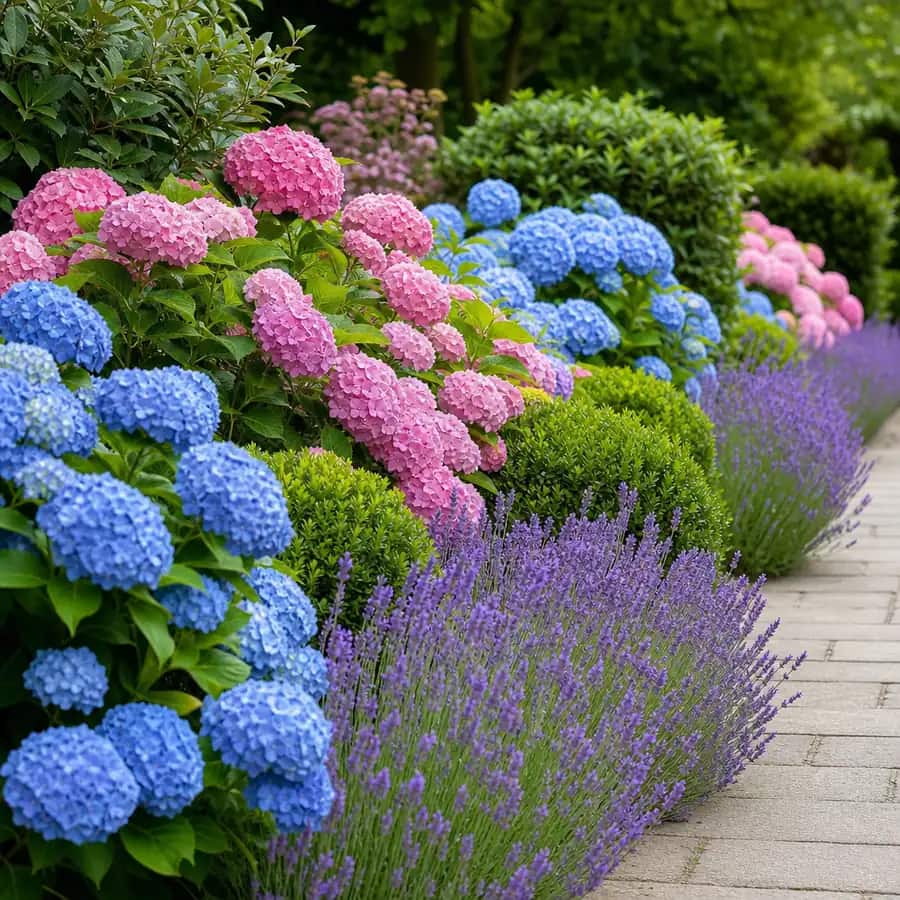 Shrubs & HedgesFoundation plants and borders that handle humidity and heat well.View all Shrubs & Hedges →
Local fit, from data
8b
about 15 to 20 F
5
Chapman
If you are looking for shade, privacy and fruit trees in Butler County, Alabama (AL), Arbor Buddy ships large nursery-grown trees by freight directly to you. In zone 8b, shipments go out during the cooler months, fall to early spring. Every tree is matched to your hardiness zone, backed by a 1-Year Thrive Guarantee. We serve homeowners and contractors across the county.
Butler County falls in zone 8b across its five ZIP codes. Typical winter lows run about 15 to 20 F. That means trees rated for zone 8 or colder can handle the cold snaps here, while tender subtropicals need protection on the coldest nights.
Summers bring humidity and heat. Broad leaf evergreens and native species like the Dwarf Palmetto Palm handle that well. If you want Japanese Maples, give them morning sun and afternoon shade to avoid leaf scorch. The mild winters allow a long growing season for fruit trees, though late frosts can threaten blooms.
When you search for trees for zone 8 in Butler County, look for options that also tolerate occasional temperature swings. The coastal plain influence means moisture is usually adequate, but periodic dry spells favor drought tolerant choices like the Brodie Eastern Red Cedar once established.
The Weeping Willow is a top choice if you have wet soil and space. It grows fast and provides wide shade with cascading branches. For drier spots, consider oaks or the Dura Heat River Birch if you can keep the soil moist. But watch the willow's aggressive roots near pipes.
Zone 8b suits a long list: flowering redbuds, Brodie Eastern Red Cedar, Nellie Stevens Holly, and cold hardy palms like the Dwarf Palmetto. Winter lows of 15 to 20 F allow many trees labeled zone 8 or colder to thrive. Just protect frost tender blossoms on fruit trees like the Bing Cherry.
Yes, we ship to much of Butler County including the Chapman area. Our freight service covers the county's five ZIP codes. A truck will bring your tree to a street accessible spot. See the delivery checklist above for what to prepare.
It means if your tree dies from any cause during its first year in the ground, Arbor Buddy sends a free replacement. There is no extra paperwork. You simply let us know. This guarantee covers every tree we ship, giving you confidence to order online.
Browse the featured trees above and pick the ones that fit your yard conditions. Arbor Buddy ships each tree zone matched and backed by the Thrive Guarantee. Place your order today and get a large nursery grown tree delivered to your door.
Comparing climates helps you see which tree choices make sense locally.
Neosho County, Kansas (KS) sits in zone 7a with winter lows of 0 to 5 F. Here, the zone usually pushes the choice toward cold hardy species like Eastern Redcedar and oaks. Japanese maples like the Seiryu or Crimson Queen need careful siting in that zone because severe cold can damage them. In Butler County zone 8b, those same maples have an easier time with winter, but still need afternoon shade in summer.
Taylor County, Iowa (IA) is zone 5b with lows of -15 to -10 F. The practical difference is that many broadleaf evergreens and fruit trees cannot survive those winters. Butler County's milder lows allow you to grow Bing Cherry and Nellie Stevens Holly without winter kill. The trade off here is summer heat and humidity, which Taylor County rarely sees. Our trees must tolerate both heat and occasionally wet conditions.
Twin Falls County, Idaho (ID) covers zones 6a to 7a with winter lows from -10 to 5 F. Locally, that points buyers toward drought tolerant evergreens like the Brodie Eastern Red Cedar, which handles dry summers. In Butler County, your trees face more humidity and less winter risk. The same tolerance to dry spells is less critical here because you usually get enough rain, but drainage still matters.
For buyers in Butler County, these contrasts mean you can grow a wider range of species than many colder regions. Focus on heat and humidity tolerance rather than extreme cold hardiness, and you will get strong growth.
Arbor Buddy ships your tree via freight to much of Butler County. In zone 8, shipments are timed for the cooler months, fall to early spring. Every tree arrives nursery grown at a usable landscape size, zone matched before shipment. The 1-Year Thrive Guarantee covers your first year: if a tree does not survive, we replace it free.
Before delivery day, check:
Enter your ZIP, shop only what thrives in your zone.
Freight delivery to your address: $149 flat per order, shown at checkout.
Plant it, watch it thrive, covered for one year.
Good to know · Growing guide
Coverage runs a full year from delivery. If something goes wrong, contact the team and they arrange the replacement. No store-credit games, no fine-print maze.