Skip to content
USDA zones 9a to 10a

Shade, Privacy and Flowering Trees in Yuma County, AZ

Shop large, nursery-grown shade, privacy, flowering and fruit trees, delivered by freight in Yuma County. Every tree is matched to your hardiness zone and backed by our 1-Year Alive & Thrive Guarantee.

See what thrives at your address

Enter your ZIP and we'll match trees to your exact growing zone.

Typical winter lows in Yuma County run about 20 to 35 F.

1-Year Guarantee

Alive & Thrive promise

Freight Delivery

Quoted at checkout

Nursery-Grown

Shipped at landscape size

Zone-Matched

Only what thrives near you

Matched to Yuma County's zones

Featured trees for Yuma County

6 landscape-grade picks covering shade, privacy, color and fruit, all hardy in Yuma County's zones. Prices and stock shown live.

Shop by category

Browse everything that thrives in Yuma County

Every category below is stocked with trees rated for Yuma County's zones. Tap a bestseller or view the full range.

Choosing trees by goal

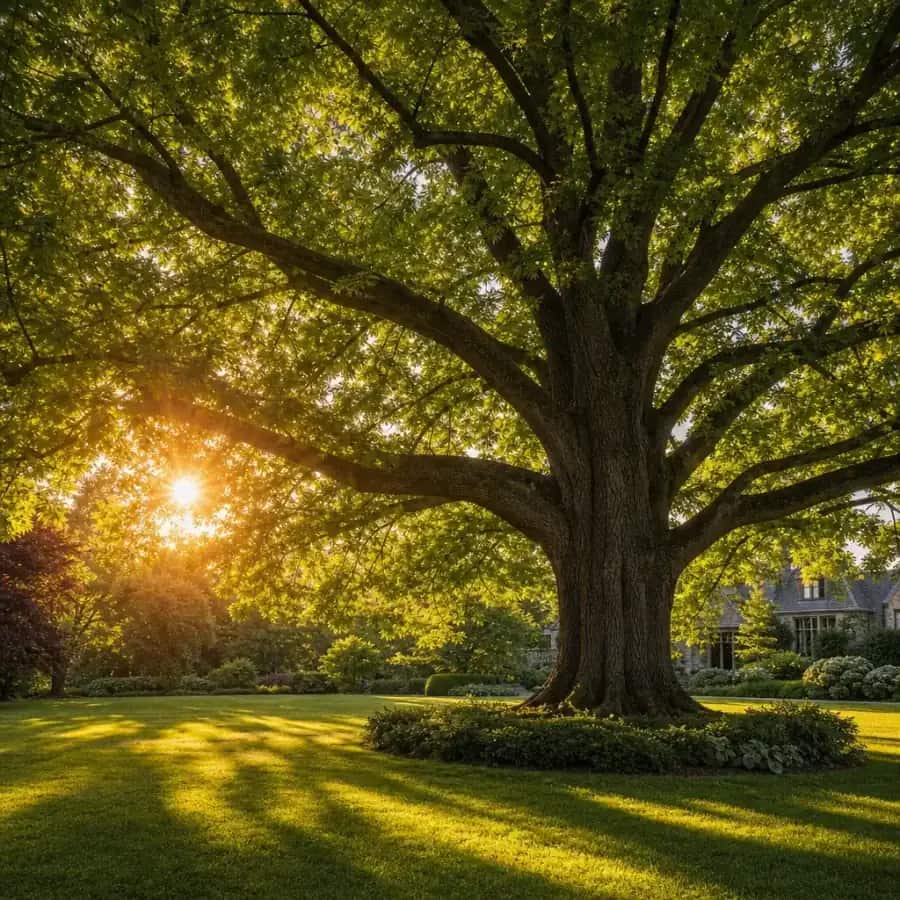
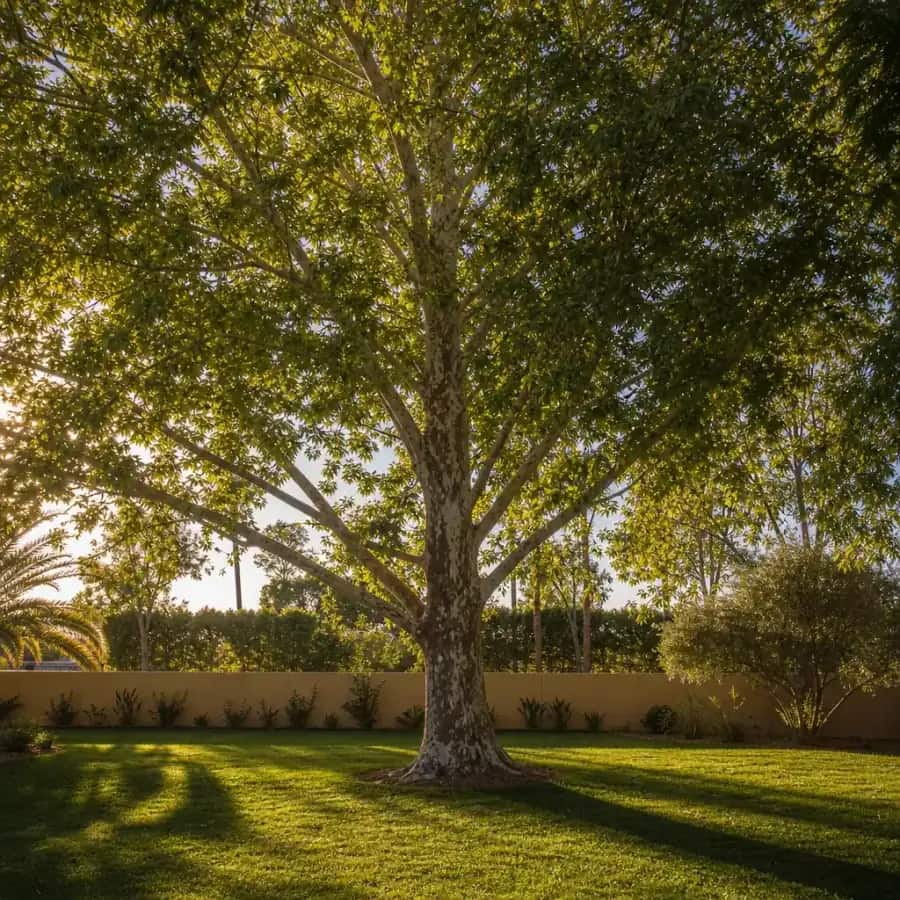
Shade and canopy. Large deciduous or evergreen shade trees like Goldcrest Monterey Cypress or Bald Cypress. Give them room to spread; overhead wires or narrow side yards may limit placement.

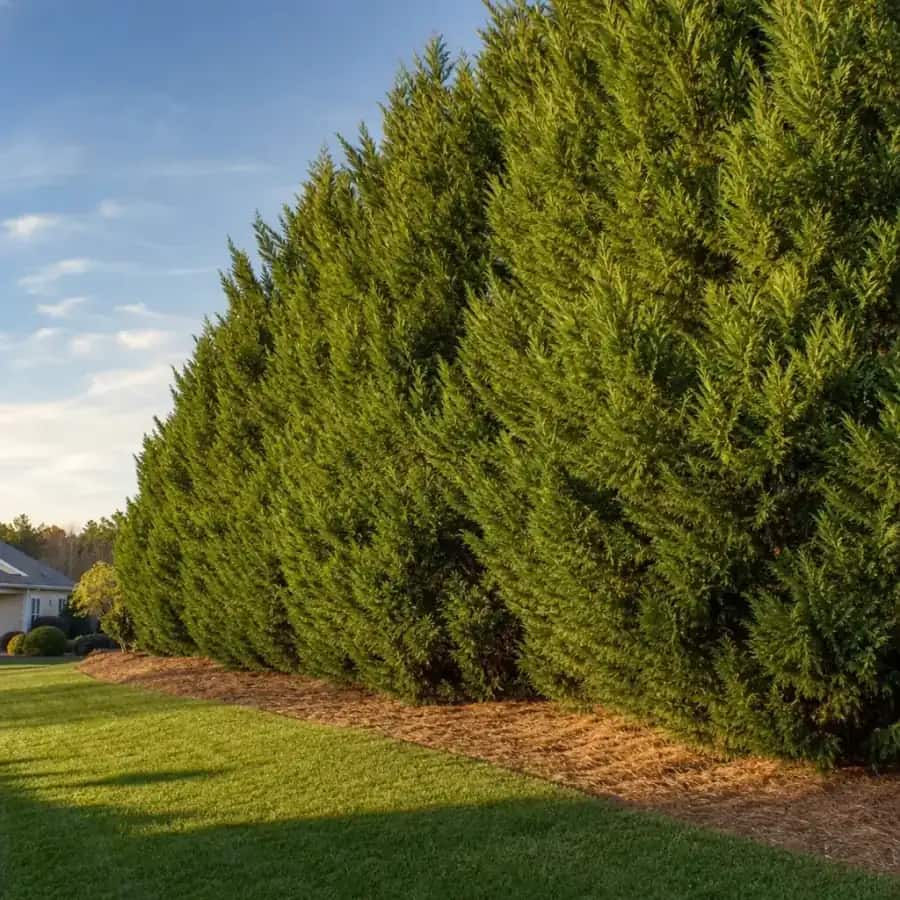
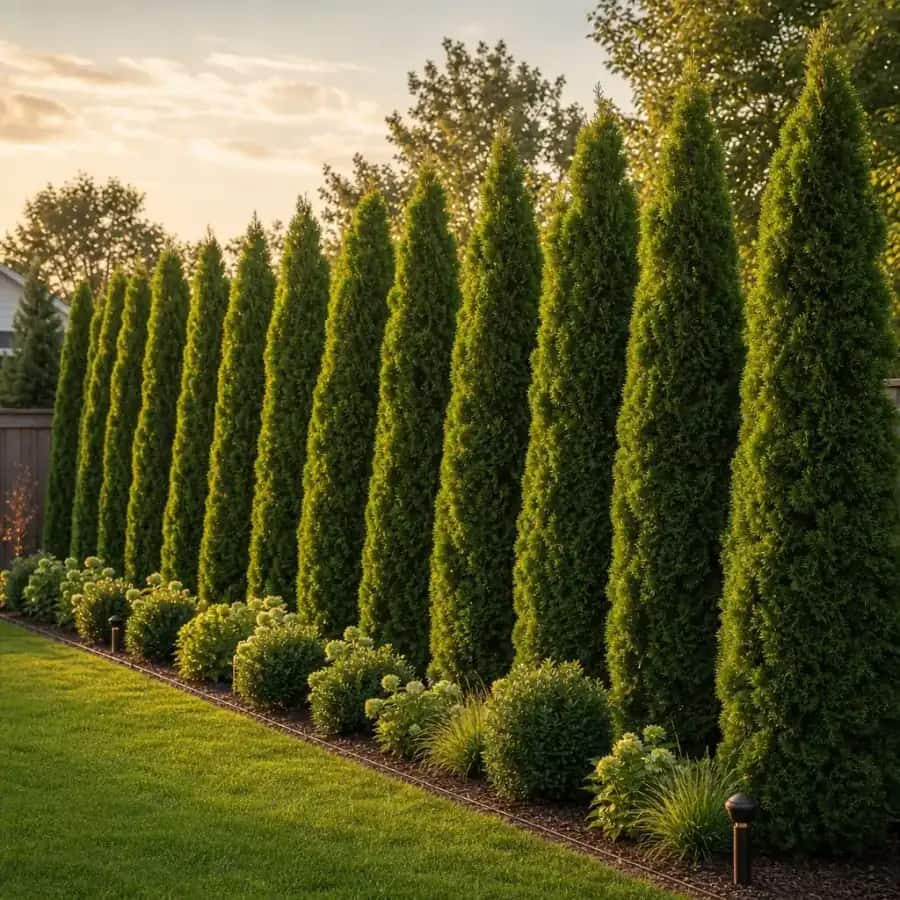
Privacy and screening. Evergreen conifers or dense shrubs, such as Leyland Cypress. Fast-growing screens need regular water their first two years to fill in.

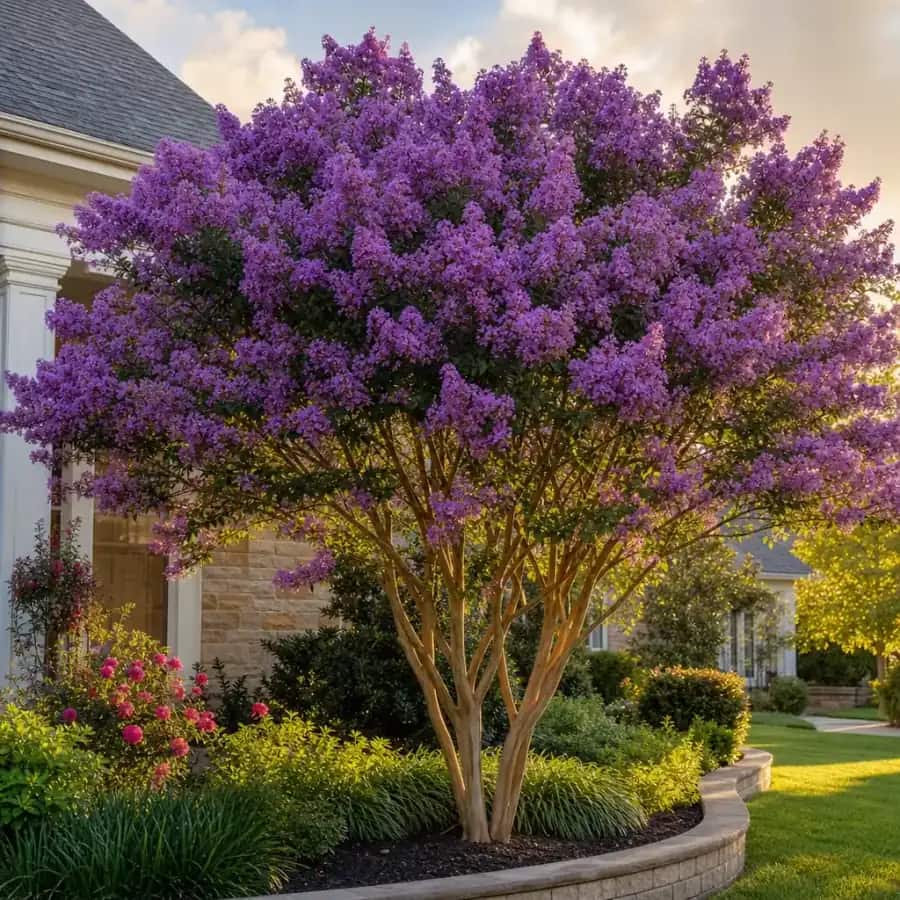
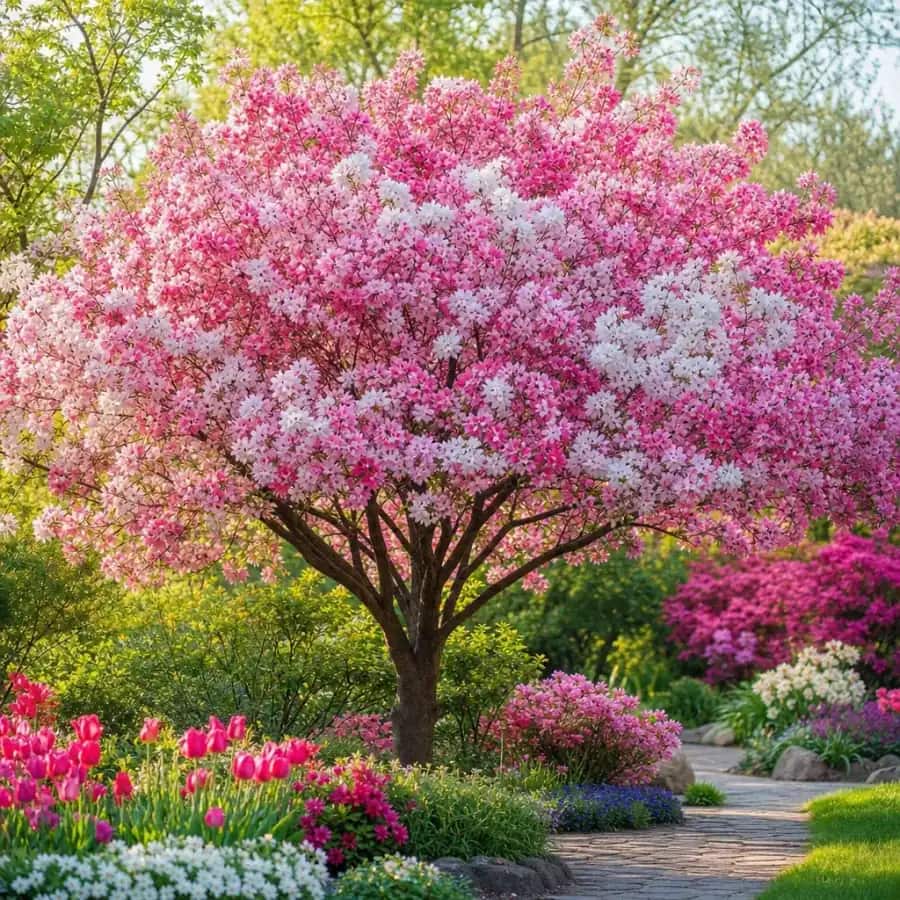
Flowering and curb appeal. Natchez Crape Myrtle or Desert Willow for long-lasting blooms. Both drop leaves in winter, so plant where the summer show matters most.

Grow your own fruit. Cold Hardy Avocado or Meyer Lemon. Avocados need good drainage; plant on a slight mound if your soil is heavy clay.

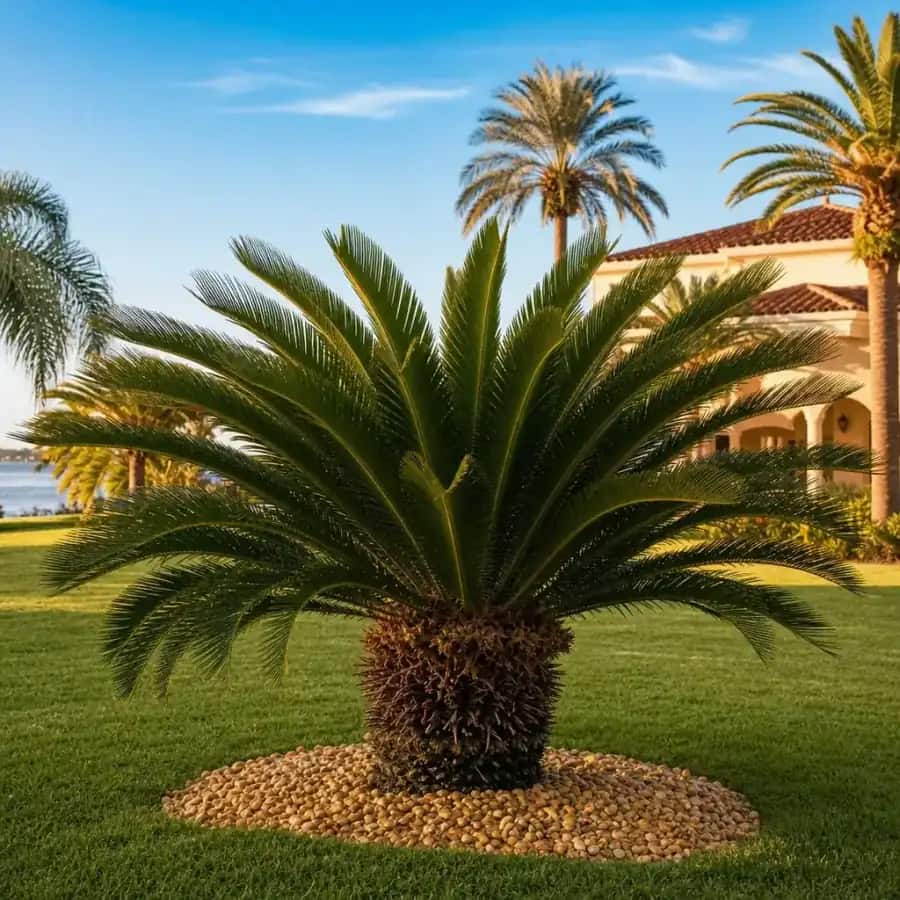
Small spaces and accents. Queen Sago Palm or compact crape myrtle. Queen Sago grows slowly, so it stays manageable in a container for years.

Local fit, from data

Growing conditions in Yuma County

USDA zones

9a to 10a

Typical winter lows

about 20 to 35 F

ZIP codes served

12

Largest city

Yuma

Looking for shade, privacy, or fruit trees that can handle Yuma County's heat? Arbor Buddy delivers large, nursery-grown trees by freight straight to your home in Yuma County, Arizona (AZ). We match every tree to your hardiness zone, and this county spans zones 9a to 10a. Homeowners and contractors can choose from shade trees, flowering ornamentals, evergreens, palms, and fruit trees that thrive in your warm climate.

Climate and Hardiness Zone Fit in Yuma County

Yuma County covers 12 ZIP codes and spans USDA zones 9a to 10a. The warmer zone 10 areas, common in the western part of the county, rarely see frost. The colder zone 9 pockets can dip to about 20°F in winter, but most winters stay in the 20 to 35°F range. That mild envelope lets you grow a wide mix of trees.

Dry conditions dominate here. Summer temperatures climb high, so trees that handle drought and reflected heat do best. Palms, desert-adapted flowering trees, and heat-tolerant fruit trees all perform well. When you shop for trees for zone 10 in Yuma County, look for species that pair low water needs with heat tolerance. The featured picks on this page all fit within that range.

Shop Trees by Category in Yuma County

  • Shade Trees: Cool your outdoor space and reduce water needs with broad-canopied trees suited to zone 10 heat.
  • Flowering & Ornamental: Add color from spring through fall with drought-tolerant bloomers like the Desert Willow.
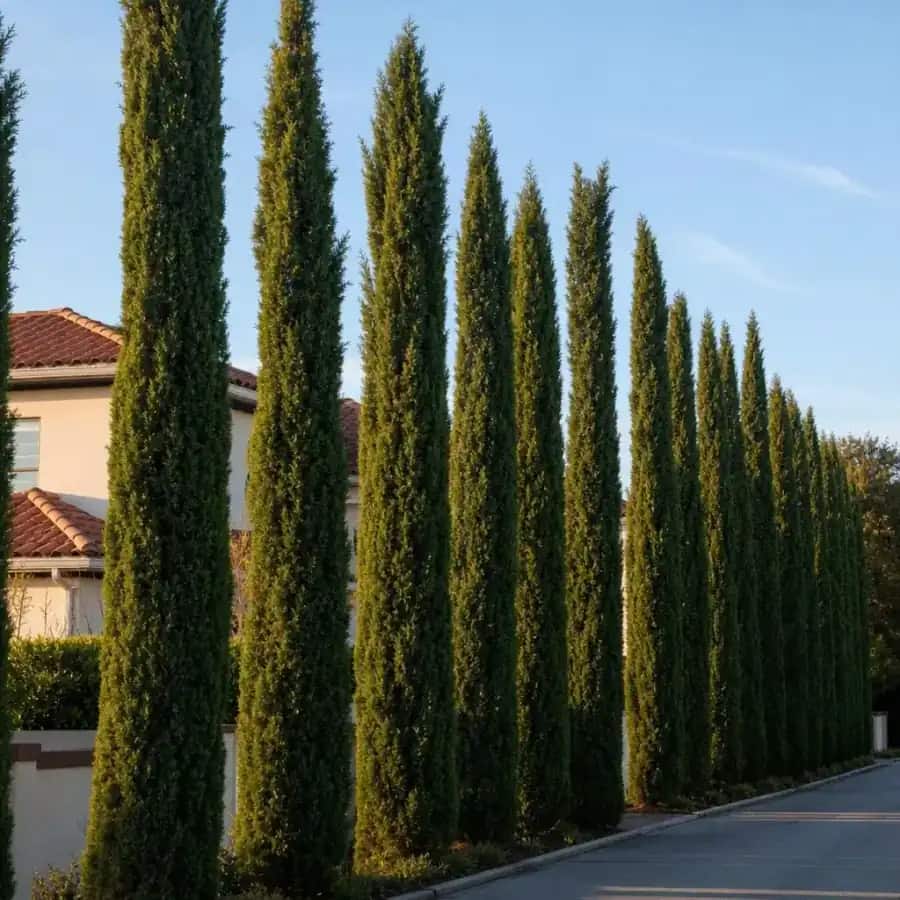
  • Evergreen & Privacy: Create year-round screening with conifers that stand up to the dry air and occasional cold snap.
  • Palms & Tropicals: Bring a resort feel to your yard with cold-hardy palm varieties that handle zone 9 winters.
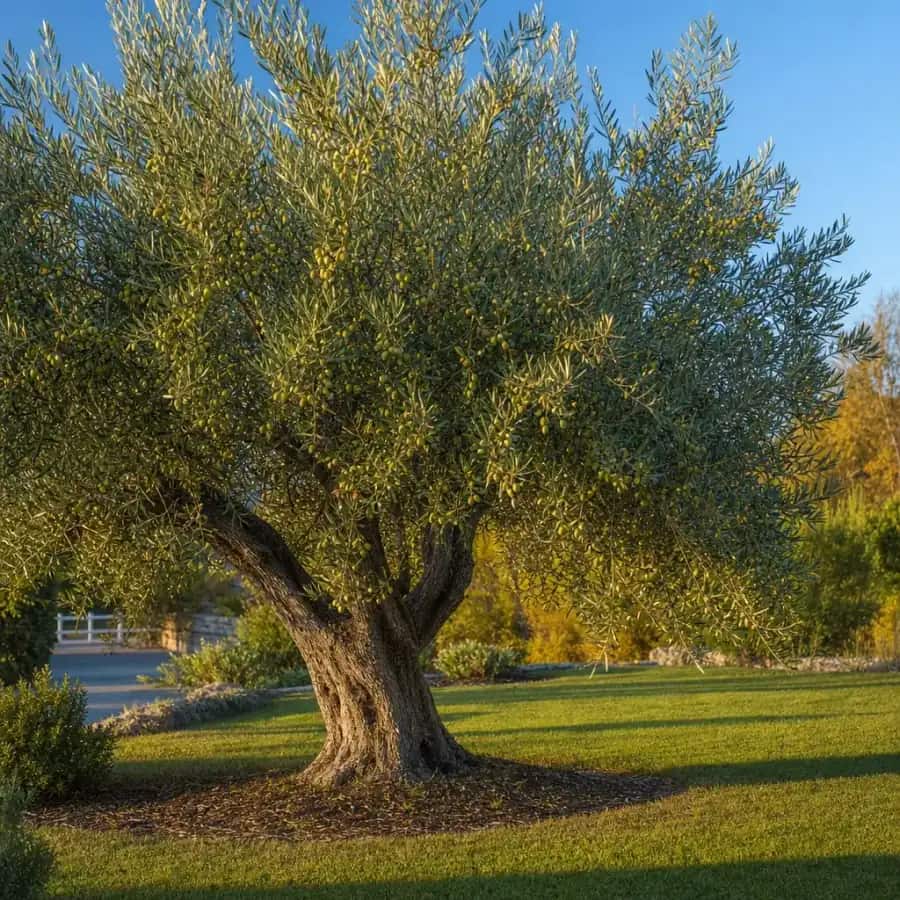
  • Fruit Trees: Grow your own avocados, figs, and olives with self-fertile varieties that set fruit reliably.

Frequently Asked Questions

When do trees ship to Yuma County?

Trees ship from fall through early spring for zone 10 areas to avoid the intense summer heat. This shipping window helps your tree settle in before the hottest months arrive.

What trees grow in zone 10?

Trees that tolerate heat and low humidity, such as Desert Willow, Queen Sago Palm, and Cold Hardy Avocado, all grow well in zone 10. These species handle the warm winters and dry summers common across most of Yuma County.

What size do the trees arrive at?

Every tree arrives nursery-grown at a usable landscape size–large enough to make an immediate impact in your yard. The exact size varies by species, but all are ready for planting on delivery day.

What are good privacy or screening trees here?

Bald Cypress and Goldcrest Monterey Cypress both work well for privacy screening in Yuma County. Bald Cypress handles wet soil, while Goldcrest Monterey Cypress stays evergreen and tolerates dry conditions once established.

See What Grows in Your Zone

Your yard's success starts with trees matched to your specific hardiness zone. Browse the featured picks above, or head to the shop to filter by category. Arbor Buddy ships large, healthy trees to Yuma County with the 1-Year Alive & Thrive Guarantee. Find the right tree for your spot and order online today.

How Yuma County Compares to Other Areas

Rockdale County, Georgia (GA) sits in zones 8a to 8b with winter lows around 10 to 20°F. That area gets more humidity and rain than Yuma County, so privacy and screening trees like Leyland Cypress grow faster there. In Yuma County, you will rely more on drought-tolerant evergreens and palms for year-round cover. That gap changes the local shortlist to species that handle dry air.

Denver County, Colorado (CO) is in zone 6a with winter lows from -10 to -5°F. That cold climate limits flowering trees to early-blooming natives like chokecherry. In Yuma County, you can grow long-blooming choices such as Natchez Crape Myrtle and Desert Willow. For your cart, that means you have a much wider window for color from spring through fall.

Middlesex County, Connecticut (CT) ranges from zone 6b to 7a with winter lows around -5 to 5°F. Cold winters there make citrus impossible without a greenhouse. Yuma County's warmer zone allows cold-hardy citrus and avocado trees to thrive outdoors. In practice, buyers here lean toward homegrown fruit like Cold Hardy Avocado, which would not survive a Connecticut winter.

These contrasts show one thing: Yuma County's mild, dry climate opens the door to trees that struggle in colder or wetter regions. Your zone decides your list.

Freight delivery and the Alive & Thrive Guarantee

Your tree arrives by freight truck, already nursery-grown at a usable landscape size. We match every tree to your specific zone before shipping. Arbor Buddy backs every tree with a 1-Year Alive & Thrive Guarantee–if it does not survive its first year, we replace it free. Orders to zone 10 areas are scheduled from fall through early spring, avoiding peak heat.

Before delivery day, check:

  • Someone must be home to receive and inspect the tree.
  • A freight truck needs room to stop or turn near your street.
  • Decide where you want the tree dropped; the driver can place it on a driveway or flat area.
  • Watch for long or narrow driveways, soft ground, or low branches and wires that could block access.
1

Enter your ZIP, shop only what thrives in your zone.

2

Freight delivery to your address, quoted at checkout.

3

Plant it, watch it thrive, covered for one year.

Not sure which tree fits your yard?

Take the 60-second Plant Finder, or message a tree specialist and we'll shortlist zone-safe picks for your address.

Good to know · Growing guide

Buying trees in Yuma County: what locals should know

Ordering a large tree online is not like ordering a lamp. Here is what is worth knowing before you buy, from reading your hardiness zone to what actually shows up on the truck.

How to read your hardiness zone

Yuma County sits in USDA zones 9a to 10a. Your zone describes the coldest winter a tree can reliably survive. In a near-tropical zone almost nothing is too tender, so the filter works in reverse: it flags trees that need winter chill they will never get here.

Typical winter lows here run about 20 to 35 F. Half-zones matter at the edges: two steps on the map are about five winter degrees, which is enough to decide whether a borderline pick belongs in your cart.

What freight delivery actually means

Your tree arrives large, nursery-grown and at a usable landscape size, secured to a pallet and delivered curbside or as close as the truck can safely get. Before delivery day, run through this quick checklist:

  • Someone can be home to receive the tree and look it over on arrival.
  • A freight truck can reach your street, with room to stop or turn around.
  • You know where you want it dropped: curbside, or as close as the driver can safely get.
  • Access watch-outs are handled: narrow driveways, soft ground after rain, low branches or wires.

The guarantee, in plain terms

If a tree does not survive its first year, we replace it free. The promise works because every tree ships zone-matched and nursery-grown, so it arrives set up to succeed in your climate rather than gambling against it.

Coverage runs a full year from delivery. If something goes wrong, contact the team and they arrange the replacement. No store-credit games, no fine-print maze.

More growing guides on the Arbor Buddy blog →

Frequently asked questions

When do trees ship to Yuma County?+

Trees ship from fall through early spring for zone 10 areas to avoid the intense summer heat. This shipping window helps your tree settle in before the hottest months arrive.

What trees grow in zone 10?+

Trees that tolerate heat and low humidity, such as Desert Willow, Queen Sago Palm, and Cold Hardy Avocado, all grow well in zone 10. These species handle the warm winters and dry summers common across most of Yuma County.

What size do the trees arrive at?+

Every tree arrives nursery-grown at a usable landscape size—large enough to make an immediate impact in your yard. The exact size varies by species, but all are ready for planting on delivery day.

What are good privacy or screening trees here?+

Bald Cypress and Goldcrest Monterey Cypress both work well for privacy screening in Yuma County. Bald Cypress handles wet soil, while Goldcrest Monterey Cypress stays evergreen and tolerates dry conditions once established.

Ready to plant your Yuma County yard?

Shade, privacy, flowering and fruit trees matched to Yuma County's zones, shipped large and covered by the 1-Year Alive & Thrive Guarantee.

Browse trees for your zone