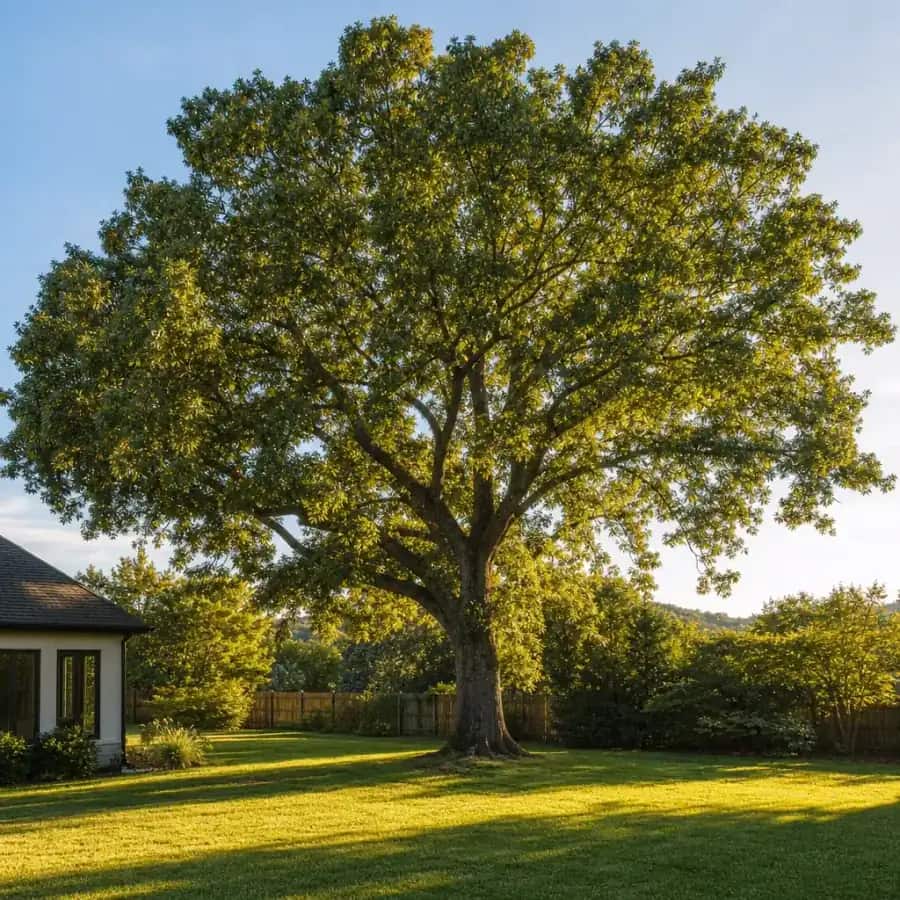
 Zones 4 to 8
Shade Trees
Chinkapin Oak
$579
Shop large, nursery-grown shade, privacy, flowering and fruit trees, delivered by freight across Arizona. Every tree is matched to your hardiness zone and backed by our 1-Year Thrive Guarantee.
Enter your ZIP and we'll match trees to your exact growing zone.
Typical winter lows in Arizona run about -5 to 35 F.
Matched to Arizona's zones
Zones 4 to 8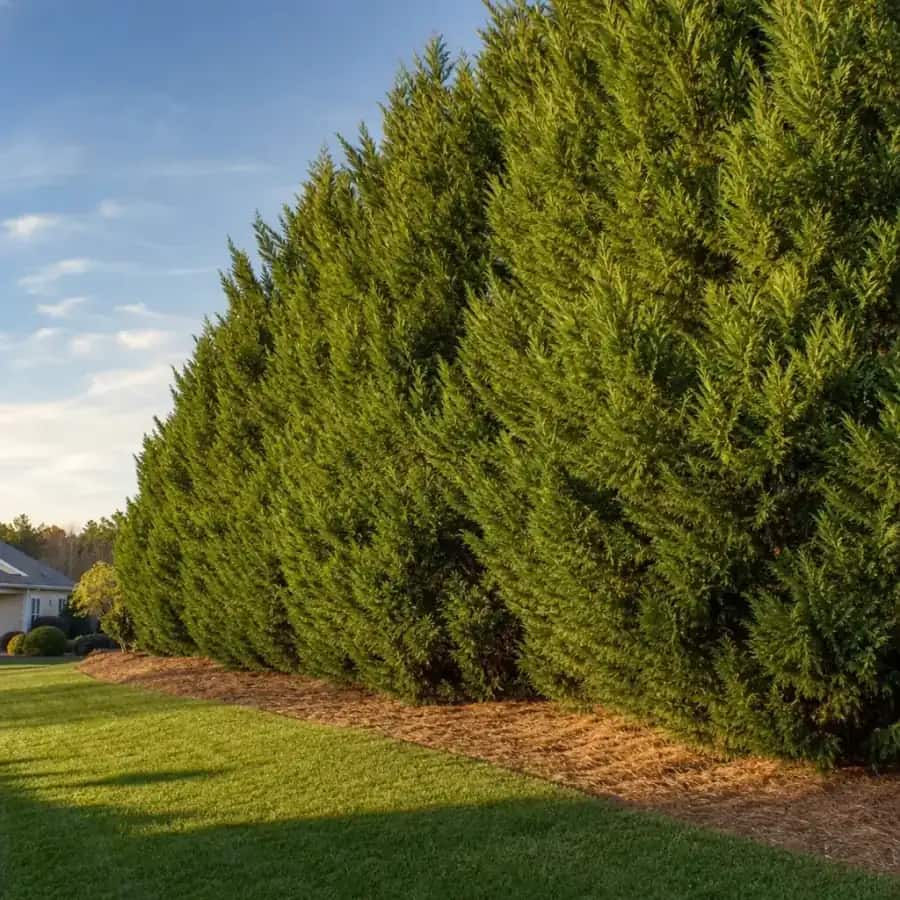 Zones 6 to 10
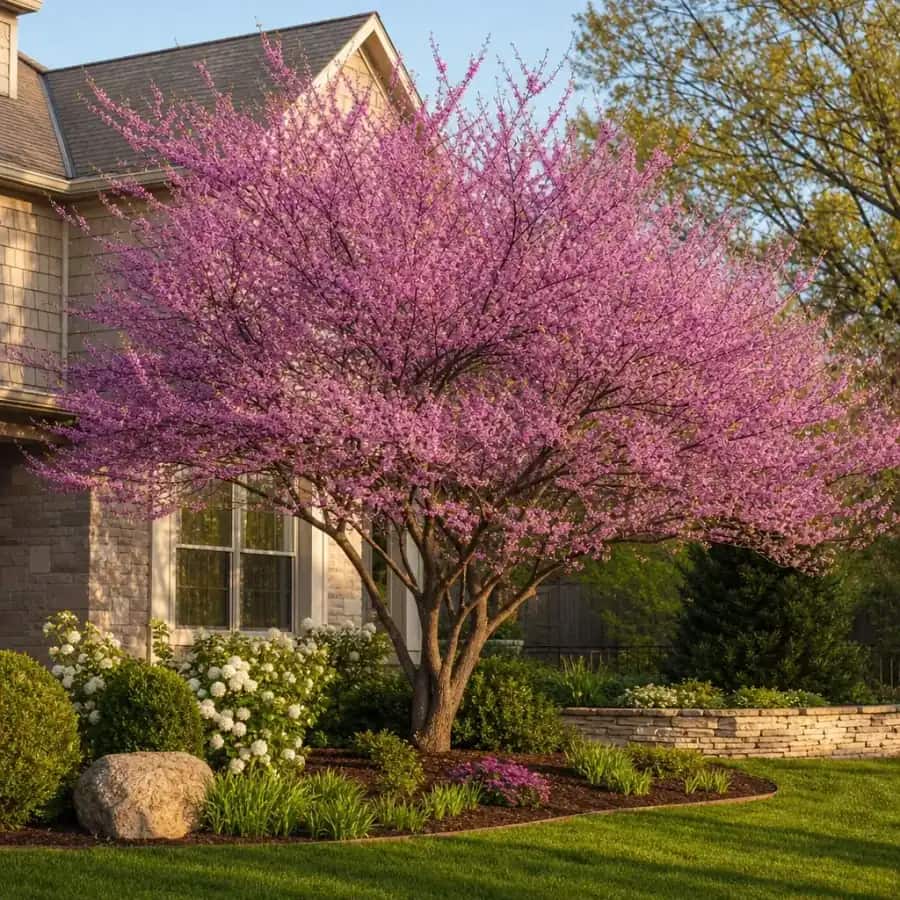 Zones 4 to 9
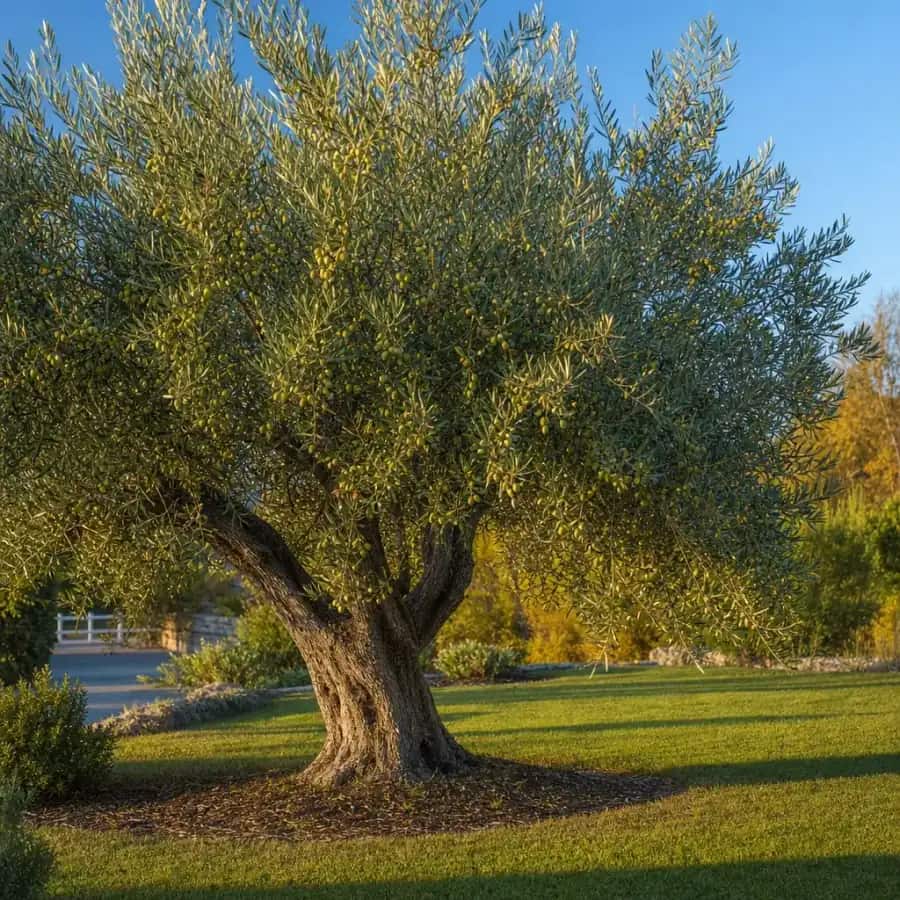 Zones 8 to 11
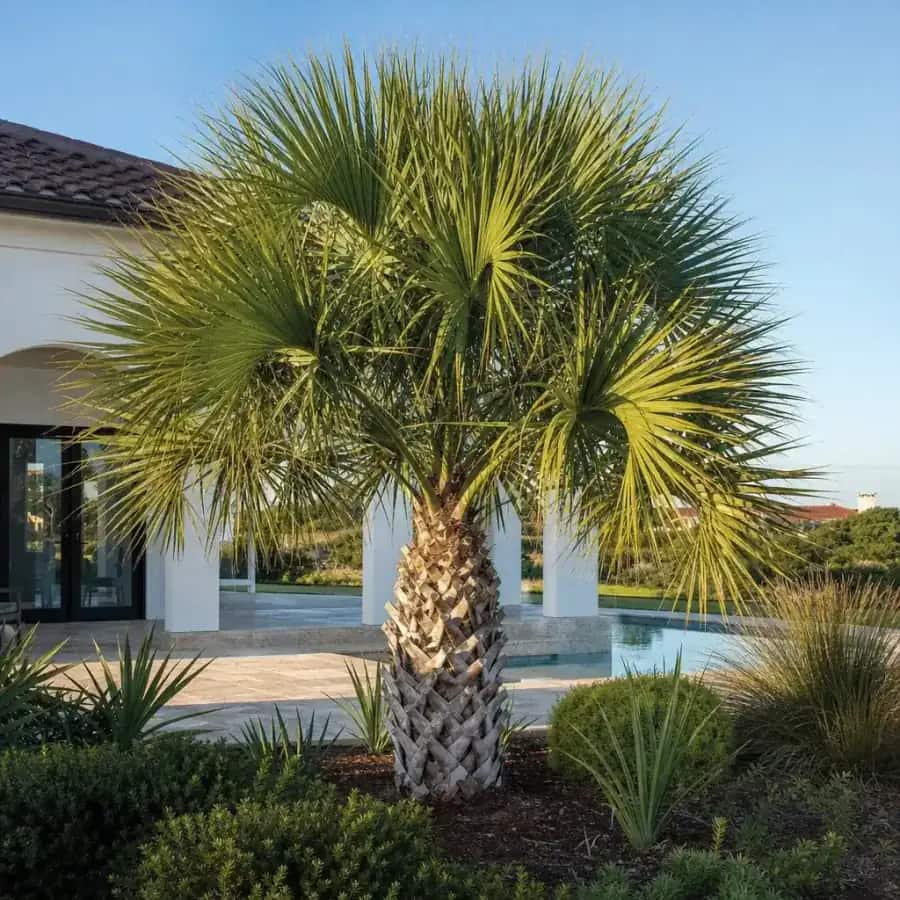 Zones 7 to 11
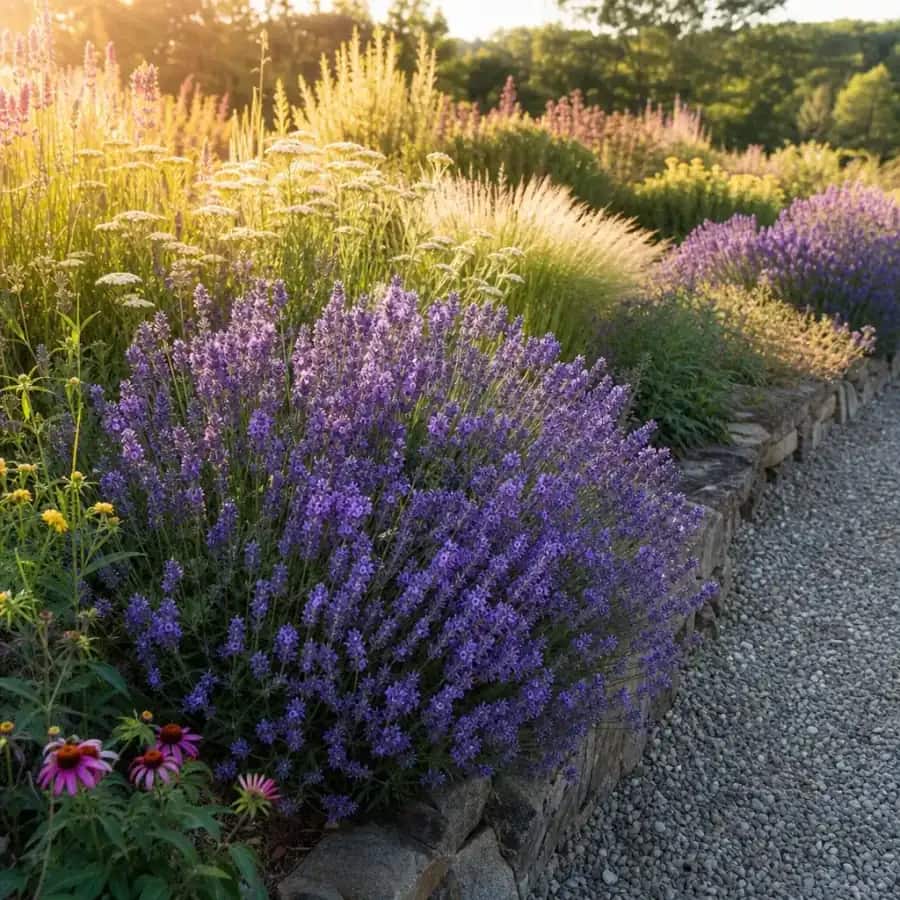 Zones 5 to 9
Shop by category
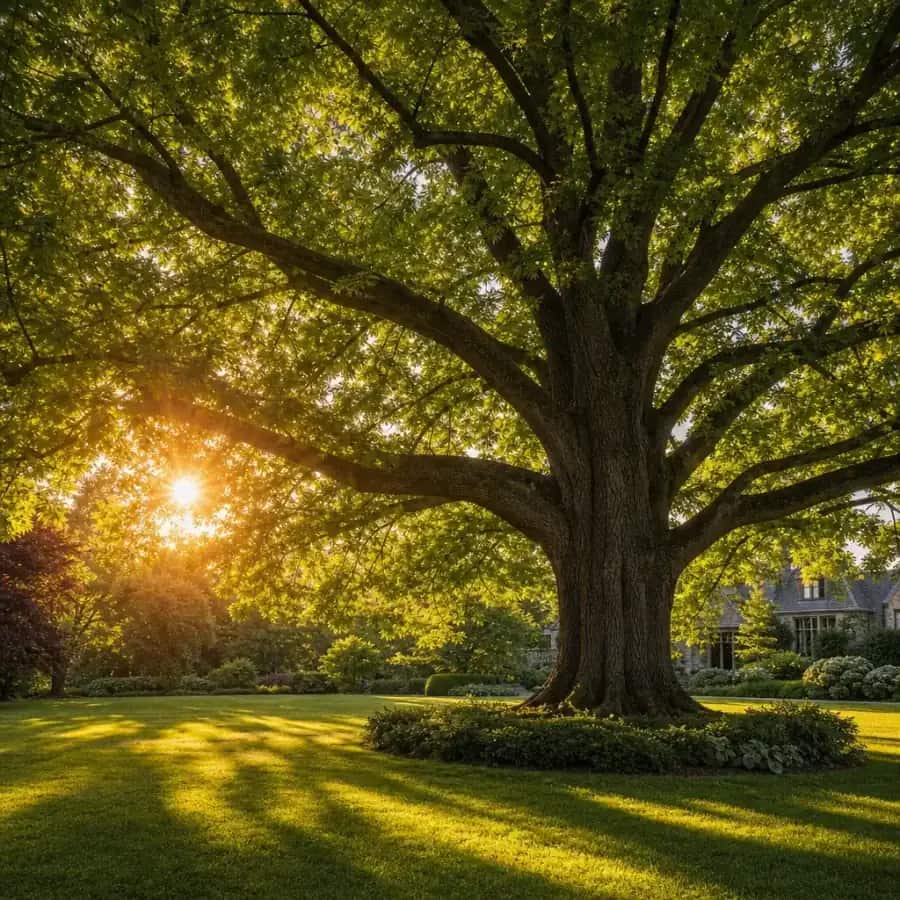 Shade TreesBroad canopies that cool your yard; species like Chinese Elm and Shumard Oak handle Arizona's heat.View all Shade Trees →
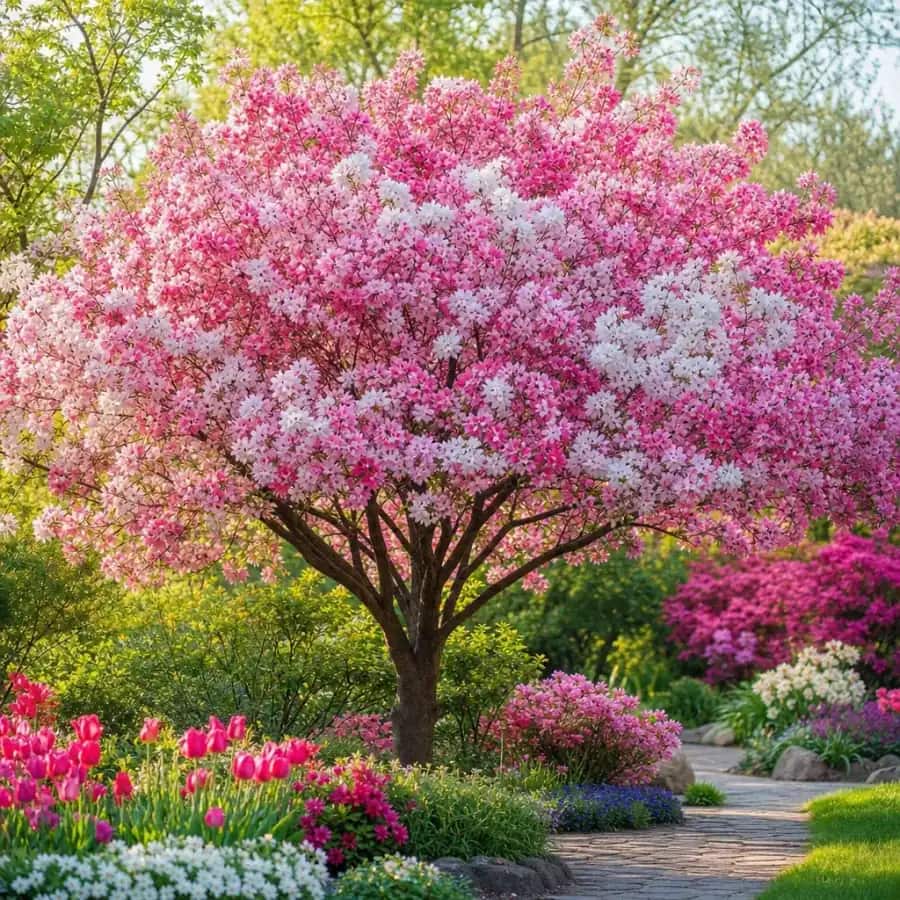 Flowering & OrnamentalSpring blooms from redbuds add color to your landscape across zones 5 to 10.
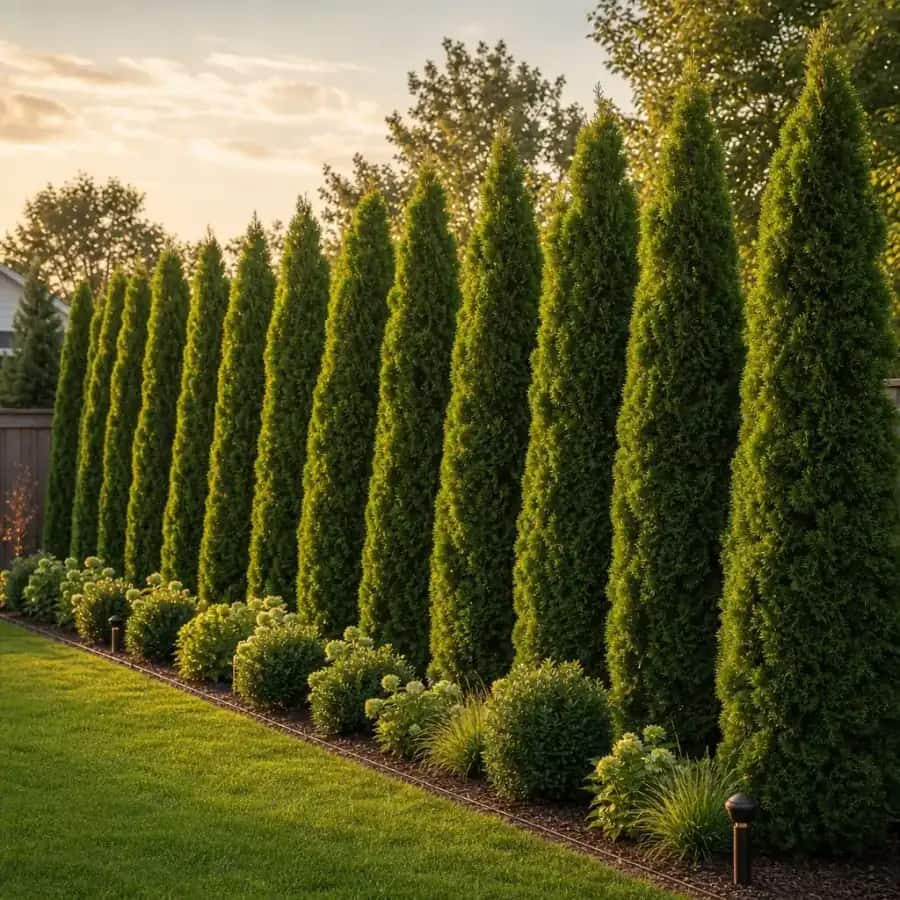 Evergreen & PrivacyYear-round screens from junipers and eastern redcedar that thrive in Arizona's dry climate.View all Evergreen & Privacy →
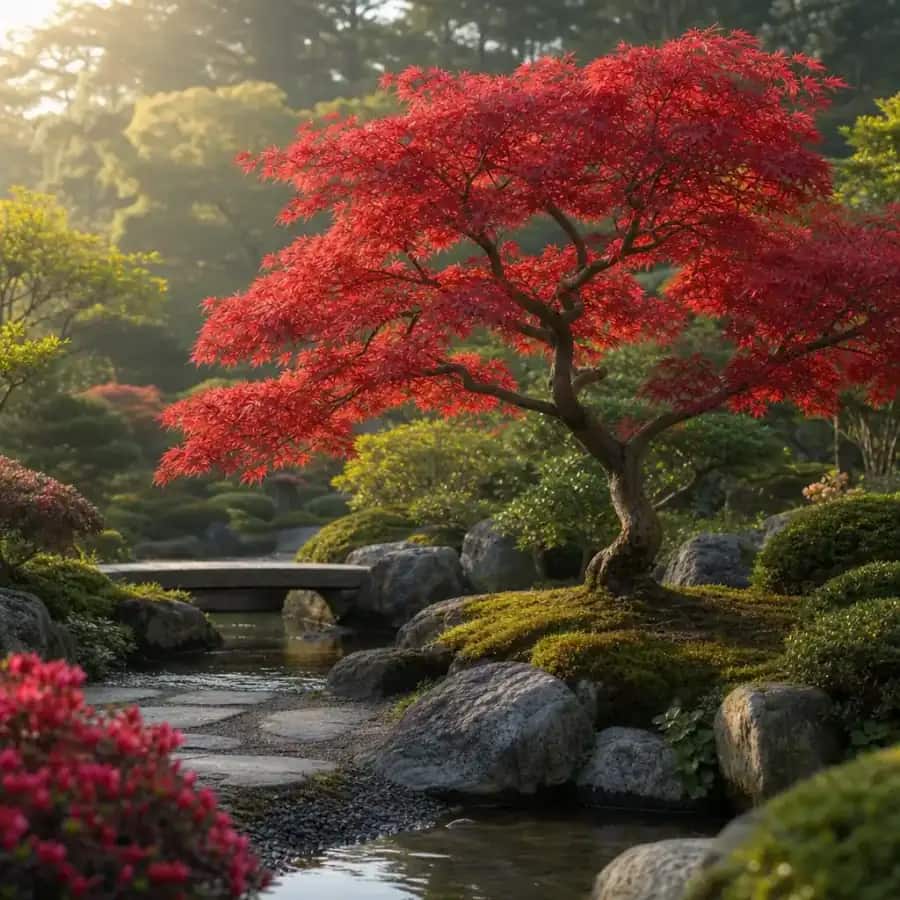 Japanese MaplesLiving sculpture in crimson, coral and lace.View all Japanese Maples →
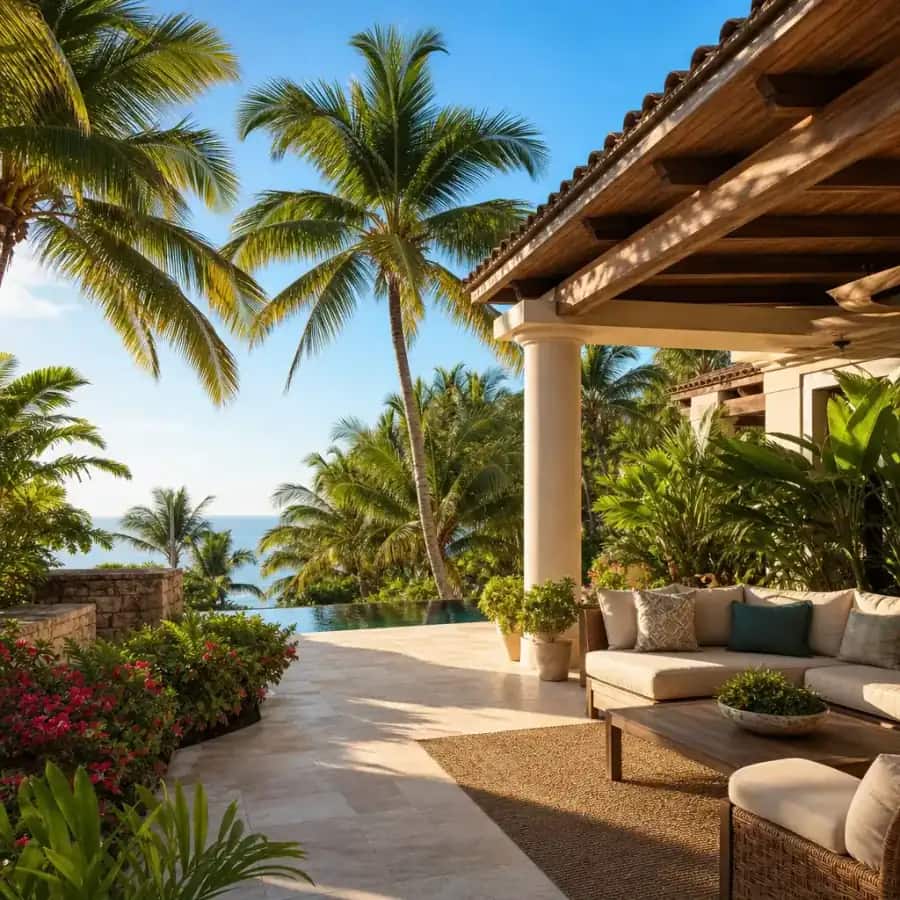 Palms & TropicalsPalms like Mediterranean Fan Palm bring a desert feel; best for the warmest parts of Arizona.View all Palms & Tropicals →
Local fit, from data
Fall and early-spring arrivals are the best window for Arizona trees for sale from Arbor Buddy. We are a delivery-only vendor of large, nursery-grown landscape trees shipped by freight. Homeowners across the state can choose from shade, flowering, evergreen, and fruit trees, all matched to your hardiness zone. Arizona's climate spans from zone 5b in the cooler north to zone 10a in the warmer south.
Arizona spans USDA hardiness zones 5b to 10a, with typical winter lows between 0 and 35 F. The coolest band (zones 7a to 9a) covers about 39% of ZIPs, mostly in higher elevations. These areas suit deciduous trees like redbuds and sweetgums that need winter chill.
The core zone 9b accounts for roughly 46% of ZIPs, providing a strong match for many shade, evergreen, and fruit trees. The warmest zone 10a (about 15%) opens the door to tropical options like figs and palms. For buyers in the most common zone, trees for zone 9 in Arizona include the Chicago Hardy Fig and Bald Cypress, both reliable across the state's temperature range.
Heat tolerance matters here; junipers and other evergreen shrubs handle dry conditions well. Always check your specific zone before ordering, and Arbor Buddy does that matching for you.
Bald Cypress, Chicago Hardy Fig, and Chinese Junipers grow in zone 9. These trees are among our selections for Arizona's zones 5b to 10a, making them reliable choices for that band.
Orders to zone 9 areas are scheduled for fall and early-spring arrival. We match your delivery window to your hardiness zone to ensure the best planting conditions.
Trees arrive nursery-grown at a usable landscape size, ready to plant. We ship large specimens that give you a head start on shade, privacy, or fruit production.
Trees that match your specific hardiness zone grow best. For Arizona, selections like the Bald Cypress and Ruby Falls Redbud thrive across zones 5b to 10a when properly matched.
For shade, privacy, flowering, and fruit trees matched to your Arizona hardiness zone, Arbor Buddy ships large, nursery-grown trees with a 1-Year Thrive Guarantee. Browse the trees suited to your zone and order online.
Pennsylvania (zones 5b to 8a) sees winter lows from -10 to 10 F, much colder than Arizona's 0 to 35 F range. That means many trees suitable for Arizona would struggle in Pennsylvania's harsher winters. In Arizona you can grow figs, junipers, and bald cypress that need less cold. In Pennsylvania, you would lean toward hardier species like Eastern Redbud or Shumard Oak. The choice of trees shifts dramatically with the zone difference. See how our Pennsylvania (PA) page compares.
For Arizona buyers, the contrast highlights how your mild winters allow a broader palette of trees than many other states.
Arbor Buddy ships large, nursery-grown trees by freight across Arizona. Each tree is zone-matched to your location before we ship, and your order is scheduled according to your zone: orders to zone 9 areas are scheduled for fall and early-spring arrival. The 1-Year Thrive Guarantee means a free replacement if your tree does not survive its first year.
Before delivery day, check:
Enter your ZIP, shop only what thrives in your zone.
Freight delivery to your address: $149 flat per order, shown at checkout.
Plant it, watch it thrive, covered for one year.
Good to know · Growing guide
| Category | Strongest at | Keep in mind |
|---|---|---|
| Shade trees | Fast canopy that cuts summer cooling load | Drop their leaves each fall |
| Evergreen & privacy | Year-round screening along lines and pools | Narrower habit, so a screen takes several |
| Flowering & ornamental | Weeks of seasonal color and curb appeal | Less structure than a full shade tree |
| Fruit trees | Citrus, avocado-class tropicals and figs turn a side yard into a harvest. | Want the warmest suitable spot in the yard |
| Japanese maples & accents | Courtyards, entries, and tight corners | Happiest out of the harshest afternoon sun |
| Ornamental grasses | Texture and movement on very little water | Softest structure of the group |
Coverage runs a full year from delivery. If something goes wrong, contact the team and they arrange the replacement. No store-credit games, no fine-print maze.