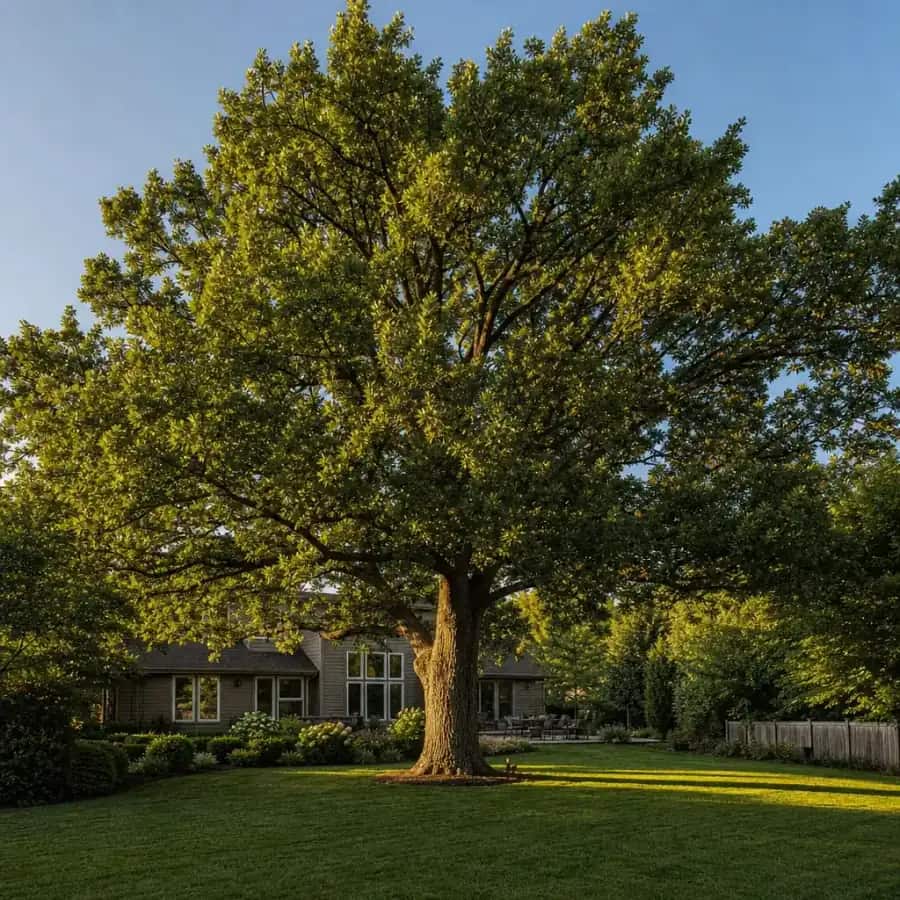
 Zones 3 to 8
Shade Trees
Bur Oak
$490

Shop large, nursery-grown shade, privacy, flowering and fruit trees, delivered by freight in Garland County. Every tree is matched to your hardiness zone and backed by our 1-Year Thrive Guarantee.
Enter your ZIP and we'll match trees to your exact growing zone.
Typical winter lows in Garland County run about 5 to 15 F.
Matched to Garland County's zones
Zones 3 to 8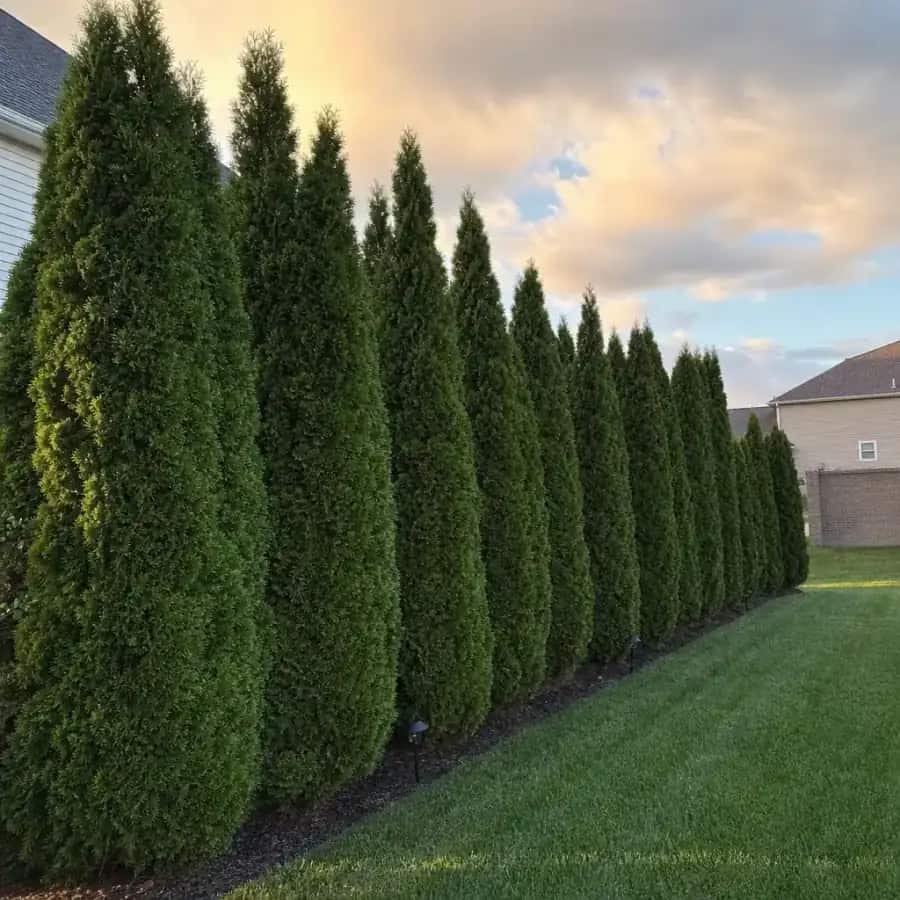 Zones 3 to 8
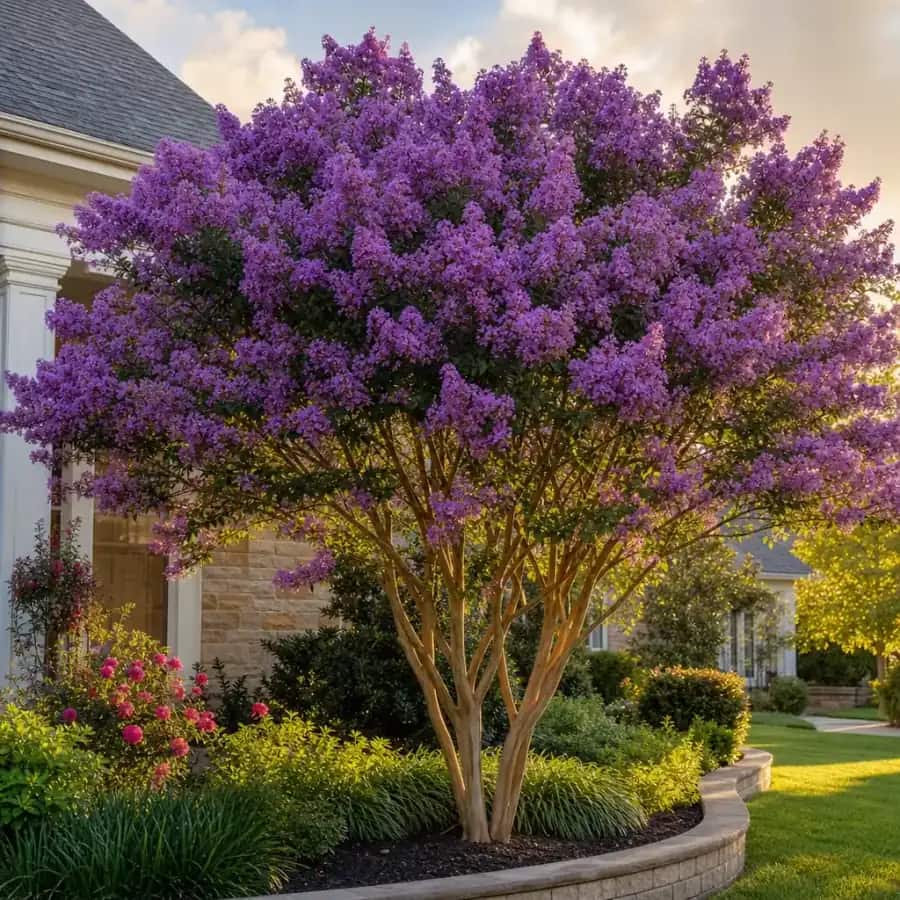 Zones 7 to 9
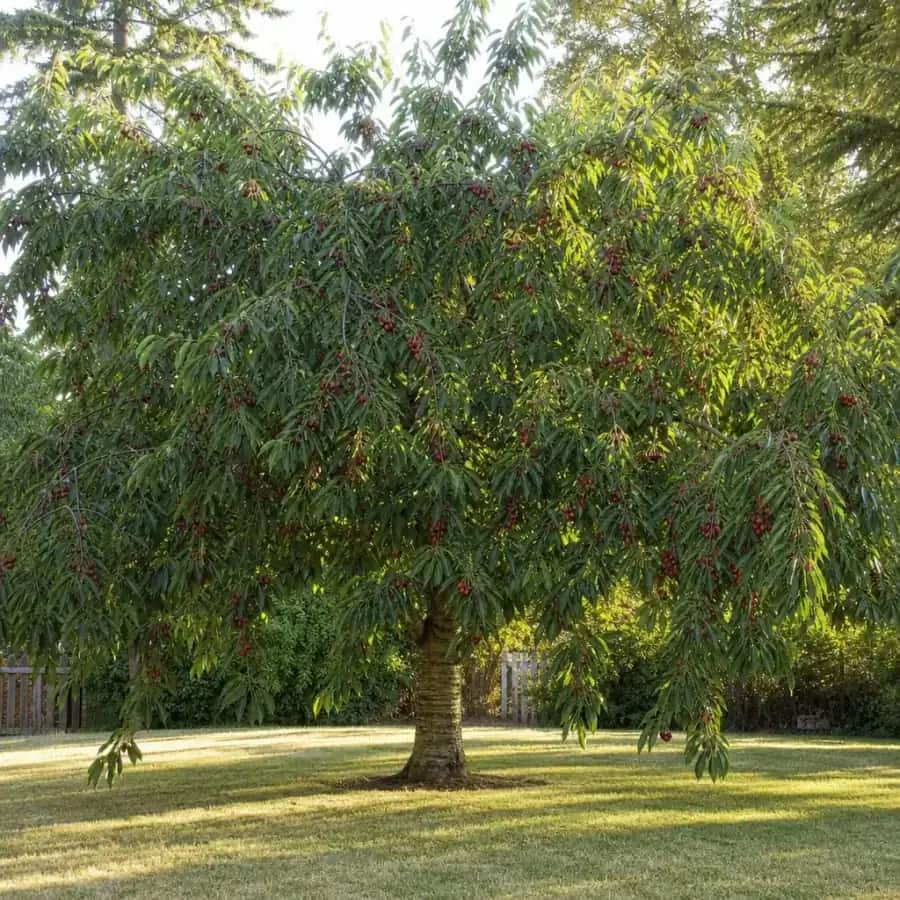 Zones 5 to 8
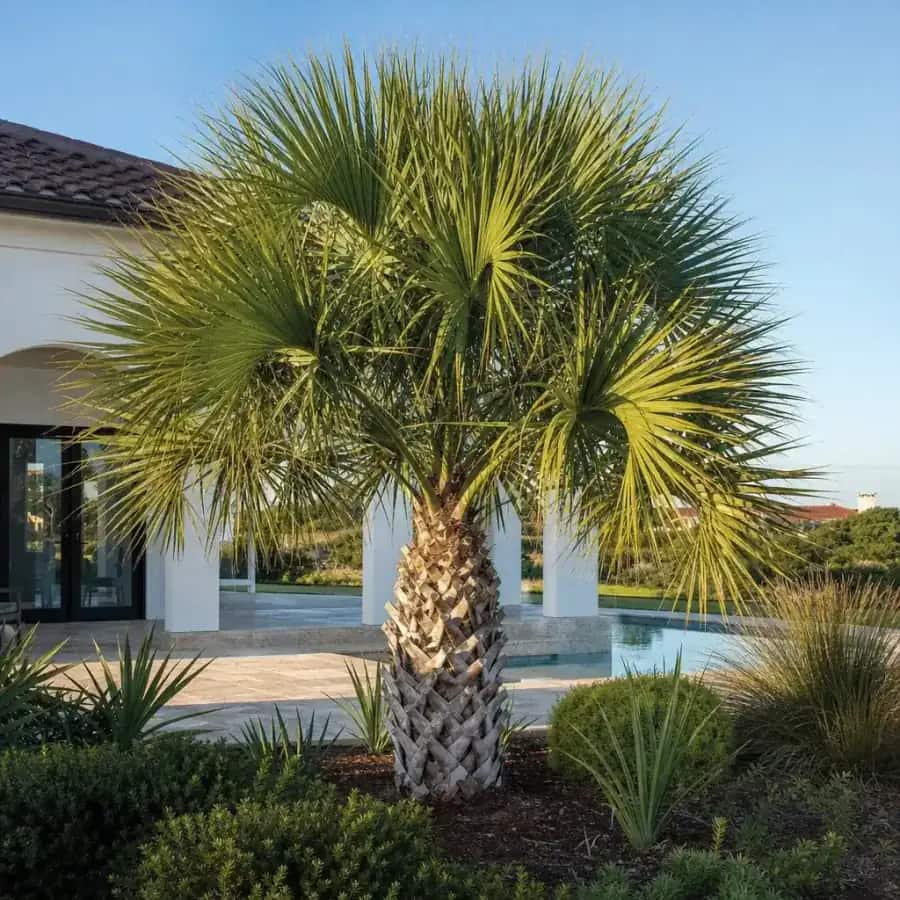 Zones 7 to 11
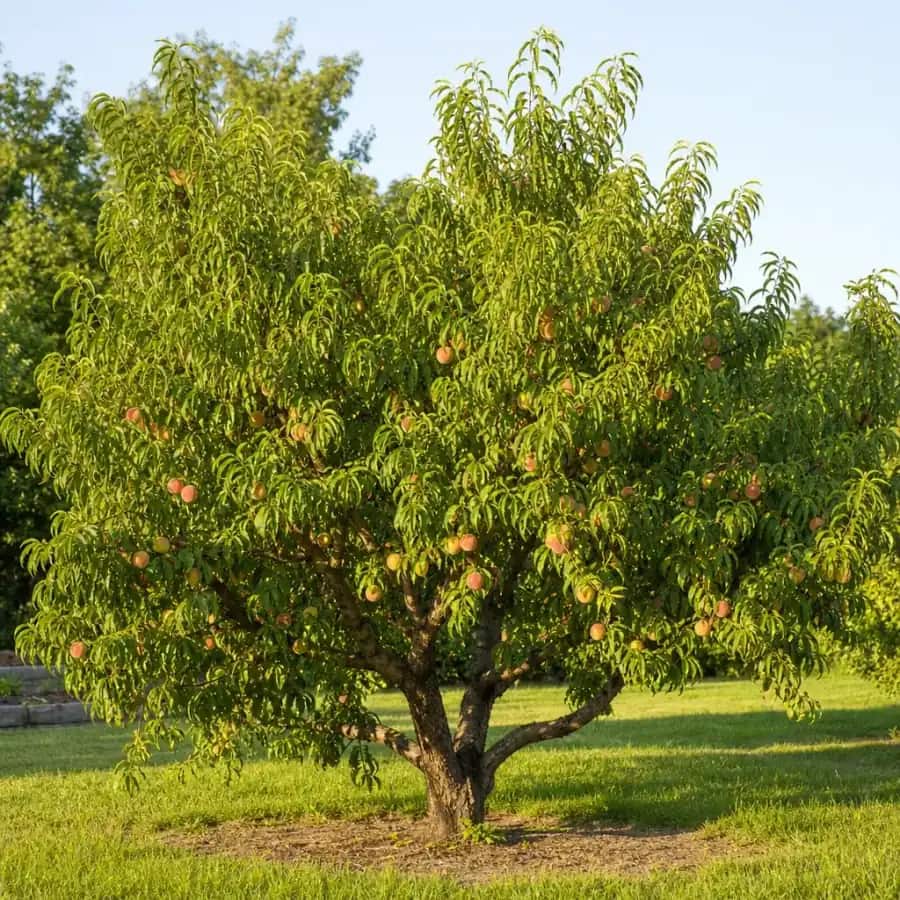 Zones 5 to 9
Shop by category
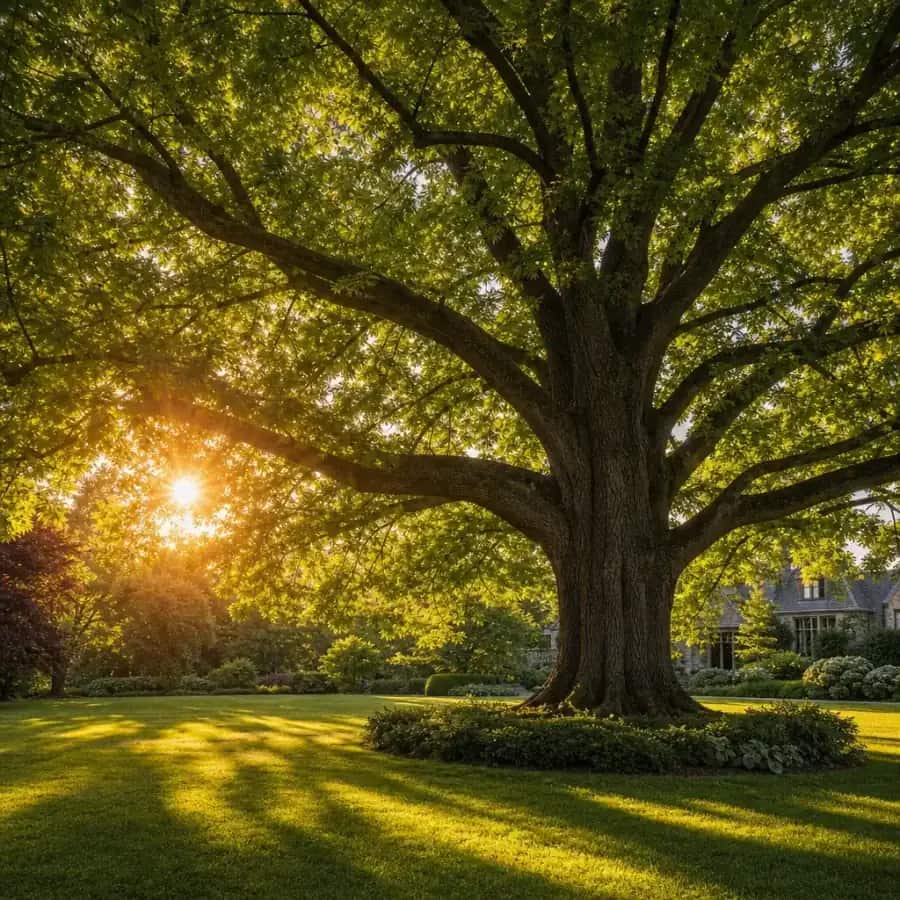 Shade TreesLive Oak leads the pack for broad shade in Garland County's hot summers.View all Shade Trees →
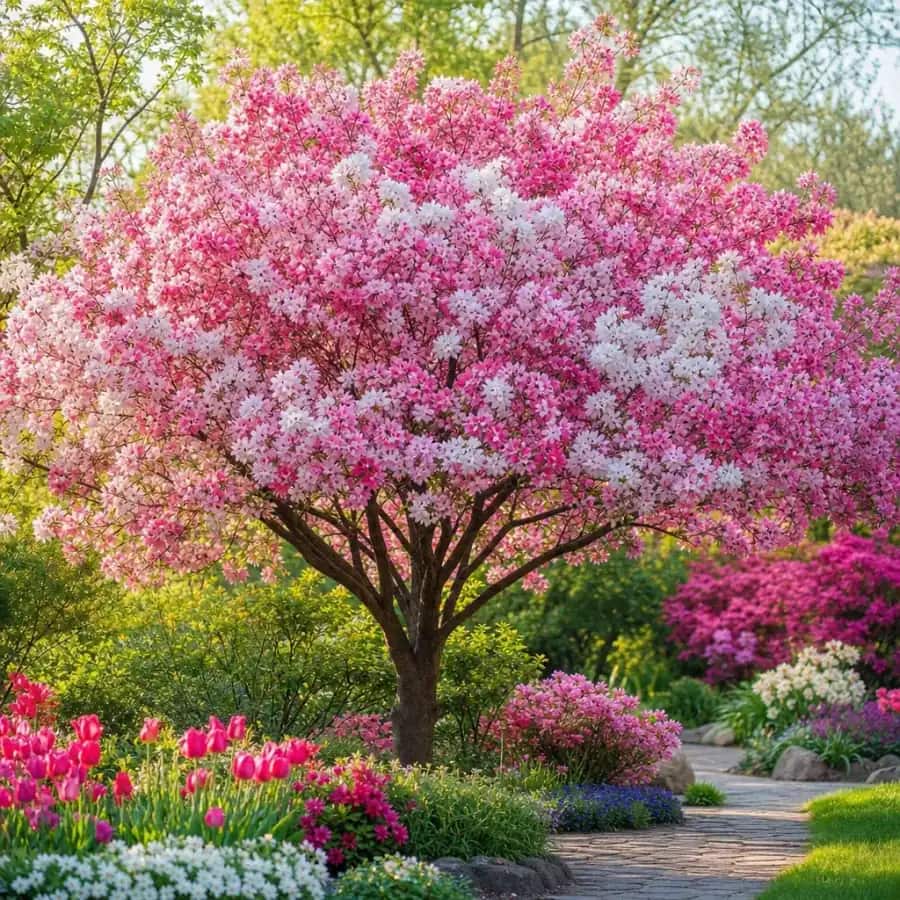 Flowering & OrnamentalRedbuds, crape myrtles and blooming showpieces.View all Flowering & Ornamental →
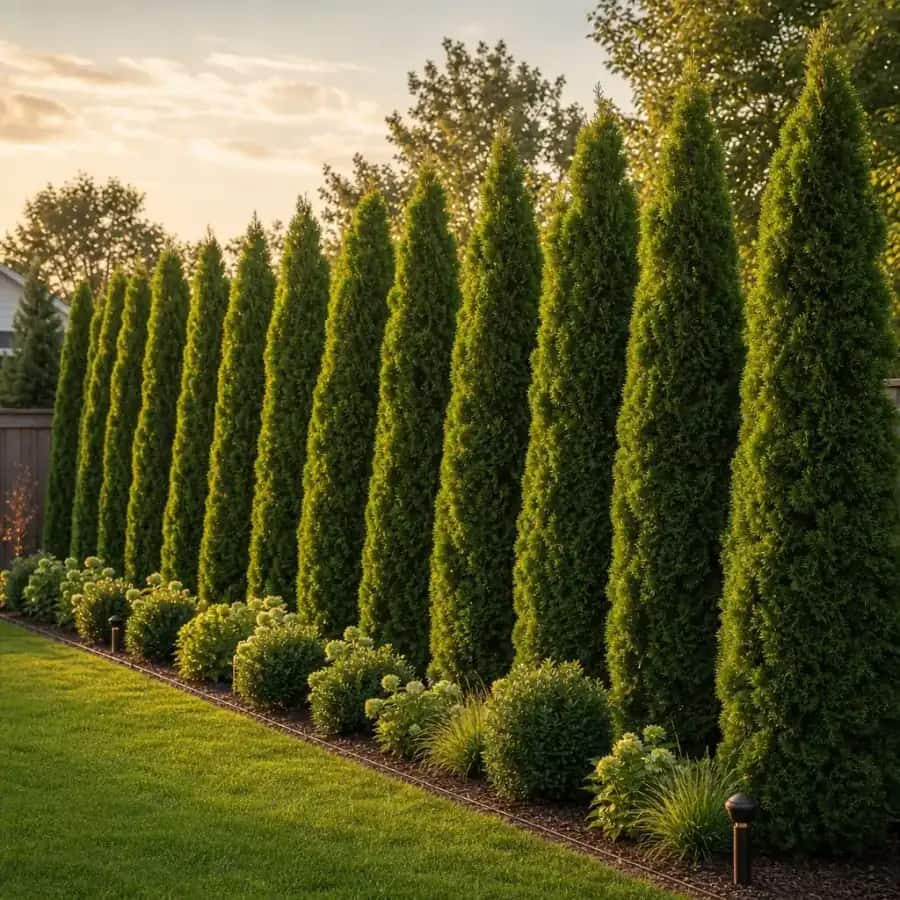 Evergreen & PrivacyPond Cypress offers a fine-textured screen, though it drops needles in winter.View all Evergreen & Privacy →
 Japanese MaplesCoral bark and laceleaf varieties thrive with part shade and mild winters.
 Palms & TropicalsResort-worthy palms and architectural foliage.View all Palms & Tropicals →
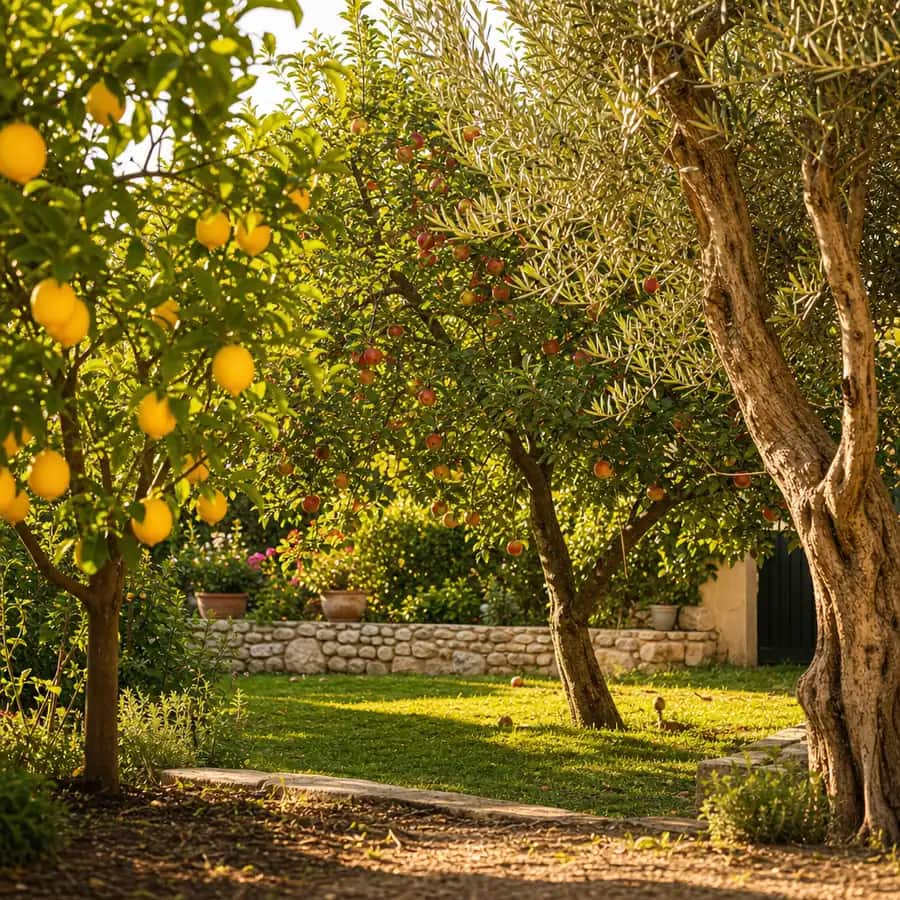 Fruit TreesChicago Hardy Fig sets sweet fruit even after zone 8 freezes.View all Fruit Trees →
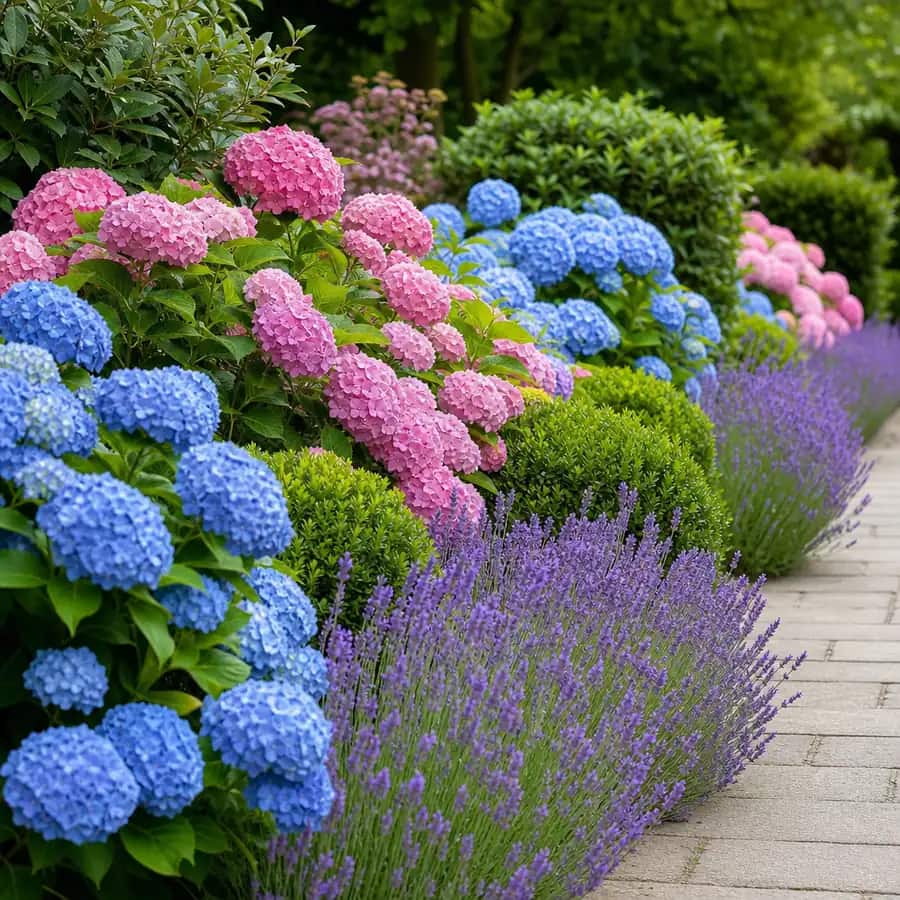 Shrubs & HedgesHydrangeas, hollies, lavender and living privacy.View all Shrubs & Hedges →
Local fit, from data
7b to 8a
about 5 to 15 F
11
Hot Springs National Park
Need deep shade for your Garland County yard? Arbor Buddy delivers large nursery-grown trees by freight to Garland County, Arkansas (AR). Homeowners and contractors find shade, privacy, and fruit trees matched to the county's hardiness zone 7b to 8a. Winter lows run 5 to 15 degrees, so every tree is zone-matched before shipping.
Garland County spans USDA zones 7b to 8a across its 11 ZIP codes. Typical winter lows run 5 to 15 degrees Fahrenheit. The warmer end near Hot Springs National Park allows borderline species like Chicago Hardy Fig to thrive. The colder pockets at higher elevations favor hardier picks like Live Oak and Pond Cypress.
Summers are hot and humid. Trees for zone 8 in Garland County need heat tolerance and good airflow. Japanese maples appreciate part shade to avoid leaf scorch. Figs and cypress handle wet springs well. Palms like Chinese Windmill Palm need some afternoon shade and consistent moisture.
Overall, shade trees and ornamentals perform best. The mild winters do not restrict most species, but late frosts can harm tender new growth. Choose trees that bloom or leaf out after the last frost date for reliable results.
Many trees grow in zone 8, including Live Oak, Pond Cypress, Forest Pansy Redbud, and Chicago Hardy Fig. Japanese maples like Sangokaku Coral Bark and Red Dragon also thrive if given part shade and consistent moisture.
The best trees for Garland County's zone 7b to 8a include Live Oak for shade, Chicago Hardy Fig for fruit, and Japanese maples for year-round interest. All six featured trees are hardy in this range and backed by the guarantee.
Yes, fruit trees like Chicago Hardy Fig grow well in Garland County. The fig is self-fertile and sets sweet fruit after mild winters. Other fruit trees like Elberta Peach and Honeycrisp Apple may need chill hours or a second pollinator, so check variety requirements.
The 1-Year Thrive Guarantee means Arbor Buddy replaces any tree free of charge if it does not survive its first year. It covers weather stress, transplant shock, and root loss. No extra cost or paperwork; just contact us and we send a new tree.
Arbor Buddy backs every tree with a 1-Year Thrive Guarantee. That means you can order for your Garland County yard with confidence. Browse the featured trees above or explore categories by goal. Your zone-matched tree ships when temperatures are right, and if anything goes wrong in the first year, we replace it for free.
Lincoln County, Wisconsin (WI) sits in zone 4a to 4b with winter lows of -30 to -20 F. Japanese maples that thrive in Garland County's zone 8 are not hardy there. In practice, buyers in Lincoln County lean toward tough maples like Bloodgood, which survive zone 4. Sangokaku Coral Bark and Red Dragon are too tender for their winters. For your Garland County cart, that means you can enjoy those ornamental maples without winter worry.
Uinta County, Wyoming (WY) falls in zone 5a to 5b with lows of -20 to -10 F. Palms and tropicals do not survive there. Chinese Windmill Palm, viable in Garland County's zone 8 with shade and humidity, is impossible in Uinta County's dry cold. For your cart, that means you can add a palm for a tropical accent, but site it in part shade to prevent leaf burn in dry heat.
Harrison County, West Virginia (WV) is zone 6b with lows of -5 to 0 F. Fruit viability shifts: Chicago Hardy Fig can survive zone 6 with mulching, but Garland County's warmer zone 8 gives it a longer season and better fruit set. That gap changes the local shortlist to include figs as a reliable backyard crop rather than a gamble. In Garland County, you can count on a fig tree to produce sweet fruit every year.
For Garland County buyers, the main takeaway is clear: your mild winters let you grow trees that fail in colder areas. Stick with zone-matched picks like those in our featured list for the best results.
Arbor Buddy ships large nursery-grown trees by freight directly to Garland County. Each tree is zone-matched before shipping. Trees headed to zone 8 arrive between fall and early spring, matched to mild ground temperatures. You need to be home to receive the shipment and inspect the tree. A freight truck needs room to stop and turn on your street or driveway. Drop the tree where you want it planted; no curbside drop.
Every tree comes with the 1-Year Thrive Guarantee. If your tree does not survive its first year, Arbor Buddy sends a free replacement. No questions asked. This covers root loss, weather stress, or transplant shock.
Before delivery day, check:
Enter your ZIP, shop only what thrives in your zone.
Freight delivery to your address: $149 flat per order, shown at checkout.
Plant it, watch it thrive, covered for one year.
Good to know · Growing guide
Coverage runs a full year from delivery. If something goes wrong, contact the team and they arrange the replacement. No store-credit games, no fine-print maze.