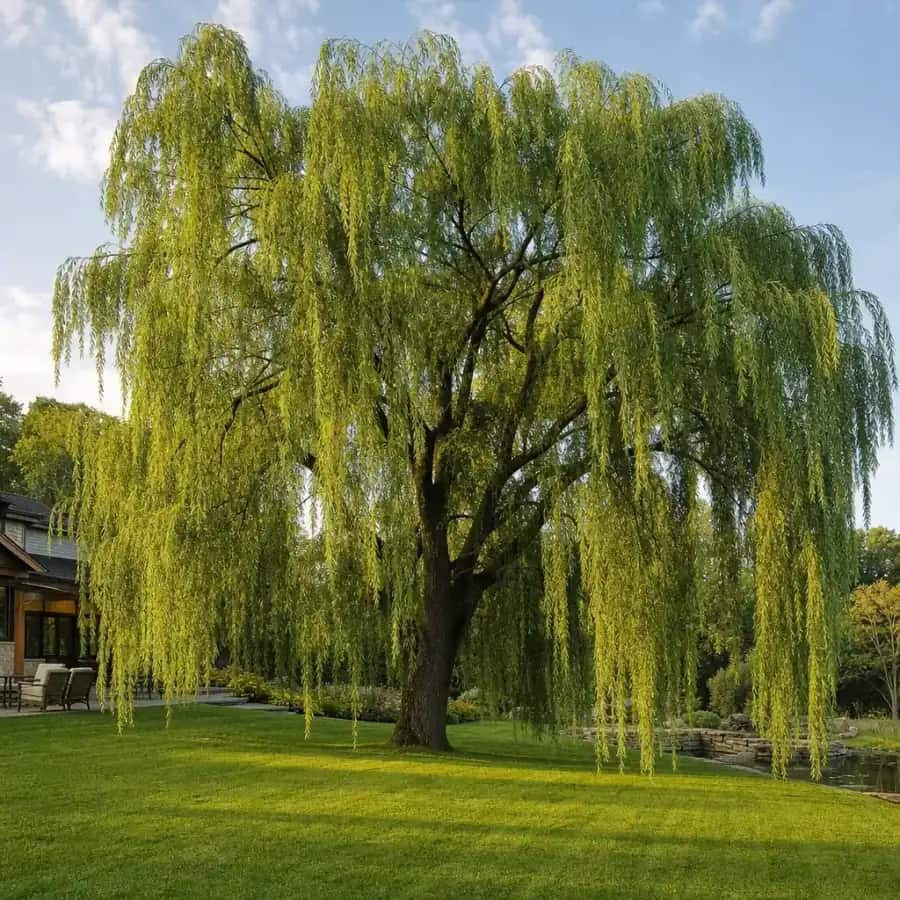
 Zones 4 to 9
Shade Trees
Weeping Willow
$40
Shop large, nursery-grown shade, privacy, flowering and fruit trees, delivered by freight in Death Valley. Every tree is matched to your hardiness zone and backed by our 1-Year Thrive Guarantee.
Enter your ZIP and we'll match trees to your exact growing zone.
Typical winter lows in Death Valley run about 20 to 25 F.
Matched to Death Valley's zone
Zones 4 to 9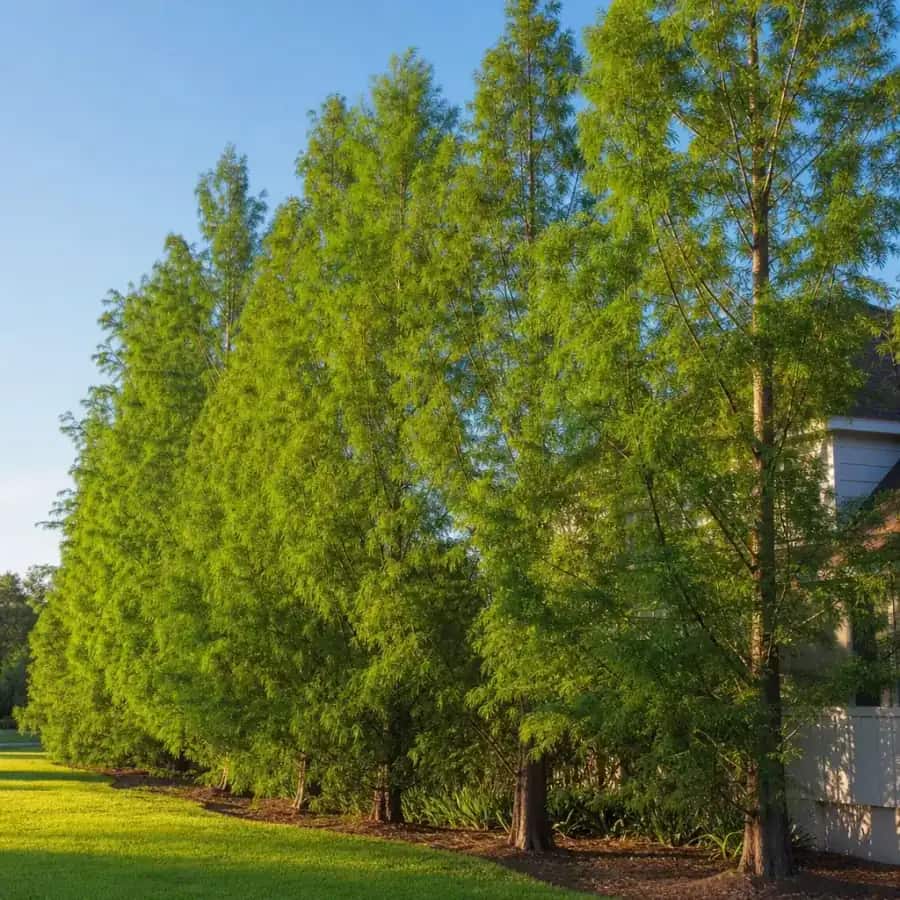 Zones 5 to 9
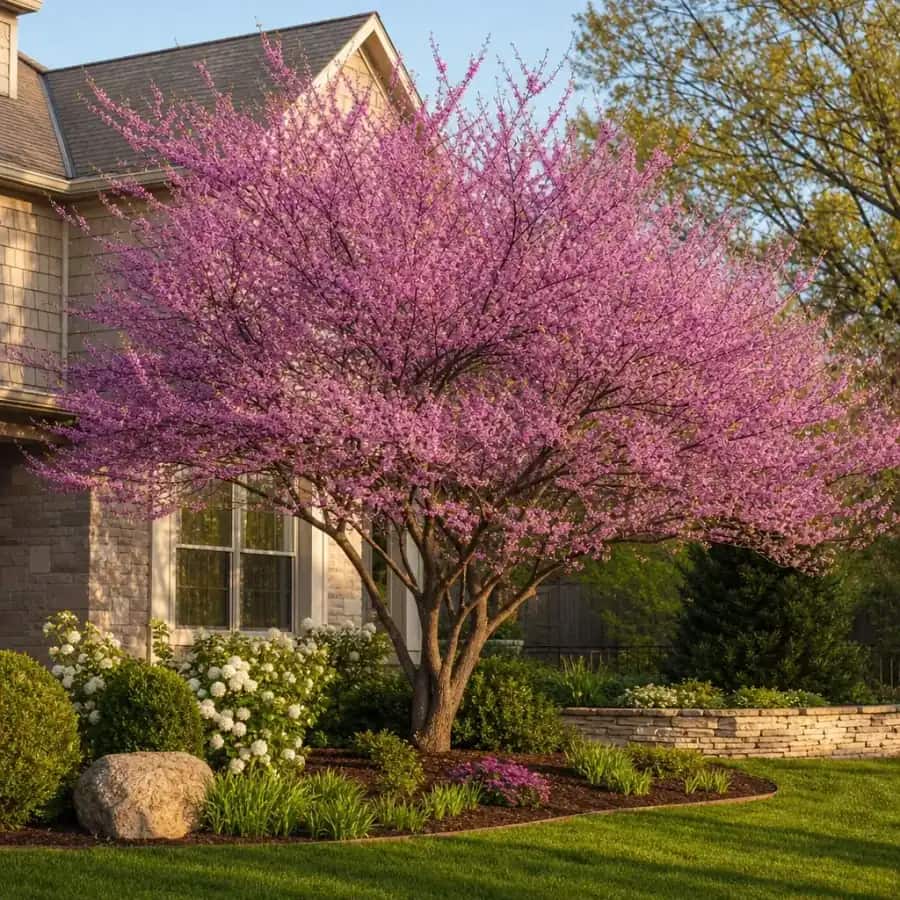 Zones 4 to 9
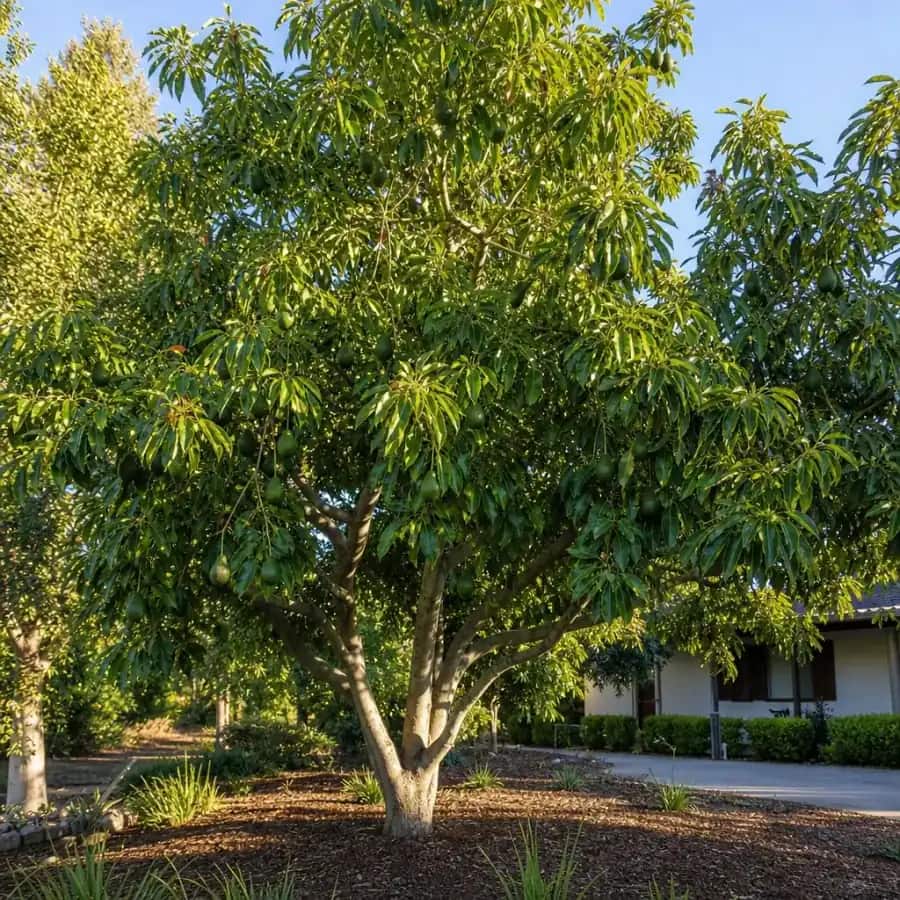 Zones 8 to 11
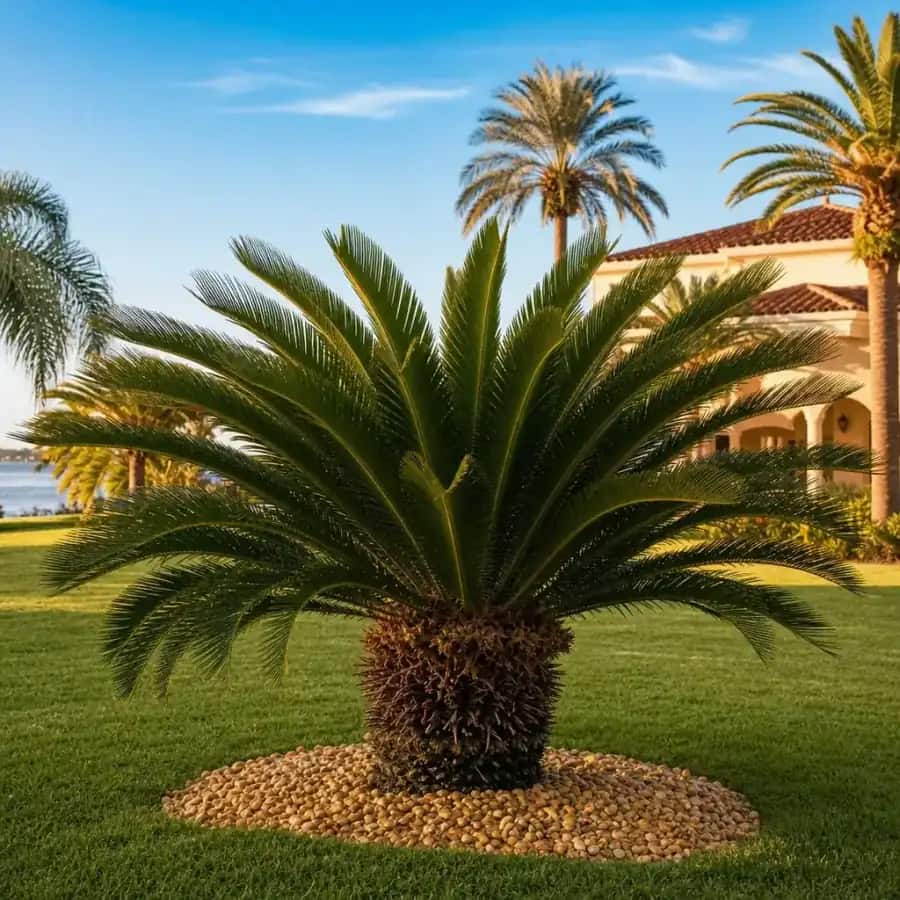 Zones 8 to 11
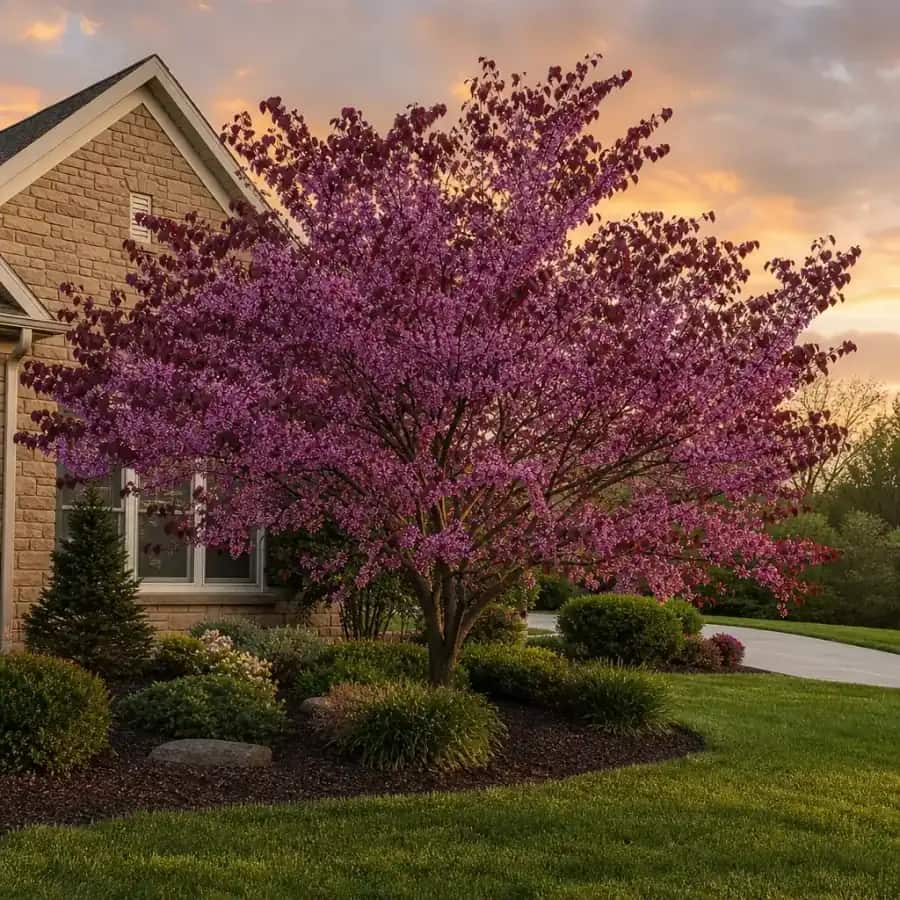 Zones 4 to 9
Shop by category
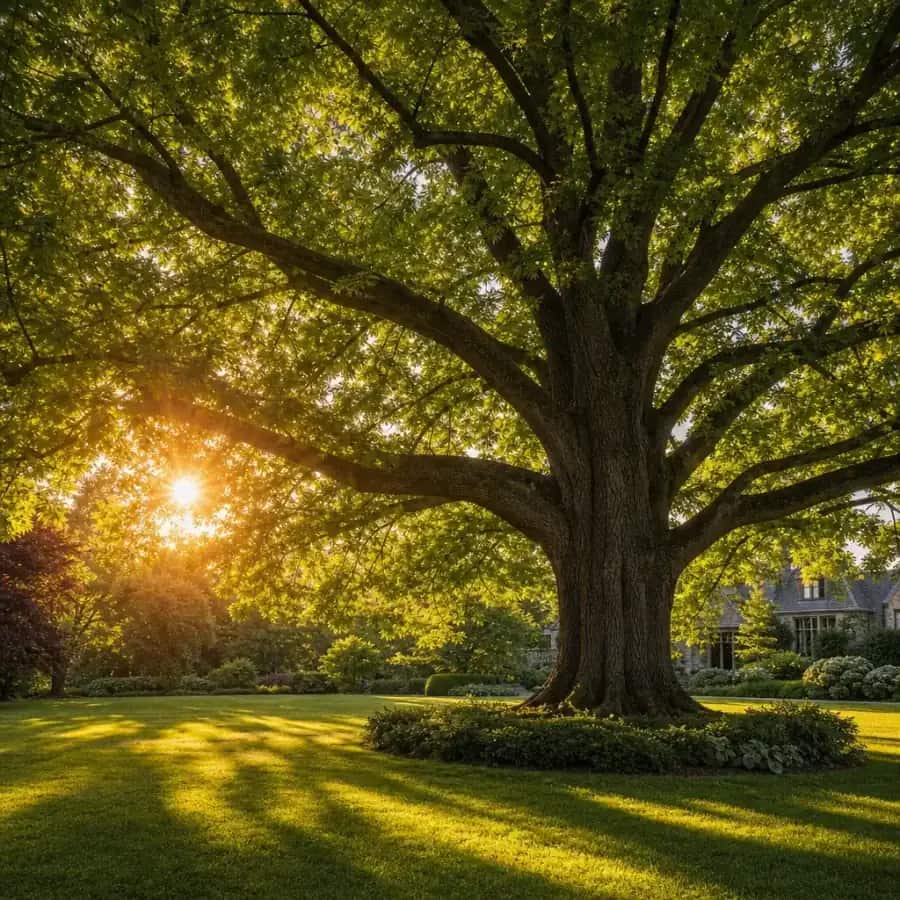 Shade TreesBeat the desert sun with fast canopy, like Mexican White Oak.
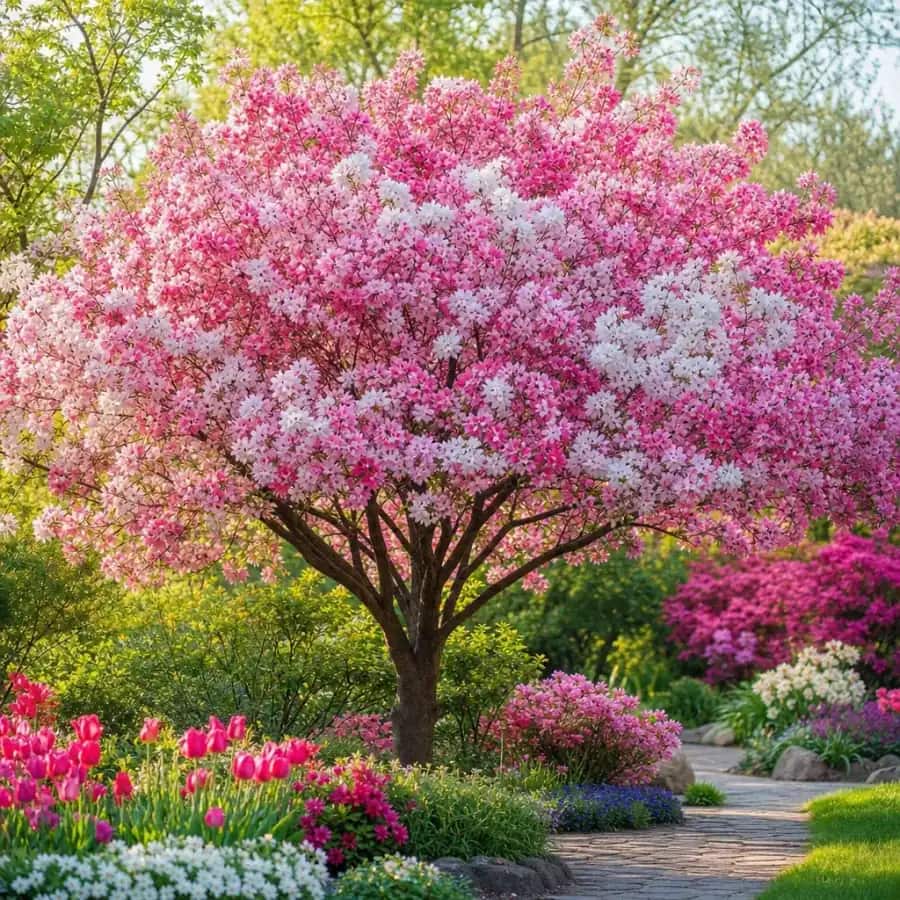 Flowering & OrnamentalAdd summer color with drought-tough Pink Dawn Chitalpa.View all Flowering & Ornamental →
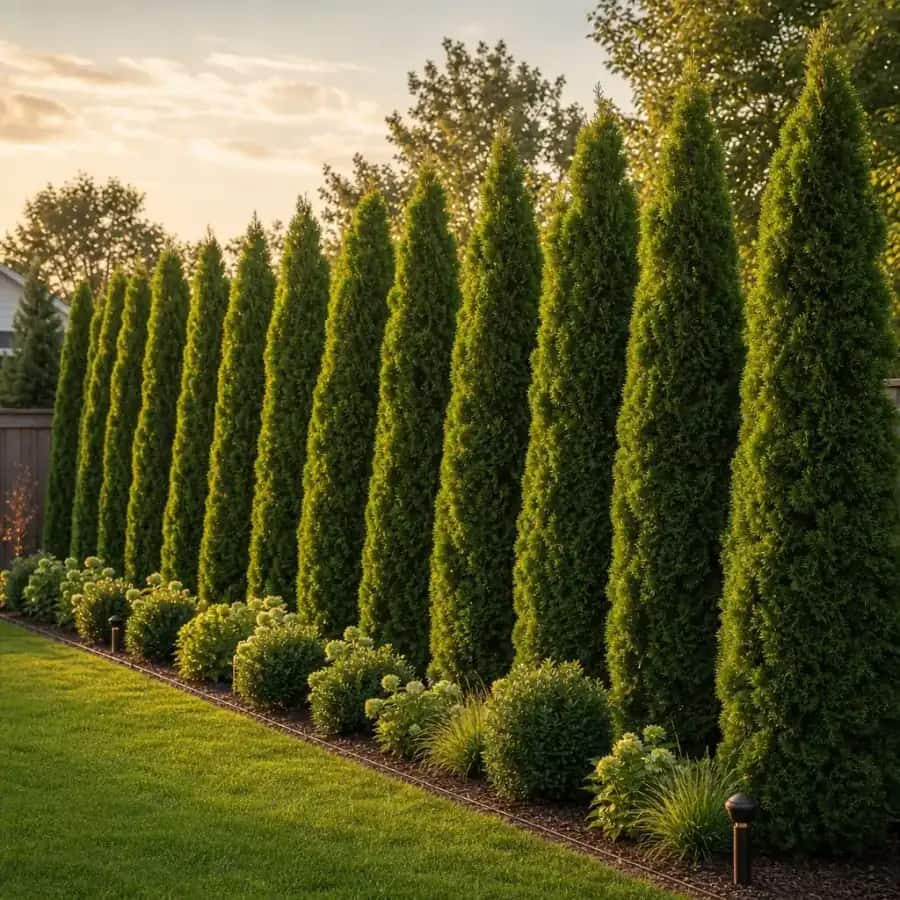 Evergreen & PrivacyScreen wind and views with columnar Brodie Eastern Red Cedar.View all Evergreen & Privacy →
 Palms & TropicalsAccent with cold-hardy Chinese Windmill Palm in dappled shade.View all Palms & Tropicals →
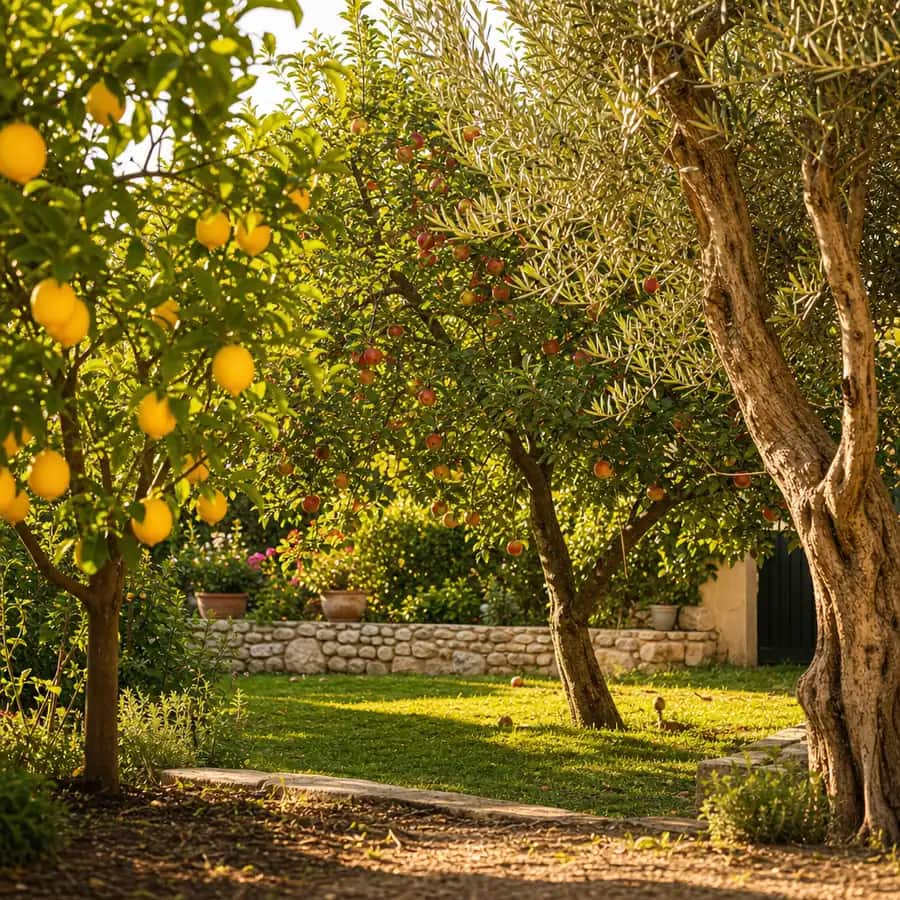 Fruit TreesGrow your own avocados and figs in zone 9.View all Fruit Trees →
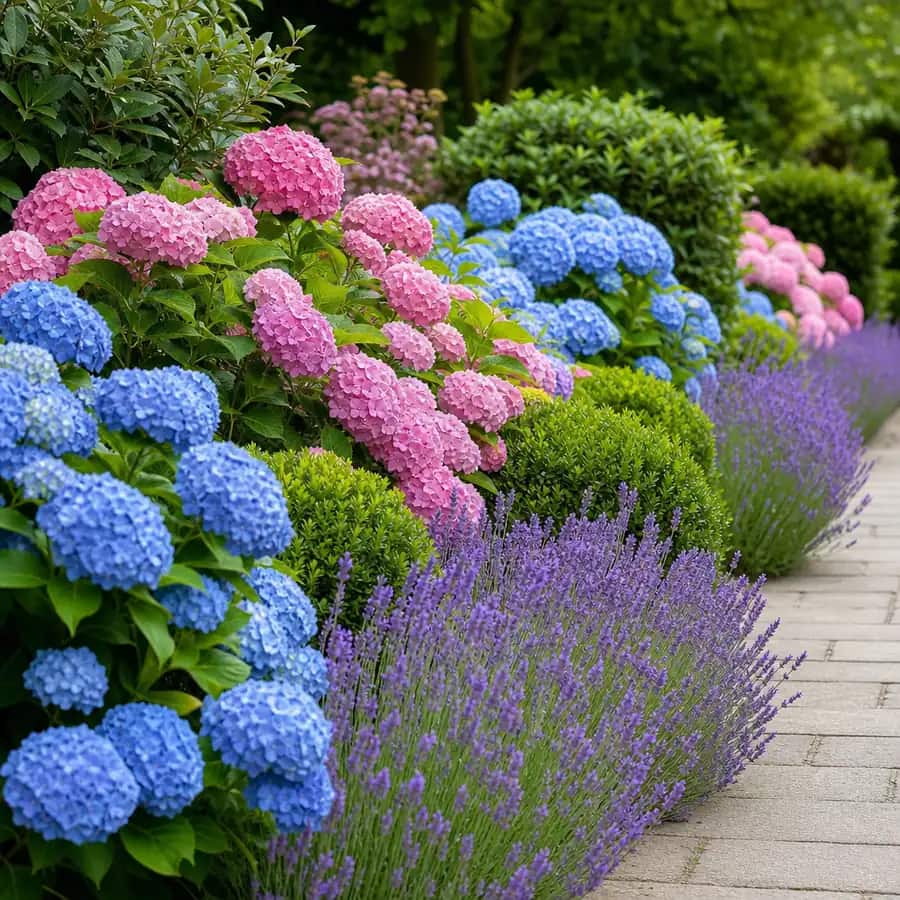 Shrubs & HedgesHydrangeas, hollies, lavender and living privacy.View all Shrubs & Hedges →
Local fit, from data
9a
about 20 to 25 F
Inyo County
California
Trees delivered to Death Valley, CA 92328 solve the most common yard goal here: shade. Arbor Buddy ships large, nursery-grown trees by freight. Homeowners in zone 9a can pick shade, privacy, flowering, fruit, palms, and accent categories. Every tree matches your hardiness zone.
Your winter lows run about 20 to 25 degrees F. That guides our selections below.
Zone 9a in Death Valley brings mild winters with typical lows around 20 to 25 degrees F. Summers are very hot and dry. That makes drought tolerance and heat resistance key. Shade trees like Mexican White Oak and Mexican Sycamore thrive. Flowering options such as Pink Dawn Chitalpa handle the dry heat. Evergreen and privacy trees like Brodie Eastern Red Cedar stay green through winter. Palms and tropicals need care: Chinese Windmill Palm requires partial shade and humidity in this low-desert setting. Fruit trees like Cold Hardy Avocado work well if protected during rare hard freezes. Trees for zone 9 in Death Valley should be tough and adaptable.
Homeowners in the rural fringe of the ZIP get intense sun. Larger shade trees help cool patios and windows. In the built-up sections, privacy screens are more common. The key is matching the tree to your microclimate and water access.
Every tree from Arbor Buddy is zone-matched before shipping. You get stock bred or selected for zone 9 conditions.
Mexican Sycamore and Mexican White Oak. Both grow quickly in zone 9's long growing season. They provide shade within a few years. The shipping window for zone 9 is fall to early spring, so you can plant at the right time.
Mexican Sycamore and Mexican White Oak. They tolerate heat, need moderate water, and cast dense shade. Mexican White Oak is semi-evergreen, offering some winter cover. Both are top picks for zone 9.
They arrive at a usable landscape size, nursery-grown in large containers or root-balled. You can plant them directly into your yard. The size varies by species but all are ready to perform in your first season.
Yes. Cold Hardy Avocado is the best bet. It tolerates low temperatures around 20 F and produces buttery fruit. Other fruit trees like Chicago Hardy Fig also do well in zone 9. Keep citrus only if you can protect them from rare hard freezes.
Every tree from Arbor Buddy ships with a 1-Year Thrive Guarantee. If your tree dies in its first year, you get a free replacement. That makes ordering for Death Valley, CA 92328 risk-free.
Browse trees matched to zone 9 and place your order online.
ZIP 19953 in Hartly, Delaware (DE) is zone 7b with winter lows 5 to 10 F. Palms and tropicals are riskier there. Chinese Windmill Palm would struggle in Hartly's colder winters. In practice, buyers here lean toward shade and flowering trees instead of tropical accents.
ZIP 80223 in Denver, Colorado (CO) is zone 6a with winter lows -10 to -5 F. Fruit and citrus viability is much lower there. A Cold Hardy Avocado would not survive Denver's deep freezes. For your cart, that means zone 9 opens up fruit options Denver cannot offer. You can grow avocados and figs that would die in Colorado.
ZIP 06078 in Suffield, Connecticut (CT) is zone 6b with winter lows -5 to 0 F. Flowering color comes from different plants there, like Eastern Redbud and Crape Myrtle. That gap changes the local shortlist to: in Death Valley you can grow Pink Dawn Chitalpa and Mexican Sycamore for summer bloom and shade. Suffield needs hardier selections.
The contrast shows that zone 9 in Death Valley gives you a wide advantage for heat-loving trees, fruit, and tropicals that colder zones cannot support.
Arbor Buddy ships trees to Death Valley, CA 92328 by freight. Trees arrive at a usable landscape size, nursery-grown and root-ready. Trucks can reach the ZIP. Someone must be home to receive and inspect the tree. Trees headed to zone 9 arrive between fall and early spring, matched to mild ground temperatures. Each tree is backed by a 1-Year Thrive Guarantee: free replacement if it does not survive the first year.
Before delivery day, check:
Enter your ZIP, shop only what thrives in your zone.
Freight delivery to your address: $149 flat per order, shown at checkout.
Plant it, watch it thrive, covered for one year.
Good to know · Growing guide
Coverage runs a full year from delivery. If something goes wrong, contact the team and they arrange the replacement. No store-credit games, no fine-print maze.