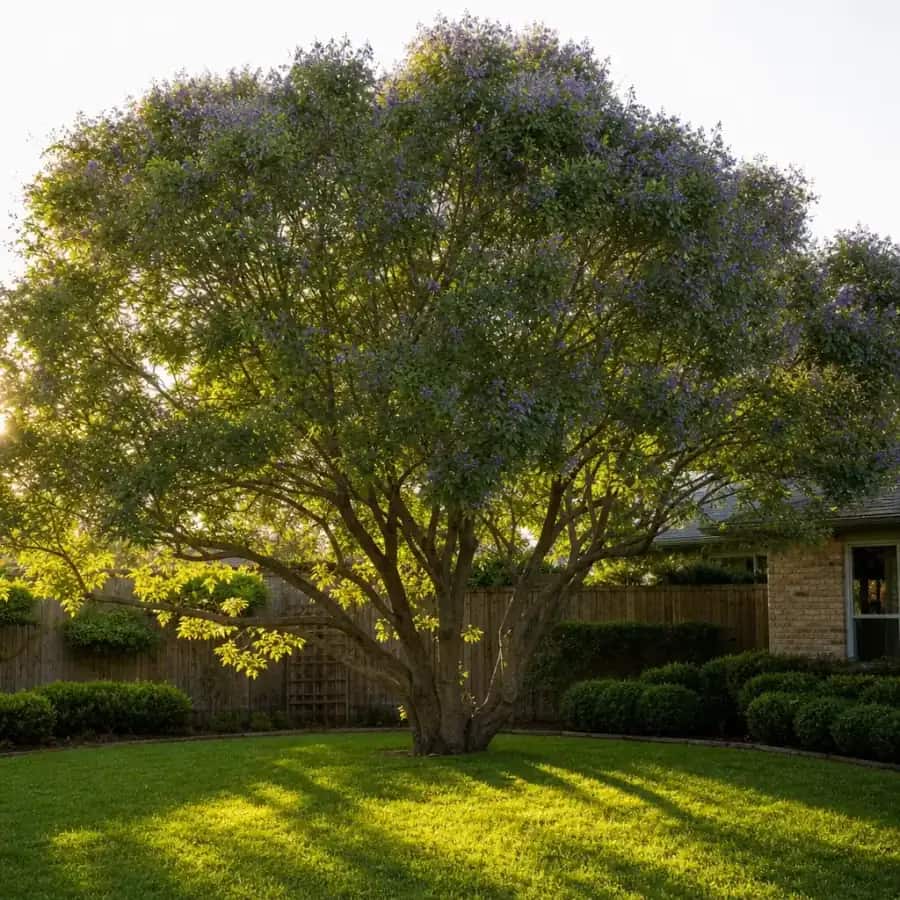
 Zones 7 to 10
Shade Trees
Dermatophyllum (Sophora) secundiflorum Texas Mountain Laurel
$477
Shop large, nursery-grown shade, privacy, flowering and fruit trees, delivered by freight in Lake Forest. Every tree is matched to your hardiness zone and backed by our 1-Year Thrive Guarantee.
Enter your ZIP and we'll match trees to your exact growing zone.
Typical winter lows in Lake Forest run about 35 to 40 F.
Matched to Lake Forest's zone
Zones 7 to 10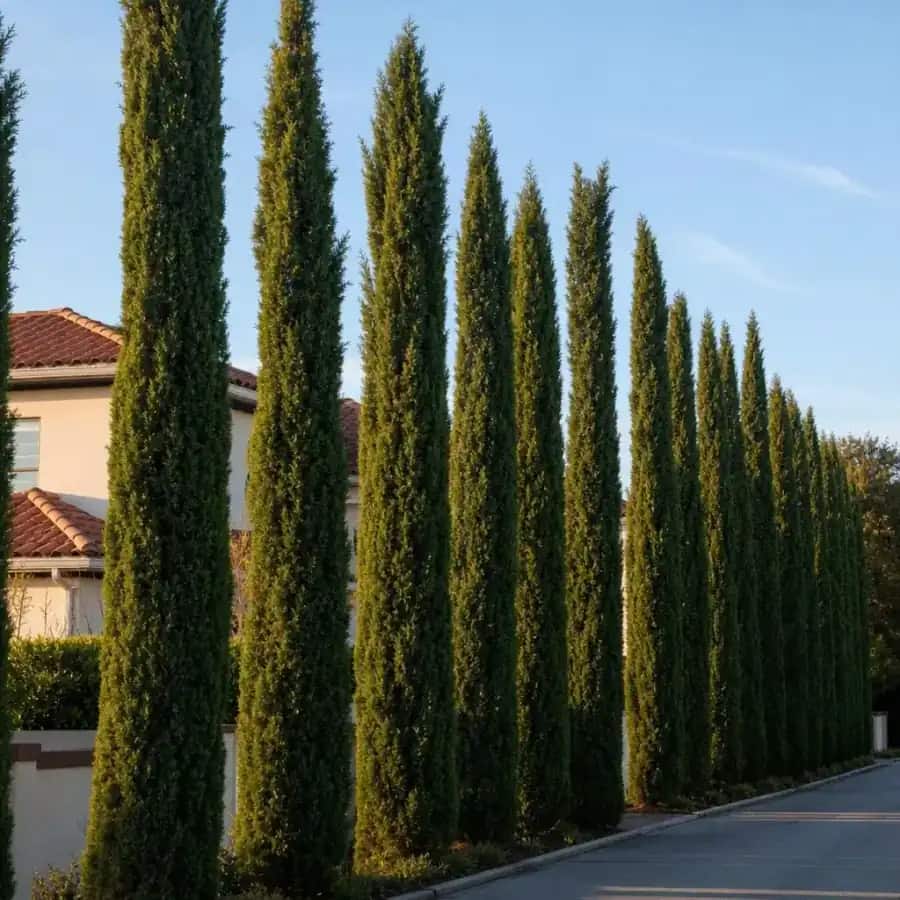 Zones 7 to 11
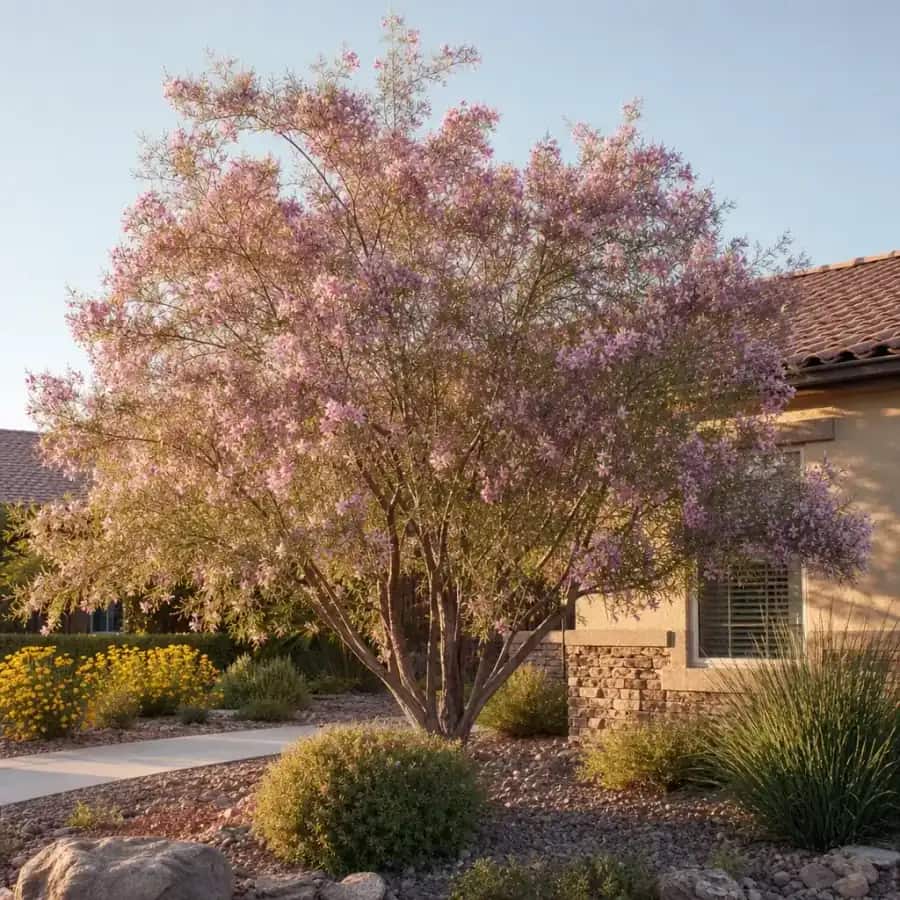 Zones 7 to 11
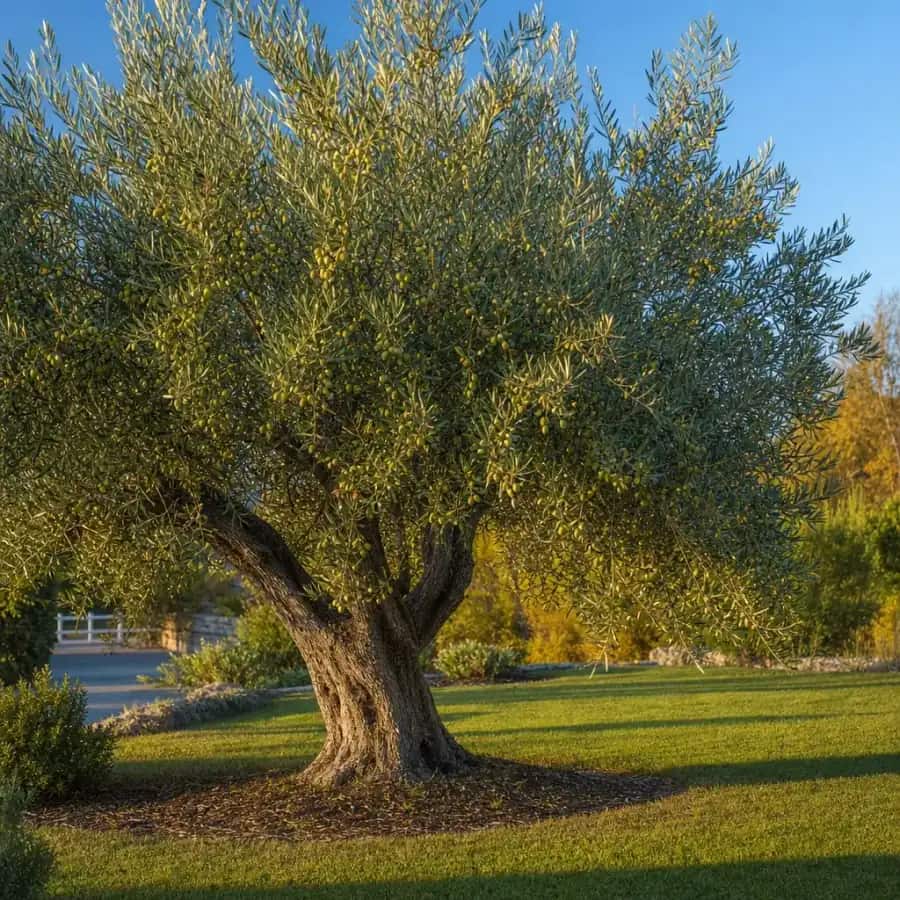 Zones 8 to 11
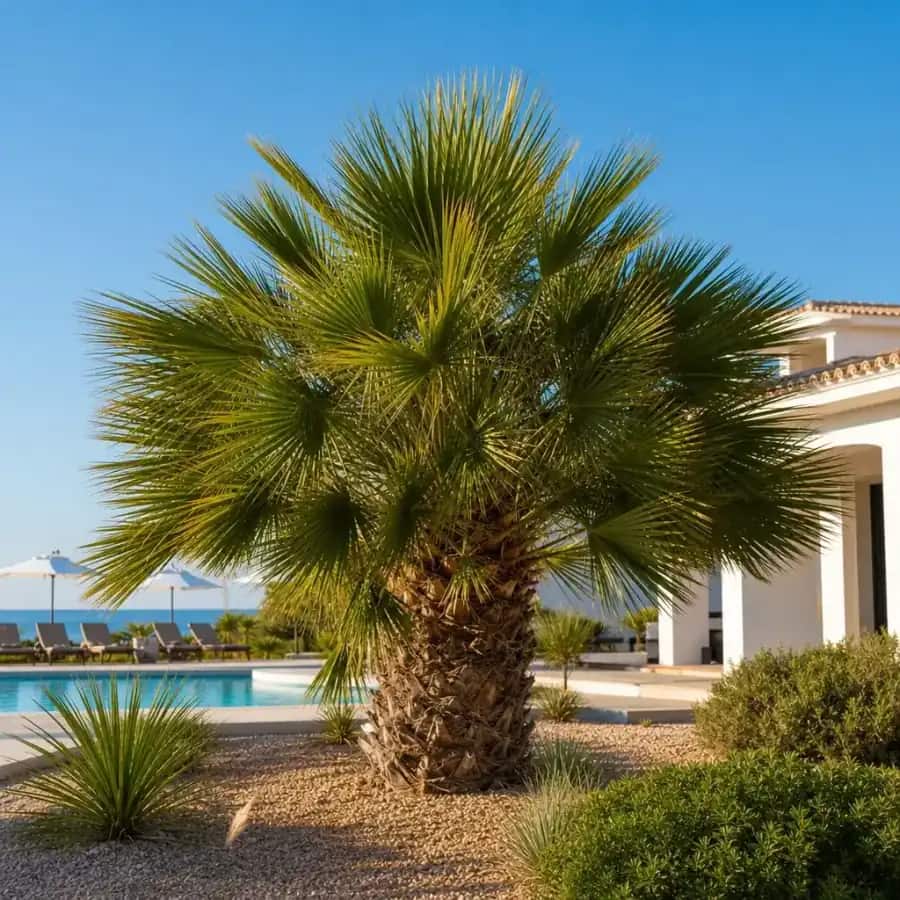 Zones 8 to 11
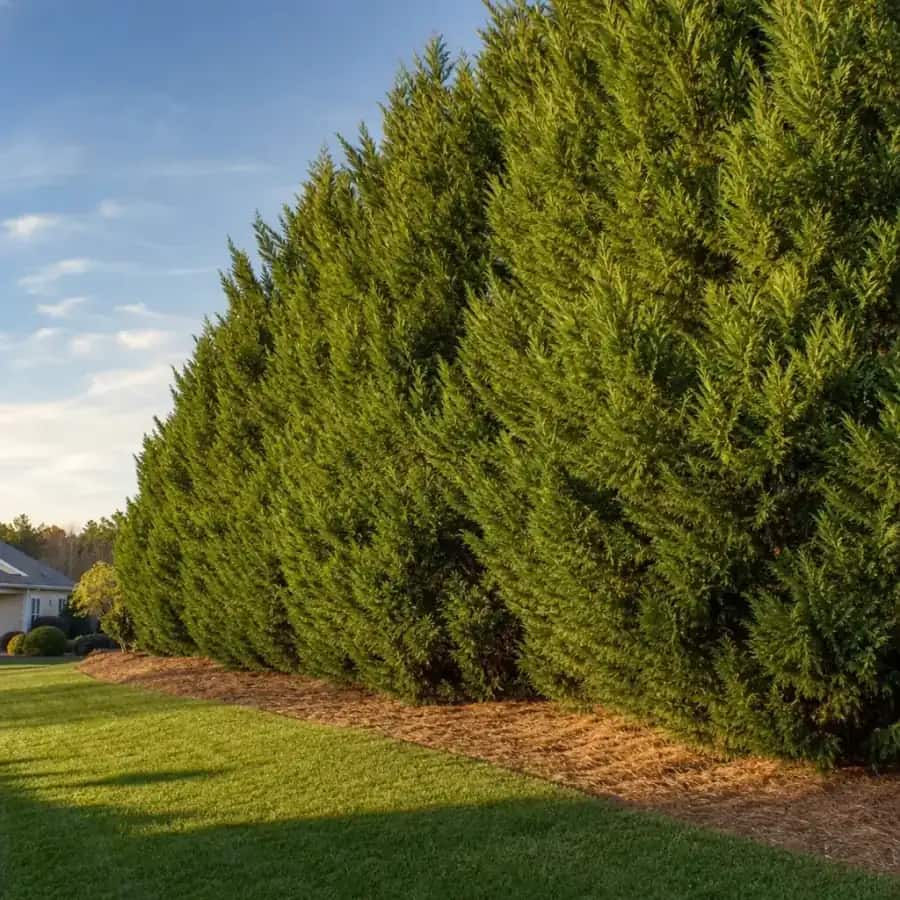 Zones 6 to 10
Shop by category
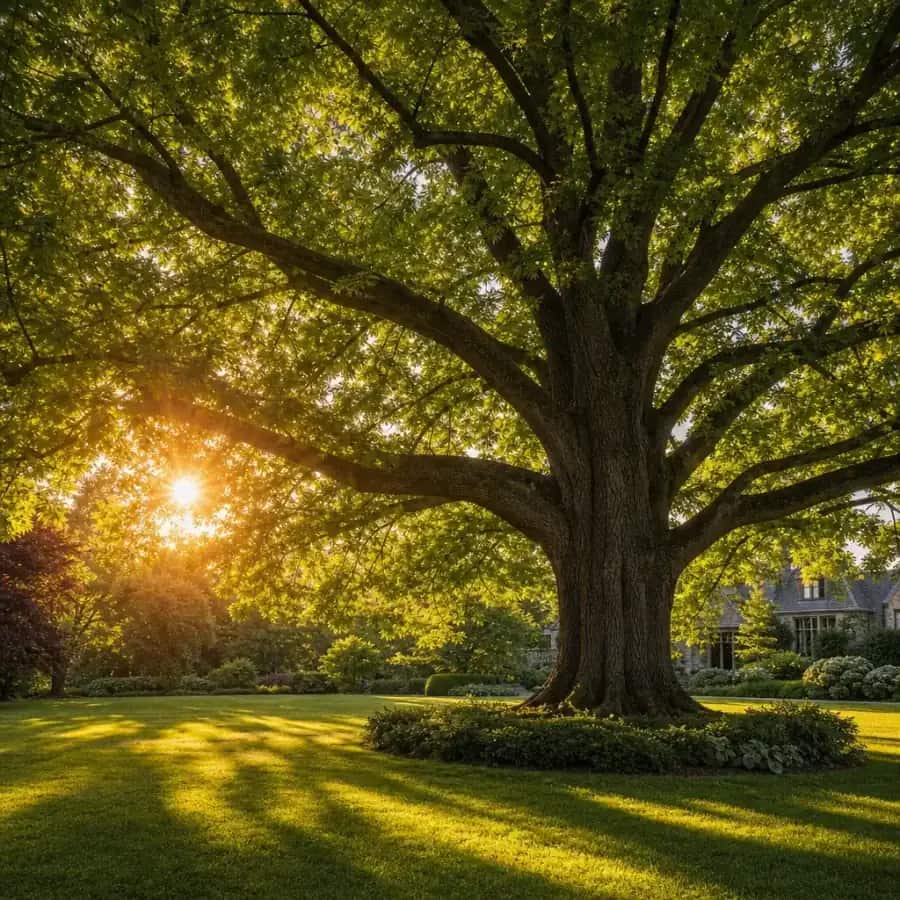 Shade TreesBig, fast canopy. Oaks, elms, maples and more.View all Shade Trees →
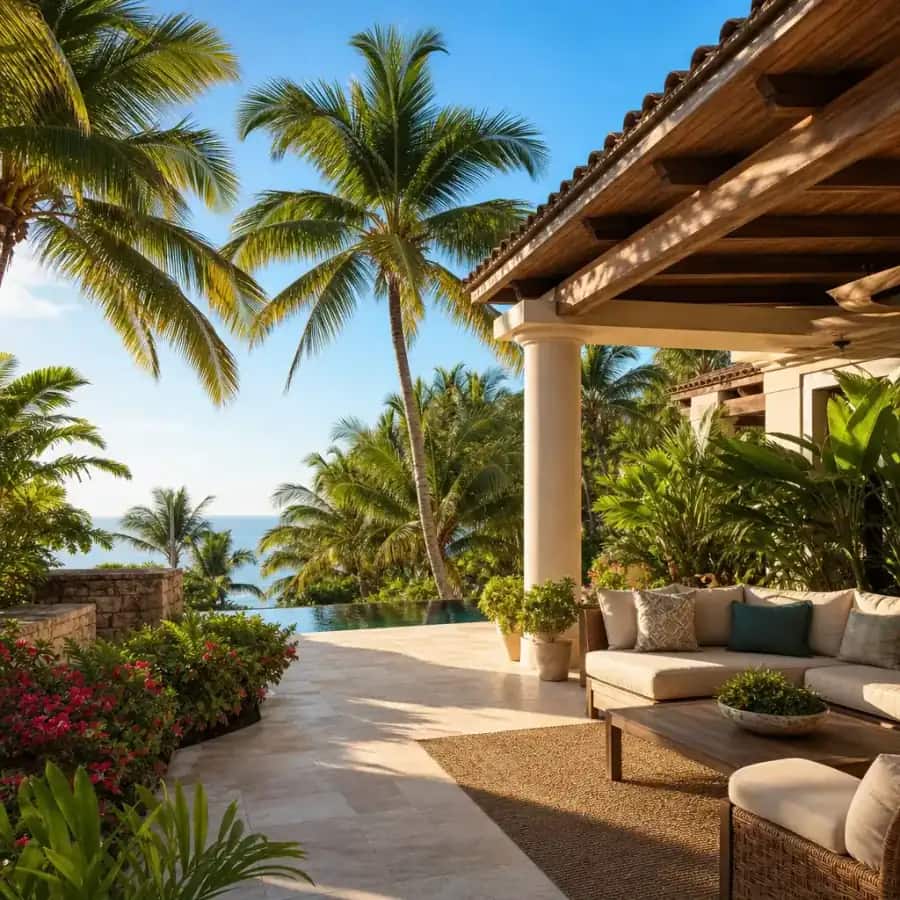 Palms & TropicalsBring a resort feel to your yard with palms that thrive in zone 10b's warmth.View all Palms & Tropicals →
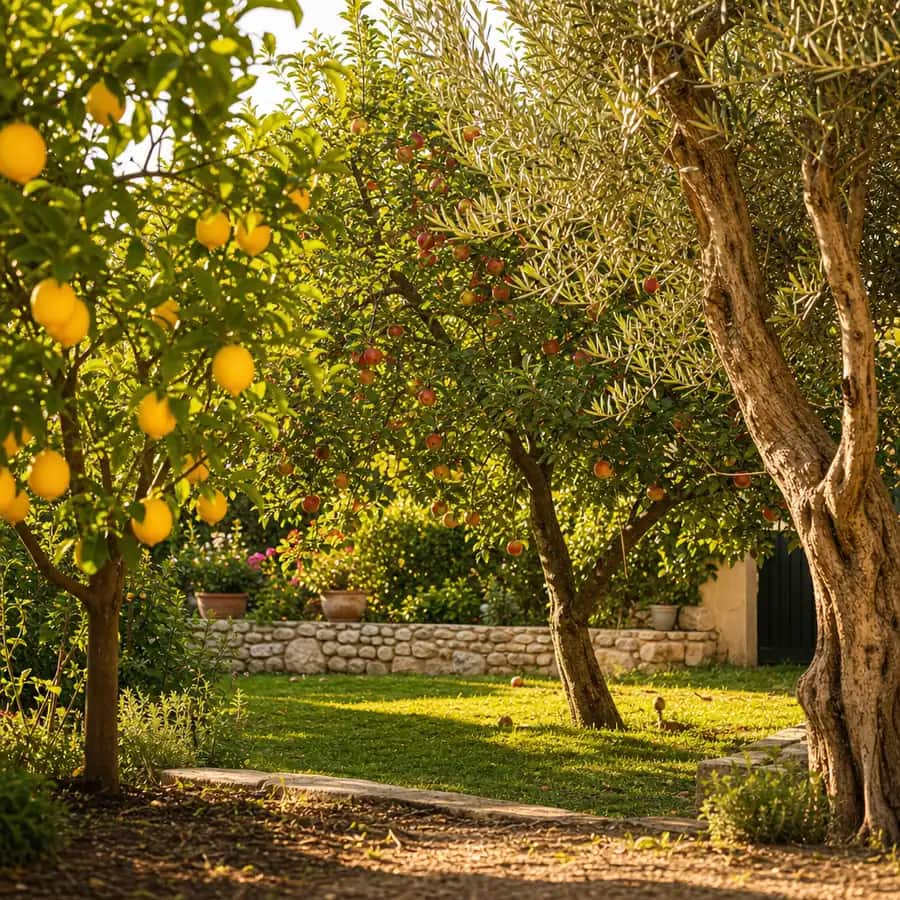 Fruit TreesGrow oranges, figs, and olives in Lake Forest's frost-free climate.View all Fruit Trees →
Local fit, from data
10b
about 35 to 40 F
Orange County
California
Large, nursery-grown trees delivered to Lake Forest, CA 92630 help you create shade, privacy, and backyard fruit. Arbor Buddy ships each tree by freight, matched to your hardiness zone 10b. Homeowners here find options like crape myrtles, palms, and shade oaks ready for their yard.
Lake Forest sits in USDA hardiness zone 10b, where typical winter lows run about 35 to 40 degrees F. That mild chill means frost damage is rare. Your yard can support a wide mix of trees, from subtropical palms to oaks that stay semi-evergreen year-round.
Wet winters and dry summers are common here. Trees for zone 10 in Lake Forest need to handle seasonal rainfall and occasional heat. Shade trees like Mexican White Oak and Mexican Sycamore do well. Crape myrtles and palms also thrive in this zone. Avoid trees that require a cold dormancy, as Lake Forest's winters are too warm for them.
Lake Forest benefits from a Mediterranean climate with moderate humidity. That helps reduce common disease pressures for many ornamentals. Evergreens like Leyland Cypress grow fast here without the heat stress seen in hotter inland areas.
Winter lows in Lake Forest typically range from 35 to 40 degrees F. That puts the area in USDA zone 10b. Frost is rare, so tender trees like citrus and palms survive without protection.
Mexican White Oak and Mexican Sycamore are top choices for shade in Lake Forest. Both grow fast and adapt to zone 10b's mild winters. The Mexican White Oak offers semi-evergreen cover, while the Mexican Sycamore adds silver-backed leaves for a cooling effect.
Leyland Cypress makes an excellent privacy screen in Lake Forest. It grows rapidly and stays dense in zone 10b. For a taller hedge, it works well without the heat stress seen in hotter areas.
Yes, Lake Forest's zone 10b climate supports many fruit trees. Arbequina Olive Tree thrives here, producing olives with little care. Citrus trees like Meyer lemon also grow well, as winter lows rarely threaten them.
For shade, privacy, flowering, fruit, and accent trees matched to your zone in ZIP 92630 of Lake Forest, Arbor Buddy ships large, nursery-grown trees with a 1-Year Thrive Guarantee.
Browse the trees suited to your area and order online.
ZIP 20502 in Washington, District of Columbia (DC) sits in zone 8a with winter lows of 10 to 15 degrees F. That cold kills most citrus and many olives without protection. In practice, buyers here lean toward cold-hardy fruits like figs and apples.
For Lake Forest, zone 10b's warmth means citrus and olives grow freely. You can plant an Arbequina Olive Tree without winter worry.
ZIP 19714 in Newark, Delaware (DE) is zone 7b with lows down to 5 to 10 degrees F. Only hardy palms like windmill palm survive there. That gap changes the local shortlist to cold-tolerant evergreens instead of tropicals.
In Lake Forest, zone 10b allows pygmy date palms and other tropicals to thrive year-round. Your shortlist includes palms that would not survive a Delaware winter.
ZIP 35151 in Sylacauga, Alabama (AL) is zone 8a with winter lows of 10 to 15 degrees F. Privacy choices there lean toward hollies and arborvitae. For your cart, that means Leyland Cypress grows faster and denser in Lake Forest's milder zone 10b.
You can reliably use Leyland Cypress for screening here without the cold stress seen in Alabama.
The contrasts show that Lake Forest's warm zone gives you more freedom to choose fruit trees, palms, and fast-growing evergreens for your yard.
Arbor Buddy ships large, nursery-grown trees by freight directly to your Lake Forest address. Before shipping, every tree is matched to your hardiness zone 10b to ensure it thrives. The 1-Year Thrive Guarantee means free replacement if a tree does not survive its first year. In zone 10, shipments are timed to the mild season, October into spring.
Before delivery day, check:
Enter your ZIP, shop only what thrives in your zone.
Freight delivery to your address: $149 flat per order, shown at checkout.
Plant it, watch it thrive, covered for one year.
Good to know · Growing guide
Coverage runs a full year from delivery. If something goes wrong, contact the team and they arrange the replacement. No store-credit games, no fine-print maze.