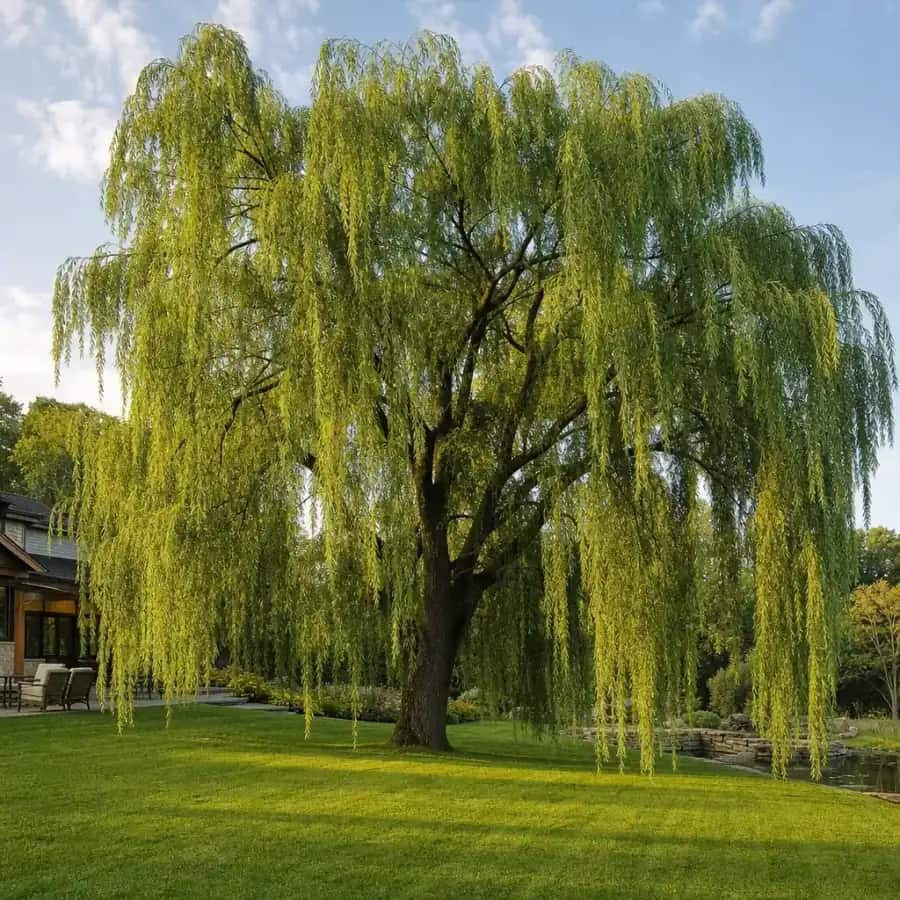
 Zones 4 to 9
Shade Trees
Weeping Willow
$40
Shop large, nursery-grown shade, privacy, flowering and fruit trees, delivered by freight in San Benito County. Every tree is matched to your hardiness zone and backed by our 1-Year Thrive Guarantee.
Enter your ZIP and we'll match trees to your exact growing zone.
Typical winter lows in San Benito County run about 20 to 30 F.
Matched to San Benito County's zones
Zones 4 to 9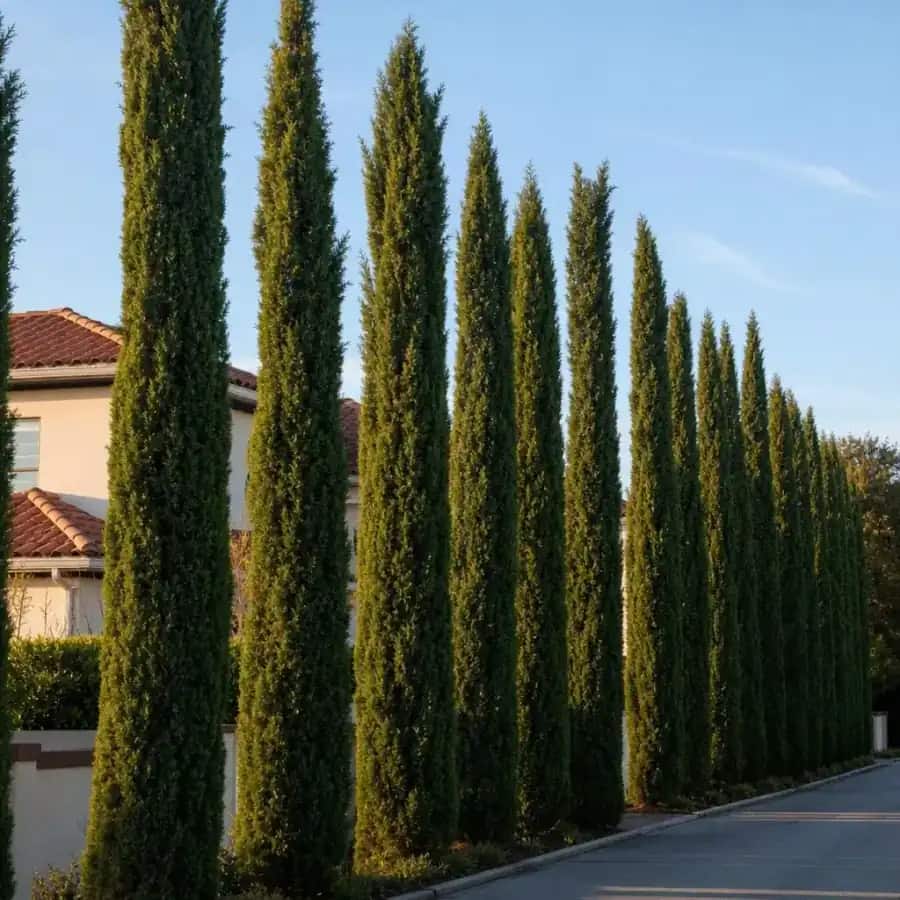 Zones 7 to 11
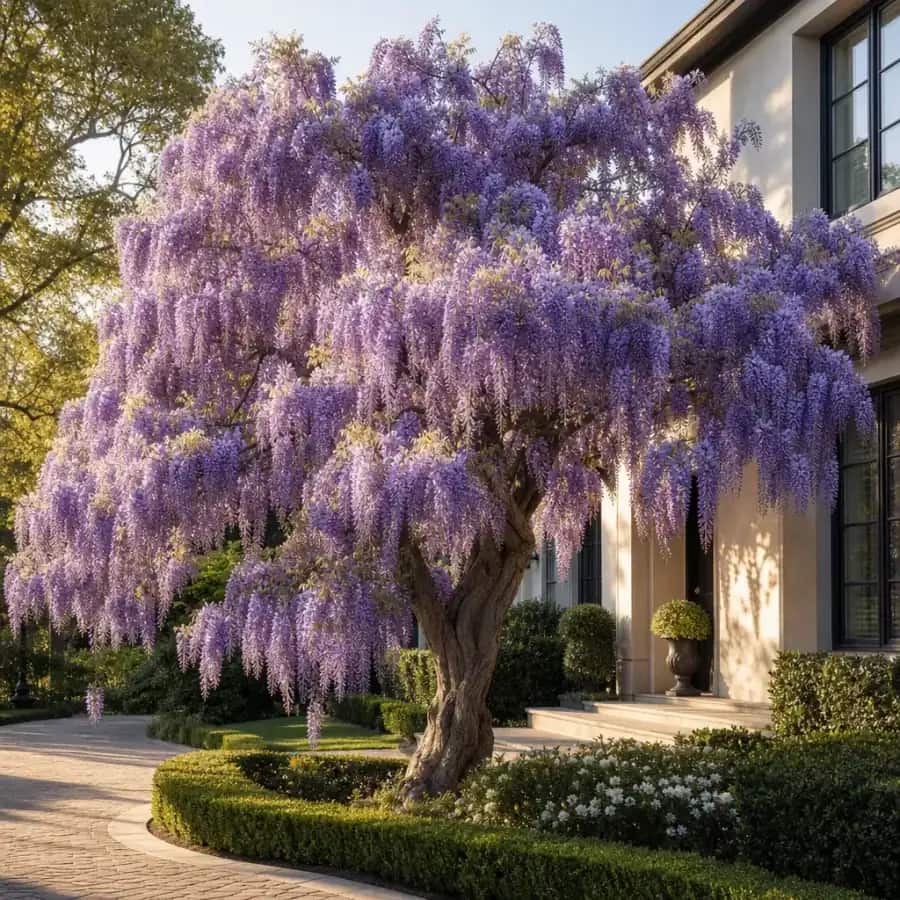 Zones 4 to 9
 Zones 5 to 10
 Zones 7 to 11
 Zones 4 to 9
Shop by category
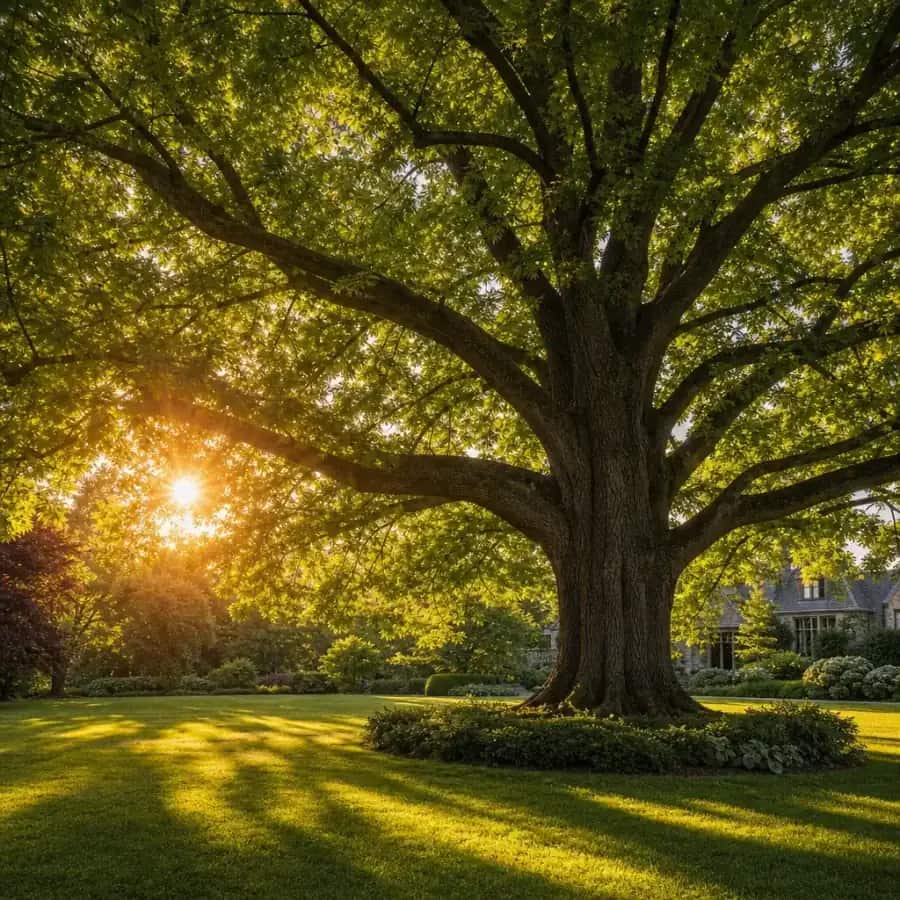 Shade TreesFast canopy options like Chinese Elm provide real summer shade in San Benito's hot zone 9 climate.View all Shade Trees →
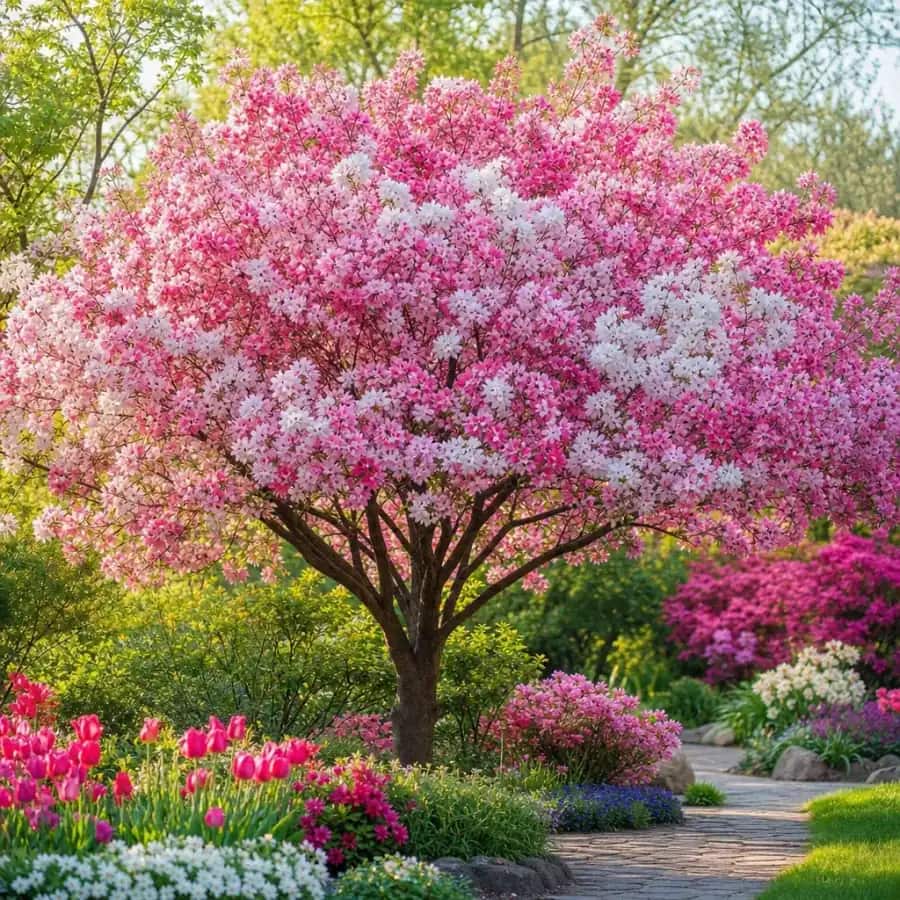 Flowering & OrnamentalNatchez Crape Myrtle and Ruby Falls Redbud add long-lasting color with heat and drought tolerance.
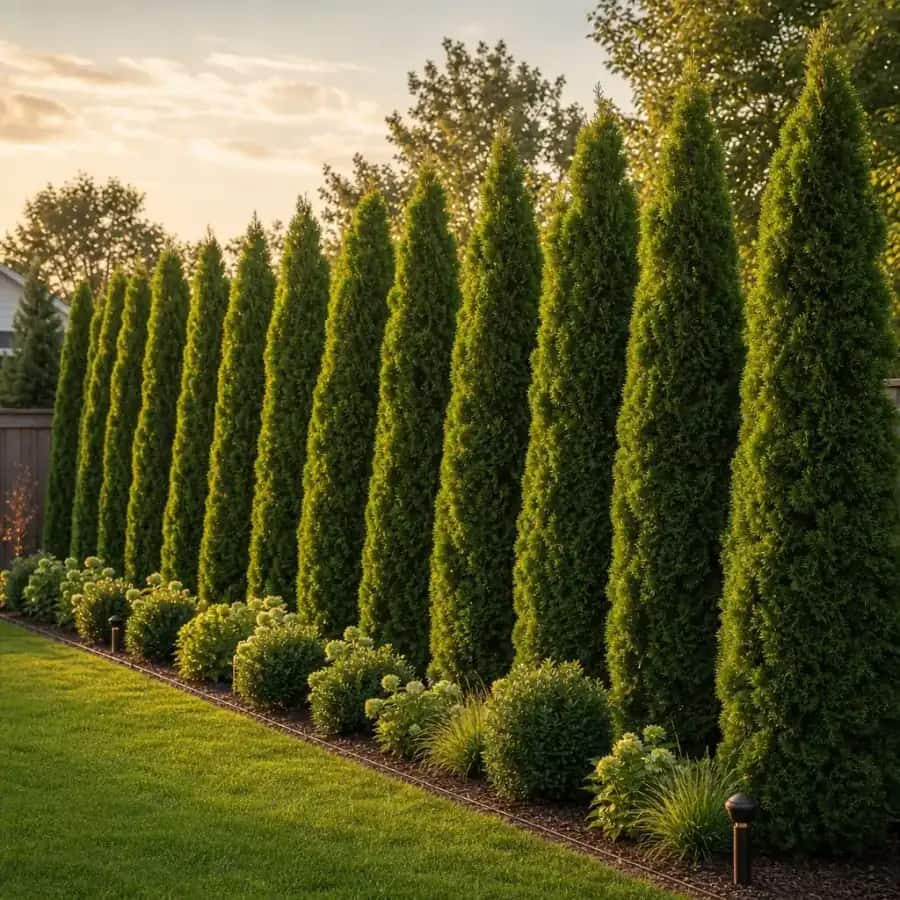 Evergreen & PrivacyBrodie Eastern Red Cedar offers a columnar evergreen screen that handles dry summers without fuss.View all Evergreen & Privacy →
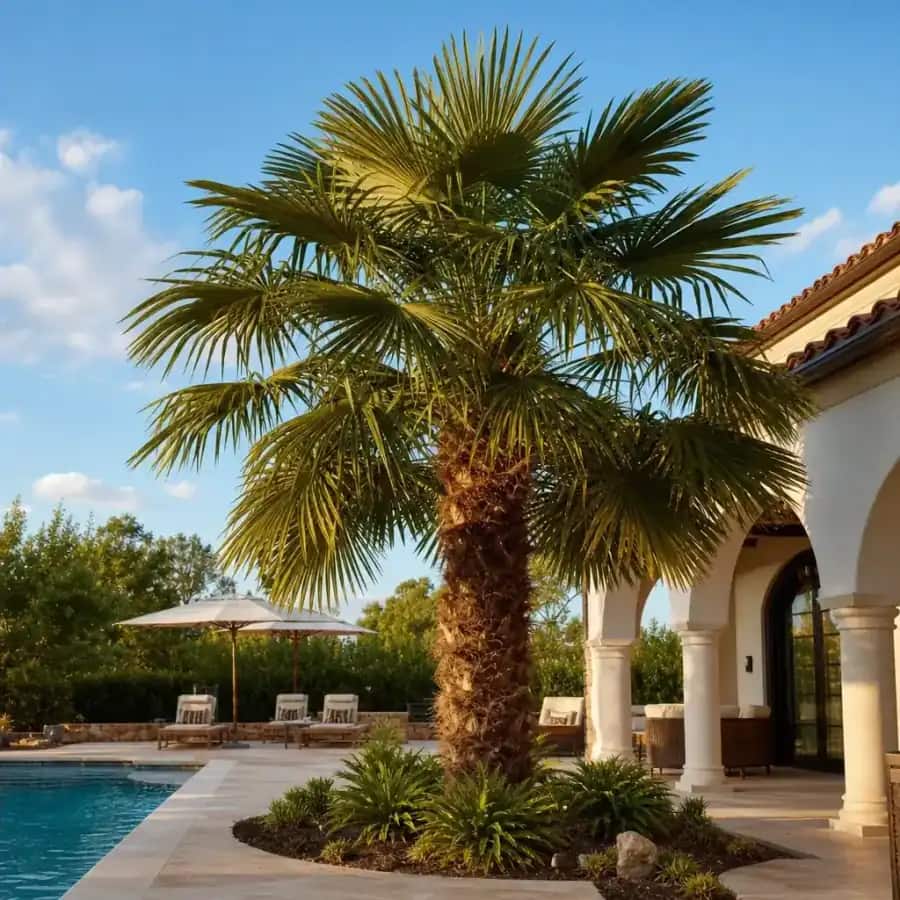
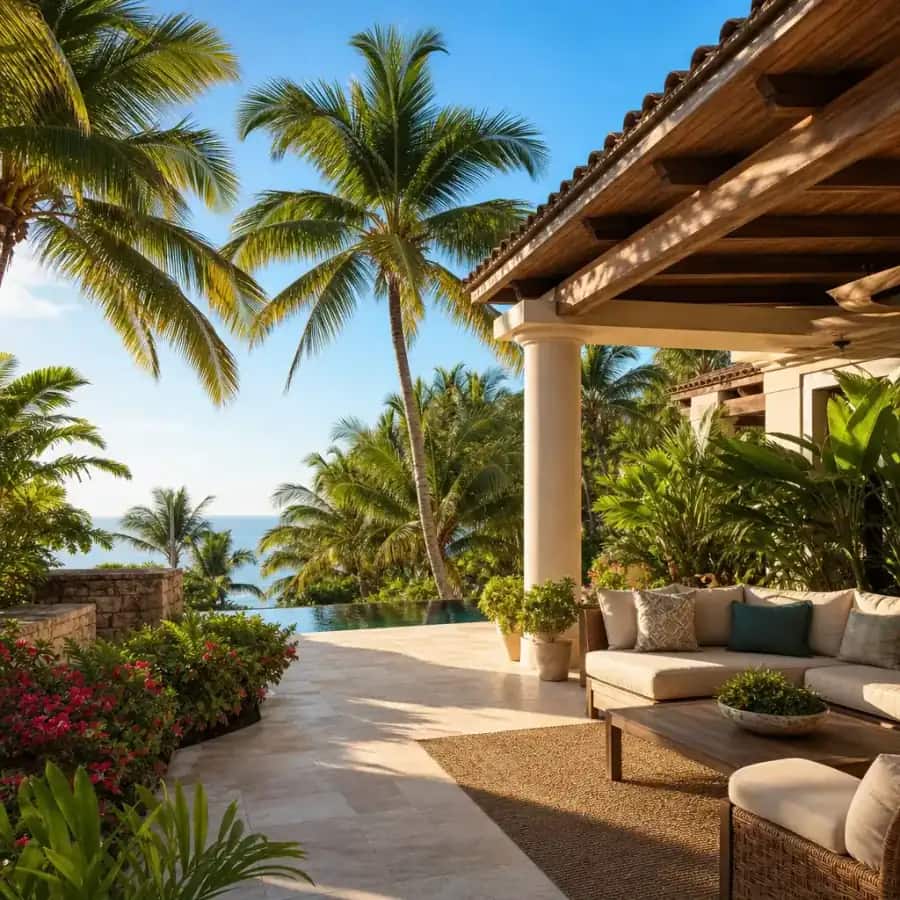 Palms & TropicalsChinese Windmill Palm brings a tropical feel with cold hardiness down to zone 7, but needs some shade.View all Palms & Tropicals →
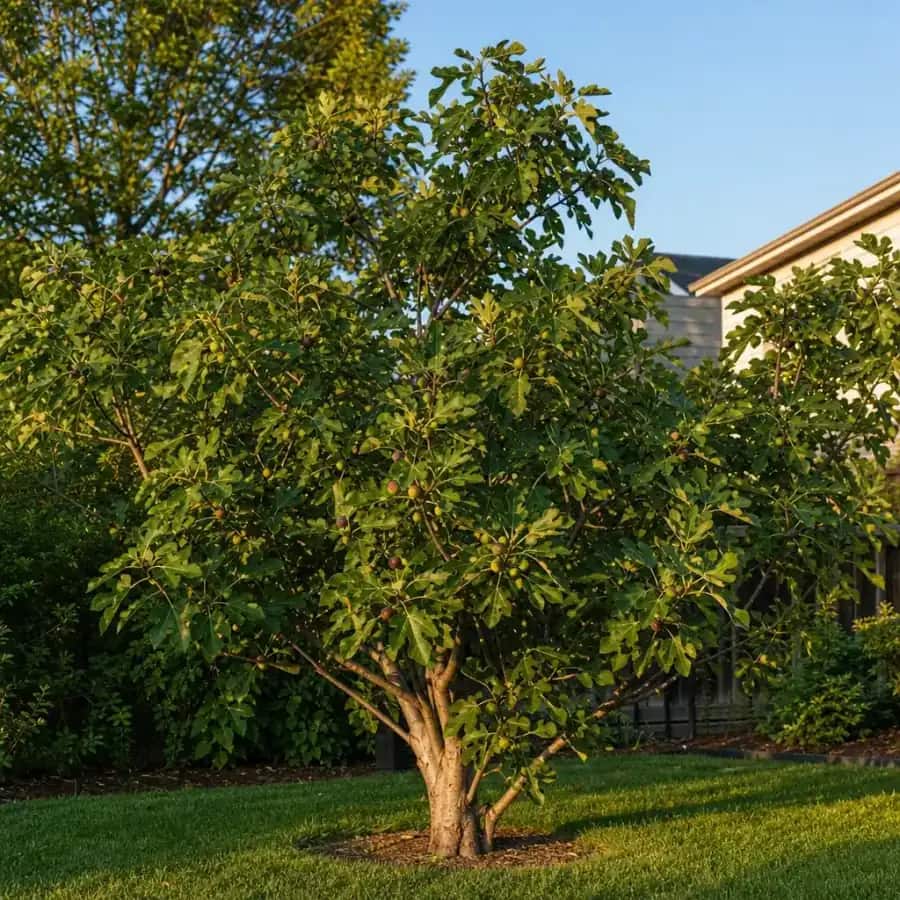
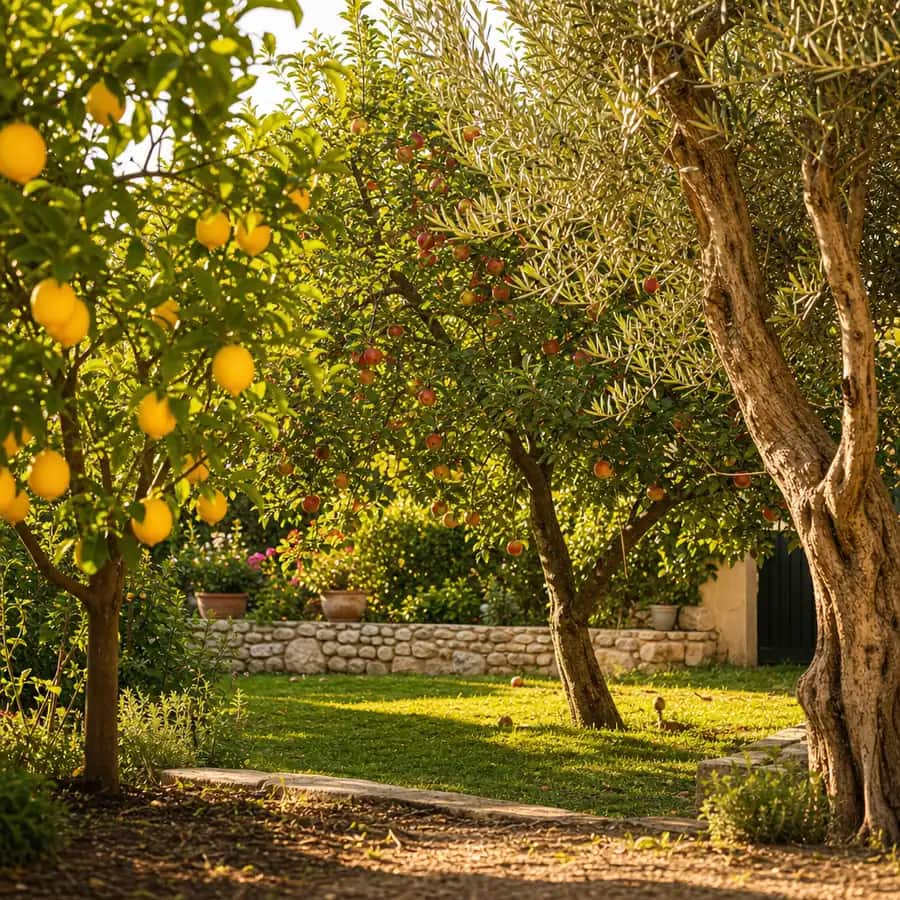 Fruit TreesElberta Peach requires 800 chill hours; county's zone 9 winters usually deliver enough for a good harvest.View all Fruit Trees →
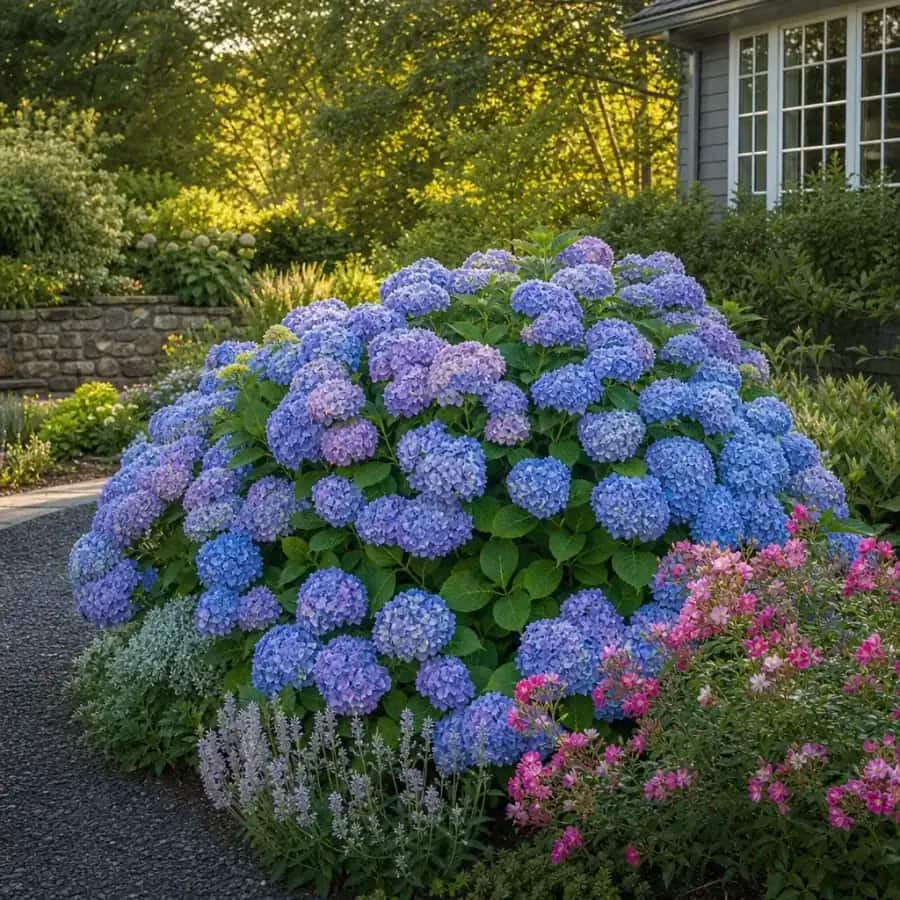
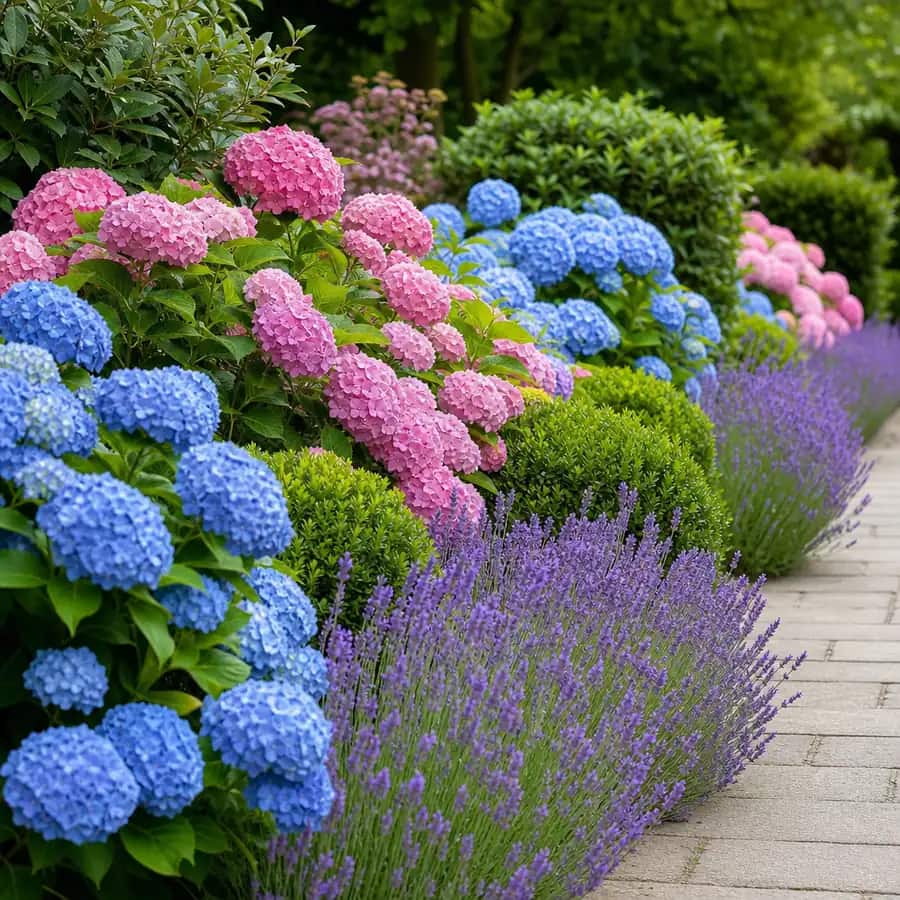 Shrubs & HedgesHydrangeas, hollies, lavender and living privacy.View all Shrubs & Hedges →
Local fit, from data
9a to 9b
about 20 to 30 F
5
Hollister
Shade, privacy, and fruit trees in San Benito County, California (CA) call for heat-hardy picks that handle zone 9 winters. Arbor Buddy delivers large, nursery-grown trees by freight, matched to your hardiness zone. Homeowners and contractors find everything from fast shade to flowering color. The county's zone span from 9a to 9b means warmer spots push tree selection toward drought tolerance.
San Benito County spans USDA hardiness zones 9a to 9b across its five ZIP codes. The colder 9a pockets see winter lows around 20 F, while the warmer 9b areas stay above 25 F. Typical winter lows run about 20 to 30 F. This narrow band means most zone 9 trees perform reliably countywide. Heat tolerance matters more than cold protection. Dry summers and occasional heat waves favor trees like Chinese Elm and Natchez Crape Myrtle. Palms and tropicals, such as the Chinese Windmill Palm, need careful placement with some shade. For fruit, the Elberta Peach requires around 800 chill hours, which zone 9 usually meets. When choosing trees for zone 9 in San Benito County, pick varieties bred for heat and drought. The rural and suburban areas around Hollister offer room to grow large shade trees, while tighter lots benefit from columnar evergreens like Brodie Eastern Red Cedar.
Trees ship during a fall or early-spring window, ahead of summer heat. Arbor Buddy matches each tree to your hardiness zone before shipping. This timing helps roots establish before the hottest months.
Many trees thrive in zone 9, including Chinese Elm, Brodie Eastern Red Cedar, Ruby Falls Weeping Redbud, Elberta Peach, Chinese Windmill Palm, and Natchez Crape Myrtle. Arbor Buddy selects species that handle the zone's typical winter lows of 20 to 30 F and summer heat.
Trees arrive as large, nursery-grown specimens at a usable landscape size. They are shipped by freight to ensure healthy root systems and branching. The exact size varies by species, but each tree is ready for planting.
Yes. The Elberta Peach is a great choice, needing about 800 chill hours. Zone 9 winters typically provide enough cold for this and other stone fruits. Select varieties matched to your microclimate for best results.
Arbor Buddy backs every tree with a 1-Year Thrive Guarantee. If your tree does not survive its first year, we replace it free. That guarantee makes ordering now risk-free. Browse San Benito County zone 9 trees online and schedule delivery.
Tooele County, Utah (UT) sits in zones 6a to 7a with winter lows of -10 to 5 F. That cold kills most palms and tropicals outright. In practice, buyers here lean toward hardy evergreens and deciduous shade trees. San Benito County's mild winters allow palms like Chinese Windmill Palm to survive with proper placement.
Rappahannock County, Virginia (VA) is in zone 7a with winter lows 0 to 5 F. Fruit trees like the Elberta Peach survive, but citrus cannot. For your cart, that means low-chill fruit options are limited. In San Benito County, zone 9 enables a wider fruit selection, including peaches with 800 chill hours and some citrus varieties elsewhere.
Caledonia County, Vermont (VT) endures zone 4b with winter lows -25 to -20 F. Flowering ornamentals there must survive extreme cold. That gap changes the local shortlist to super-hardy crabapples and serviceberries. San Benito County's zone 9 picks like Natchez Crape Myrtle bloom all summer without worry.
These contrasts show that San Benito County's zone 9 climate supports many tree categories that struggle in colder regions. Buyers can confidently choose from heat-tolerant shade, flowering, and fruit trees.
Your zone 9 order ships for a fall or early-spring window, ahead of summer heat. Arbor Buddy matches every tree to your hardiness zone before shipping. Large nursery-grown trees arrive by freight truck to your driveway. The 1-Year Thrive Guarantee replaces any tree that does not survive its first year. Freight access is straightforward across much of San Benito County, but long rural driveways and tight lots require planning.
Before delivery day, check:
Enter your ZIP, shop only what thrives in your zone.
Freight delivery to your address: $149 flat per order, shown at checkout.
Plant it, watch it thrive, covered for one year.
Good to know · Growing guide
Coverage runs a full year from delivery. If something goes wrong, contact the team and they arrange the replacement. No store-credit games, no fine-print maze.