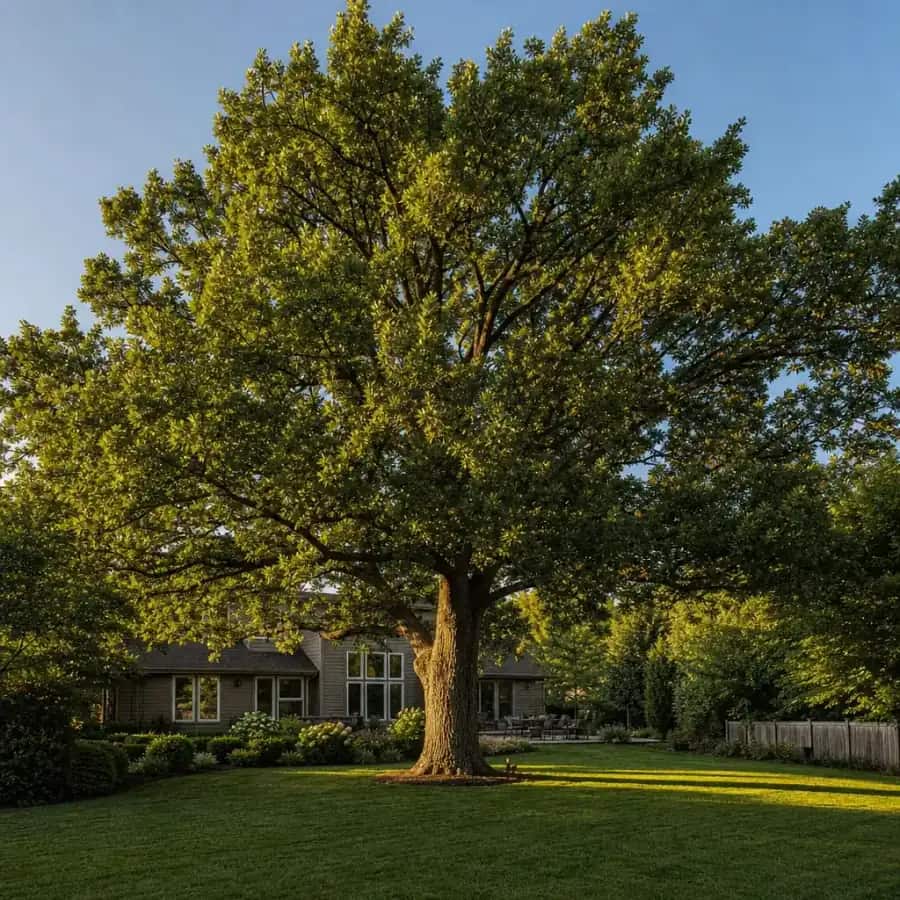
 Zones 3 to 8
Shade Trees
Bur Oak
$490
Shop large, nursery-grown shade, privacy, flowering and fruit trees, delivered by freight in Dade County. Every tree is matched to your hardiness zone and backed by our 1-Year Thrive Guarantee.
Enter your ZIP and we'll match trees to your exact growing zone.
Typical winter lows in Dade County run about 5 to 15 F.
Matched to Dade County's zones
Zones 3 to 8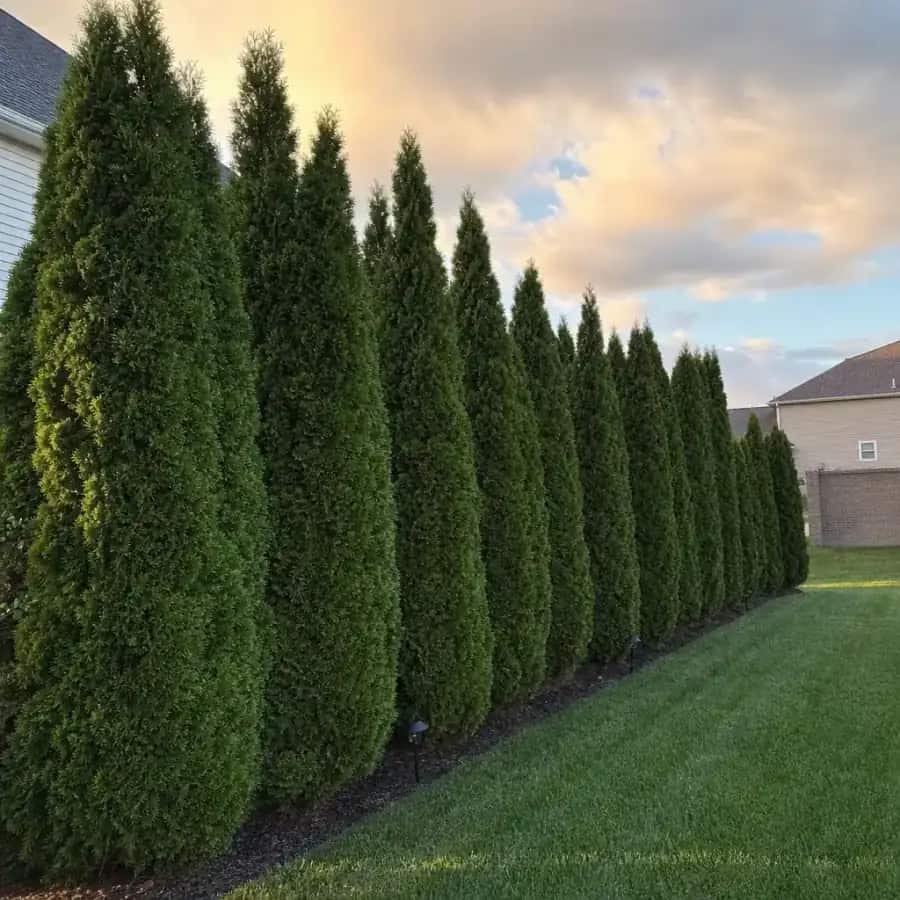 Zones 3 to 8
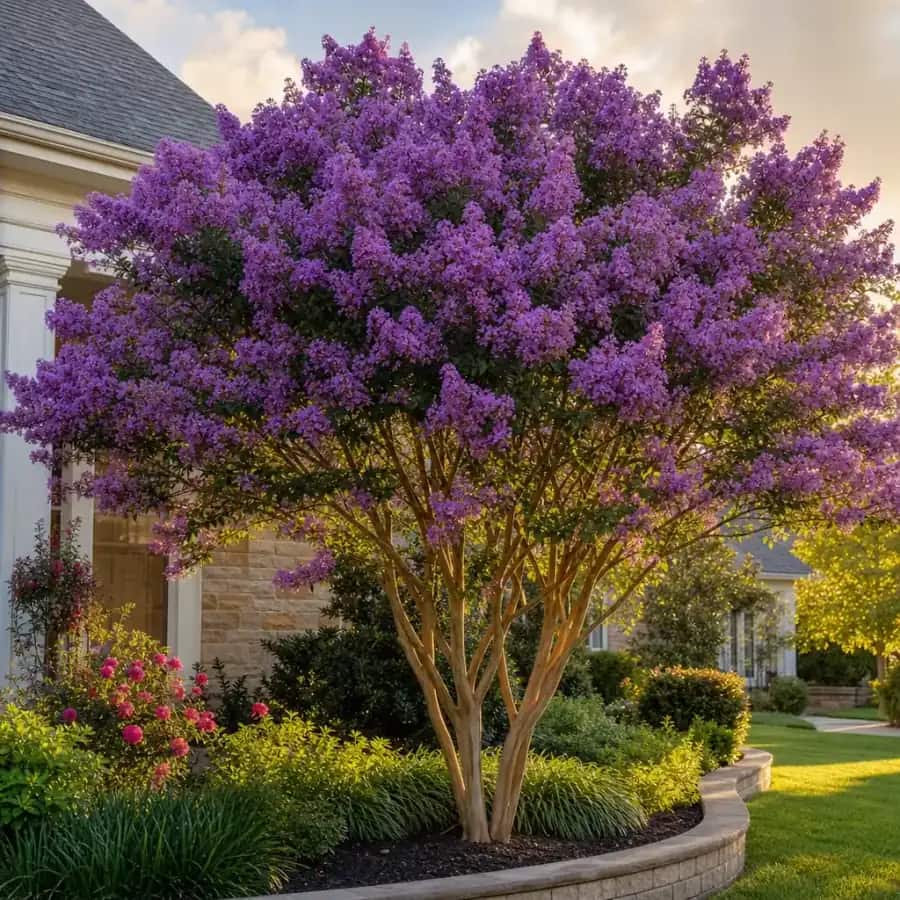 Zones 7 to 9
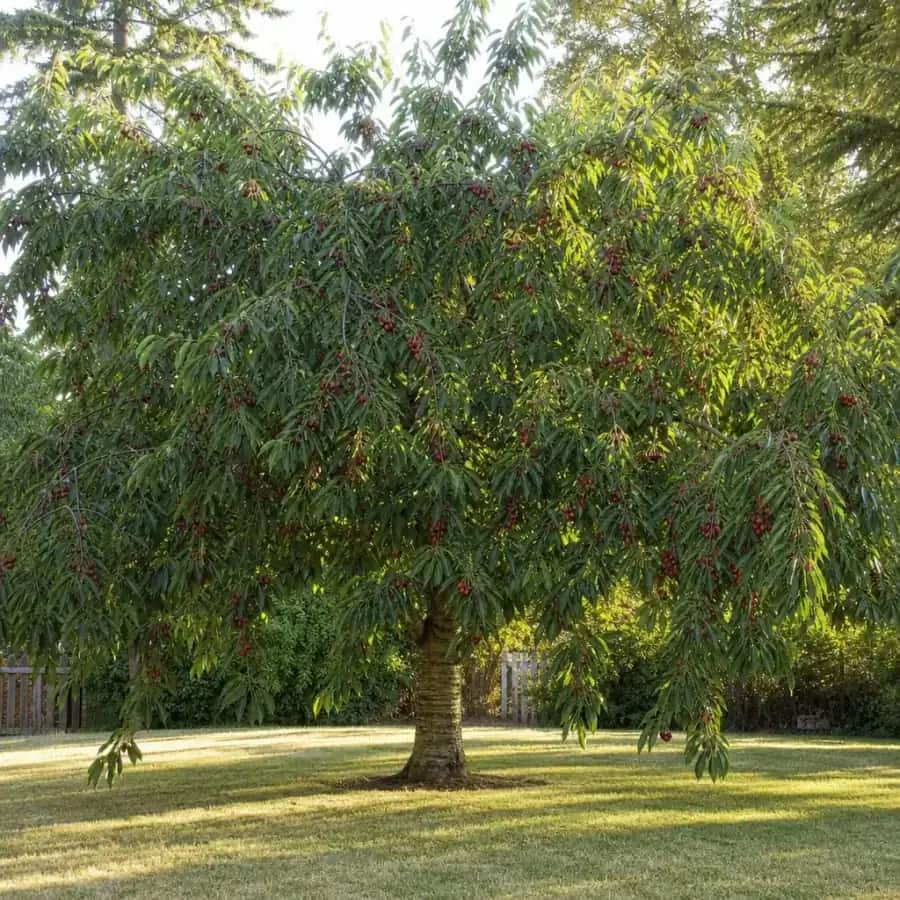 Zones 5 to 8
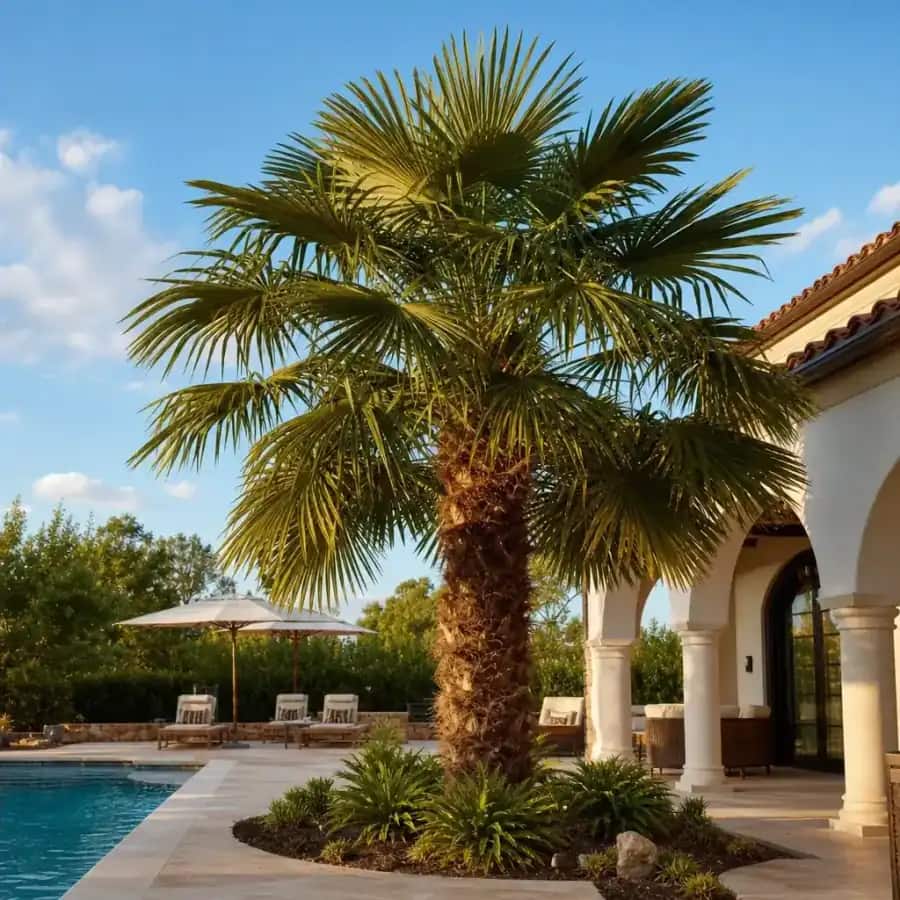 Zones 7 to 11
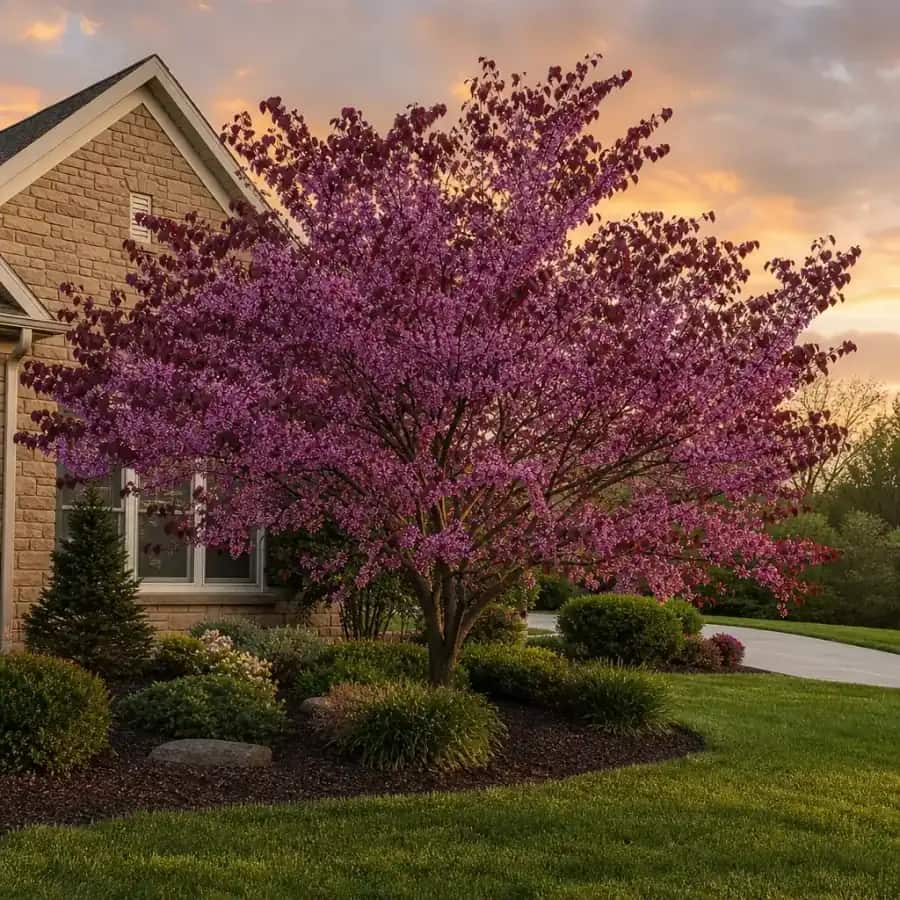 Zones 4 to 9
Shop by category
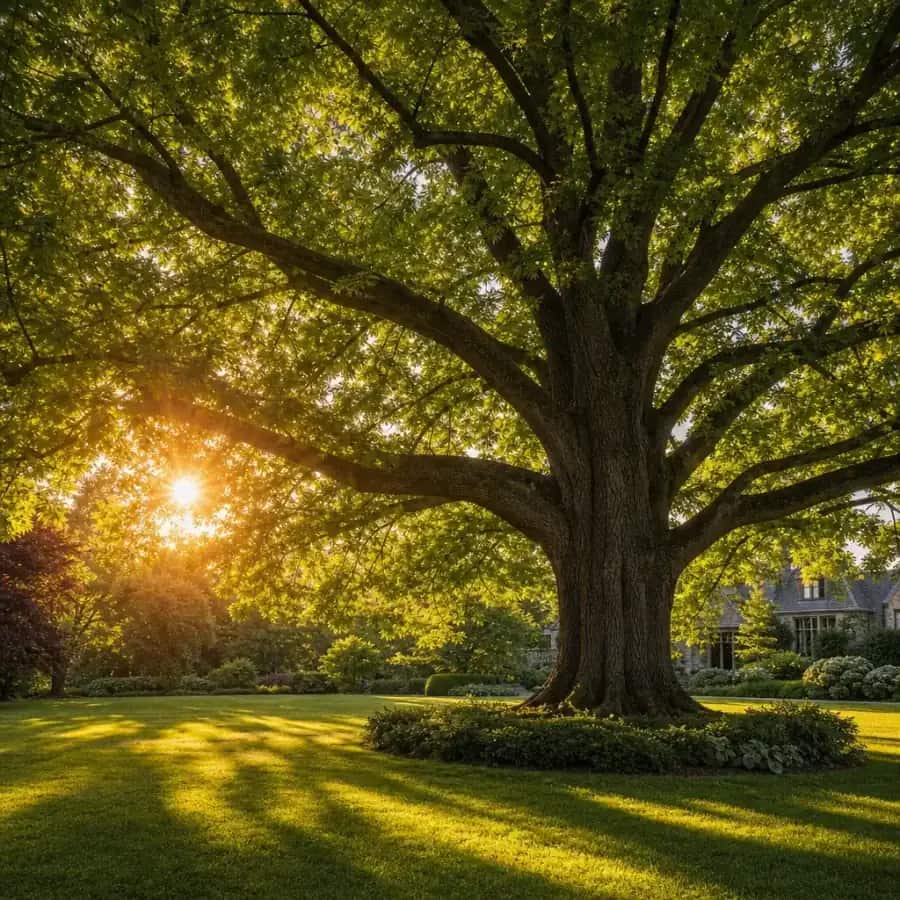 Shade TreesFast canopy trees that handle the warm wet summers and mild winters of zone 7.View all Shade Trees →
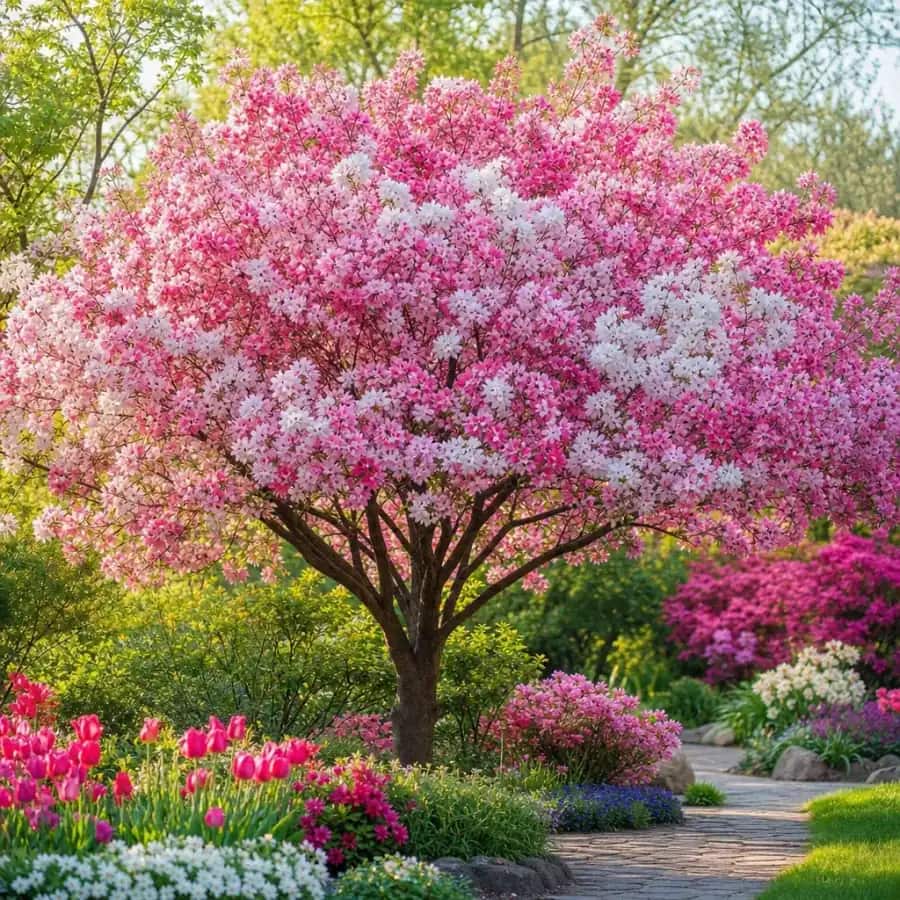 Flowering & OrnamentalSpring blooms and fall color that thrive in Dade County's long growing season.View all Flowering & Ornamental →
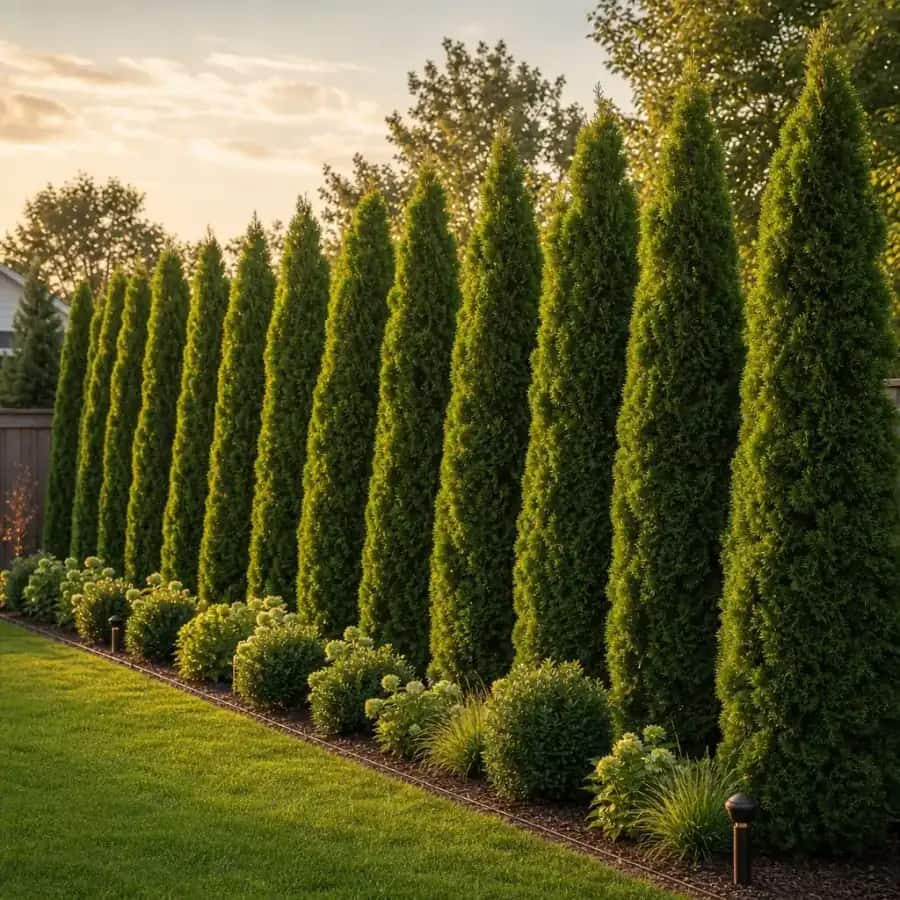 Evergreen & PrivacyYear-round screening trees that stay green through your 5 to 15 degree lows.View all Evergreen & Privacy →
 Japanese MaplesDelicate leaf colors and forms that need afternoon shade in zone 7 heat.
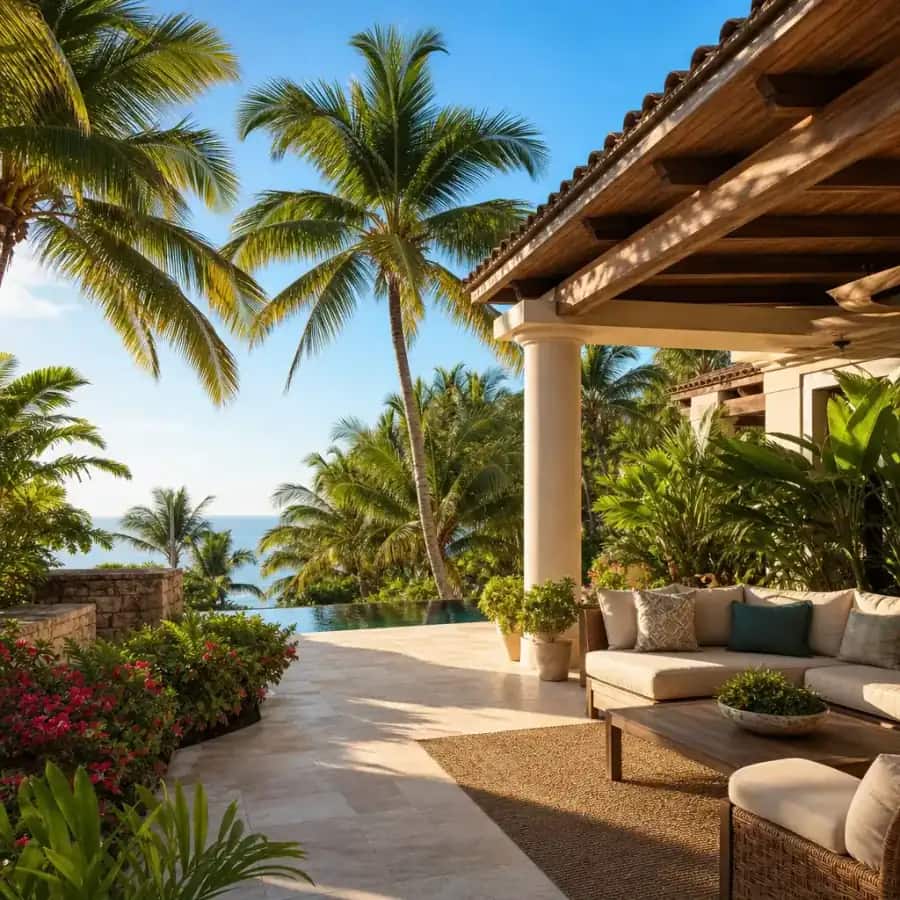 Palms & TropicalsCold-hardy palms like the Dwarf Palmetto that survive zone 7 winters with some protection.View all Palms & Tropicals →
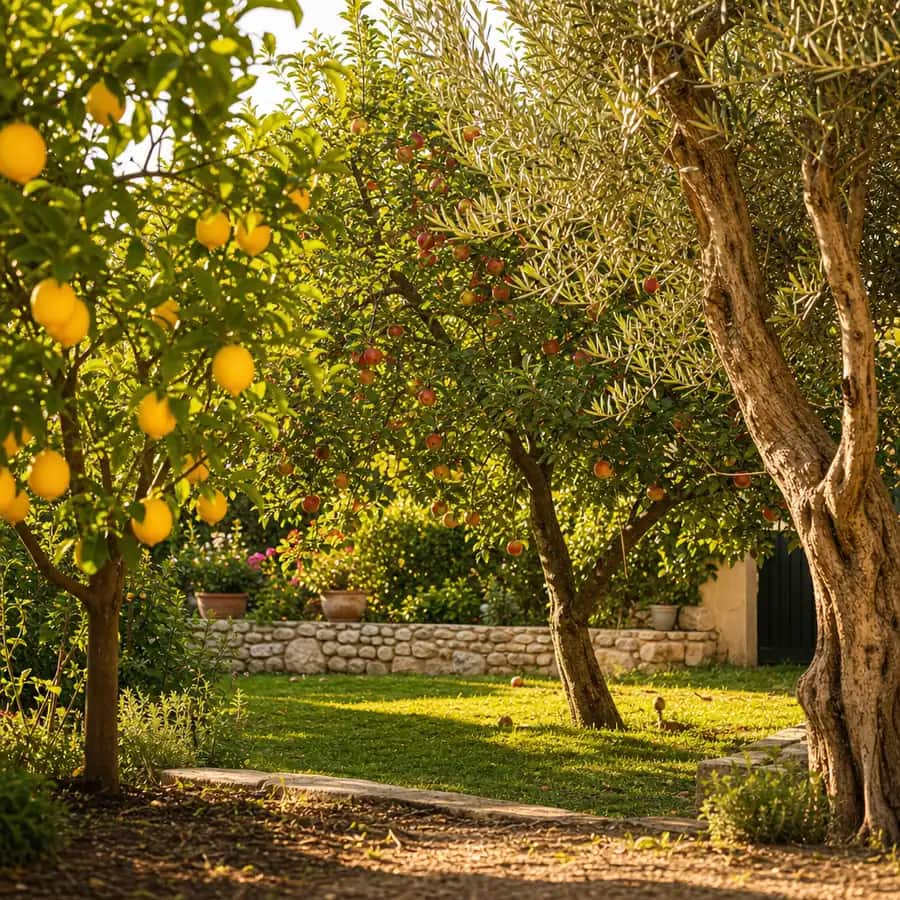 Fruit TreesApples, peaches, and figs that set fruit with the right chill hours and pollination partners.View all Fruit Trees →
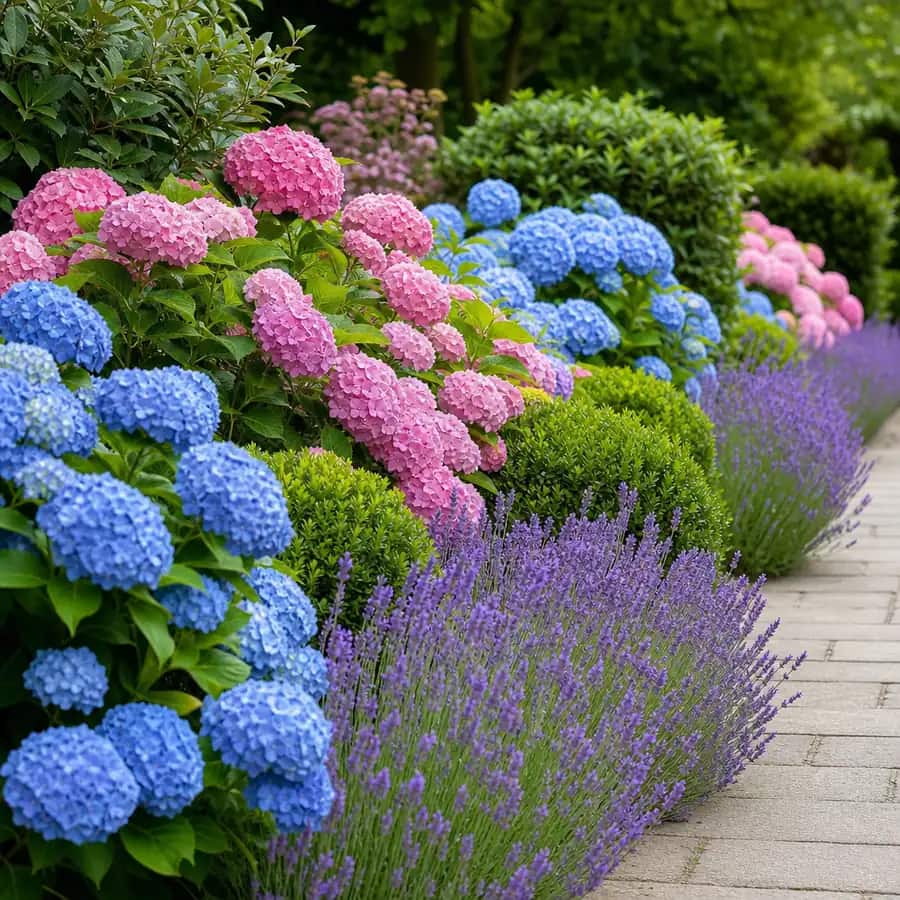 Shrubs & HedgesDense hedging plants like Nellie Stevens Holly that create low-maintenance privacy.View all Shrubs & Hedges →
Local fit, from data
7b to 8a
about 5 to 15 F
3
Rising Fawn
Shade, privacy, and fruit trees in Dade County, Georgia (GA) are matched to your hardiness zone from 7b to 8a. Arbor Buddy delivers large, nursery-grown trees by freight direct to homeowners and contractors. Typical winter lows run 5 to 15 degrees, so you need trees that handle mild cold and warm summers. Browse our zone-matched picks for a yard that works year-round.
Dade County spans three ZIP codes that cover zones 7b to 8a. The colder end, zone 7b, sees typical winter lows of about 5 to 15 degrees Fahrenheit. That mild cold rules out some tropicals but opens the door to a broad range of shade, flowering, and evergreen trees. You can plant trees that need a winter chill, like apples and peaches, as well as broadleaf evergreens that stay green through the season.
The warmer end, zone 8a, allows trees that need slightly less cold hardiness, such as some palms and magnolias. Summers are warm and humid, which helps fast-growing trees put on height quickly. Rain is generally adequate, so established trees rarely need extra watering. If you are looking for trees for zone 7 in Dade County, the selection is wide, but you should match each tree's specific zone needs to your exact property within the county. The rural areas around Rising Fawn may have slightly cooler pockets, so check your local ZIP.
Many shade, flowering, evergreen, and fruit trees grow in zone 7. In Dade County, trees like American Sycamore (zones 4 to 9), White Dogwood (zones 5 to 9), and Little Gem Southern Magnolia (zones 7 to 9) thrive here. The zone 7b to 8a range lets you choose from a broad mix of heat-tolerant and cold-hardy species.
Yes. Arbor Buddy ships trees by freight to much of Dade County, including all three ZIP codes that cover the county. Your tree is zone-matched to your specific hardiness zone before it ships. The shipping season for zone 7 is spring or fall, timed for mild planting weather.
Evergreen trees like Little Gem Southern Magnolia and junipers work well for year-round screening. They stay green through your 5 to 15 degree winter lows and need good drainage. Avoid deciduous species like Pond Cypress if you need winter privacy, because it drops its needles.
Yes. Honeycrisp Apple, Elberta Peach, and Chicago Hardy Fig all grow in zone 7. Apples and peaches require winter chill and proper pollination. The Honeycrisp Apple needs a second compatible apple variety nearby. Peaches are self-pollinating but need about 800 chill hours, which your zone 7 to 8a winters provide.
Browse the categories above to pick trees that fit your yard goal and zone. Arbor Buddy ships large, nursery-grown trees matched to your hardiness zone in Dade County, Georgia. Order online, and your tree arrives at your door with a 1-Year Thrive Guarantee.
Compared to Iowa County, Wisconsin (WI), where the winter lows drop to -20 to -15 F in zone 5a, Dade County's winters are mild. In Iowa County, Japanese maples like the Red Dragon need extra winter protection because the cold can kill root systems. For your cart, that means you can plant Japanese maples without heavy mulching or burlap wraps. The same tree that needs coddling in Wisconsin thrives here with afternoon shade alone.
In Natrona County, Wyoming (WY), zone 5a with lows of -20 to -15 F, flowering trees such as White Dogwood are risky because late frosts can kill the blooms. That gap changes the local shortlist to include only the hardiest flowering species. Here in Dade County, spring frosts are rare, so you can count on a full display of dogwood blooms and red berries every year without worry.
Rutland County, Vermont (VT) sits in zones 5a to 5b, with winter lows from -20 to -10 F. Privacy and screening choices there are limited to highly cold-hardy evergreens like arborvitae. In practice, buyers here lean toward a wider mix of evergreens, including Little Gem Southern Magnolia and junipers, that would not survive Vermont's deep freezes. The contrast shows how Dade County's mild winters open up more options for year-round privacy without fighting extreme cold.
What this means for your cart: you can pick trees from a larger palette because the climate does not force you into a narrow set of cold-tolerant species. Focus on matching each tree to your specific lot conditions, not just the minimum hardiness.
Arbor Buddy zone-matches every tree to your hardiness zone before it ships. Trees headed to zone 7 arrive in spring or fall, matched to mild planting weather. Freight delivery covers much of Dade County, including long rural driveways and tight lots. You need to be home to receive the tree, inspect it, and accept drop-off. Each tree is nursery-grown at a usable landscape size, ready to go in the ground. The 1-Year Thrive Guarantee covers healthy growth; if your tree does not survive its first year, Arbor Buddy sends a free replacement.
Before delivery day, check:
Enter your ZIP, shop only what thrives in your zone.
Freight delivery to your address: $149 flat per order, shown at checkout.
Plant it, watch it thrive, covered for one year.
Good to know · Growing guide
Coverage runs a full year from delivery. If something goes wrong, contact the team and they arrange the replacement. No store-credit games, no fine-print maze.