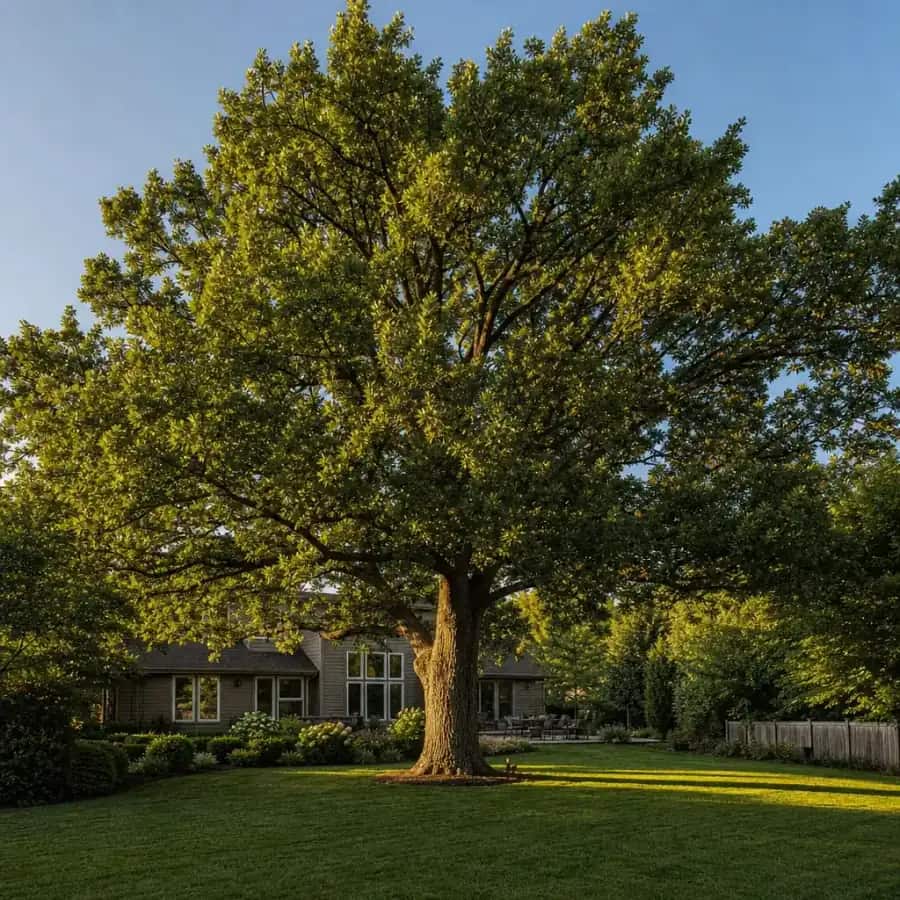
 Zones 3 to 8
Shade Trees
Bur Oak
$490
Shop large, nursery-grown shade, privacy, flowering and fruit trees, delivered by freight in Twin Falls County. Every tree is matched to your hardiness zone and backed by our 1-Year Thrive Guarantee.
Enter your ZIP and we'll match trees to your exact growing zone.
Typical winter lows in Twin Falls County run about -10 to 5 F.
Matched to Twin Falls County's zones
Zones 3 to 8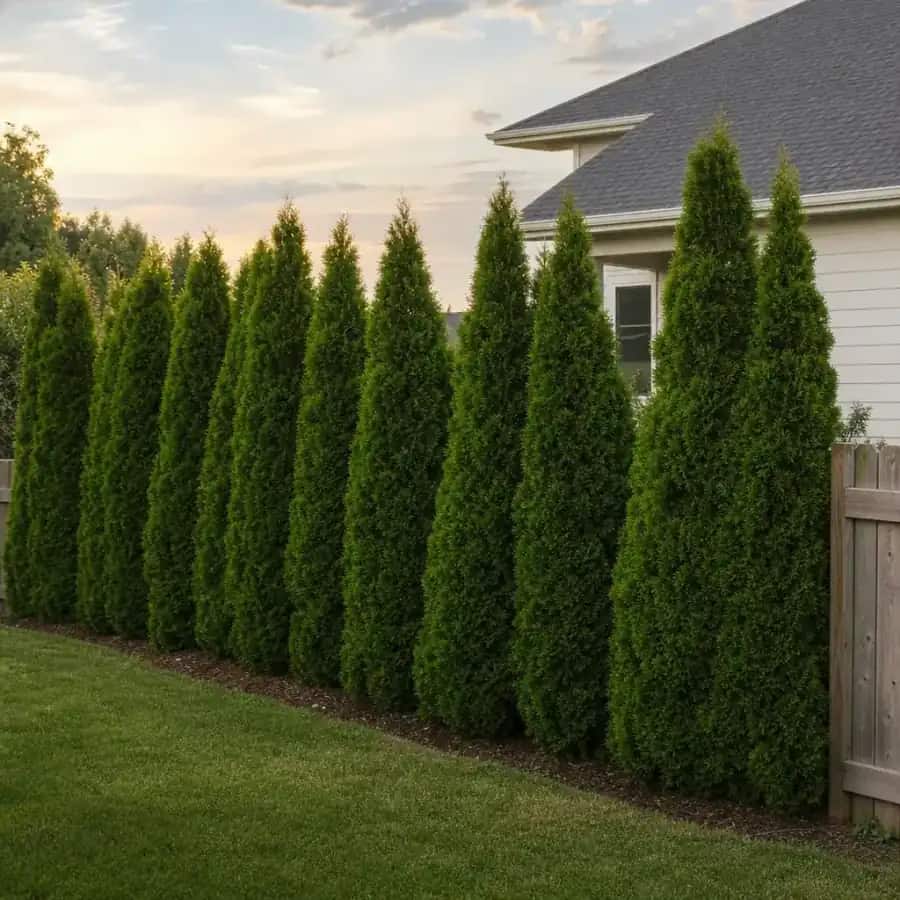 Zones 3 to 8
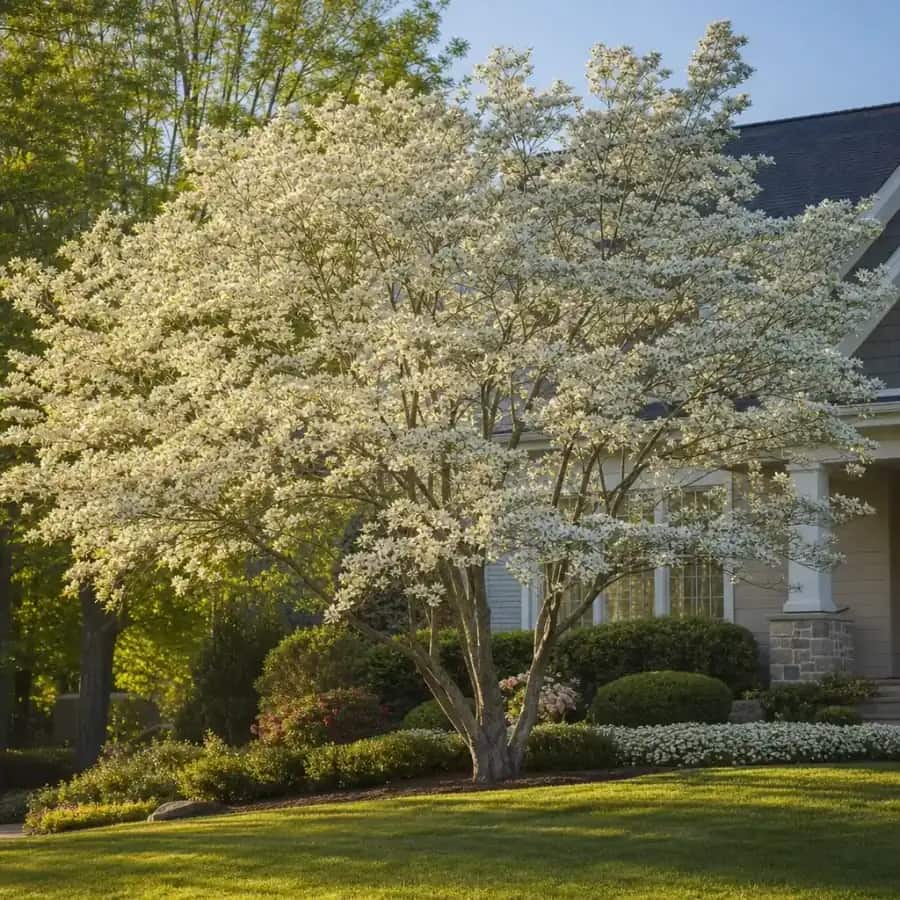 Zones 5 to 9
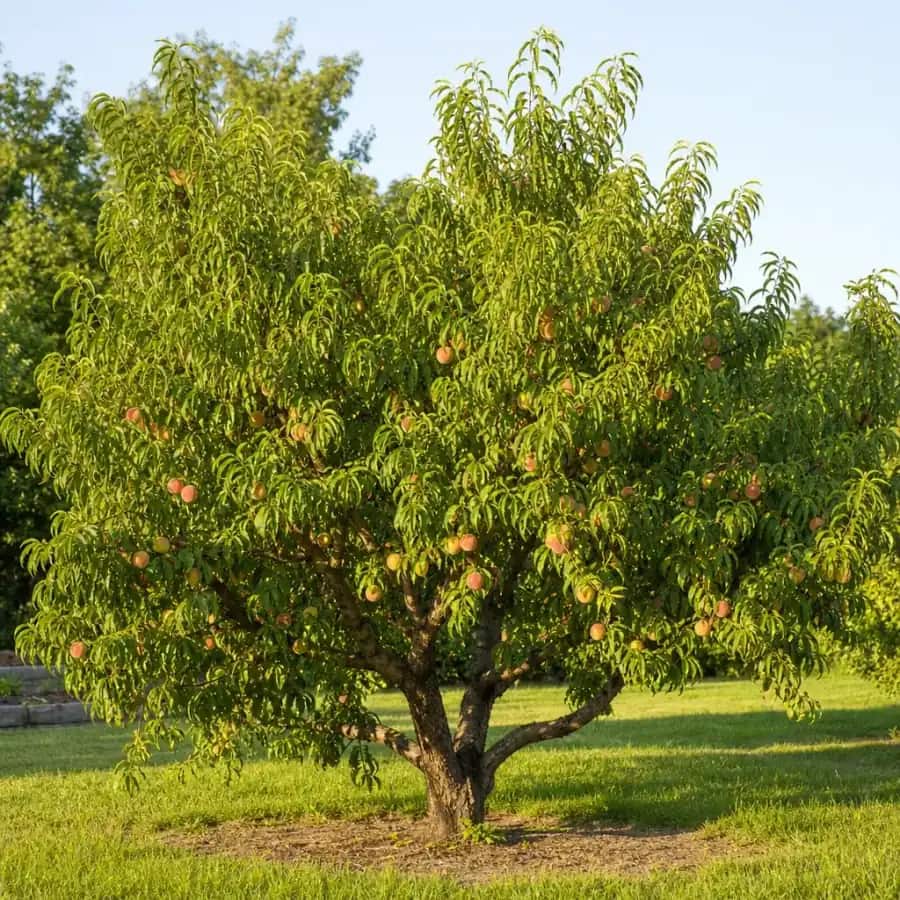 Zones 5 to 9
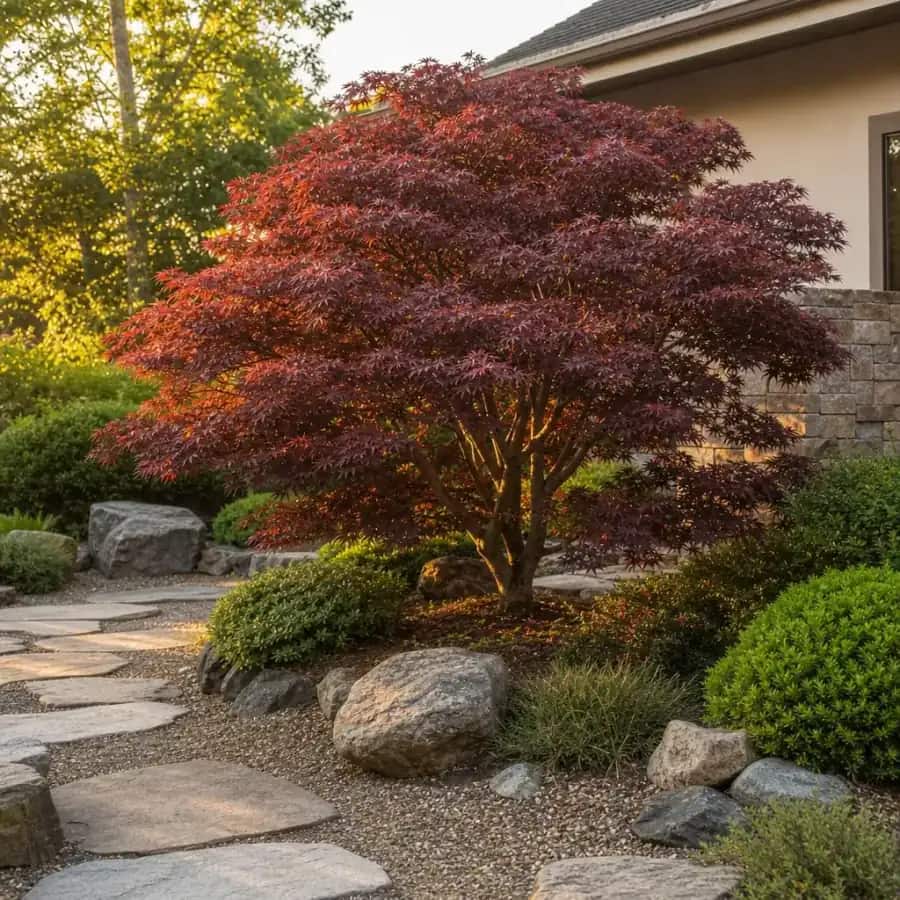 Zones 5 to 8
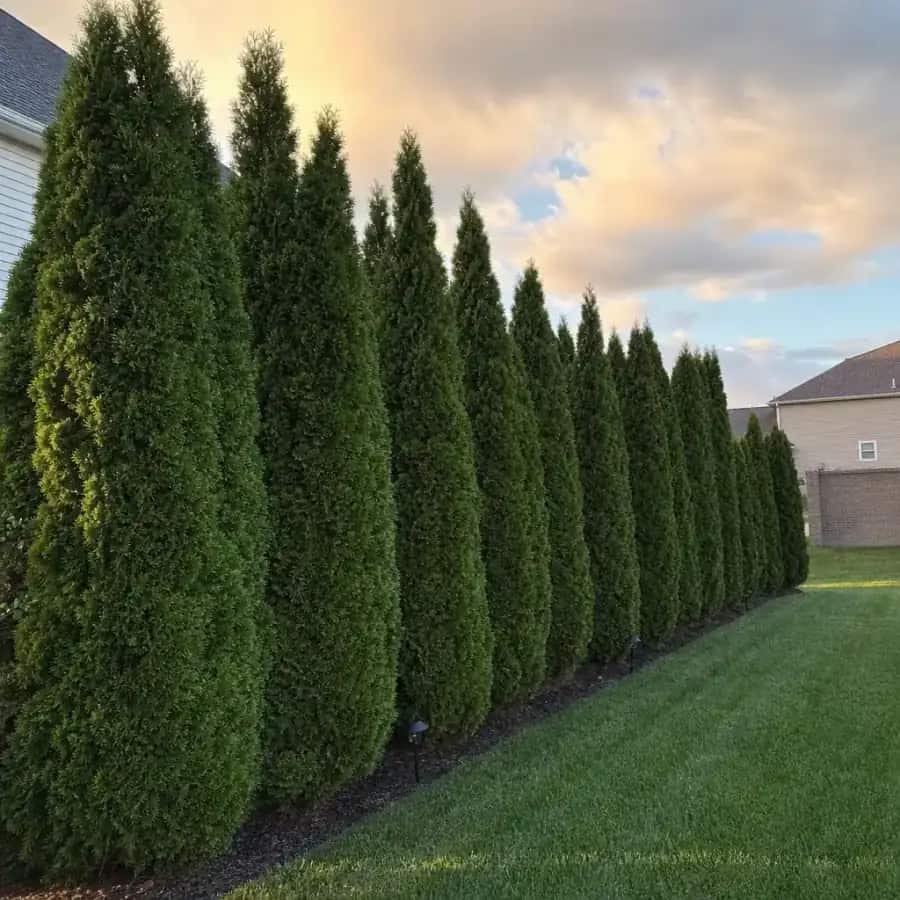 Zones 3 to 8
Shop by category
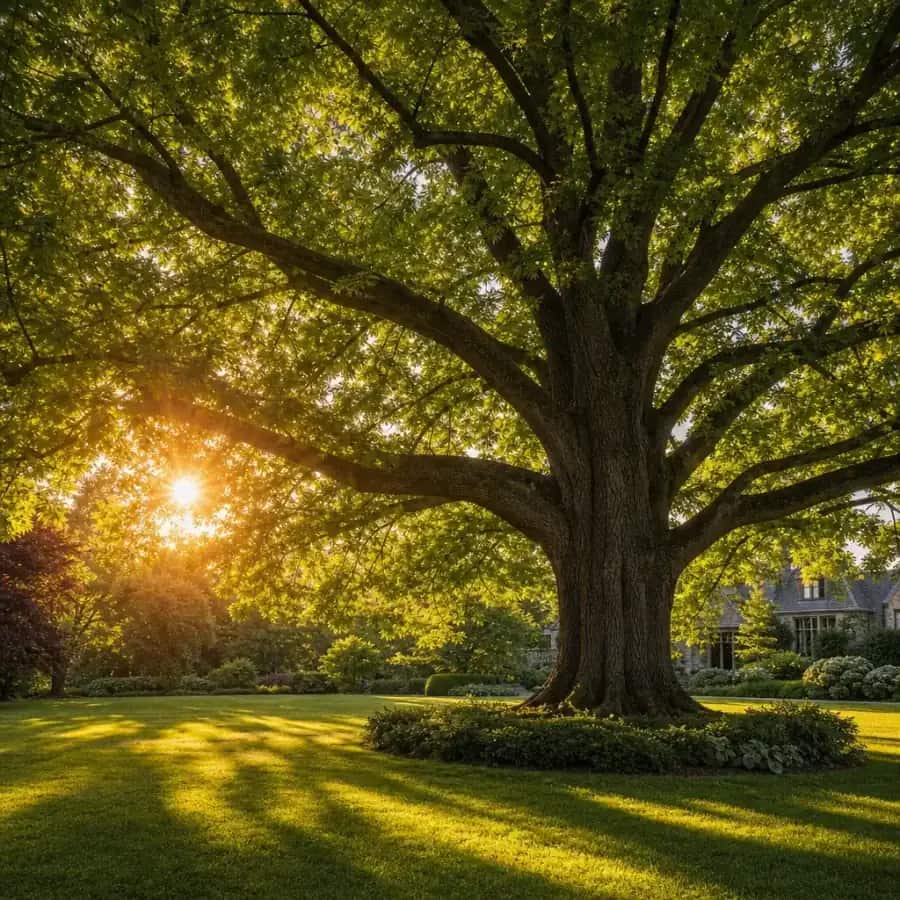 Shade TreesA Chinkapin Oak delivers broad summer shade that holds up through your cold winters.View all Shade Trees →
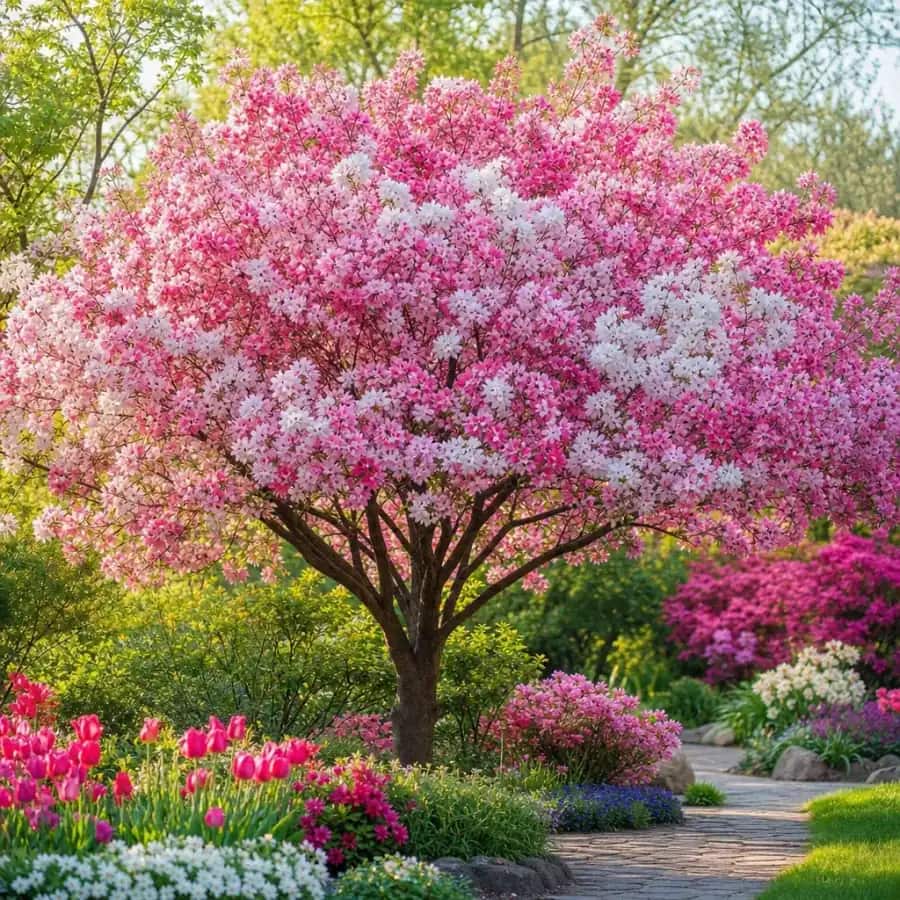 Flowering & OrnamentalTexas Redbud adds early spring color that returns reliably in zone 6.View all Flowering & Ornamental →
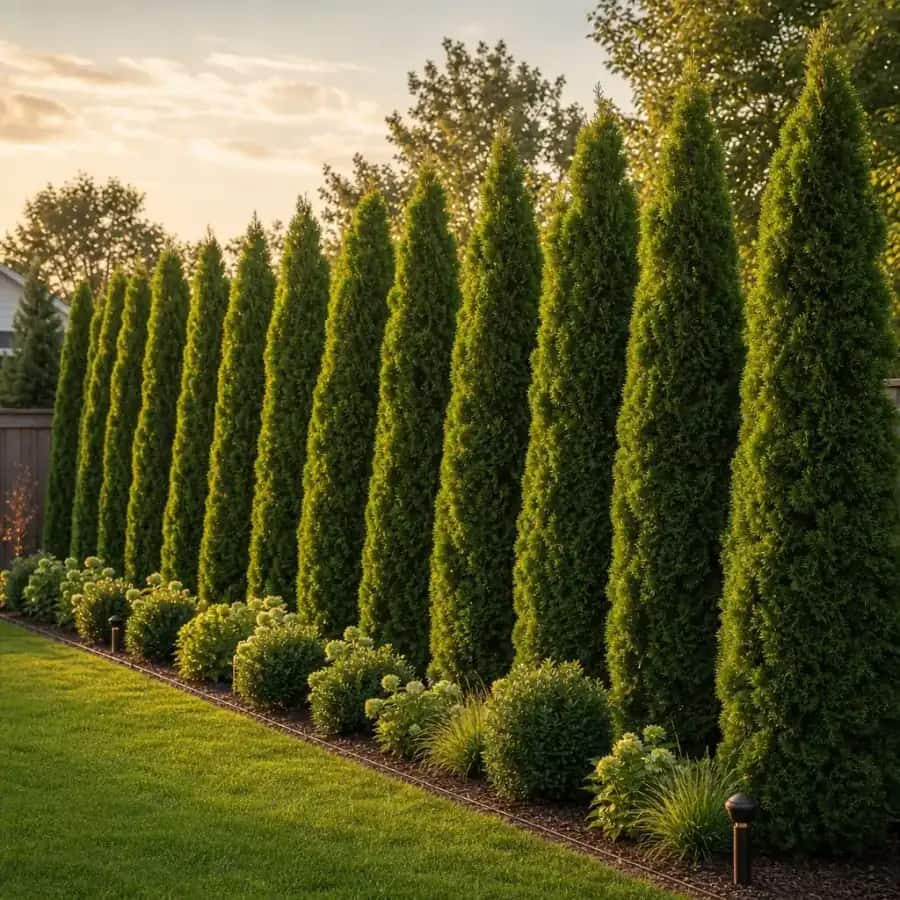 Evergreen & PrivacyEastern Redcedar provides dense year-round screening that laughs at your -10°F lows.View all Evergreen & Privacy →
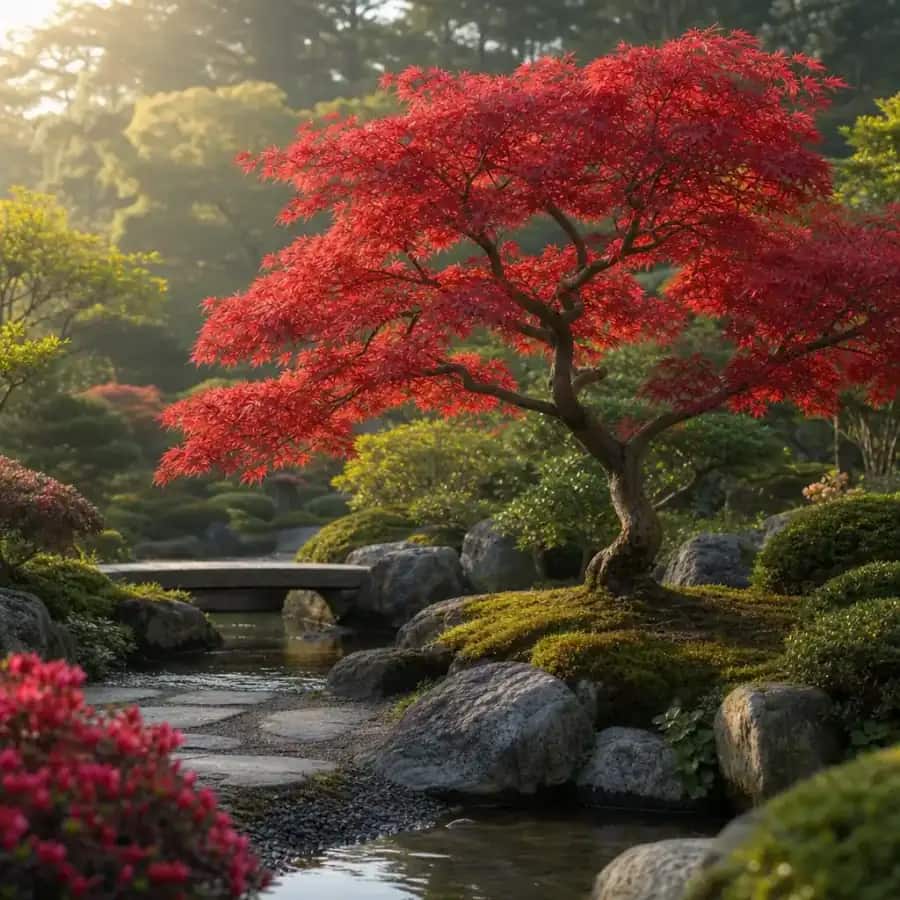 Japanese MaplesLiving sculpture in crimson, coral and lace.
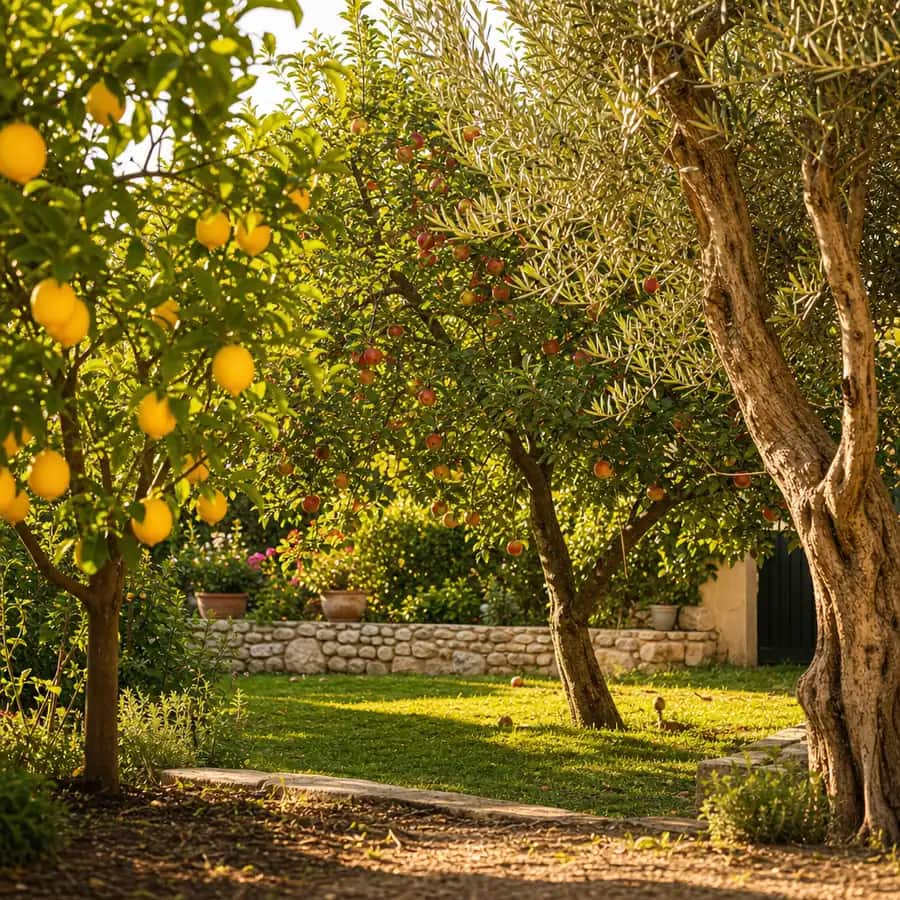 Fruit TreesHomegrown lemons, apples, figs, olives and more.View all Fruit Trees →
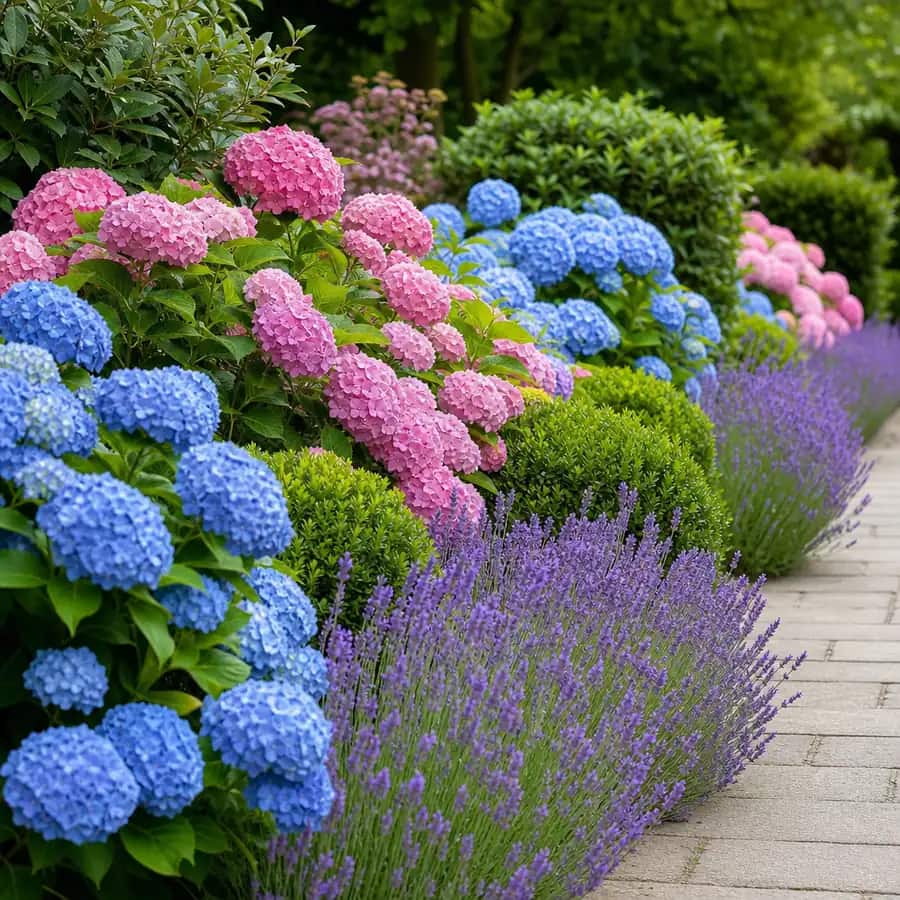 Shrubs & HedgesHydrangeas, hollies, lavender and living privacy.View all Shrubs & Hedges →
Local fit, from data
6a to 7a
about -10 to 5 F
9
Twin Falls
Shade, privacy, and fruit trees in Twin Falls County, Idaho (ID) need to handle winter lows that dip to -10°F. Arbor Buddy sends large nursery-grown trees by freight, each matched to your yard's hardiness zone 6a to 7a. Homeowners and contractors get trees that thrive here, not just survive.
Twin Falls County spans zone 6a to 7a across its 9 ZIP codes. The coldest band, 6a, sees winter lows around -10°F to -5°F. That rules out tender species like most citrus and subtropicals. The warmer 7a pockets, mainly around Twin Falls itself, offer a slight buffer, but the majority of the county stays in zone 6 territory.
Typical winter lows run about -10°F to 5°F. Summers are dry and hot, with low humidity. That favors trees that handle both cold snaps and drought. Shade trees like the Cedar Elm and oaks thrive here. Evergreens such as Eastern Redcedar and Blue Atlas Cedar also perform well, as they tolerate dry air and alkaline soil common in the region.
When you shop for trees for zone 6 in Twin Falls County, focus on species that can handle the cold and need minimal summer water once established. Your yard benefits from trees that are zone-matched before they ship.
Many shade trees, evergreens, and fruit trees grow well in zone 6. Species like the Cedar Elm, Leyland Cypress, and Chicago Hardy Fig are all rated for zones that include 6a and 6b. They handle winter lows down to -10°F without damage.
Trees that thrive in zone 6a to 7a are your best bet. The featured six, Cedar Elm, Leyland Cypress, Wisteria Tree, Chicago Hardy Fig, Bing Cherry, and Blue Atlas Cedar, all match this county's climate. They handle the typical winter lows of -10°F to 5°F.
Yes. Cold-hardy fruit trees like the Chicago Hardy Fig and Bing Cherry perform well here. The fig is self-fertile and sweet; the cherry needs a pollination partner. Both survive zone 6 winters with proper siting.
Arbor Buddy replaces any tree that dies during its first year in your ground, no questions asked. It covers all causes, from weather to pests. You get a free replacement shipped when the next planting window opens.
Pick a tree that fits your yard goal and your climate. Arbor Buddy ships zone-matched trees directly to Twin Falls County. The 1-Year Thrive Guarantee means you can order now and plant with confidence. Start your Twin Falls County order today.
Multnomah County, Oregon (OR) sits in zone 8b to 9a with winter lows of 15°F to 25°F. That warmer climate allows Japanese maples to thrive with less winter dieback. In Twin Falls County, Japanese maples need sheltered spots and can be lost in a harsh winter. In practice, buyers here lean toward cold-hardy deciduous trees like the Cedar Elm or native oaks for reliable shade.
Wake County, North Carolina (NC) lies in zone 8a with winter lows of 10°F to 15°F. That zone supports palms and tropical-looking plants such as the Windmill Palm. Your county's zone 6a to 7a winters are too cold for those. For your cart, that means sticking with evergreens like Eastern Redcedar or Blue Atlas Cedar that handle below-zero temps.
McKenzie County, North Dakota (ND) falls in zone 4a with winter lows of -30°F to -25°F. That extreme cold rules out most fruit trees and many flowering ornamentals. Your Twin Falls County winters are mild by comparison. That gap changes the local shortlist to include fruit trees like Chicago Hardy Fig and Bing Cherry, which would not survive a McKenzie County winter without heavy protection.
For your Twin Falls County yard, the practical takeaway: you can grow a wider palette than northern plains counties, but you still need to avoid tropical or marginal species that demand zone 8 or warmer.
Arbor Buddy ships large nursery-grown trees by freight directly to your property in Twin Falls County. Every tree is matched to your hardiness zone before it leaves the nursery. Deliveries into zone 6 land in spring or fall, the two planting-friendly stretches. You get a tree at a usable landscape size, not a whip or a tiny sapling.
Before delivery day, check:
Your purchase is backed by a 1-Year Thrive Guarantee. If the tree dies from any cause during its first year, Arbor Buddy will replace it free. That takes the risk out of ordering online.
Enter your ZIP, shop only what thrives in your zone.
Freight delivery to your address: $149 flat per order, shown at checkout.
Plant it, watch it thrive, covered for one year.
Good to know · Growing guide
Coverage runs a full year from delivery. If something goes wrong, contact the team and they arrange the replacement. No store-credit games, no fine-print maze.