Skip to content
USDA zones 5b to 7a

Large Trees Shipped to Illinois (IL)

Shop large, nursery-grown shade, privacy, flowering and fruit trees, delivered by freight across Illinois. Every tree is matched to your hardiness zone and backed by our 1-Year Alive & Thrive Guarantee.

See what thrives at your address

Enter your ZIP and we'll match trees to your exact growing zone.

Typical winter lows in Illinois run about -15 to 5 F.

1-Year Guarantee

Alive & Thrive promise

Freight Delivery

Quoted at checkout

Nursery-Grown

Shipped at landscape size

Zone-Matched

Only what thrives near you

Matched to Illinois's zones

Featured trees for Illinois

6 landscape-grade picks covering shade, privacy, color and fruit, all hardy in Illinois's zones. Prices and stock shown live.

Shop by category

Browse everything that thrives in Illinois

Every category below is stocked with trees rated for Illinois's zones. Tap a bestseller or view the full range.

Choosing trees by goal

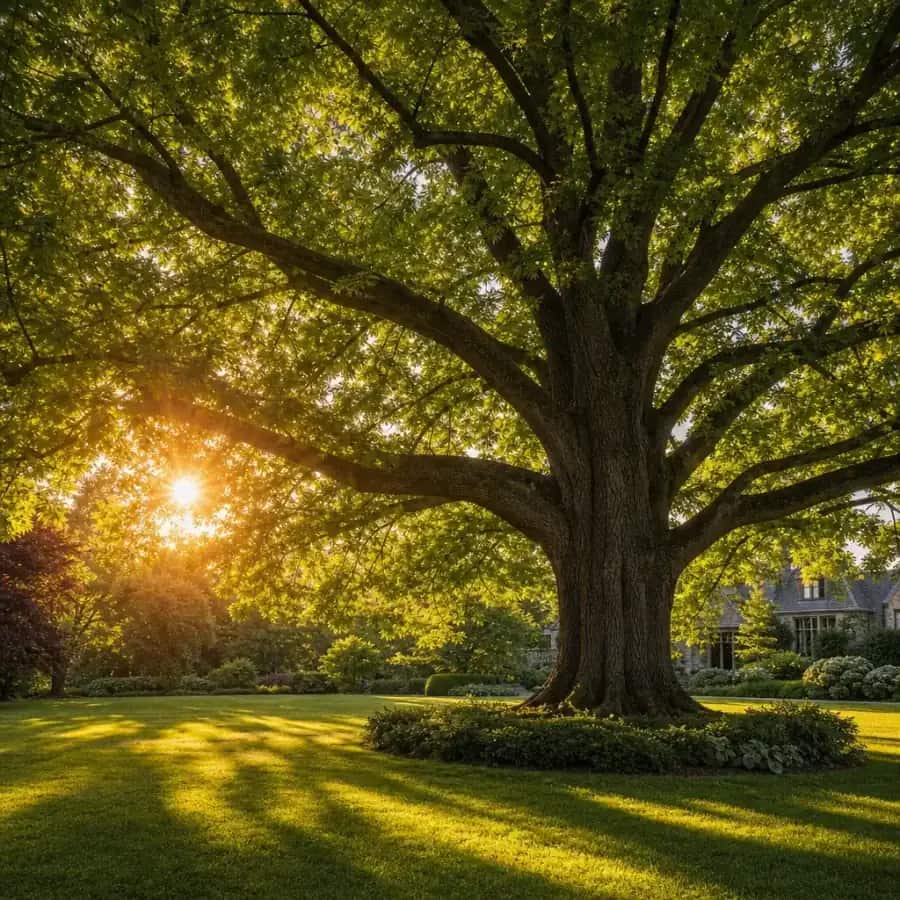
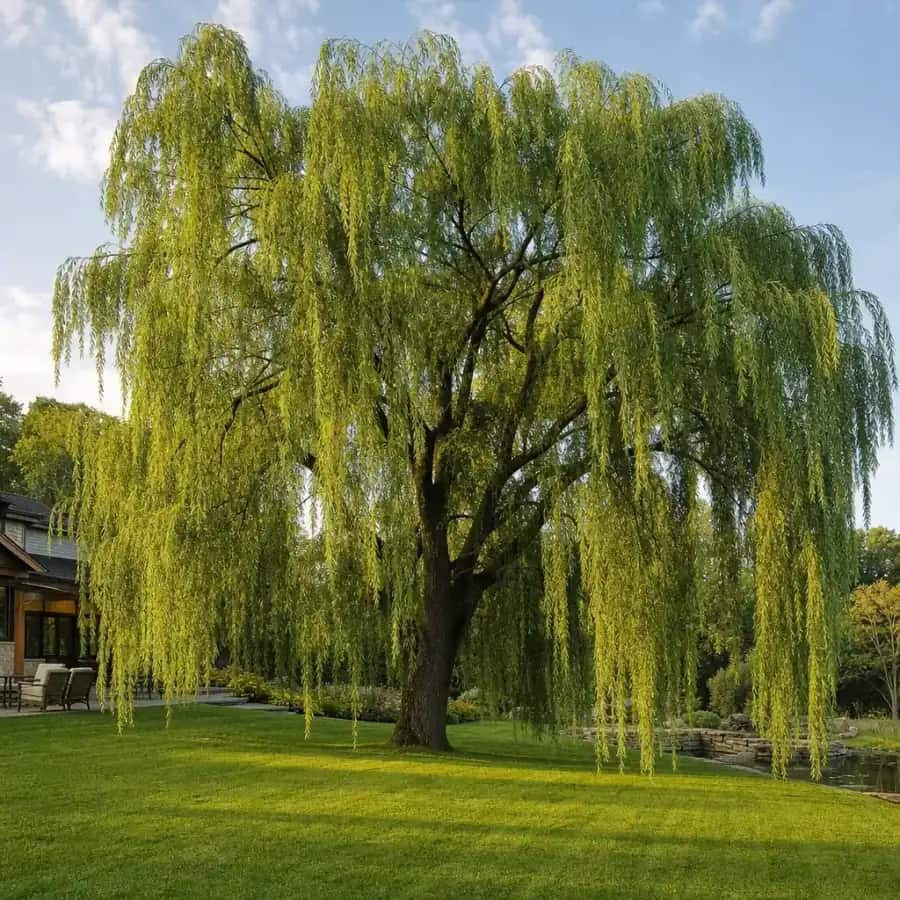
Shade and canopy. Chinkapin Oak or Shumard Oak. Both drop leaves in fall, so expect raking. They need room to spread 40 to 60 feet wide over time.

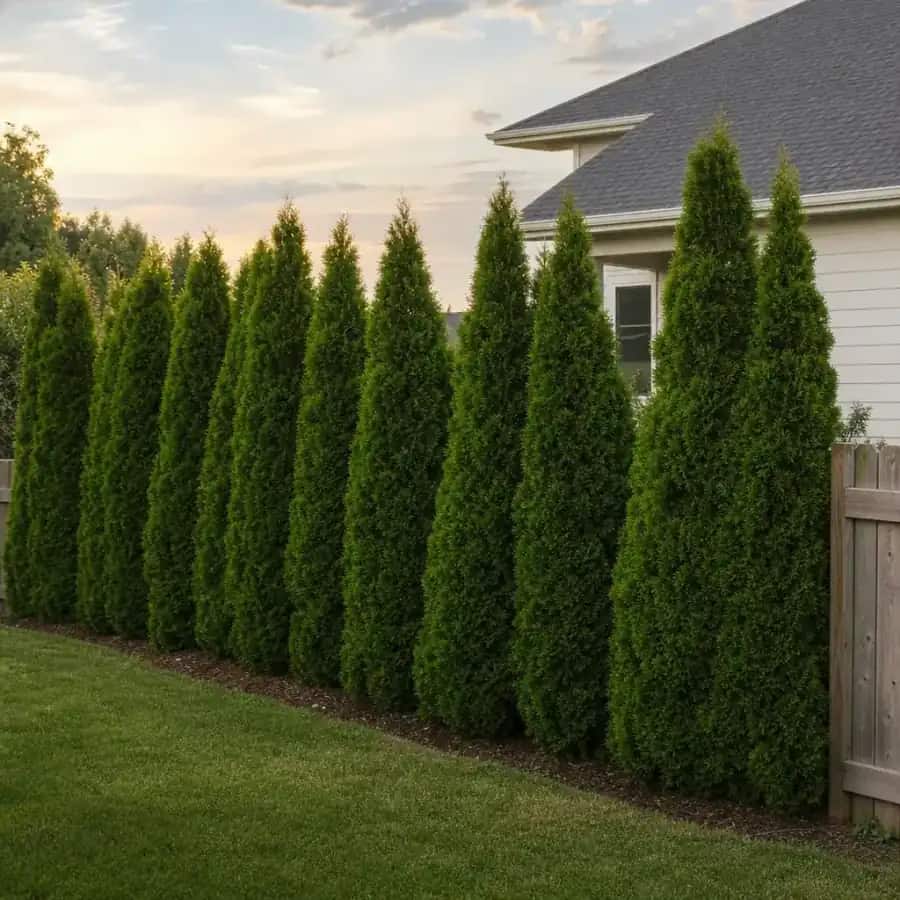
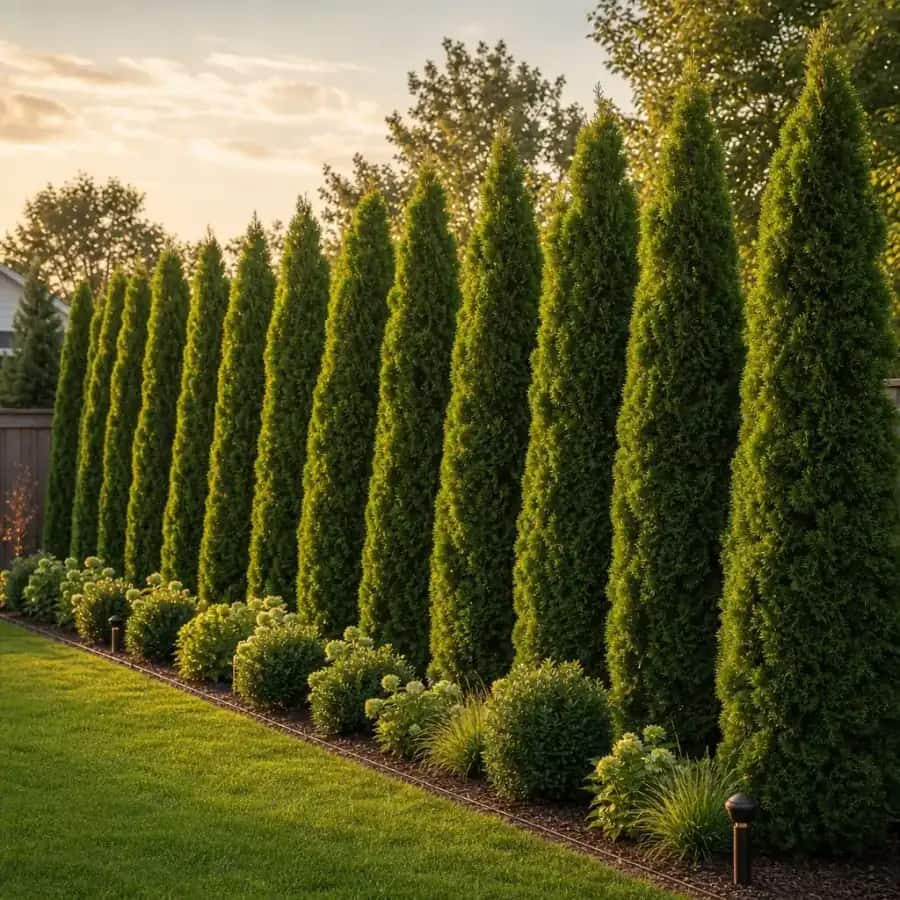
Privacy and screening. Skyrocket Juniper or other narrow evergreens. You may need several spaced 4 to 6 feet apart for a solid screen. They grow slowly but hold their shape.

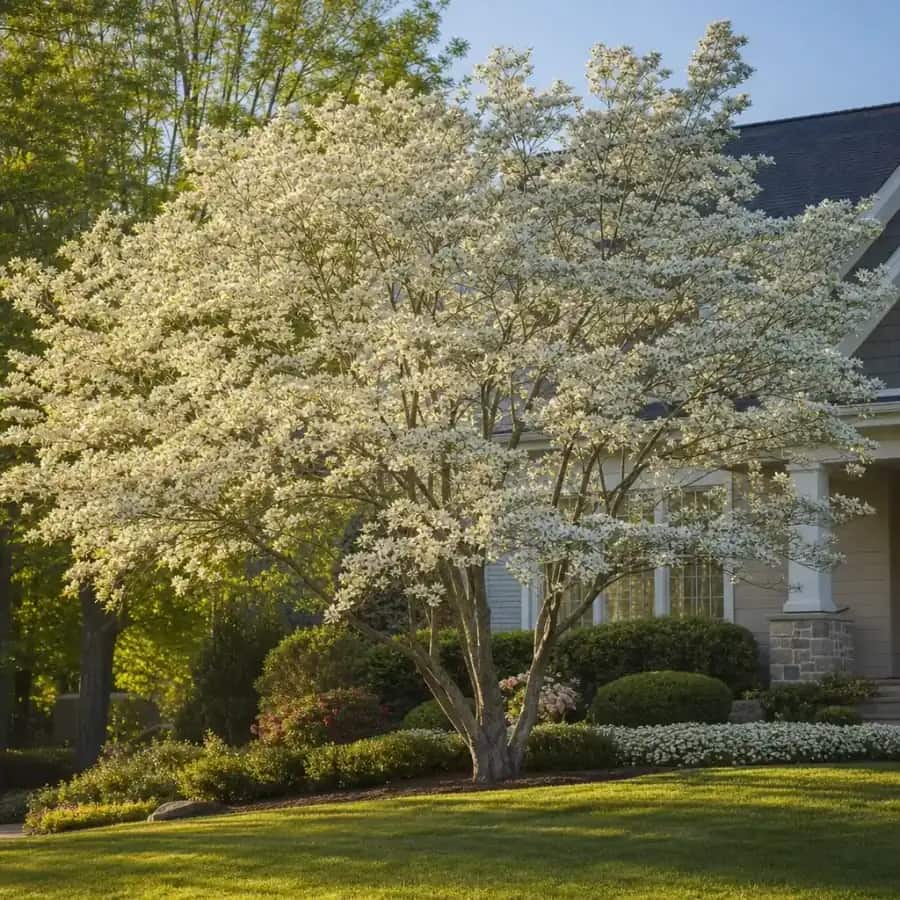
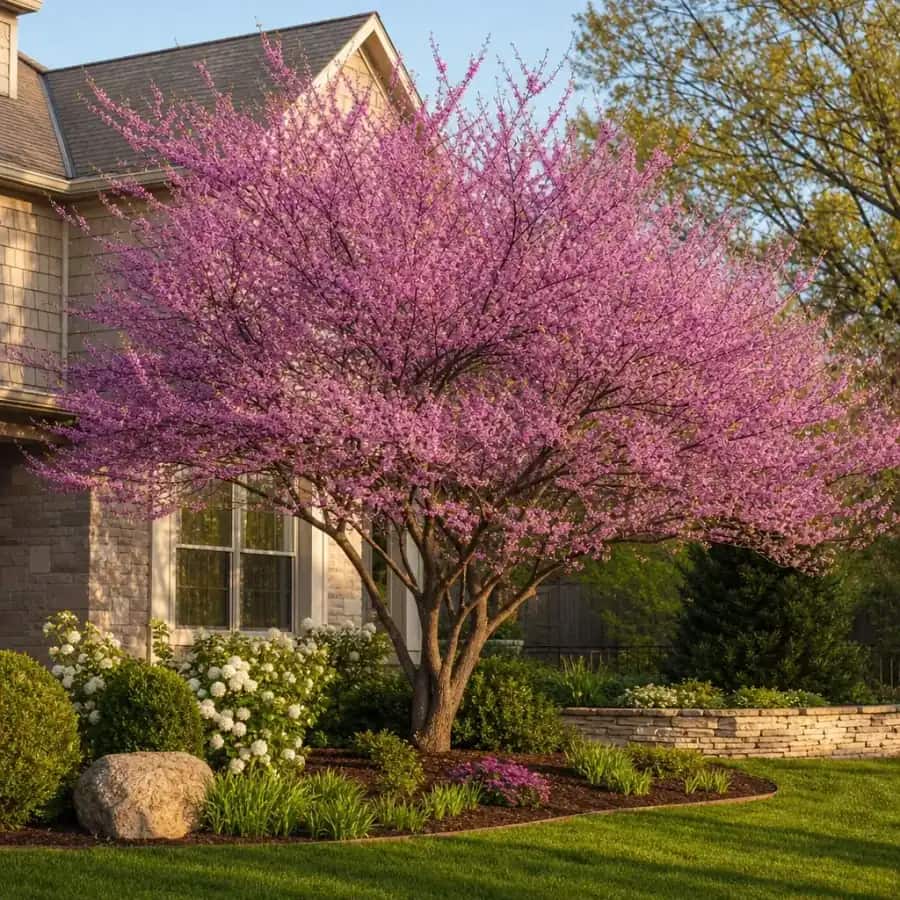
Flowering and curb appeal. Mexican Plum or other zone 6 spring bloomers. Some flowering trees need full sun to bloom heavily. Check for late frosts that can damage early buds.

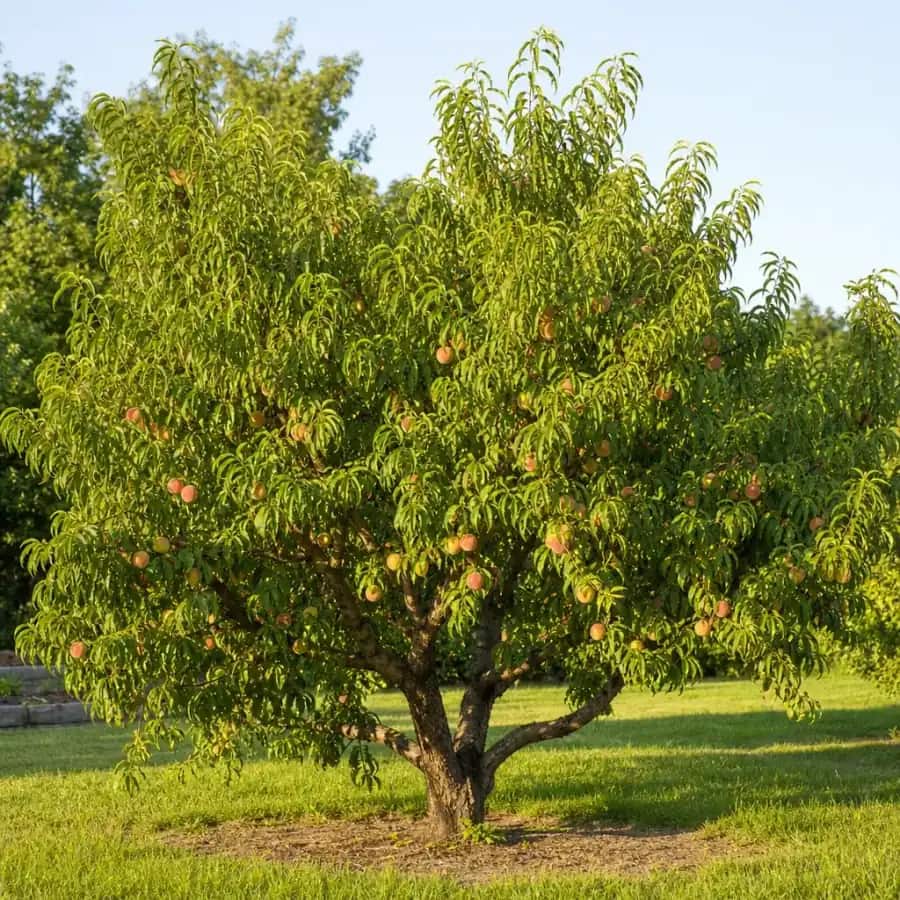
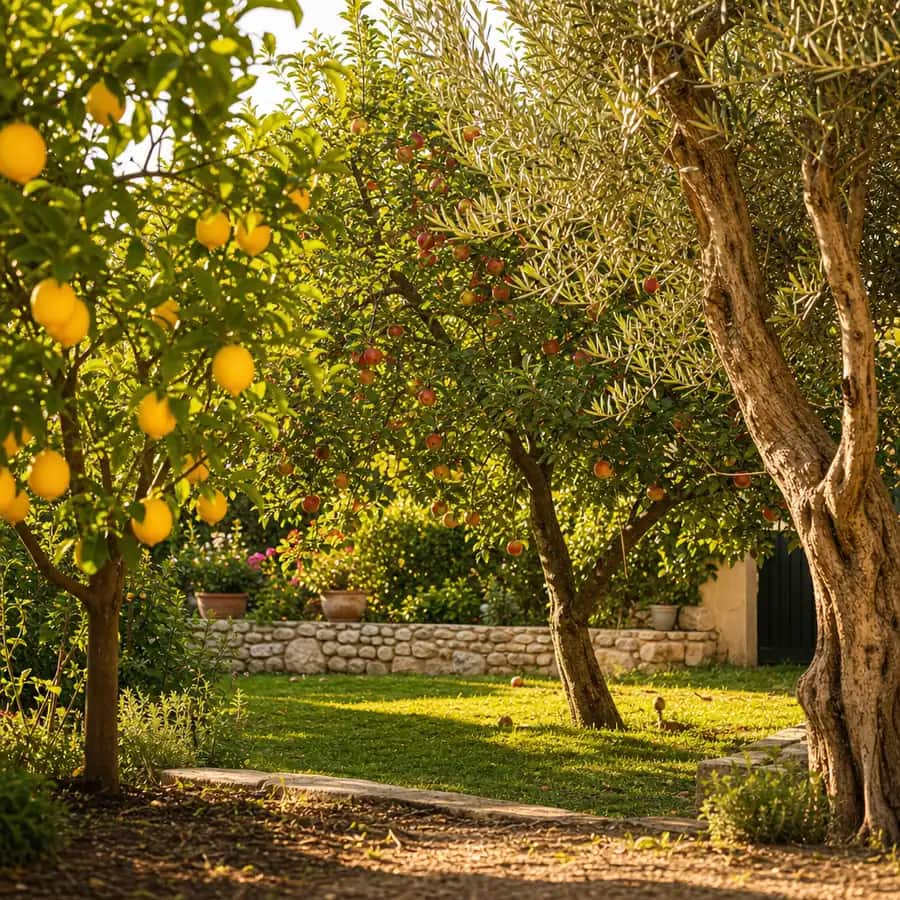
Grow your own fruit. Elberta Peach Tree. Peaches require a sunny spot with good drainage and may need winter wrapping in colder 5b parts of the state.

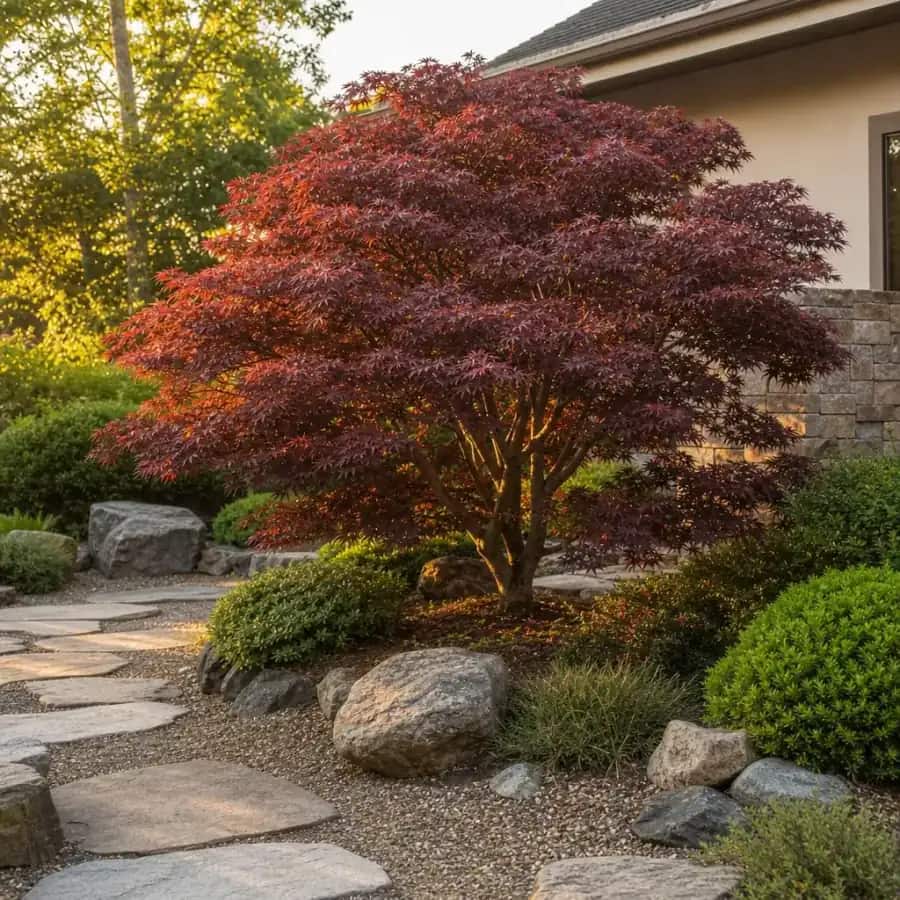
Small spaces and accents. Viridis Japanese Laceleaf Maple. Shorter lived than oaks, but its compact form stays under 10 feet tall, perfect for patios or entry gardens.

Local fit, from data

Trees by zone across Illinois

Illinois is not one climate. Your ZIP decides the list; these are the bands we ship into.

Zones 5a to 5b

Cold-hardy structure

The coldest corners need cold-proof oaks, maples and junipers; tender palms and citrus are out.

about 31% of IL ZIP codes

Zones 6a to 7a

Heat-first picks

The warmest yards reward drought-tolerant shade, long-season bloomers and the heat-proof evergreens.

about 69% of IL ZIP codes

Looking for trees for sale in Illinois that can handle winter lows down to -15 degrees and still thrive in your summer heat? Arbor Buddy is a delivery only vendor that ships large, nursery grown landscape trees by freight. We match every tree to your USDA hardiness zone, so you only see picks that survive where you live. Our lineup includes shade trees, flowering ornamentals, evergreens, Japanese maples, and fruit trees all pre screened for Illinois's zone 5b to 7a climate.

Climate and Hardiness Zone Fit in Illinois

Illinois spans USDA hardiness zones 5b to 7a, which means winter lows can bottom out at -15 degrees Fahrenheit in the north and rarely dip below 5 degrees in the south. The coldest band, 5b to 6a, covers about 72 percent of the state's ZIP codes, including most of the Chicago area and central Illinois. The core zone 6b accounts for 17 percent, and the warmest 7a area, roughly 11 percent, hugs the southern counties along the Mississippi and Ohio rivers.

For trees for zone 6 in Illinois, you can choose from a wide palette of deciduous shade trees, flowering ornamentals, and cold hardy evergreens. The northern 5b to 6a band rules out borderline species like live oaks and some citrus relatives, but it's perfect for oaks, plums, and maples. The warmer 7a southern tip allows a few extra options like certain fruit trees and more tender Japanese maples, provided they're planted in protected spots.

Heat and humidity pose a bigger challenge than cold for some trees. Species that need dry, desert summers may struggle here, while native and adaptive picks like Chinkapin Oak and Mexican Plum handle both the muggy summers and icy winters without issue. Always check your exact zone when ordering to ensure your tree is matched to your local microclimate.

Shop Trees by Category in Illinois

  • Shade Trees: Large canopy trees that cool your home and create a focal point, like Chinkapin Oak and Shumard Oak.
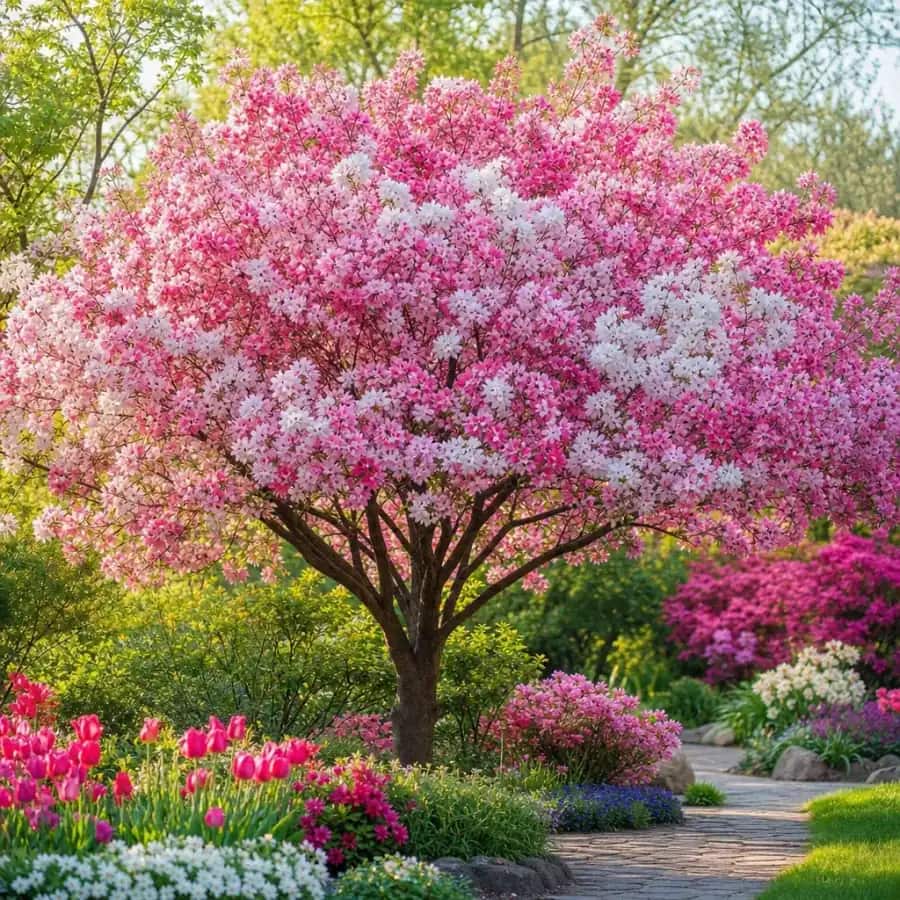
  • Flowering & Ornamental: Spring blossoms and fall color in one package, ideal for curb appeal across Illinois zones.
  • Evergreen & Privacy: Year round screening with narrow growers that fit suburban lots, even in colder 5b areas.
  • Japanese Maples: Delicate laceleaf forms that add year round interest in sheltered, partly shaded spots.
  • Fruit Trees: Homegrown peaches, apples, and figs that produce sweet harvests when planted in the right microclimate.
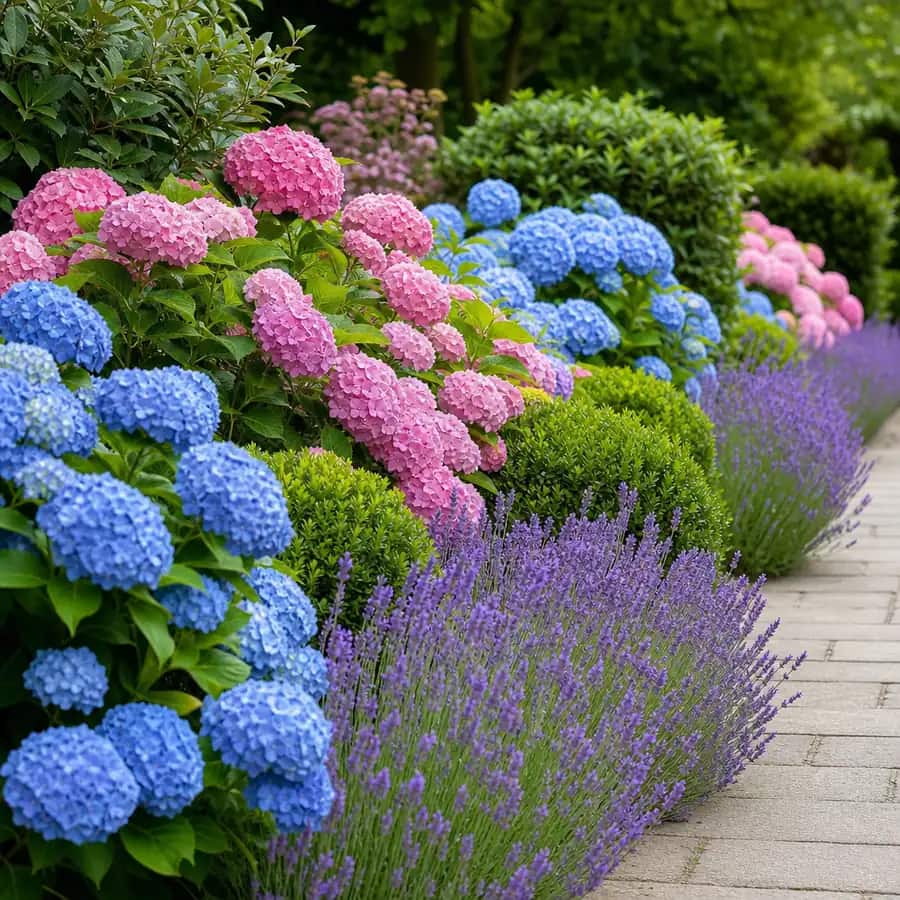
  • Shrubs & Hedges: Low maintenance borders and foundation plants that handle Illinois's freeze thaw cycles.

Frequently Asked Questions

How do you make sure a tree will survive in my area?

We match every tree to your USDA hardiness zone before you even see it in the catalog. For Illinois, that means we only show trees that thrive in zones 5b to 7a, so species like the Chinkapin Oak and Mexican Plum are pre screened. Our 1 Year Alive & Thrive Guarantee covers you if something unexpected happens in the first year.

What trees grow fastest in Illinois?

Shumard Oak and certain hybrid poplars are among the quickest growers for Illinois. The Shumard Oak can add 2 to 3 feet per year once established, making it a smart choice for shade in zone 6 areas where you want results fast.

What size do the trees arrive at?

Your tree ships at a nursery grown landscape size, which means it's large enough to make an immediate visual impact but still small enough to transplant easily. We don't ship tiny saplings; you get a tree that's several years old and ready to establish in your yard.

How are large trees shipped, and what should I expect on delivery?

Large trees travel via freight truck on a pallet, with the root system protected and the top secured. A standard delivery requires someone to be home to accept the shipment. The driver will unload the tree at the curb or as close as the truck can safely reach. Expect to move it to your planting spot yourself or with help.

See What Grows in Your Zone

Your zip code decides which trees will thrive in your Illinois yard. Shade, privacy, flowering, fruit, and accent trees are all available, and each one is backed by our 1 Year Alive & Thrive Guarantee. Browse the trees matched to your hardiness zone and order online from Arbor Buddy today.

How Illinois Compares to Oregon

Oregon sits in zones 6a to 9a, with typical winter lows between -10 and 25 degrees Fahrenheit. That means Oregon's climate stays milder overall, especially along the coast, allowing gardeners there to grow a wider range of evergreens, magnolias, and citrus hardy trees that struggle in Illinois. By contrast, Illinois's colder 5b to 7a range rules out many subtropical species but favors tough native oaks, maples, and cold tolerant fruit trees like the Elberta Peach. The choice of tree shifts from what can handle a humid summer and a deep freeze here to what can thrive in a wetter, warmer winter there. For Illinois buyers, the takeaway is simple: stick with trees proven in zone 6 and below, and you'll get a landscape that lasts through our harshest winters.

Freight delivery and the Alive & Thrive Guarantee

Arbor Buddy ships large, nursery grown trees by freight truck directly to your Illinois address. Every tree arrives at a usable landscape size, already bare root or container grown, and zone matched before it leaves our nursery. We back every order with a 1 Year Alive & Thrive Guarantee: if your tree doesn't survive its first year, we replace it free of charge. Zone 6 orders travel in the spring and fall windows on either side of summer to ensure the best planting conditions.

Before delivery day, check:

  • Someone must be home to receive the tree and inspect the package for damage before the driver leaves.
  • A freight truck needs clear street access with room to stop or turn around. Narrow, winding, or dead end roads may require curbside drop instead of driveway delivery.
  • Tell the driver where you want the tree placed, usually at the curb or as close as safety allows. Avoid spots near low power lines or overhanging branches.
  • Check for long or steep driveways, soft ground after rain, and any gates that might block the truck. The driver will move the tree off the truck but cannot carry it far from the curb.
1

Enter your ZIP, shop only what thrives in your zone.

2

Freight delivery to your address, quoted at checkout.

3

Plant it, watch it thrive, covered for one year.

Not sure which tree fits your yard?

Take the 60-second Plant Finder, or message a tree specialist and we'll shortlist zone-safe picks for your address.

Good to know · Growing guide

Buying trees in Illinois: what locals should know

Ordering a large tree online is not like ordering a lamp. Here is what is worth knowing before you buy, from reading your hardiness zone to what actually shows up on the truck.

How to read your hardiness zone

Illinois sits in USDA zones 5b to 7a. Your zone describes the coldest winter a tree can reliably survive. In a mid-country climate you get the widest catalog: most shade, flowering and evergreen trees qualify, and the filter mostly guards the borderline picks.

Typical winter lows here run about -15 to 5 F. Half-zones matter at the edges: two steps on the map are about five winter degrees, which is enough to decide whether a borderline pick belongs in your cart.

Pick the job first, then the tree

The buyers who end up happiest start from what the yard needs, not from a species name. Shade oaks and maples, redbuds, crape myrtles and most evergreens all thrive here, so the shortlist usually comes down to the job you need done.

CategoryStrongest atKeep in mind
Shade treesFast canopy that cuts summer cooling loadDrop their leaves each fall
Evergreen & privacyYear-round screening along lines and poolsNarrower habit, so a screen takes several
Flowering & ornamentalWeeks of seasonal color and curb appealLess structure than a full shade tree
Fruit treesApples, plums, figs and other backyard fruit do well; citrus stays indoors or on wheels.Want the warmest suitable spot in the yard
Japanese maples & accentsCourtyards, entries, and tight cornersHappiest out of the harshest afternoon sun
Ornamental grassesTexture and movement on very little waterSoftest structure of the group

Category cheat sheet for Illinois yards. Zone fit varies by product; every listing shows its own range.

When your tree ships

Orders to this zone band are scheduled for fall and spring arrival windows, when planting weather is on your side. The calendar follows your zone rather than your checkout date, and the Alive & Thrive Guarantee covers the first year either way, so ordering early never shortens your protection.

What freight delivery actually means

Your tree arrives large, nursery-grown and at a usable landscape size, secured to a pallet and delivered curbside or as close as the truck can safely get. Before delivery day, run through this quick checklist:

  • Someone can be home to receive the tree and look it over on arrival.
  • A freight truck can reach your street, with room to stop or turn around.
  • You know where you want it dropped: curbside, or as close as the driver can safely get.
  • Access watch-outs are handled: narrow driveways, soft ground after rain, low branches or wires.

How zone matching works on this site

Enter your ZIP and we look up your USDA zone, then show only trees rated to thrive in it. Every product page lists its own zone range, so you can double-check any pick against your number. Torn between two candidates? The 60-second Plant Finder narrows the field by your space, sun and goal.

The guarantee, in plain terms

If a tree does not survive its first year, we replace it free. The promise works because every tree ships zone-matched and nursery-grown, so it arrives set up to succeed in your climate rather than gambling against it.

Coverage runs a full year from delivery. If something goes wrong, contact the team and they arrange the replacement. No store-credit games, no fine-print maze.

More growing guides on the Arbor Buddy blog →

Frequently asked questions

How do you make sure a tree will survive in my area?+

We match every tree to your USDA hardiness zone before you even see it in the catalog. For Illinois, that means we only show trees that thrive in zones 5b to 7a, so species like the Chinkapin Oak and Mexican Plum are pre screened. Our 1 Year Alive & Thrive Guarantee covers you if something unexpected happens in the first year.

What trees grow fastest in Illinois?+

Shumard Oak and certain hybrid poplars are among the quickest growers for Illinois. The Shumard Oak can add 2 to 3 feet per year once established, making it a smart choice for shade in zone 6 areas where you want results fast.

What size do the trees arrive at?+

Your tree ships at a nursery grown landscape size, which means it's large enough to make an immediate visual impact but still small enough to transplant easily. We don't ship tiny saplings; you get a tree that's several years old and ready to establish in your yard.

How are large trees shipped, and what should I expect on delivery?+

Large trees travel via freight truck on a pallet, with the root system protected and the top secured. A standard delivery requires someone to be home to accept the shipment. The driver will unload the tree at the curb or as close as the truck can safely reach. Expect to move it to your planting spot yourself or with help.

Ready to plant your Illinois yard?

Shade, privacy, flowering and fruit trees matched to Illinois's zones, shipped large and covered by the 1-Year Alive & Thrive Guarantee.

Browse trees for your zone