 Zones 4 to 9
Shade Trees
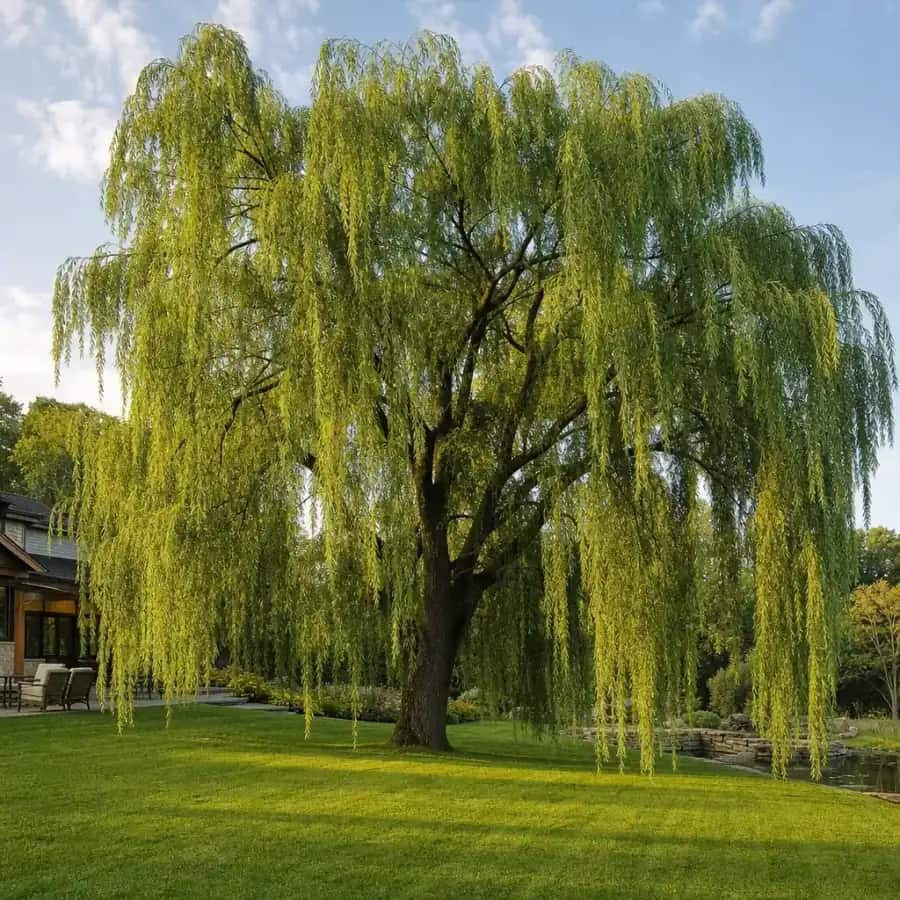
Weeping Willow
$40
Shop large, nursery-grown shade, privacy, flowering and fruit trees, delivered by freight in Metamora. Every tree is matched to your hardiness zone and backed by our 1-Year Thrive Guarantee.
Enter your ZIP and we'll match trees to your exact growing zone.
Typical winter lows in Metamora run about -10 to -5 F.
Matched to Metamora's zone
Zones 4 to 9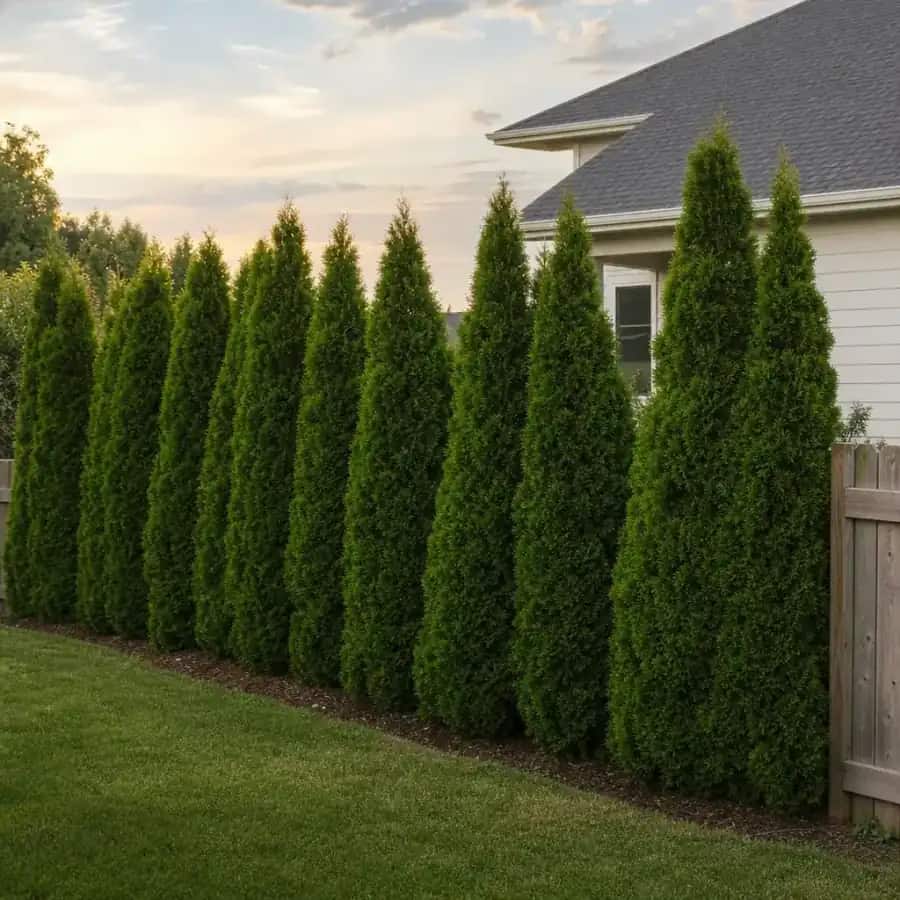 Zones 3 to 8
 Zones 4 to 9
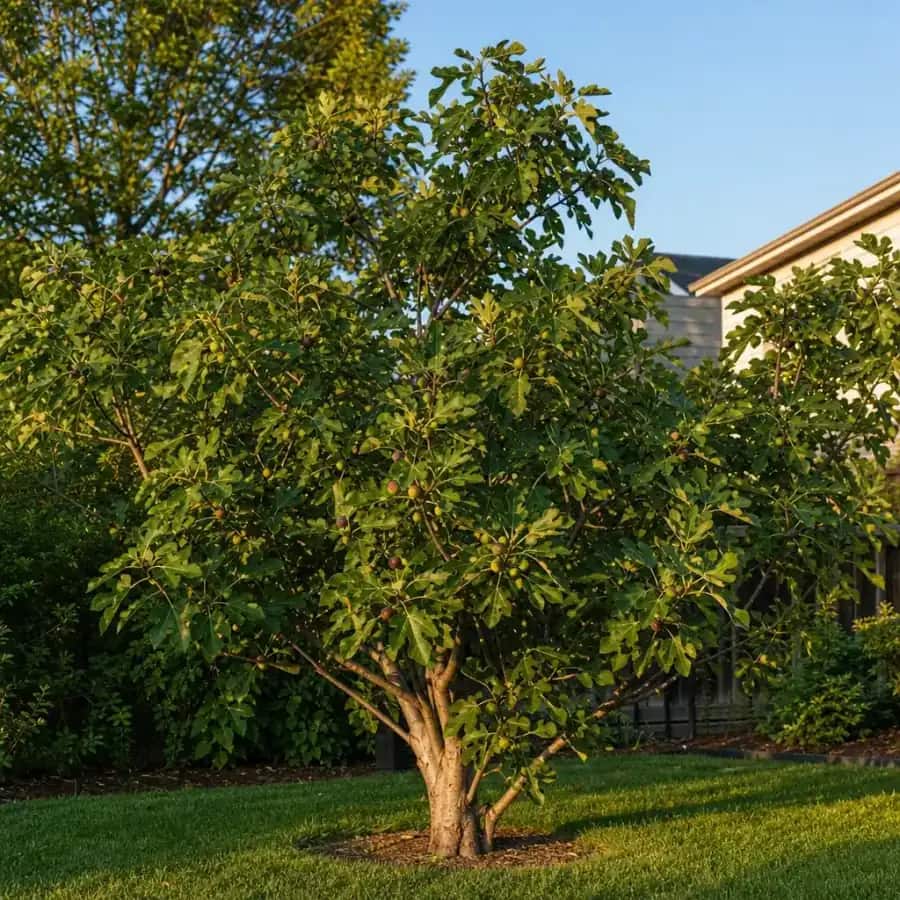 Zones 5 to 10
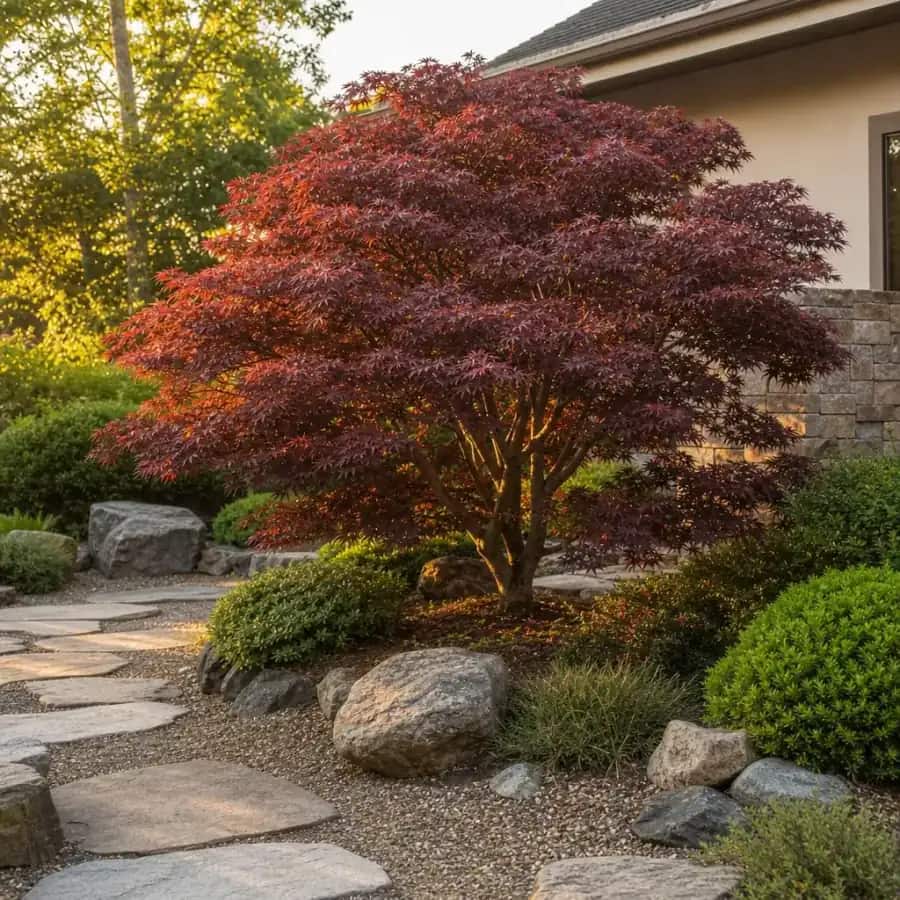 Zones 5 to 8
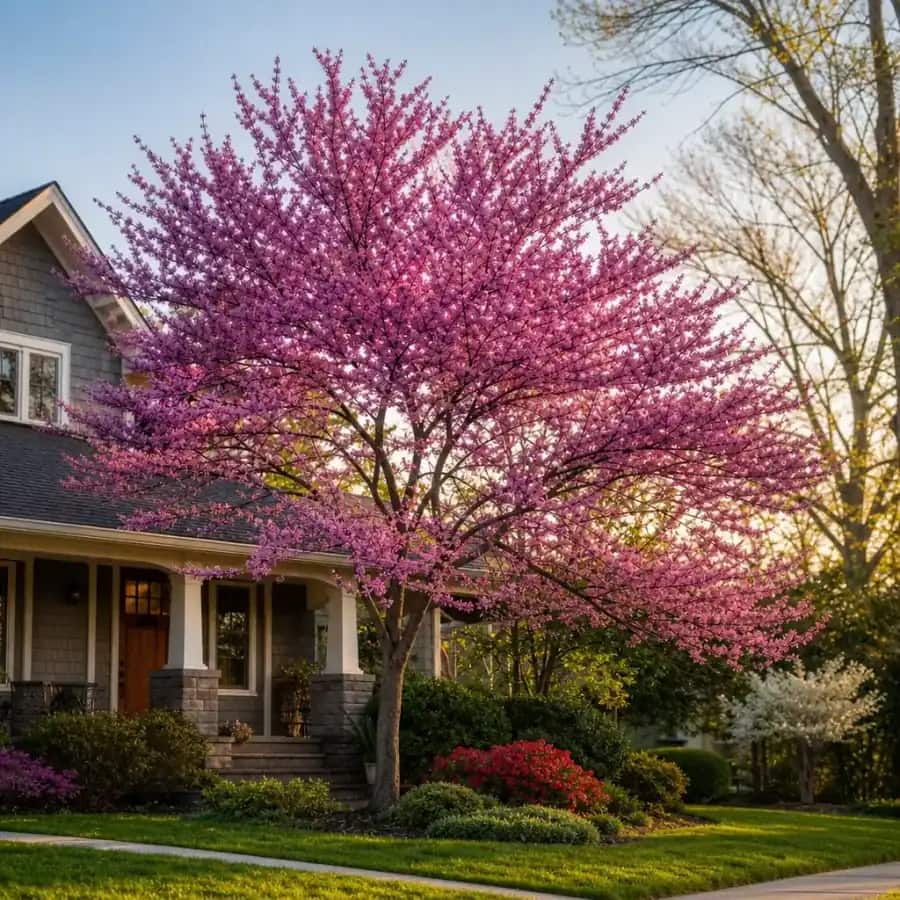 Zones 4 to 9
Shop by category
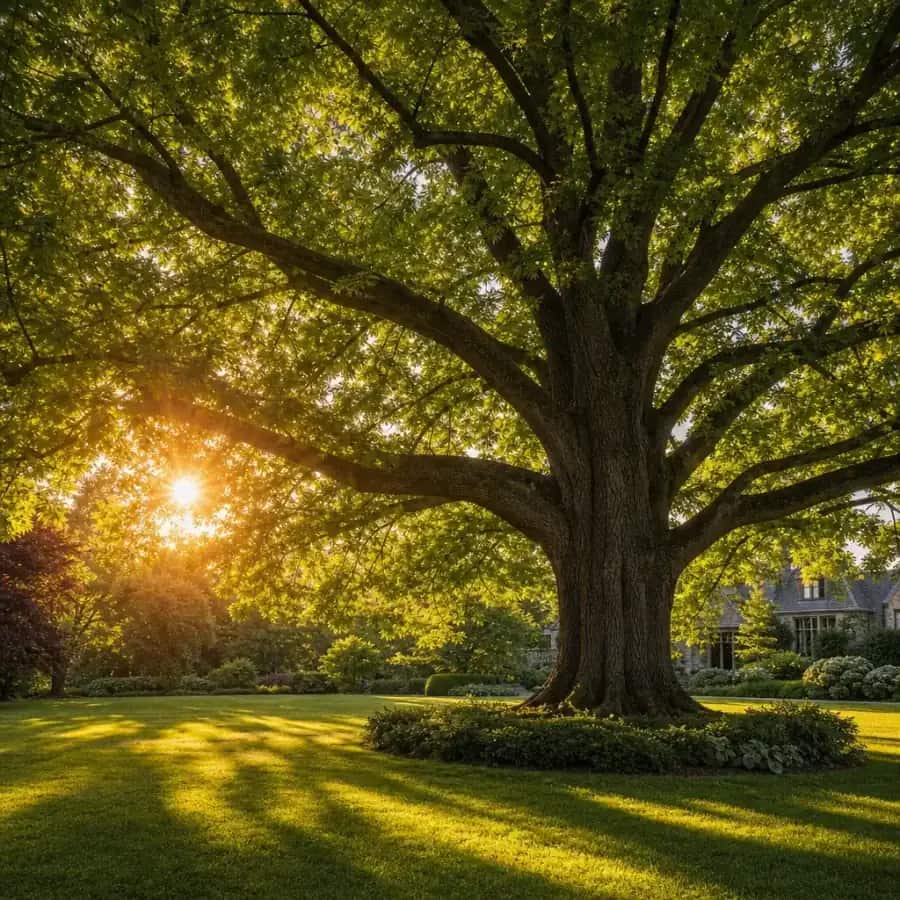 Shade TreesBroad-canopy options that block summer sun and stand up to zone 6 cold snaps.View all Shade Trees →
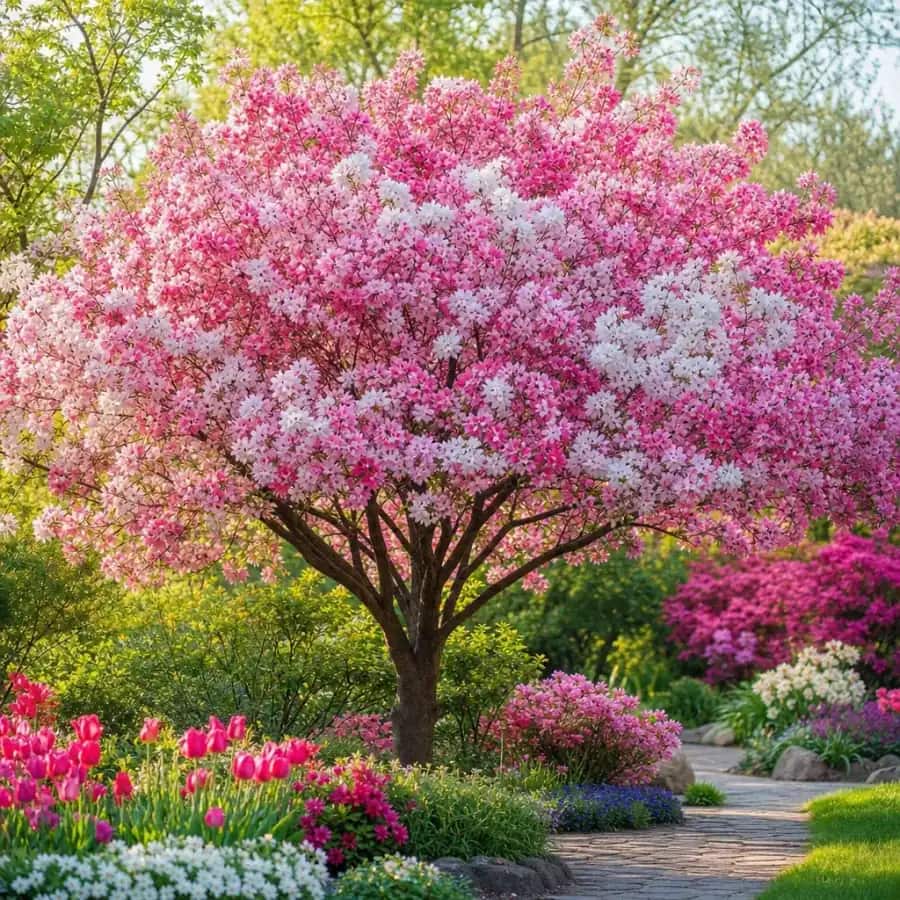 Flowering & OrnamentalSpring and summer color that survives your winter lows without dieback.View all Flowering & Ornamental →
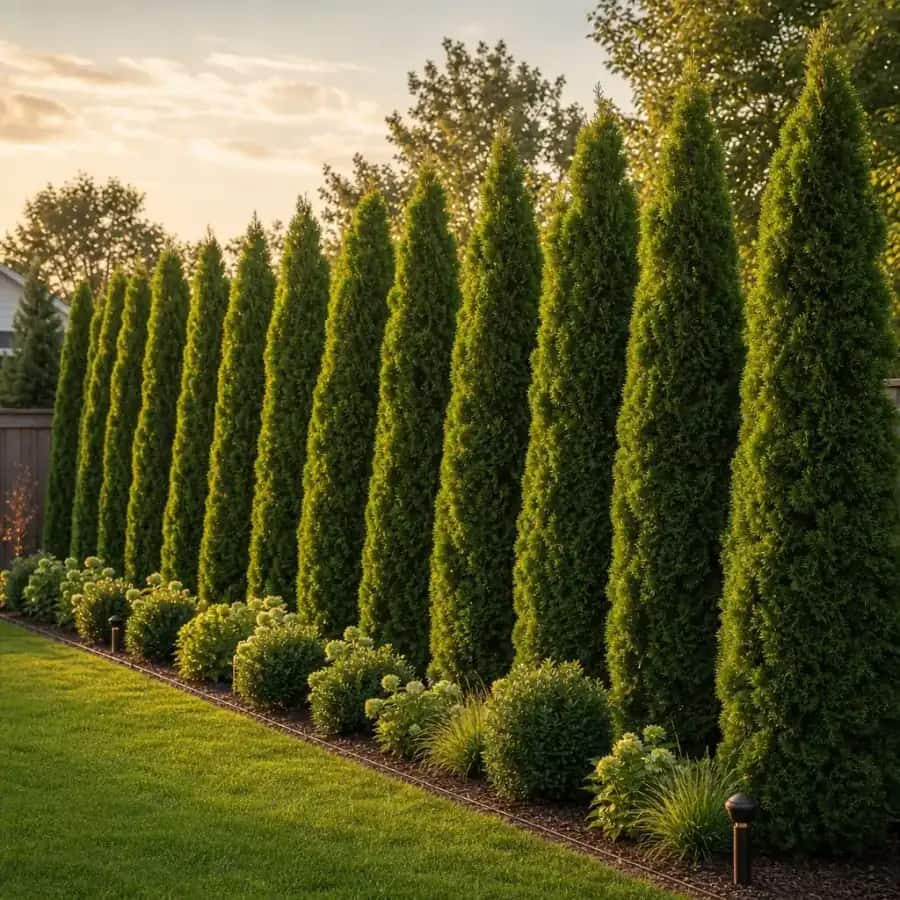 Evergreen & PrivacyYear-round screening species chosen for 6a hardiness and wind resistance.View all Evergreen & Privacy →
 Japanese MaplesCompact forms that add structure and leaf color in protected zone 6 sites.View all Japanese Maples →
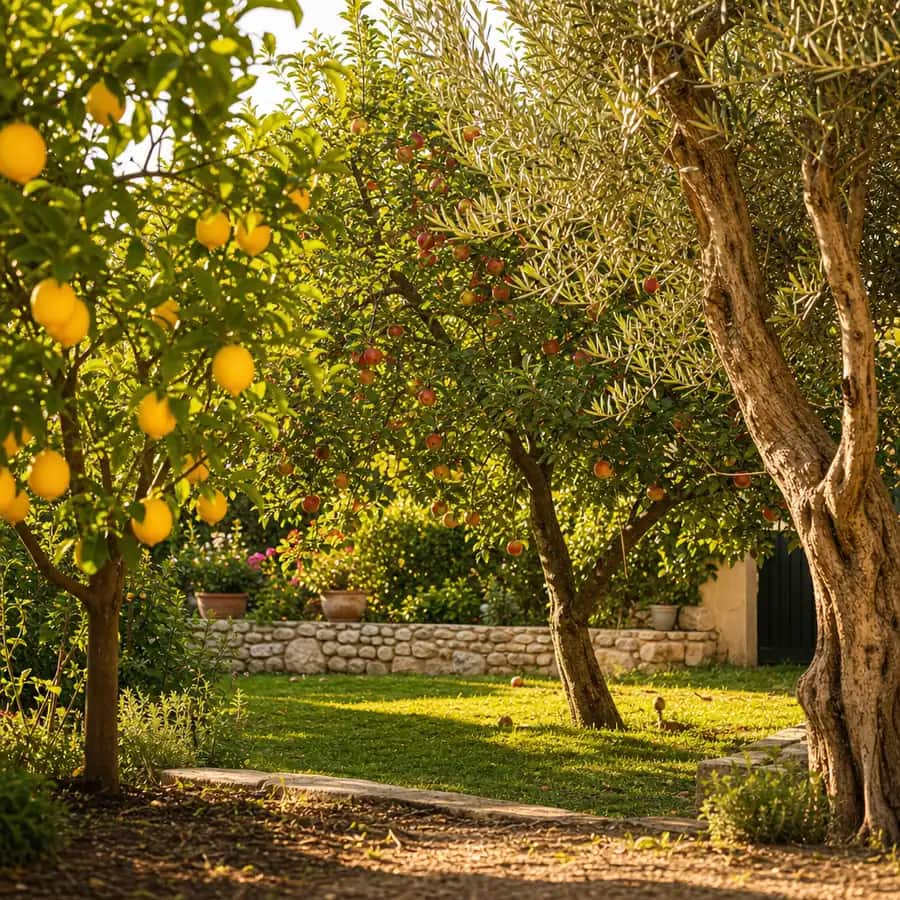 Fruit TreesCold-hardy apple, cherry, and peach varieties matched to your chill-hour range.View all Fruit Trees →
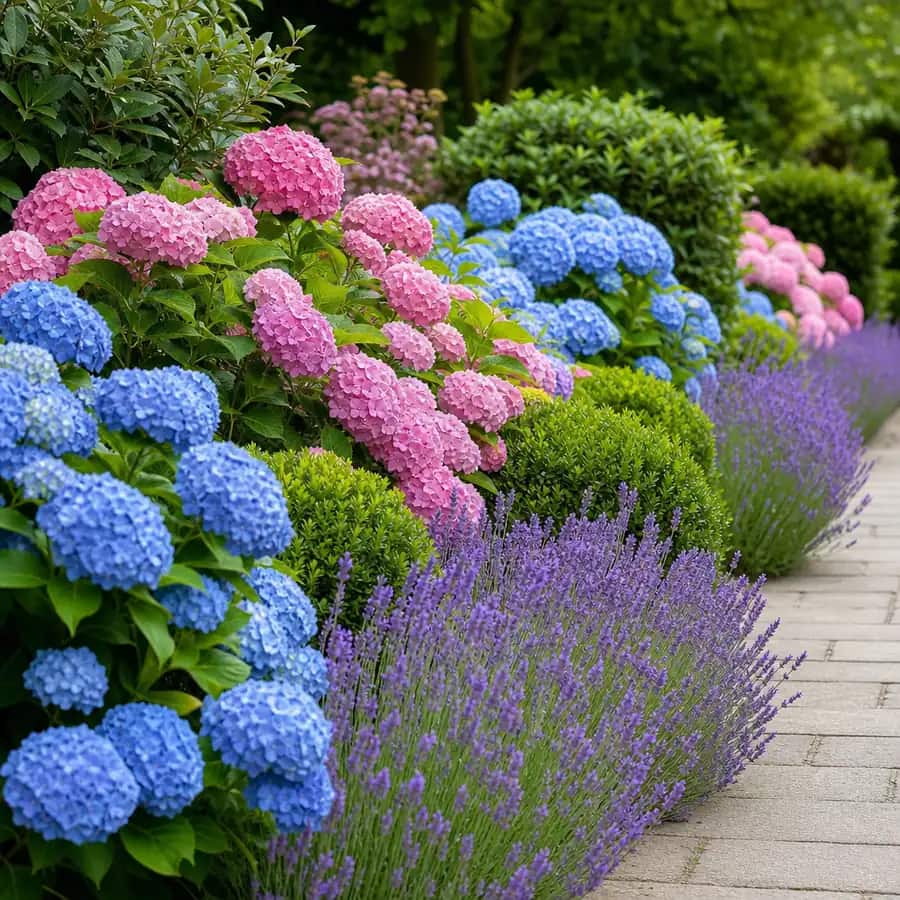 Shrubs & HedgesFoundation and border plants that fill gaps with reliable zone 6 performance.View all Shrubs & Hedges →
Local fit, from data
6a
about -10 to -5 F
Franklin County
Indiana
Trees delivered to Metamora, IN 47030 come from Arbor Buddy as large, nursery-grown stock shipped by freight. You buy direct as a homeowner or contractor. The shop carries shade, flowering, privacy, fruit, and Japanese maple categories. Every tree is matched to your local hardiness zone, which here is 6a. That match means you get species proven to survive your winters and thrive in your growing season.
Your ZIP sits in USDA zone 6a, where typical winter lows run about -10 to -5 degrees F. That climate window rules out tender species like citrus or some evergreens but opens up a wide selection of hardwood shade trees, flowering ornamentals, and cold-hardy fruit varieties. Wet periods and humidity in the growing season matter as much as the cold: good air flow and well drained soil help most trees settle in.
Trees for zone 6 in Metamora need to handle a freeze-thaw cycle that can test root systems. Shade trees like oak and maple families do well. Flowering ornamentals such as redbud and crape myrtle also perform when given a sheltered site. The key is picking stock that has already hardened off in a nursery near your climate zone, which is what Arbor Buddy ships.
If your lot sits in the older sections of Metamora or the rural fringe around Franklin County, soil type and sunlight vary. Match the species to your specific spot rather than assuming one tree fits every yard in 47030.
Typical winter lows in ZIP 47030 run about -10 to -5 degrees F, which puts you in USDA zone 6a. Trees you plant here need to survive that cold without dieback. Most of the featured trees on this page handle those lows easily because they are rated to at least zone 5.
Weeping Willow and Pond Cypress are two strong options for zone 6a. Weeping Willow grows fast and handles wet soil, but keep it away from pipes and paving. Pond Cypress tolerates wet spots too, though it drops needles in winter. Both deliver real canopy once established.
Pond Cypress works for wet areas, and columnar evergreens like arborvitae or juniper give year-round cover. Keep in mind that Pond Cypress is deciduous despite being sold in the Evergreen category, so your screen will thin out in cold months. Mix it with true evergreens for consistent privacy.
You can grow cold-hardy fruit trees like Bing Cherry, apple, and peach in zone 6a. Citrus is not an option here because the winter lows fall far below what citrus can handle. For Bing Cherry, you need a second compatible sweet cherry tree nearby for pollination, and its blossoms are frost-tender, so avoid low spots where cold air pools.
For shade, privacy, flowering, fruit, and accent trees matched to your zone in Metamora, Arbor Buddy ships large, nursery-grown stock with a 1-Year Thrive Guarantee. Browse the trees suited to your area and order online for freight delivery to your door.
Your zone 6a climate in Metamora differs from other parts of the country in ways that change which trees make sense for your yard. Here is how three other ZIPs stack up against yours.
ZIP 99353 in West Richland, Washington (WA) sits in zone 7b with winter lows of 5 to 10 F. That warmer zone opens up fruit and citrus viability that you cannot count on in 6a. Growers there can try figs and some semi hardy citrus with winter protection. In practice, buyers here lean toward sweet cherries and peaches, but your colder lows mean you pick cold hardy varieties and accept that late frosts can zap blossoms.
ZIP 75424 in Blue Ridge, Texas (TX) lands in zone 8b with lows of 15 to 20 F. The gap is wide enough that palms and tropicals become real options there. Crape myrtles and live oaks thrive in that heat, while your zone rules out any palm or subtropical species. That gap changes the local shortlist to hardy oaks, maples, and redbuds instead. In Metamora you get reliable fall color that Texas rarely sees.
ZIP 57026 in Elkton, South Dakota (SD) sits in zone 4b with winter lows of -25 to -20 F. That climate narrows privacy and screening options to only the toughest evergreens. Your 6a lows let you plant a wider range of screening trees, including pond cypress and larger arborvitae. For your cart, that means you have more choices for year round cover than a zone 4 buyer does, but you still need to pick species rated for at least zone 5 to be safe.
The contrast across these zones shows that your 6a conditions give you a broad middle ground: you can grow many shade and flowering trees that fail in colder zones while avoiding the heat lovers that need zone 8 or warmer. Choose species matched to your actual lows for the best results in Metamora.
All trees ship by freight to ZIP 47030. A semi truck can reach most residential streets in Metamora, but you want a driveway or curb area where the driver can stop and offload. Someone 18 or older must be home to receive the tree and inspect it before the driver leaves. The tree arrives nursery-grown at a usable landscape size, already matched to zone 6 before it ships.
Orders to zone 6 areas are scheduled for spring and fall arrival windows. Every tree comes with Arbor Buddy's 1-Year Thrive Guarantee: if it does not survive its first year, you get a free replacement. No pickup needed, no local store visit.
Before delivery day, check:
Enter your ZIP, shop only what thrives in your zone.
Freight delivery to your address: $149 flat per order, shown at checkout.
Plant it, watch it thrive, covered for one year.
Good to know · Growing guide
Coverage runs a full year from delivery. If something goes wrong, contact the team and they arrange the replacement. No store-credit games, no fine-print maze.