 Zones 4 to 8
Shade Trees
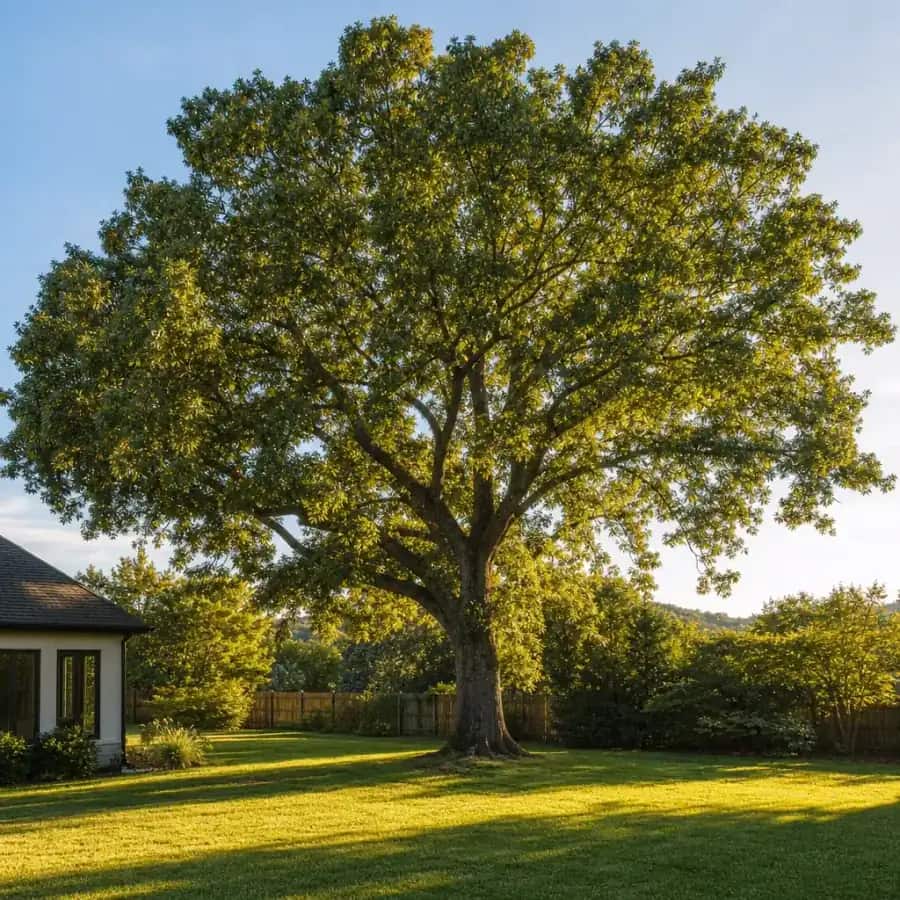
Chinkapin Oak
$579
Shop large, nursery-grown shade, privacy, flowering and fruit trees, delivered by freight in Rush County. Every tree is matched to your hardiness zone and backed by our 1-Year Thrive Guarantee.
Enter your ZIP and we'll match trees to your exact growing zone.
Typical winter lows in Rush County run about -10 to -5 F.
Matched to Rush County's zones
Shop by category
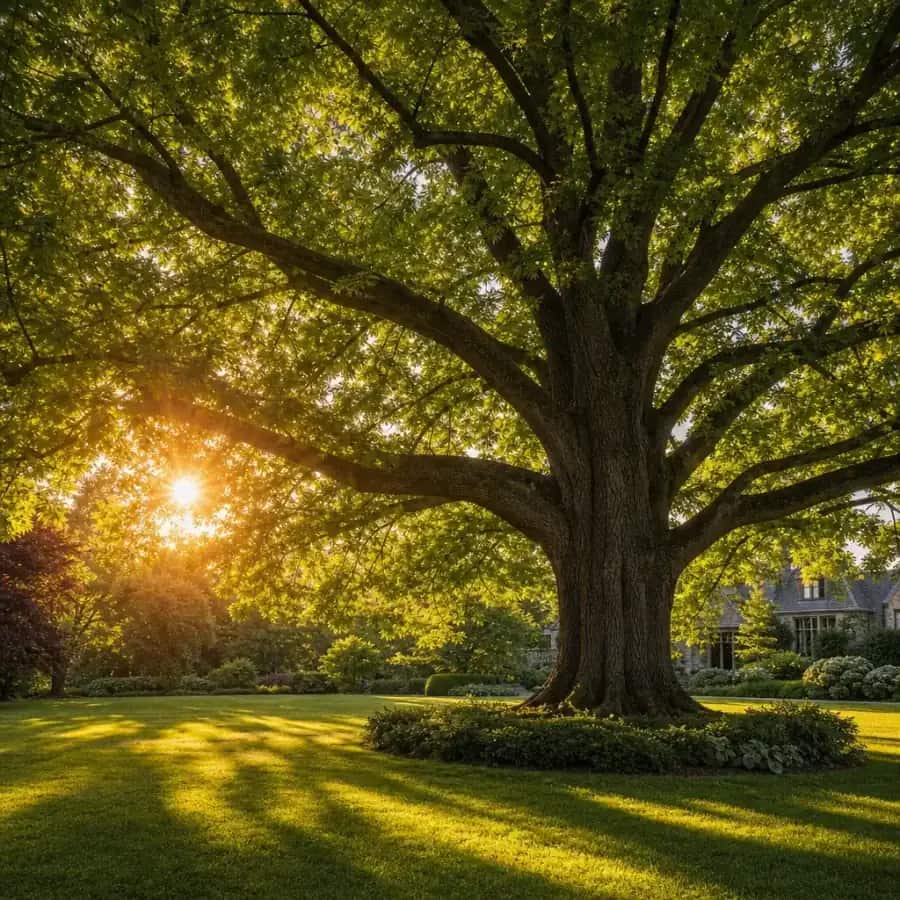 Shade TreesBig, fast canopy. Oaks, elms, maples and more.View all Shade Trees →
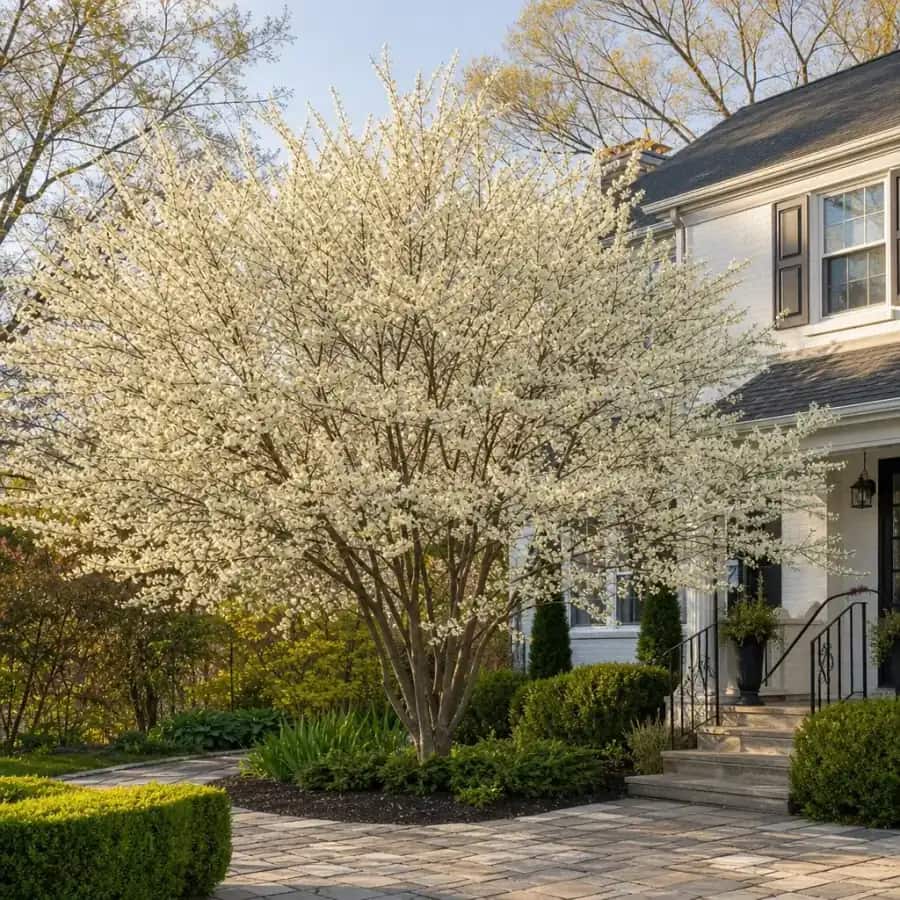
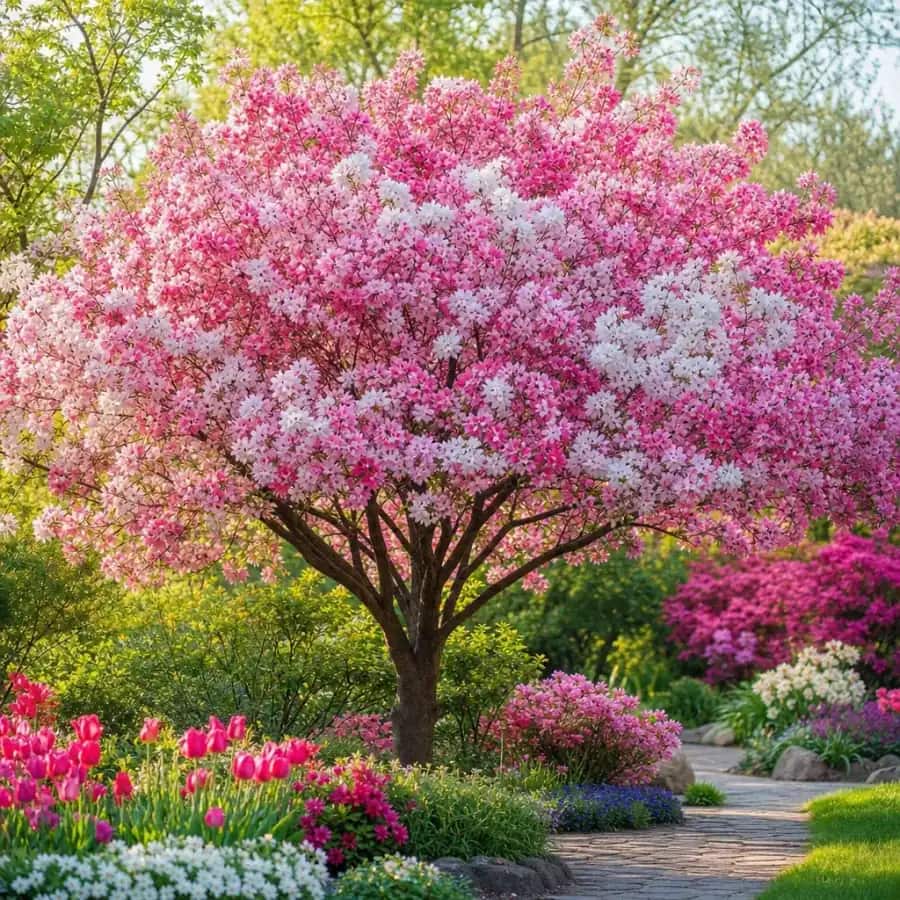 Flowering & OrnamentalRedbuds, crape myrtles and blooming showpieces.View all Flowering & Ornamental →
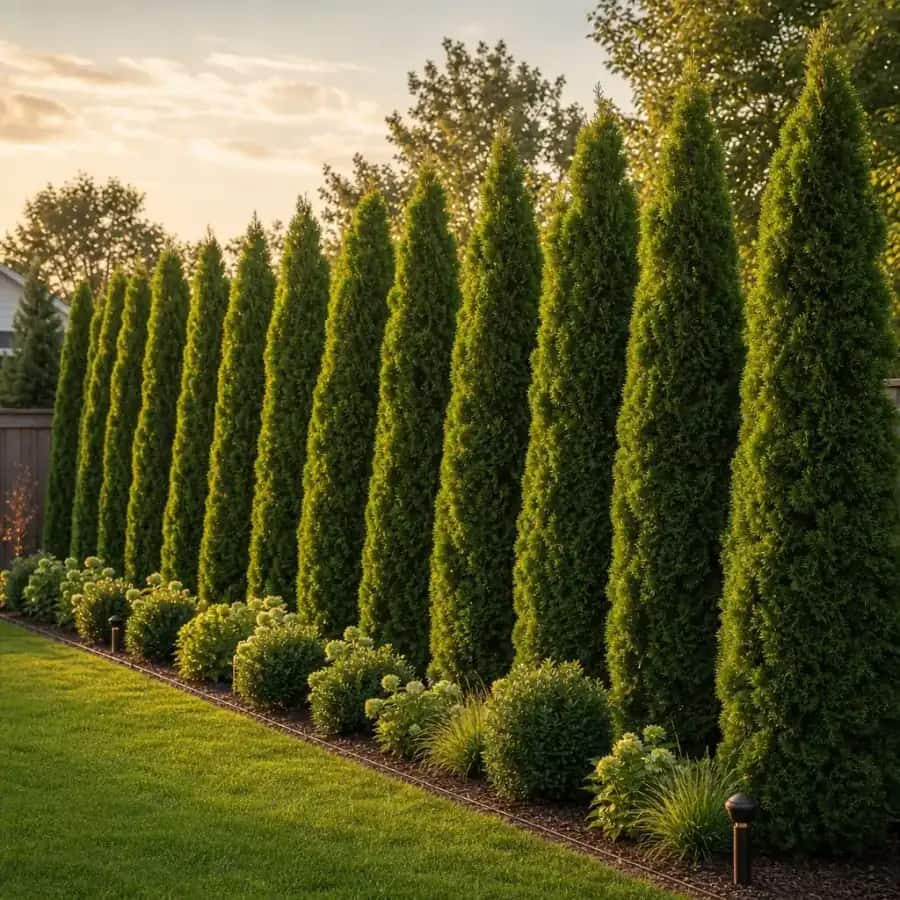 Evergreen & PrivacyYear-round green: cypress, juniper, holly, magnolia.
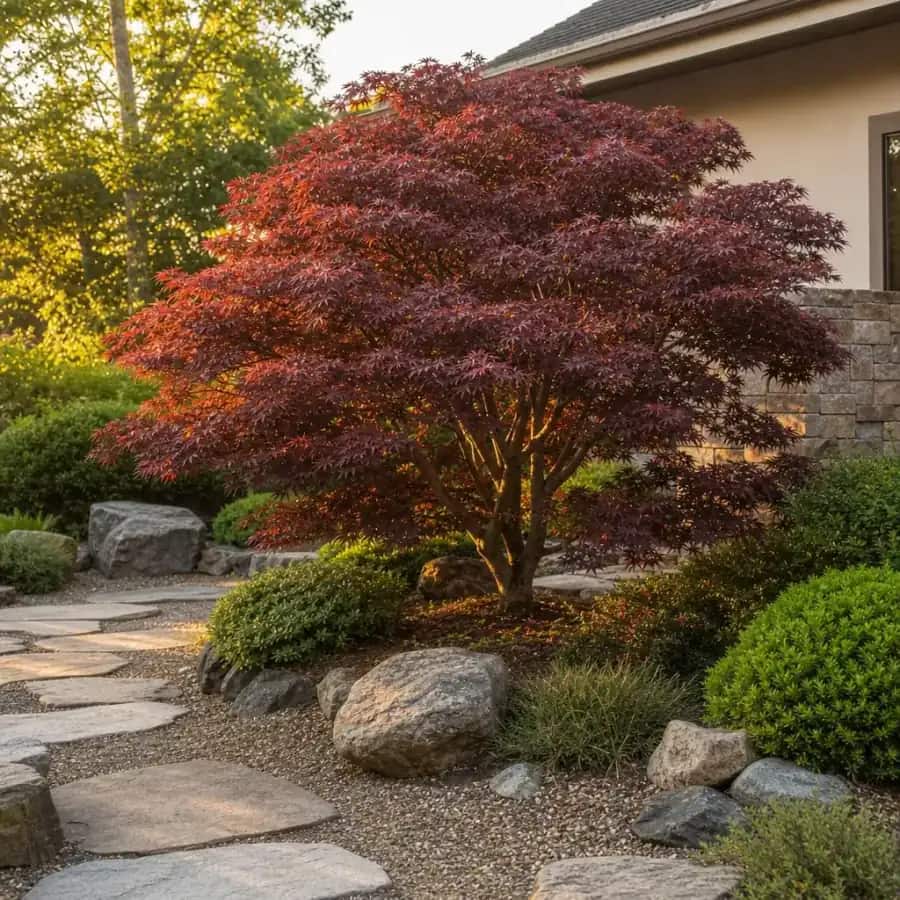
 Japanese MaplesCompact ornamental choices that add structure without outgrowing the lot.
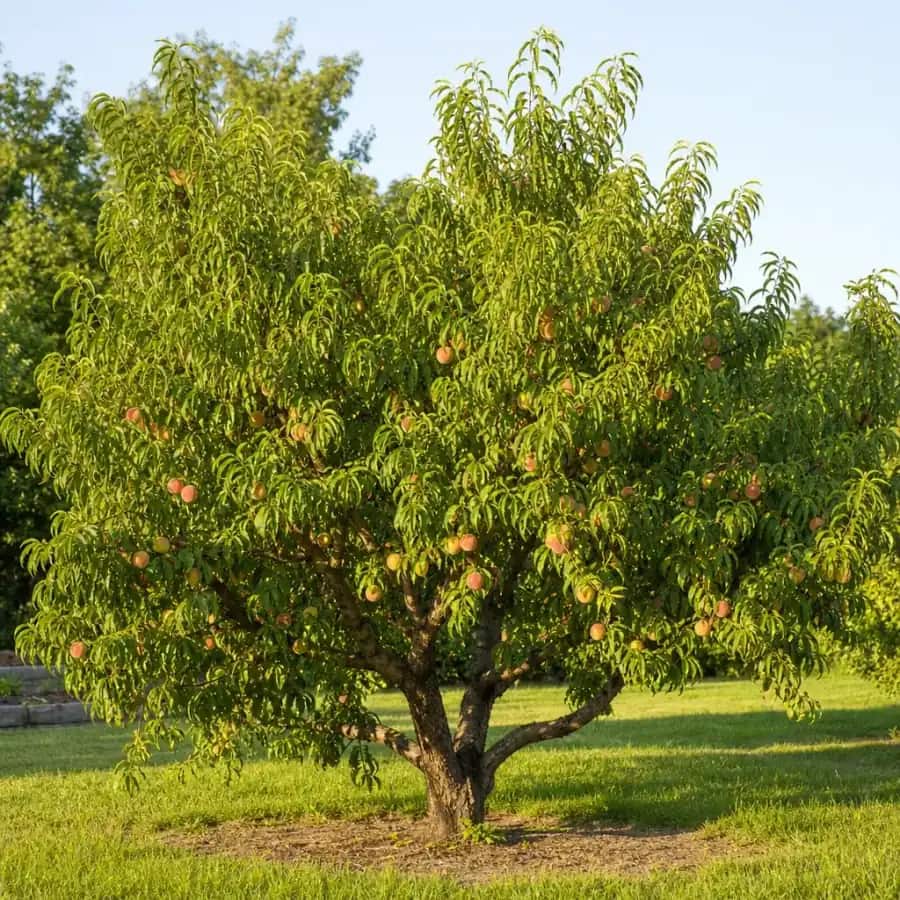
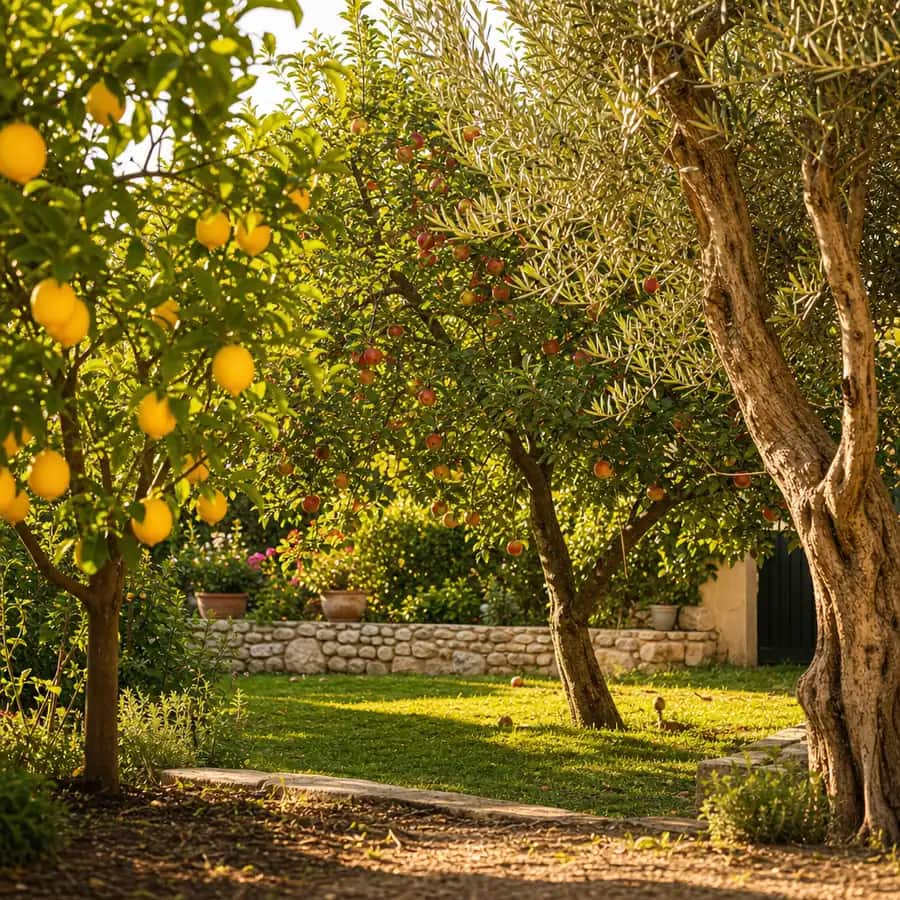 Fruit TreesHomegrown lemons, apples, figs, olives and more.View all Fruit Trees →
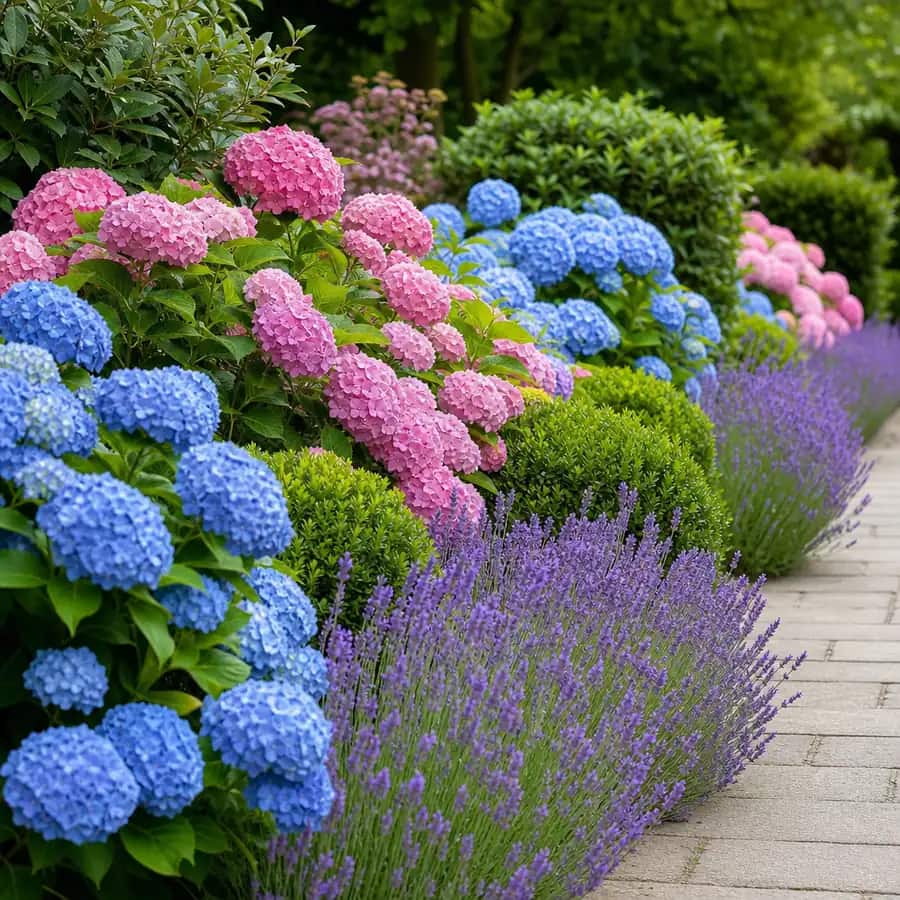 Shrubs & HedgesFoundation plants and filler that bridge the seasons.View all Shrubs & Hedges →
Local fit, from data
6a
about -10 to -5 F
8
Arlington
Need shade, privacy, or fruit trees in Rush County, Indiana (IN) that will actually thrive here? Arbor Buddy delivers large, nursery-grown landscape trees by freight, matched to your zone. Homeowners and contractors across Rush County rely on us for strong, zone-6a picks. Winter lows here run about -10 to -5 F, so every tree we ship is proven for that range.
Not every tree can take a winter low of -10 to -5 F. That's why we ship only zone-matched trees for Rush County. The county sits entirely in USDA zone 6a across its 8 ZIP codes. The coldest spots are on the rural fringe, while Arlington and the suburban core stay near the warmer end. What does that mean? Trees for zone 6 in Rush County need to handle deep freezes but also summer humidity.
Deciduous shade and flowering trees sail through the cold. Evergreens like American Pillar Arborvitae resist winter burn if given some wind protection. Japanese maples, hardy to zone 5b, do well as long as they're not in exposed, windy spots. Fruit trees that require chill hours, like Elberta Peach, actually perform better here than in mild climates. The main challenge is late spring frosts; choose early-leafing varieties carefully.
Most trees ship in spring and fall, the two windows on either side of summer. Zone 6 orders travel during those cooler periods so the tree arrives in peak condition for planting. Your specific transit time depends on stock availability and the shipping queue.
Many shade, flowering, and fruit trees thrive in zone 6. Our entire catalog is pre-screened for zones 3 through 9, so anything marked for zone 6 or colder works here. For example, Chinkapin Oak (zones 4 to 8) and Chinese Pistachio (zones 6 to 9) are both solid picks. Winter lows down to -10 F are no problem for these species.
Trees come as nursery-grown specimens at a usable landscape size, typically 3 to 5 feet tall for deciduous trees, and 4 to 6 feet for evergreens. They're shipped in containers with the root system intact. The exact size depends on the species and current stock.
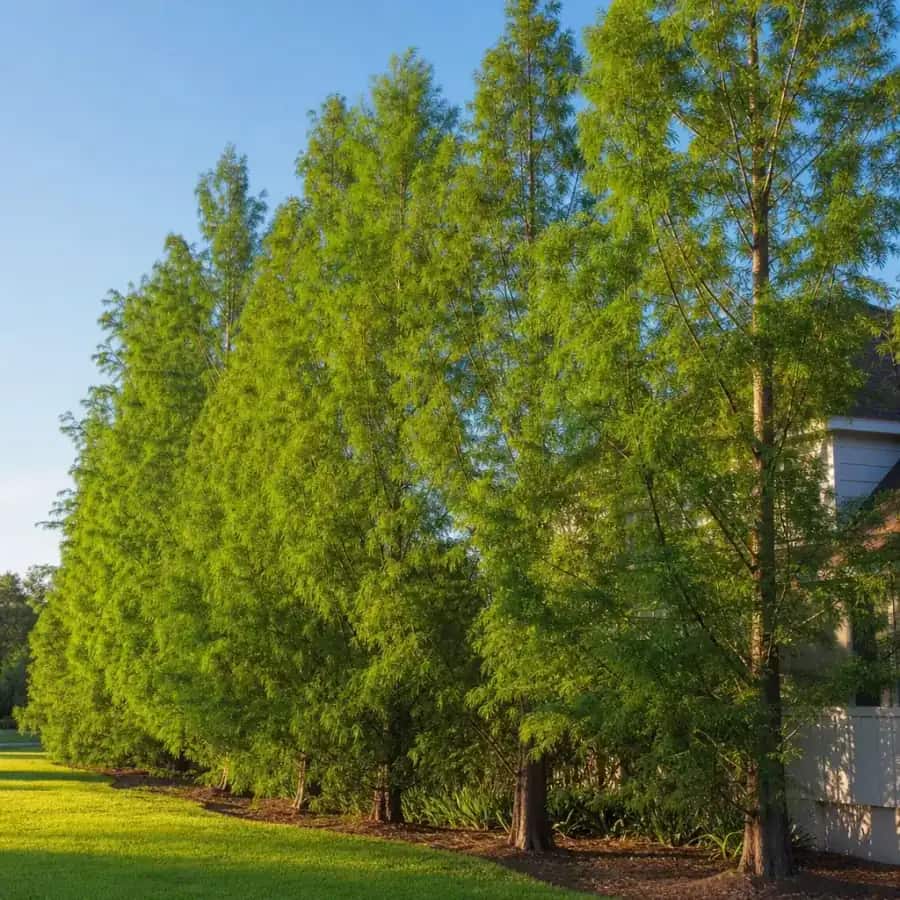
American Pillar Arborvitae is the top choice for Rush County. It reaches 15 to 20 feet tall but stays only 3 to 4 feet wide, making it ideal for tight property lines. It's hardy to zone 3, so our winter lows are well within its range. For a broader screen, Thuja Green Giant also works, but American Pillar fills in faster.
Your zone decides your list. Rush County sits in zone 6a, and every tree we ship is matched to that climate. Browse the Shade Trees, Evergreen & Privacy, Fruit Trees, and Flowering & Ornamental collections to see what's ready for your yard. Arbor Buddy makes it easy to order online and get a strong, zone-tested tree delivered to your door.
Comparing Rush County's climate to other regions highlights what grows well here and what doesn't.
Butts County, Georgia (GA), zone 8a, winter lows 10 to 15 F. That gap changes the local shortlist to trees that need less cold tolerance. Butts County can grow Southern magnolia and live oak, which won't survive Rush County winters. Privacy screening in Georgia leans on Leyland cypress; here, American Pillar Arborvitae is the better bet because it handles -10 F. For your cart, that means sticking with zone-6-hardy evergreens and skipping the warm-zone classics.
District of Columbia, District of Columbia (DC), zone 7b to 8a, winter lows 5 to 15 F. Flowering color is a bigger mix in DC, with more camellia and crape myrtle options. In Rush County, we rely on redbuds, crabapples, and flowering pears that can take the cold. For your cart, that means you get reliable spring color from Forest Pansy Eastern Redbud rather than riskier choices. The shorter growing season here also means later-blooming varieties are less showy.
Hamilton County, Florida (FL), zone 9a, winter lows 20 to 25 F. Fruit and citrus viability is completely different. Florida growers can have citrus, avocado, and low-chill peaches. Rush County's 800-chill-hour requirement for Elberta Peach would be a mismatch there. In practice, buyers here lean toward fruit trees that need a real winter, peach, apple, and pear, and those perform well in zone 6a. The takeaway: Rush County's cold winters are an advantage for fruit trees that require chill, while limiting tropicals and tender evergreens.
Your tree arrives by freight, not a box truck. Zone 6 orders travel in the spring and fall windows on either side of summer. That means cooler transit and better planting conditions. We match every tree to your zone before shipping, and back it with a 1-Year Thrive Guarantee: free replacement if it doesn't survive the first year.
Before delivery day, check:
Enter your ZIP, shop only what thrives in your zone.
Freight delivery to your address: $149 flat per order, shown at checkout.
Plant it, watch it thrive, covered for one year.
Good to know · Growing guide
Coverage runs a full year from delivery. If something goes wrong, contact the team and they arrange the replacement. No store-credit games, no fine-print maze.