 Zones 3 to 8
Shade Trees
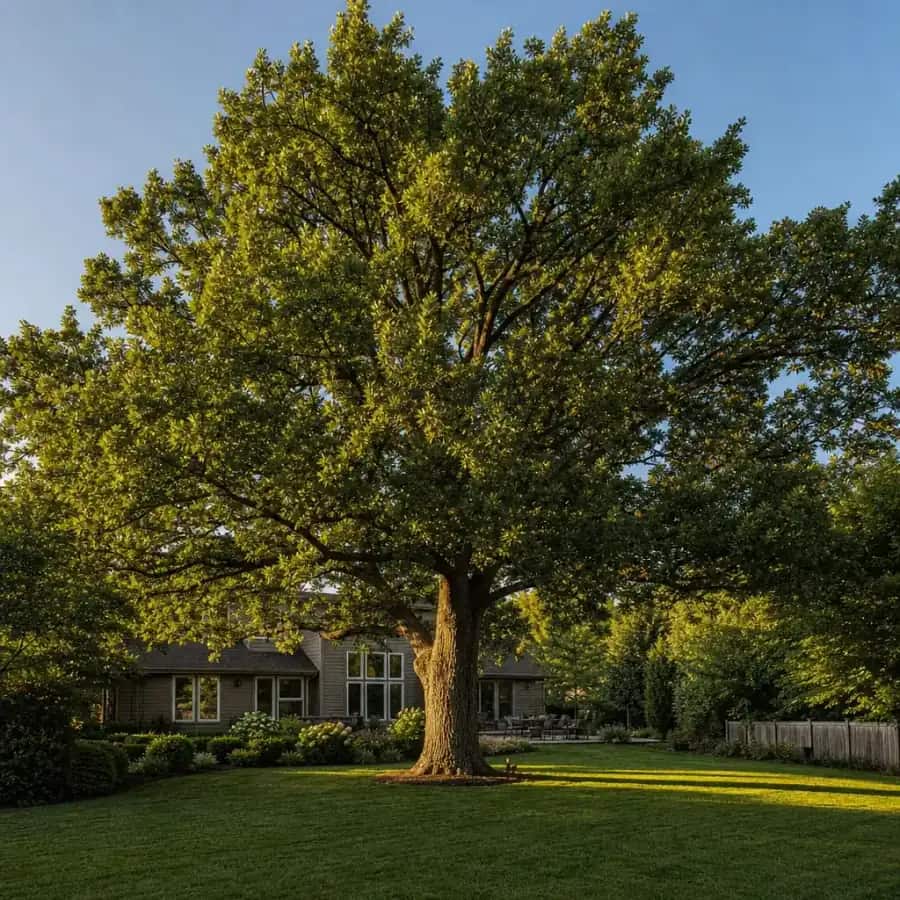
Bur Oak
$490
Shop large, nursery-grown shade, privacy, flowering and fruit trees, delivered by freight in Scott County. Every tree is matched to your hardiness zone and backed by our 1-Year Thrive Guarantee.
Enter your ZIP and we'll match trees to your exact growing zone.
Typical winter lows in Scott County run about -5 to 0 F.
Matched to Scott County's zones
Shop by category
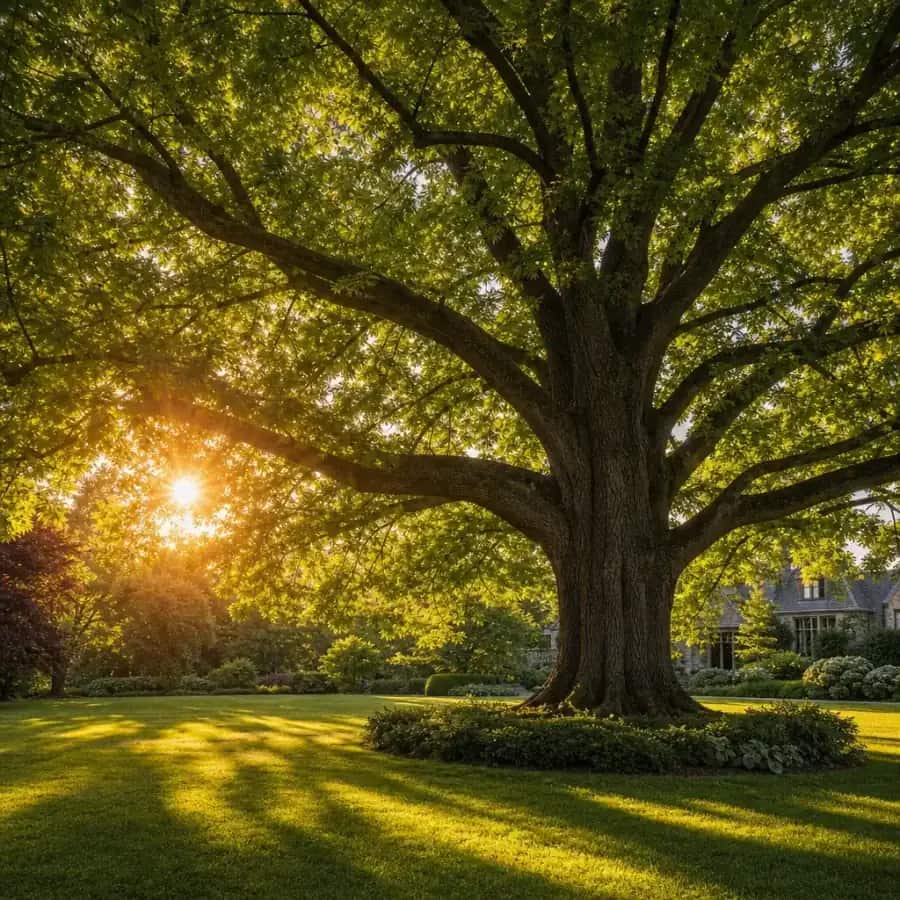 Shade TreesBig canopies that cool your home fast. Zone 6 species like Bur Oak and Chinkapin Oak thrive here.View all Shade Trees →
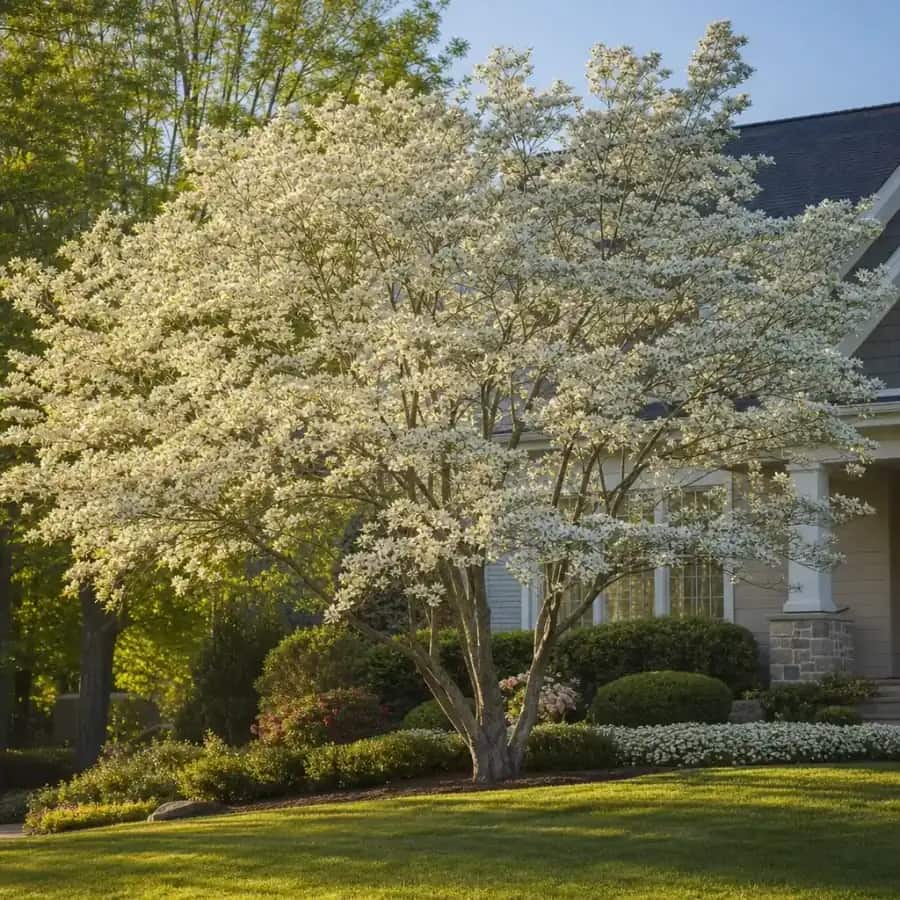
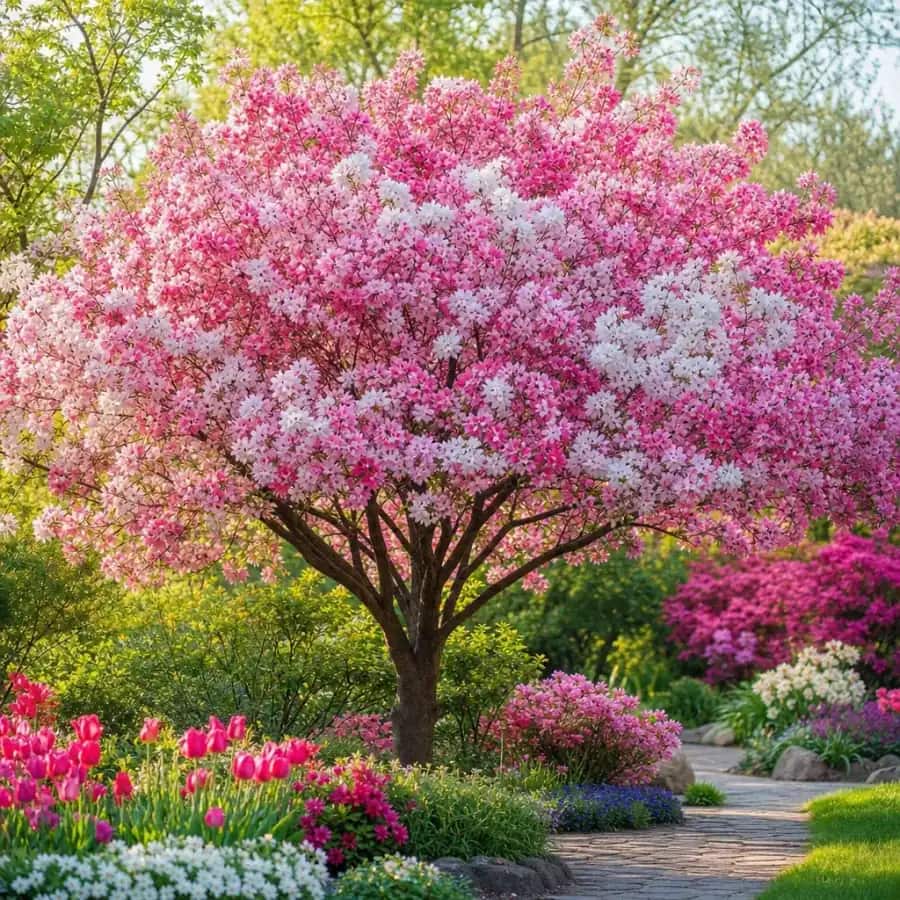 Flowering & OrnamentalColor the seasons with Dynamite Crape Myrtle and Rise 'N Shine Eastern Redbud. All bloom reliably in zone 6.View all Flowering & Ornamental →
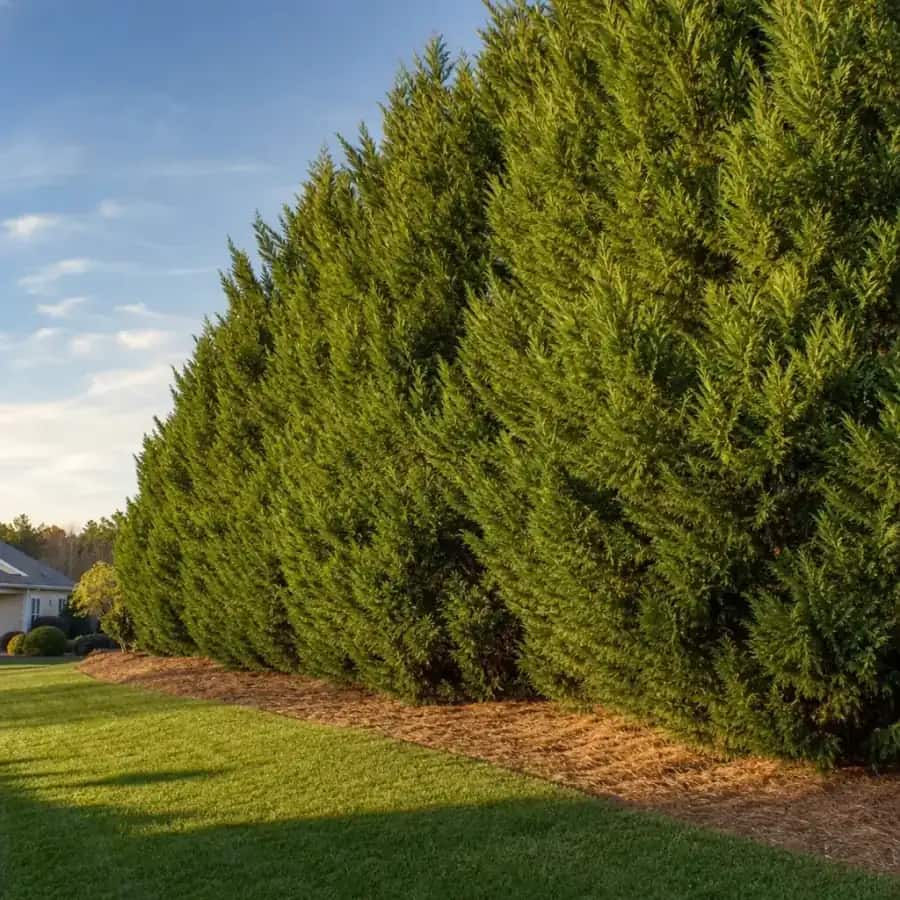
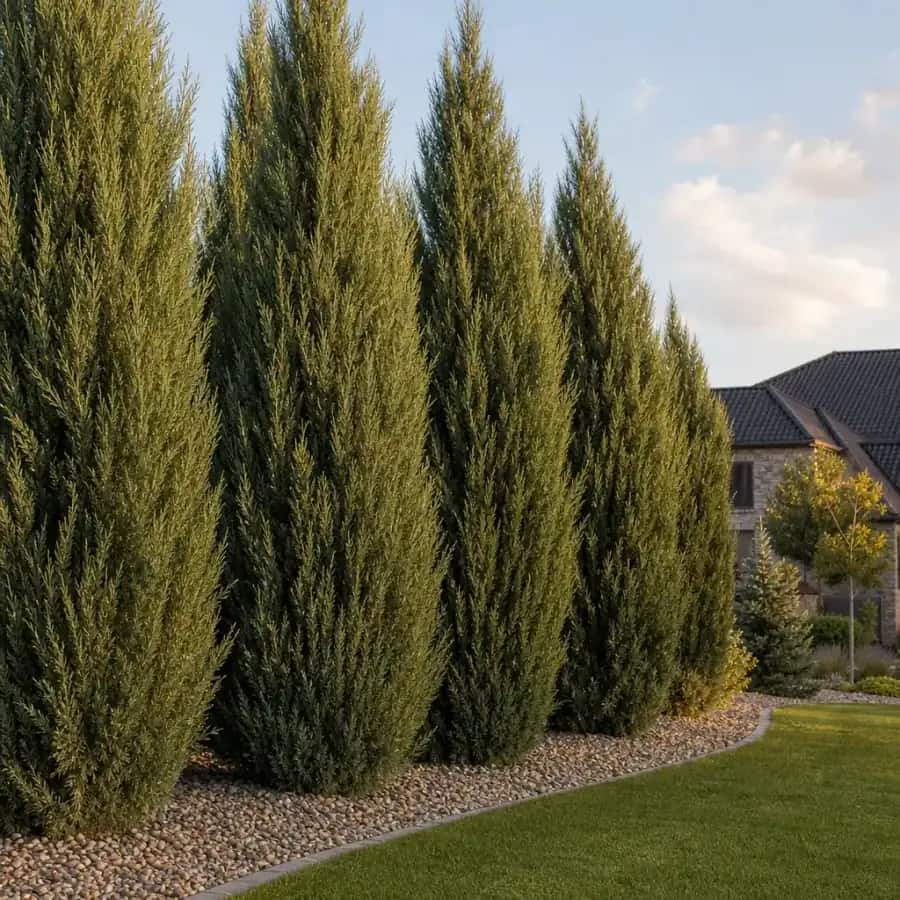
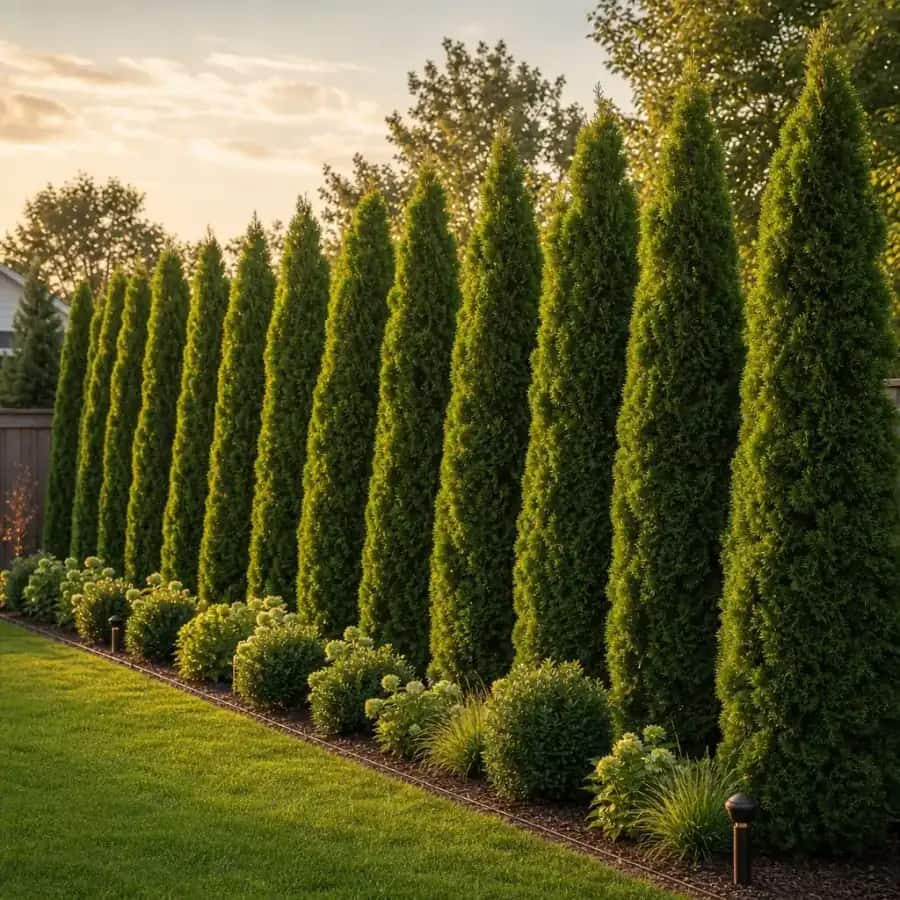 Evergreen & PrivacyYear-round screening with Nellie R. Stevens Holly or Glauca Pendula Weeping Blue Atlas Cedar. Cold-hardy picks for your lot line.
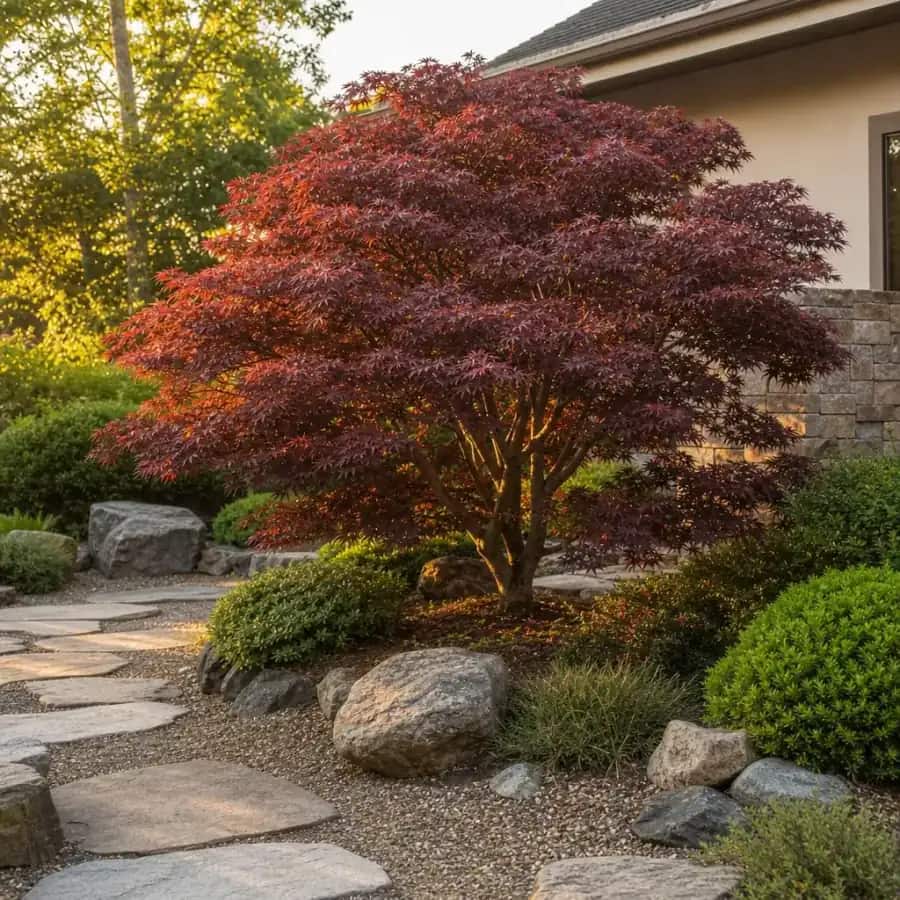
 Japanese MaplesLaceleaf forms like Crimson Queen add texture even in shade. Hardy to zone 5, so they handle Scott County's lows.
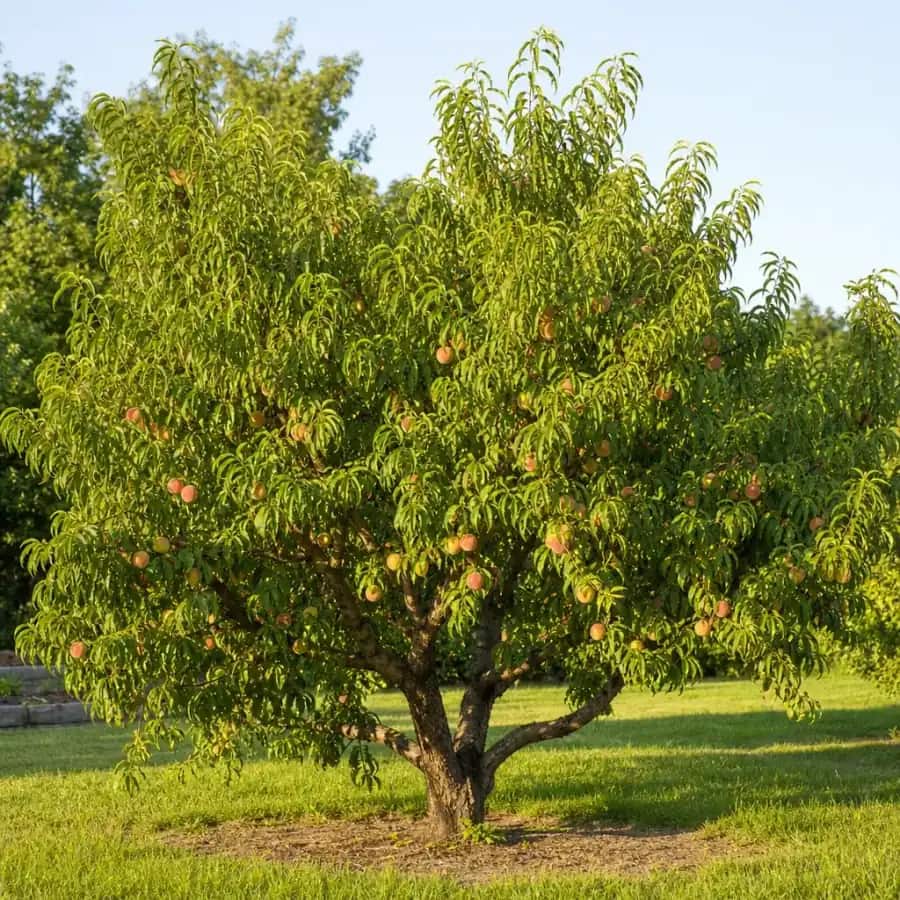
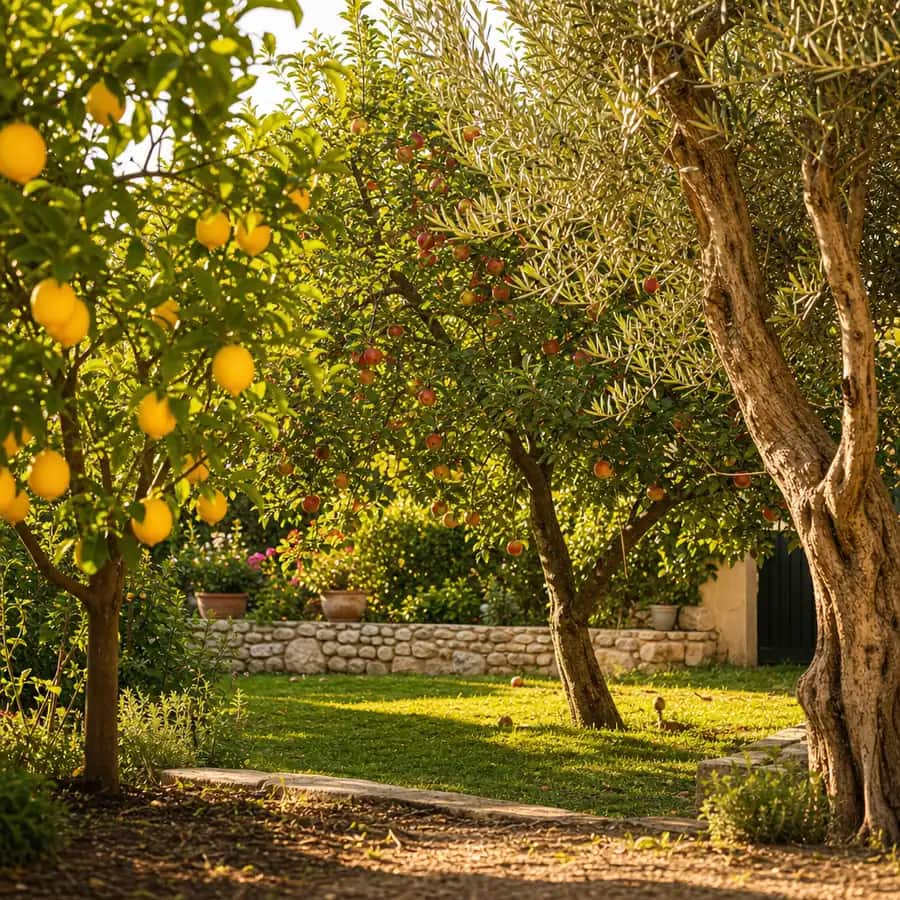 Fruit TreesSweet cherries and juicy peaches are possible with the right chill hours and a second variety for pollination.View all Fruit Trees →
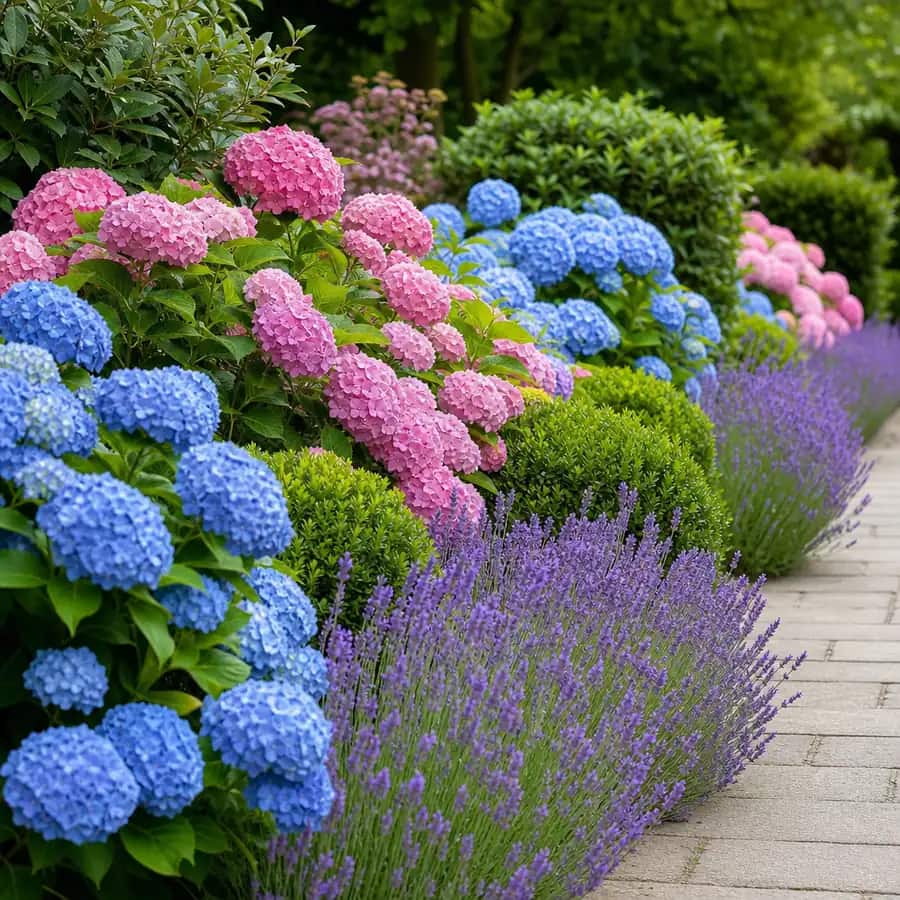 Shrubs & HedgesFill gaps with Tri-Color Dappled Willow or Phenomenal Lavender. Both do well in Indiana's climate.View all Shrubs & Hedges →
Local fit, from data
6b
about -5 to 0 F
4
Austin
Arbor Buddy delivers large, nursery-grown landscape trees by freight to homeowners across Scott County, Indiana (IN). You buy shade, privacy, and fruit trees matched to your zone 6b climate. Winter lows in the county run about -5 to 0 F, so every tree we ship handles that cold. Your order arrives healthy and ready to plant.
Scott County's zone range is 6b, consistent across its four ZIP codes. That means winter lows typically fall between -5 and 0 F. The western part of the county tends to be a degree or two warmer, but the whole area stays solidly in zone 6.
Summers are humid with occasional dry spells. Trees for zone 6 in Scott County need to handle both muggy nights and a short cold snap. Shade trees with deep roots, like oaks and sweetgums, do well. Deciduous ornamentals such as dogwoods appreciate afternoon shade on the hottest days. Evergreens like junipers and cedars stand up to wind and snow.
Your yard's microclimate matters. A south-facing slope may be a few degrees warmer than a low hollow. Arbor Buddy matches every tree to zone 6, but you can also pick slightly hardier varieties for extra security.
Arbor Buddy backs every tree with a 1-Year Thrive Guarantee. If your tree does not survive its first season, we replace it free. That makes ordering for Scott County low risk. Browse the categories above and pick the shade, privacy, or fruit trees that suit your yard. Start your order online and get your zone-matched tree delivered this spring or fall.
District of Columbia, District of Columbia (DC) sits in zone 7b to 8a with winter lows of 5 to 15 F. That warmer climate makes palms and tropicals viable there. In practice, buyers here lean toward windmill palms and hardy bananas. Your Scott County winters are too cold for those. Stick with cold-hardy evergreens and maples instead.
Emanuel County, Georgia (GA) is zone 8b with lows of 15 to 20 F. Fruit and citrus grow easily there. For your cart, that means you could buy a satsuma orange; you cannot in Scott County. Your fruit options are apples, pears, figs, and tart cherries. The Chicago Hardy Fig is the best choice for your zone.
Shasta County, California (CA) spans zones 7a to 9b with lows from 0 to 30 F. That gap changes the local shortlist to include flowering dogwoods and magnolias that bloom earlier. In Scott County you still get dogwood blooms, but the season starts later and the show is shorter. Your summers are humid enough to support strong growth.
The practical takeaway: Scott County's zone 6 climate favors trees that are both cold-hardy and humidity-tolerant. You can grow many of the same species as warmer areas, but you need the right variety and a little patience for spring.
Deliveries into zone 6 land in spring or fall, the two planting-friendly stretches. A freight truck brings your tree to the curb in Austin or anywhere in Scott County. Make sure the driver has room to stop and turn around. Driveways longer than 50 feet or with sharp bends may require a smaller truck or a drop at the road.
Each tree arrives nursery-grown at a usable landscape size, already zone-matched to 6b. The 1-Year Thrive Guarantee covers you: if the tree does not survive its first year, Arbor Buddy sends a free replacement. No pickup needed; we ship direct to your property.
Before delivery day, check:
Enter your ZIP, shop only what thrives in your zone.
Freight delivery to your address: $149 flat per order, shown at checkout.
Plant it, watch it thrive, covered for one year.
Good to know · Growing guide
Coverage runs a full year from delivery. If something goes wrong, contact the team and they arrange the replacement. No store-credit games, no fine-print maze.