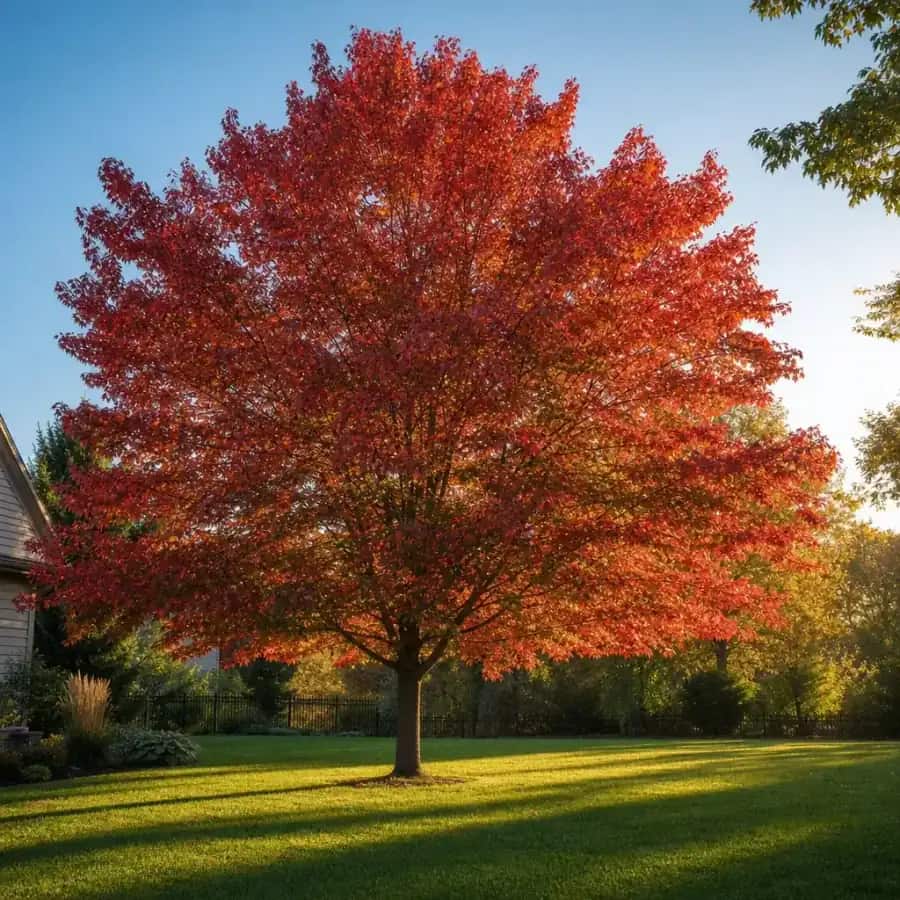
 Zones 3 to 8
Shade Trees
Autumn Blaze Red Maple
$60
Shop large, nursery-grown shade, privacy, flowering and fruit trees, delivered by freight in Linn County. Every tree is matched to your hardiness zone and backed by our 1-Year Thrive Guarantee.
Enter your ZIP and we'll match trees to your exact growing zone.
Typical winter lows in Linn County run about -5 to 0 F.
Matched to Linn County's zones
Zones 3 to 8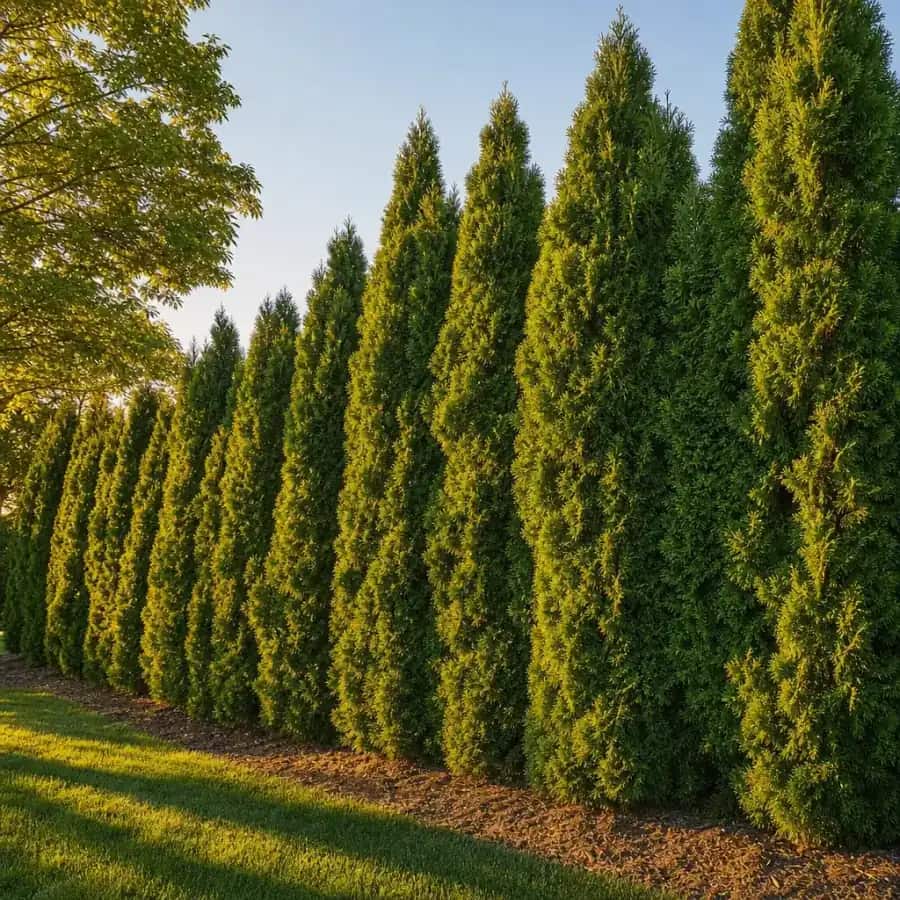 Zones 5 to 8
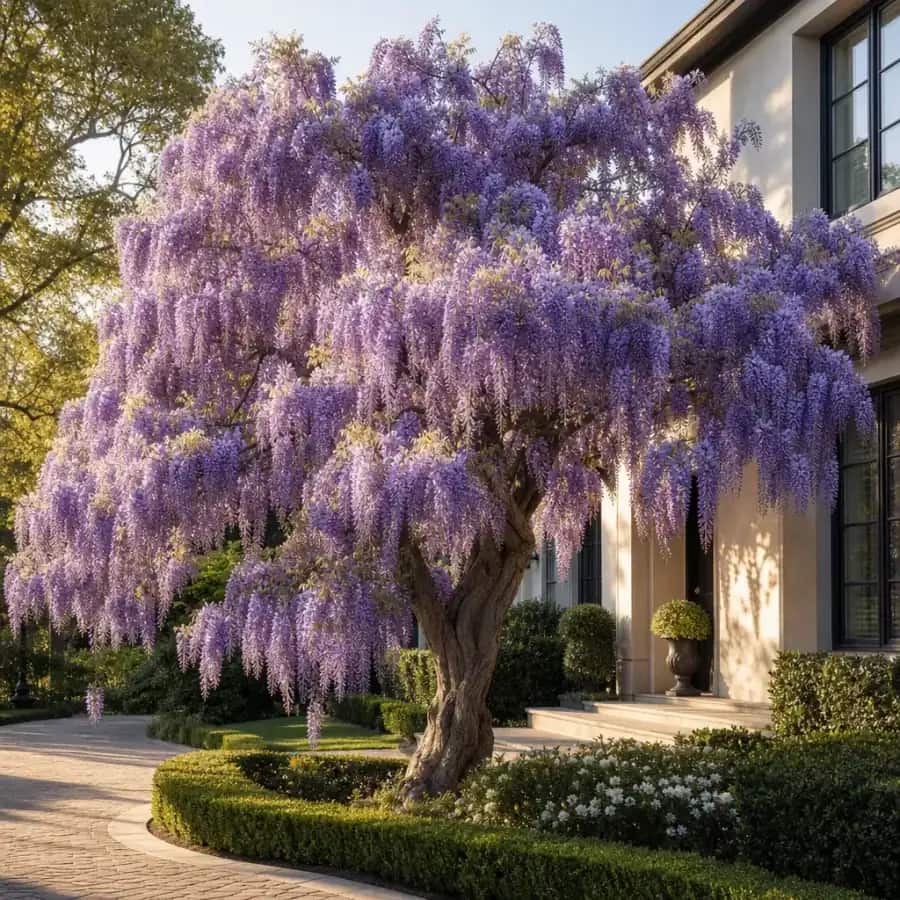 Zones 4 to 9
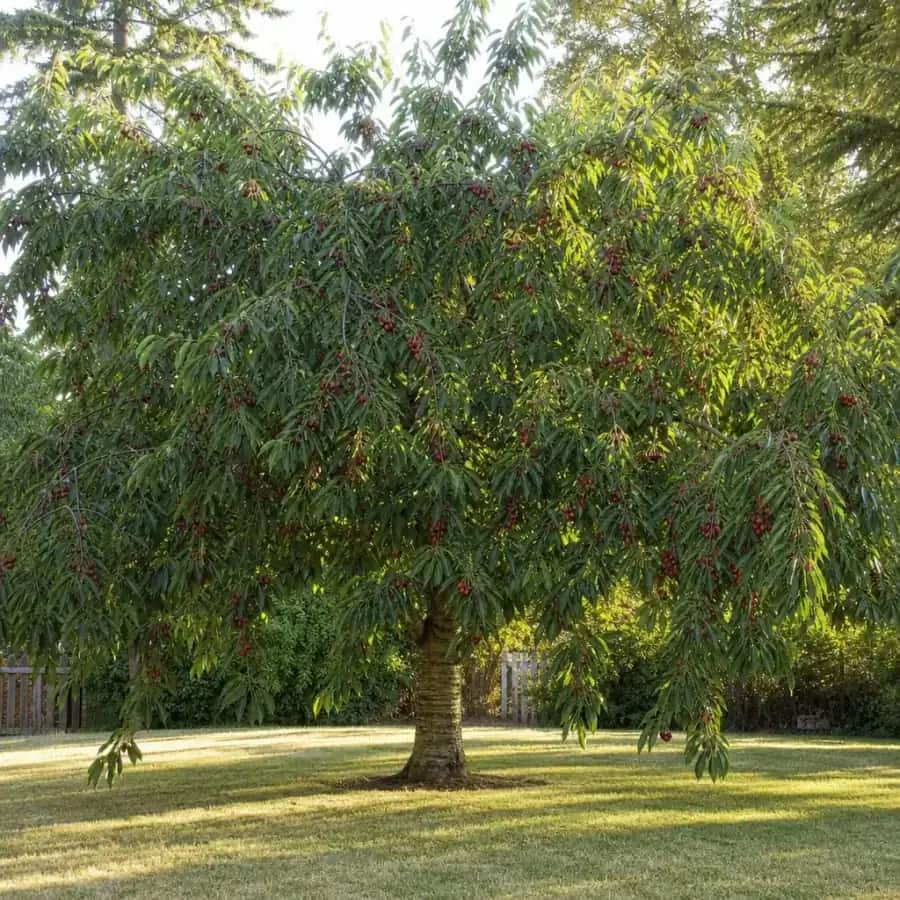 Zones 5 to 8
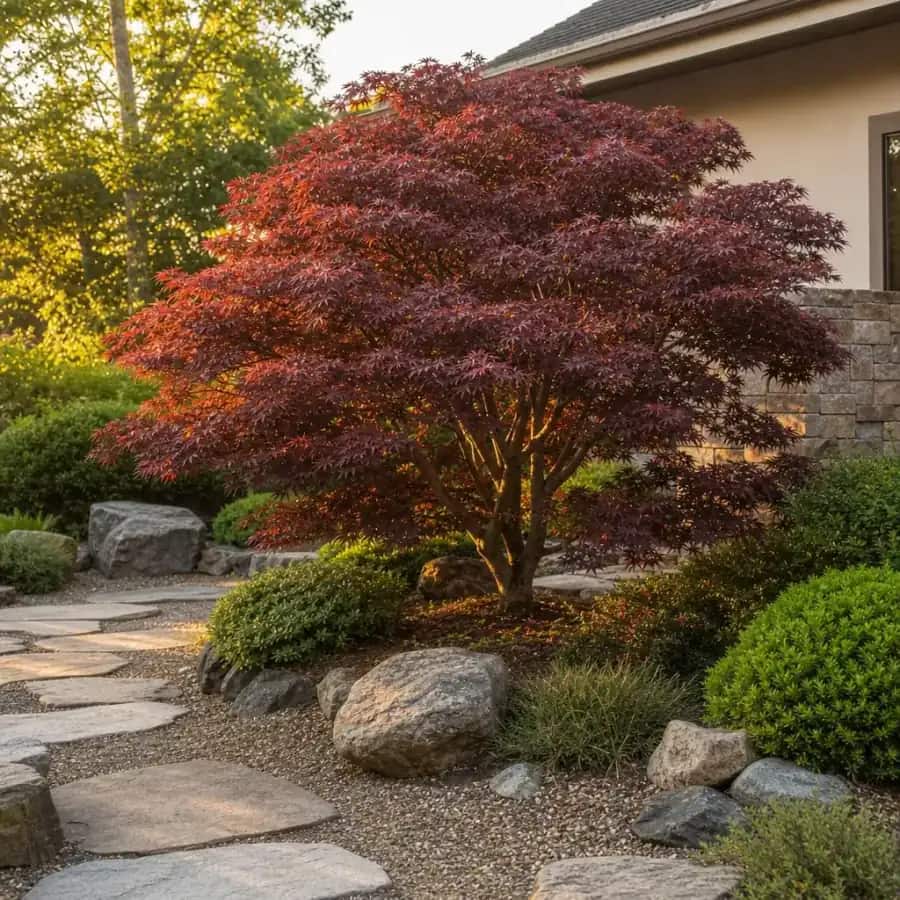 Zones 5 to 8
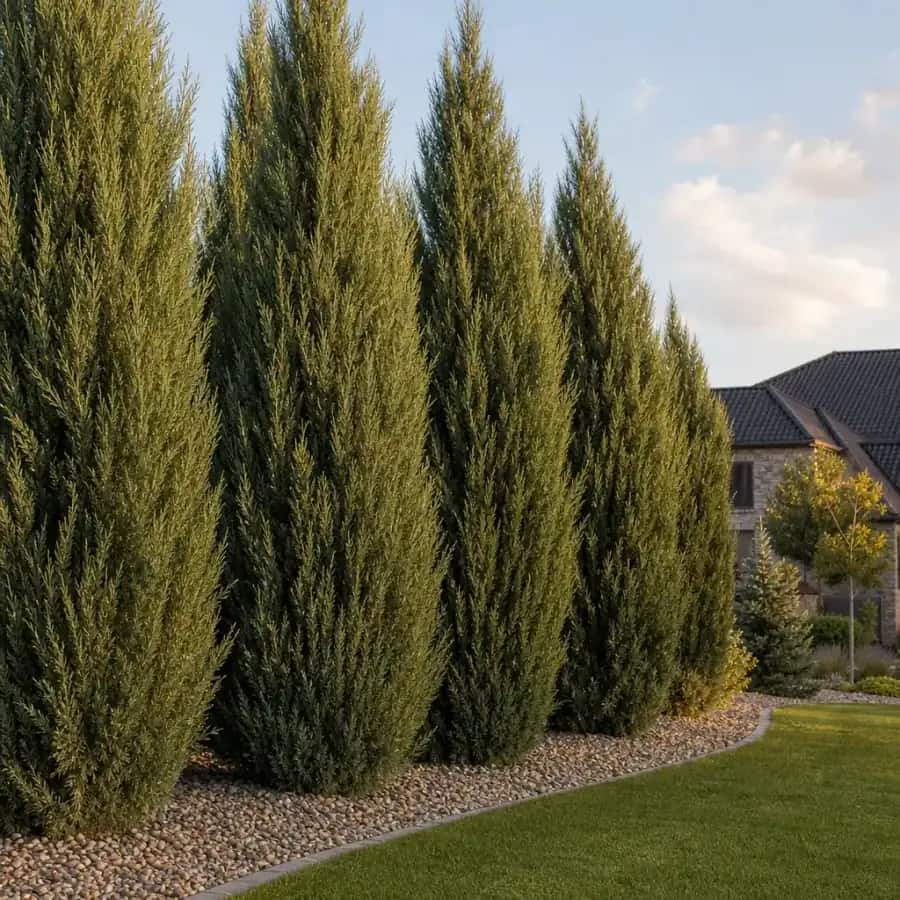 Zones 4 to 9
Shop by category
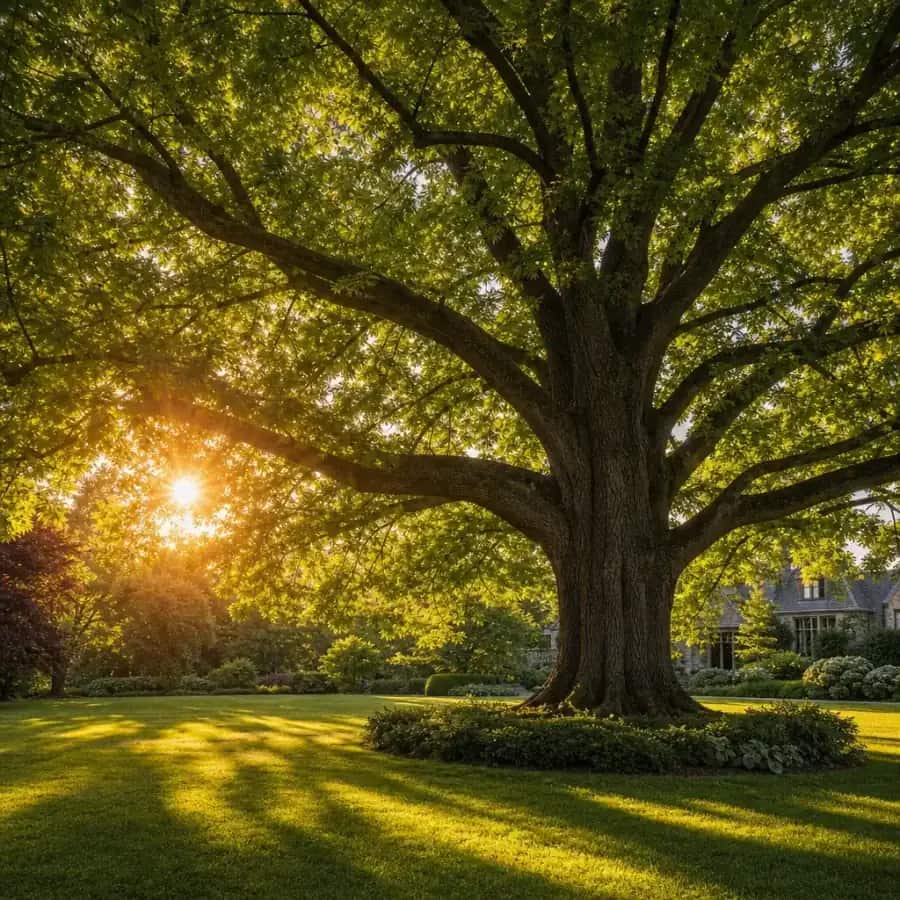 Shade TreesLarge canopy trees that handle winter lows of -5 F and still put on fast summer shade.View all Shade Trees →
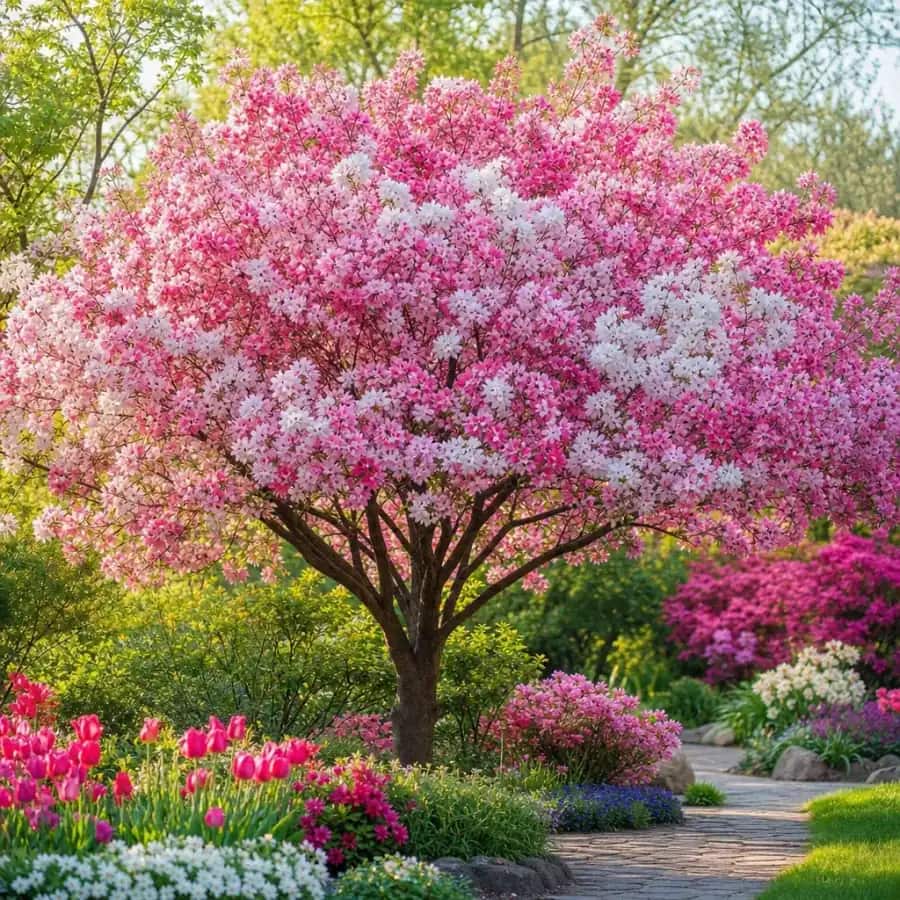 Flowering & OrnamentalSpring bloomers and fall color that light up your yard without fighting the cold.View all Flowering & Ornamental →
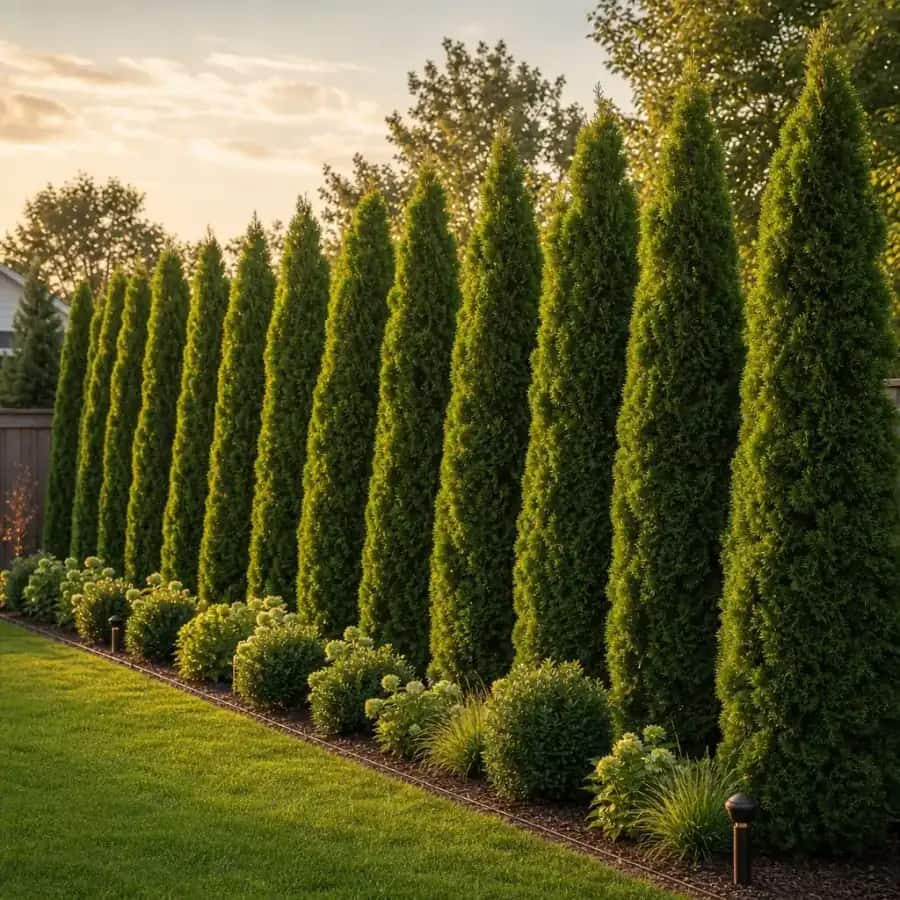 Evergreen & PrivacyYear-round screening trees that stay green through Linn County's coldest snaps.View all Evergreen & Privacy →
 Japanese MaplesCompact ornamentals with striking bark or leaf color, best with some shelter from drying winter winds.
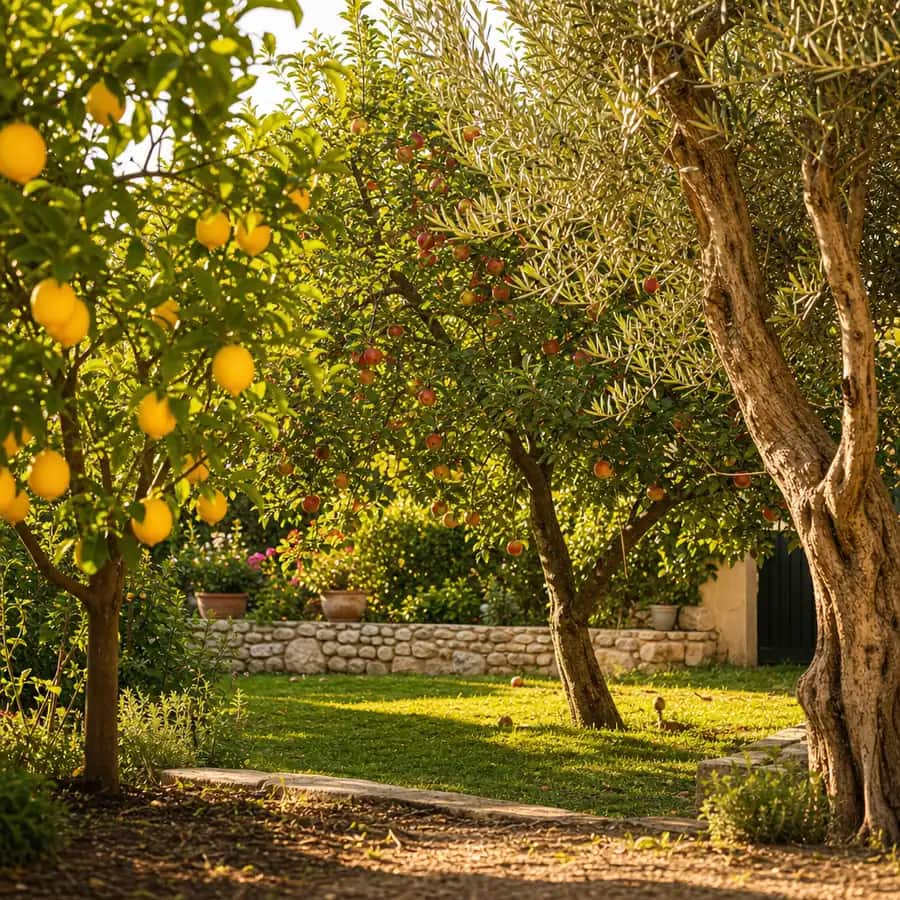 Fruit TreesHardy sweet and tart varieties that set fruit reliably after the last frost in zone 6.View all Fruit Trees →
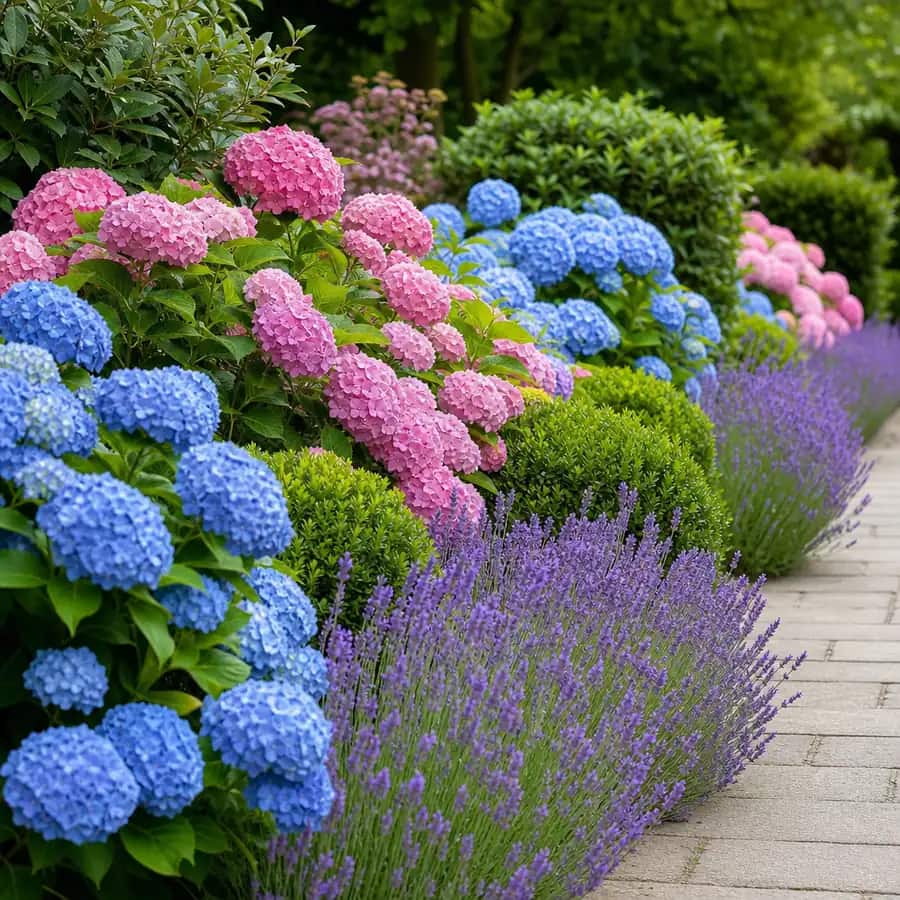 Shrubs & HedgesLower-growing plants that fill in gaps and create structure without full-size tree commitment.View all Shrubs & Hedges →
Local fit, from data
6b
about -5 to 0 F
7
Blue Mound
Shade, privacy, and fruit trees in Linn County, Kansas (KS) ship during the spring and fall windows on either side of summer. Arbor Buddy delivers large, nursery-grown trees by freight direct to homeowners. Every tree is zone-matched to your area's hardiness zone, so you get varieties proven to thrive here. Linn County sits in zone 6b, with typical winter lows running about -5 to 0 degrees F.
Linn County spans the 6b hardiness zone across its 7 ZIP codes. The typical winter lows run about -5 to 0 degrees F, which means you need trees that can handle a hard freeze. The colder end of the county - the western part - sees those -5 F nights, so trees that push zone 5b tolerance are a safer bet there. The eastern part, closer to the Missouri line, is slightly warmer on average.
Summers here can be hot and humid, which is fine for most shade trees and native species. The key is to avoid trees that are marginal in cold tolerance or that need constant moisture during dry stretches. Chinese Pistachio and Cedar Elm both laugh off the dry spells and the winter cold. For trees for zone 6 in Linn County, the best strategy is to pick varieties rated to at least zone 5b so they have a buffer against the worst cold snaps. Blue Mound is the largest delivery area, but we ship to every ZIP in the county.
Zone 6 orders ship during the spring and fall windows on either side of summer. That means your tree arrives when the weather is mild and the ground is workable. Avoid summer heat stress by ordering in time for the spring or fall window.
Cedar Elm and Chinese Pistachio are top picks. Both are rated to at least zone 6b, and Cedar Elm handles the -5 F lows especially well. They give fast, dense shade and don't need constant watering once established.
Every tree is nursery-grown and shipped at a large, usable landscape size. You get a specimen that already has a good root system and branching structure, so it establishes quickly in your yard. Exact sizes vary by species.
Trees that are hardy to at least zone 5b or 6b are the safest choices. The featured trees - Cedar Elm, Liberty Holly, Eastern Redbud, Bing Cherry, Sangokaku Coral Bark Japanese Maple, and Chinese Pistachio - are all proven performers in zone 6b. Stick with cold-hardy species and avoid those rated only to zone 7 or warmer.
Browse the trees above and pick the ones that fit your yard. Every tree is zone-matched and backed by the Thrive Guarantee. Order now for spring or fall delivery.
In Del Norte County, California (CA), the zone runs from 8a to 9b with winter lows of 10 to 30 F. Here, the zone usually pushes the choice toward heat- and humidity-tolerant species - but Linn County's colder winters rule out many of the same trees. The practical difference is that Del Norte can grow subtropical evergreens and tender fruit trees, while Linn County must rely on cold-hardy oaks, hollies, and maples.
The District of Columbia, District of Columbia (DC) sits in zone 7b to 8a with lows of 5 to 15 F. The practical difference is that DC has milder winters that allow for early-blooming ornamentals without the frost risk Linn County faces. Locally, that points buyers toward Eastern Redbud and similar spring bloomers that can handle a snap freeze.
Pickens County, Alabama (AL) is zone 8a to 8b with winter lows of 10 to 20 F. Locally, that points buyers toward trees that need only moderate cold tolerance - but in Linn County, the same trees would struggle with -5 F. The takeaway: Linn County's cold-hardiness requirement is a real filter. Choose trees rated to at least zone 5b to have a safety margin.
Every tree ships by freight to your address in Linn County. They arrive as large, nursery-grown specimens at a usable landscape size, matched to your zone before they leave the nursery. The 1-Year Thrive Guarantee covers free replacement if a tree does not survive its first year. Zone 6 orders travel in the spring and fall windows on either side of summer, so you avoid the stress of summer heat during transit.
Before delivery day, check:
Enter your ZIP, shop only what thrives in your zone.
Freight delivery to your address: $149 flat per order, shown at checkout.
Plant it, watch it thrive, covered for one year.
Good to know · Growing guide
Coverage runs a full year from delivery. If something goes wrong, contact the team and they arrange the replacement. No store-credit games, no fine-print maze.