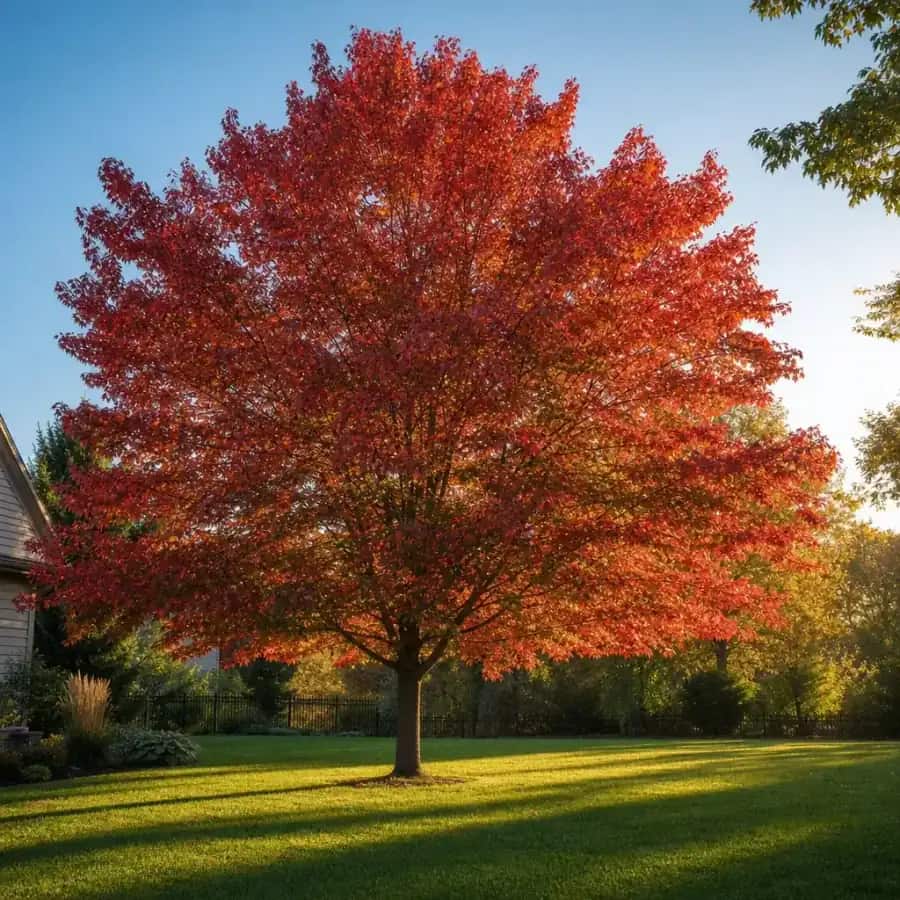
 Zones 3 to 8
Shade Trees
Autumn Blaze Red Maple
$60
Shop large, nursery-grown shade, privacy, flowering and fruit trees, delivered by freight in Grant County. Every tree is matched to your hardiness zone and backed by our 1-Year Thrive Guarantee.
Enter your ZIP and we'll match trees to your exact growing zone.
Typical winter lows in Grant County run about -5 to 0 F.
Matched to Grant County's zones
Zones 3 to 8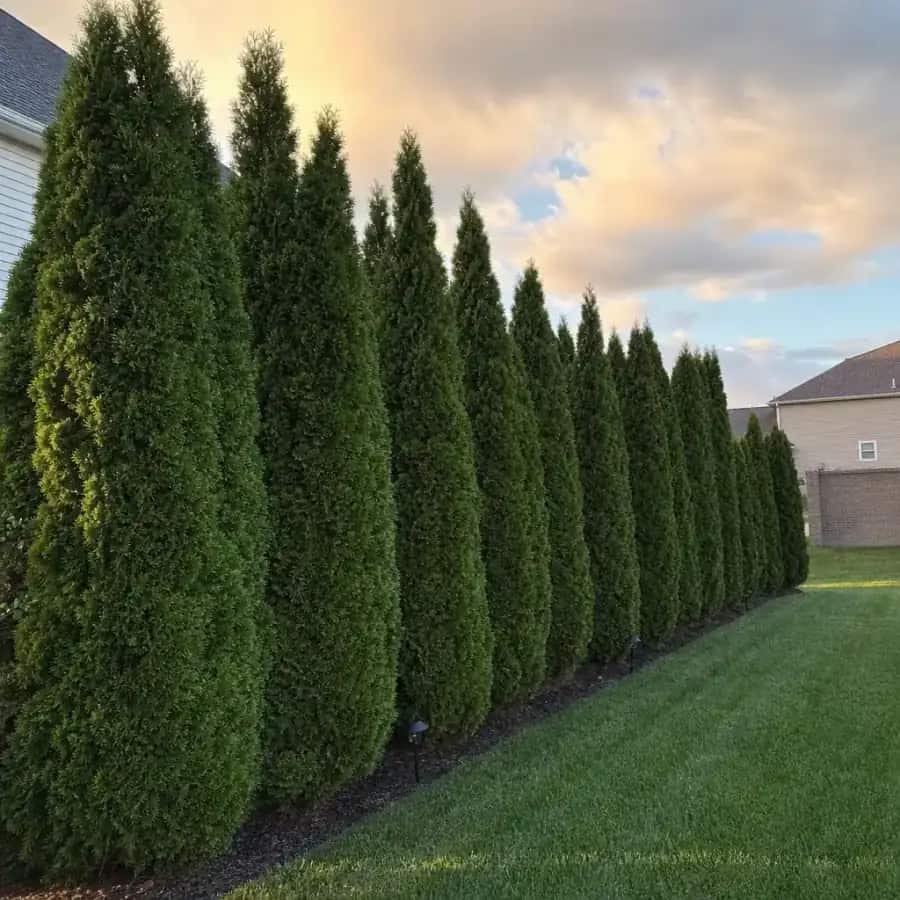 Zones 3 to 8
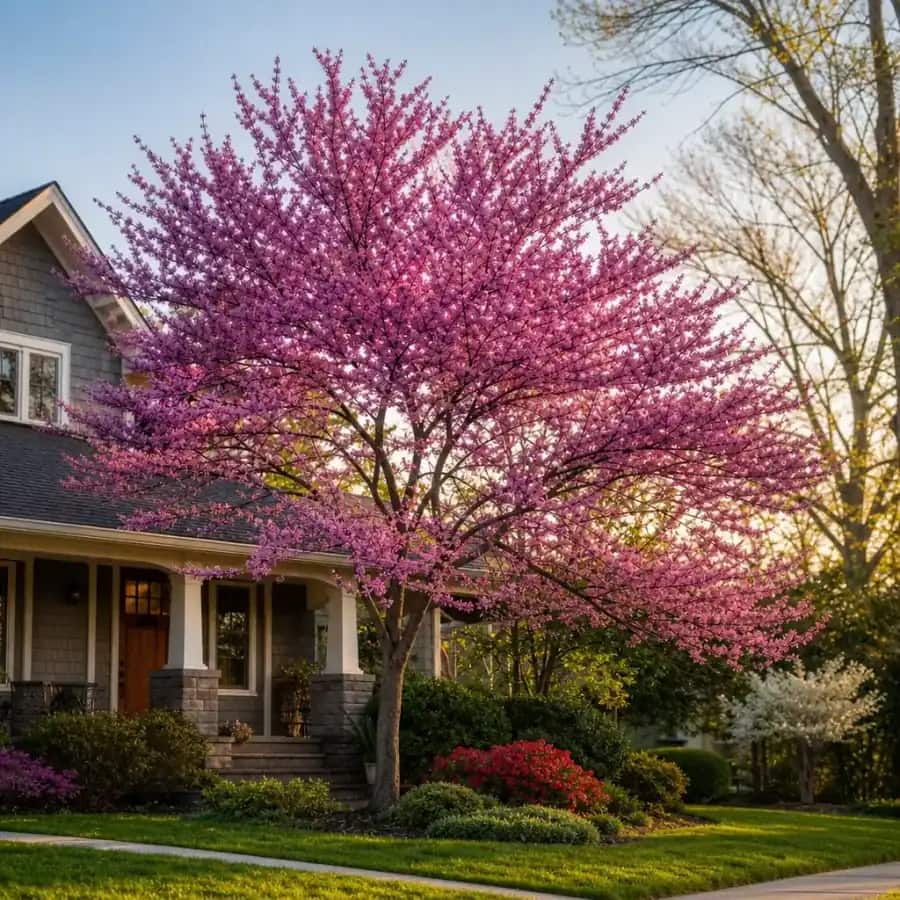 Zones 4 to 9
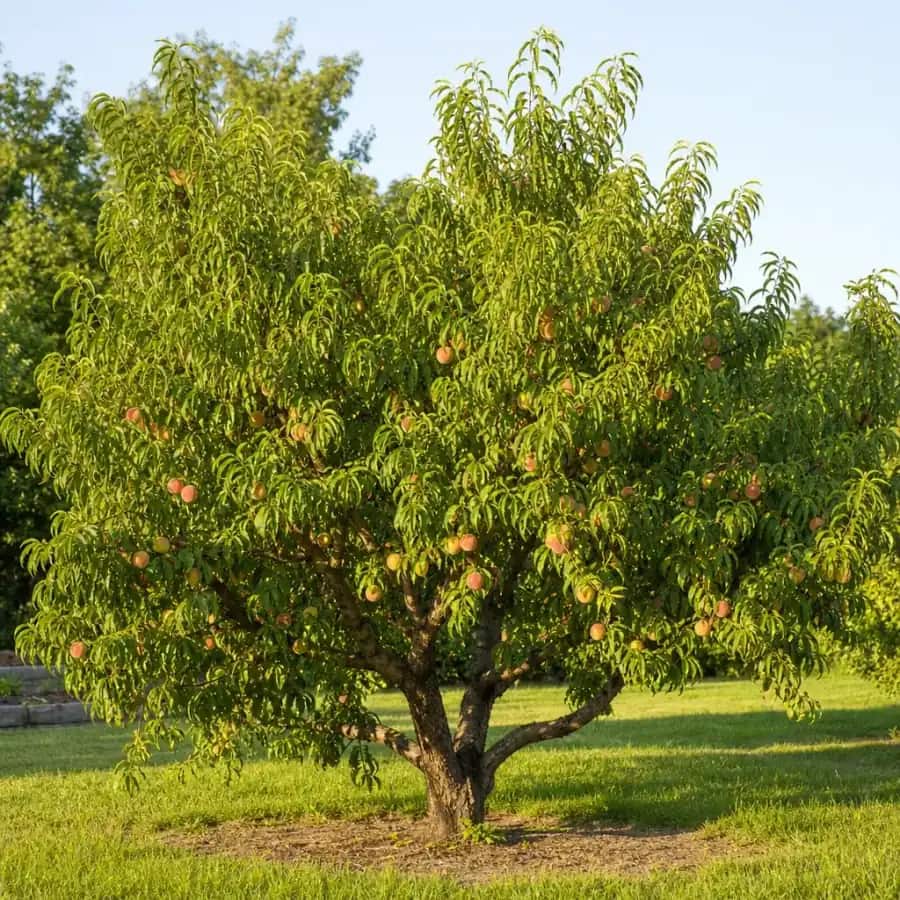 Zones 5 to 9
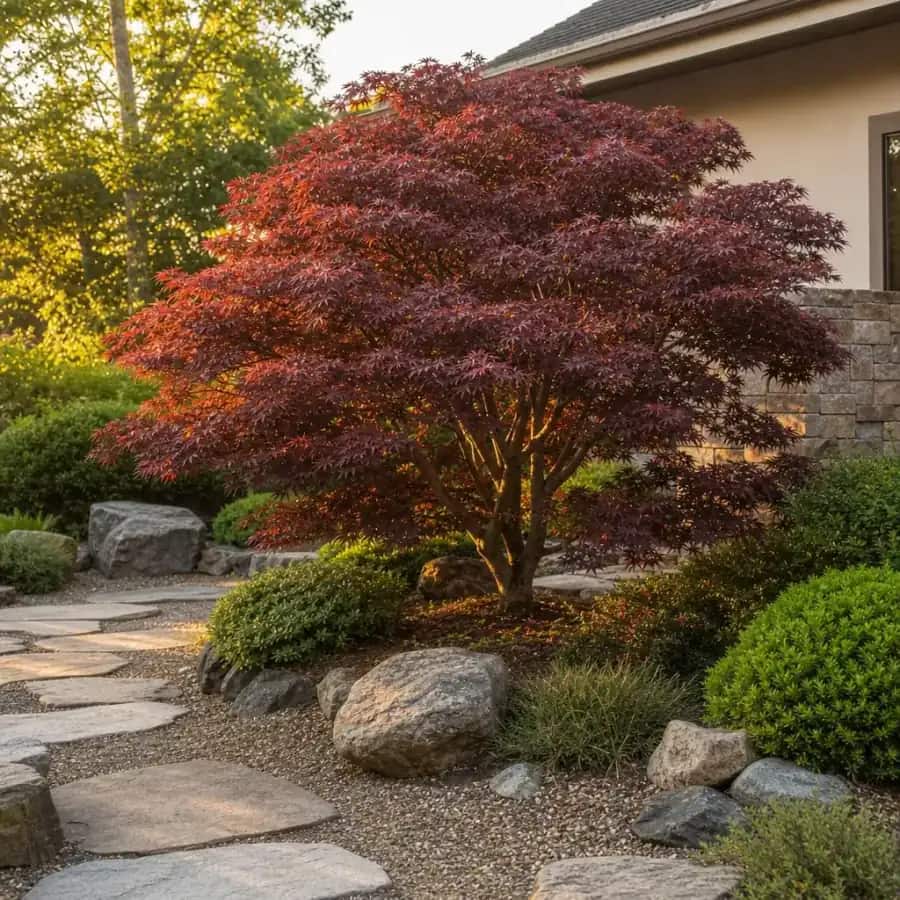 Zones 5 to 8
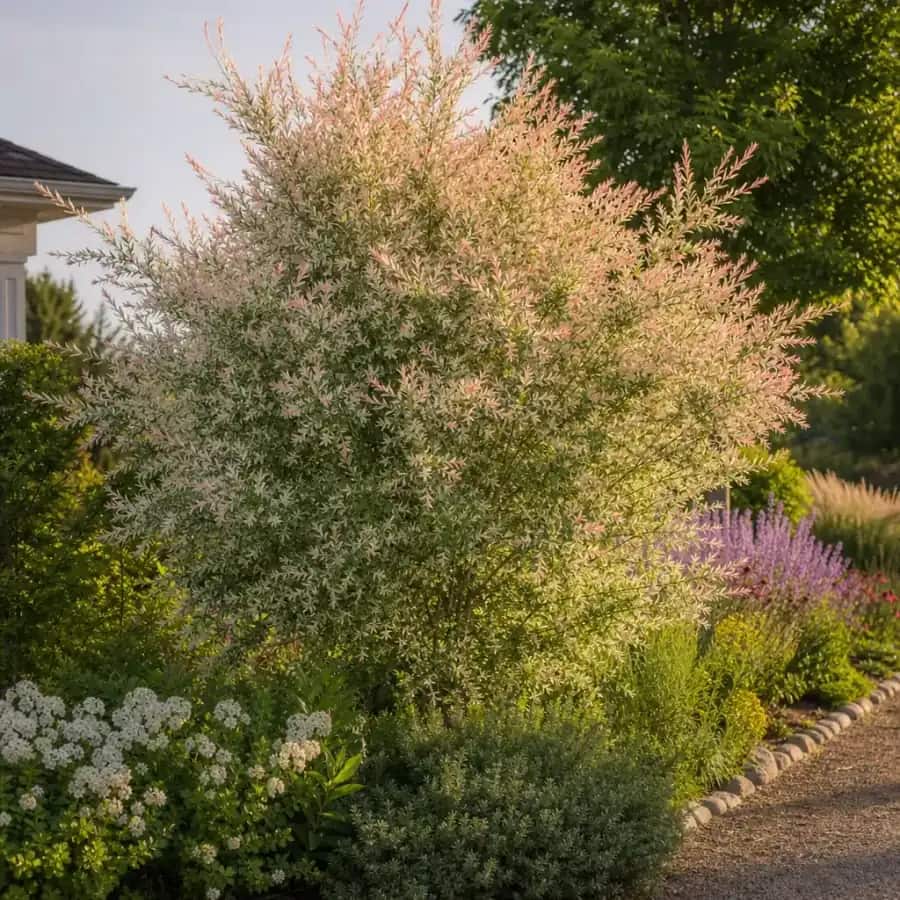 Zones 5 to 9
Shop by category
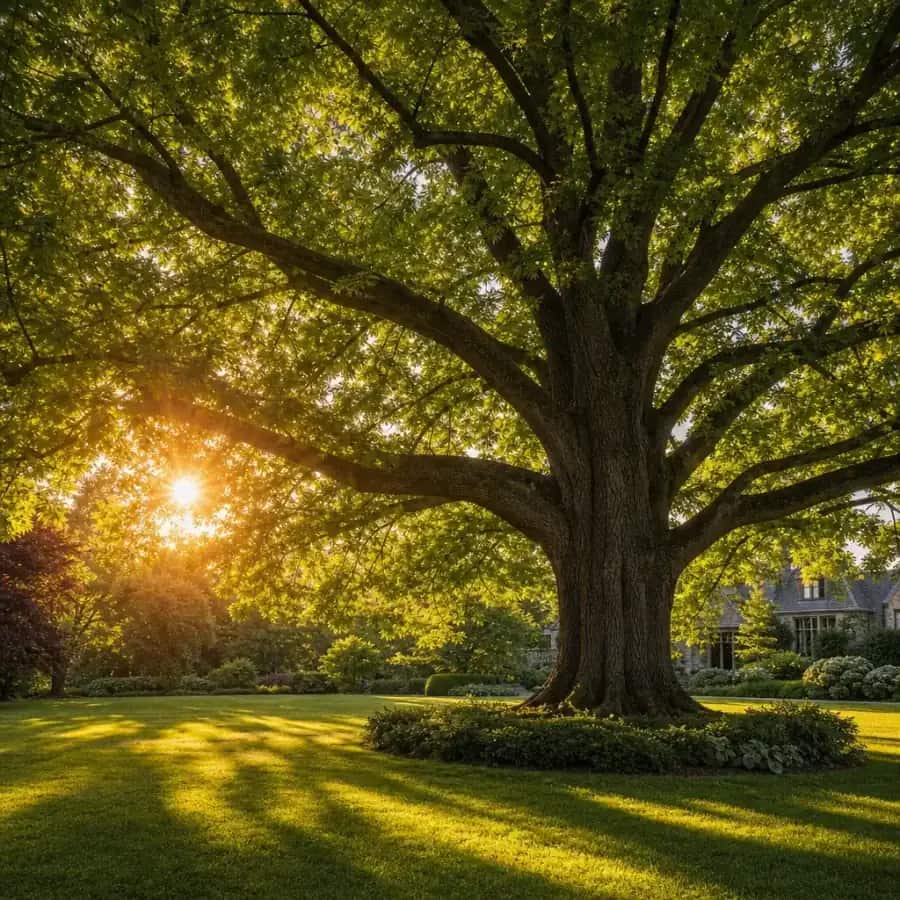 Shade TreesShade trees like Dura Heat River Birch handle the cold winters of zone 6b.View all Shade Trees →
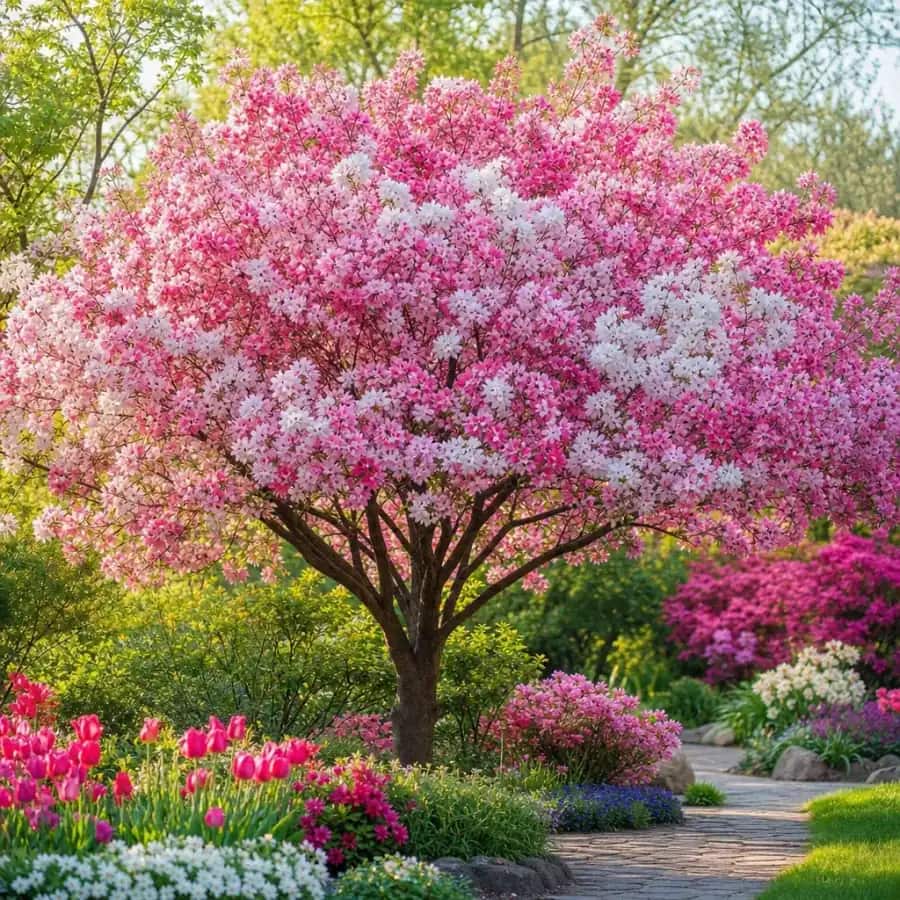 Flowering & OrnamentalFlowering picks like Forest Pansy Redbud bloom early in Grant County springs.View all Flowering & Ornamental →
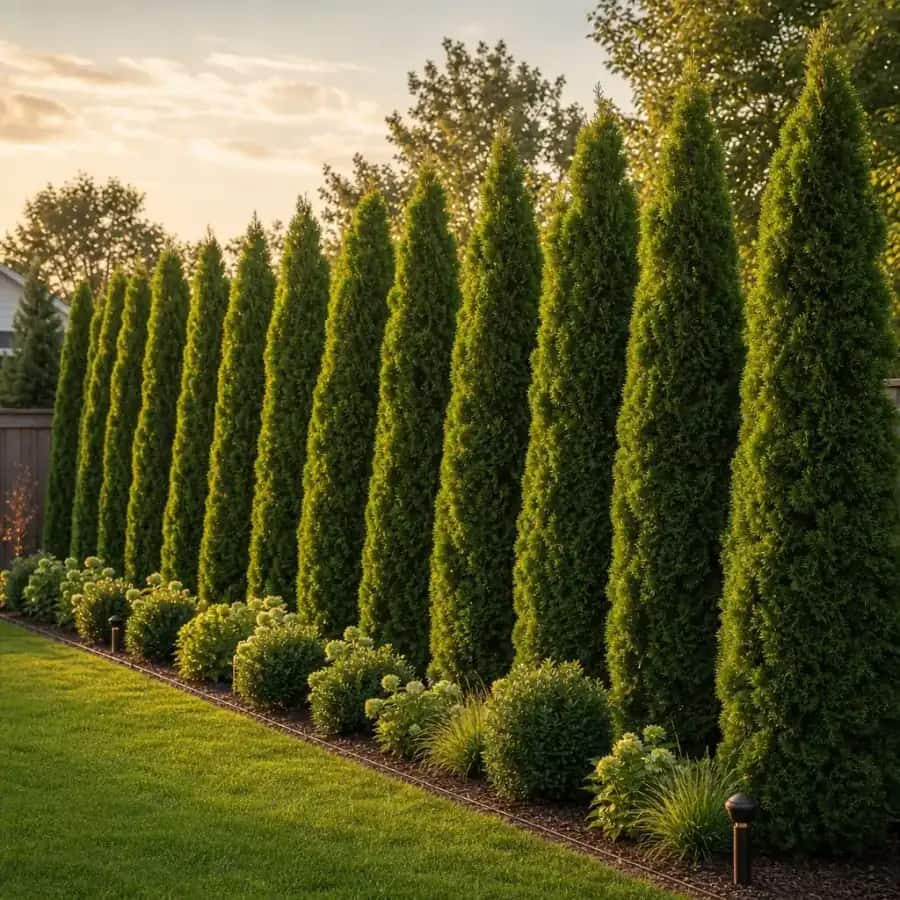 Evergreen & PrivacyEvergreens like Skyrocket Juniper stay green through zone 6 winter lows.View all Evergreen & Privacy →
 Japanese MaplesJapanese maples like Bloodgood add graceful form to protected spots in zone 6.
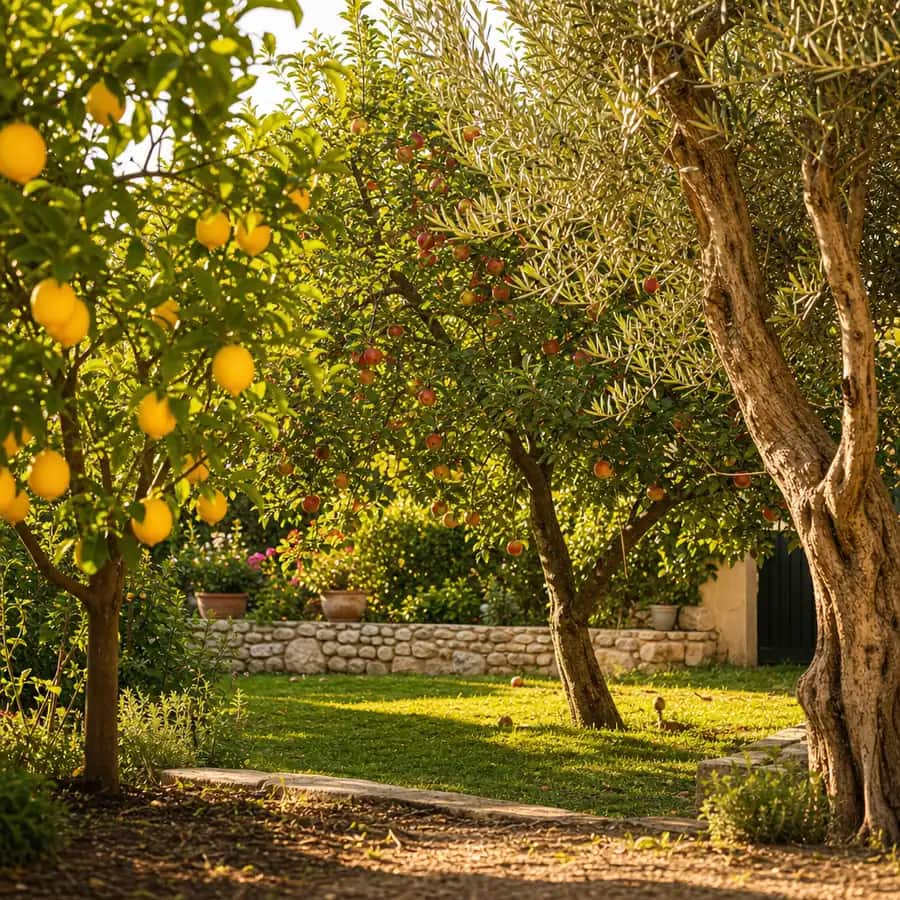 Fruit TreesFruit trees like Elberta Peach match the chill hours of Grant County winters.View all Fruit Trees →
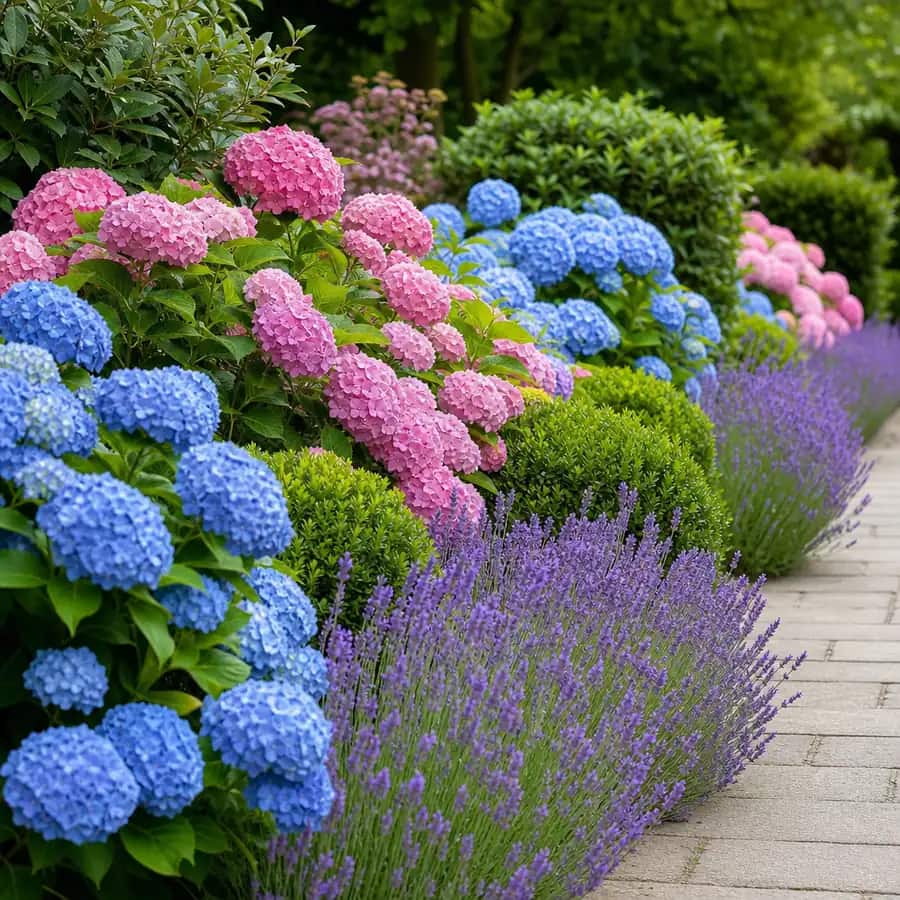 Shrubs & HedgesShrubs like Nellie Stevens Holly provide dense cover in zone 6.View all Shrubs & Hedges →
Local fit, from data
6b
about -5 to 0 F
6
Corinth
Shade, privacy, and fruit trees in Grant County, Kentucky (KY) ship from Arbor Buddy. We grow large nursery trees and deliver by freight. Every tree matches zone 6b, your local hardiness zone. Homeowners and contractors across the county get trees selected for your climate. Choose from shade, flowering, evergreen, Japanese maple, fruit, and shrub varieties.
Grant County sits in zone 6b, with typical winter lows around -5 to 0 F. Across the county's 6 ZIP codes, the climate is similar: cold winters and warm summers. That cold period suits trees that need a chill for dormancy, like many fruit trees.
Summer brings humidity, but most shade trees and evergreens handle it well. The main challenge is a late spring frost. That is why cold-hardy picks like the Chicago Hardy Fig work well here. For trees for zone 6 in Grant County, stick with varieties rated for your whole zone range.
Browse the trees above and find your match for Grant County. Arbor Buddy ships your order in the next spring or fall window for zone 6. Pick your tree, place your order, and get ready for delivery to your yard.
Mendocino County, California (CA) sits in zone 9a to 10a, with winter lows of 20 to 35 F. That climate is much milder and drier than Grant County. The practical difference is drought tolerance matters more there. Trees like the Slender Silhouette Sweetgum need more water in Mendocino, while in Grant County they get enough rainfall naturally.
St. Clair County, Alabama (AL) is zone 8a, with winter lows 10 to 15 F. That area gets more heat and humidity than Grant County. Here, the zone usually pushes the choice toward trees that handle hot, sticky summers. For Grant County, you pick trees that need a cold winter, like the Chicago Hardy Fig, where in St. Clair you might lean toward heat-tolerant evergreens.
Drew County, Arkansas (AR) is zone 8b, with winter lows 15 to 20 F. Those winters are warmer than Grant County lows of -5 to 0 F. Locally, that points buyers toward cold-hardy selections. In Drew County, the same fig would rarely face a hard freeze. In Grant County, you rely on the fig's ability to resprout after cold damage.
For Grant County, these contrasts mean you focus on trees that handle cold winters and tolerate some humidity. The featured picks fit that bill.
Freight delivery brings your tree to your driveway in Grant County. You need to be home to receive it and inspect the box. Trees come nursery-grown at a usable landscape size, zone-matched before shipping. Your zone 6 order ships in a spring or fall window, whichever comes next. Every tree is backed by a 1-Year Thrive Guarantee. If it does not survive its first year, you get a free replacement.
Before delivery day, check:
Enter your ZIP, shop only what thrives in your zone.
Freight delivery to your address: $149 flat per order, shown at checkout.
Plant it, watch it thrive, covered for one year.
Good to know · Growing guide
Coverage runs a full year from delivery. If something goes wrong, contact the team and they arrange the replacement. No store-credit games, no fine-print maze.