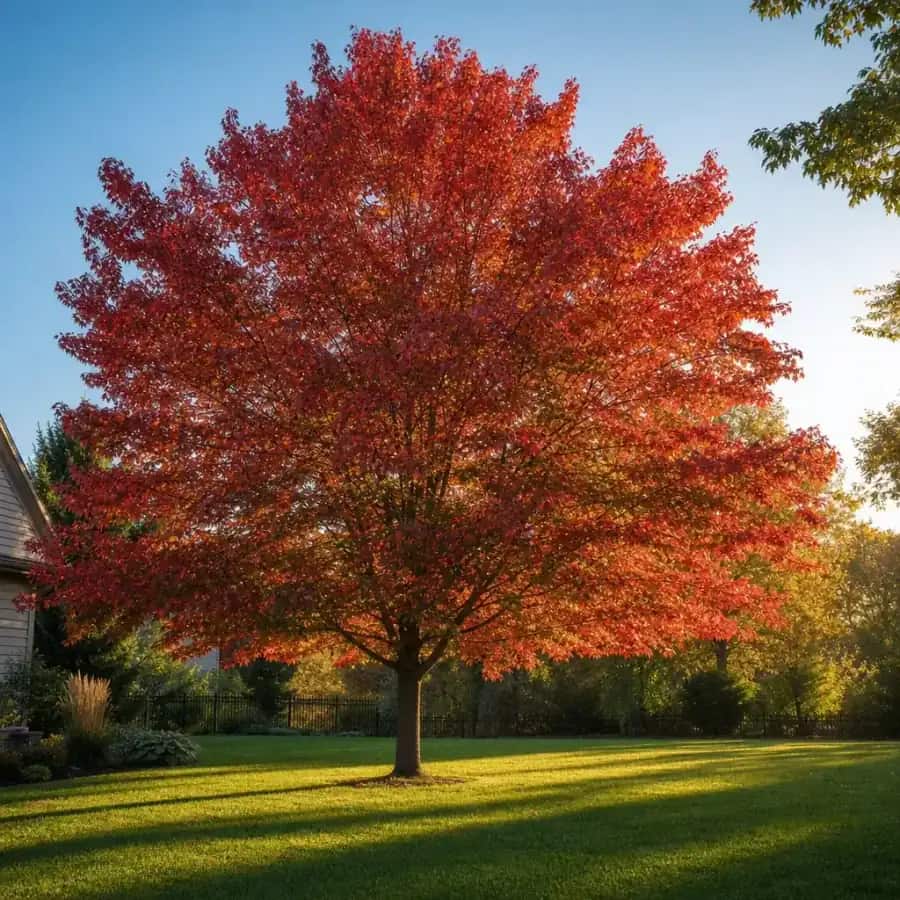
 Zones 3 to 8
Shade Trees
Autumn Blaze Red Maple
$60
Shop large, nursery-grown shade, privacy, flowering and fruit trees, delivered by freight in Scott County. Every tree is matched to your hardiness zone and backed by our 1-Year Thrive Guarantee.
Enter your ZIP and we'll match trees to your exact growing zone.
Typical winter lows in Scott County run about -5 to 0 F.
Matched to Scott County's zones
Zones 3 to 8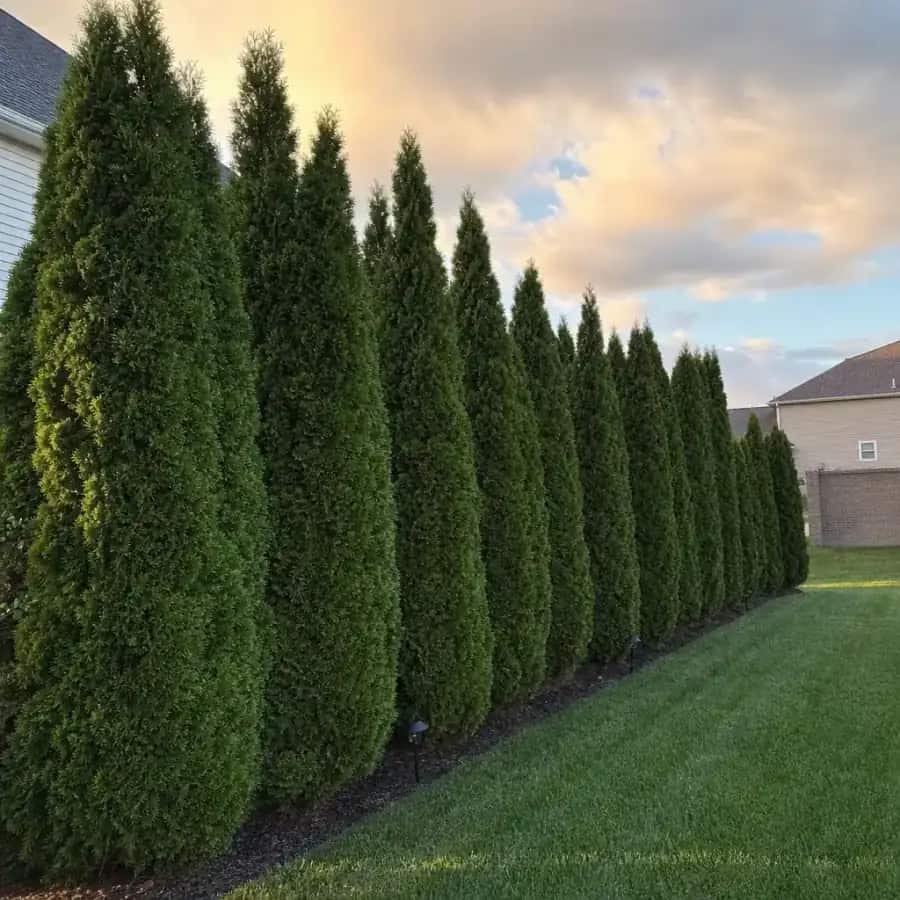 Zones 3 to 8
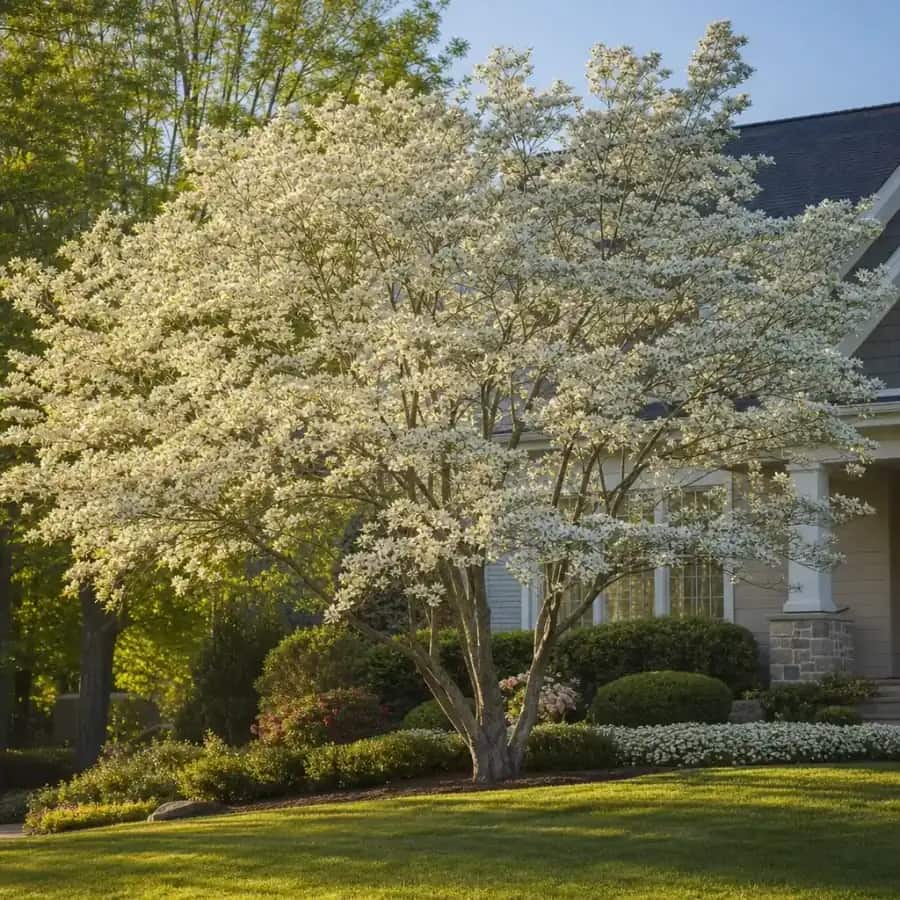 Zones 5 to 9
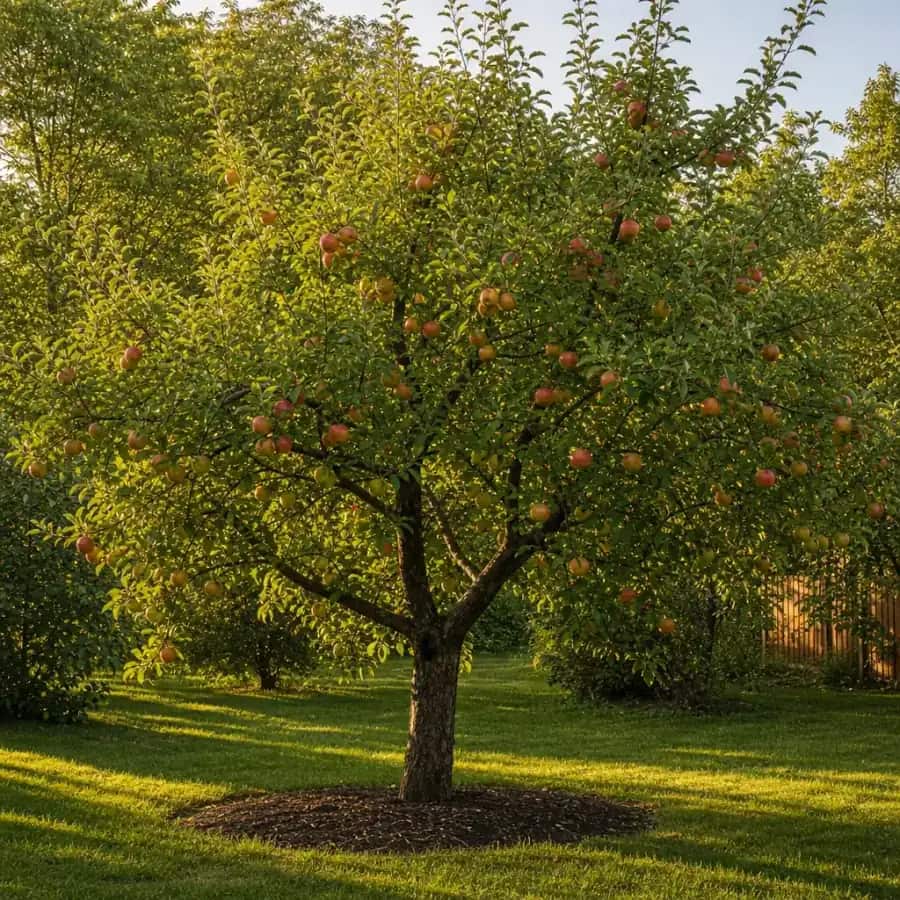 Zones 3 to 8
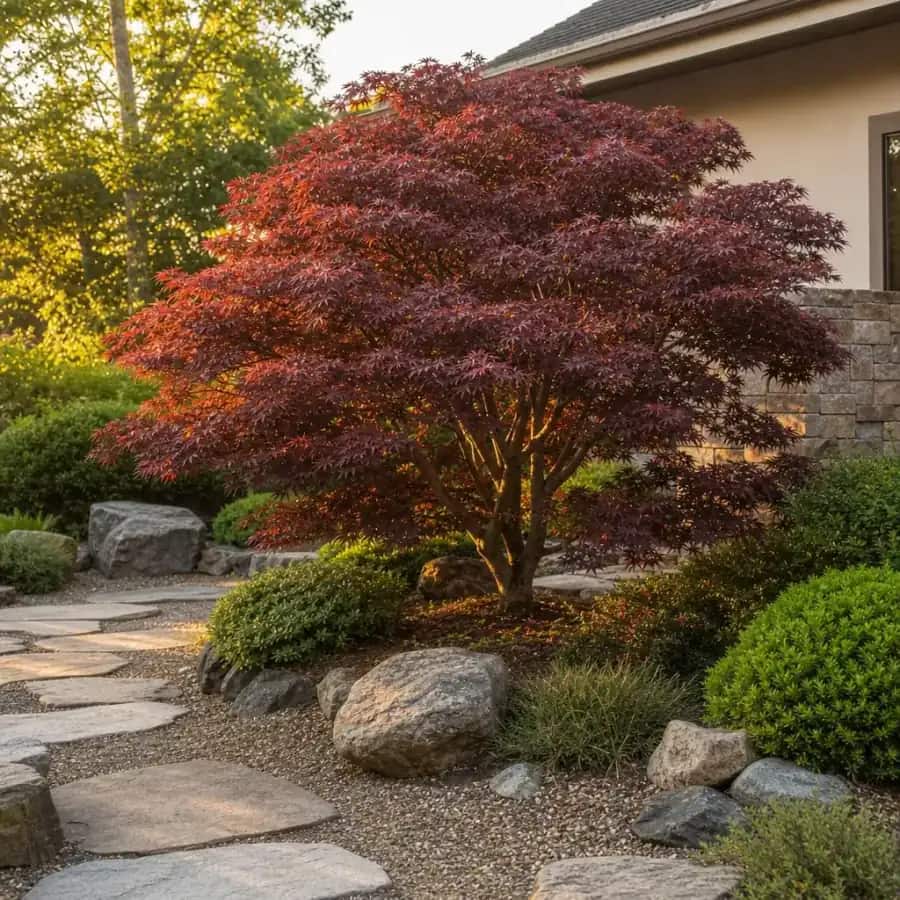 Zones 5 to 8
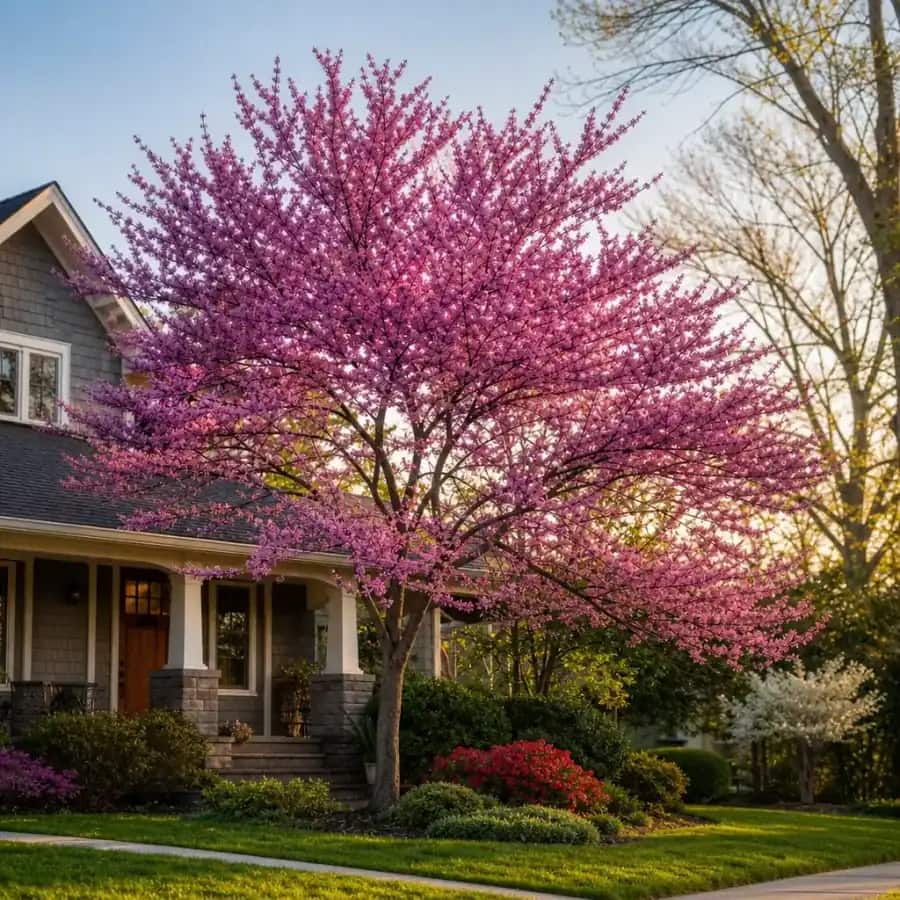 Zones 4 to 9
Shop by category
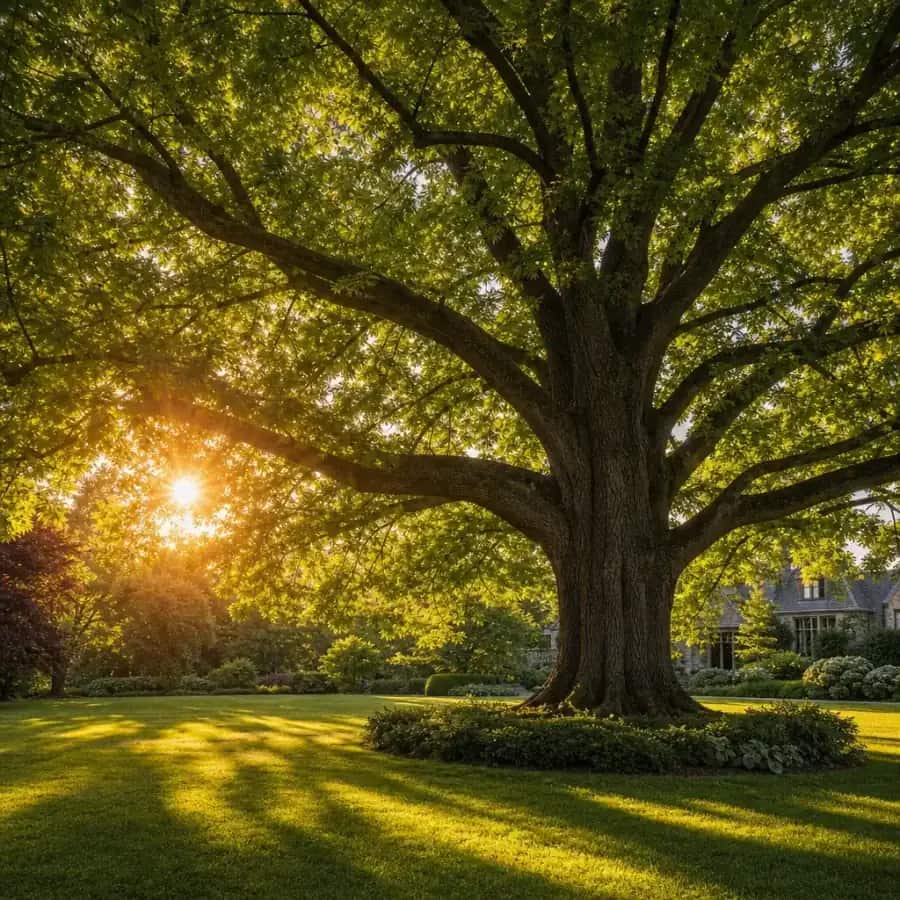 Shade TreesBig, fast canopy. Oaks, elms, maples and more.View all Shade Trees →
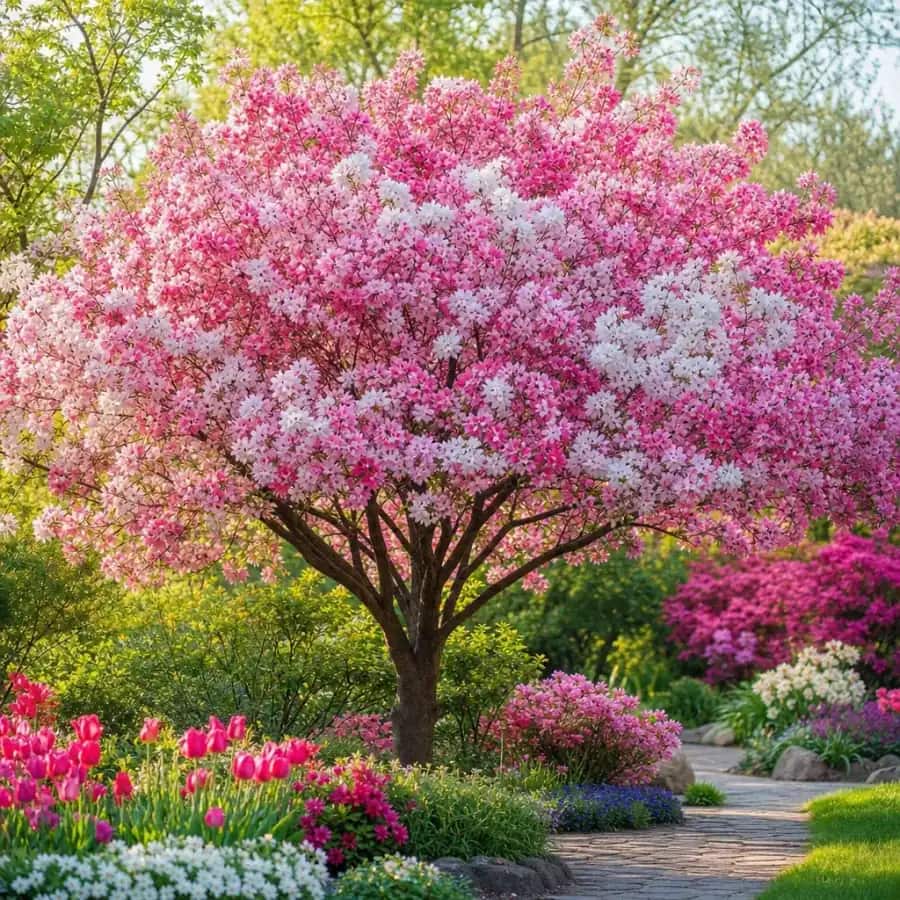 Flowering & OrnamentalCrape myrtles, redbuds, and other bloomers that tolerate zone 6's winter cold and summer humidity.View all Flowering & Ornamental →
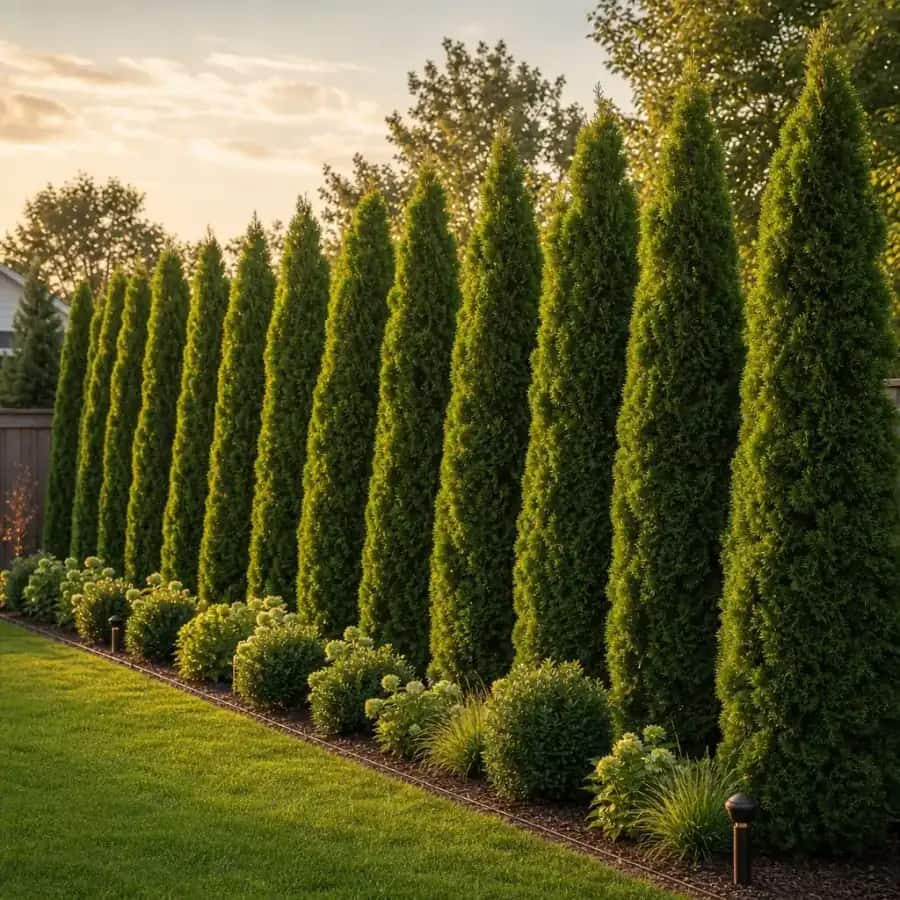 Evergreen & PrivacyHollies, junipers, and magnolias that stay dense through your freeze-thaw cycle.View all Evergreen & Privacy →
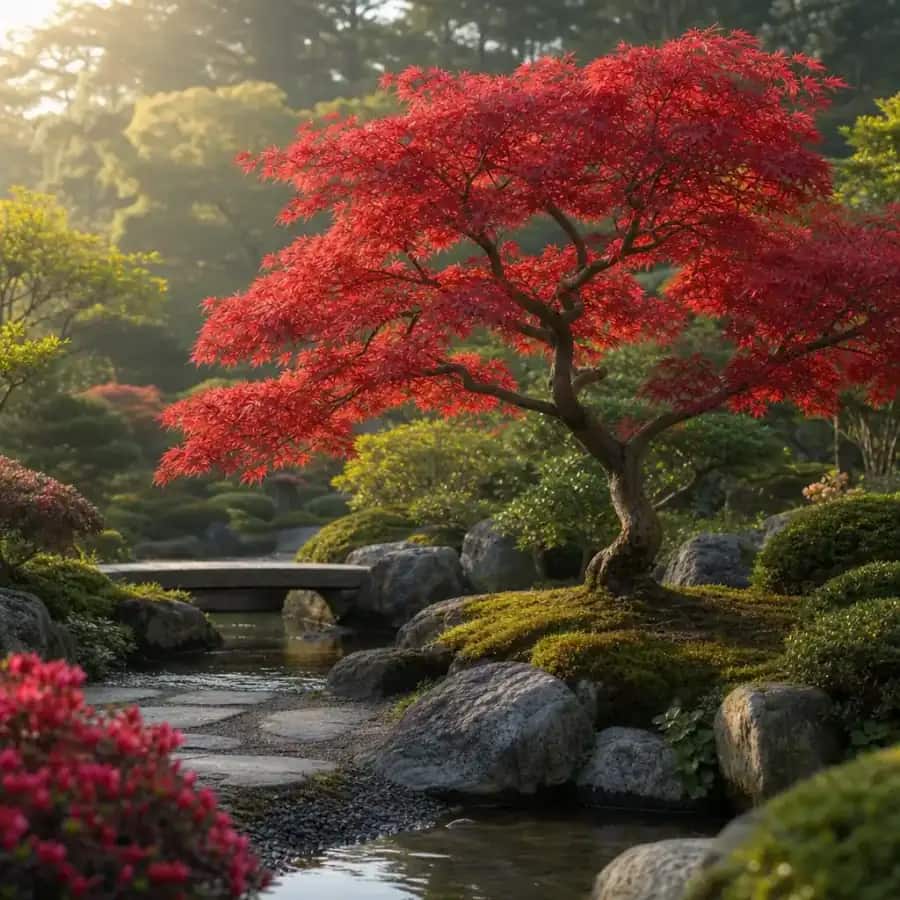 Japanese MaplesLaceleaf varieties rated to zone 5, best in part shade to avoid leaf scorch.View all Japanese Maples →
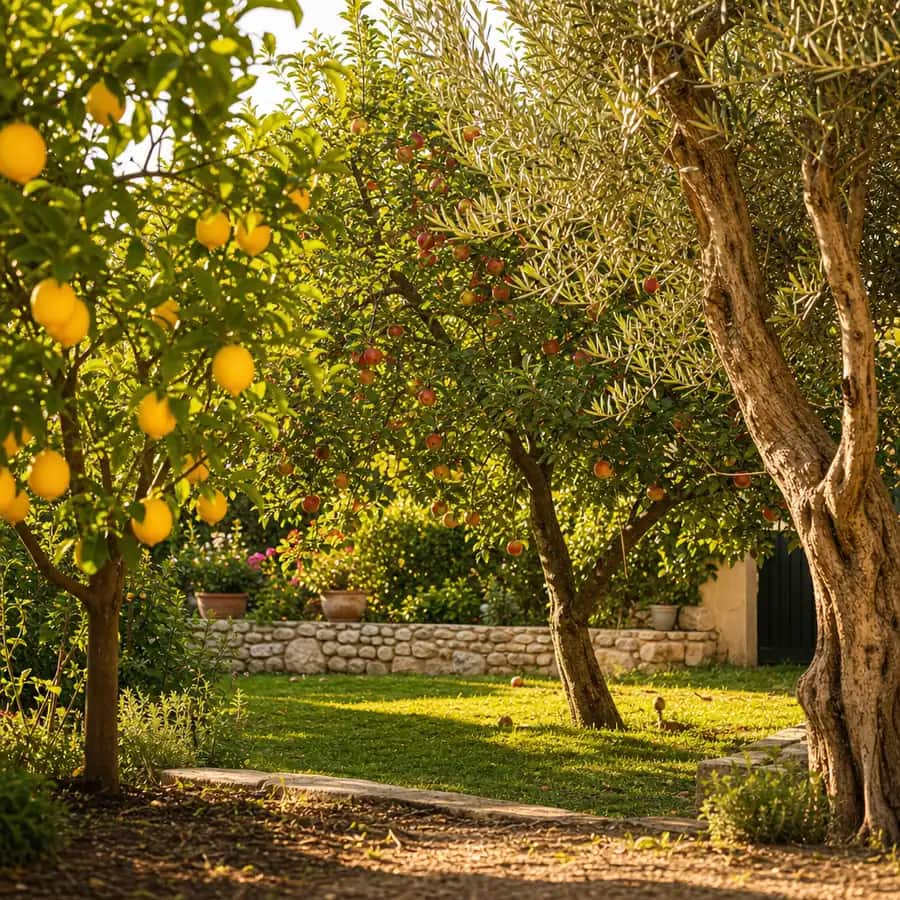 Fruit TreesCherries, apples, and peaches with chill-hour needs that match the 6b winter.View all Fruit Trees →
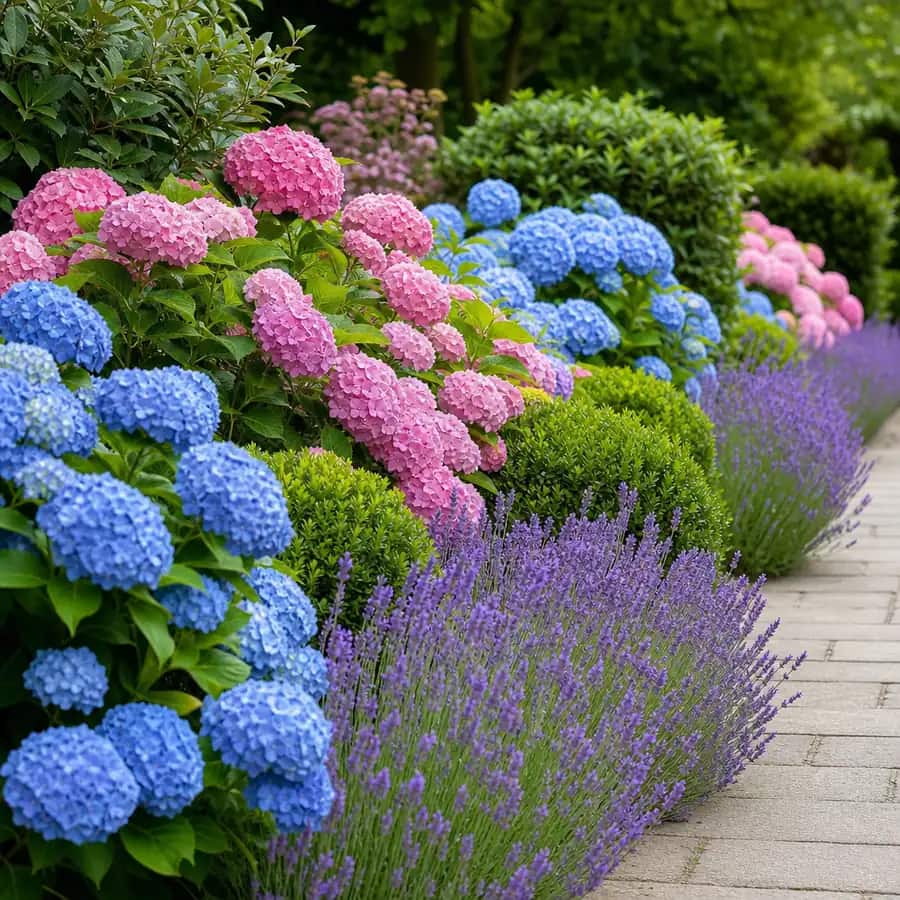 Shrubs & HedgesDwarf evergreens and flowering shrubs for foundation plantings and low screens.View all Shrubs & Hedges →
Local fit, from data
6b
about -5 to 0 F
3
Georgetown
For shade, privacy, and fruit trees in Scott County, Kentucky (KY), Arbor Buddy ships spring and autumn to match the zone 6 climate. We are a delivery-only vendor of large nursery-grown trees sent by freight to homeowners and contractors. Every tree is matched to your hardiness zone, with a 1-Year Thrive Guarantee. Your Scott County yard, zone 6b, gets trees that handle winters as low as -5 to 0 F.
Scott County sits entirely in zone 6b, with typical winter lows ranging from -5 to 0 F across its 3 ZIP codes. That means trees must handle a solid freeze each year and can also cope with occasional winter thaws. The county's growing season is long enough for fruit trees that need moderate chill hours, like your Bing Cherry or an apple variety.
Summer brings humidity, but not the extreme heat of zone 7 or 8. Trees for zone 6 in Scott County should tolerate muggy conditions without developing mildew. Crape myrtles and hollies handle this well, while Japanese maples prefer a position with morning sun and afternoon shade to avoid leaf scorch. The reliable spring and autumn shipping windows give trees time to establish before the hottest or coldest months.
In short, the 6b zone here is a middle ground: it excludes truly tropical or subtropical species but welcomes a broad range of temperate shade, evergreen, and fruit trees. Choose plants that are listed as zone 5 or 6 hardy for the best confidence.
Pick the category that matches your main goal. Each link leads to zone-sorted stock that is proven in Scott County soil and weather.
Browse our zone-sorted selection and pick the trees that fit your yard. Arbor Buddy ships each order with the 1-Year Thrive Guarantee, so you can plant with confidence. Choose your trees now.
Greenwood County, South Carolina (SC) sits in zone 8a, with winter lows of 10 to 15 F. Here, the zone usually pushes the choice toward heat- and humidity-tolerant species like crape myrtles and Southern magnolias. In Scott County, you get those same summer benefits but with colder winters. Trees like Dynamite Crape Myrtle still thrive here, but you cannot plant subtropical broadleaf evergreens that would survive in Greenwood. Your palette is narrower but more reliable for long-term freeze safety.
Butte County, South Dakota (SD) is zone 4b, with winter lows down to -25 to -20 F. The practical difference is that Butte County buyers must choose extremely cold-hardy trees, mostly native pines and spruces. In Scott County, you have far more options: your winter lows of -5 to 0 F let you grow Japanese maples, cherry trees, and columnar hollies that would not survive a South Dakota winter. The trade-off is that you need to be mindful of late frosts that can damage early-blooming fruit blossoms.
Grays Harbor County, Washington (WA) lies in zone 8a to 9a, with winter lows from 10 to 25 F. Locally, that points buyers toward trees that tolerate wet, mild winters and summer drought. Their evergreens include Western redcedar and Douglas fir. In Scott County, your winter freezes are deeper, so you choose plants like Taylor Eastern Red Cedar and hollies that shrug off -5 F. Your summer heat is also drier than the Pacific Northwest, making crape myrtles and maples perform well in full sun with good drainage.
For Scott County buyers, the takeaway is simple: your zone 6b climate gives you a broad middle ground. You can grow many species that fail in colder zones, yet you avoid the subtropical constraints of warmer zones. Stick to trees rated zone 5 to 7, and your cart will be well matched.
We ship large nursery-grown trees by freight direct to your door in Scott County. Each tree is zone-matched before it leaves our nursery. If your tree does not survive the first year, we replace it free under the 1-Year Thrive Guarantee. In zone 6, shipments are timed for spring and autumn, skipping temperature extremes.
Before delivery day, check:
Most of Scott County is accessible by freight, including rural addresses. We do not offer in-person pickup.
Enter your ZIP, shop only what thrives in your zone.
Freight delivery to your address: $149 flat per order, shown at checkout.
Plant it, watch it thrive, covered for one year.
Good to know · Growing guide
Coverage runs a full year from delivery. If something goes wrong, contact the team and they arrange the replacement. No store-credit games, no fine-print maze.