 Zones 3 to 8
Shade Trees
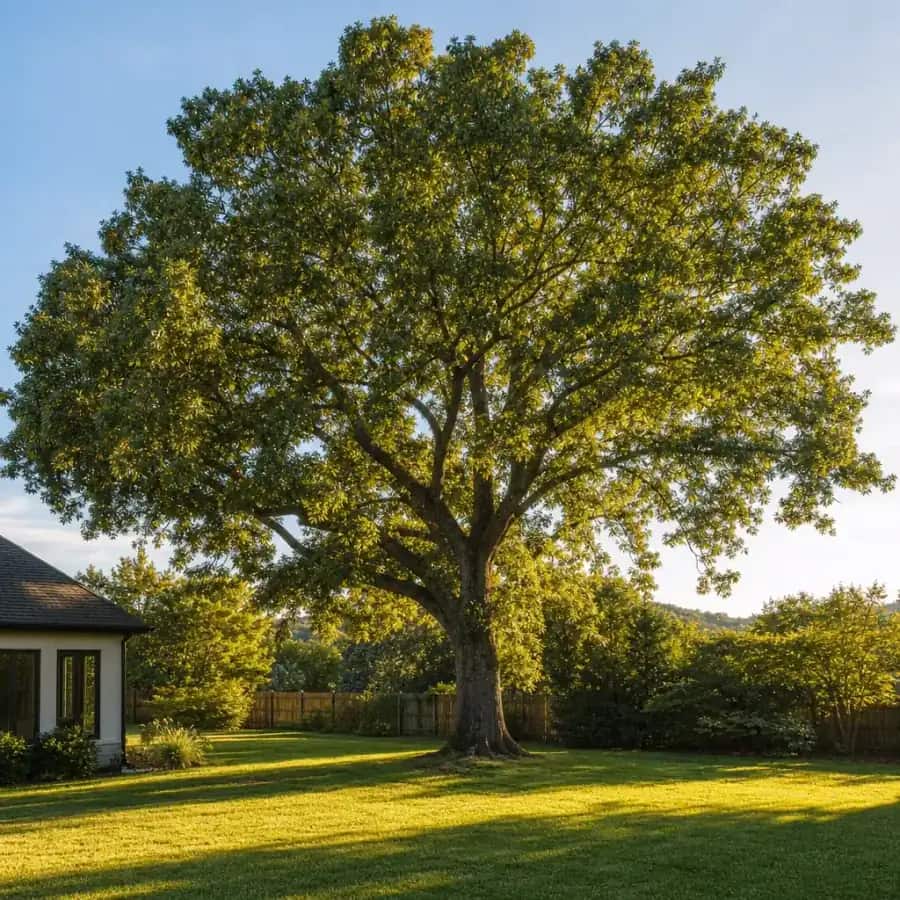
Bur Oak
$490
Shop large, nursery-grown shade, privacy, flowering and fruit trees, delivered by freight in Hancock County. Every tree is matched to your hardiness zone and backed by our 1-Year Thrive Guarantee.
Enter your ZIP and we'll match trees to your exact growing zone.
Typical winter lows in Hancock County run about -15 to 0 F.
Matched to Hancock County's zones
Shop by category
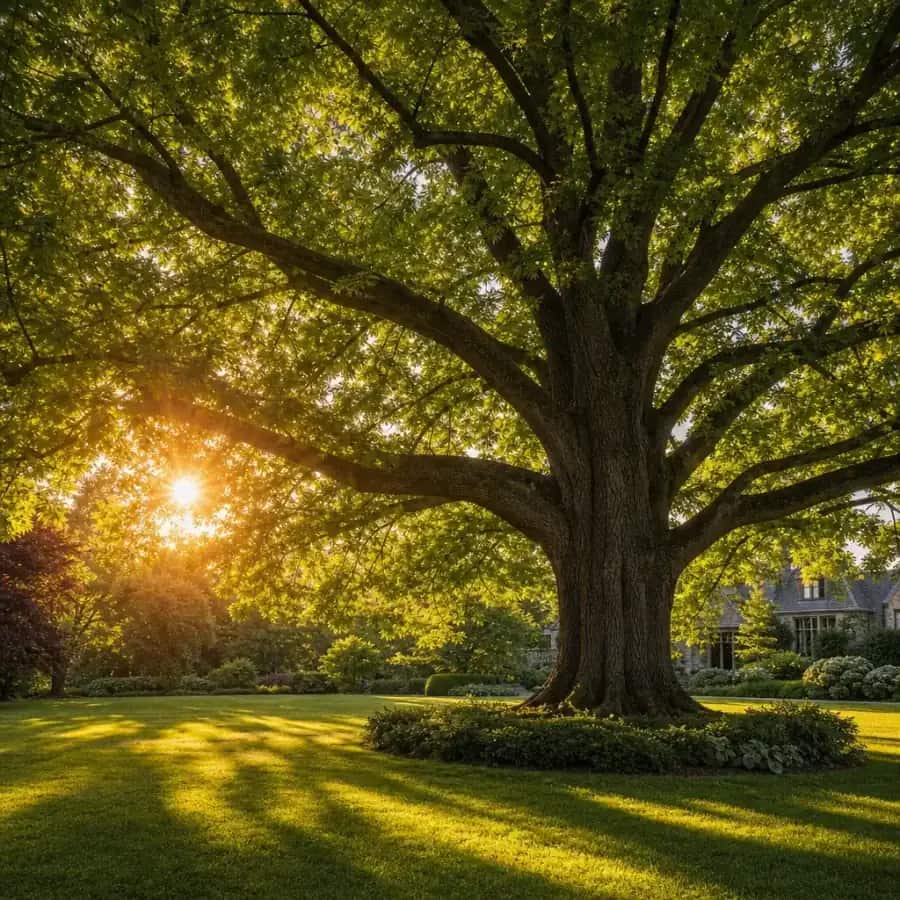 Shade TreesBeat the summer heat with fast-growing oaks and maples that stay healthy in the cool Maine climate.View all Shade Trees →
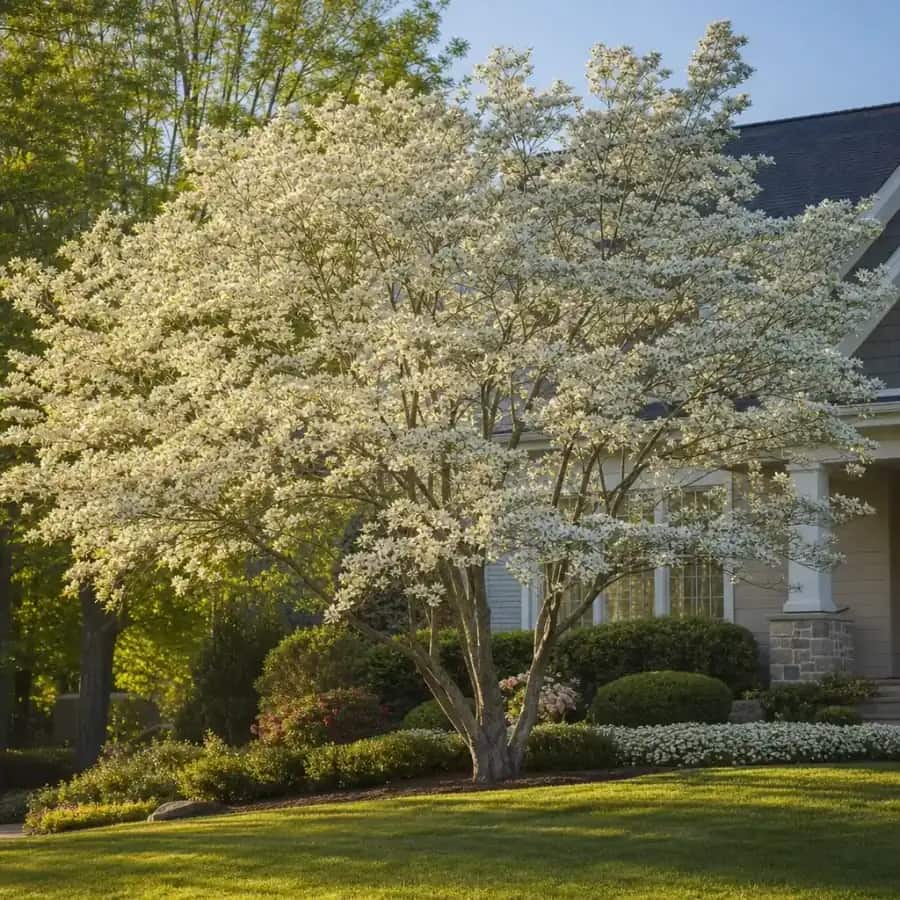
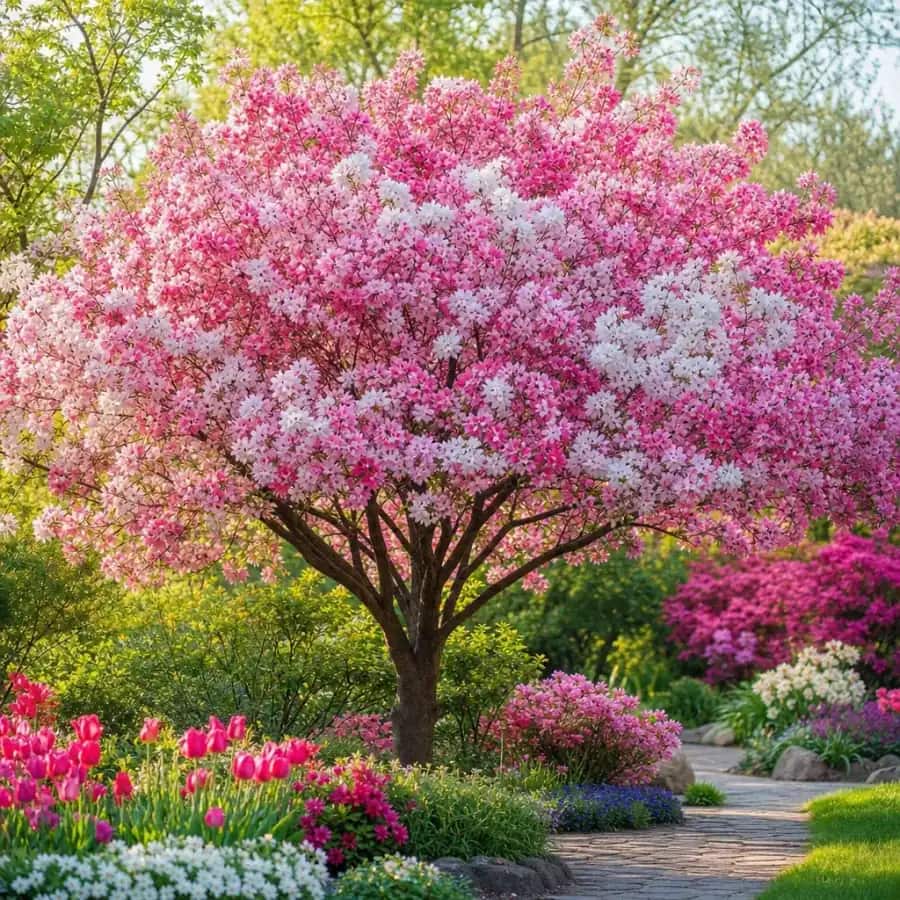 Flowering & OrnamentalAdd spring color with redbuds and other bloomers that thrive in zone 6.View all Flowering & Ornamental →
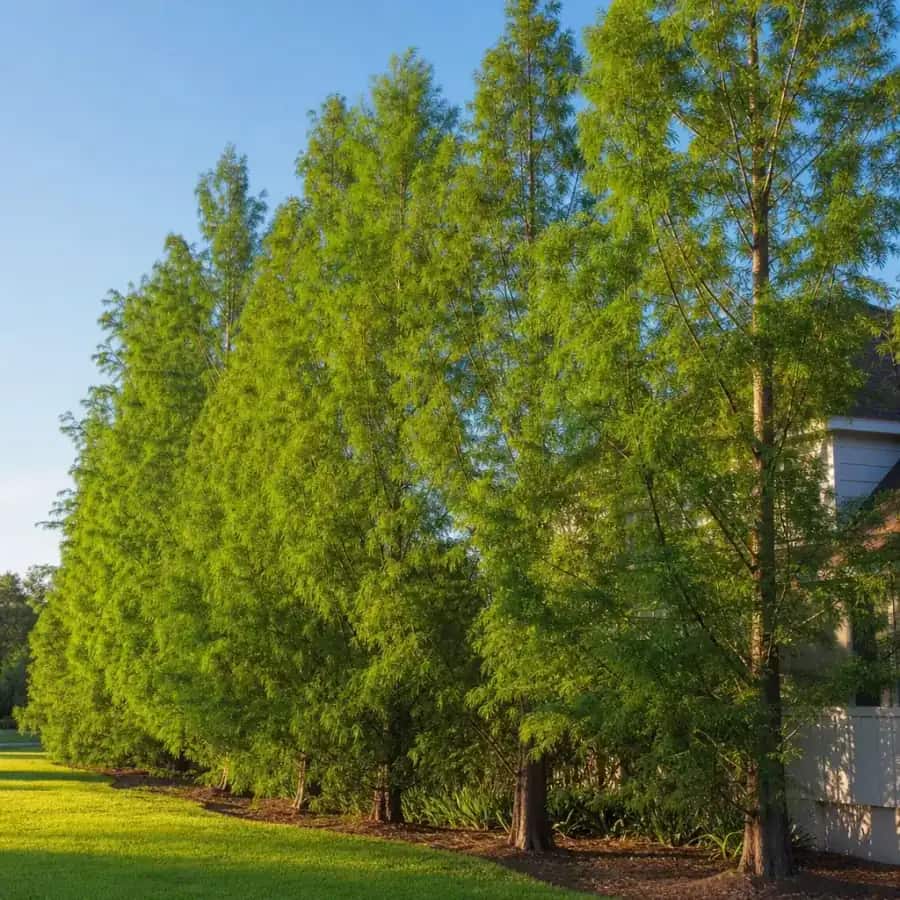
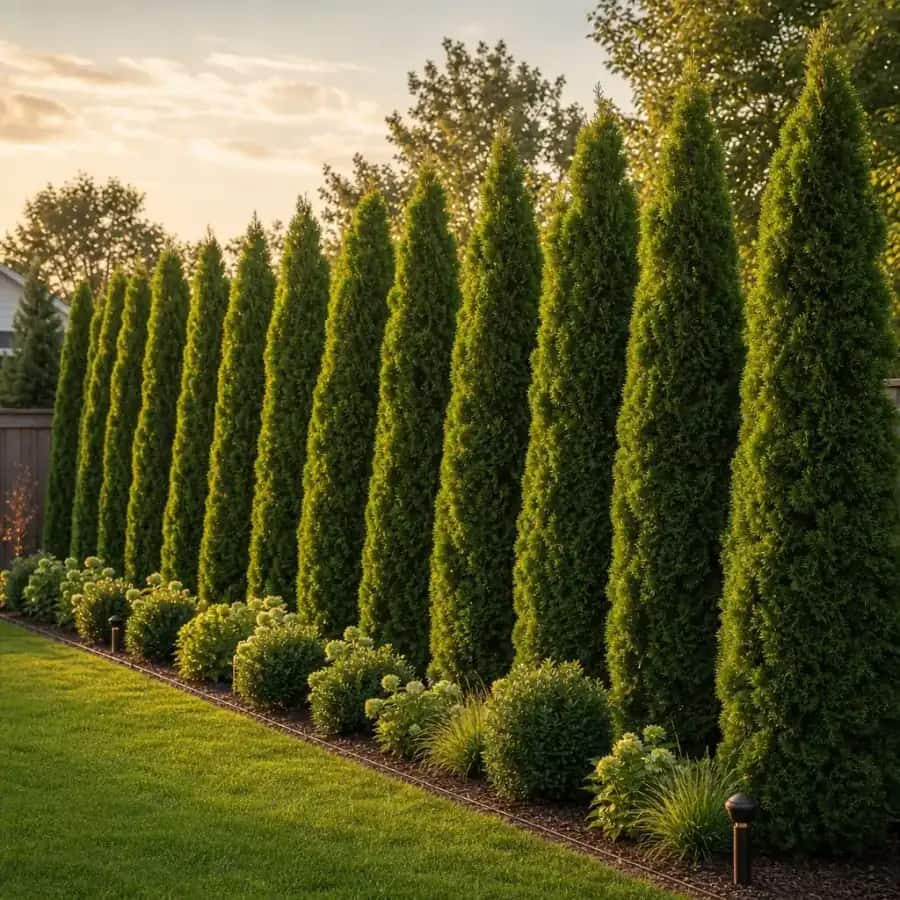 Evergreen & PrivacyCreate year-round screening with cold-hardy cedars and junipers built for snowy winters.View all Evergreen & Privacy →
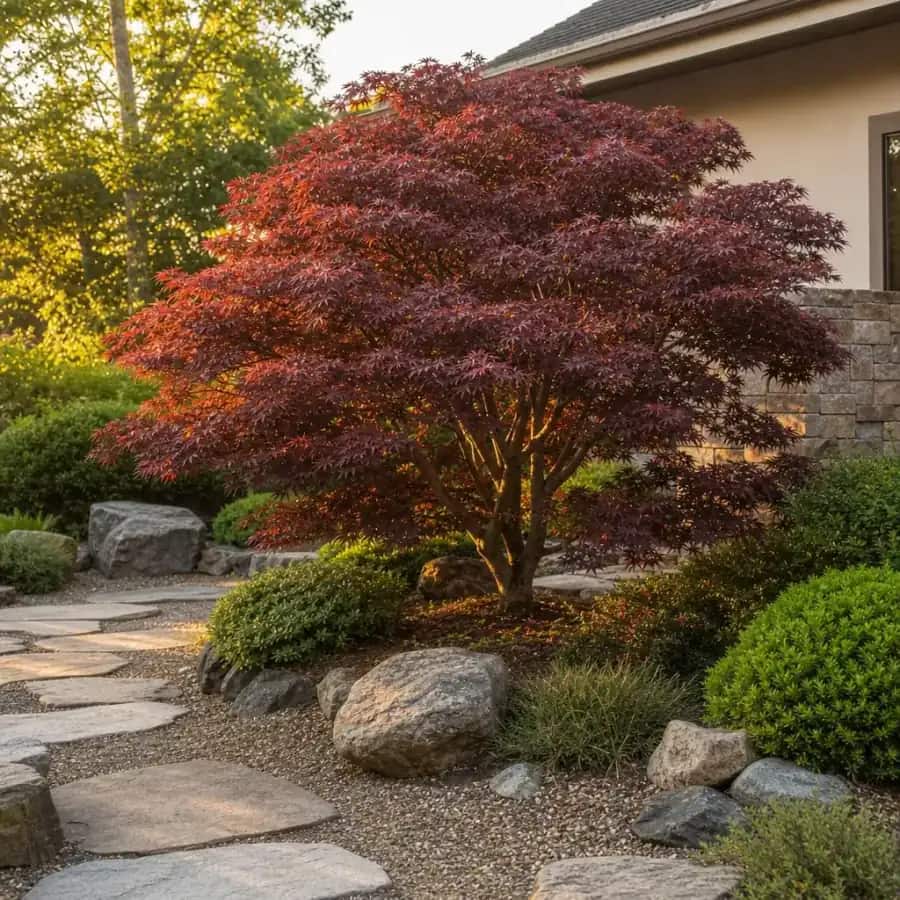
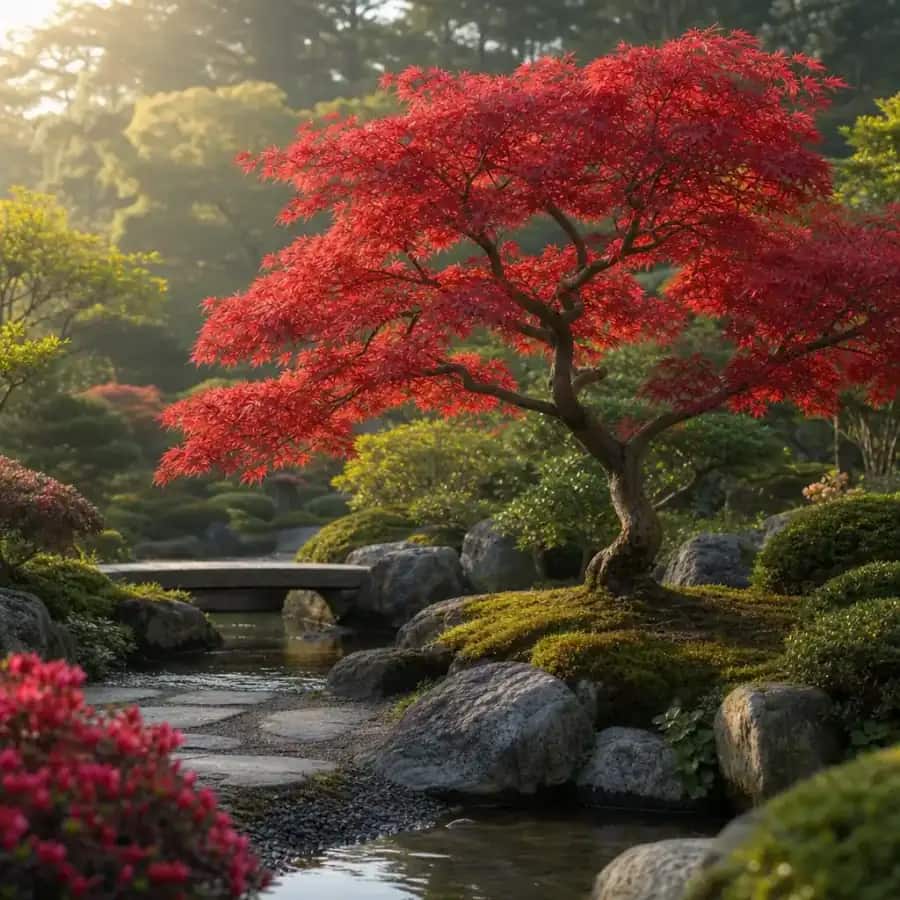 Japanese MaplesBring graceful color to shady spots with laceleaf maples that survive zone 5b winters.
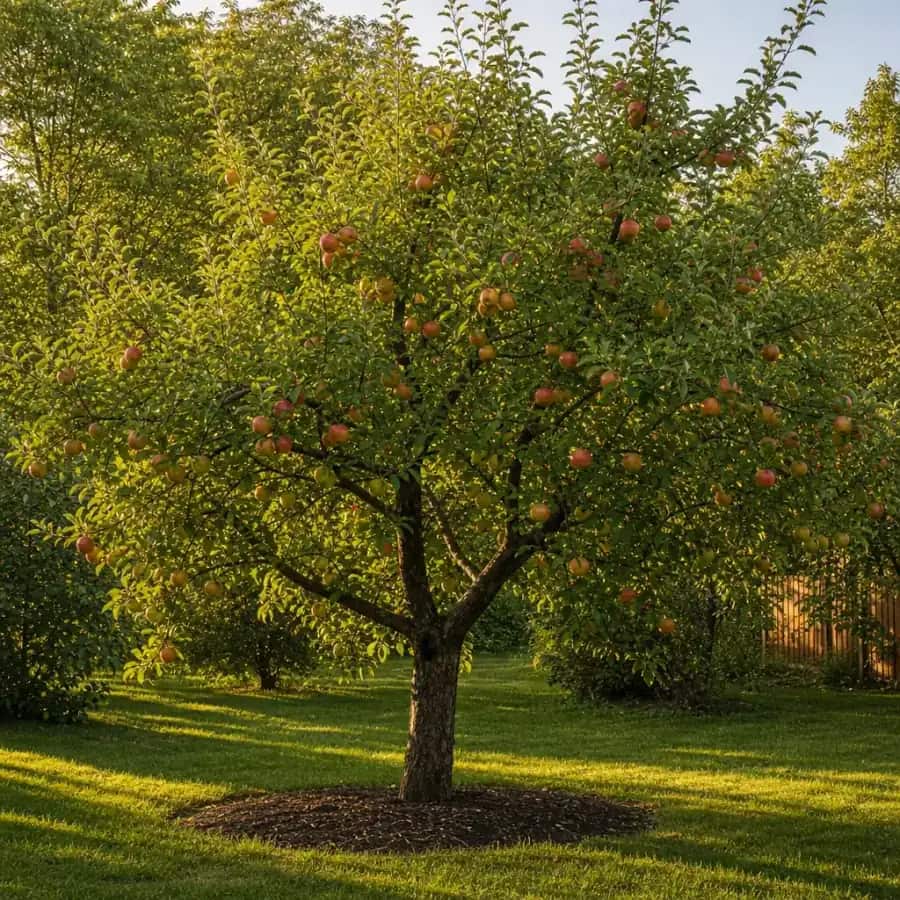
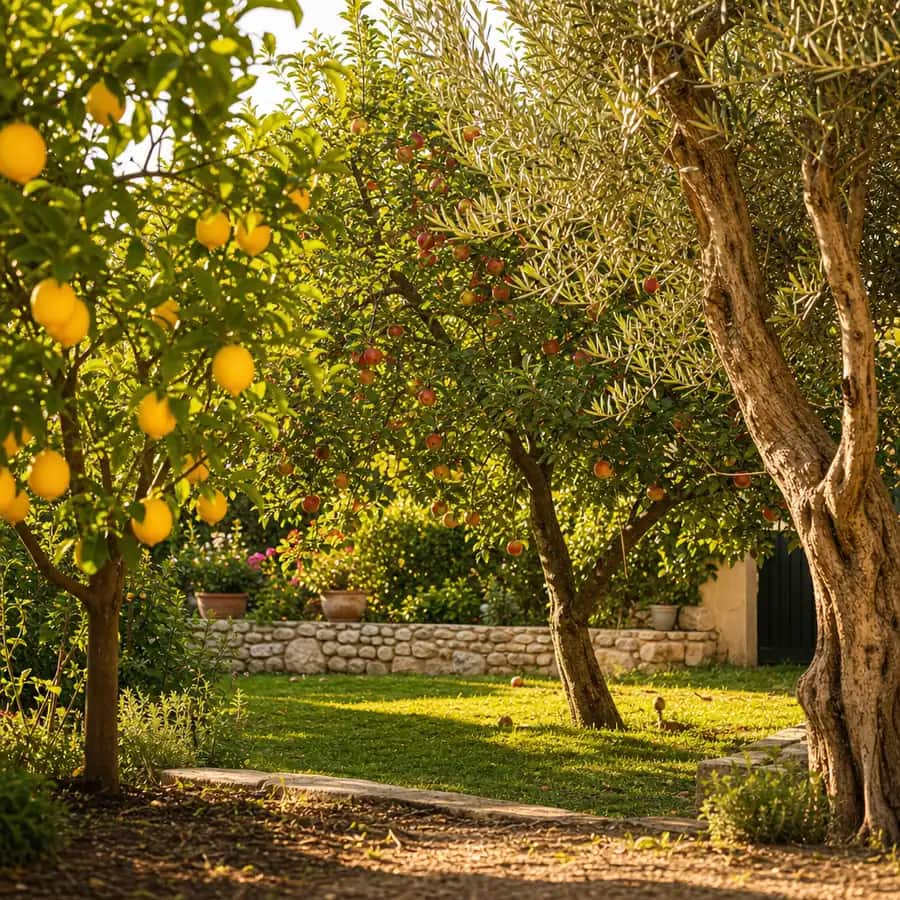 Fruit TreesGrow your own peaches and apples that need the chill hours only a Maine winter can deliver.View all Fruit Trees →
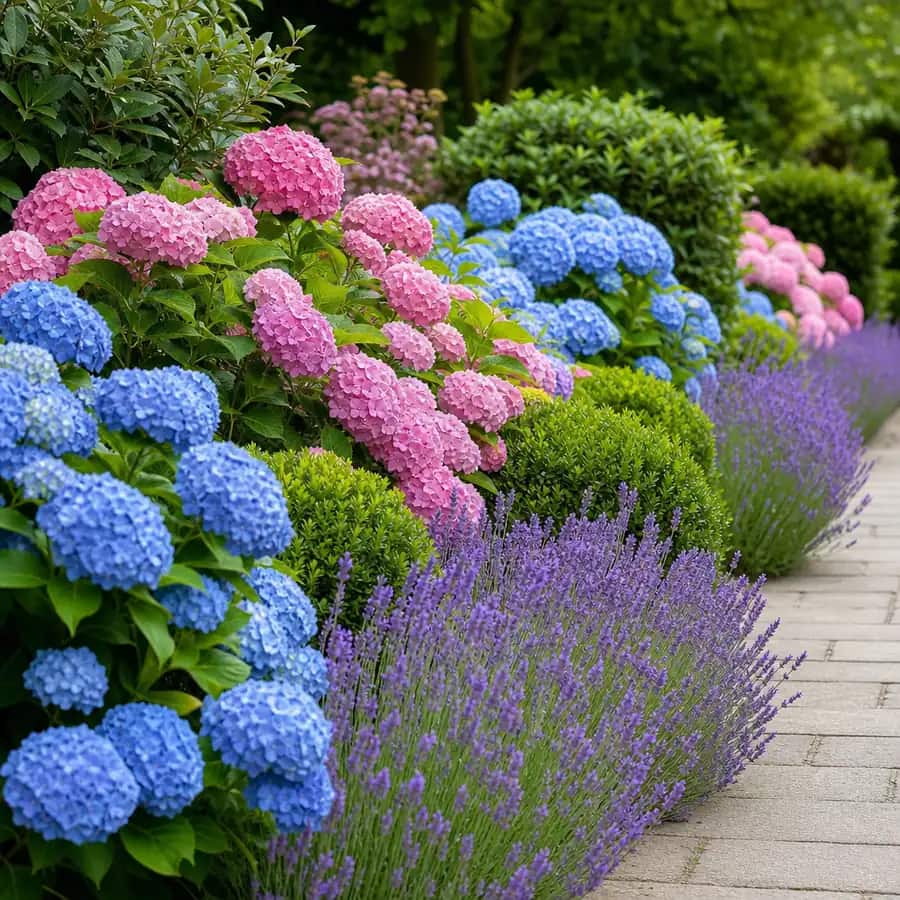 Shrubs & HedgesFill borders and foundation plantings with shrubs that handle the local cold and wind.View all Shrubs & Hedges →
Local fit, from data
5b to 6b
about -15 to 0 F
43
Castine
Looking for shade, privacy, and fruit trees in Hancock County? Arbor Buddy delivers large, nursery-grown landscape trees by freight to homeowners in Hancock County, Maine (ME). We match every tree to your yard's USDA hardiness zone, from 5b to 6b, so you get species that survive the local winters. Whether you want a weeping canopy, a privacy screen, or homegrown peaches, we have zone-tested choices for your property.
Hancock County spans USDA hardiness zones 5b to 6b across its 43 ZIP codes, from the colder rural uplands to the milder coastal areas near Castine. Typical winter lows run about -15 to 0 degrees Fahrenheit, meaning winter-hardy species are a must.
The warmer zone 6 parts of the county open up a wider selection of flowering trees and Japanese maples. The Rising Sun Eastern Redbud and Tamukeyama Japanese Maple are good examples of trees for zone 6 in Hancock County. In the colder zone 5b areas, stick with proven performers like Brodie Eastern Red Cedar and Weeping Willow, which shrug off the deep freeze.
Summers here are generally mild and moist, so heat-loving species are not a concern. Instead, focus on trees that handle cold snaps and wet springs. Japanese maples may need a spot shielded from drying winter winds in the coldest neighborhoods.
Your hardiness zone decides which trees will thrive in your yard and which will struggle. Arbor Buddy matches every tree to the exact zone of your ZIP code, so you can order with confidence. Browse our collection for Hancock County and find the trees that will grow strong in your climate.
Every region has a different set of challenges and opportunities. Comparing Hancock County with three other areas shows why your local climate matters.
First, look at Pierce County, Washington (WA). That area sits in zones 8b to 9a with winter lows of 15 to 25 degrees F. The mild climate there supports a much wider palette of evergreens, including tender privacy varieties that would not survive a Hancock County winter. That gap changes the local shortlist to cold-tolerant options like Brodie Eastern Red Cedar and native junipers for screening.
Next, consider Deuel County, South Dakota (SD). It falls in zone 4b, with winter lows plunging to -25 to -20 degrees F. In that extreme cold, many flowering trees simply cannot survive. Hancock County, by contrast, stays in the 5b to 6b range, which allows spring bloomers like the Eastern Redbud to thrive. For your cart, that means you can enjoy flowering color that is not possible on the northern plains.
Finally, compare Horry County, South Carolina (SC). Its zone 8b and winter lows of 15 to 20 degrees F create a mild environment where citrus and other tender fruit trees can grow. In Hancock County, citrus is out of the question, but fruit trees that need winter chill, like the Elberta Peach, are an excellent fit. In practice, buyers here lean toward peaches and apples rather than everbearing figs or citrus.
The lesson: Hancock County's zone 6 climate gives you a solid foundation for shade, fruit, and flowering trees, but you still need to choose species that handle the occasional deep freeze.
Your tree ships by freight to much of Hancock County. A semi truck can access most driveways, but you should check that the delivery point has room for the truck to stop and turn. Someone at home needs to receive the tree and look it over before the driver leaves. Orders to zone 6 areas are scheduled for spring and fall arrival windows.
Every tree arrives nursery-grown at a usable landscape size, already matched to your hardiness zone. And every tree is backed by our 1-Year Thrive Guarantee. If a tree does not survive its first year, we replace it free of charge.
Before delivery day, check:
Enter your ZIP, shop only what thrives in your zone.
Freight delivery to your address: $149 flat per order, shown at checkout.
Plant it, watch it thrive, covered for one year.
Good to know · Growing guide
Coverage runs a full year from delivery. If something goes wrong, contact the team and they arrange the replacement. No store-credit games, no fine-print maze.