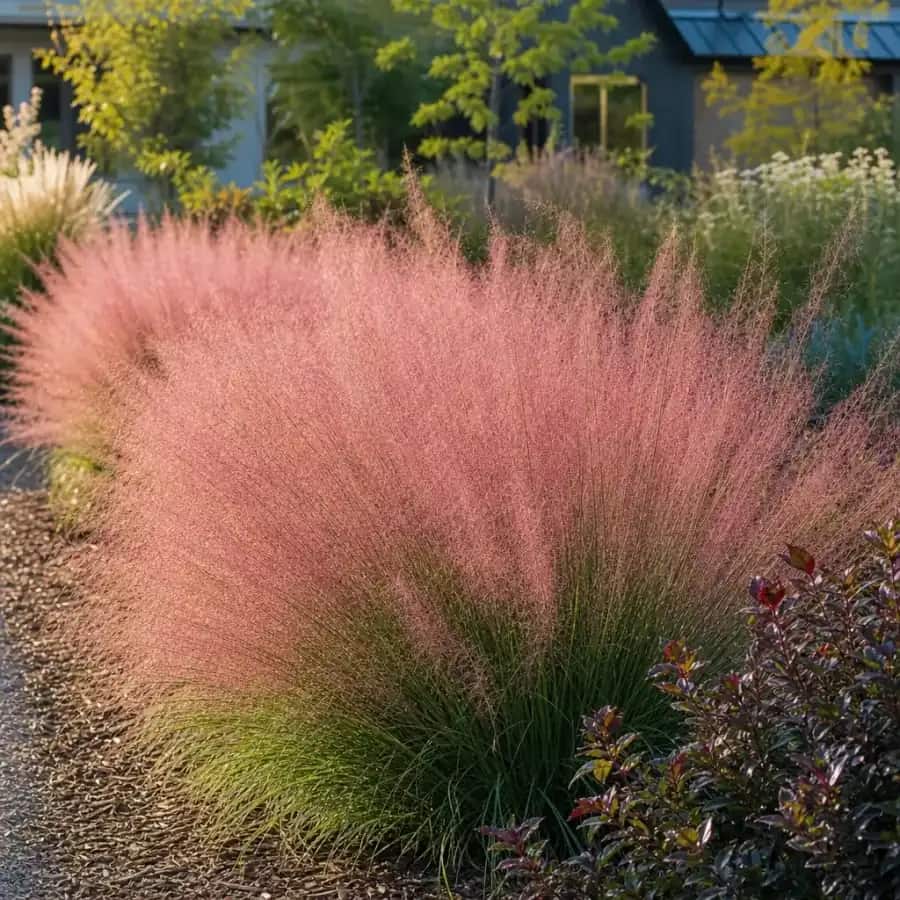
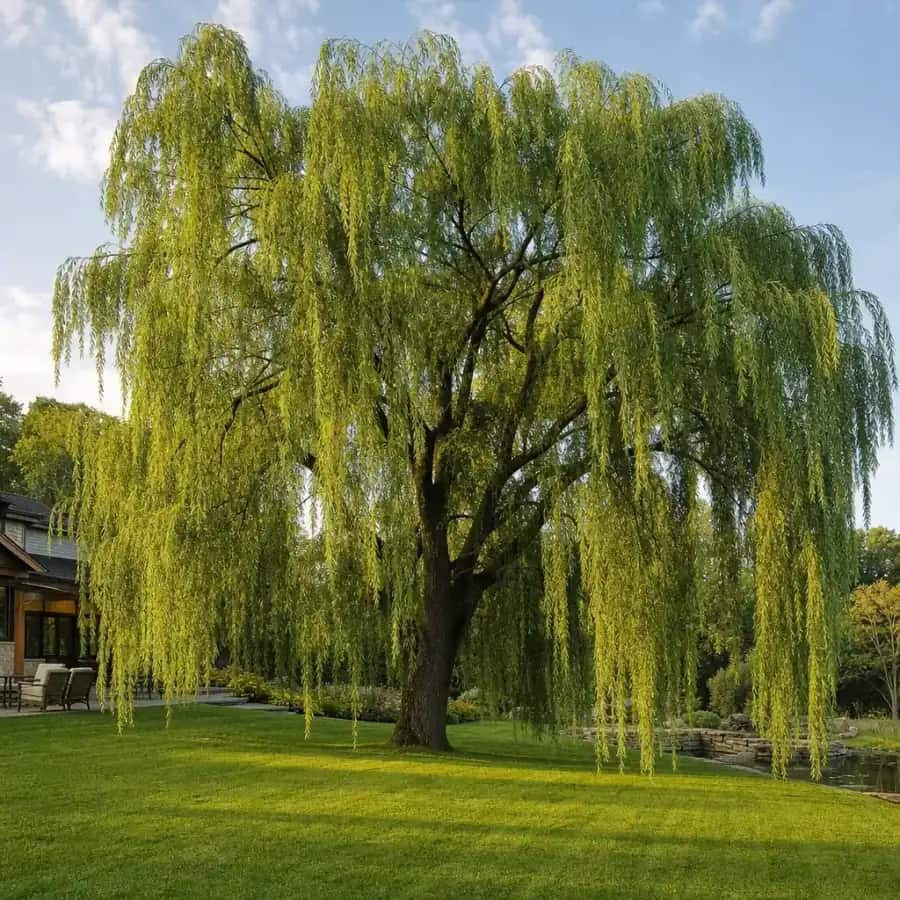
 Zones 4 to 9
Shade Trees
Weeping Willow
$40
Shop large, nursery-grown shade, privacy, flowering and fruit trees, delivered by freight in Feeding Hills. Every tree is matched to your hardiness zone and backed by our 1-Year Thrive Guarantee.
Enter your ZIP and we'll match trees to your exact growing zone.
Typical winter lows in Feeding Hills run about -5 to 0 F.
Matched to Feeding Hills's zone
Shop by category
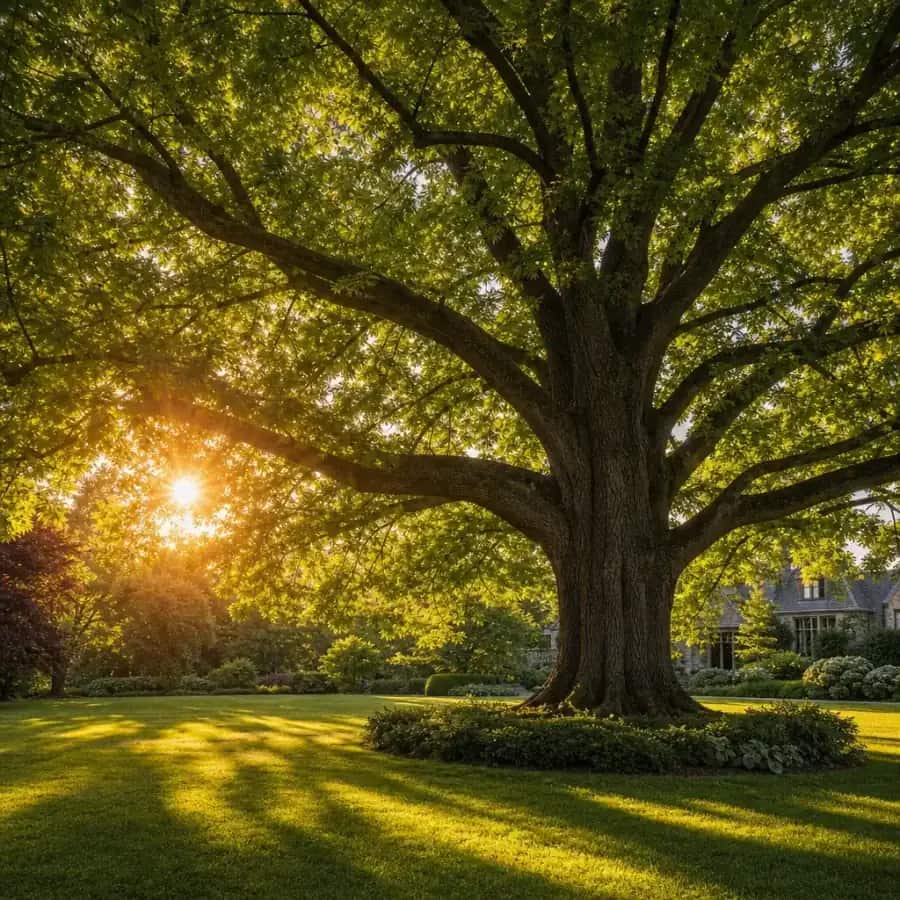 Shade TreesBlock summer sun and cool your home with fast-growing canopy trees suited to zone 6.View all Shade Trees →
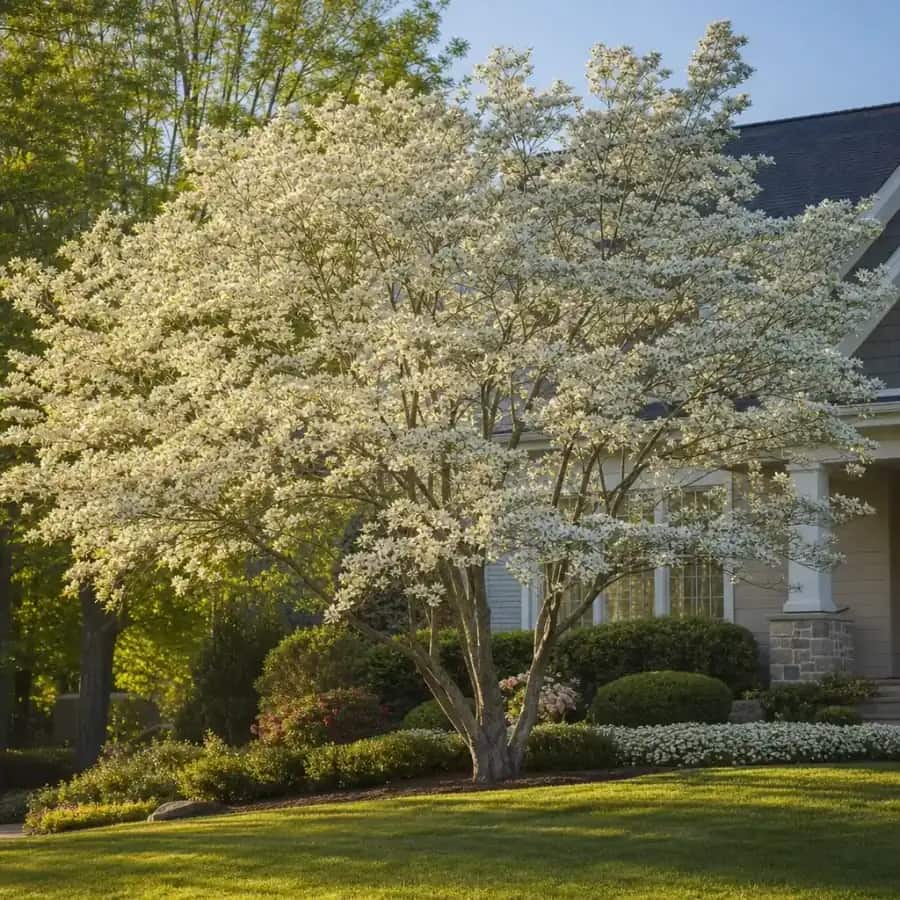
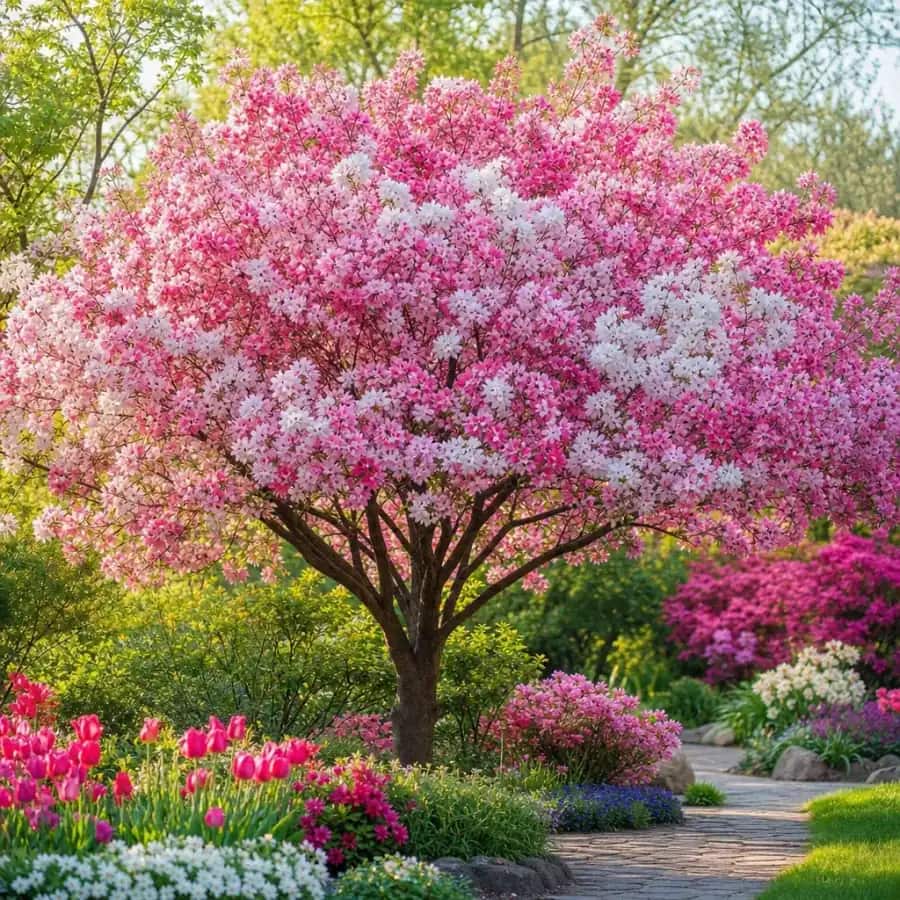 Flowering & OrnamentalAdd seasonal color from spring blooms to fall foliage in Feeding Hills.View all Flowering & Ornamental →
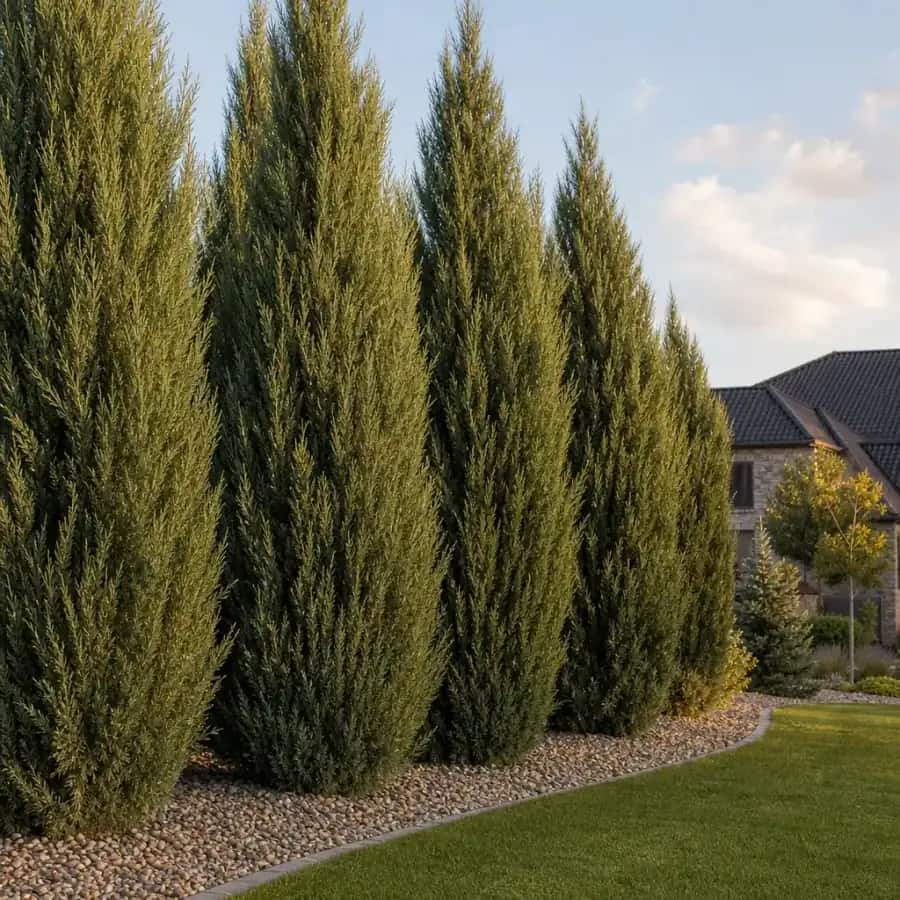
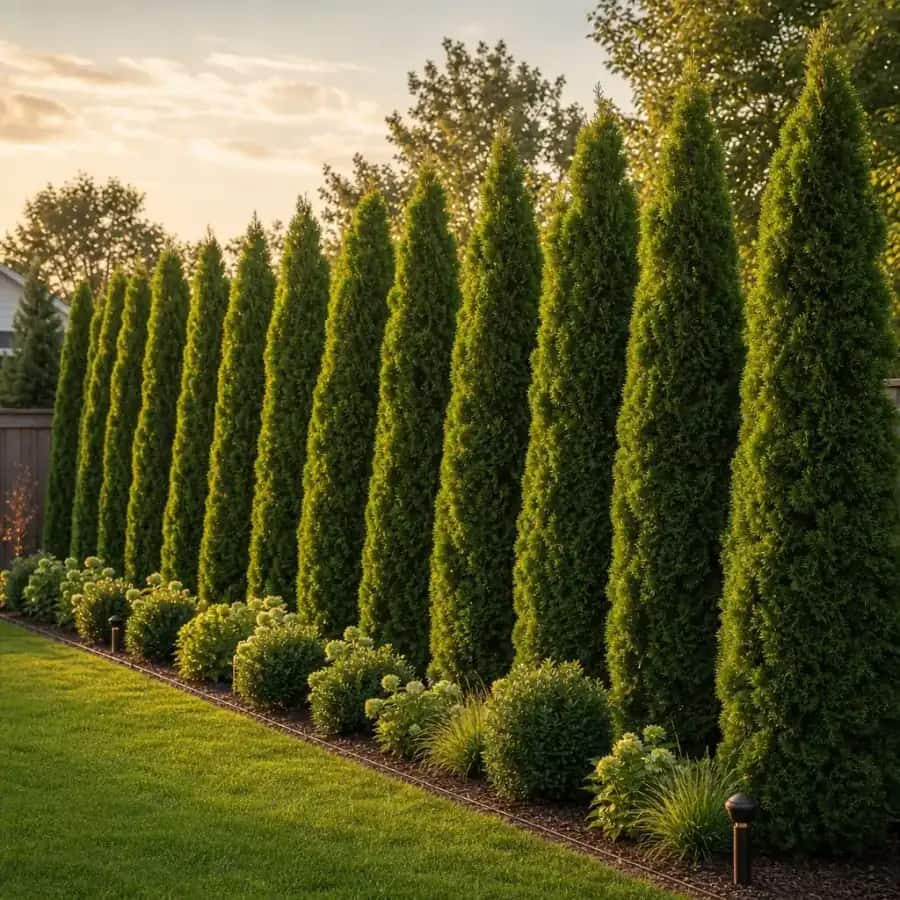 Evergreen & PrivacyCreate year-round screens that stand up to zone 6 winters.View all Evergreen & Privacy →
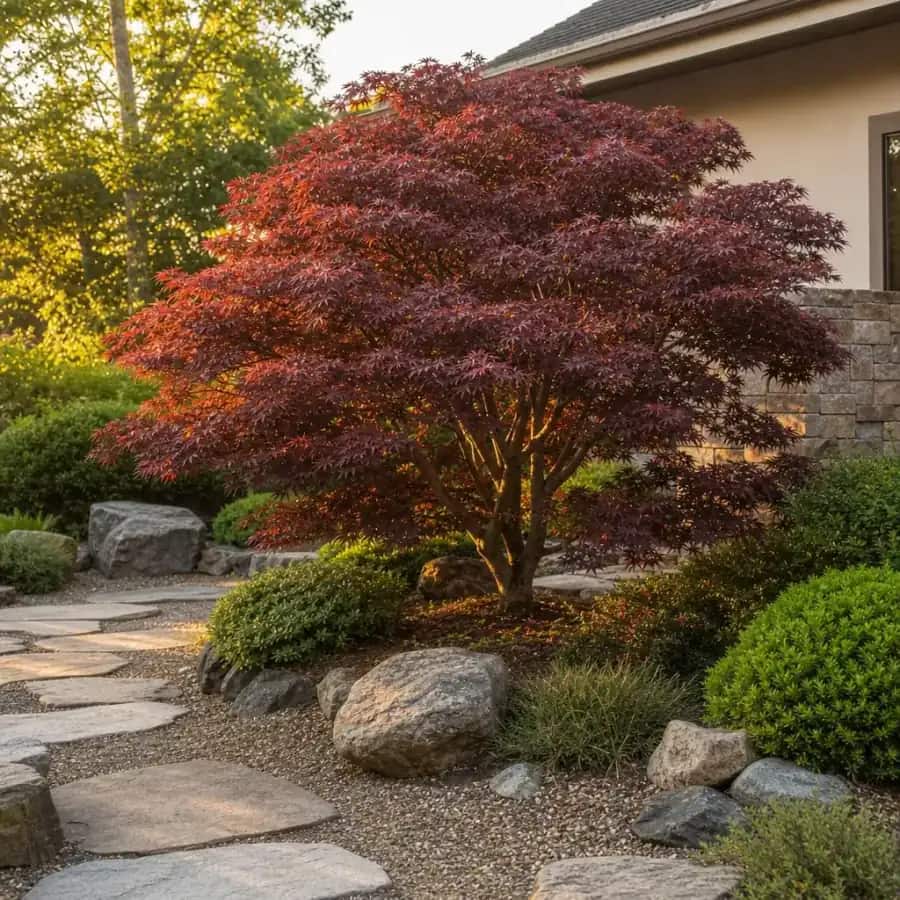
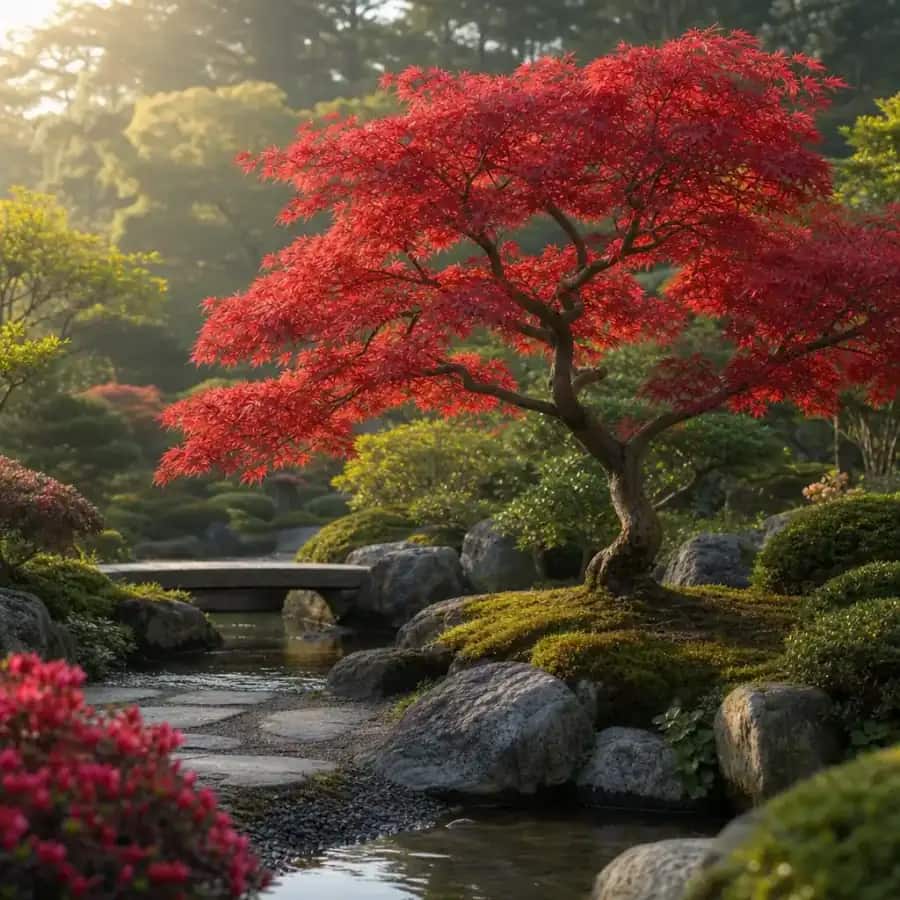 Japanese MaplesUnique form and leaf color that thrive in the partial shade of local gardens.
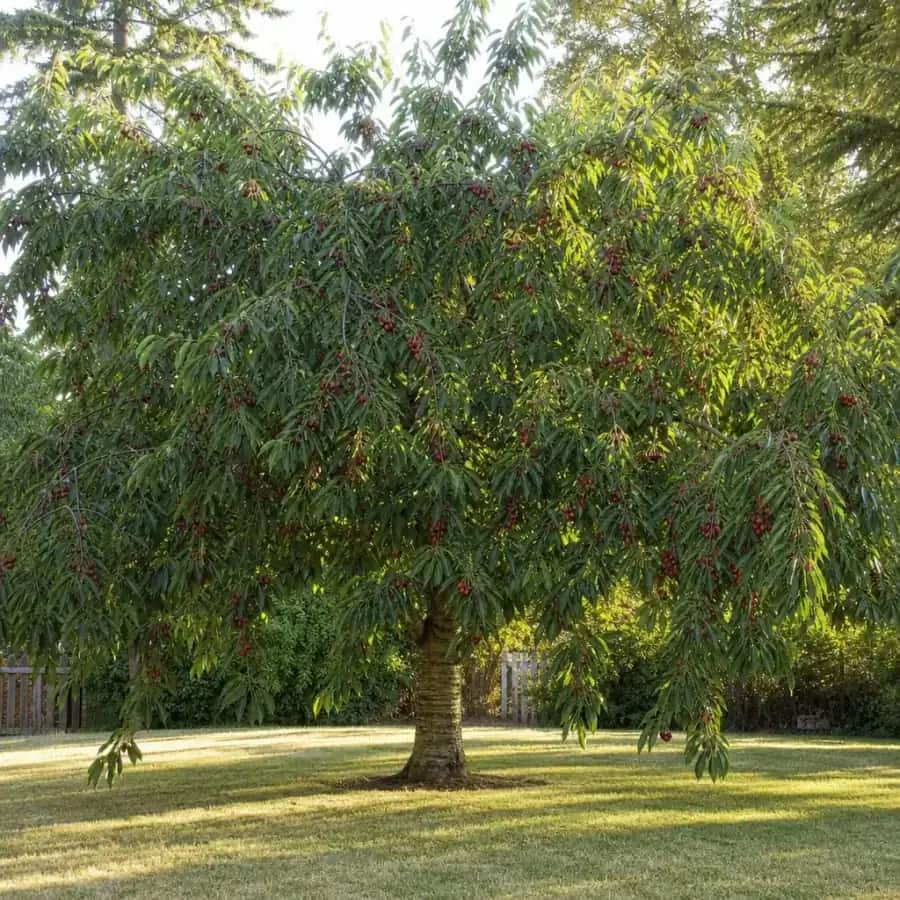
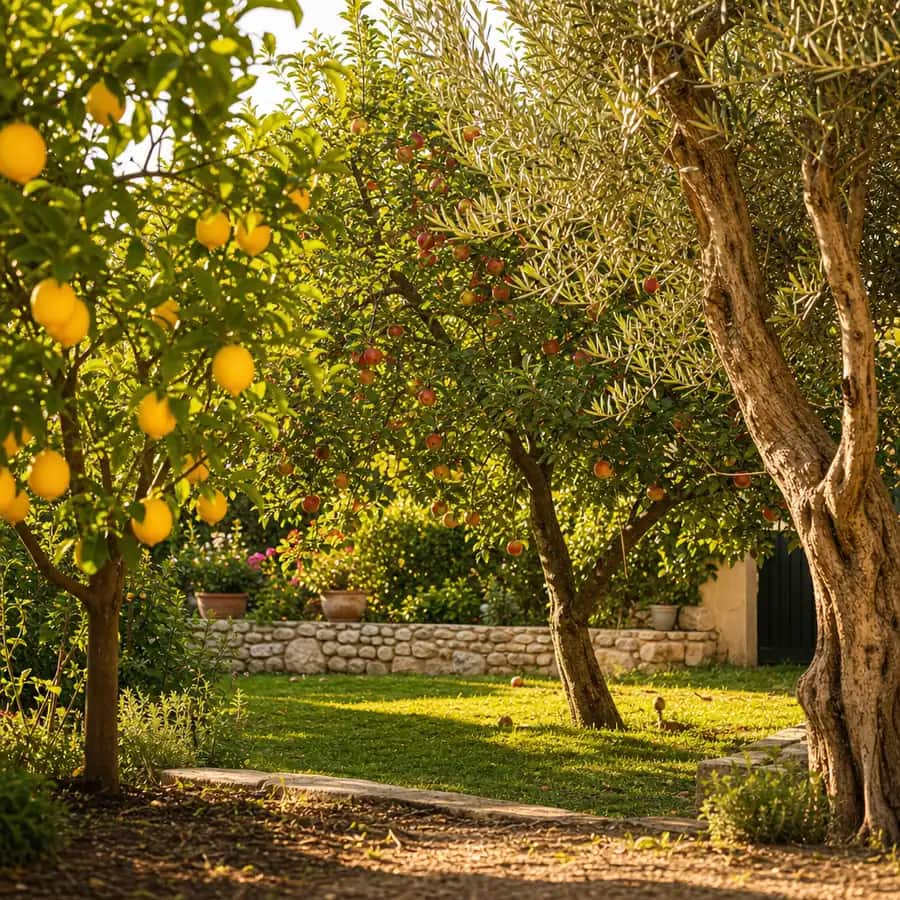 Fruit TreesGrow your own apples, cherries, and figs with zone-hardy varieties.View all Fruit Trees →
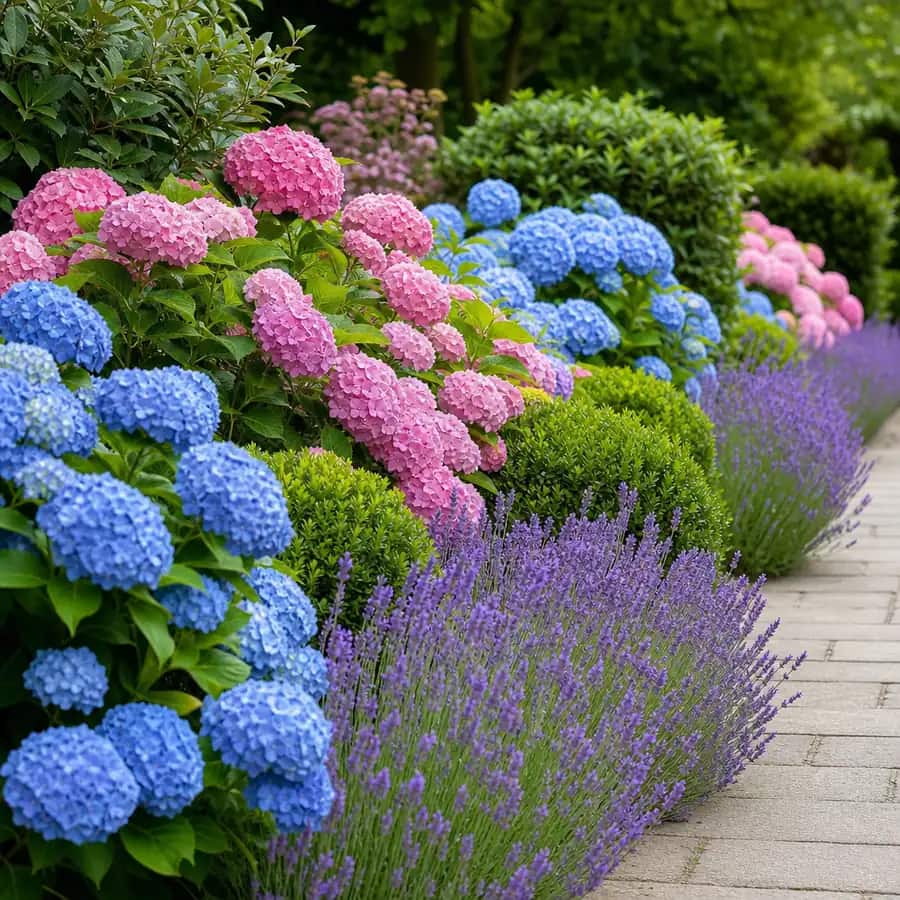 Shrubs & HedgesFill borders and foundations with flowering shrubs and dense hedges.View all Shrubs & Hedges →
Local fit, from data
6b
about -5 to 0 F
Hampden County
Massachusetts
Trees delivered to Feeding Hills, MA 01030 arrive at your door through Arbor Buddy's freight shipping. We supply large, nursery-grown landscape trees that are zone-matched to your 6b climate. Homeowners and contractors can choose from shade trees, flowering ornamentals, privacy evergreens, Japanese maples, and fruit trees. Every tree ships with a 1-Year Thrive Guarantee for peace of mind.
Each shipment brings a tree grown to a usable landscape size, so you plant a substantial tree from day one. Browse the options below and find the right fit for your yard.
Your winter lows in ZIP 01030 range from -5 to 0 degrees F, typical of zone 6b. Summers bring humidity and occasional heat spells. The area's soil varies but often retains moisture. River birch and crape myrtles handle these conditions well, while Japanese maples benefit from afternoon shade. The growing season stretches long enough for fruit trees like cherry to ripen. If you are searching for trees for zone 6 in Feeding Hills, these choices balance cold hardiness with summer performance.
Neighboring areas like Indian Orchard and Wilbraham share similar conditions. Your yard's microclimate matters as well. A sheltered corner may be a half-zone warmer, while an exposed slope can be colder. The local zone 6b opens the door to a diverse plant palette that spans from deciduous shade trees to ornamental evergreens.
Trees ship during the spring and fall shipping windows for zone 6b. Zone 6 orders travel in these milder seasons to give roots a strong start. You will receive an email with the exact delivery window before shipment.
Dura Heat River Birch and other large shade trees like oaks and maples do well. The river birch handles heat and wet soil, which suits local conditions. For reliable canopy coverage, consider shade trees that grow fast and tolerate clay.
Trees arrive nursery-grown at a usable landscape size, typically 4 to 6 feet tall or more depending on species. They are not small seedlings, so you get a substantial tree ready to plant. The size gives you an immediate presence in your yard.
Arbor Buddy offers a 1-Year Thrive Guarantee. If your tree does not survive its first year in the ground, we replace it free. This covers zone-matched trees that are properly planted and cared for.
For shade, privacy, flowering, fruit, and accent trees matched to your zone in ZIP 01030 of Feeding Hills, Arbor Buddy ships large, nursery-grown trees with a 1-Year Thrive Guarantee. Browse the trees suited to your area and order online.
ZIP 55120 in Saint Paul, Minnesota (MN) sits in zone 5a, with winter lows from -20 to -15 F. That cold limits Japanese maples to the hardiest varieties, like Red Dragon that survives zone 5b but may struggle under prolonged cold. In practice, buyers here lean toward cold-hardy shade trees over maples. For your cart, that means Japanese maples are a safer bet in Feeding Hills, where winter lows only dip to -5 to 0 F. The milder climate keeps compact laceleaf maples like Red Dragon happy in partial shade.
ZIP 38641 in Lake Cormorant, Mississippi (MS) is zone 8a, with winter lows 10 to 15 F. That gap changes the local shortlist to include many fruit and citrus trees that would not survive a 6b winter. Citrus, for instance, cannot tolerate freezing temperatures. In Feeding Hills, sweet cherries like Bing can fruit if you provide a pollinator and protect early blossoms from late frost. The practical difference is that your fruit tree choices are narrowed to species that handle a real winter.
ZIP 59250 in Opheim, Montana (MT) is zone 3b, with winter lows -35 to -30 F. Palms and tropicals are out of the question there. For your cart, that means you have more options in Feeding Hills than in extremely cold zones. While palms remain too tropical for 6b, you can enjoy Japanese maples, crepe myrtles, and many deciduous ornamentals that would not survive a Montana winter.
The comparisons show that Feeding Hills sits in a sweet spot where a broad range of shade, ornamental, and fruit trees can thrive without extreme cold or heat.
All trees ship via freight carrier to Feeding Hills. The truck delivers curbside, so ensure your driveway and street allow access for a large truck. An adult must be home to receive the tree and inspect it. Trees are nursery-grown to a usable landscape size and zone-matched to 6b before shipping. Arbor Buddy backs every tree with a 1-Year Thrive Guarantee: if it does not survive its first year, you get a free replacement. Zone 6 orders travel in the spring and fall windows on either side of summer.
Before delivery day, check:
Enter your ZIP, shop only what thrives in your zone.
Freight delivery to your address: $149 flat per order, shown at checkout.
Plant it, watch it thrive, covered for one year.
Good to know · Growing guide
Coverage runs a full year from delivery. If something goes wrong, contact the team and they arrange the replacement. No store-credit games, no fine-print maze.