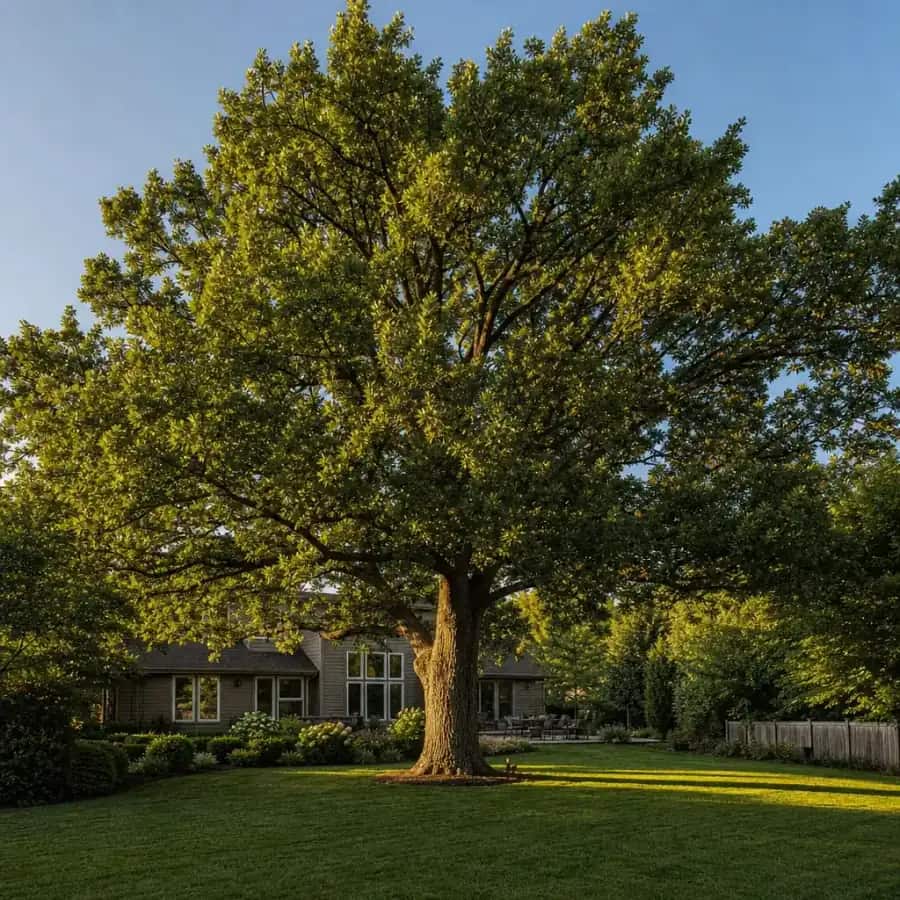
 Zones 3 to 8
Shade Trees
Bur Oak
$490
Shop large, nursery-grown shade, privacy, flowering and fruit trees, delivered by freight in Ray. Every tree is matched to your hardiness zone and backed by our 1-Year Thrive Guarantee.
Enter your ZIP and we'll match trees to your exact growing zone.
Typical winter lows in Ray run about -10 to -5 F.
Matched to Ray's zone
Zones 3 to 8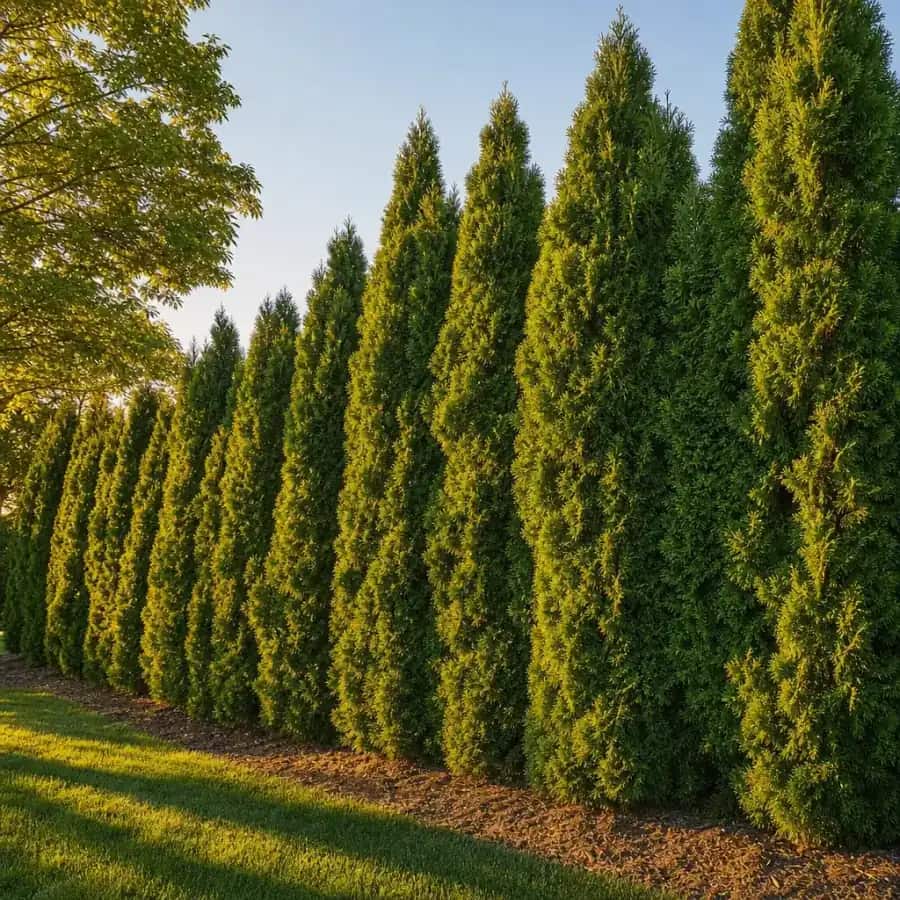 Zones 5 to 8
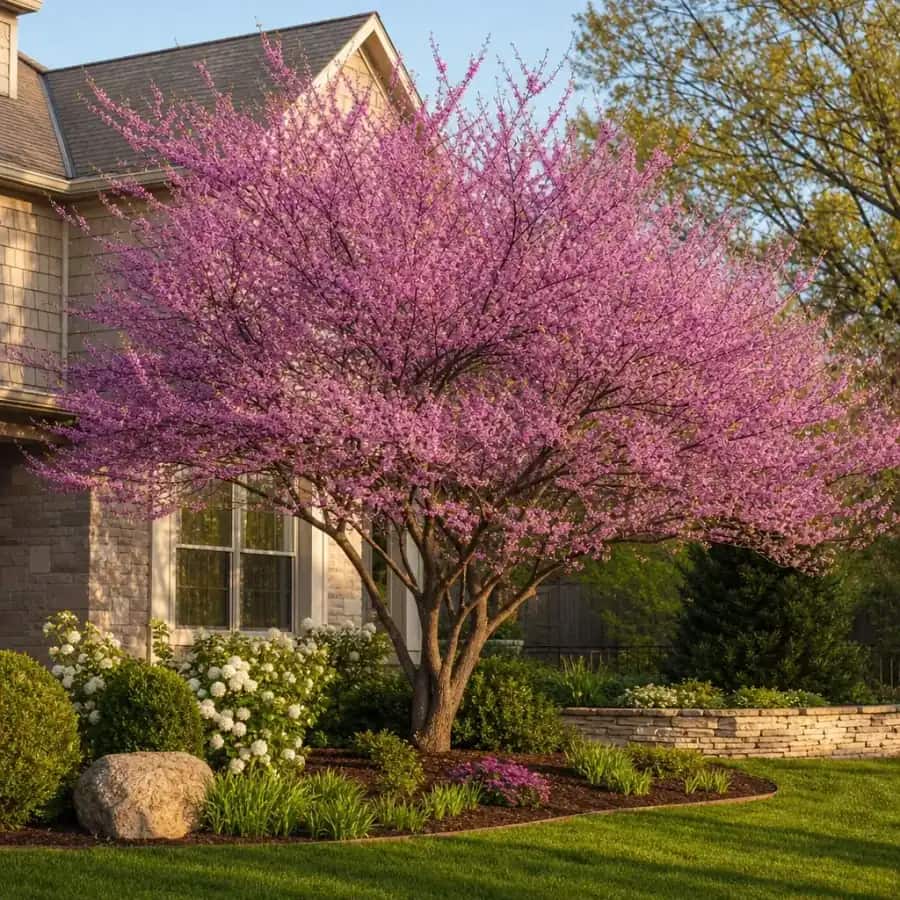 Zones 4 to 9
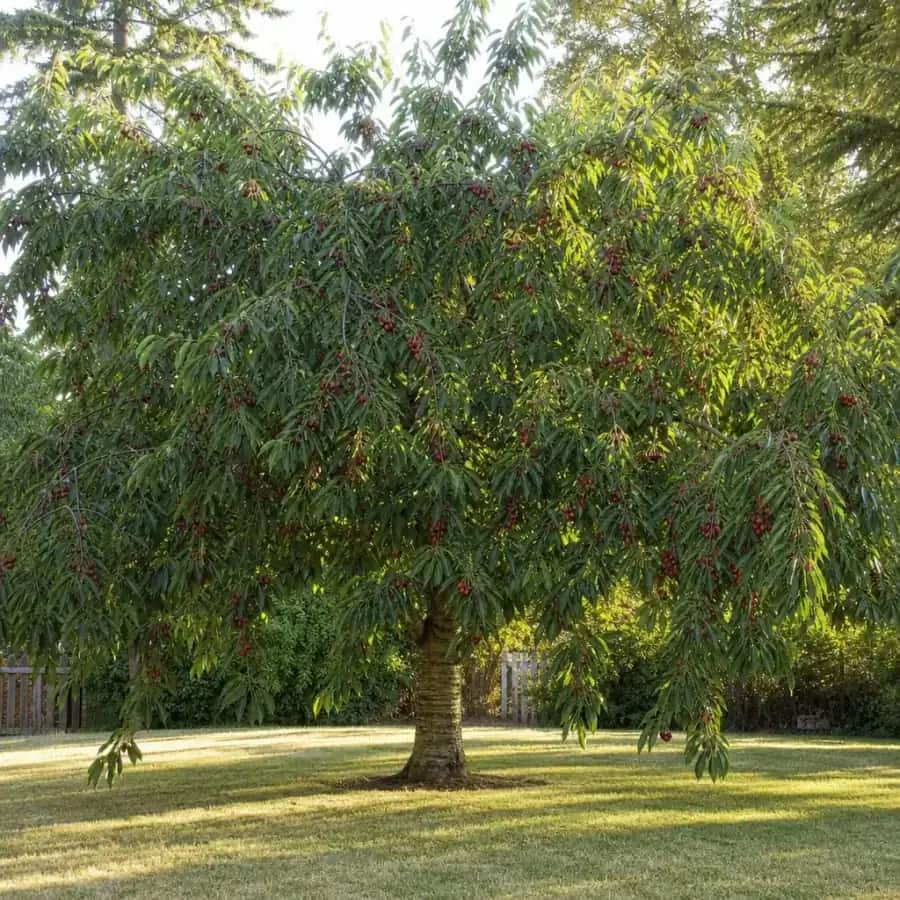 Zones 5 to 8
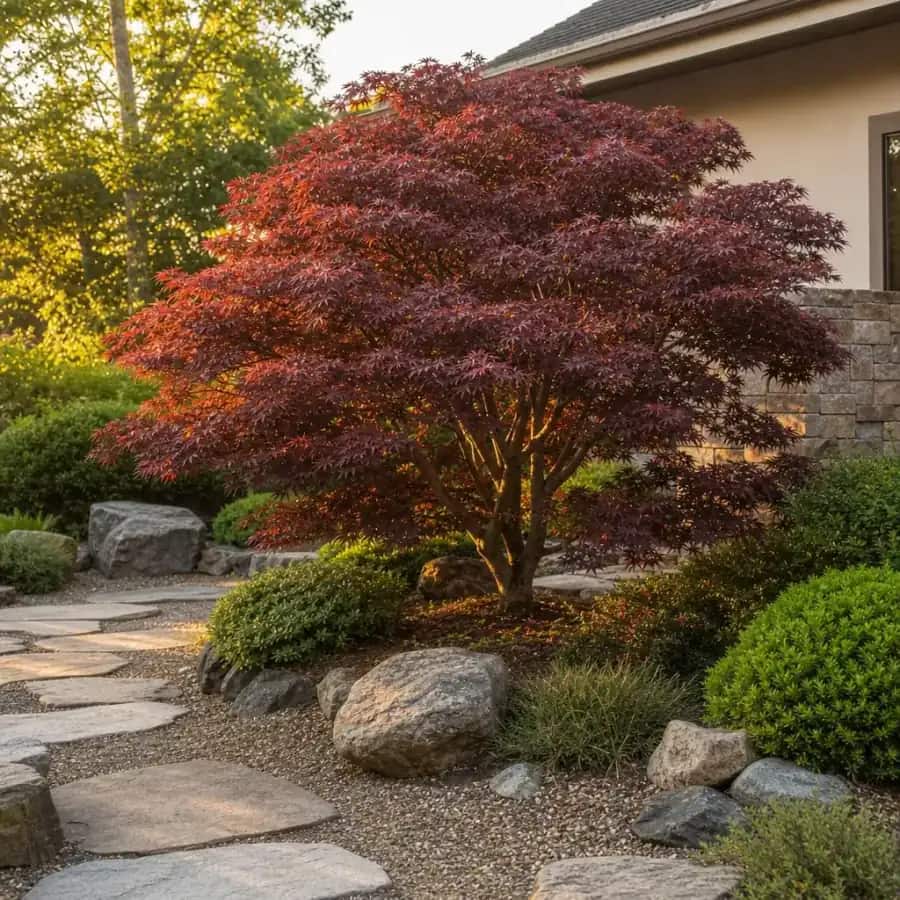 Zones 5 to 8
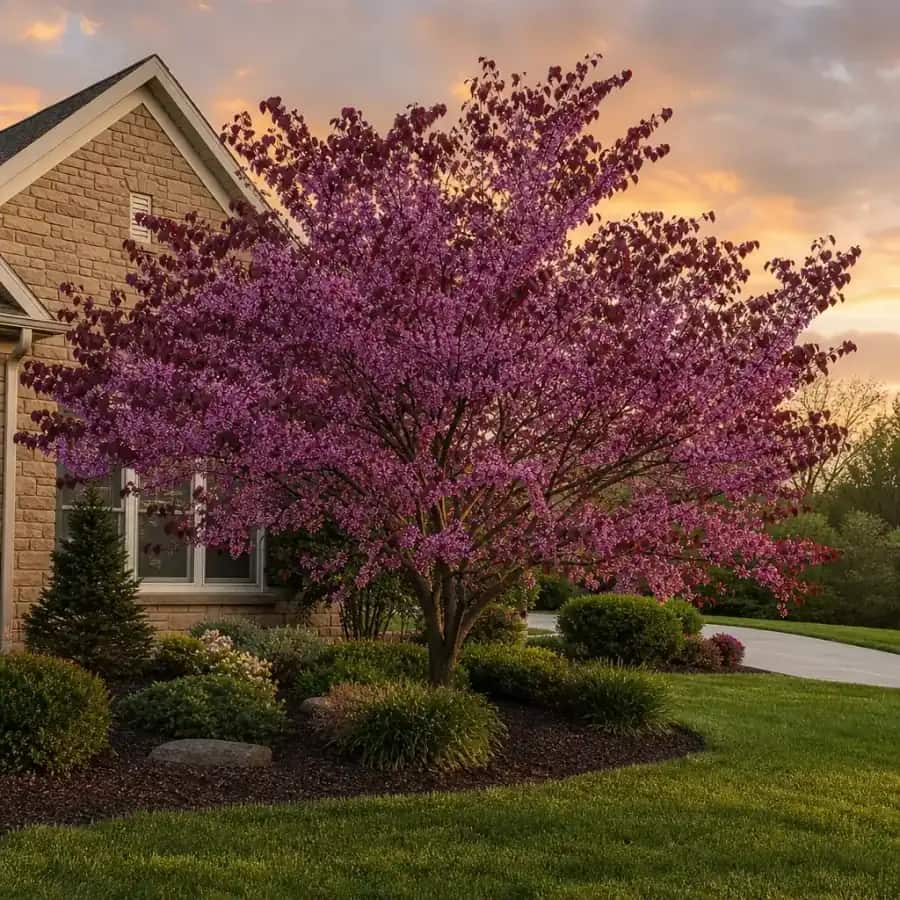 Zones 4 to 9
Shop by category
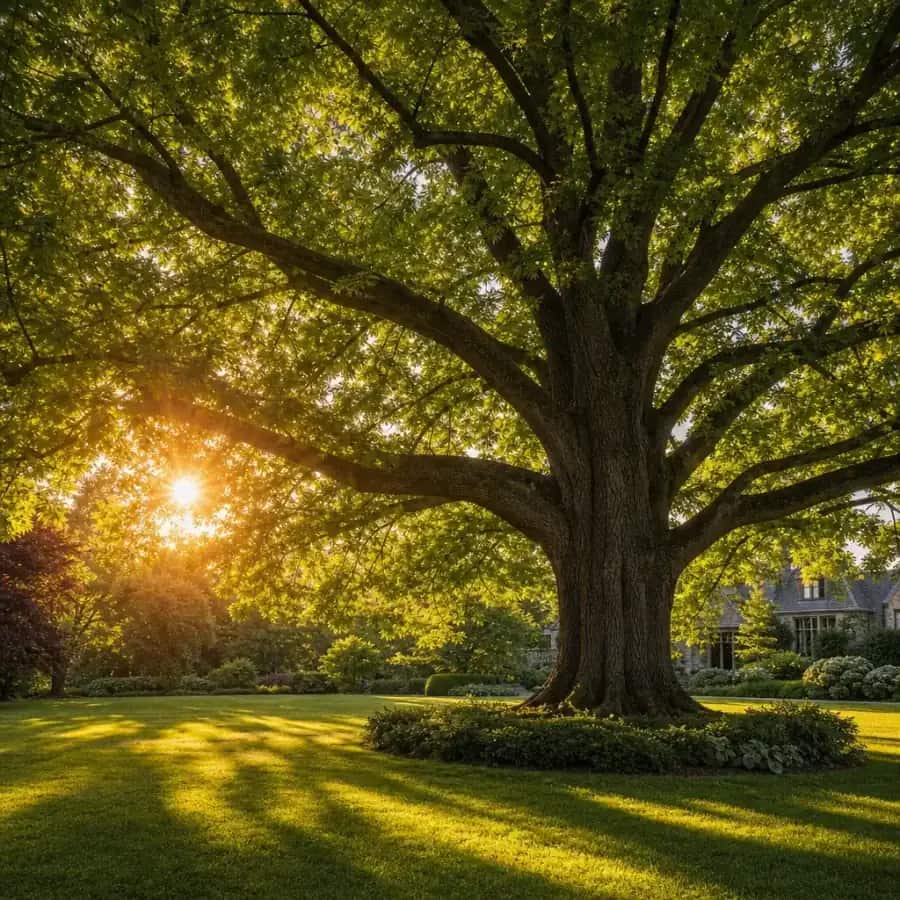 Shade TreesBig, fast canopy. Oaks, elms, maples and more.View all Shade Trees →
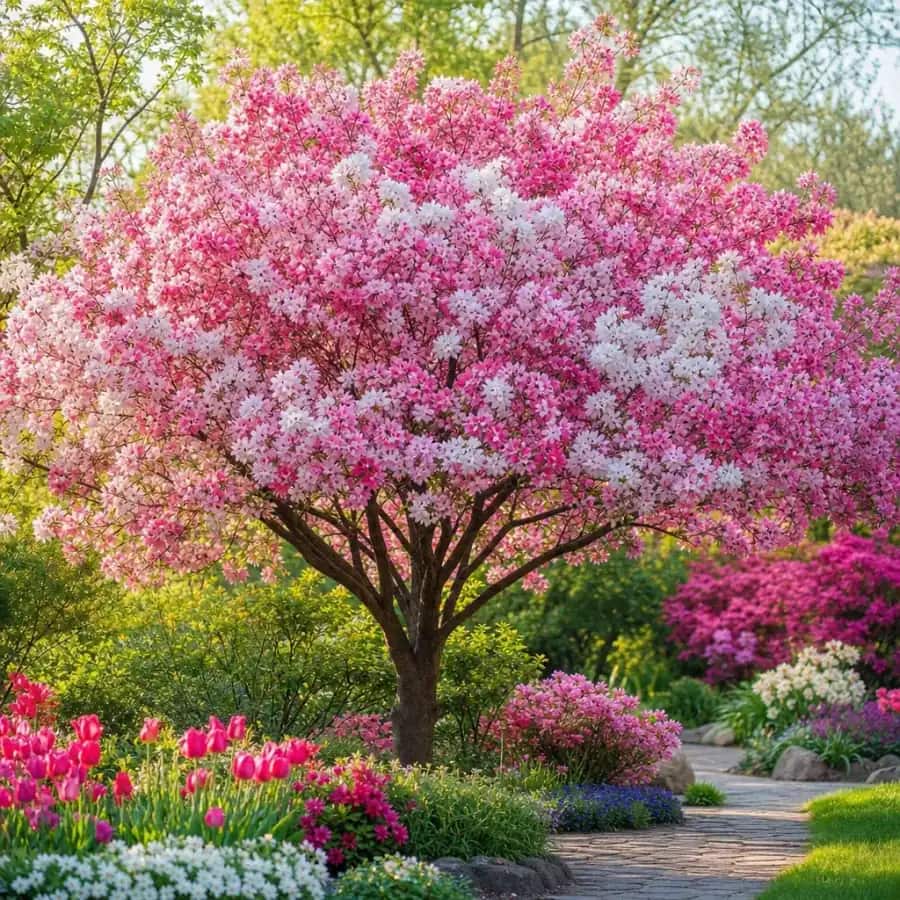 Flowering & OrnamentalRedbuds, crape myrtles and blooming showpieces.View all Flowering & Ornamental →
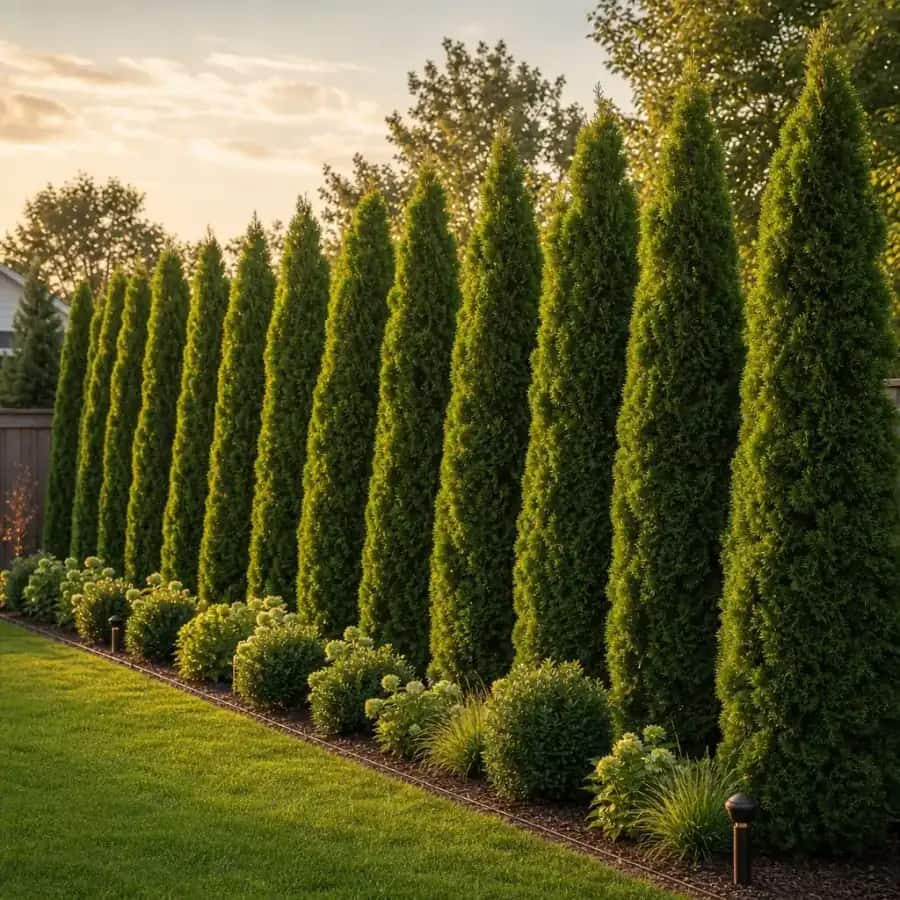 Evergreen & PrivacyYear-round green: cypress, juniper, holly, magnolia.View all Evergreen & Privacy →
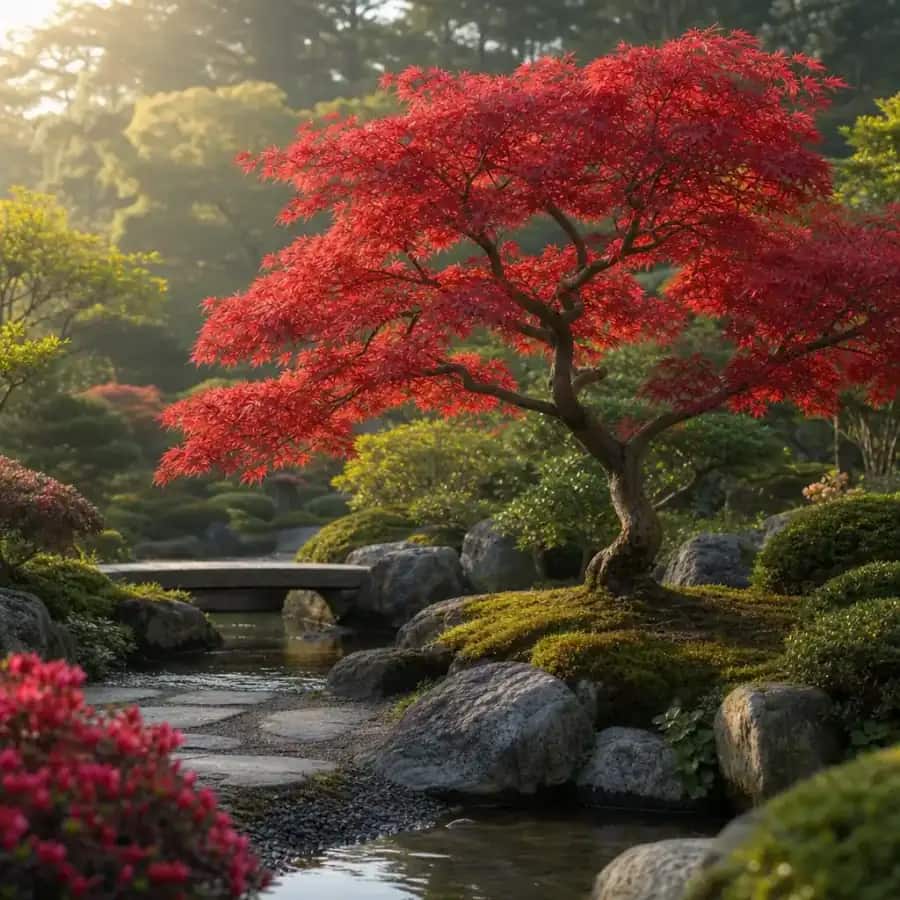 Japanese MaplesLiving sculpture in crimson, coral and lace.
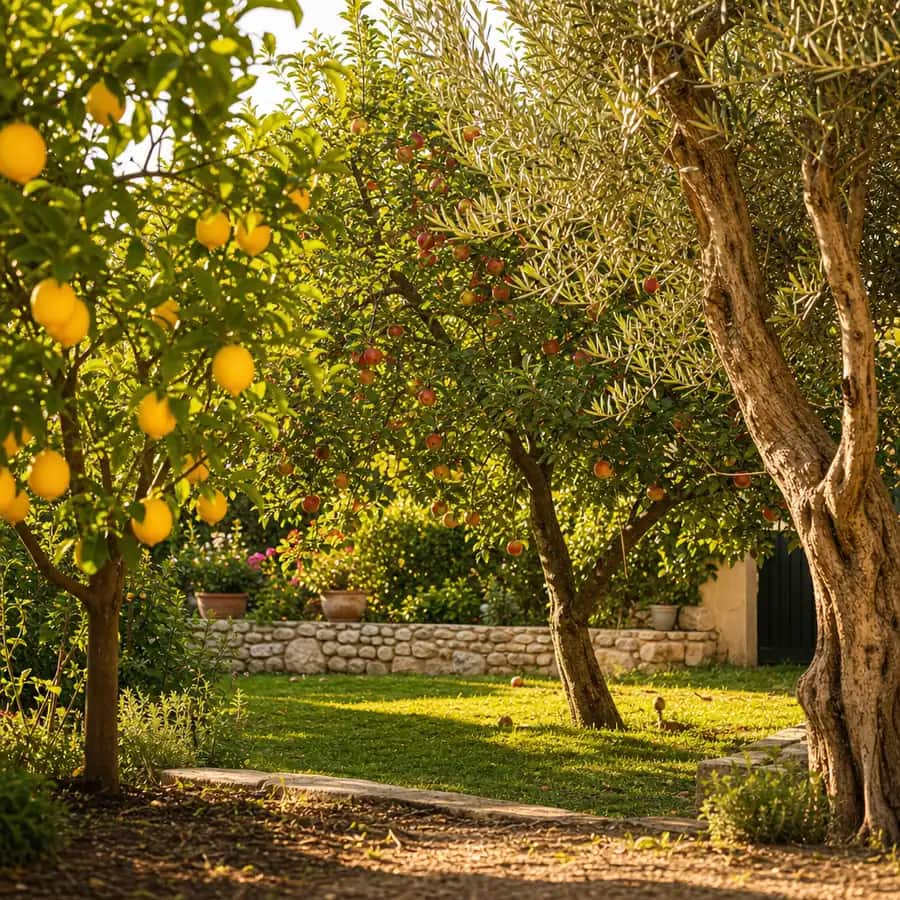 Fruit TreesHomegrown lemons, apples, figs, olives and more.View all Fruit Trees →
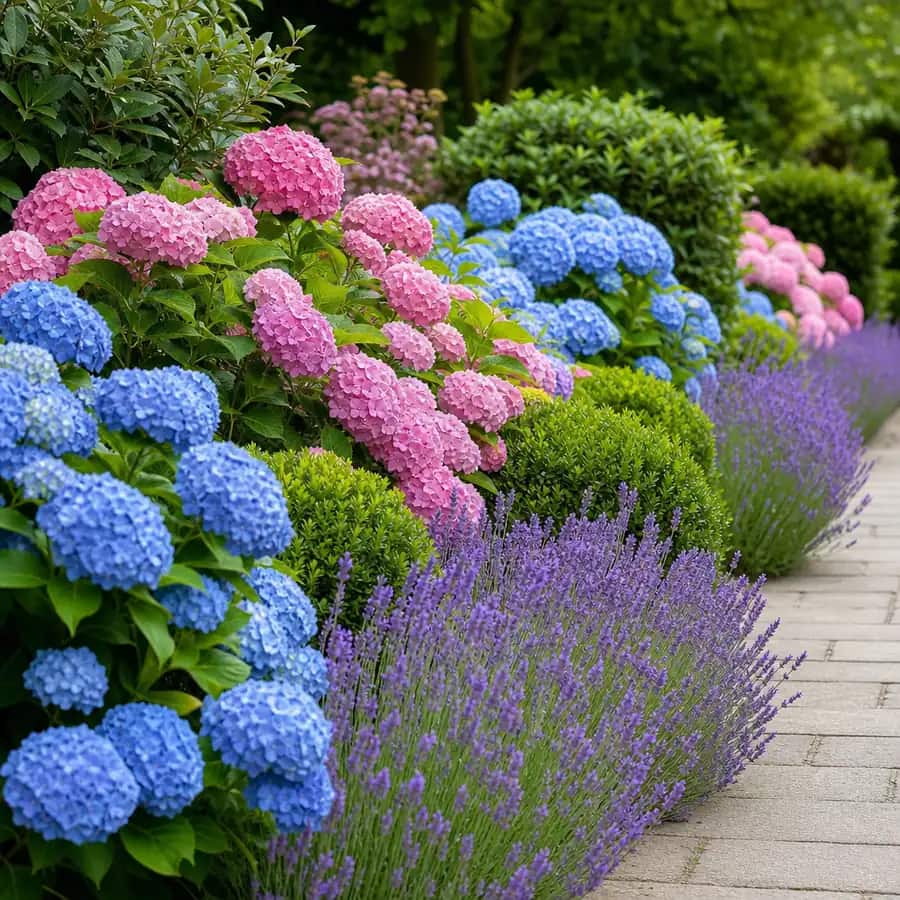 Shrubs & HedgesHydrangeas, hollies, lavender and living privacy.View all Shrubs & Hedges →
Local fit, from data
6a
about -10 to -5 F
Macomb County
Michigan
Arbor Buddy delivers large, nursery-grown landscape trees to Ray, MI 48096. We ship trees by freight direct to homeowners, matching every tree to your local hardiness zone. Our catalog for this area includes shade, flowering, evergreen, fruit, and Japanese maple trees, all pre-screened for zone 6a. So you only see options that will thrive in your yard.
Ray sits in USDA hardiness zone 6a, where winter lows run about -10 to -5 degrees Fahrenheit. That means many popular southern trees, like live oaks or citrus, simply won't survive here. But zone 6 opens the door for classic northern species that need a real winter: oaks, maples, spruces, and fruiting trees that require chill hours.
Summers in Macomb County are warm and humid, so trees that handle both cold winters and muggy afternoons do best. Shade trees like Shumard Oak and American Sycamore grow quickly here. Evergreens such as Eastern Red Cedar and Colorado Spruce stay healthy without constant moisture. For flowers, Eastern Redbud and Dynamite Crape Myrtle put on a show from spring to fall.
When you shop trees for zone 6 in Ray, you get species that have proven themselves in this climate. Arbor Buddy matches every tree to your exact zone before shipping.
For shade trees, privacy screens, flowering accents, or homegrown fruit suited to zone 6 in Ray, Arbor Buddy ships large, nursery-grown trees with a 1-Year Thrive Guarantee.
Browse the trees above, select what fits your yard, and place your order online for delivery to ZIP 48096.
Tree choices shift dramatically across climates. Comparing Ray to other zones shows why your selection matters.
ZIP 29853 in Williston, South Carolina (SC) sits in zone 8b with winter lows of 15 to 20 F. That area never sees the deep freezes Ray expects. Gardeners there can grow magnolias, camellias, and even some citrus without worry. Locally, that points buyers toward hardier species like Shumard Oak and Eastern Red Cedar that still color up reliably despite cold snaps. The practical difference is that trees in Williston face heat and humidity but not -10 F, so their list of safe choices includes many southern evergreens that would die here.
ZIP 57235 in Florence, South Dakota (SD) is zone 4b with typical lows of -25 to -20 F, far colder than Ray. In that zone, only trees with extreme cold-hardiness survive: Siberian elm, Colorado spruce, and some crabapples. Here, the zone usually pushes the choice toward trees that handle both moist summers and occasional -20 F blasts. For Ray, that means we can plant maples and oaks that would die in South Dakota. One takeaway: Ray's winters are cold enough to need zone-rated stock, but not so brutal that you lose options like Japanese maples and peaches.
ZIP 98056 in Renton, Washington (WA) sits in zone 9a with winter lows of 20 to 25 F. That mild, rainy climate lets gardeners grow evergreens like Southern Magnolia and tender Japanese maples with little winter risk. The practical difference is that Renton's trees rarely face a hard freeze, so they don't need the cold tolerance our zone demands. For Ray, drought tolerance becomes more important than in the Pacific Northwest; species like Blue Point Juniper and Shumard Oak handle dry spells better than many West Coast favorites. When you compare these three zones, the consistent message is that Ray's mix of cold winters and warm summers calls for trees that are adaptable, not just cold-hardy.
Arbor Buddy ships trees by freight to residential addresses in ZIP 48096. A freight truck can reach most streets in Ray, but check your driveway and access. The trees arrive nursery-grown at a usable landscape size, already matched to your hardiness zone. Every tree comes with a 1-Year Thrive Guarantee: if it doesn't survive its first year, we replace it free.
Orders to zone 6 areas are scheduled for spring and fall arrival windows. This timing gives your tree the best start in local soil.
Before delivery day, check:
Enter your ZIP, shop only what thrives in your zone.
Freight delivery to your address: $149 flat per order, shown at checkout.
Plant it, watch it thrive, covered for one year.
Good to know · Growing guide
Coverage runs a full year from delivery. If something goes wrong, contact the team and they arrange the replacement. No store-credit games, no fine-print maze.