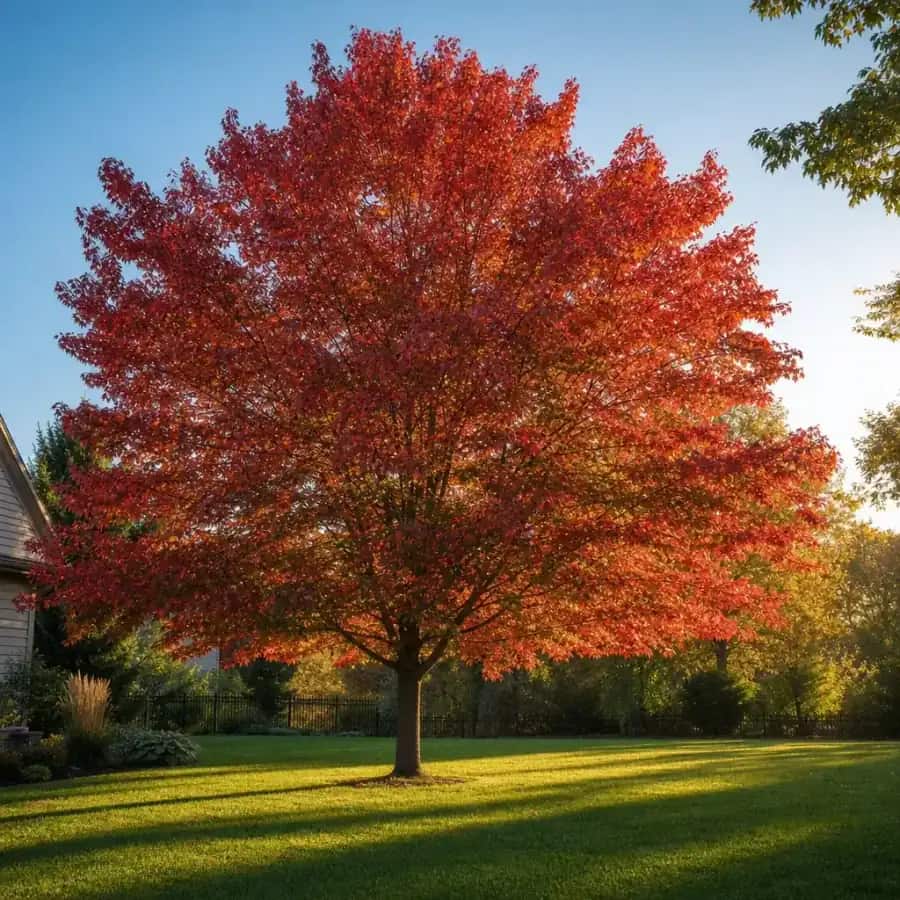
 Zones 3 to 8
Shade Trees
Autumn Blaze Red Maple
$60
Shop large, nursery-grown shade, privacy, flowering and fruit trees, delivered by freight in Blue Mountain. Every tree is matched to your hardiness zone and backed by our 1-Year Thrive Guarantee.
Enter your ZIP and we'll match trees to your exact growing zone.
Typical winter lows in Blue Mountain run about 10 to 15 F.
Matched to Blue Mountain's zone
Zones 3 to 8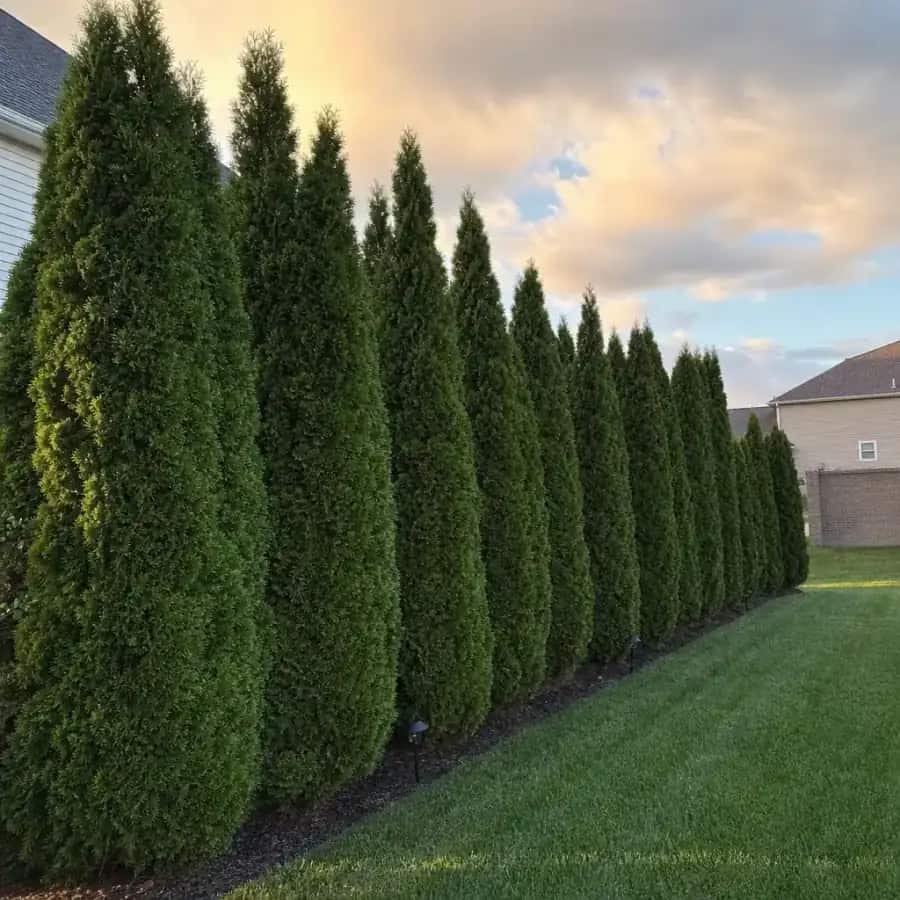 Zones 3 to 8
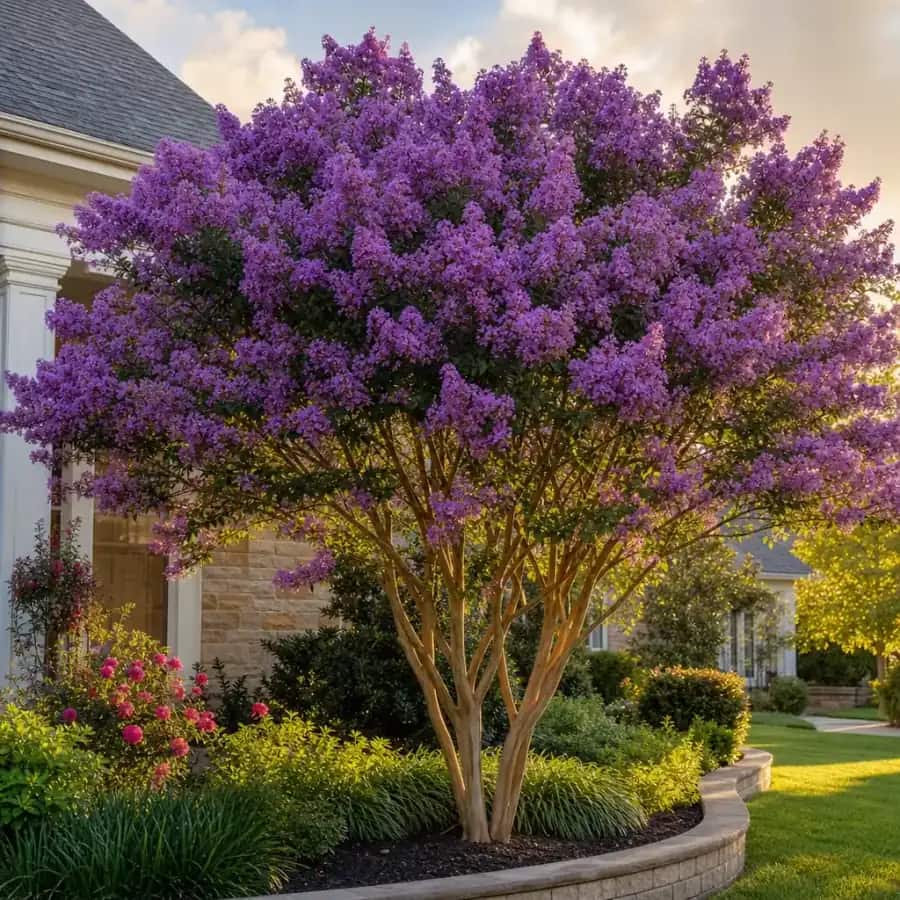 Zones 7 to 9
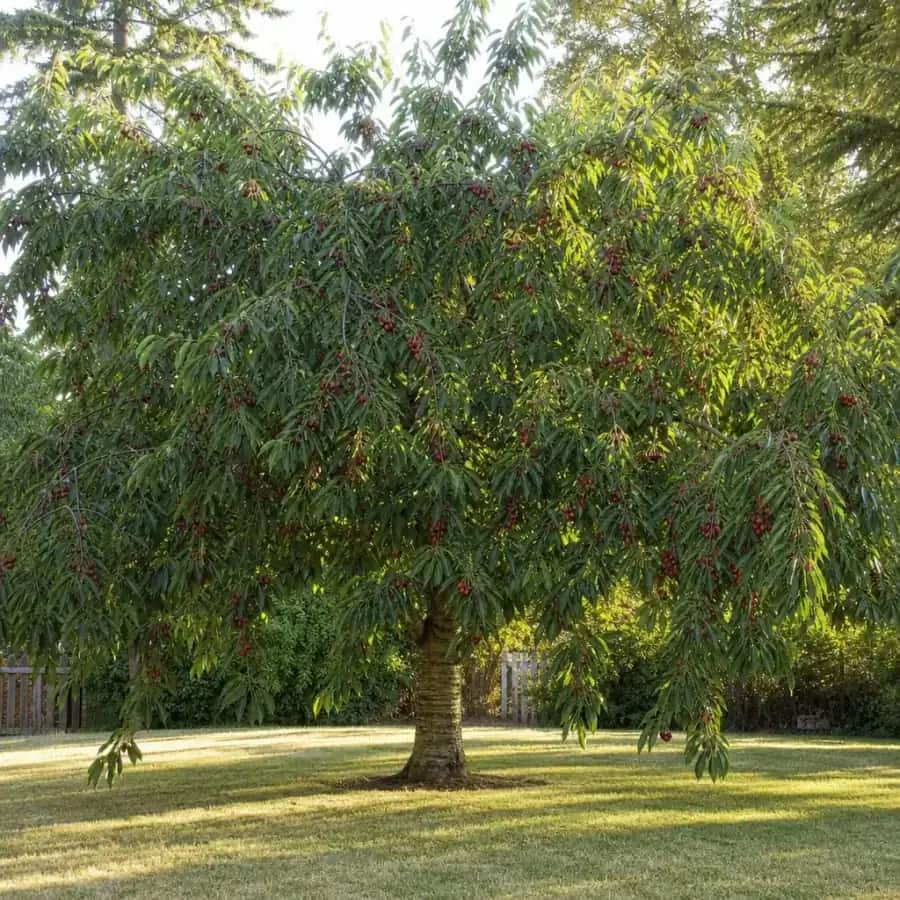 Zones 5 to 8
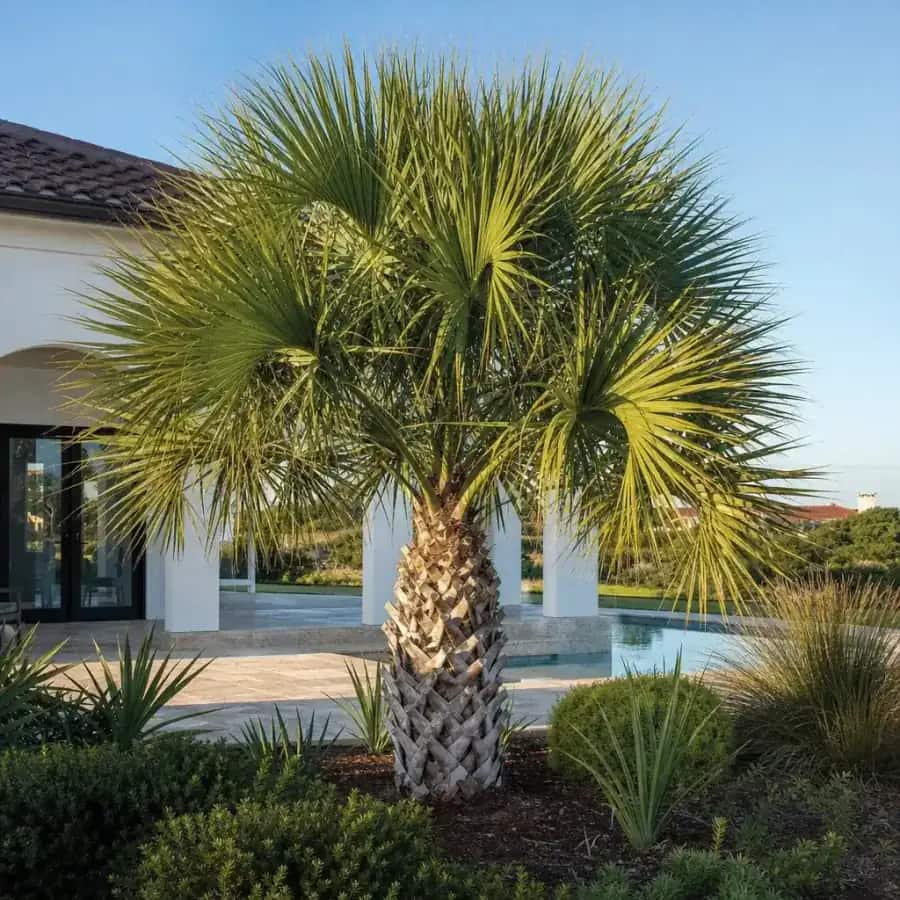 Zones 7 to 11
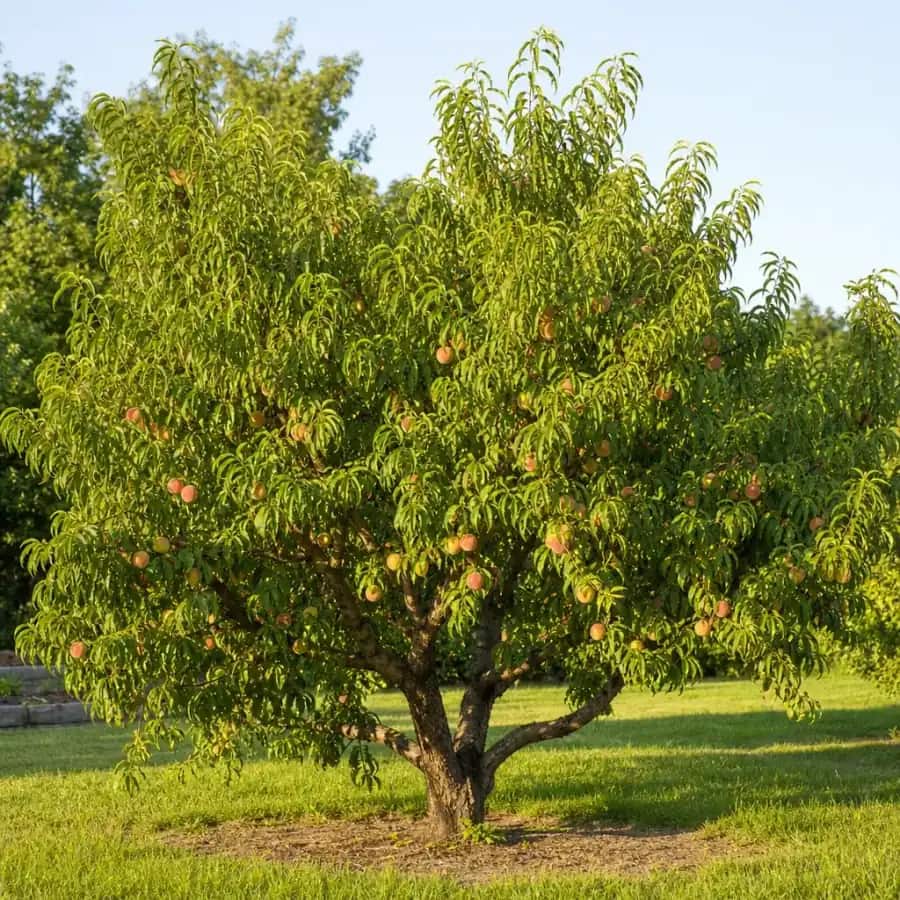 Zones 5 to 9
Shop by category
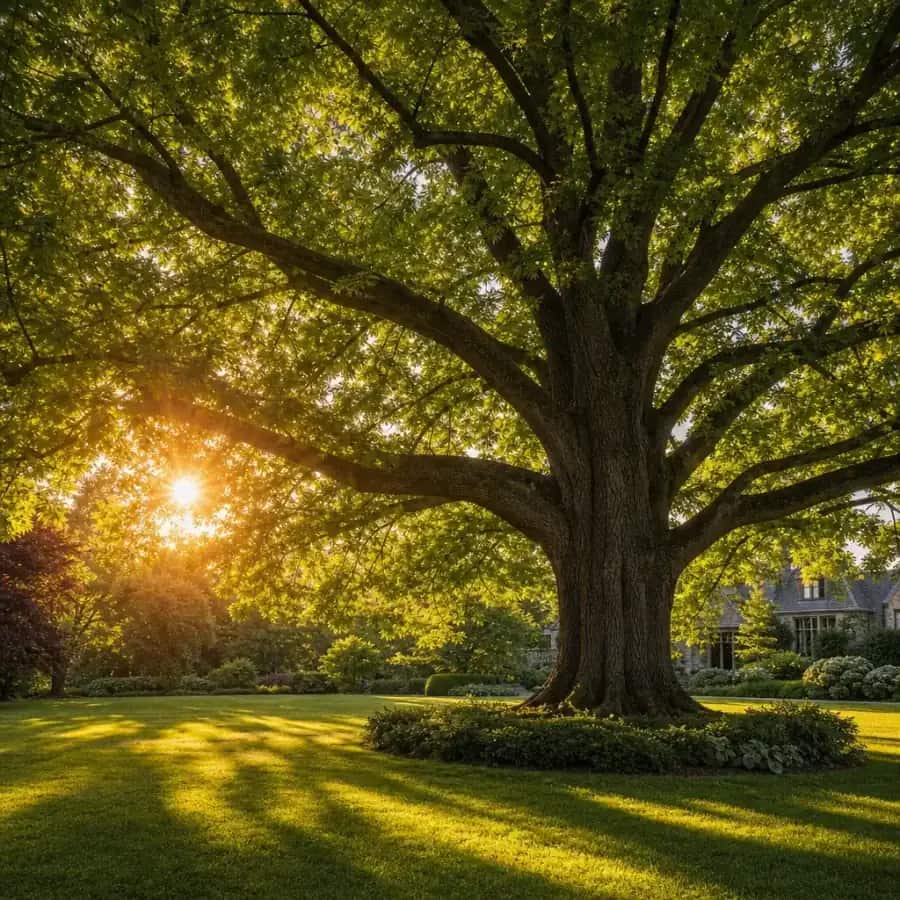 Shade TreesBig, fast canopy. Oaks, elms, maples and more.View all Shade Trees →
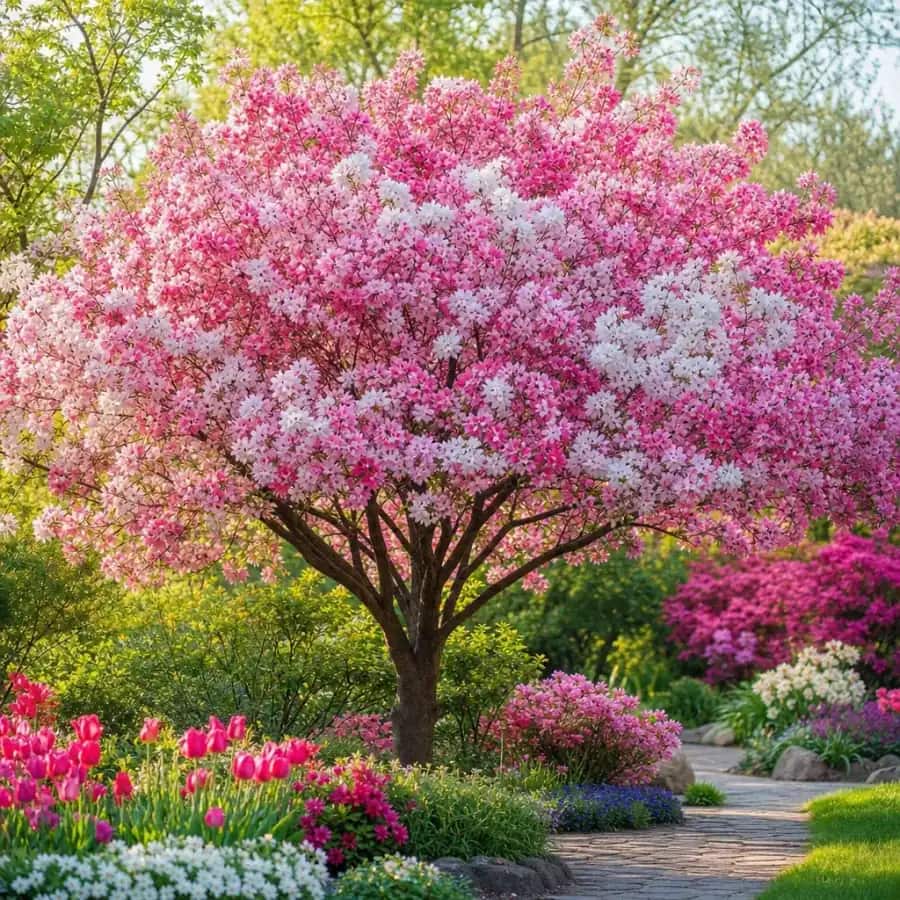 Flowering & OrnamentalRedbuds, crape myrtles and blooming showpieces.View all Flowering & Ornamental →
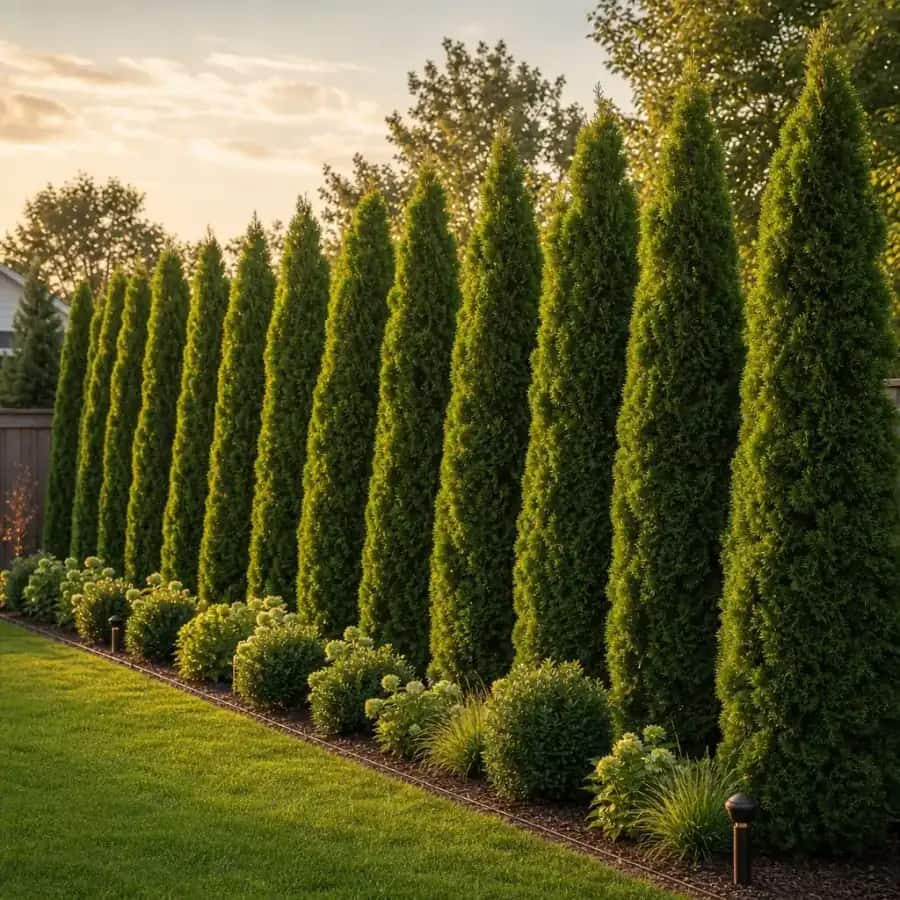 Evergreen & PrivacyYear-round green: cypress, juniper, holly, magnolia.View all Evergreen & Privacy →
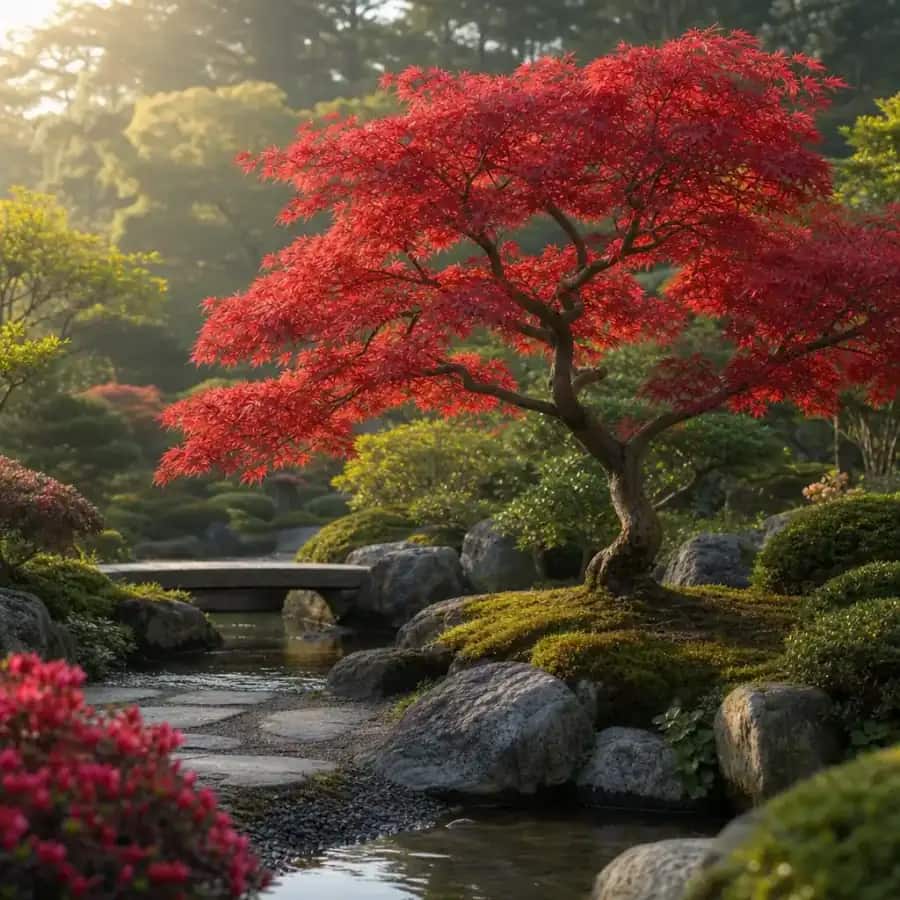 Japanese MaplesLiving sculpture in crimson, coral and lace.
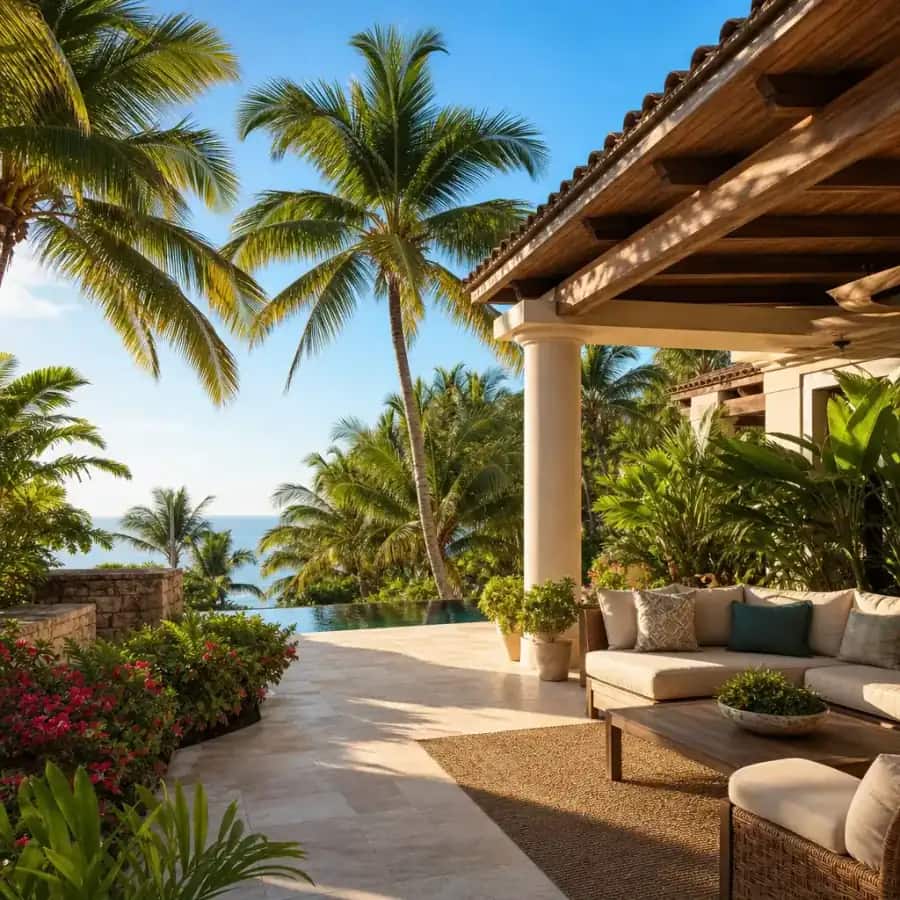 Palms & TropicalsResort-worthy palms and architectural foliage.View all Palms & Tropicals →
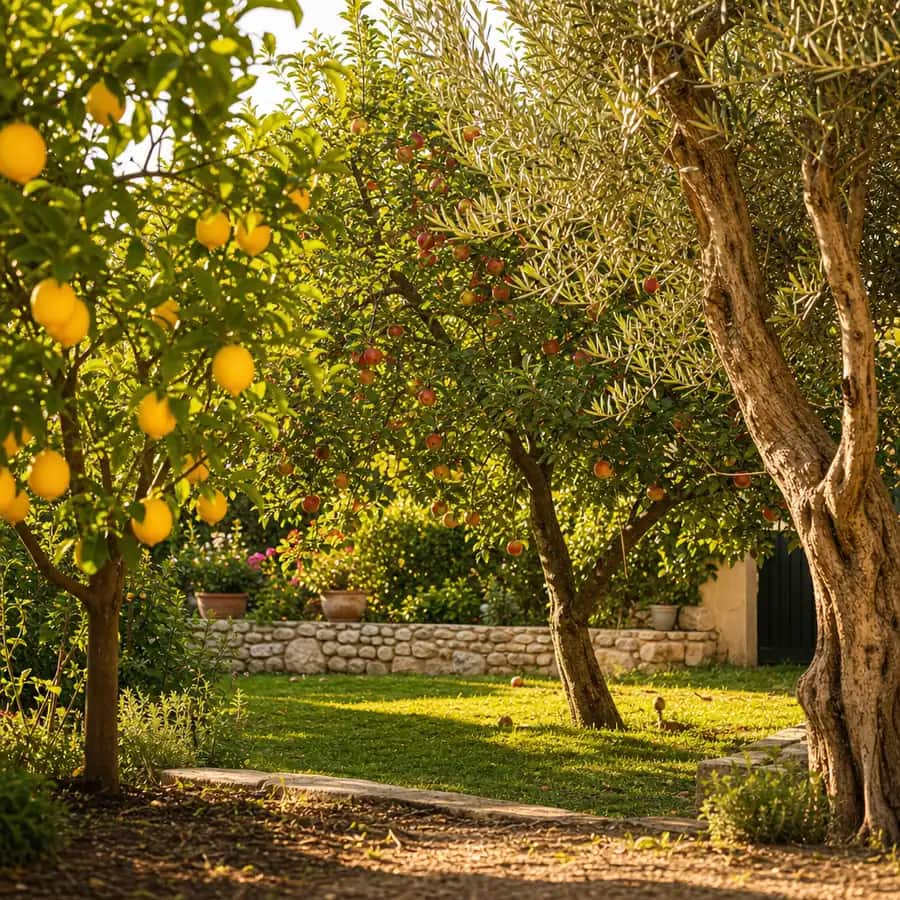 Fruit TreesHomegrown lemons, apples, figs, olives and more.View all Fruit Trees →
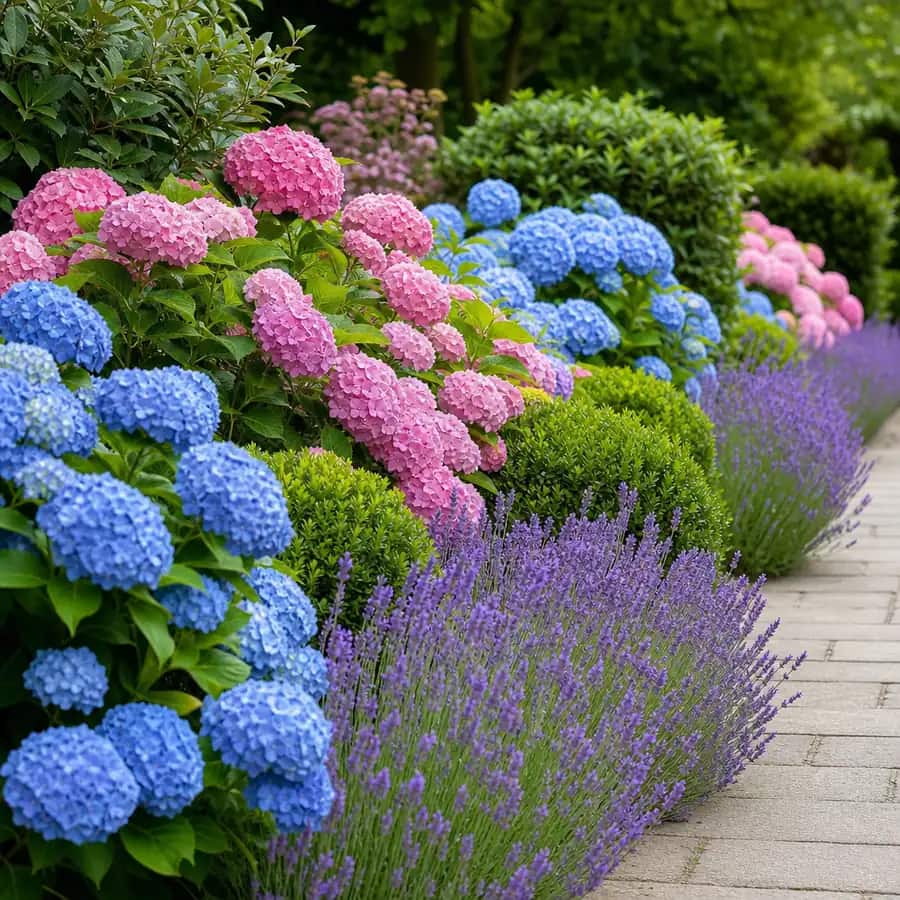 Shrubs & HedgesHydrangeas, hollies, lavender and living privacy.View all Shrubs & Hedges →
Local fit, from data
8a
about 10 to 15 F
Tippah County
Mississippi
Need shade in Blue Mountain, MS 38610? Arbor Buddy delivers large, nursery-grown trees by freight direct to homeowners. You get shade, flowering, fruit, and privacy picks matched to your local hardiness zone 8a. Order online and skip the garden center.
Blue Mountain sits in USDA hardiness zone 8a. Typical winter lows here range from 10 to 15 degrees F. That cold is enough to satisfy chill-hour needs for fruit trees like the Elberta Peach. It also rules out tender plants like citrus, Meyer Lemon would struggle below 20 F.
Summers bring heat and humidity. That's why crape myrtles and cherry plums do well. They laugh at the heat. Japanese maples like Red Dragon need a break from intense afternoon sun. Plant them where a building or larger tree throws shade in the late day.
For trees for zone 8 in Blue Mountain, you have plenty of room to work with. The wide temperature range lets you grow both southern favorites like crape myrtle and northern hardies like Bur Oak. Evergreens like Emerald Green Arborvitae also thrive, giving you privacy year-round.
Winter lows typically hit 10 to 15 degrees F. That puts Blue Mountain in hardiness zone 8a. It's cold enough for fruit trees like Elberta Peach, but not so cold that you lose crape myrtles and Japanese maples.
Bur Oak and Natchez Crape Myrtle are strong fast growers. Bur Oak can add 1 to 2 feet per year once established. Crape myrtle shoots up even quicker, giving you shade or blooms in a few seasons.
All trees are nursery-grown at a usable landscape size, typically 4 to 7 feet tall for shade and ornamental trees, and 3 to 4 feet for Japanese maples and shrubs. They ship in sturdy containers via freight, ready to plant.
Yes, you can grow fruit trees like Elberta Peach and Chicago Hardy Fig. But citrus like Meyer Lemon is not frost-hardy, temperatures below 20 F damage it. Stick with stone fruits and figs for reliable harvests in zone 8.
For trees that match your zone in Blue Mountain, Arbor Buddy delivers large, nursery-grown stock with a 1-Year Thrive Guarantee. Shade, privacy, flowering, or fruit, your order is backed by a free replacement if the tree doesn't make it through the first year.
Browse the trees suited to your area and order online.
ZIP 84525 in Green River, Utah (UT) sits in zone 6b with winter lows down to -5 to 0 F. That colder climate kills most palms and tropicals. Chinese Windmill Palm? No chance. In practice, buyers here lean toward cold-hardy oaks and junipers for structure. Here in Blue Mountain, zone 8 lets you grow palms like Dwarf Palmetto and even Sago Palm (with protection).
ZIP 05481 in Saint Albans Bay, Vermont (VT) is zone 5a with lows of -20 to -15 F. Fruit trees like Elberta Peach need about 800 chill hours; up there, winter cold is more than enough. But those extreme lows can damage peach blossoms after a false spring. For your cart, that means you can plant Elberta without worry, Blue Mountain's cold is moderate and consistent. Citrus is still a no-go, but stone fruits are a safe bet.
ZIP 53597 in Waunakee, Wisconsin (WI) also sits in zone 5a with the same bitter lows. Their flowering tree choices are limited to super-hardy options like crabapples and certain crabapple varieties. Crape myrtle won't survive there. That gap changes the local shortlist to species that can handle -20 F. In Blue Mountain, you can enjoy Natchez Crape Myrtle's long bloom season and Krauter's Vesuvius Cherry Plum's dark foliage without winter dieback.
The takeaway: Blue Mountain's mild winters open up a broader palette of flowering, fruit, and ornamental trees than cold-climate areas can offer. You can grow peaches, crape myrtles, and laceleaf maples that northern gardeners can only envy.
Arbor Buddy ships large, nursery-grown trees by freight to ZIP 38610. Deliveries into zone 8 land in fall through early spring, when planting weather is on your side. Each tree is zone-matched before it leaves our nursery. And every tree comes with a 1-Year Thrive Guarantee: if it doesn't survive the first year, we replace it free.
Before delivery day, check:
Enter your ZIP, shop only what thrives in your zone.
Freight delivery to your address: $149 flat per order, shown at checkout.
Plant it, watch it thrive, covered for one year.
Good to know · Growing guide
Coverage runs a full year from delivery. If something goes wrong, contact the team and they arrange the replacement. No store-credit games, no fine-print maze.