Skip to content
USDA zones 4a

Trees for Prairie County, MT Yards

Shop large, nursery-grown shade, privacy, flowering and fruit trees, delivered by freight in Prairie County. Every tree is matched to your hardiness zone and backed by our 1-Year Thrive Guarantee.

See what thrives at your address

Enter your ZIP and we'll match trees to your exact growing zone.

Typical winter lows in Prairie County run about -30 to -25 F.

1-Year Guarantee

Thrive Guarantee promise

Freight Delivery

$149 flat per order

Nursery-Grown

Shipped at landscape size

Zone-Matched

Only what thrives near you

Matched to Prairie County's zones

Featured trees for Prairie County

6 landscape-grade picks covering shade, privacy, color and fruit, all hardy in Prairie County's zones. Prices and stock shown live.

Shop by category

Browse everything that thrives in Prairie County

Every category below is stocked with trees rated for Prairie County's zones. Tap a bestseller or view the full range.

Choosing trees by goal

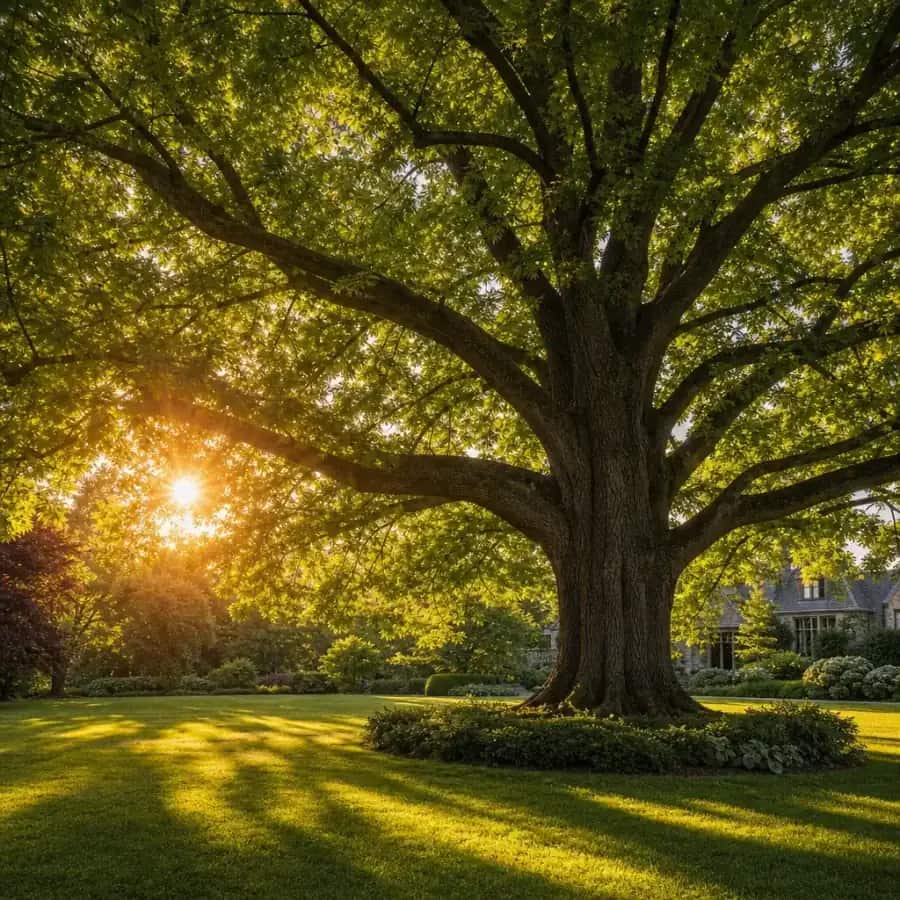
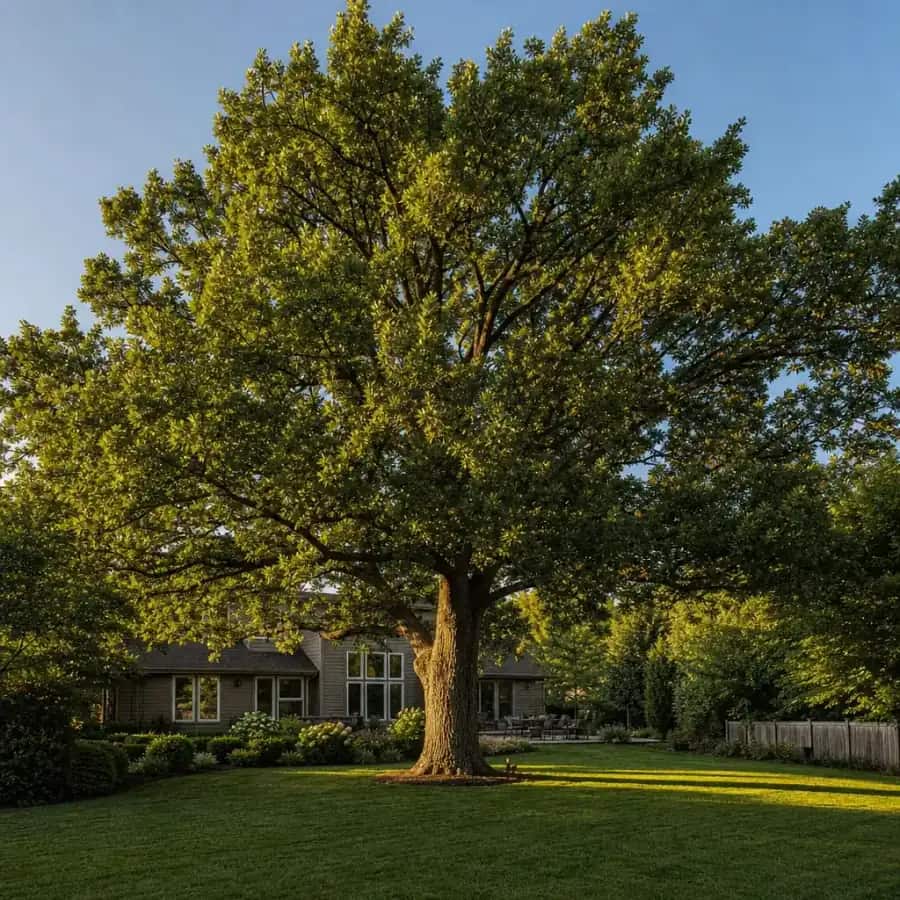
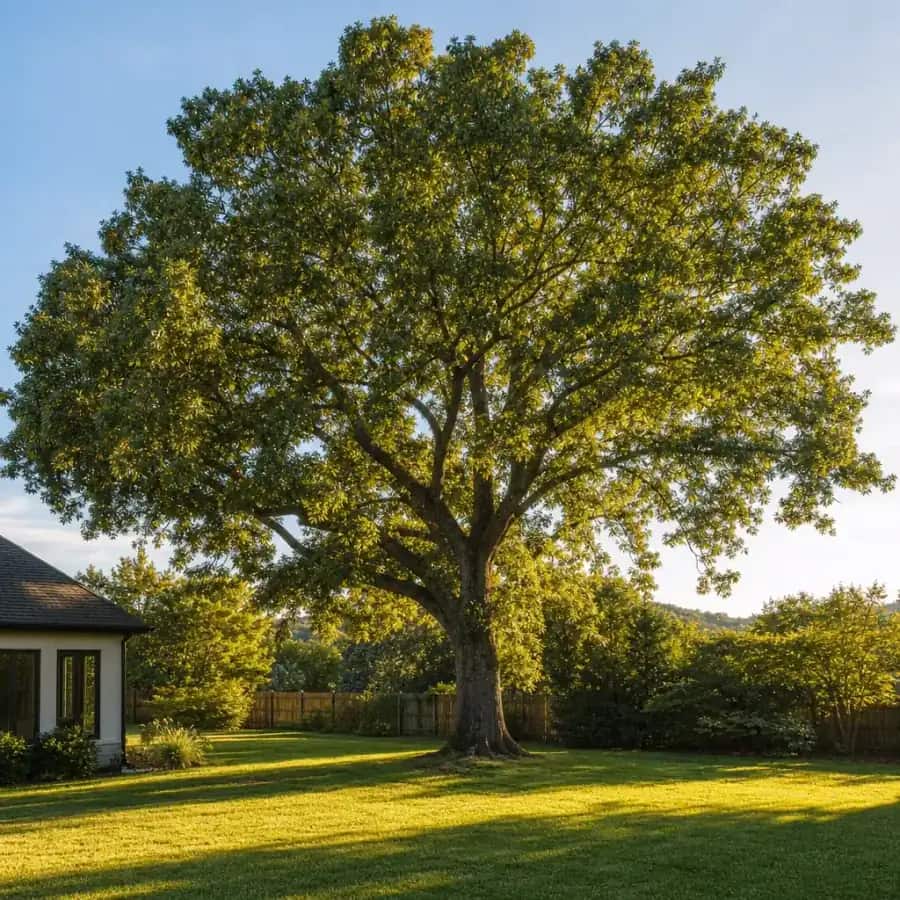
Shade and canopy. Bur Oak. Needs room to spread; deep roots handle dry spells once established.

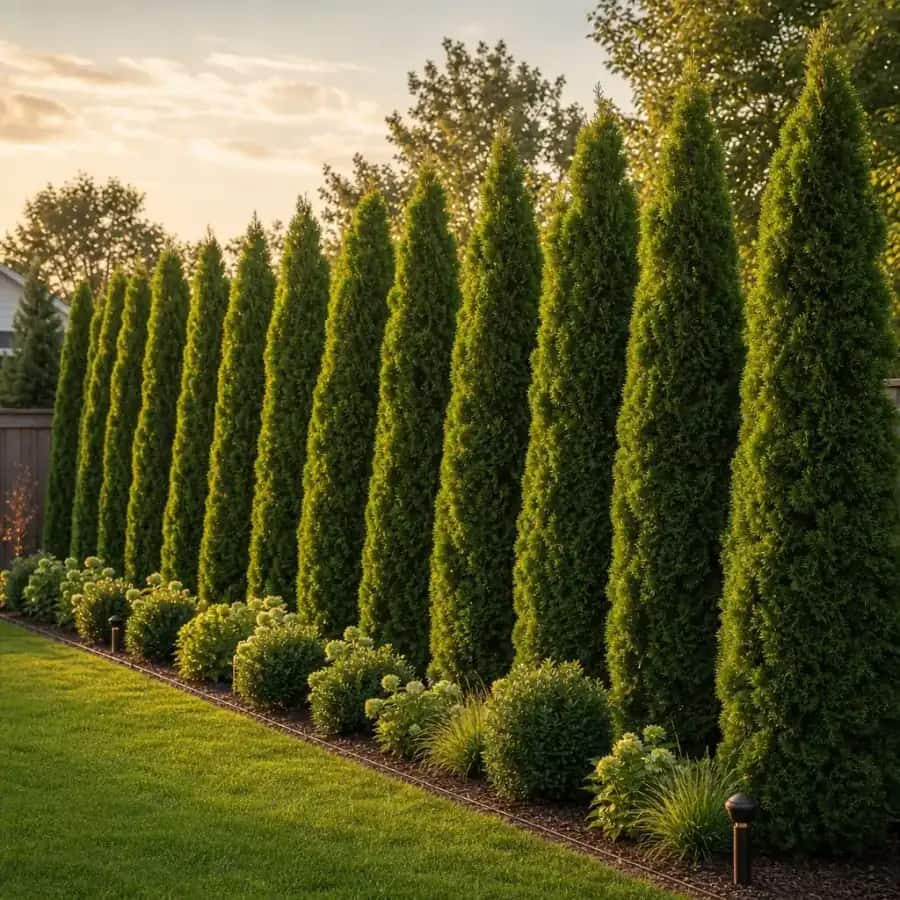
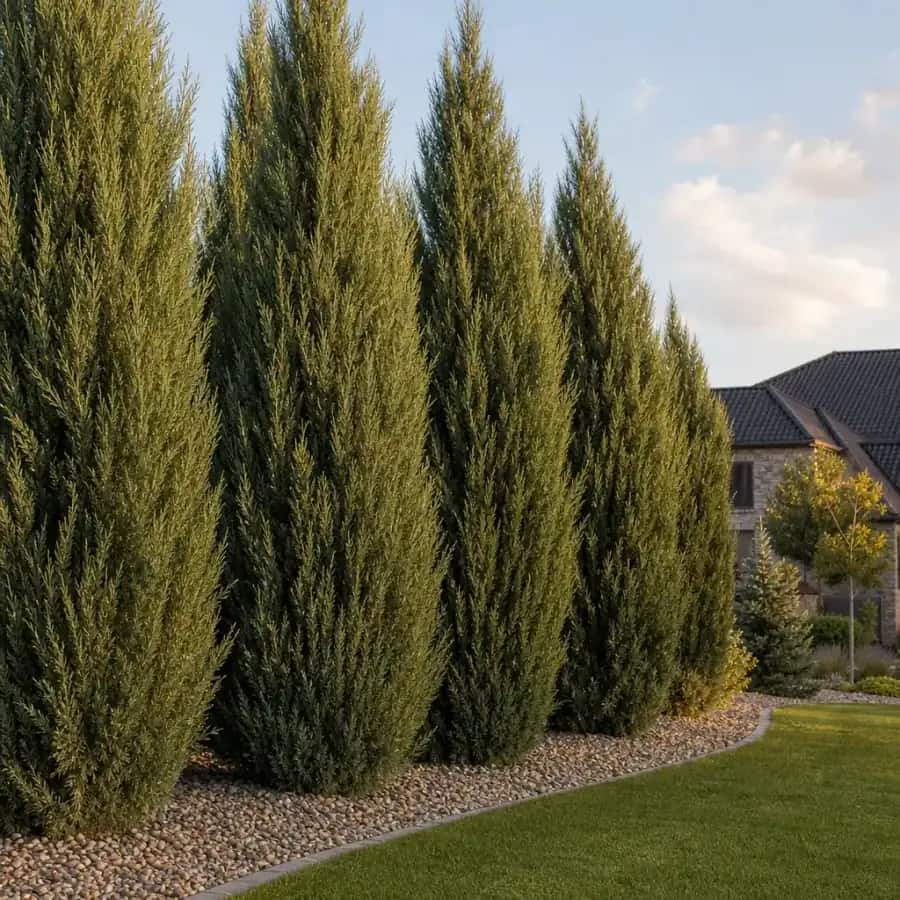
Privacy and screening. Skyrocket Juniper or Taylor Eastern Red Cedar. Both stay narrow and upright; plant in groups for a tight screen.

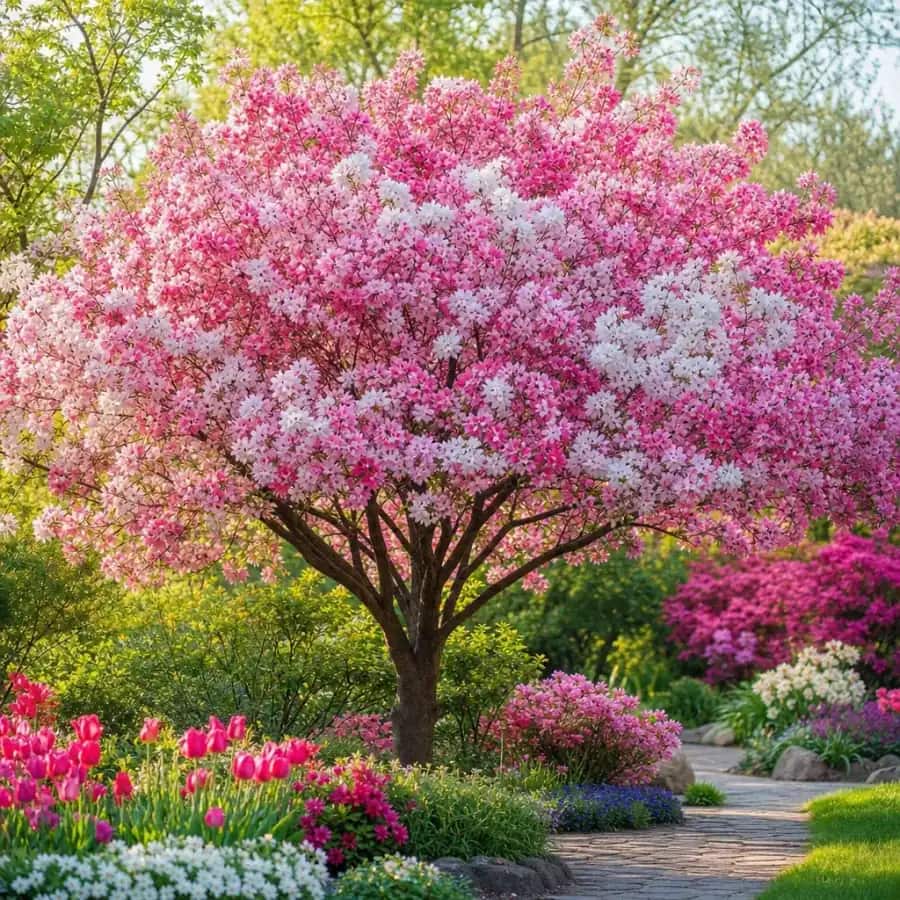
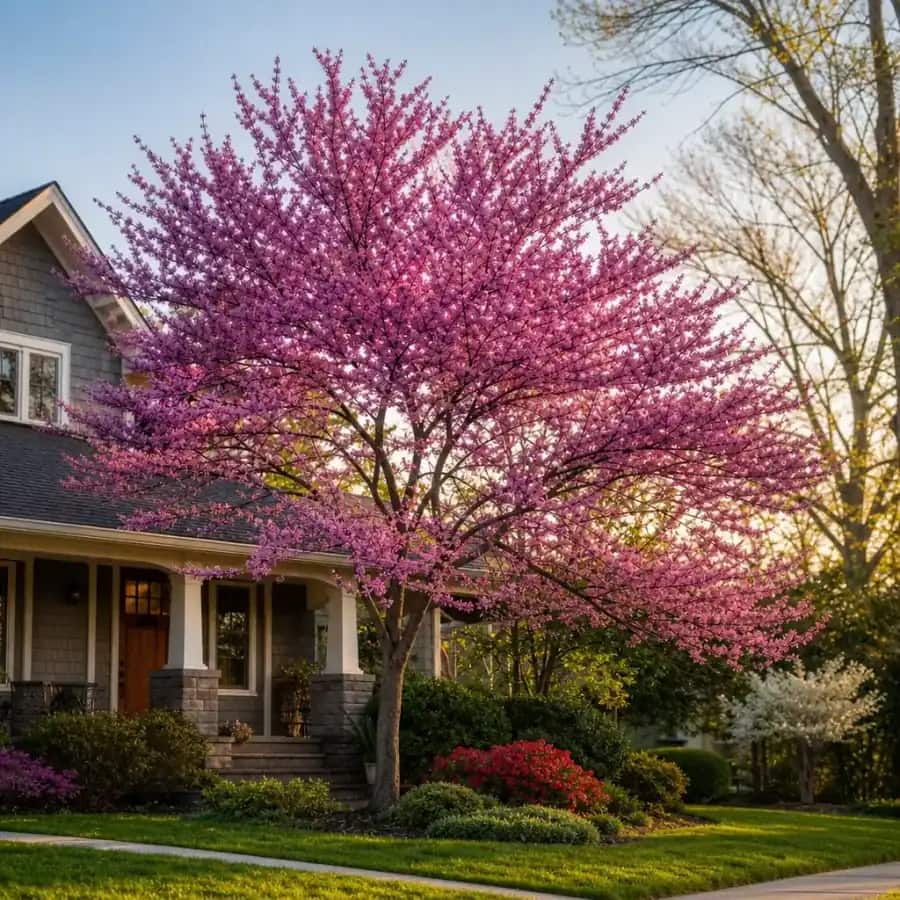
Flowering and curb appeal. Forest Pansy Eastern Redbud. Flowers early before leaves; purple foliage holds color all summer.

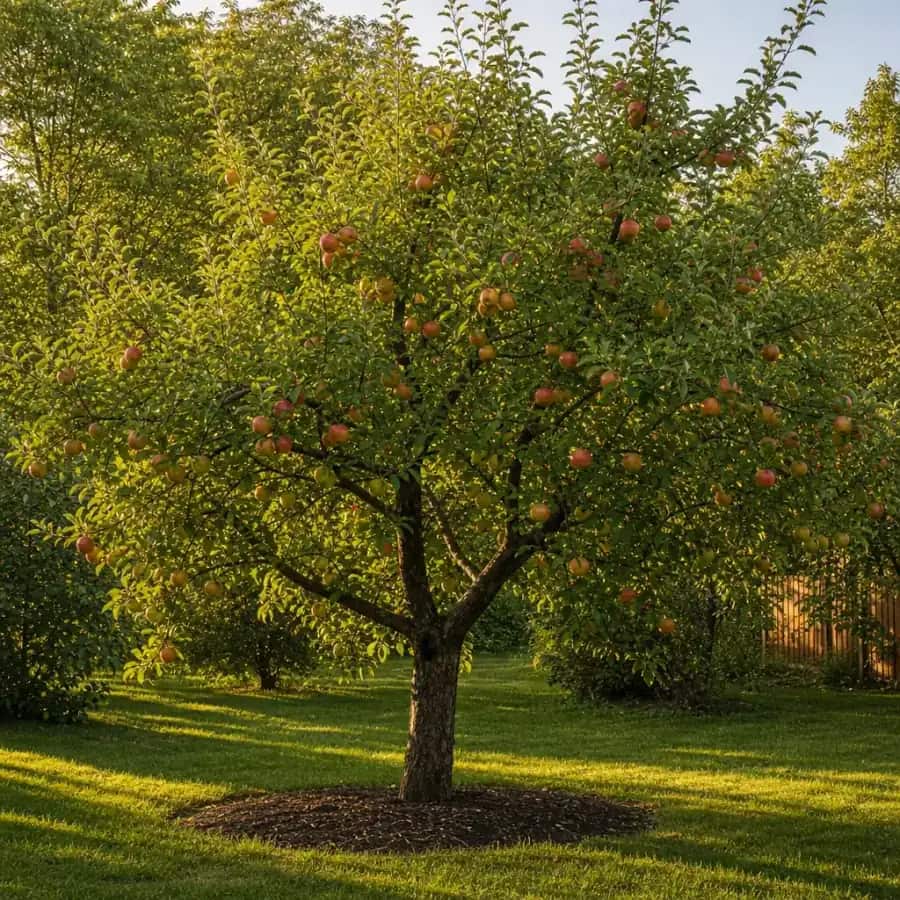
Grow your own fruit. Honeycrisp Apple. Needs a second apple variety nearby for pollination. Spring frosts can affect bloom.

Small spaces and accents. Wisteria Tree. Prefers a sunny spot sheltered from harsh winds; blooms best with full sun.

Local fit, from data

Growing conditions in Prairie County

USDA zones

4a

Typical winter lows

about -30 to -25 F

ZIP codes served

3

Largest city

Fallon

Spring shipping gets your trees to Prairie County, Montana (MT) after deep cold passes. Arbor Buddy delivers large nursery-grown trees by freight straight to your yard. Shade, privacy, and fruit trees are matched to your hardiness zone 4a. Homeowners across the county can order with confidence.

Climate and Hardiness Zone Fit in Prairie County

Prairie County sits in USDA zone 4a, where typical winter lows drop to -30 to -25 F. The county covers 3 ZIP codes, and temperatures stay consistently cold through winter. That cold window drives every tree choice here.

Summers are warm and dry, not humid. That favors oaks and junipers over moisture-loving species. The Bur Oak and Taylor Eastern Red Cedar handle the dry air and cold well. Flowering trees like the Forest Pansy Eastern Redbud need a sheltered spot away from winter wind.

If you are searching for trees for zone 4 in Prairie County, rely on species tested for -30 F. The 4a zone limits some ornamentals but opens the door to superb cold-hardy shade and privacy trees.

Shop Trees by Category in Prairie County

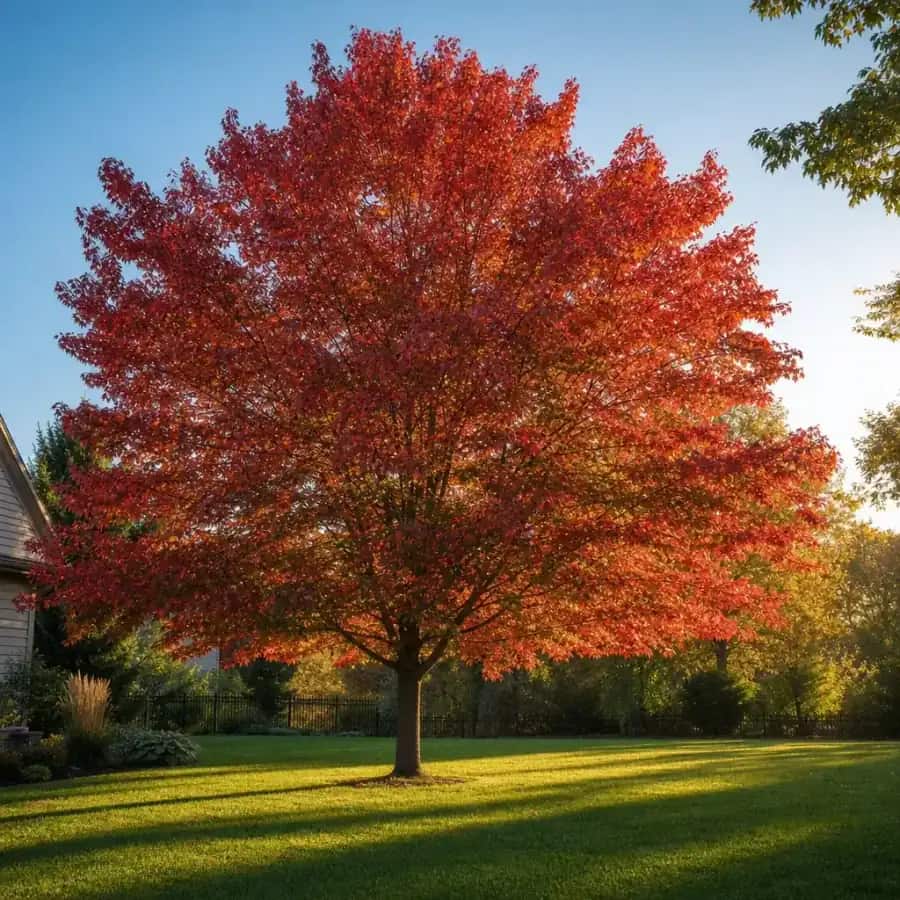
  • Shade Trees: Oaks and maples that block summer sun and survive -25 F without damage.
  • Flowering & Ornamental: Redbuds and wisteria that add spring color and tolerate cold snaps.
  • Evergreen & Privacy: Junipers and cedars that screen wind and snow year-round in zone 4.

Start Your Prairie County Order

Arbor Buddy makes it easy to get the right tree for your yard. Browse the zone-matched selection and choose the trees that fit your goal. Spring shipping is scheduled for your area, so order now to lock in your delivery window.

How Prairie County Compares to Other Areas

Lancaster County, Pennsylvania (PA) sits in zone 7a with winter lows of 0 to 5 F. Heat and humidity there are higher than in Prairie County. Here, the zone usually pushes the choice toward cold-hardy oaks and junipers, not the heat-tolerant crape myrtles that thrive in Lancaster.

Hampton County, South Carolina (SC) is zone 8b with winter lows 15 to 20 F. The practical difference is drought tolerance. Prairie County's dry summers favor deep-rooted trees like Bur Oak and Eastern Red Cedar, while Hampton deals with humid heat and needs trees that resist fungal issues.

Bradley County, Tennessee (TN) covers zones 7b to 8a with lows 5 to 15 F. Locally, that points buyers toward broadleaf evergreens and dogwoods. In Prairie County, you need trees that take -30 F without damage. So the pick lines are narrower but more reliable in this climate.

What this means for your cart: Prairie County's cold limits the species you can plant, but the trees that do grow here are tough, long-lived, and need less pampering.

Freight delivery and the Thrive Guarantee

Your trees arrive by freight truck to your property. The driver needs a hard surface to stop and a clear path to drop the pallet. Plan for an adult to be home on delivery day to inspect the trees and direct placement.

Every tree is nursery-grown at a usable landscape size and zone-matched to Prairie County before shipping. Orders to zone 4 areas are scheduled for spring arrival, once deep cold has passed. The 1-Year Thrive Guarantee covers free replacement if a tree does not survive its first year.

Before delivery day, check:

  • Someone can receive the tree and look it over.
  • A freight truck can reach your street with room to stop or turn around.
  • You know where you want the pallet dropped.
  • Watch for low branches, wires, or soft ground that could block access.
1

Enter your ZIP, shop only what thrives in your zone.

2

Freight delivery to your address: $149 flat per order, shown at checkout.

3

Plant it, watch it thrive, covered for one year.

Where we deliver in Prairie County

Freight service reaches most Montana addresses. Browse your area:

Cities and ZIP codes in Prairie County

Not sure which tree fits your yard?

Take the 60-second Plant Finder, or message a tree specialist and we'll shortlist zone-safe picks for your address.

Good to know · Growing guide

Buying trees in Prairie County: what locals should know

Ordering a large tree online is not like ordering a lamp. Here is what is worth knowing before you buy, from reading your hardiness zone to what actually shows up on the truck.

How to read your hardiness zone

Prairie County sits in USDA zone 4a. Your zone describes the coldest winter a tree can reliably survive. In a cold-winter area, the zone number is the whole ballgame: a tree rated one zone too warm can look fine all summer and fail in its first January.

Typical winter lows here run about -30 to -25 F. Half-zones matter at the edges: two steps on the map are about five winter degrees, which is enough to decide whether a borderline pick belongs in your cart.

What freight delivery actually means

Your tree arrives large, nursery-grown and at a usable landscape size, secured to a pallet and delivered curbside or as close as the truck can safely get. Before delivery day, run through this quick checklist:

  • Someone can be home to receive the tree and look it over on arrival.
  • A freight truck can reach your street, with room to stop or turn around.
  • You know where you want it dropped: curbside, or as close as the driver can safely get.
  • Access watch-outs are handled: narrow driveways, soft ground after rain, low branches or wires.

The guarantee, in plain terms

If a tree does not survive its first year, we replace it free, shipping included. The promise works because every tree ships zone-matched and nursery-grown, so it arrives set up to succeed in your climate rather than gambling against it.

Coverage runs a full year from delivery. If something goes wrong, contact the team and they arrange the replacement. No store-credit games, no fine-print maze.
More growing guides on the Arbor Buddy blog →

Frequently asked questions

When do trees ship to Prairie County?+

Orders to Prairie County are scheduled for spring arrival, once the risk of deep cold has passed. Arbor Buddy coordinates freight delivery based on your zone 4a location. You will receive a shipping window estimate after ordering.

What are the best shade trees for Prairie County?+

The Bur Oak is the top shade tree for zone 4a. It handles winter lows of -30 F and provides deep, reliable shade. Other good options include cold-hardy oaks from the Shade Trees category.

What size do the trees arrive at?+

Trees arrive at a usable landscape size, typically 4 to 6 feet tall in a container or balled-and-burlapped root ball. This size gives your tree a strong start in its first season.

Which trees grow best in Prairie County's hardiness zone?+

Trees rated for zone 4 or colder grow best. From the featured list, Bur Oak, Skyrocket Juniper, Honeycrisp Apple, and Taylor Eastern Red Cedar are fully hardy. The Wisteria Tree and Forest Pansy Eastern Redbud do fine with a sheltered spot.

Ready to plant your Prairie County yard?

Shade, privacy, flowering and fruit trees matched to Prairie County's zones, shipped large and covered by the 1-Year Thrive Guarantee.

Browse trees for your zone