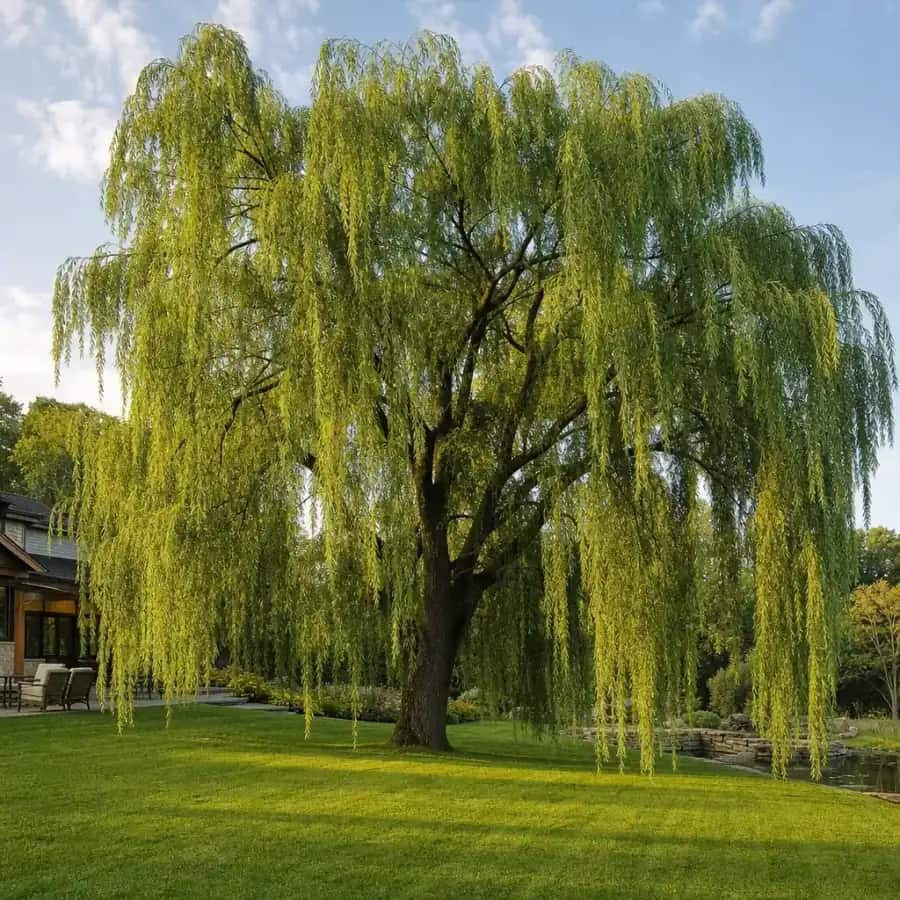
 Zones 4 to 9
Shade Trees
Weeping Willow
$40
Shop large, nursery-grown shade, privacy, flowering and fruit trees, delivered by freight in Colfax County. Every tree is matched to your hardiness zone and backed by our 1-Year Thrive Guarantee.
Enter your ZIP and we'll match trees to your exact growing zone.
Typical winter lows in Colfax County run about -15 to -10 F.
Matched to Colfax County's zones
Zones 4 to 9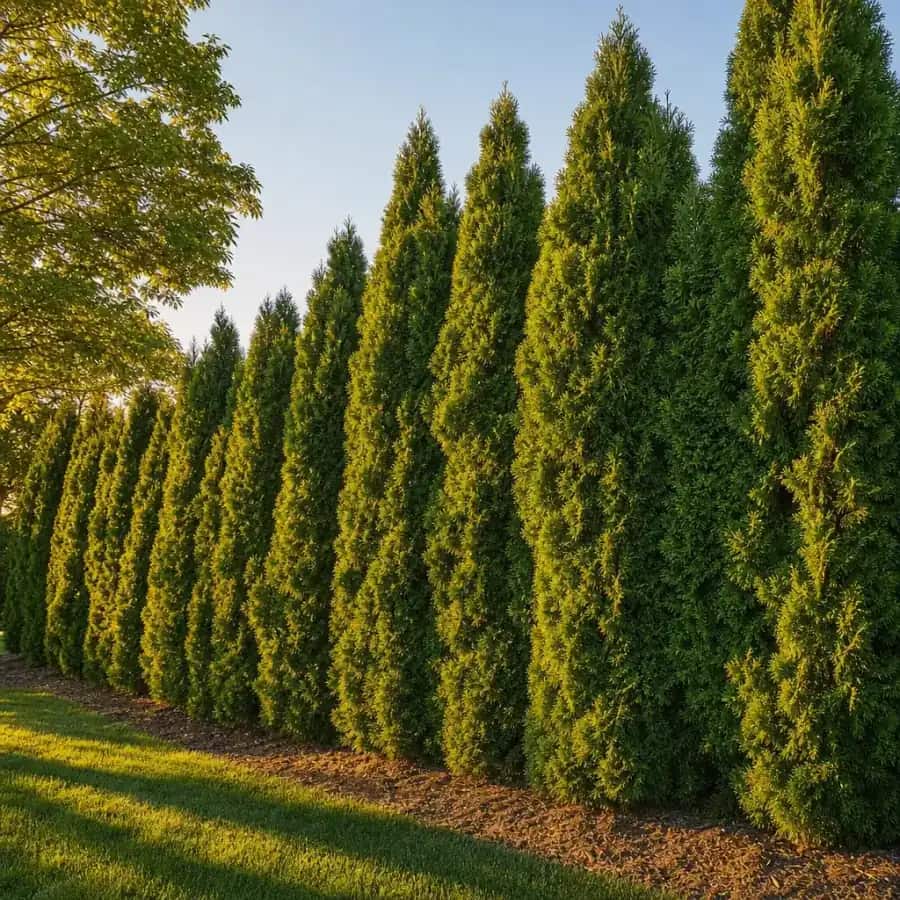 Zones 5 to 8
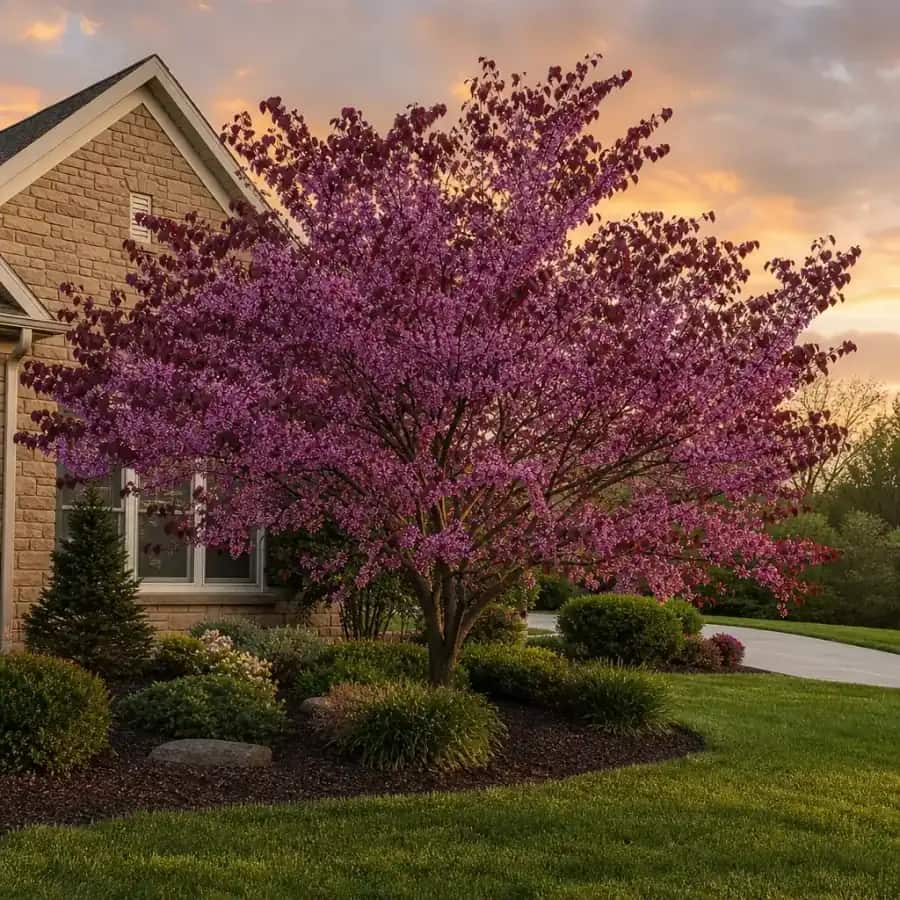 Zones 4 to 9
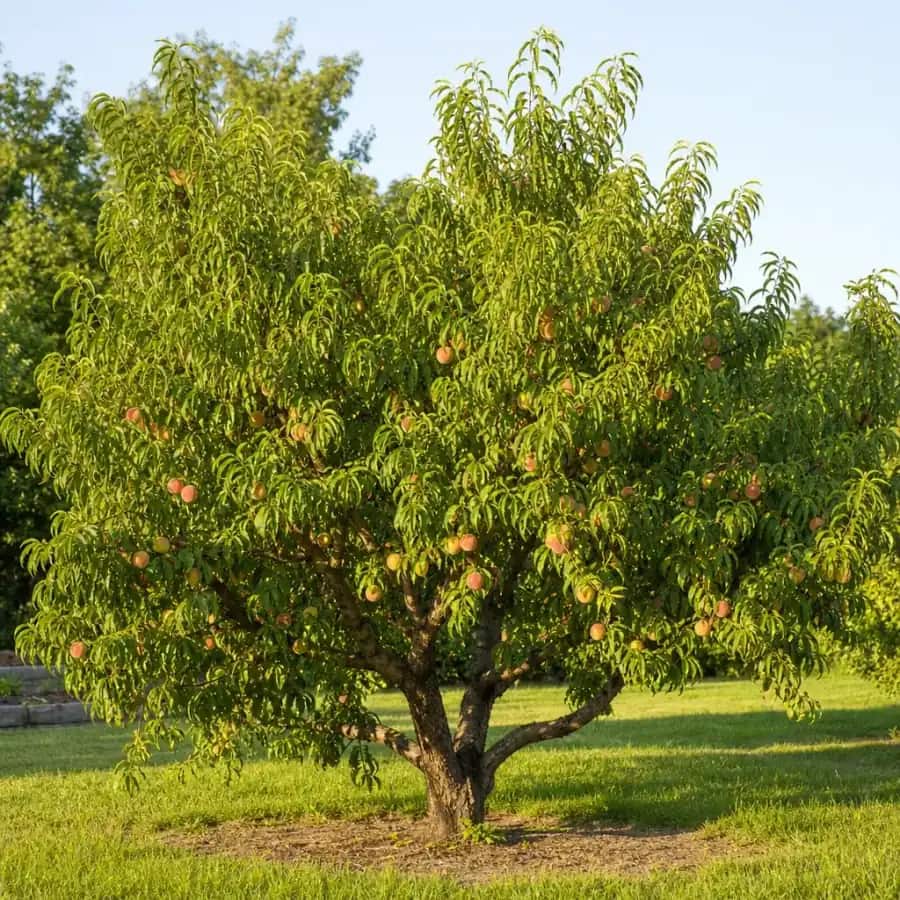 Zones 5 to 9
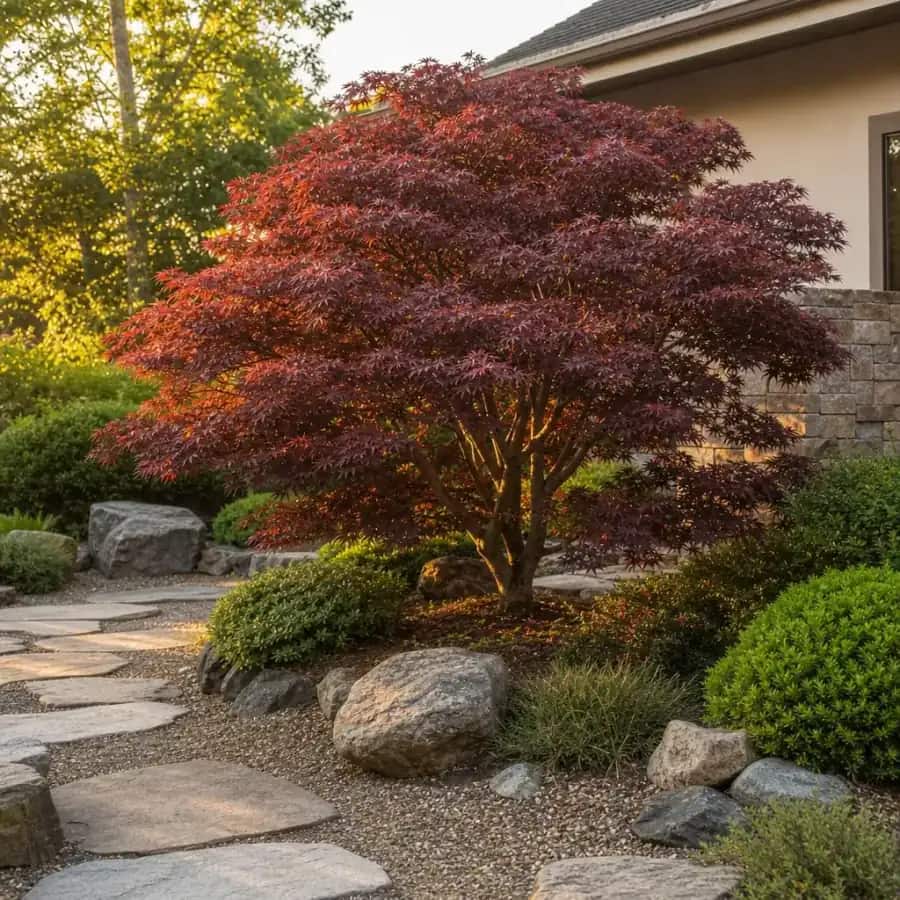 Zones 5 to 8
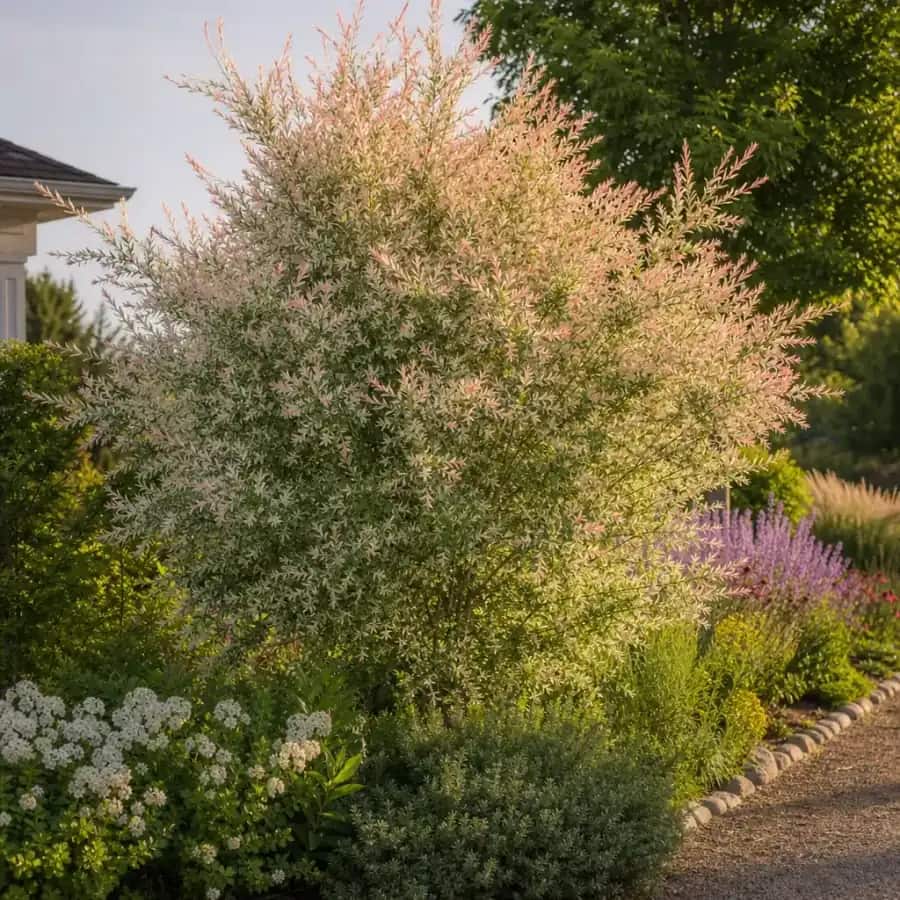 Zones 5 to 9
Shop by category
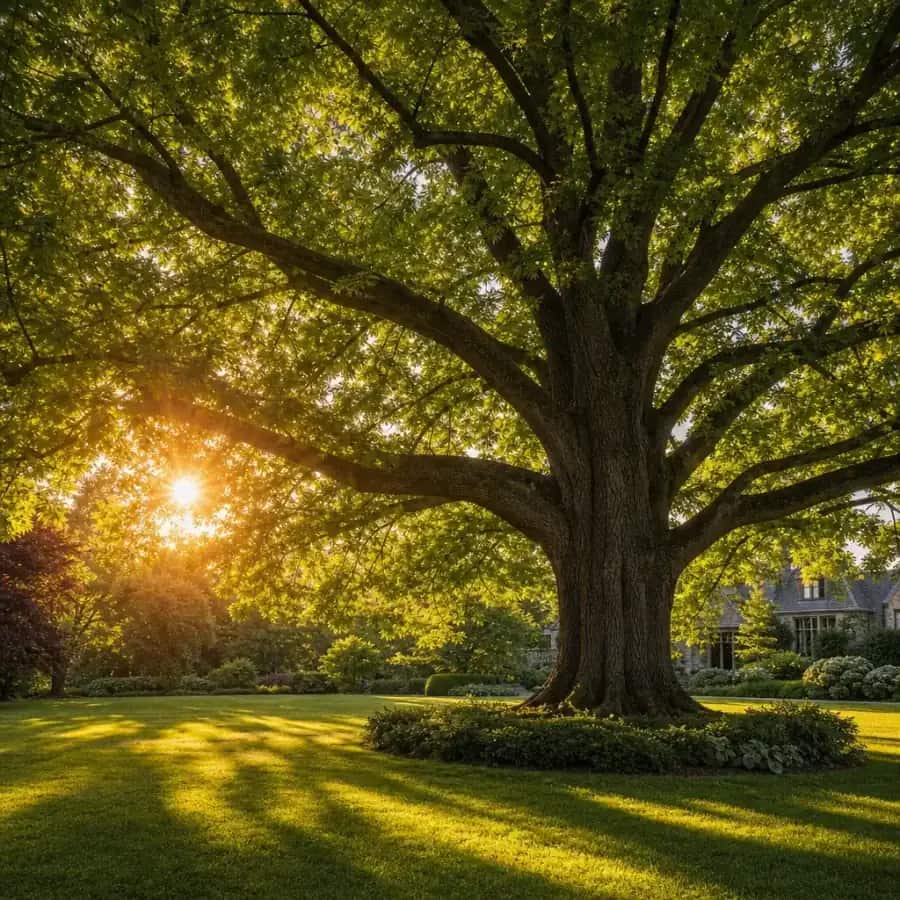 Shade TreesDense canopies that cool your house and survive -15 F lows.View all Shade Trees →
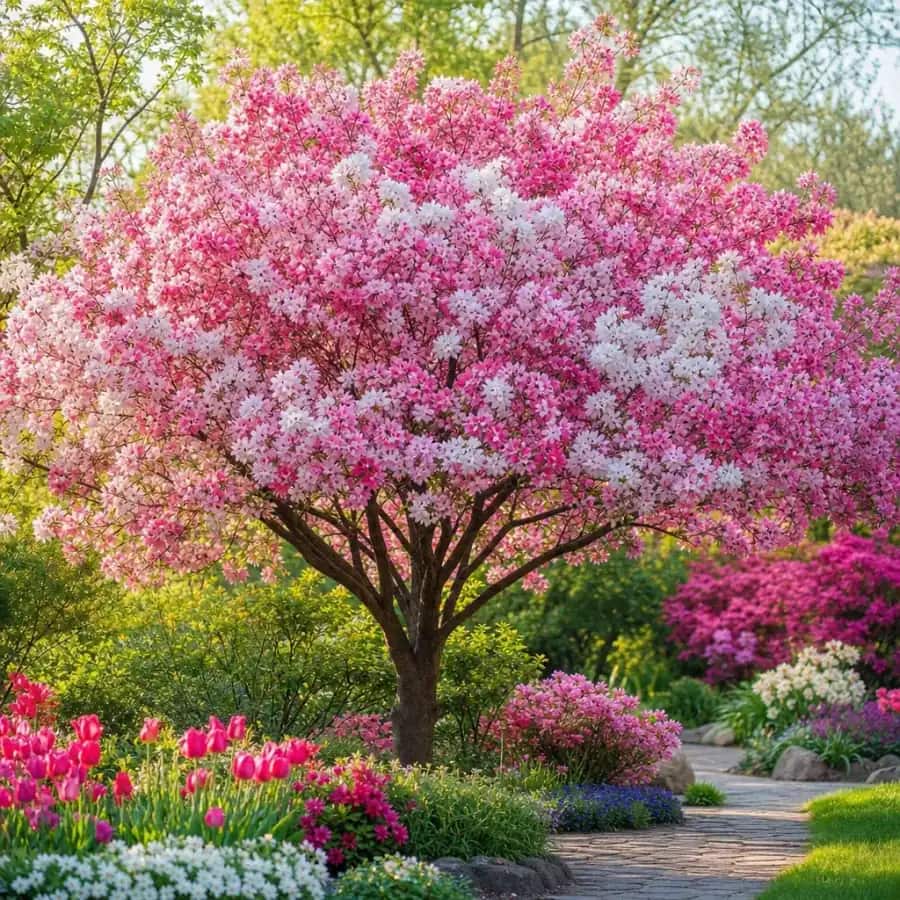 Flowering & OrnamentalBloomers like Eastern Redbud that add curb appeal despite late frosts.View all Flowering & Ornamental →
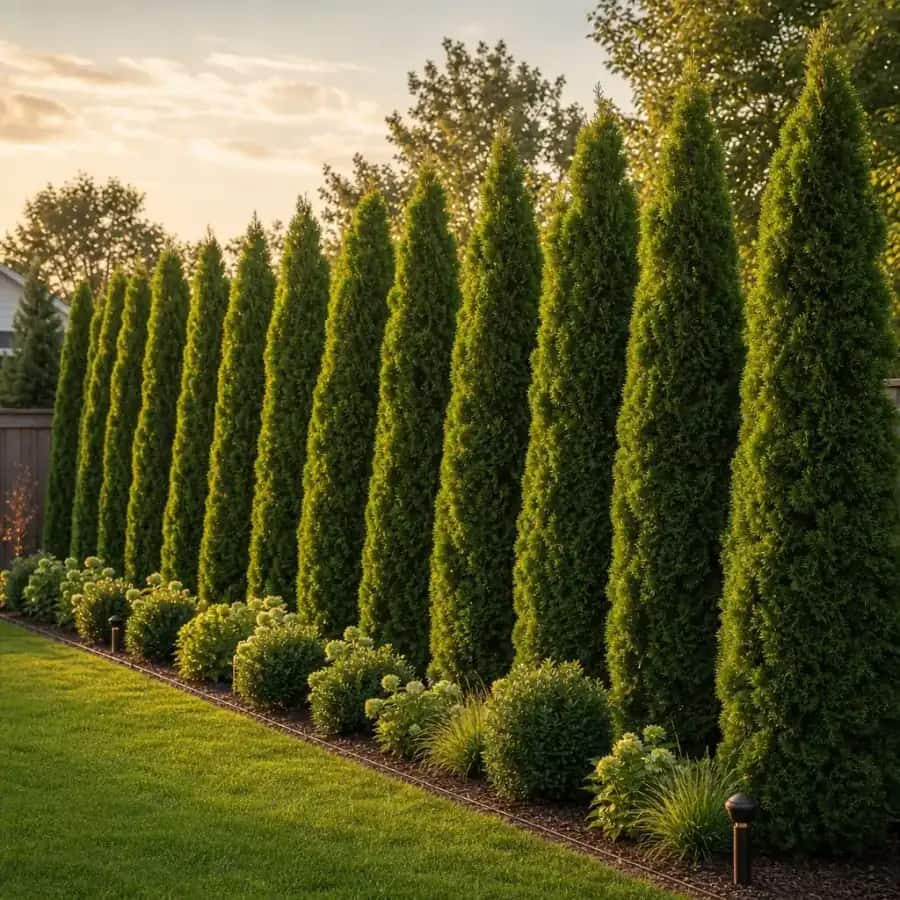 Evergreen & PrivacyYear-round screens like Liberty Holly that block wind and snow.
 Japanese MaplesCompact laceleaf varieties that color up small spaces in zone 5.
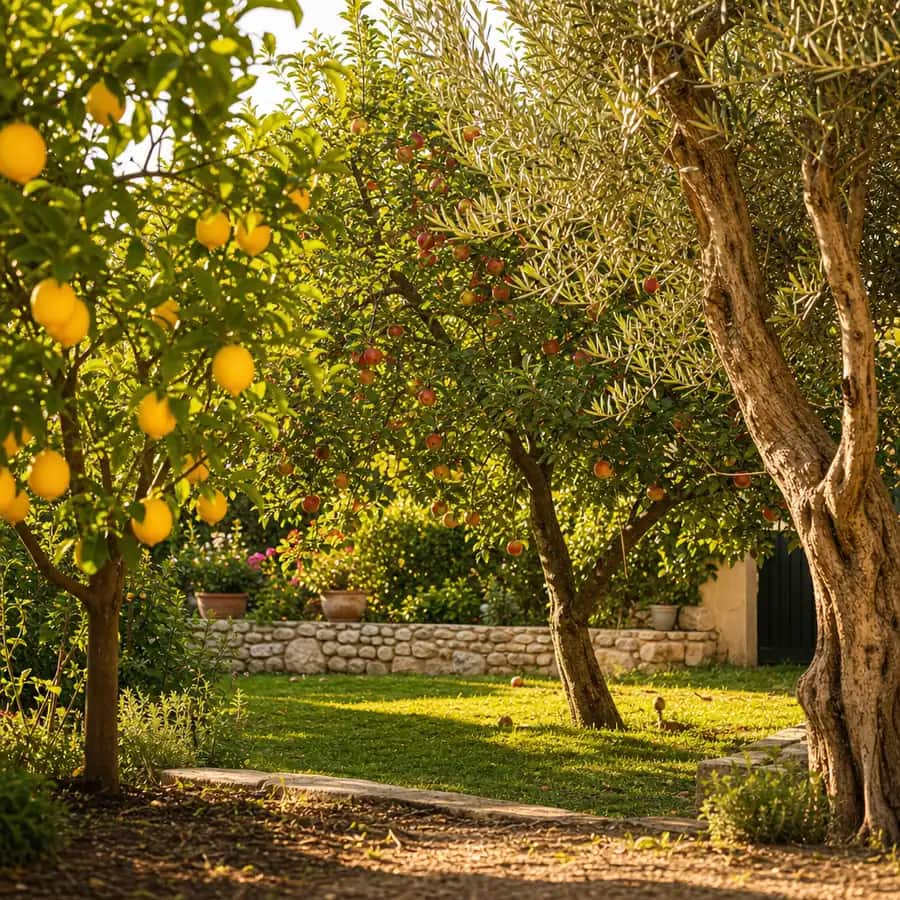 Fruit TreesHardy figs and other fruit that produce after a cold winter.View all Fruit Trees →
Local fit, from data
5b
about -15 to -10 F
5
Clarkson
Shade, privacy, and fruit trees in Colfax County, Nebraska (NE) arrive by freight from Arbor Buddy. We ship large nursery-grown trees matched to your zone 5b climate. Homeowners and contractors get the right species without a local nursery trip. Winter lows hit -15 to -10 degrees F here, so every pick is zone-proven.
Your county spans zone 5b across its five ZIP codes. Typical winter lows run about -15 to -10 degrees F. That cold sets a clear limit: only trees tested to zone 5 will thrive without annual dieback.
The western parts of the county lean slightly warmer, but the difference is small. All of Colfax County stays in the 5b envelope. That means trees for zone 5 in Colfax County must handle severe freezes and short summers. Shade trees like Chinkapin Oak and conifers like Bald Cypress do well because they go fully dormant. Flowering ornamentals need late-blooming habits to avoid frost damage to buds.
Locally, the cold also favors deciduous evergreens like Bald Cypress that drop needles instead of holding moisture in frozen ground. The main delivery area, Clarkson, sees the same zone as the rest. No microclimates change the safe picks.
Zone 5b trees like Chinkapin Oak, Liberty Holly, and Chicago Hardy Fig. These species are cold-hardy to -15 F and go dormant fully. They survive typical winter lows of -15 to -10 degrees F without dieback.
Chinkapin Oak and Bald Cypress. Chinkapin Oak is a native that acclimates to the cold. Bald Cypress handles wet or dry sites and drops its needles in winter, so it avoids ice-load issues.
Yes, Arbor Buddy ships trees by freight to all five ZIP codes in Colfax County. The truck delivers to your driveway or curb. You need to be home to receive the tree and inspect it.
Yes, but choose cold-hardy varieties like Chicago Hardy Fig Tree. This fig survives root freezes and produces sweet fruit in summer. Other fruit trees like apples may need a pollinator and protection from late frosts.
Your zone 5 order ships for spring arrival. That timing gives the tree a full growing season to root in. Browse the six featured trees above, then pick the ones that match your yard goal. Arbor Buddy matches every tree to your zone and backs it with the 1-Year Thrive Guarantee. Place your order now to lock in your spring delivery.
Greenup County, Kentucky (KY) sits in zone 6b to 7a with winter lows of -5 to 5 F. That zone is significantly warmer than Colfax County. The practical difference is that heat-loving Japanese maples are safer there. In Colfax County, a laceleaf maple like Red Dragon needs careful siting to avoid cold damage, while in Greenup County you can plant it in more exposed spots.
Sequoyah County, Oklahoma (OK) falls in zone 7b to 8a with lows of 5 to 15 F. That zone rarely sees the deep freezes we get. Here, the zone usually pushes the choice toward drought-tolerant species. Locally, that points buyers toward trees that can handle both cold and dry summers, like Chinkapin Oak. In Sequoyah County, you might lean toward trees that need less cold hardiness and more heat tolerance.
Curry County, Oregon (OR) is zone 9a to 9b with lows of 20 to 30 F. That mild winter means no risk of freeze damage at all. Locally, that points buyers toward species that would fail in Colfax County, like many broadleaf evergreens. In Colfax County, you must choose zone-5-hardy trees that can shrug off a -15 F night.
What do these comparisons mean for you? Your tree choices in Colfax County are about cold endurance first. Warm-climate favorites are not an option, but species like Chinkapin Oak, Liberty Holly, and Chicago Hardy Fig give you shade, privacy, and fruit that are proven to handle our winters.
Arbor Buddy ships your tree by freight to Colfax County. The truck brings it to your property, but you need to receive it. Your tree arrives nursery-grown at a usable landscape size, already matched to your zone before shipping. Every tree is backed by a 1-Year Thrive Guarantee: free replacement if it does not survive its first year. Your zone 5 order ships for spring arrival, when planting weather returns.
Before delivery day, check:
Enter your ZIP, shop only what thrives in your zone.
Freight delivery to your address: $149 flat per order, shown at checkout.
Plant it, watch it thrive, covered for one year.
Good to know · Growing guide
Coverage runs a full year from delivery. If something goes wrong, contact the team and they arrange the replacement. No store-credit games, no fine-print maze.