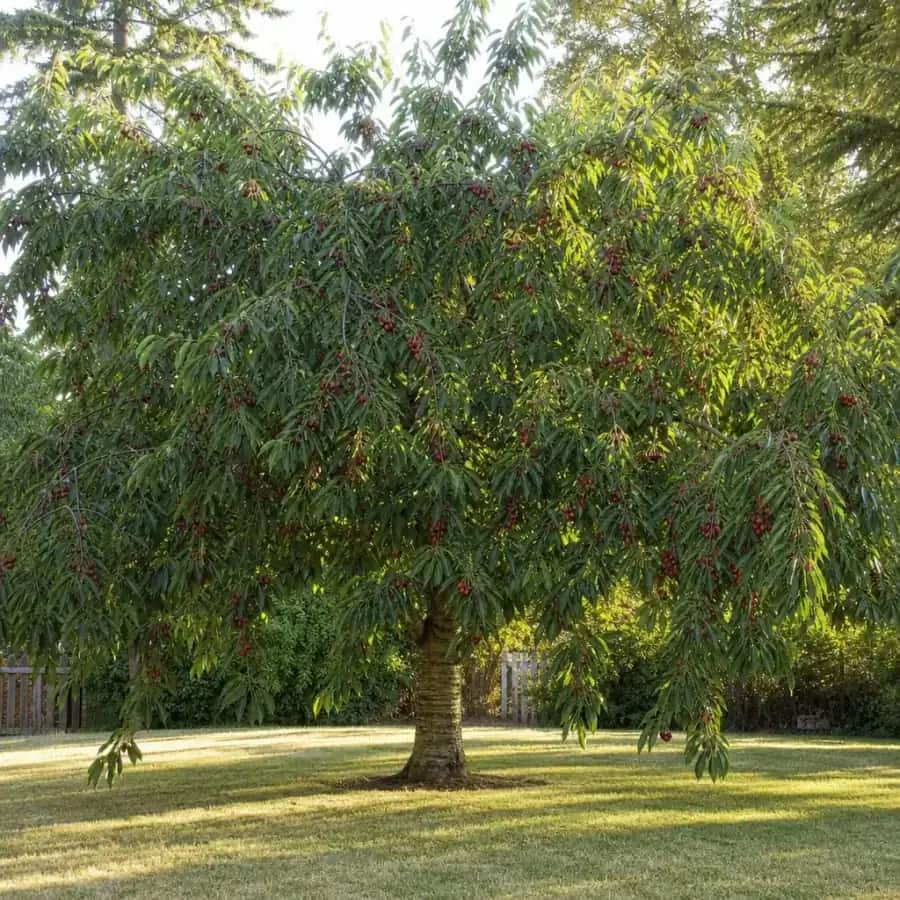
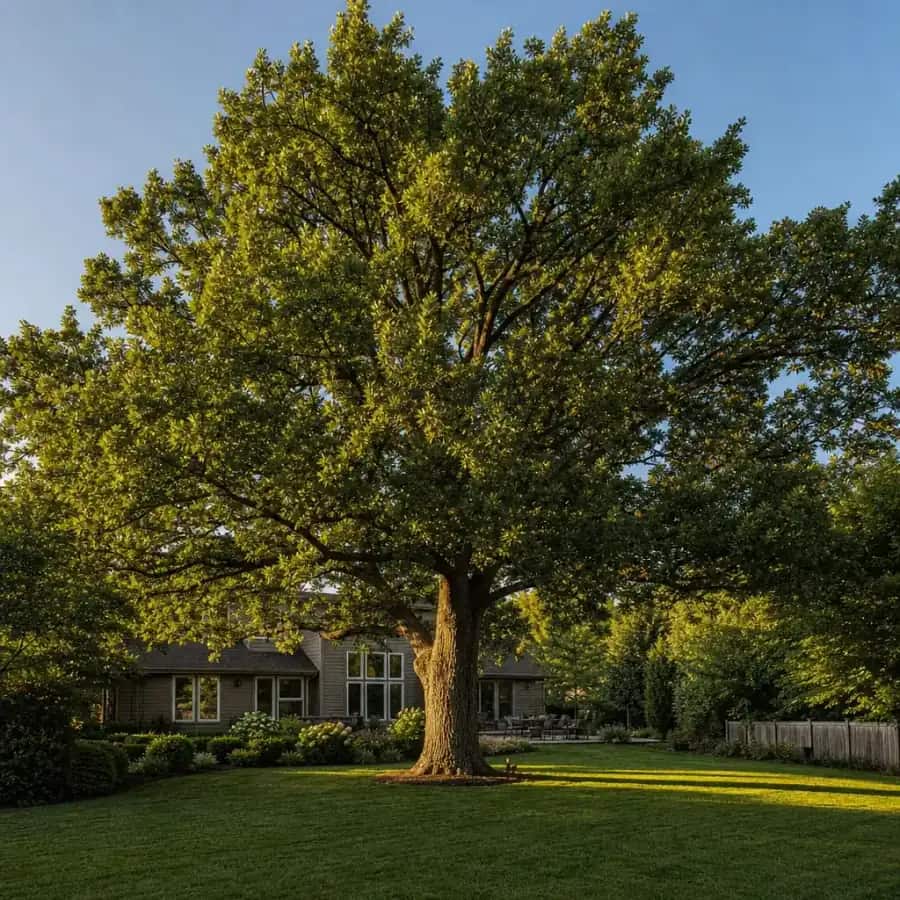
 Zones 3 to 8
Shade Trees
Bur Oak
$490
Shop large, nursery-grown shade, privacy, flowering and fruit trees, delivered by freight in Johnson County. Every tree is matched to your hardiness zone and backed by our 1-Year Thrive Guarantee.
Enter your ZIP and we'll match trees to your exact growing zone.
Typical winter lows in Johnson County run about -15 to -5 F.
Matched to Johnson County's zones
Shop by category
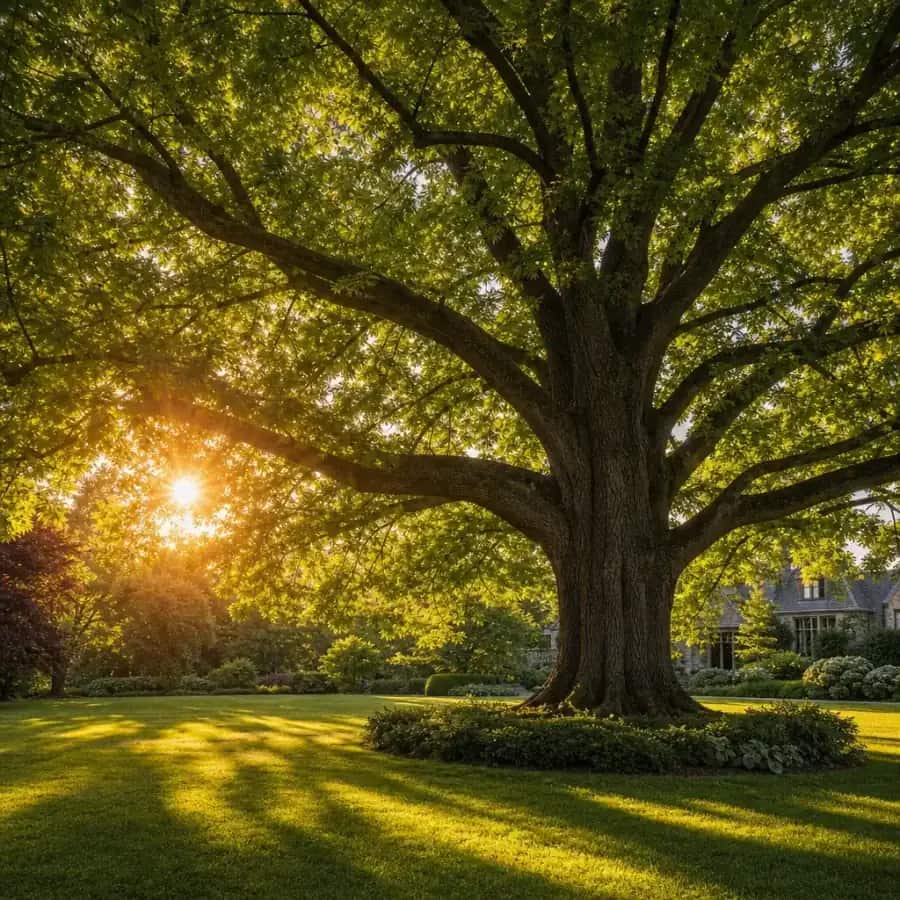 Shade TreesBroad-canopy trees that thrive in the cold winters and provide relief from summer heat.View all Shade Trees →
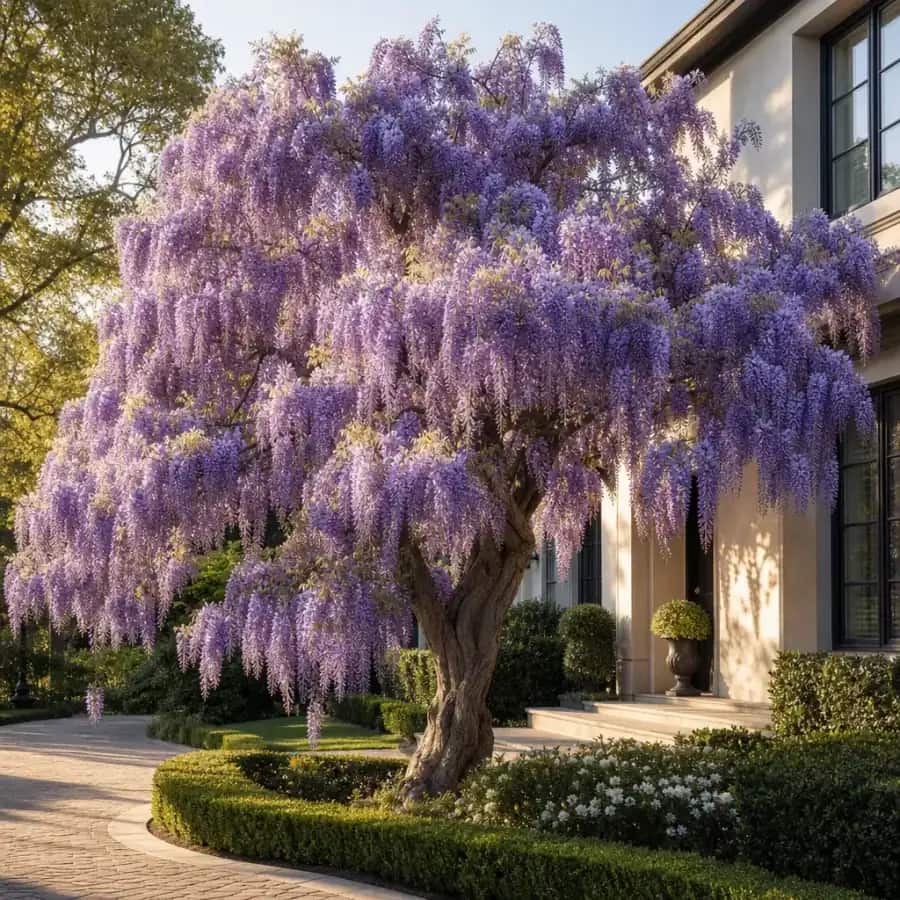
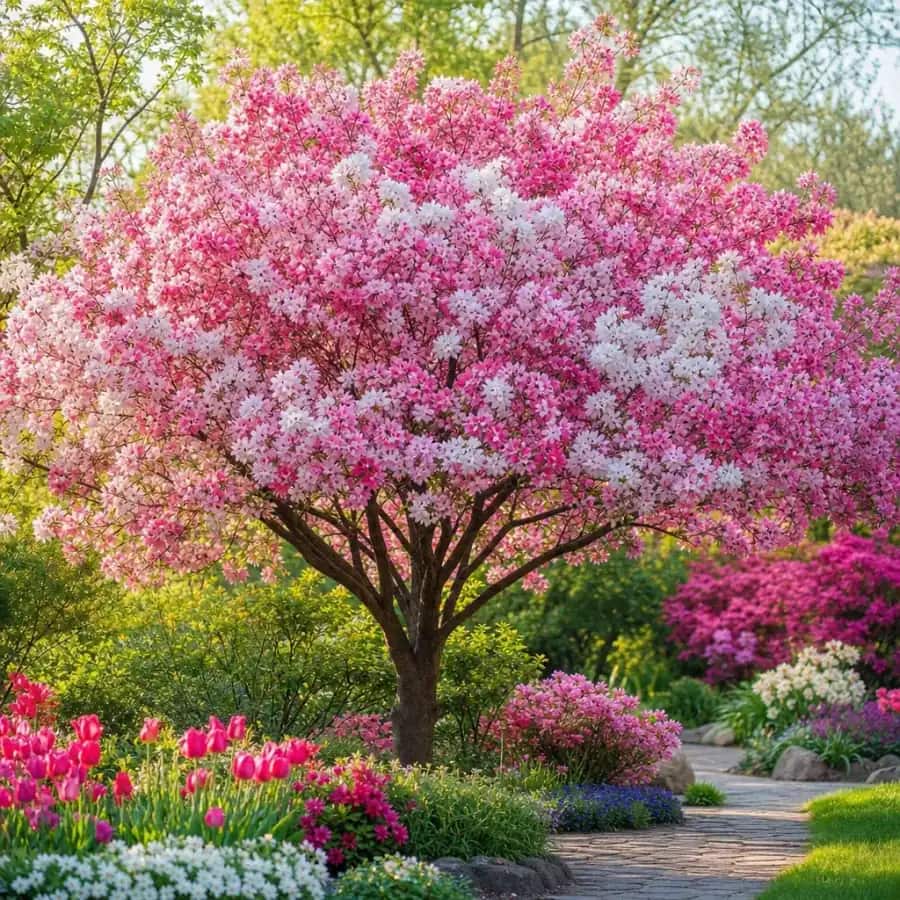 Flowering & OrnamentalColorful blooms that handle the zone 5 cold and extend the growing season.View all Flowering & Ornamental →
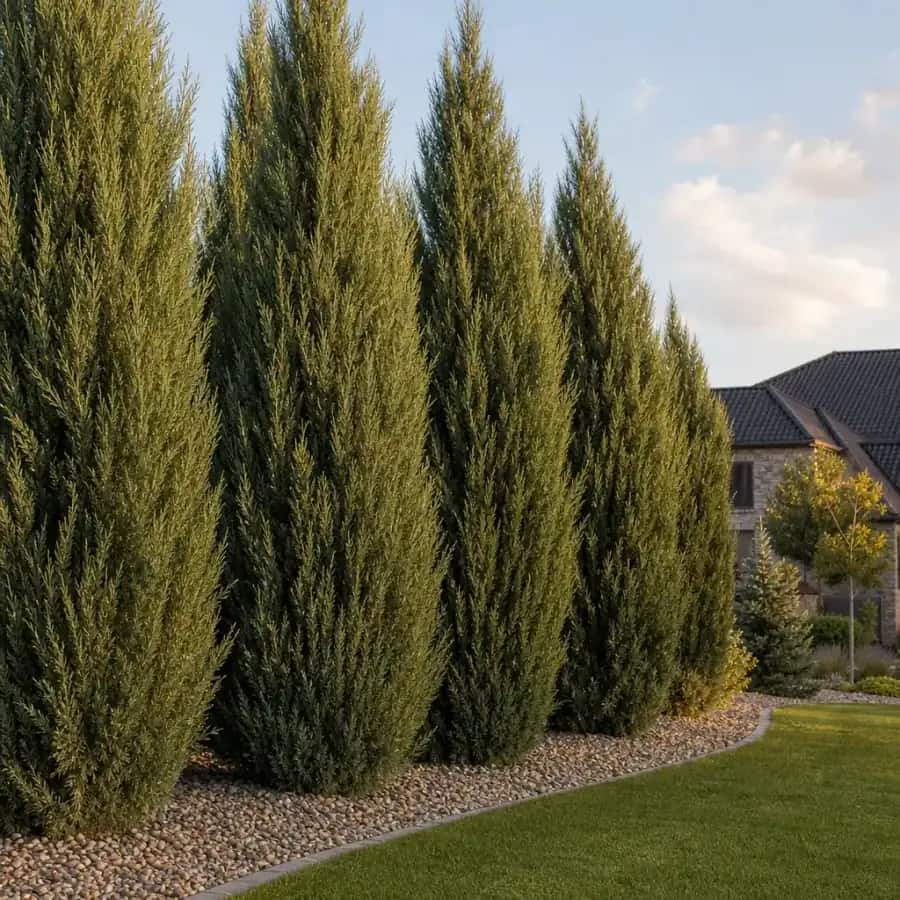
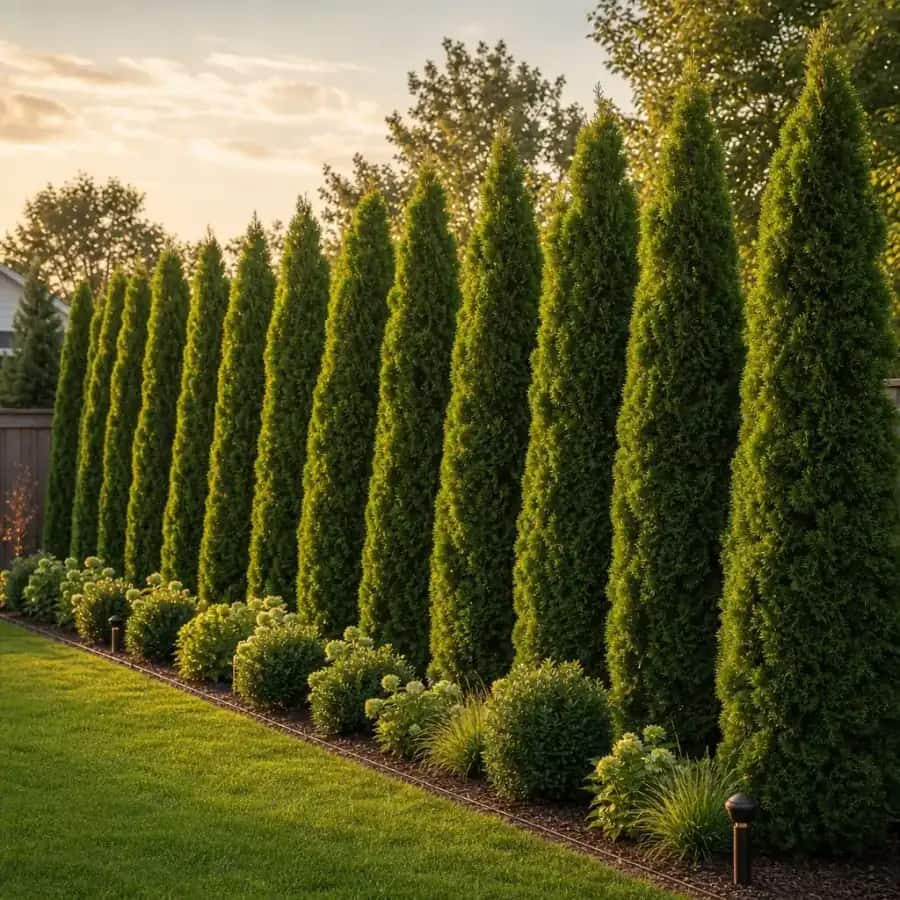 Evergreen & PrivacyYear-round screening options that stand up to the typical winter lows.View all Evergreen & Privacy →
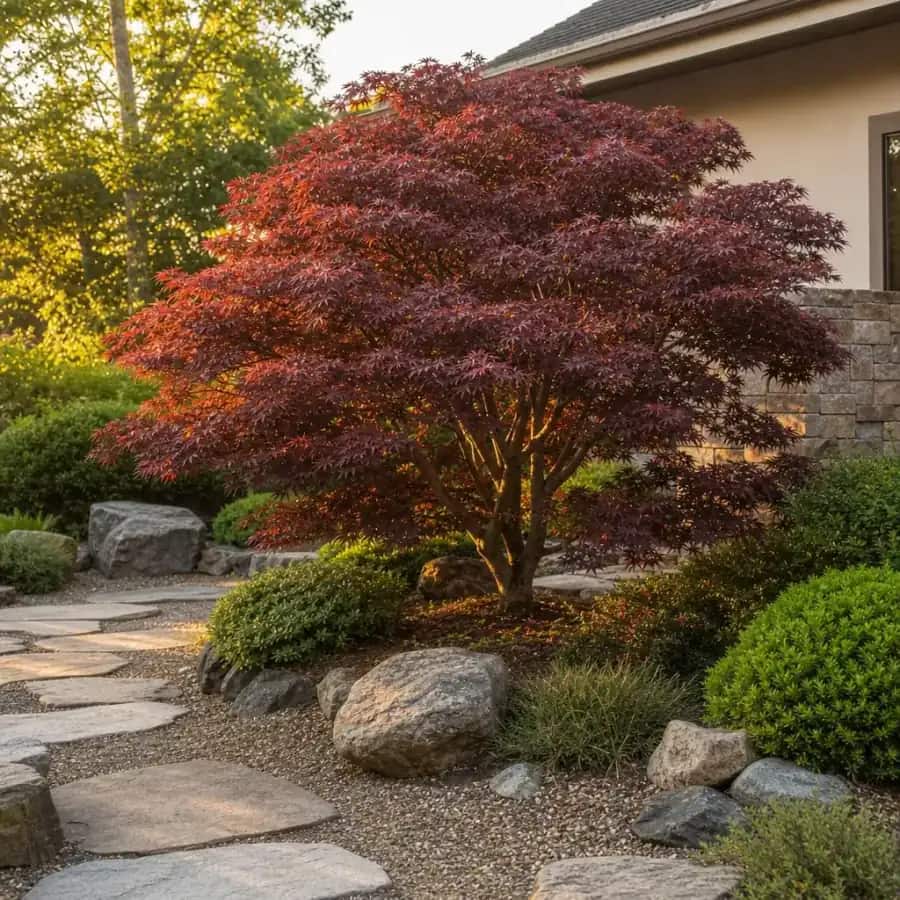
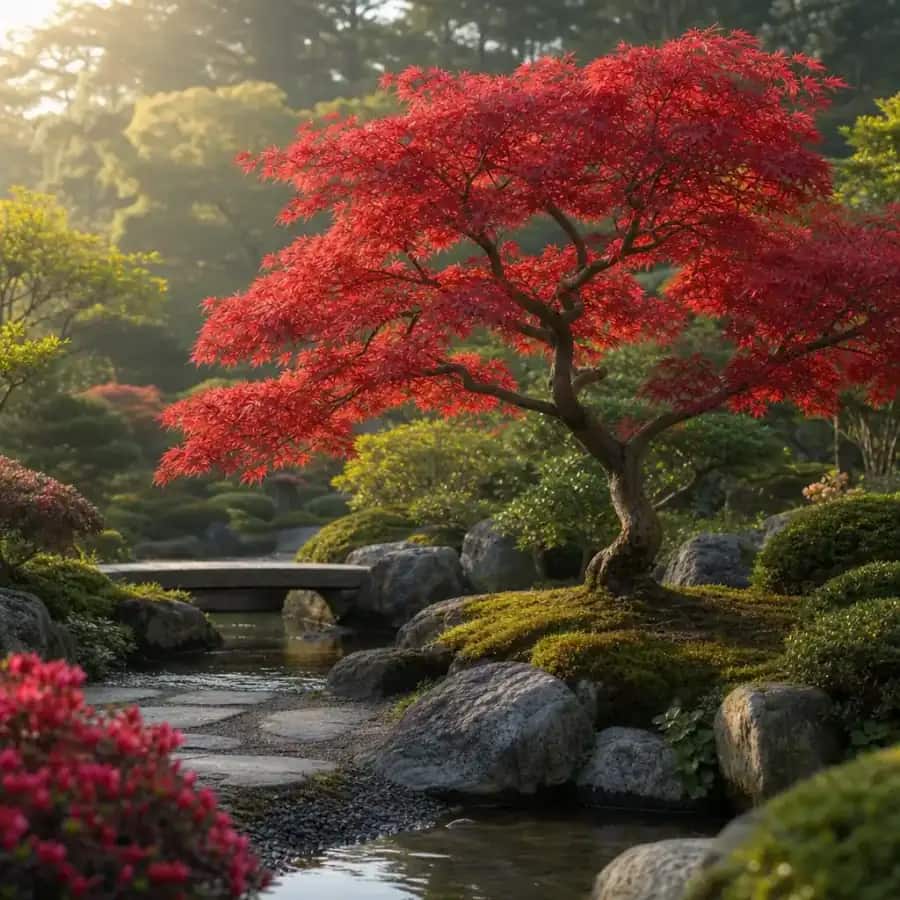 Japanese MaplesElegant accents for sheltered spots, hardy to the warmer end of the county.
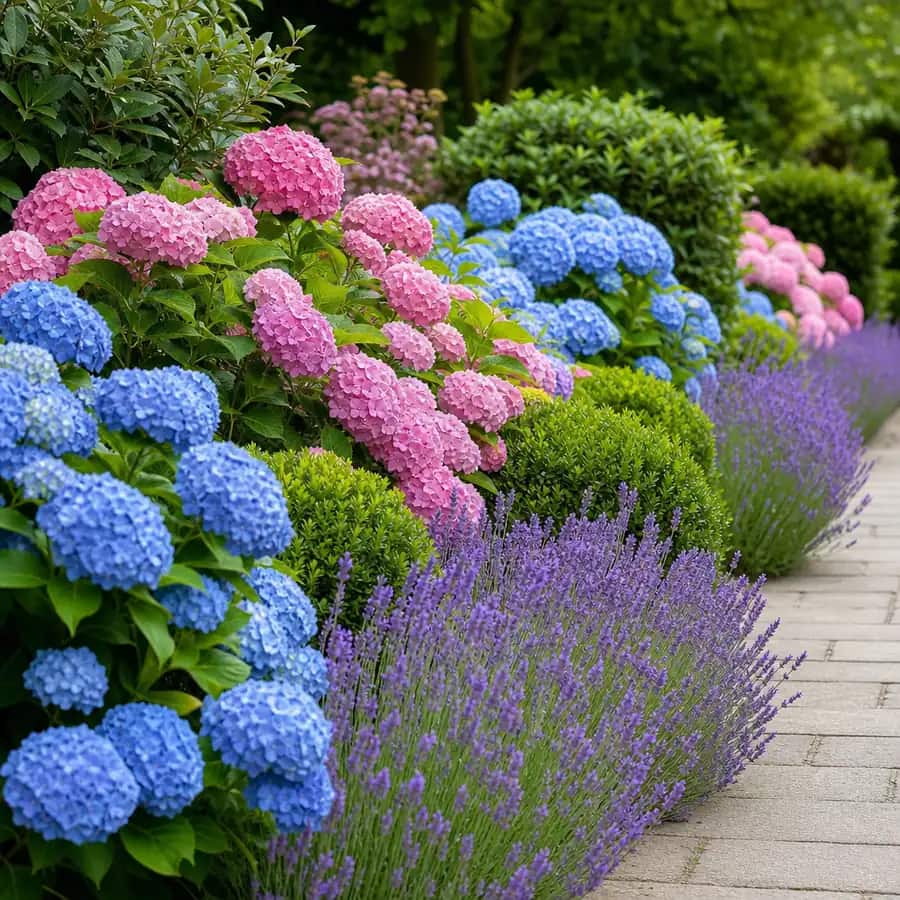 Shrubs & HedgesLower-growing options for borders and foundation plantings that match the zone.View all Shrubs & Hedges →
Local fit, from data
5b to 6a
about -15 to -5 F
5
Cook
Arbor Buddy delivers large, nursery-grown trees by freight to homeowners in Johnson County, Nebraska (NE). Whether you need shade, privacy, or fruit trees, every order is matched to the county's hardiness zone span from 5b to 6a. That means your trees are selected to handle typical winter lows that can reach -15 to -5 degrees Fahrenheit. You get the right tree for your local climate, delivered to your door.
Johnson County spans USDA zones 5b to 6a across its five ZIP code areas. The colder zone 5b covers the western parts, while the eastern side near Cook falls into the warmer 6a. Typical winter lows range from -15 to -5 degrees Fahrenheit, which shapes what grows well here.
Summers bring heat and humidity, but the cold winters are the bigger factor. Trees that need mild winters, like many flowering ornamentals, may struggle in the colder pockets. Hardwood shade trees and native evergreens are the most reliable performers across the county. Japanese maples and other zone-5-hardy selections are best placed in sheltered spots.
When you search for trees for zone 5 in Johnson County, you will find options like Chinkapin Oak and Taylor Eastern Red Cedar that are built for the climate. The warmer 6a areas open up a few more choices, but the core selection stays the same.
Trees headed to zone 5 arrive in spring, timed to the end of severe cold. That means your order ships after the risk of extreme winter lows (below -15 F) has passed. You will receive a tracking notice when your tree leaves the nursery.
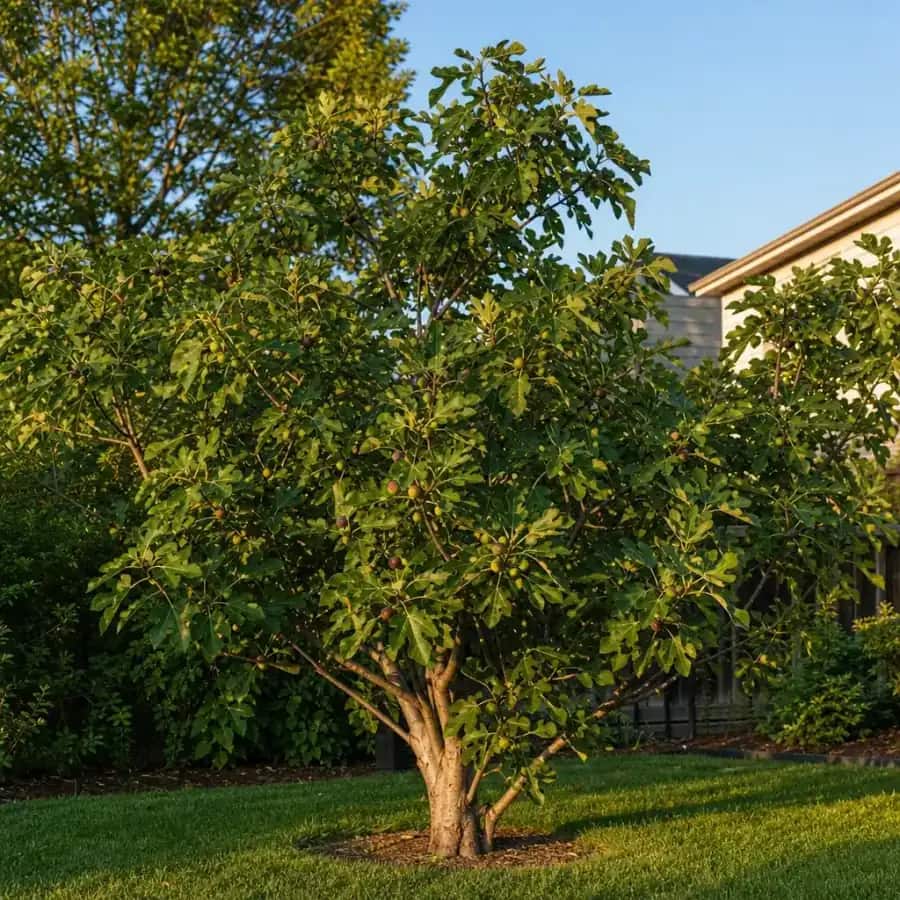
Many shade trees, evergreens, and fruit trees thrive in zone 5. In Johnson County, which spans zones 5b to 6a, popular picks include Chinkapin Oak, Taylor Eastern Red Cedar, and Honeycrisp Apple. Each is matched to the typical winter lows of -15 to -5 F.
Your tree arrives as a large, nursery-grown specimen at a usable landscape size. It is not a tiny sapling. The exact size varies by species, but you receive a tree that is ready to plant and establish quickly.
Taylor Eastern Red Cedar is a top choice for narrow spaces. Other evergreens like Eastern Redcedar and Skyrocket Juniper also work well. All are hardy enough for the zone 5 winters in Johnson County.
Arbor Buddy offers a handpicked selection of shade, privacy, fruit, and accent trees that are proven to grow in Johnson County. Each tree is zone-matched to your specific hardiness zone. Browse the categories above or start your order today to get the right tree for your yard.
In Coweta County, Georgia (zone 8a, lows 10 to 15 F), the mild winters allow a much wider range of flowering trees like crape myrtles that would not survive Johnson County. For your cart, that means you have fewer choices for long-blooming color, but your trees will handle the cold better. The spring freeze risk is also lower here.
The District of Columbia (zone 7b to 8a, lows 5 to 15 F) has a longer growing season and more options for privacy evergreens like American arborvitae. That gap changes the local shortlist to native junipers and redcedars that are tougher in Johnson County's colder winters. You gain durability but lose some variety in screening species.
Kent County, Delaware (zone 7b, lows 5 to 10 F) is warm enough to support some palm-like plants and tropicals in protected sites. In practice, buyers here lean toward those novelty plants, while in Johnson County you will stick with cold-hardy shade trees and fruit varieties that reliably fruit after a cold winter.
The contrast shows that Johnson County's colder zone leads to a shorter, more resilient list of recommended trees, but every tree you pick will be proven to survive the winter lows.
Your trees arrive as large, nursery-grown specimens shipped by freight directly to your property in Johnson County. Before shipping, your order is zone-matched to ensure each tree is hardy for your specific location. All trees are backed by the 1-Year Thrive Guarantee: free replacement if a tree does not survive its first year.
Trees headed to zone 5 arrive in spring, matched to the end of severe cold. Delivery requires someone home to receive the shipment and inspect the tree upon arrival.
Before delivery day, check:
Enter your ZIP, shop only what thrives in your zone.
Freight delivery to your address: $149 flat per order, shown at checkout.
Plant it, watch it thrive, covered for one year.
Good to know · Growing guide
Coverage runs a full year from delivery. If something goes wrong, contact the team and they arrange the replacement. No store-credit games, no fine-print maze.