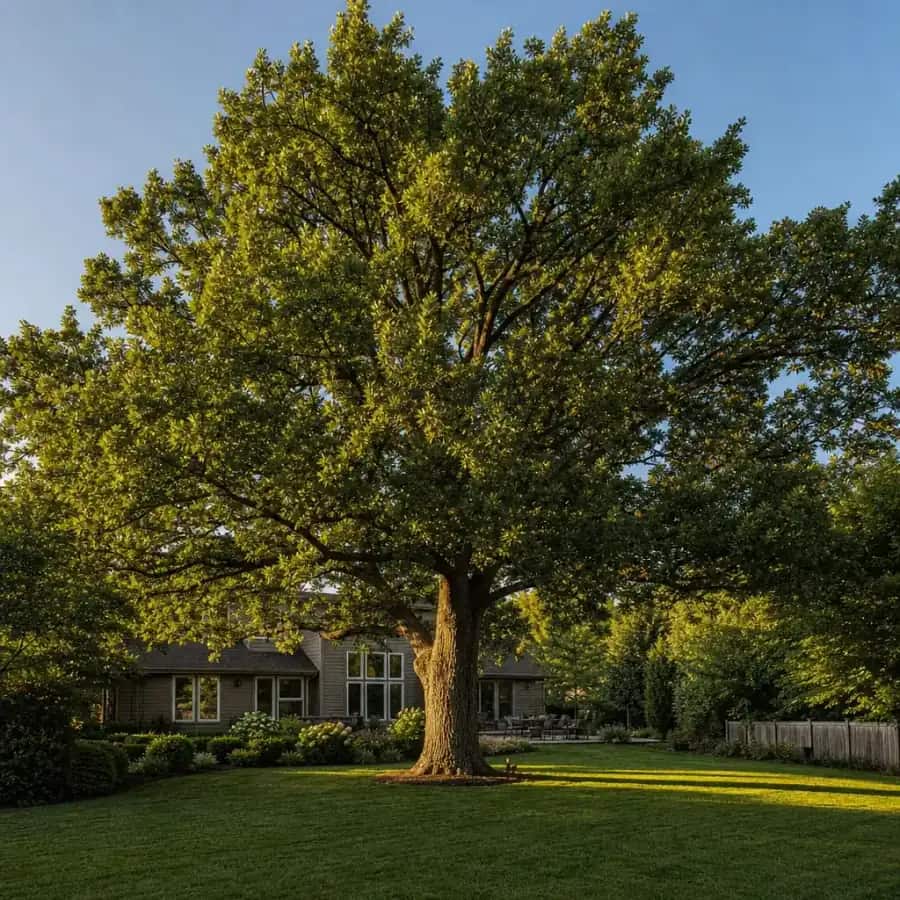
 Zones 3 to 8
Shade Trees
Bur Oak
$490
Shop large, nursery-grown shade, privacy, flowering and fruit trees, delivered by freight in Seward County. Every tree is matched to your hardiness zone and backed by our 1-Year Thrive Guarantee.
Enter your ZIP and we'll match trees to your exact growing zone.
Typical winter lows in Seward County run about -15 to -5 F.
Matched to Seward County's zones
Zones 3 to 8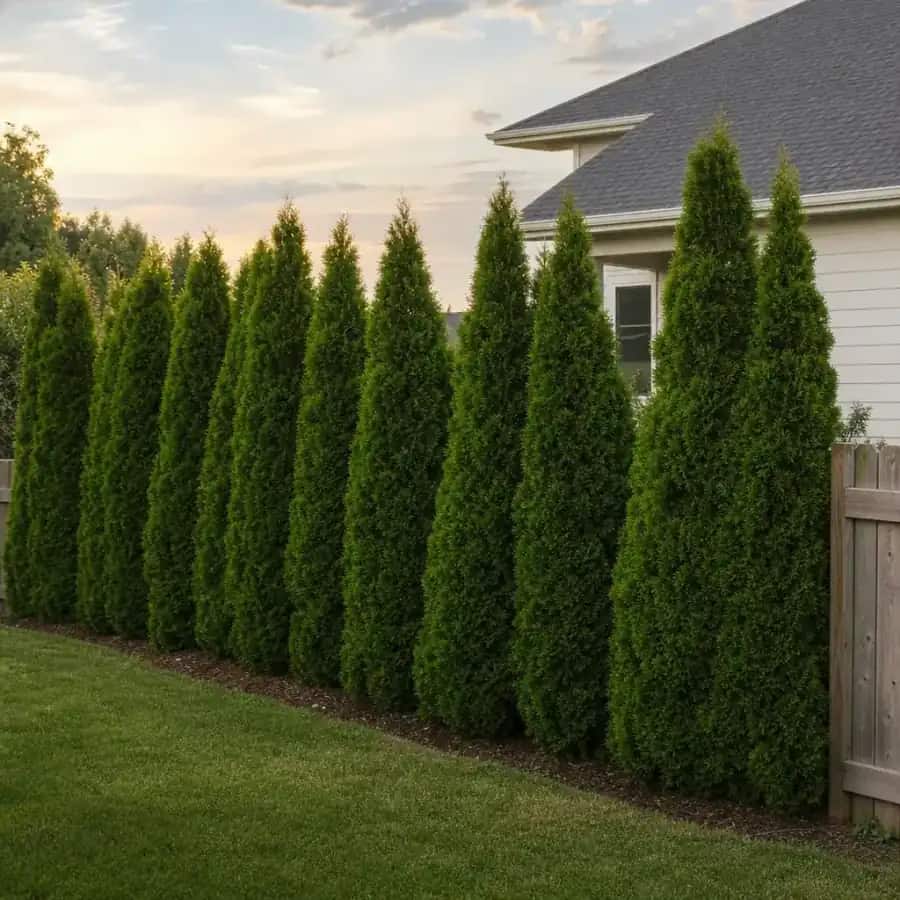 Zones 3 to 8
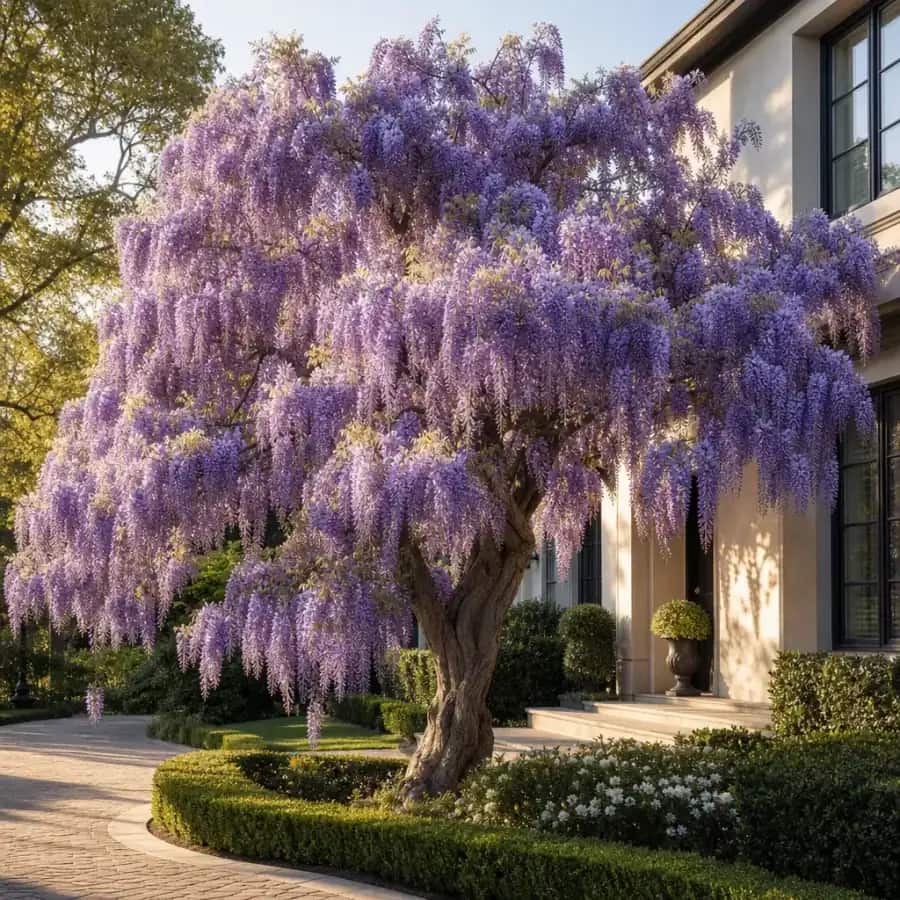 Zones 4 to 9
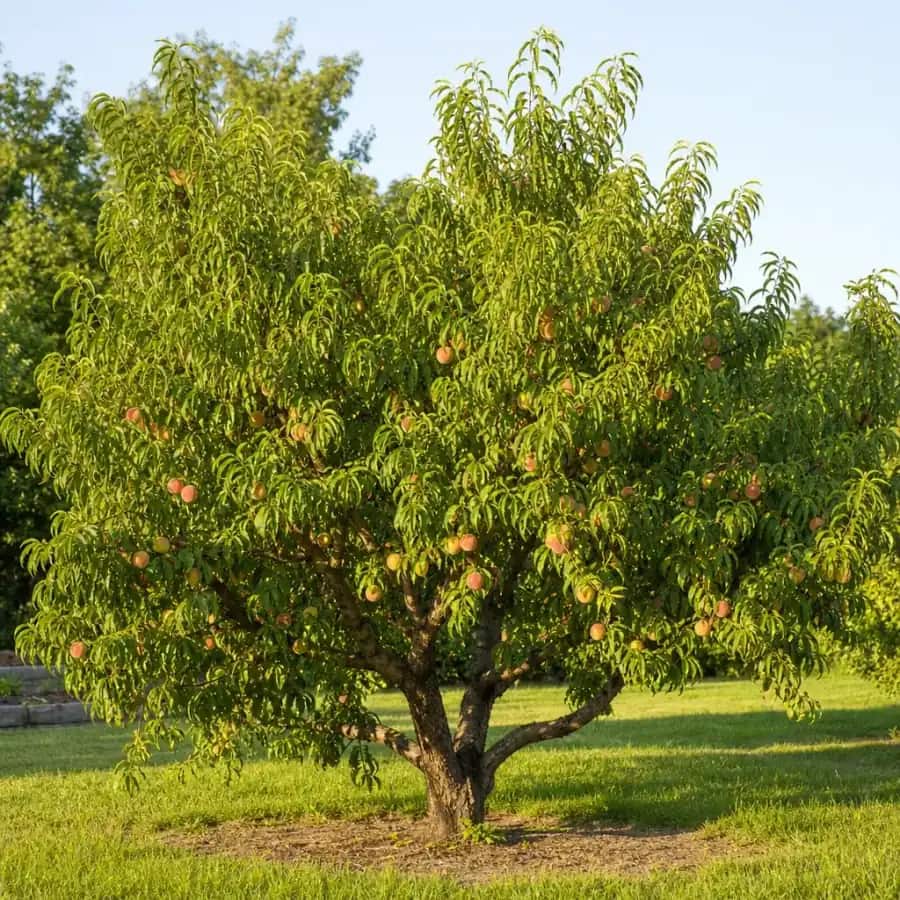 Zones 5 to 9
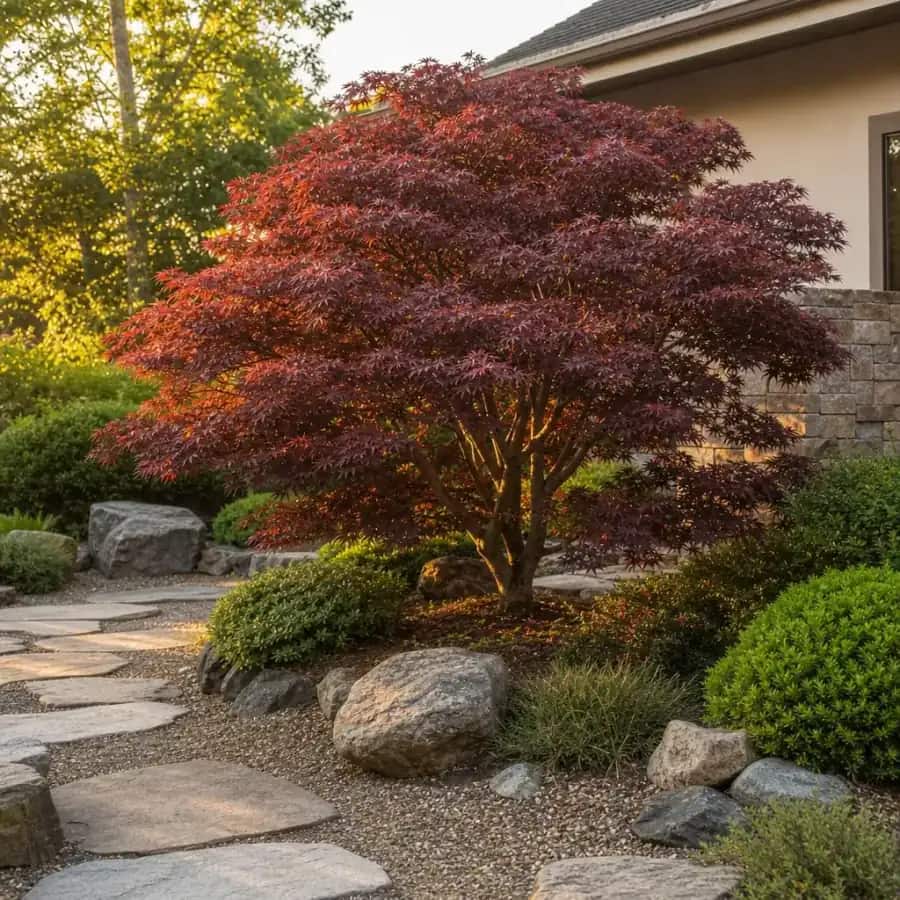 Zones 5 to 8
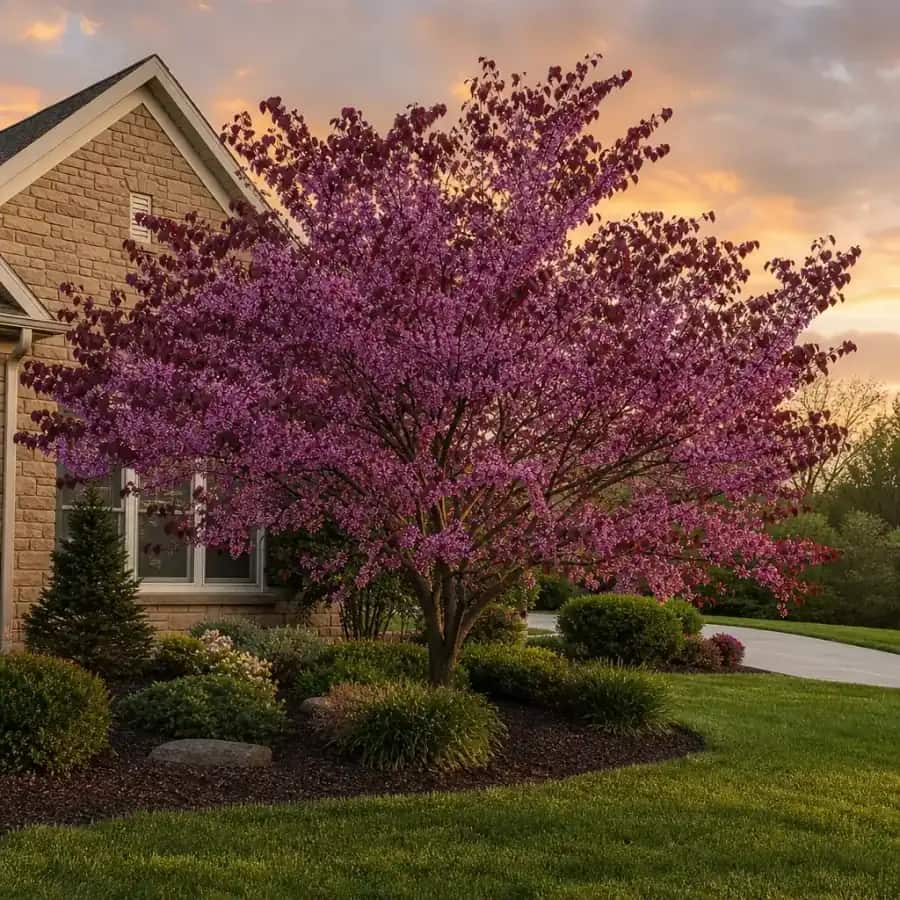 Zones 4 to 9
Shop by category
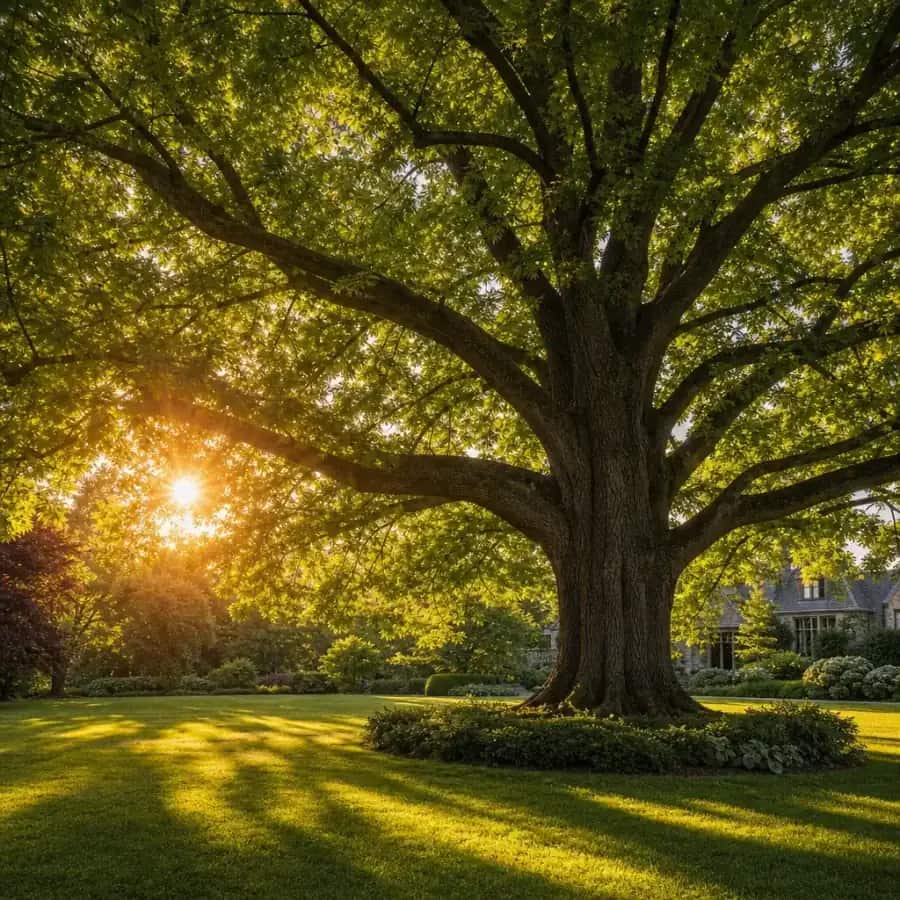 Shade TreesBroad canopies that block summer sun and survive -15 F winters without damage.View all Shade Trees →
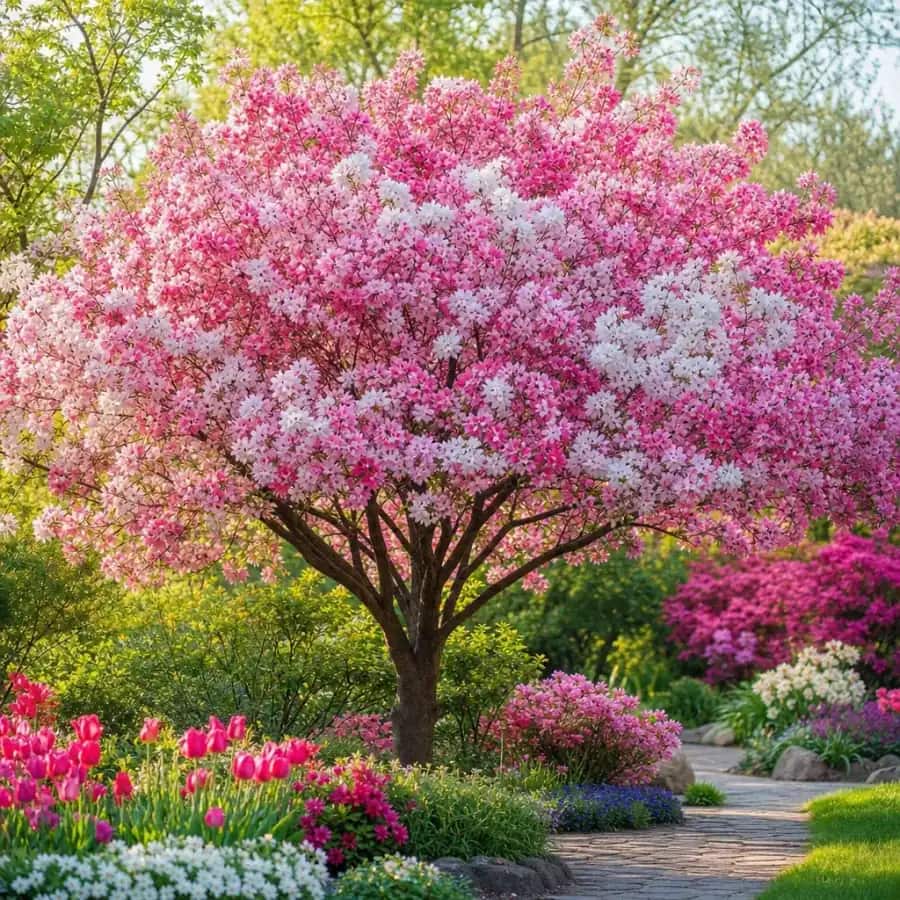 Flowering & OrnamentalSpring blossoms and fall color that handle zone 5 cold snaps.View all Flowering & Ornamental →
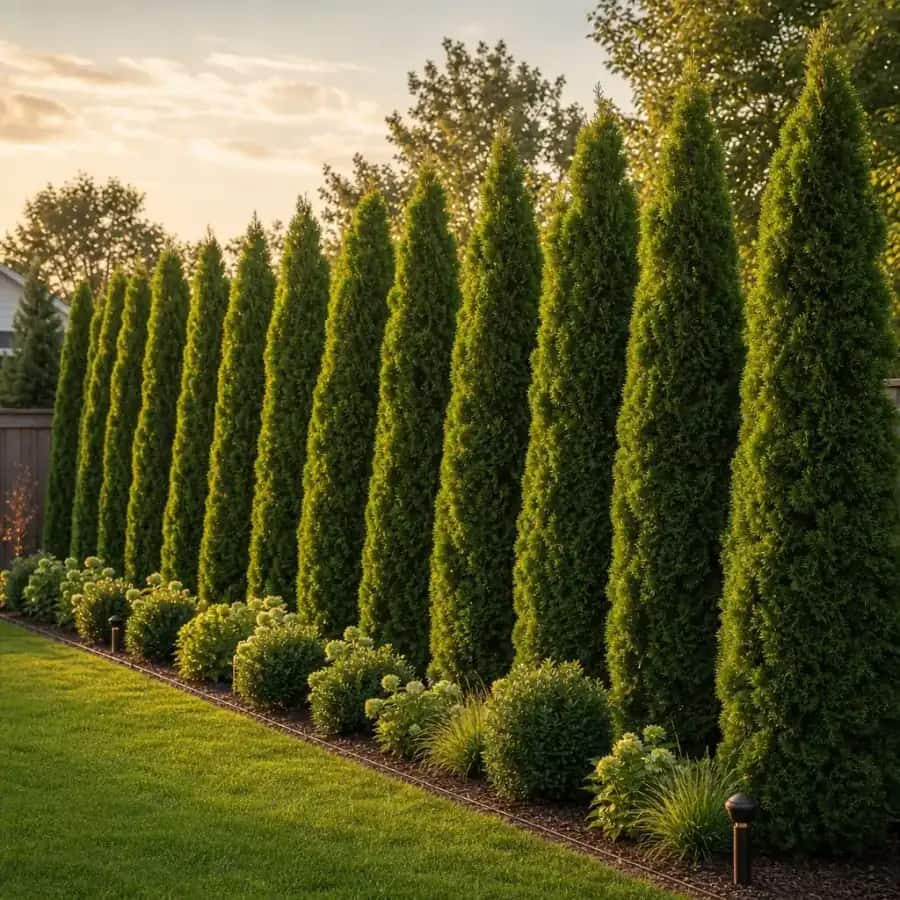 Evergreen & PrivacyYear-round screens that stay green through Nebraska's harshest months.View all Evergreen & Privacy →
 Japanese MaplesLaceleaf varieties that add elegance in protected, partly shaded spots.
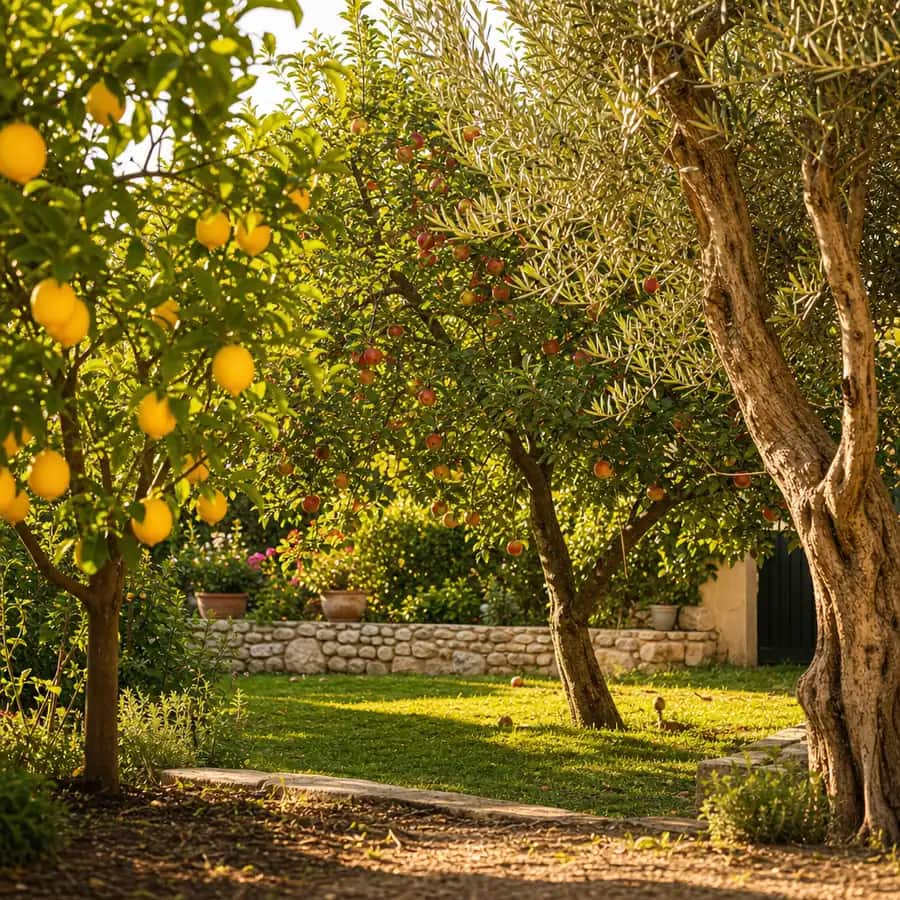 Fruit TreesSweet cherries and other fruits that need a pollinator partner and frost-aware placement.View all Fruit Trees →
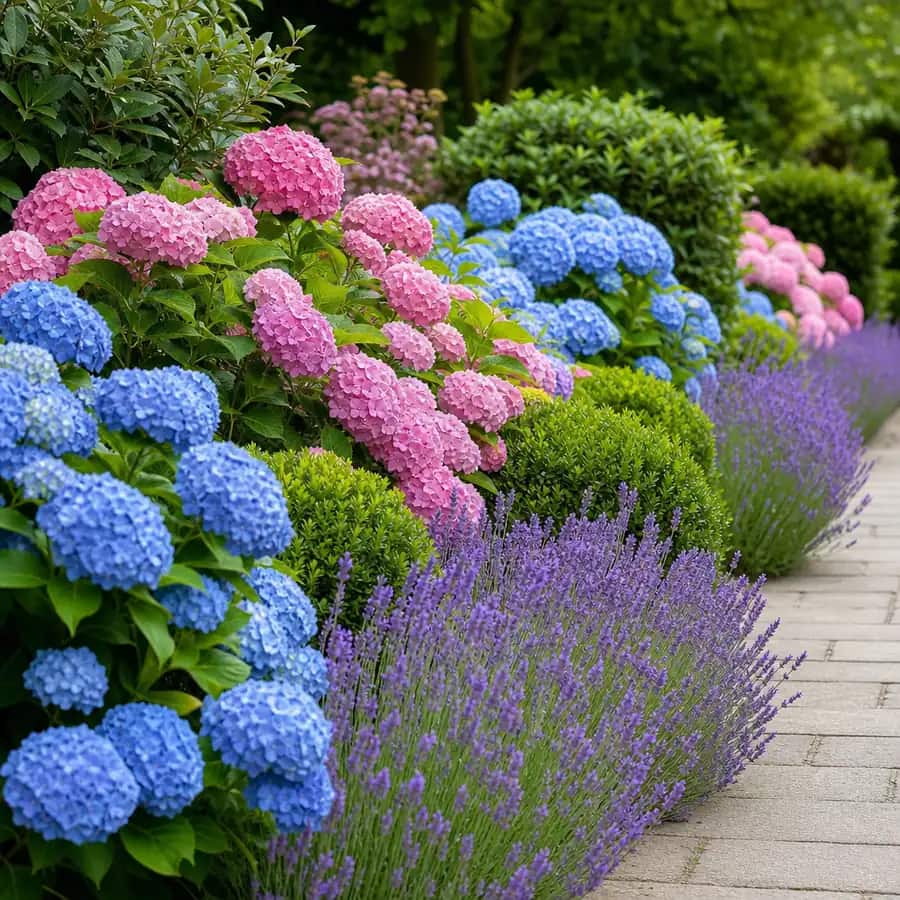 Shrubs & HedgesLow-maintenance borders like hydrangeas and lavender that thrive in zone 5b to 6a.View all Shrubs & Hedges →
Local fit, from data
5b to 6a
about -15 to -5 F
10
Beaver Crossing
Spring shipments bring shade, privacy, and fruit trees to Seward County, Nebraska (NE) once deep cold passes. Arbor Buddy delivers large nursery-grown trees by freight, matched to the county's hardiness zone 5b to 6a for homeowners and contractors. Choose from shade, flowering, evergreen, and fruit picks that handle the local winter lows.
Seward County spans USDA zones 5b to 6a across its 10 ZIP codes. Typical winter lows run about -15 to -5 F. The colder end (5b) means you need trees that shrug off deep freezes, while the warmer 6a spots allow a slightly broader palette, including some Japanese maples and stone fruits.
Winters here are dry and cold, summers can be hot but not humid like the Southeast. That mix favors sturdy shade trees like Autumn Blaze Maple and native flowering species such as Mexican Plum. Trees for zone 5 in Seward County should handle rapid temperature swings in spring and fall. The main delivery area, Beaver Crossing, sits right in the middle of this zone band, so most featured trees work across the county.
Orders to zone 5 areas are scheduled for spring arrival, once deep cold has passed. That means your tree ships after the ground thaws, usually in late March or early April. The exact timing depends on weather, but you'll get a shipping notice before it leaves.
Autumn Blaze Red Maple is a top choice for fast shade and brilliant fall color in zones 3 to 8. It handles the county's winter lows of -15 to -5 F without damage. Other strong options include Shumard Oak and Chinese Elm, both hardy to zone 5.
Trees arrive nursery-grown at a usable landscape size, typically 4 to 6 feet tall or larger depending on the species. They come in a root ball or container, ready to plant. The freight truck delivers them to your property, not just the curb.
All featured trees are zone-matched to 5b to 6a, so they are proven to survive. Native species like Mexican Plum and cold-hardy evergreens such as Spartan Chinese Juniper perform especially well. For fruit, Bing Cherry needs a pollinator but can thrive in warmer 6a pockets.
Browse the picks above and pick the trees that fit your yard goal. Arbor Buddy ships each tree zone-matched and backed by the 1-Year Thrive Guarantee. Place your order online today for spring delivery.
Ventura County, California (CA) sits in zones 9b to 10b with winter lows of 25 to 40 F. That mild climate lets homeowners pick tropical and subtropical species, like citrus and avocado. Here, the zone usually pushes the choice toward cold-hardy deciduous trees and evergreens that can handle freezing. Nothing from that warmer world would survive a Seward County January.
Kent County, Delaware (DE) lies in zone 7b, with typical winter lows of 5 to 10 F. The practical difference is about 10 degrees warmer than Seward County's coldest end. That allows Delaware growers to plant broadleaf evergreens like Southern magnolia reliably. In Seward County, you need conifers or deciduous trees that lose leaves to avoid winter burn.
District of Columbia (DC) spans zones 7b to 8a, with winter lows of 5 to 15 F. Locally, that points buyers toward flowering cherries and crape myrtles that bloom without frost injury. Here, you have to choose hardier flowering options, like Eastern redbud or Mexican Plum, that can withstand -15 F snaps. The takeaway for Seward County buyers: stick with trees proven for zone 5, and your yard will thrive while nearby warmer regions get different picks.
Arbor Buddy ships large nursery-grown trees to Seward County by freight. Each tree is zone-matched before shipping for 5b to 6a conditions. Orders to zone 5 areas are scheduled for spring arrival, once deep cold has passed. The 1-Year Thrive Guarantee covers free replacement if a tree does not survive its first year.
Before delivery day, check:
Enter your ZIP, shop only what thrives in your zone.
Freight delivery to your address: $149 flat per order, shown at checkout.
Plant it, watch it thrive, covered for one year.
Good to know · Growing guide
Coverage runs a full year from delivery. If something goes wrong, contact the team and they arrange the replacement. No store-credit games, no fine-print maze.