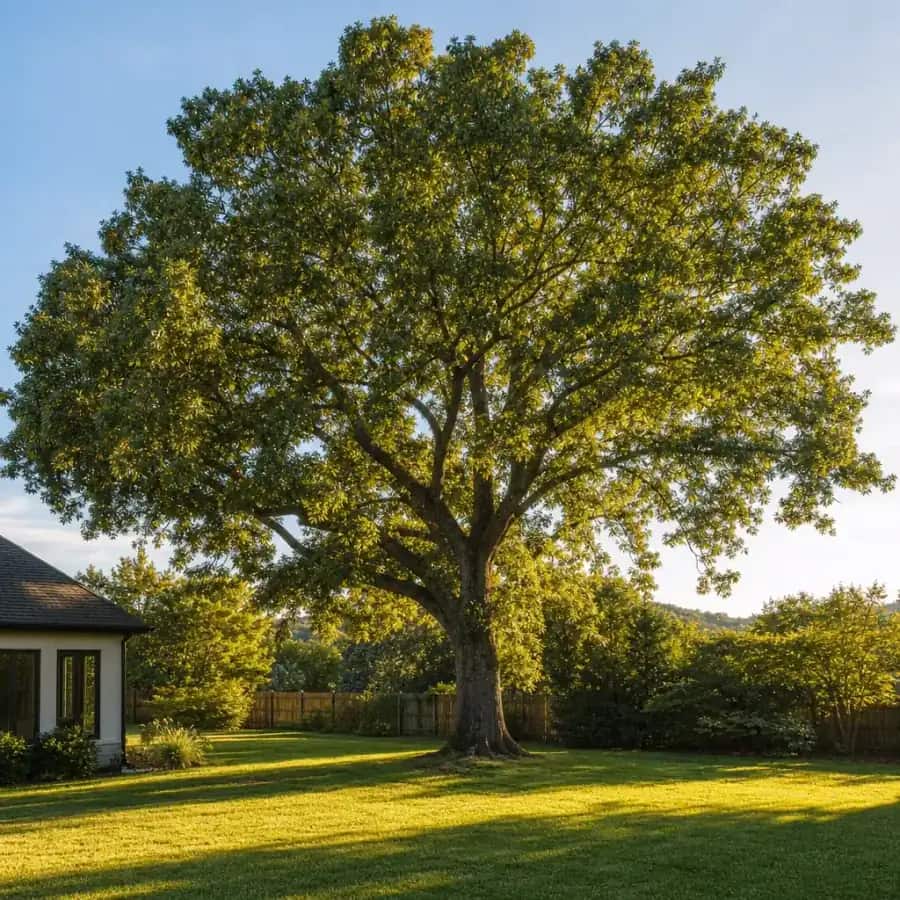
 Zones 4 to 8
Shade Trees
Chinkapin Oak
$579
Shop large, nursery-grown shade, privacy, flowering and fruit trees, delivered by freight in Eagle Nest. Every tree is matched to your hardiness zone and backed by our 1-Year Thrive Guarantee.
Enter your ZIP and we'll match trees to your exact growing zone.
Typical winter lows in Eagle Nest run about -10 to -5 F.
Matched to Eagle Nest's zone
Zones 4 to 8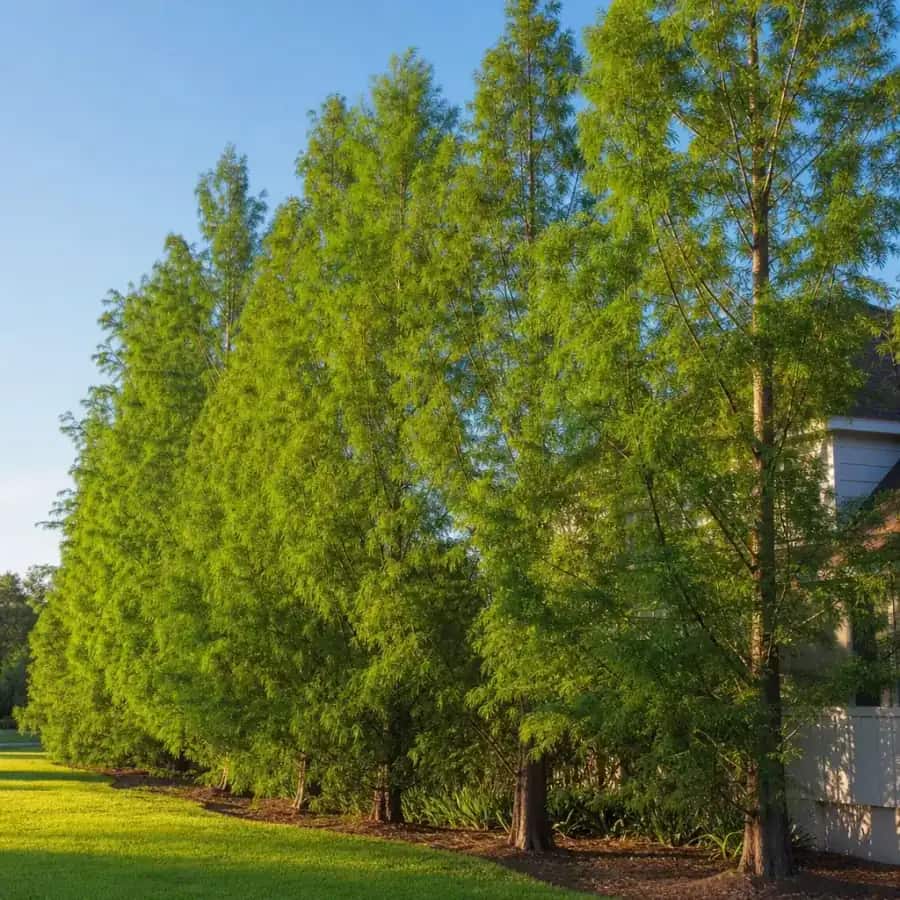 Zones 5 to 9
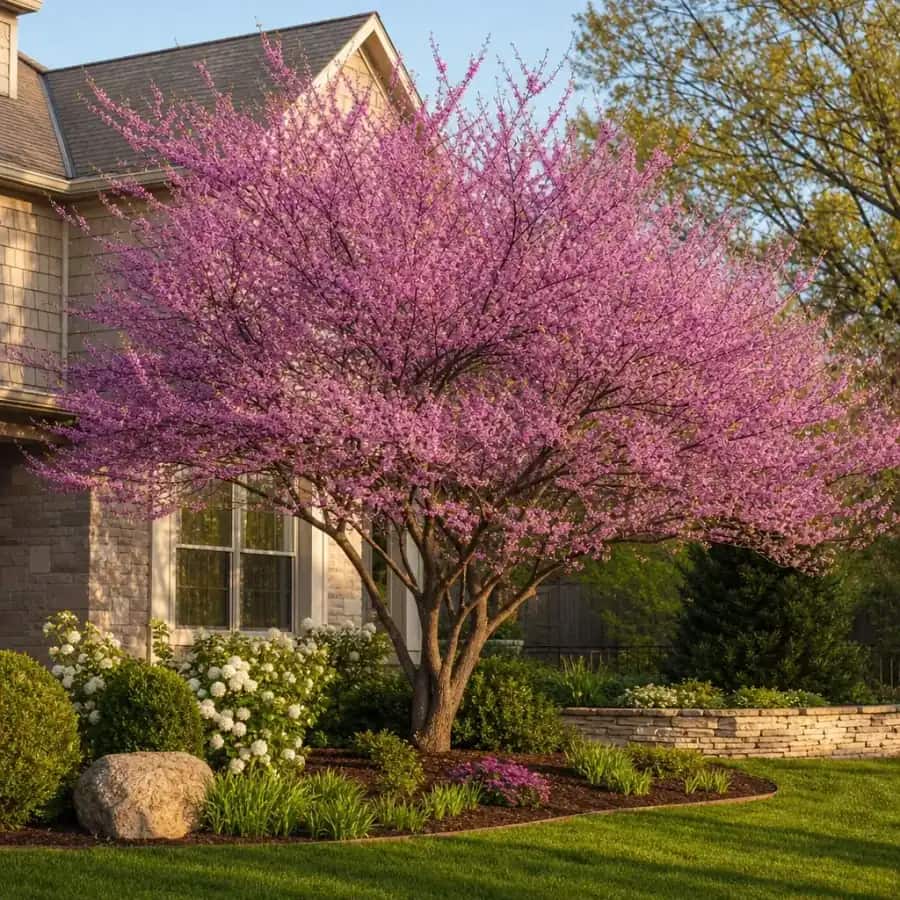 Zones 4 to 9
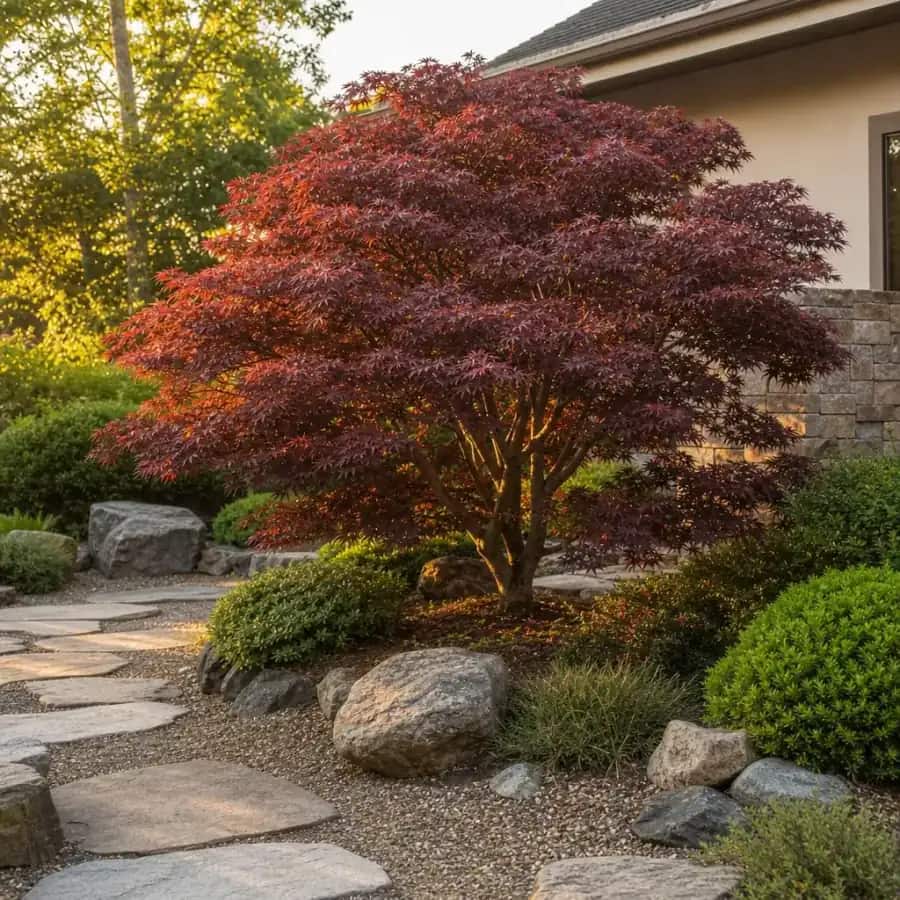 Zones 5 to 8
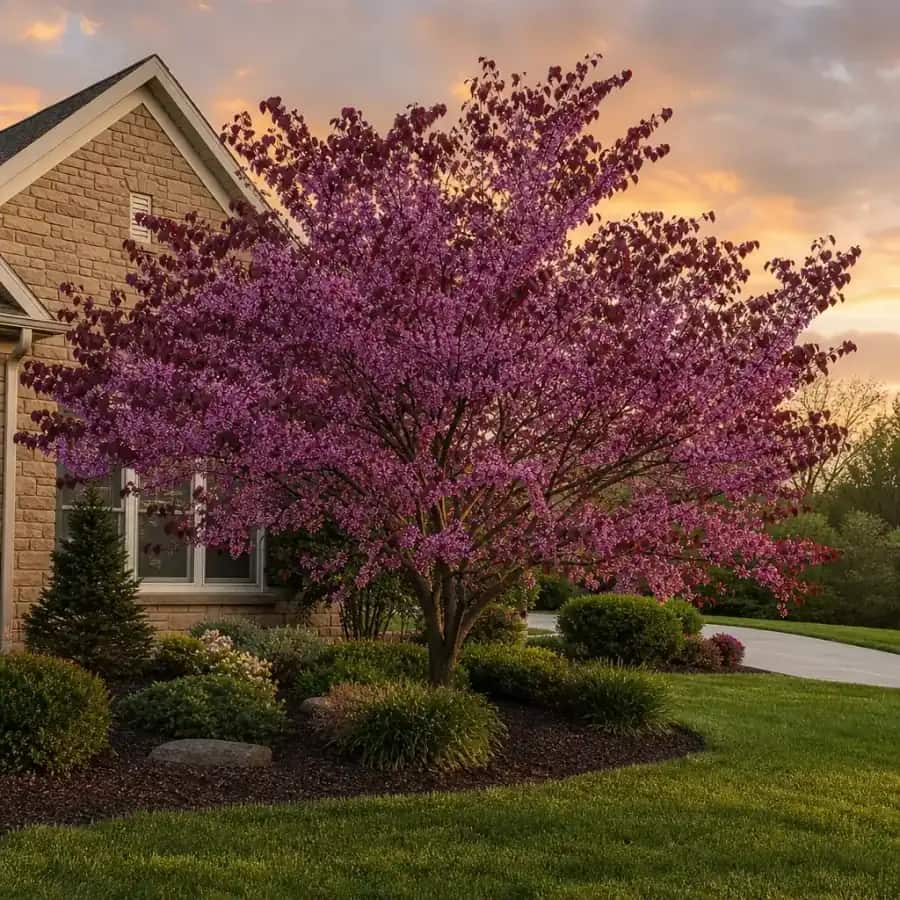 Zones 4 to 9
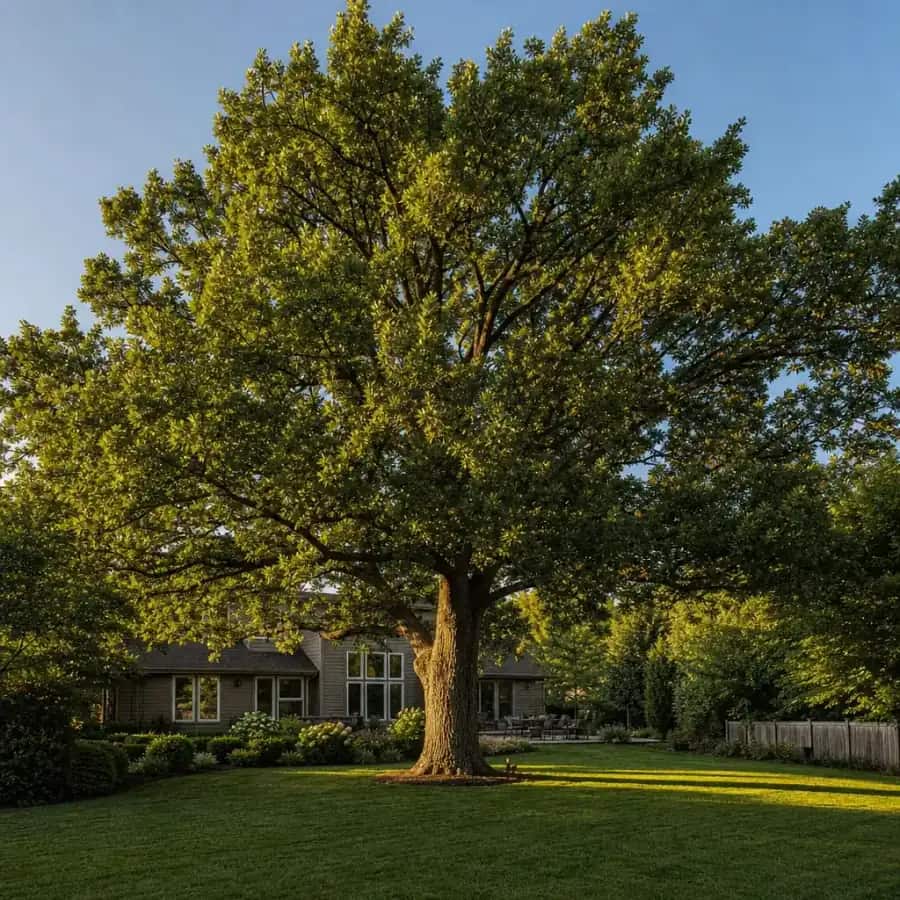 Zones 3 to 8
Shop by category
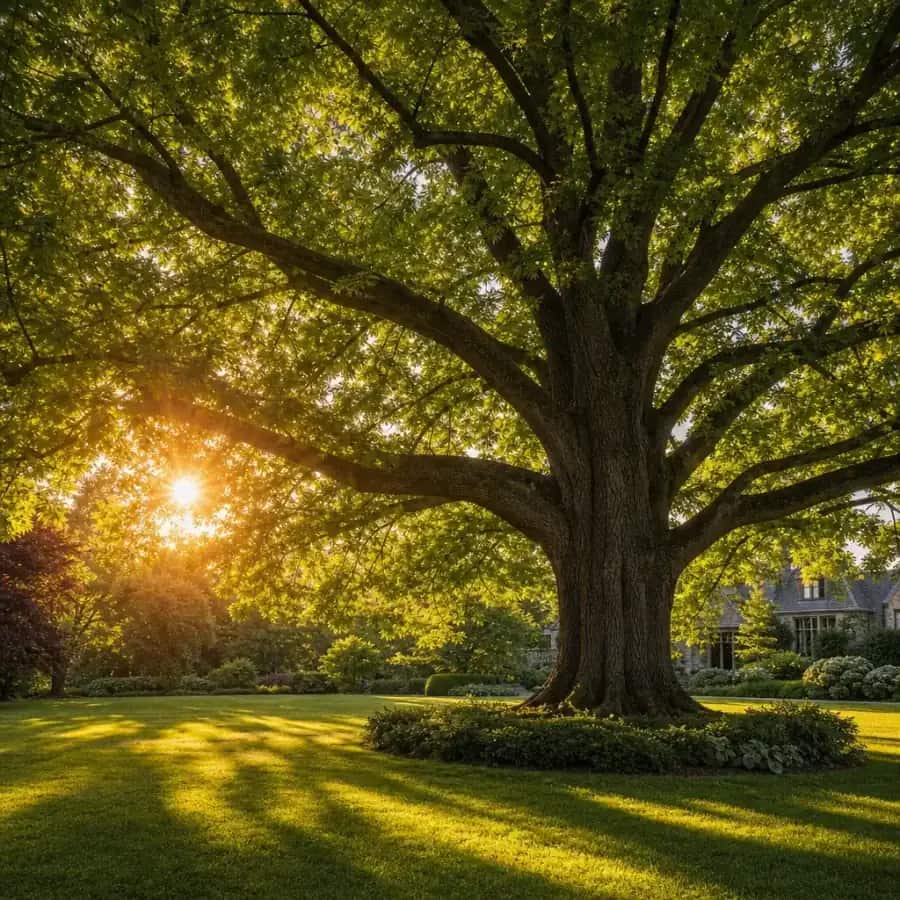 Shade TreesLarge canopy trees that beat the summer heat in Eagle Nest's zone 6 climate.View all Shade Trees →
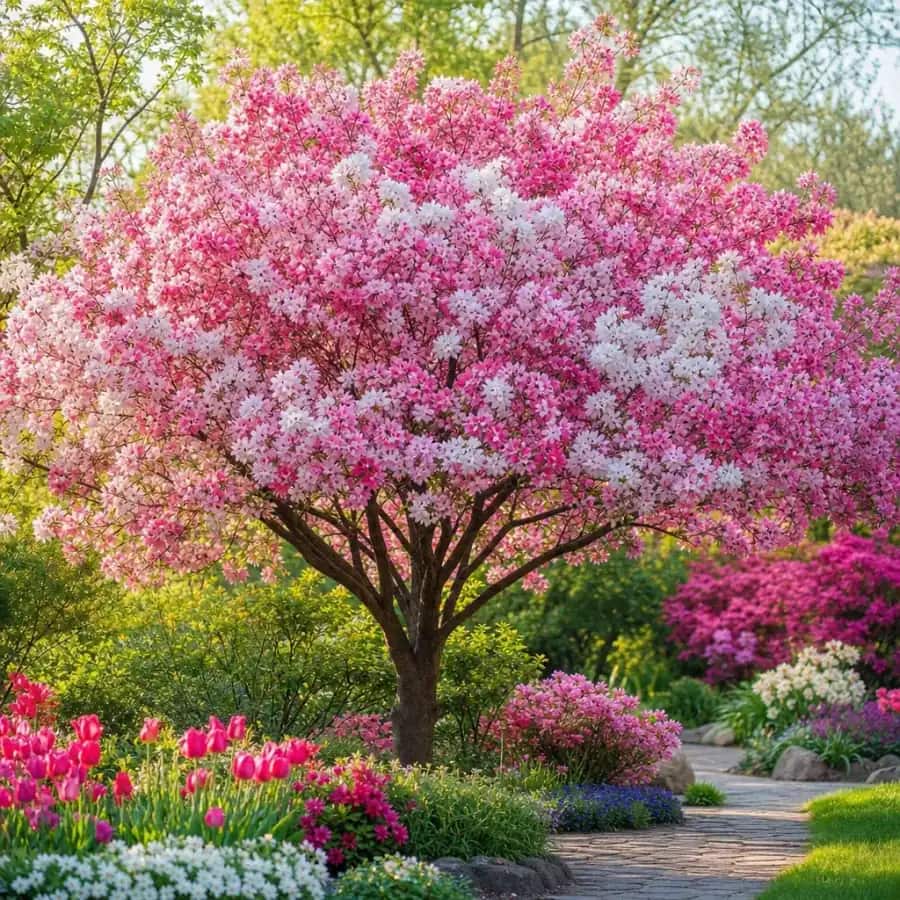 Flowering & OrnamentalSpring and summer color from native and adapted ornamentals for zone 6.View all Flowering & Ornamental →
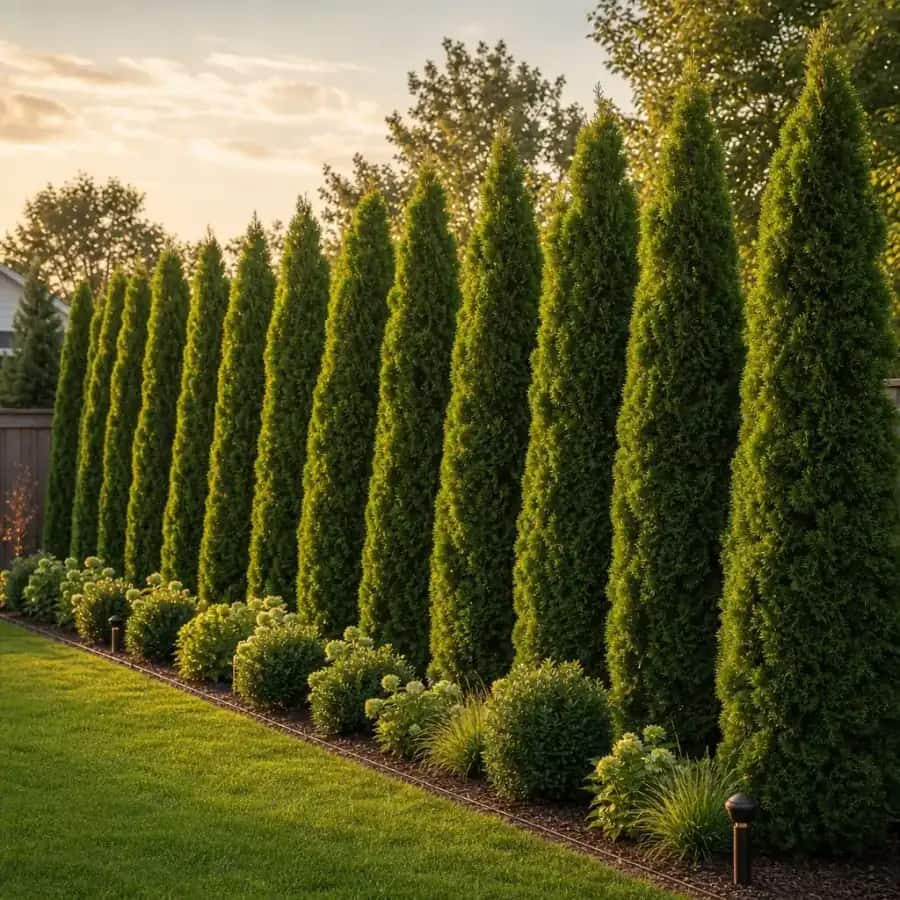 Evergreen & PrivacyYear-round screening evergreens that handle the dry cold of zone 6 winters.View all Evergreen & Privacy →
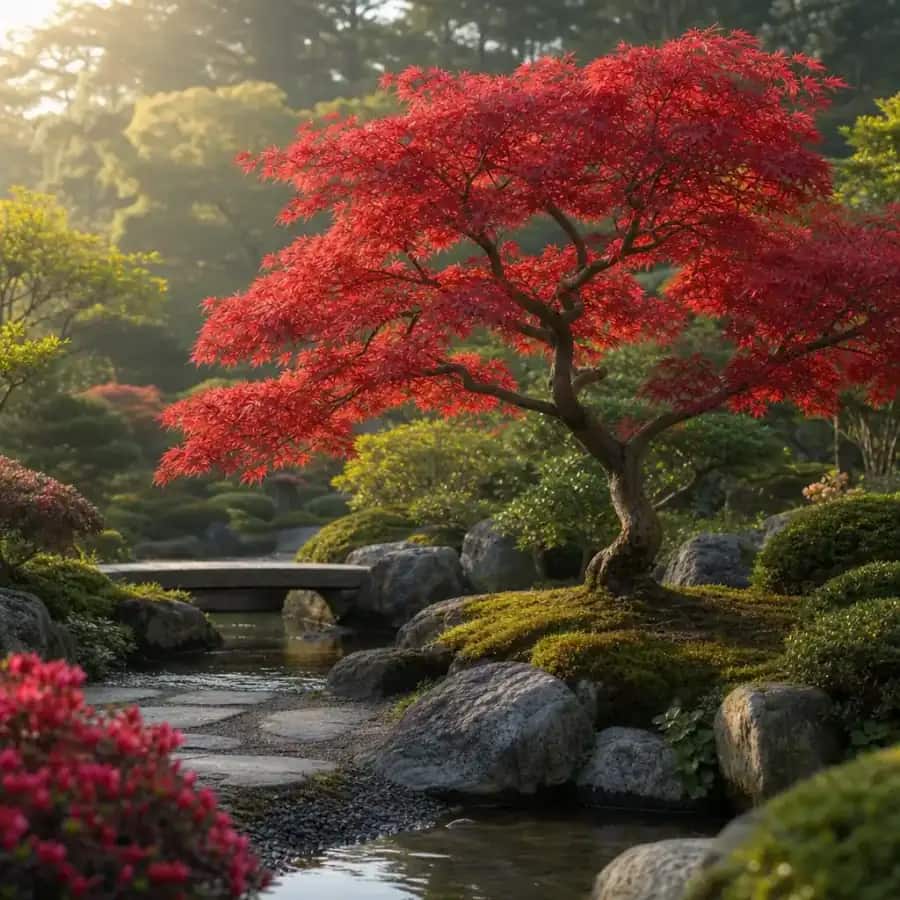 Japanese MaplesLiving sculpture in crimson, coral and lace.
Local fit, from data
6a
about -10 to -5 F
Colfax County
New Mexico
Looking for trees delivered to Eagle Nest, NM 87718 that actually thrive? Arbor Buddy ships large, nursery-grown landscape trees by freight to homeowners and contractors. Your choices include shade trees, evergreens for privacy, flowering ornamentals, and fruit trees. Every tree is matched to your hardiness zone 6a before it ships.
Eagle Nest sits in USDA hardiness zone 6a. That means your tree choices must tolerate cold winters and a short growing season. The climate here is semi-arid with low humidity. Cold snaps in late spring can damage tender blossoms, so early-flowering trees like the Eastern Redbud and fruit trees need a spot that avoids frost pockets.
For shade and privacy, species that handle dry cold and occasional summer heat are best. For the best results, choose trees for zone 6 in Eagle Nest that match these conditions. The featured trees above are all tested for this zone.
Winter lows in Eagle Nest typically reach -10 to -5 degrees Fahrenheit. That places the area in zone 6a. Trees you choose must be proven hardy in those temperatures.
The best shade trees for Eagle Nest include American Sycamore for fast, large coverage. It is hardy from zone 4 to 9, so it is reliable here. Other strong options are the Dura Heat River Birch and Autumn Blaze Red Maple.
The fastest growing tree for Eagle Nest is the American Sycamore, which can add several feet per year. It reaches a large size quickly for shade. The Carolina Sapphire Arizona Cypress also grows fast as a privacy screen.
Good privacy or screening trees for Eagle Nest include the Carolina Sapphire Arizona Cypress. It is evergreen, blue-foliaged, and drought-tolerant. Skyrocket Rocky Mountain Juniper and Eastern Redcedar also work well for year-round screening.
For shade, privacy, flowering, fruit, and accent trees matched to your zone in ZIP 87718 of Eagle Nest, Arbor Buddy ships large, nursery-grown trees with a 1-Year Thrive Guarantee. Browse the trees suited to your area and order online.
ZIP 78003 in Bandera, Texas sits in zone 8b with winter lows of 15 to 20 F. That warmer climate allows broadleaf evergreens like Southern Magnolia and Camellia for privacy screens. Here, the cold limits screens to conifers such as the Carolina Sapphire Arizona Cypress.
That gap changes the local shortlist to needled evergreens that shrug off -10 F. Deciduous options like Redcedar also work, but they lose leaves in winter.
ZIP 98662 in Vancouver, Washington zone 8b lows 15 to 20 F. That mild, wet climate supports early-blooming trees like Dogwoods and Crape Myrtles that flower for months. Your colder, drier zone 6a restricts bloom times and species selection.
For your cart, that means relying on cold-hardy flowering trees: Eastern Redbud and its weeping cousin Ruby Falls. These flower reliably in zone 6 spring conditions without risk of late frost damage.
ZIP 57460 in Mansfield, South Dakota zone 4b winter lows -25 to -20 F. That extreme cold makes sweet cherries and peaches risky even with protection. Zone 6a lows of -10 to -5 F are manageable for Elberta Peach and Bing Cherry, provided they have a good microclimate.
In practice, buyers here lean toward fruit trees that meet chill hour requirements. Elberta Peach needs 800 chill hours, which our zone provides. Bing Cherry requires a pollination partner. Citrus is not possible in either zone.
The comparisons show that your tree choices should focus on cold-hardy species proven in zone 6a.
Arbor Buddy ships large nursery-grown trees directly to your home in ZIP 87718 via freight. Your tree arrives at a usable landscape size, already matched to your zone 6a climate. Every purchase is backed by a 1-Year Thrive Guarantee: if your tree does not survive its first year, we replace it free. Zone 6 orders travel in the spring and fall windows on either side of summer.
Before delivery day, check:
Enter your ZIP, shop only what thrives in your zone.
Freight delivery to your address: $149 flat per order, shown at checkout.
Plant it, watch it thrive, covered for one year.
Good to know · Growing guide
Coverage runs a full year from delivery. If something goes wrong, contact the team and they arrange the replacement. No store-credit games, no fine-print maze.