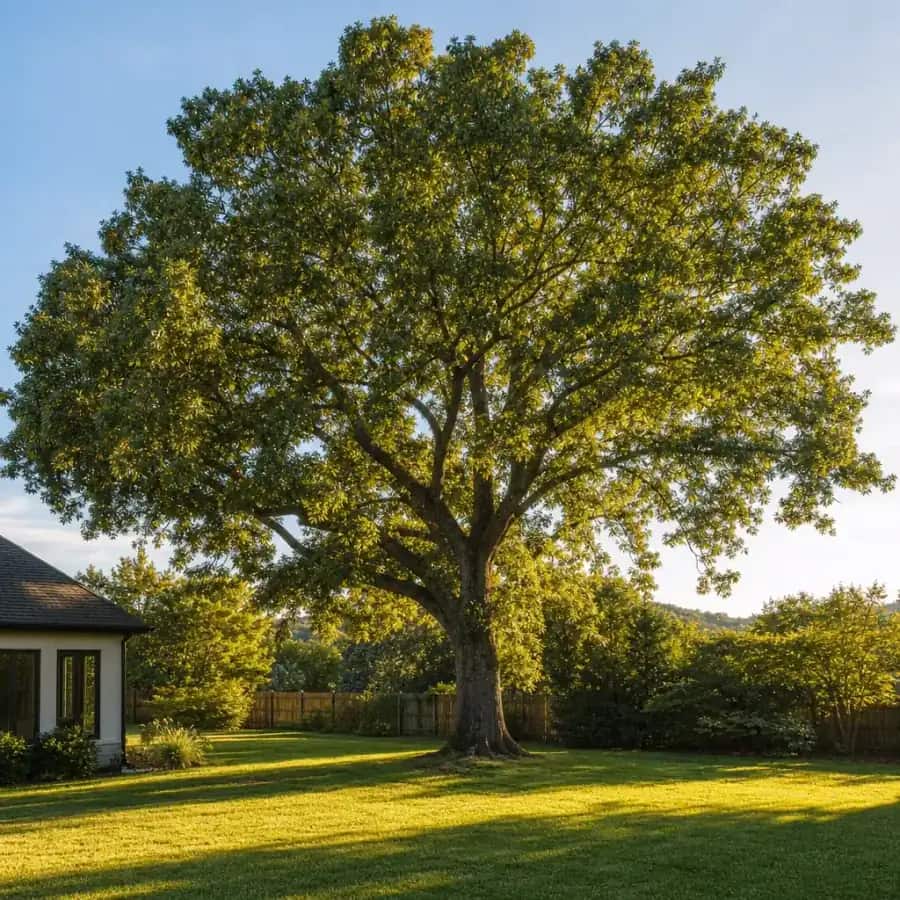
 Zones 4 to 8
Shade Trees
Chinkapin Oak
$579
Shop large, nursery-grown shade, privacy, flowering and fruit trees, delivered by freight in Grant County. Every tree is matched to your hardiness zone and backed by our 1-Year Thrive Guarantee.
Enter your ZIP and we'll match trees to your exact growing zone.
Typical winter lows in Grant County run about 5 to 15 F.
Matched to Grant County's zones
Zones 4 to 8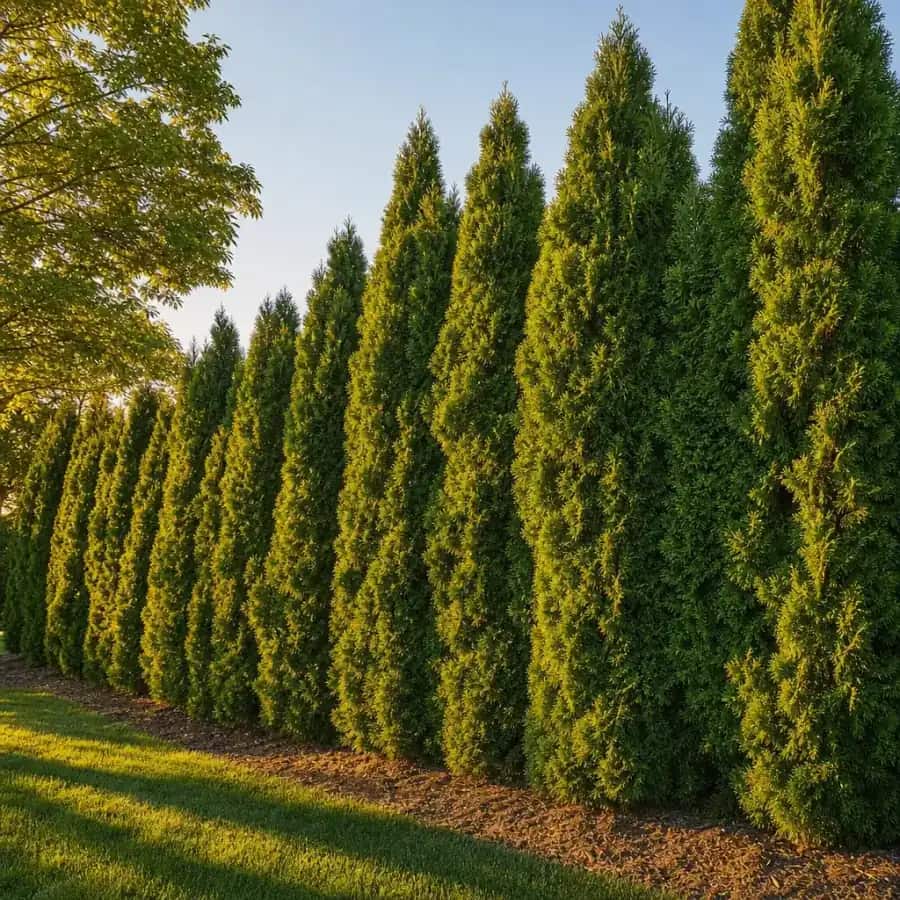 Zones 5 to 8
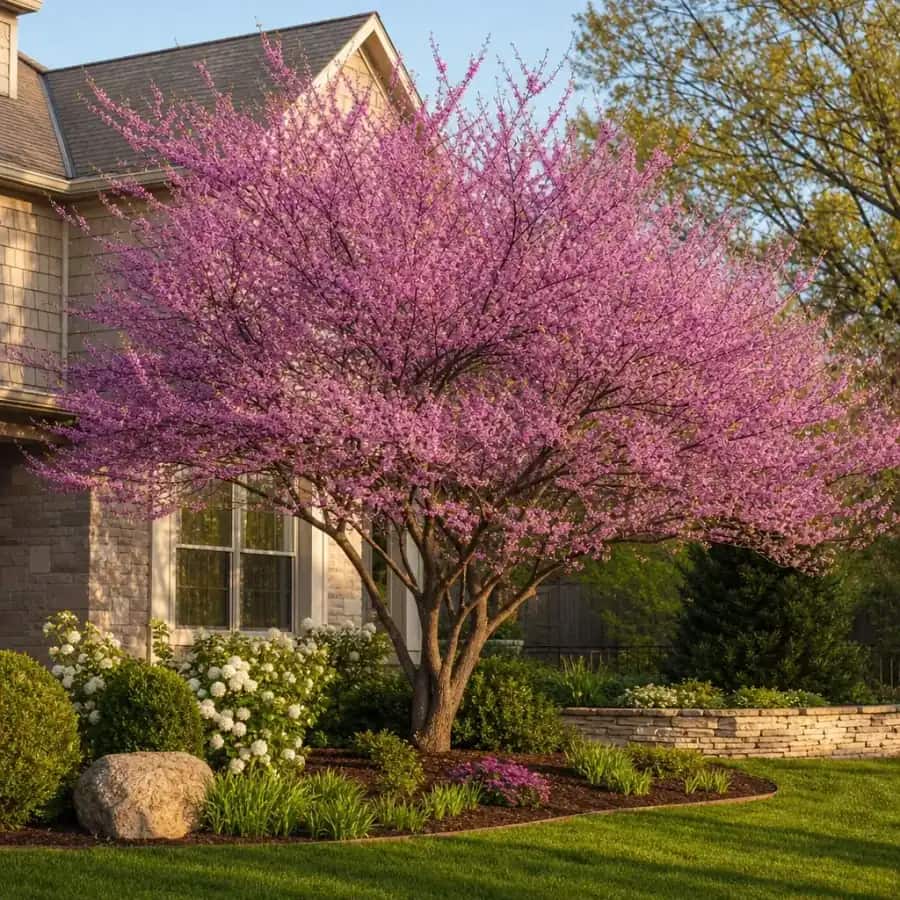 Zones 4 to 9
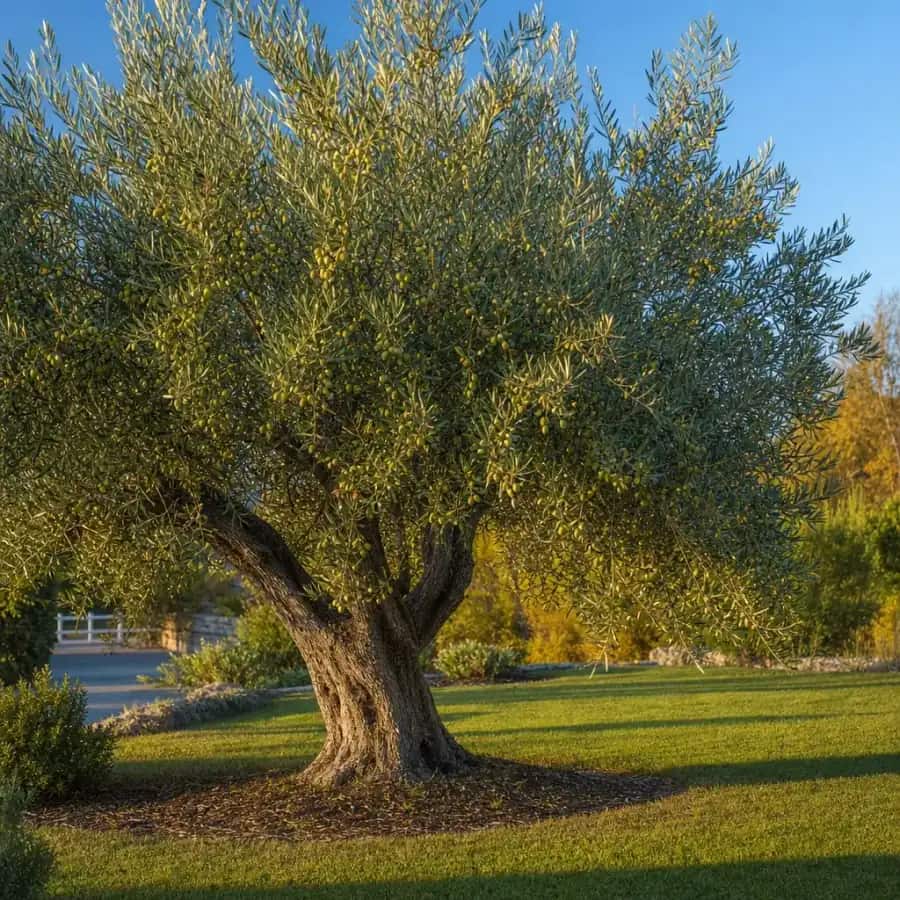 Zones 8 to 11
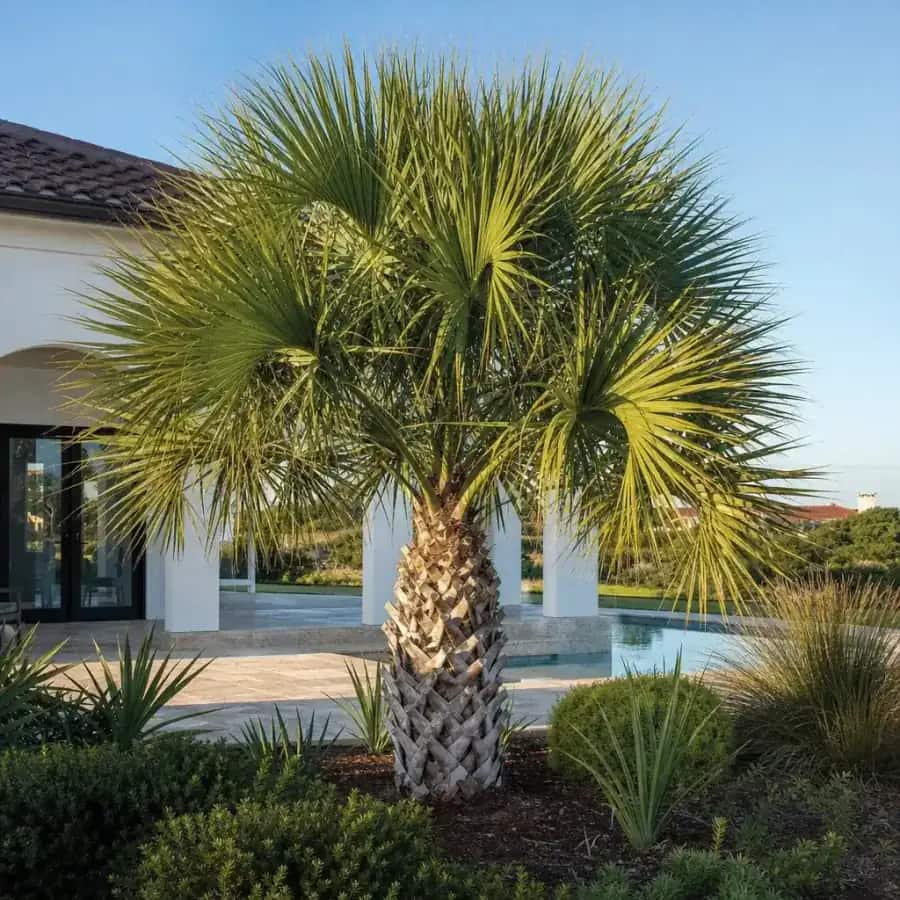 Zones 7 to 11
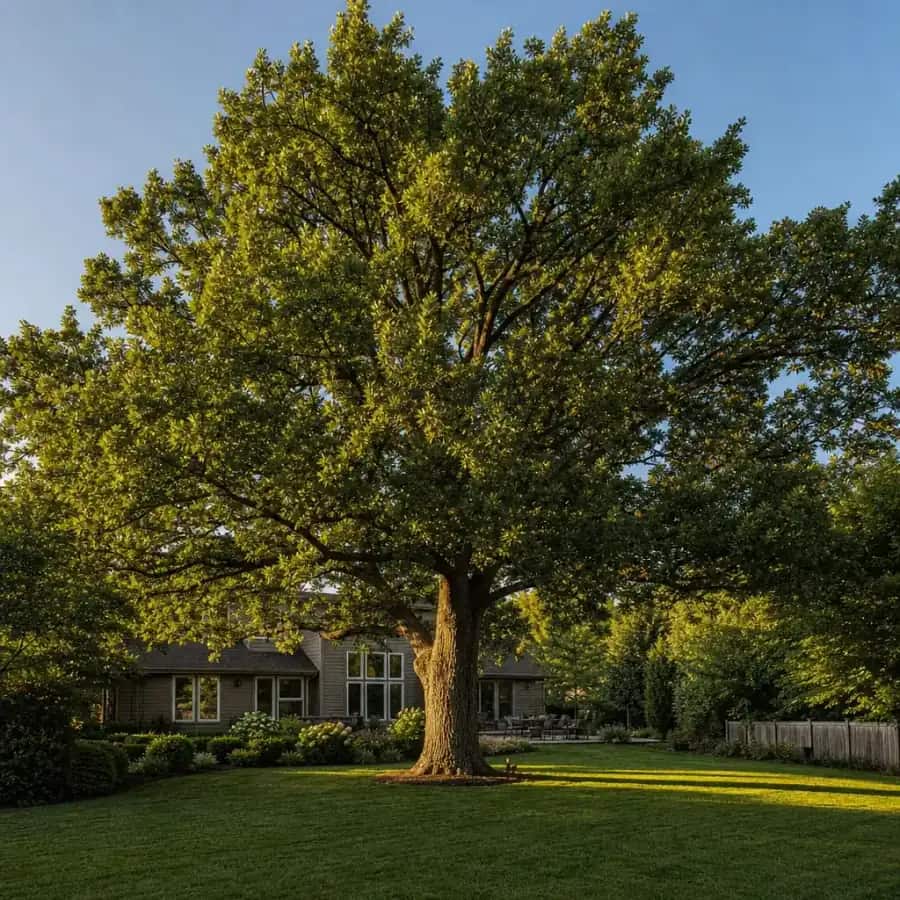 Zones 3 to 8
Shop by category
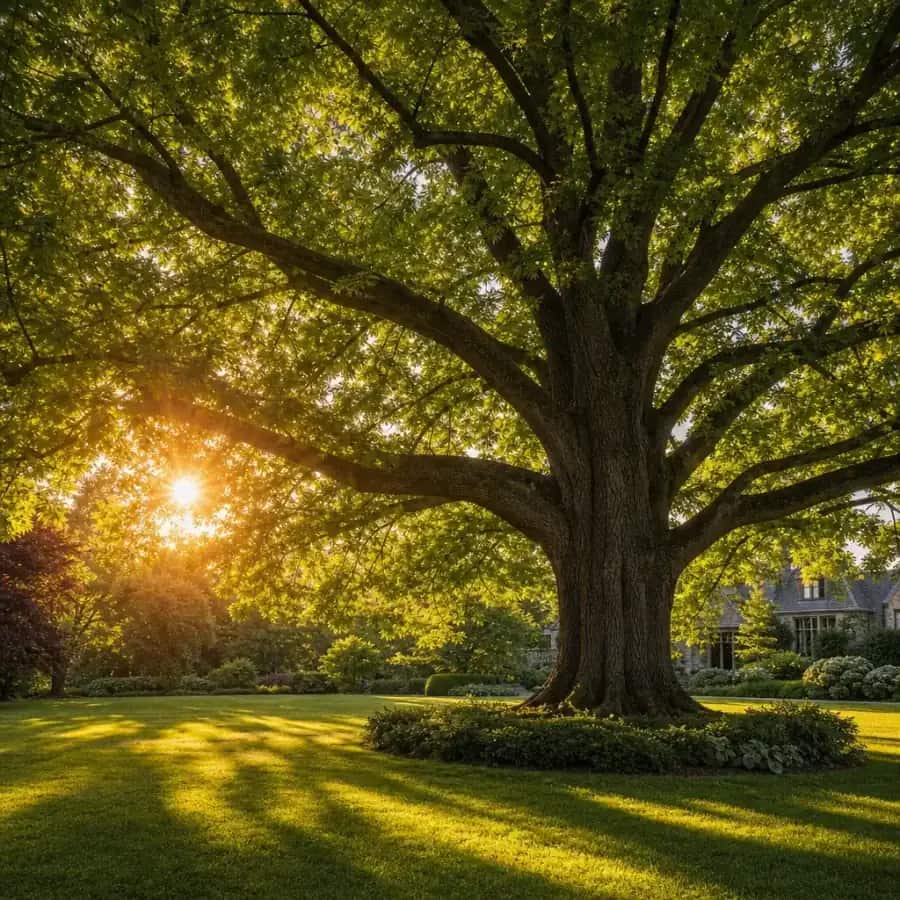 Shade TreesFast-growing canopy options like Bur Oak and Texas Ash deliver cooling shade suited to zone 7b-8a summers.View all Shade Trees →
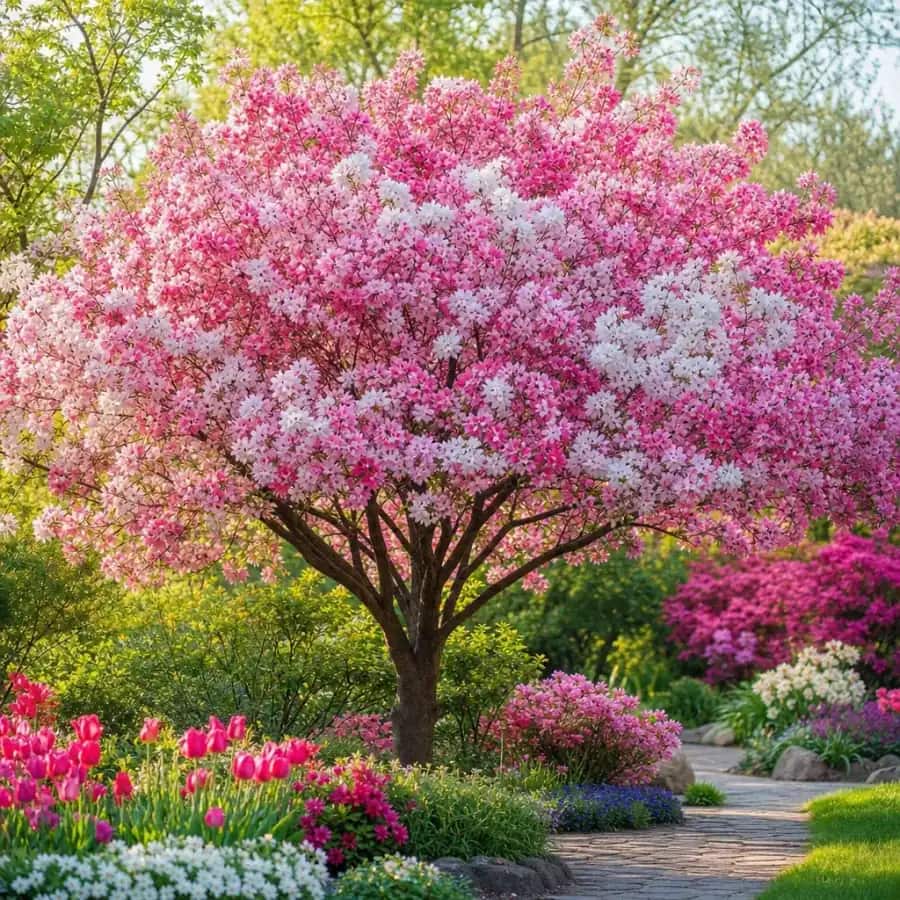 Flowering & OrnamentalAdd curb appeal with Ruby Falls Weeping Redbud or Bubba Desert Willow, both thriving in your local climate.
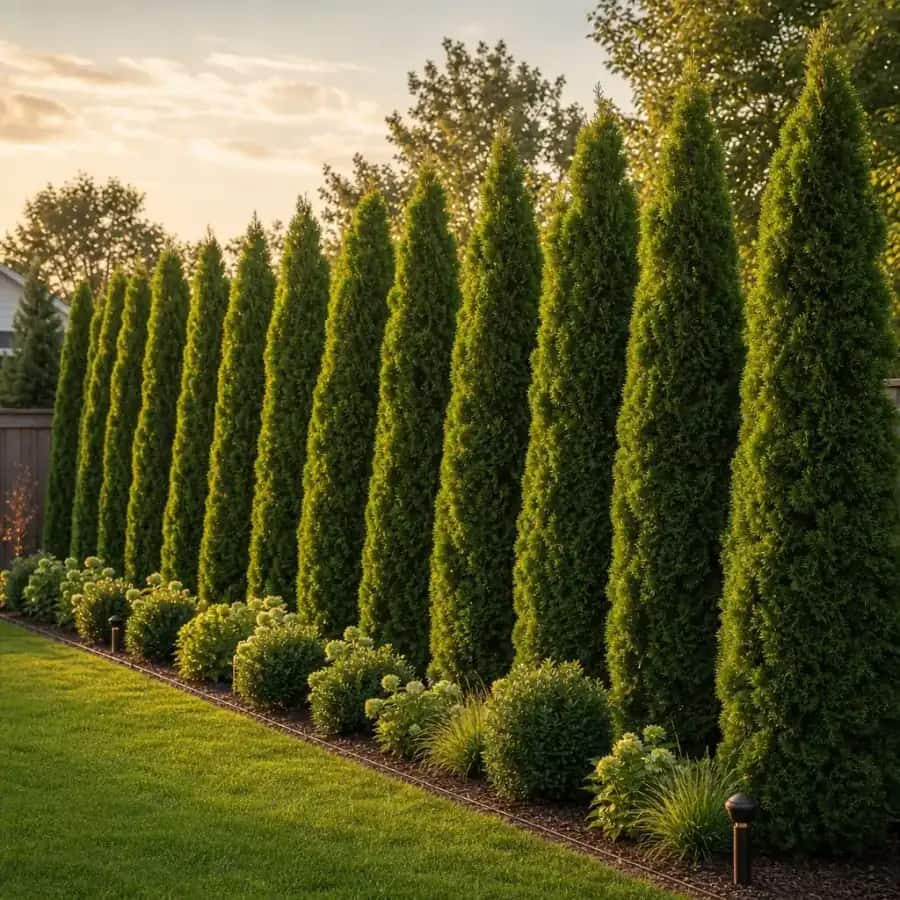 Evergreen & PrivacyEvergreens like Mondell Pine and Leyland Cypress provide year-round screening in Grant County's mild zone.View all Evergreen & Privacy →
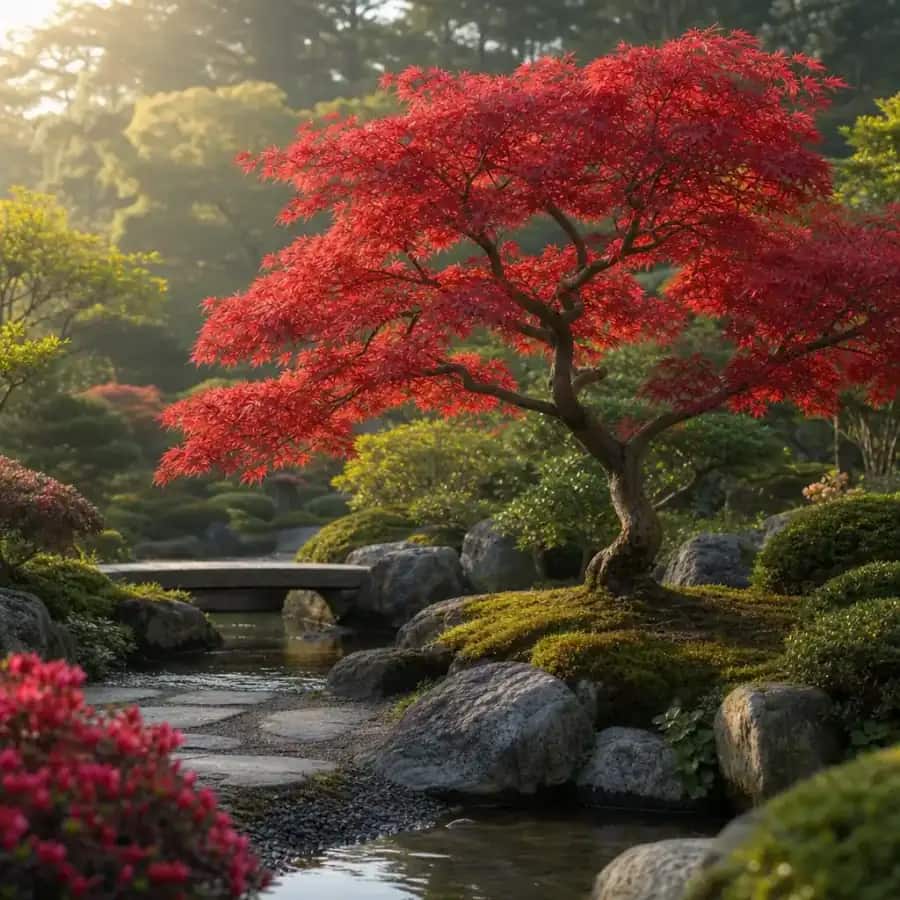 Japanese MaplesLiving sculpture in crimson, coral and lace.
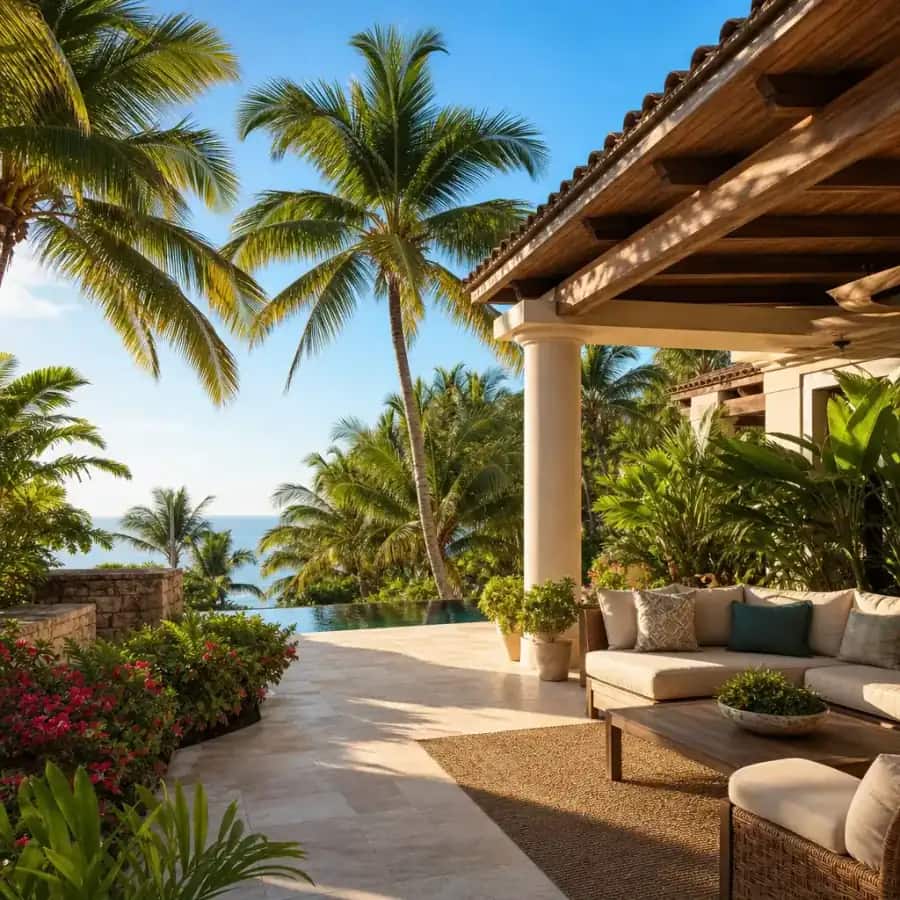 Palms & TropicalsCold-hardy choices like Jelly Palm and Mediterranean Fan Palm bring a tropical look that survives your winters.View all Palms & Tropicals →
Local fit, from data
7b to 8a
about 5 to 15 F
18
Silver City
Spring and autumn are the shipping windows for trees in Grant County, New Mexico (NM). Arbor Buddy delivers large, nursery-grown landscape trees by freight direct to homeowners. You can choose from shade trees, flowering ornamentals, evergreens, fruit trees, and palms, each matched to your local hardiness zone. In Grant County, that zone spans from 7b to 8a, with typical winter lows of 5 to 15 degrees F. Match your property's zone and pick the right tree for your goal.
Grant County covers 18 ZIP codes with a hardiness zone span from 7b to 8a. At the warmer end (8a), winter lows are milder, so subtropical palms and some flowering trees thrive. At the cooler end (7b), you gain extra resilience against occasional cold snaps. Typical winter lows run about 5 to 15 degrees F across the county. Silver City is the main delivery area, and conditions there reflect the overall range.
Trees for zone 7 in Grant County include a wide variety of deciduous and evergreen options. Shade trees like Bur Oak handle the drier conditions, while flowering ornamentals such as Wisteria Tree perform well in full sun. Evergreens like Hetz Columnaris Chinese Juniper are reliable for privacy. The region's low humidity and moderate heat in summer favor drought-tolerant species, though consistent watering is needed for trees like river birch. Avoid tropicals that demand high humidity unless you provide supplemental care.
Trees ship in spring and autumn. Arbor Buddy times deliveries to avoid temperature extremes in zone 7, so your tree arrives during the best planting window for your area.
Dura Heat River Birch and Bur Oak are top choices. Both are hardy in zones 7b to 8a. River birch provides fast shade near a water source, while Bur Oak handles drier conditions well.
Trees arrive at a large, nursery-grown size, typically 5 to 7 feet tall or larger. They are shipped by freight and ready to plant straight away.
All six featured trees are zone-matched for 7b to 8a. They are selected to handle your winter lows of 5 to 15 F and your growing conditions. Browse the featured list above for top recommendations.
Browse the trees above, then pick one that matches your goal. Arbor Buddy ships each tree to your door, zone-matched and backed by the 1-Year Thrive Guarantee. Order now and add the right tree to your yard this season.
Comparing Grant County to other regions helps show why zone-matching matters for your tree choices.
Codington County, South Dakota (SD) sits in zone 4b with typical winter lows of -25 to -20 F. Here, the zone usually pushes the choice toward extreme cold-hardy species like bur oaks and pines. Grant County's much milder winters mean you can grow semi-tropicals like Chinese Windmill Palm that would never survive a South Dakota winter. The practical difference is that your selection includes broad-leaf evergreens and flowering trees that need winter temperatures above -10 F.
Rutland County, Vermont (VT) falls in zone 5a to 5b with lows of -20 to -10 F. The practical difference is that Vermont's heavier snowfall and shorter growing season favor fast-growing deciduous trees over slow evergreens. Grant County's longer, drier growing season supports both drought-tolerant evergreens and heat-loving fruit trees. Locally, that points buyers toward trees that can handle low humidity and occasional summer heat spikes, like Hetz Columnaris Juniper and Dura Heat River Birch.
Kenosha County, Wisconsin (WI) is in zone 5b to 6a with winter lows of -15 to -5 F. Here, the zone usually pushes the choice toward species that survive deep freezes and heavy soil. Grant County's warmer zone 7b-8a and sandy, well-drained soil allow you to grow trees that need milder conditions, such as Bing Cherry and Wisteria Tree. The key takeaway for Grant County buyers is that your mild zone expands the palette of possible trees while still requiring careful attention to water needs and sun exposure.
Arbor Buddy matches every tree to your specific hardiness zone before shipping. In zone 7, shipments are timed for spring and autumn, skipping temperature extremes. Trees are delivered by freight truck at a large, nursery-grown size, ready to plant in your yard. To ensure a smooth drop, you need to be home to receive and inspect the tree on arrival. The 1-Year Thrive Guarantee covers free replacement if a tree does not survive its first year.
Before delivery day, check:
Enter your ZIP, shop only what thrives in your zone.
Freight delivery to your address: $149 flat per order, shown at checkout.
Plant it, watch it thrive, covered for one year.
Good to know · Growing guide
Coverage runs a full year from delivery. If something goes wrong, contact the team and they arrange the replacement. No store-credit games, no fine-print maze.