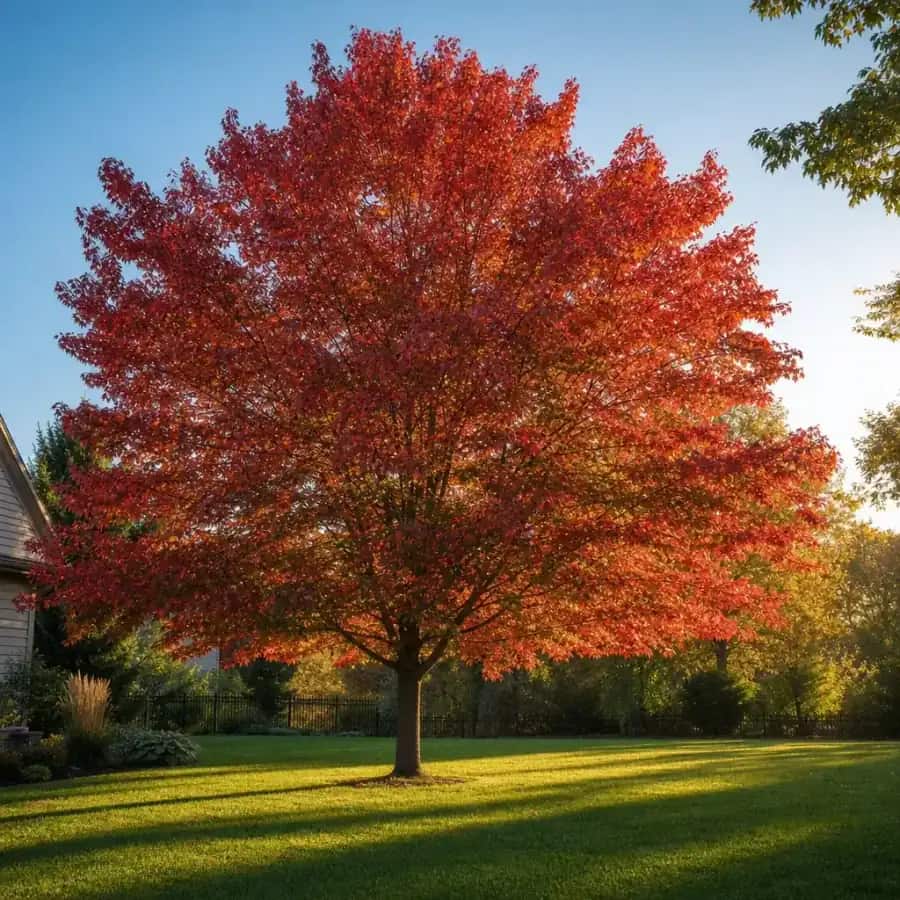
 Zones 3 to 8
Shade Trees
Autumn Blaze Red Maple
$60
Shop large, nursery-grown shade, privacy, flowering and fruit trees, delivered by freight in Central Valley. Every tree is matched to your hardiness zone and backed by our 1-Year Thrive Guarantee.
Enter your ZIP and we'll match trees to your exact growing zone.
Typical winter lows in Central Valley run about -5 to 0 F.
Matched to Central Valley's zone
Zones 3 to 8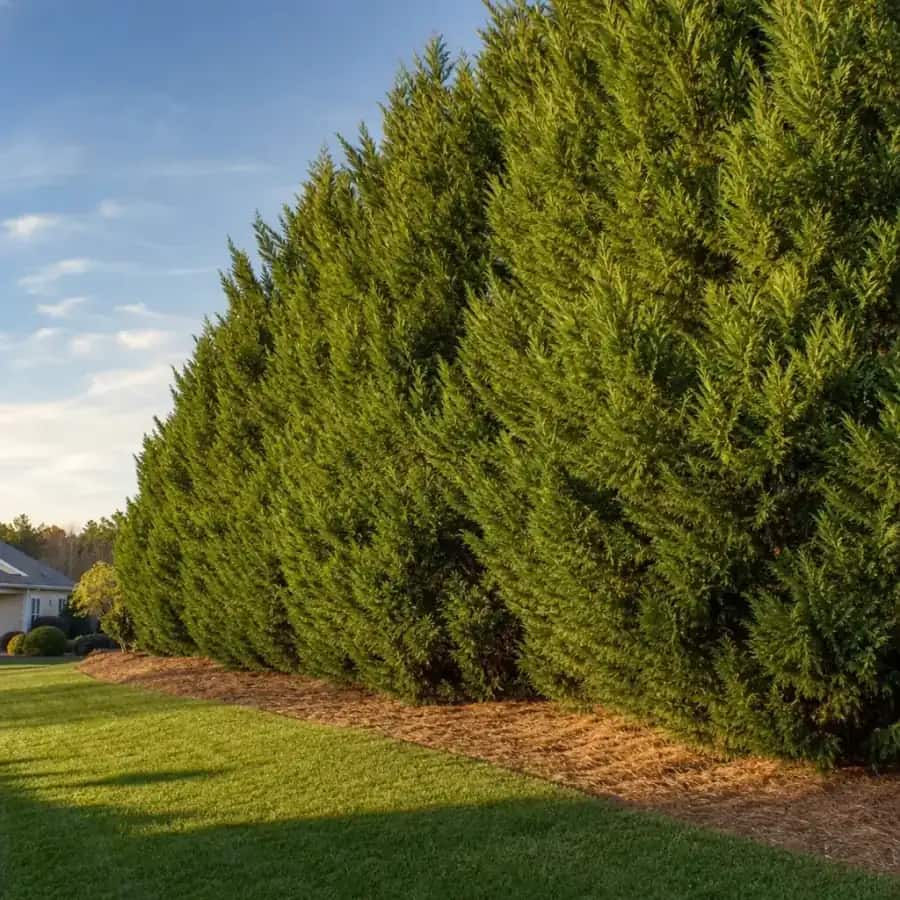 Zones 6 to 10
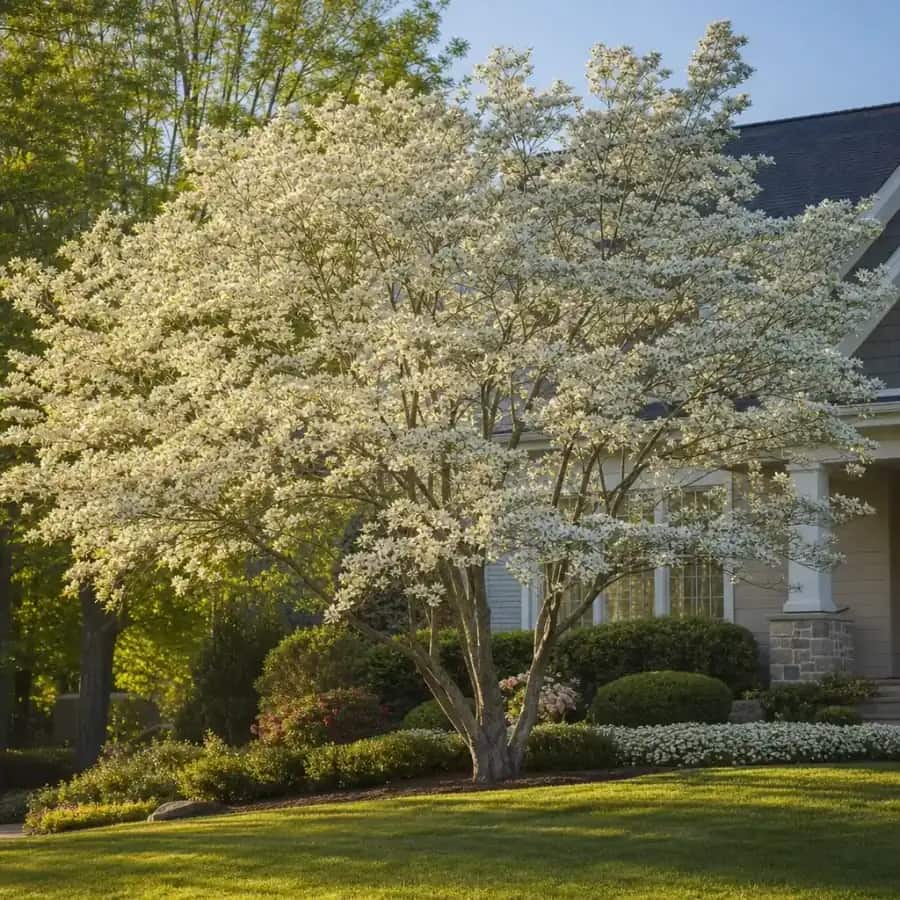 Zones 5 to 9
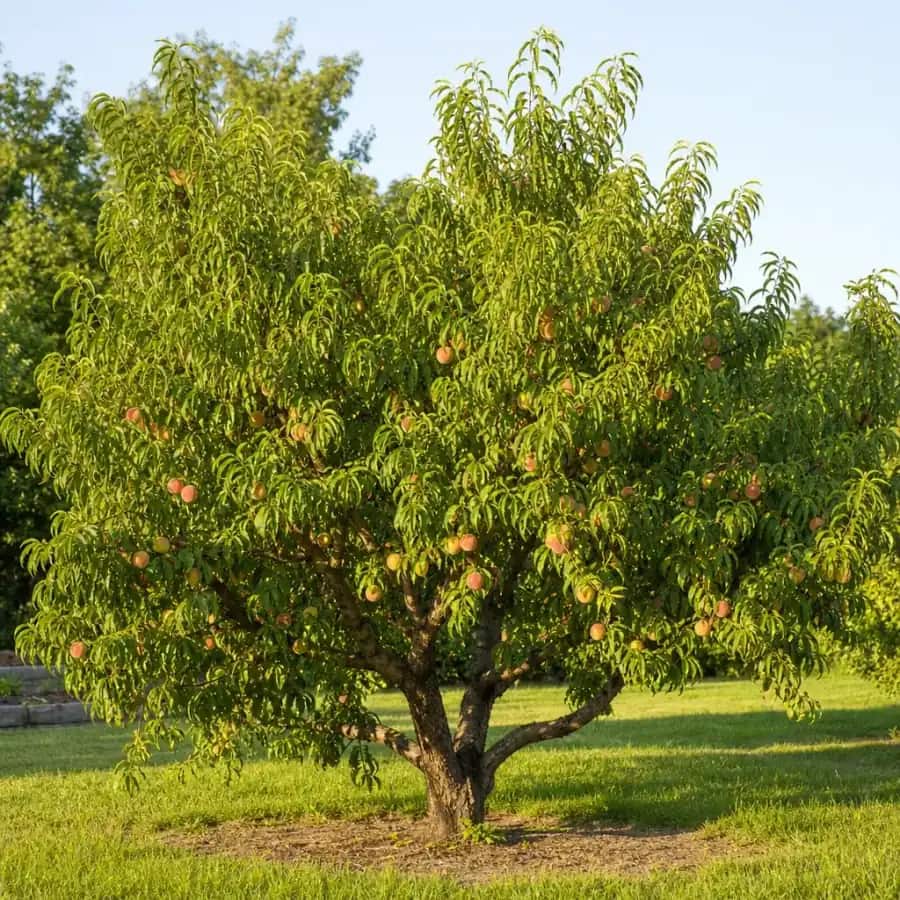 Zones 5 to 9
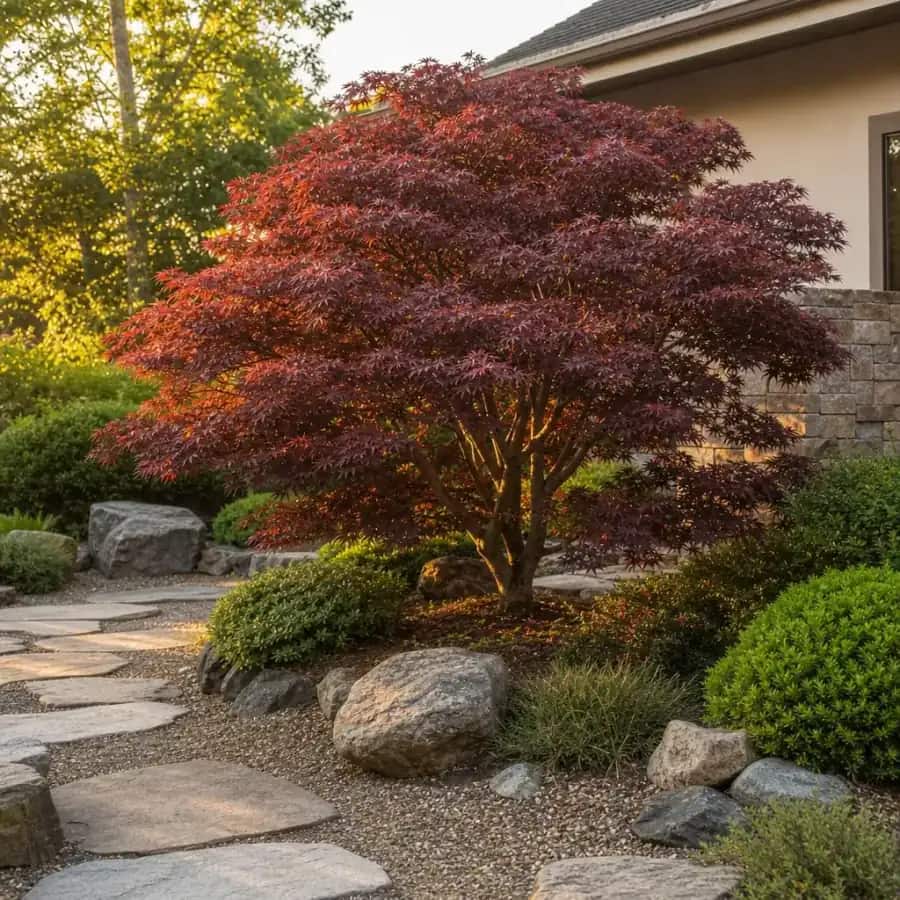 Zones 5 to 8
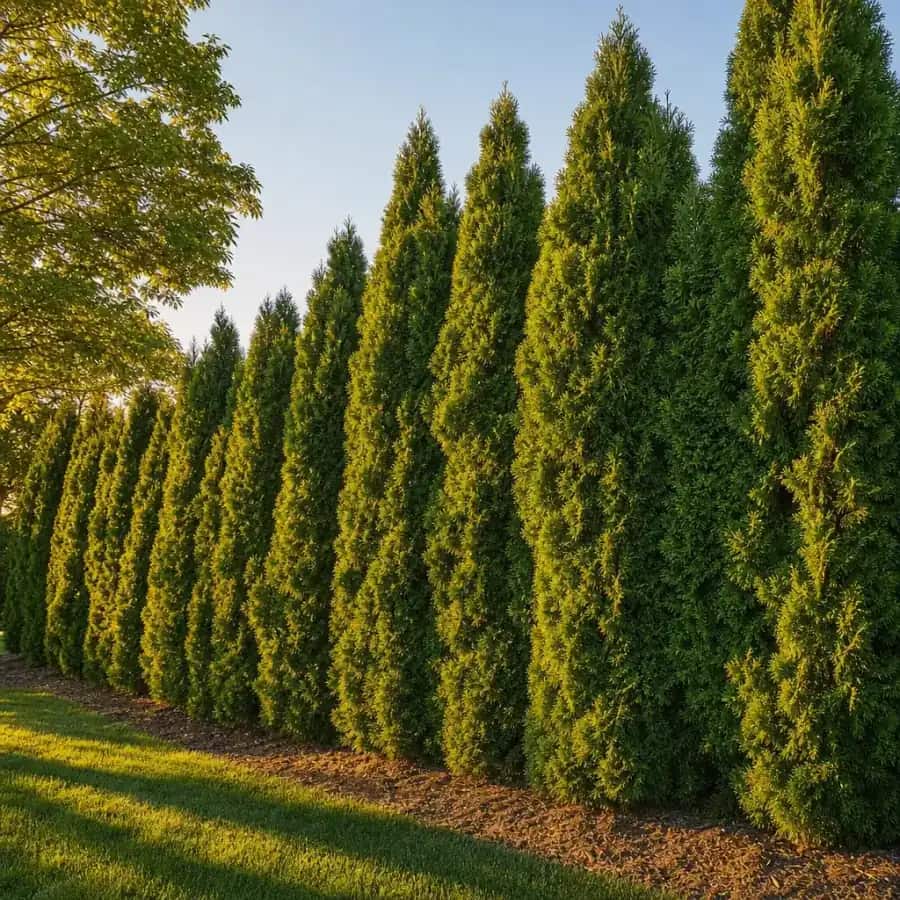 Zones 5 to 8
Shop by category
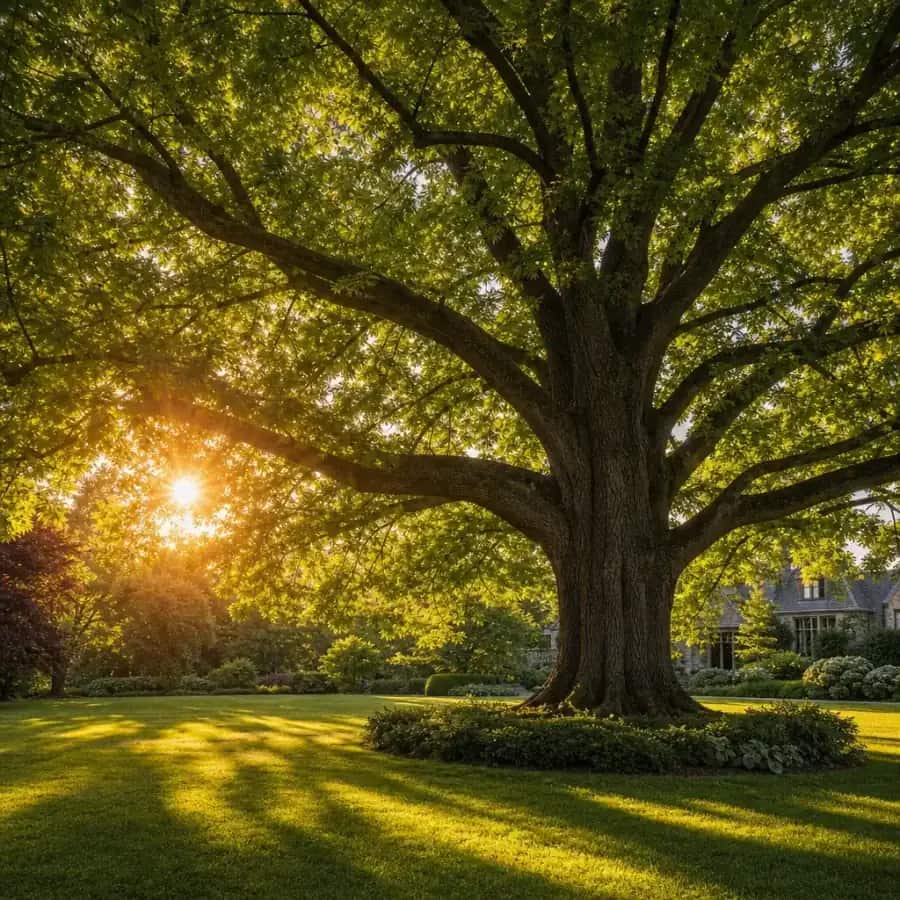 Shade TreesSpread cooling shade over your Central Valley property with oaks, elms, and other zone 6b canopy trees.View all Shade Trees →
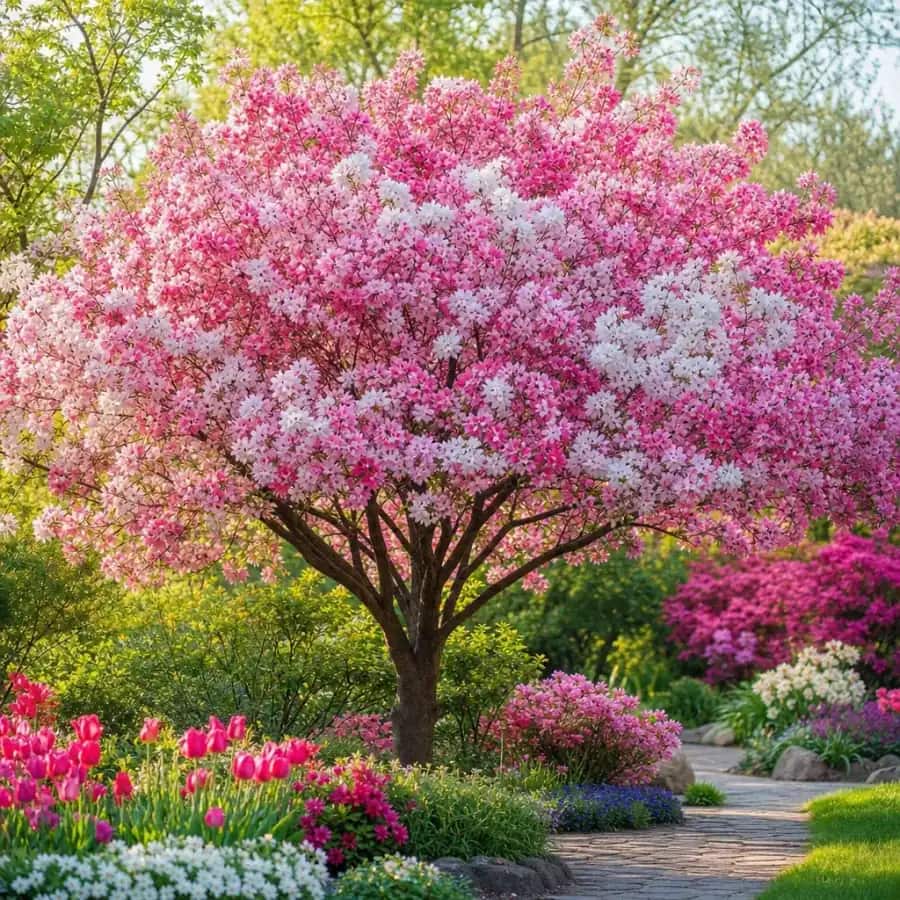 Flowering & OrnamentalAdd seasonal color and year-round interest with redbuds and other bloomers suited to your local frost dates.View all Flowering & Ornamental →
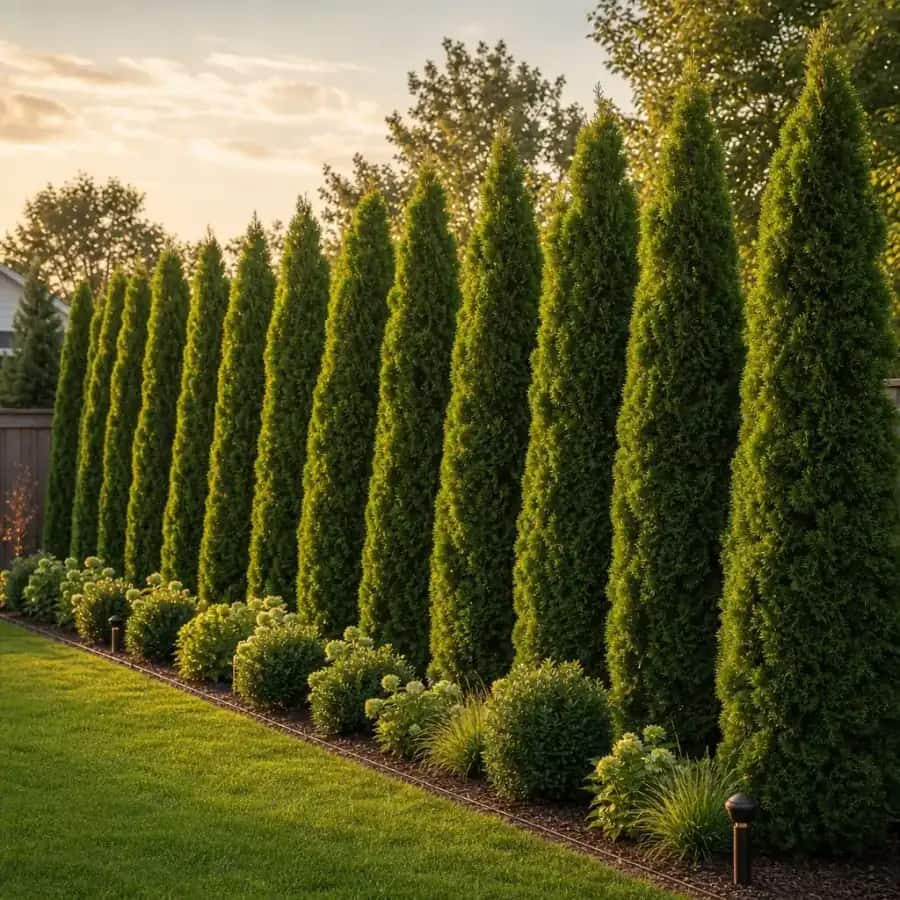 Evergreen & PrivacyBuild a year-round screen that stands up to Orange County's winter lows with drought-tolerant cypress and arborvitae.View all Evergreen & Privacy →
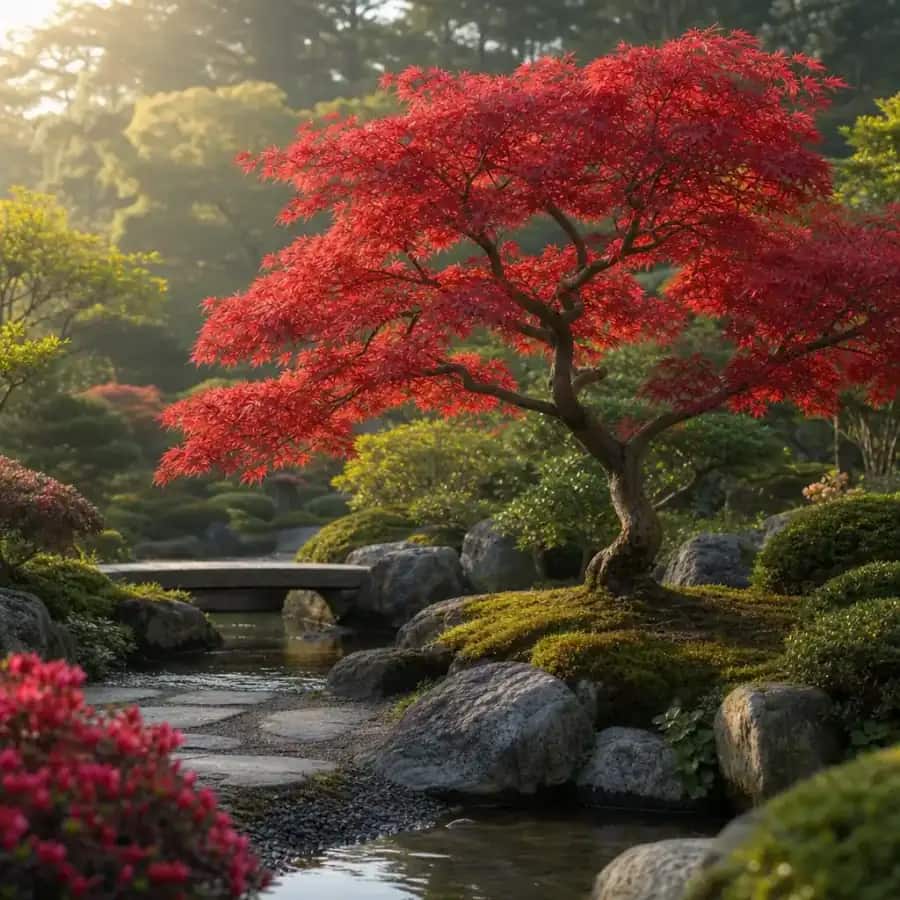 Japanese MaplesChoose laceleaf and upright maples that bring fine texture to gardens, provided you give them afternoon shade in summer.
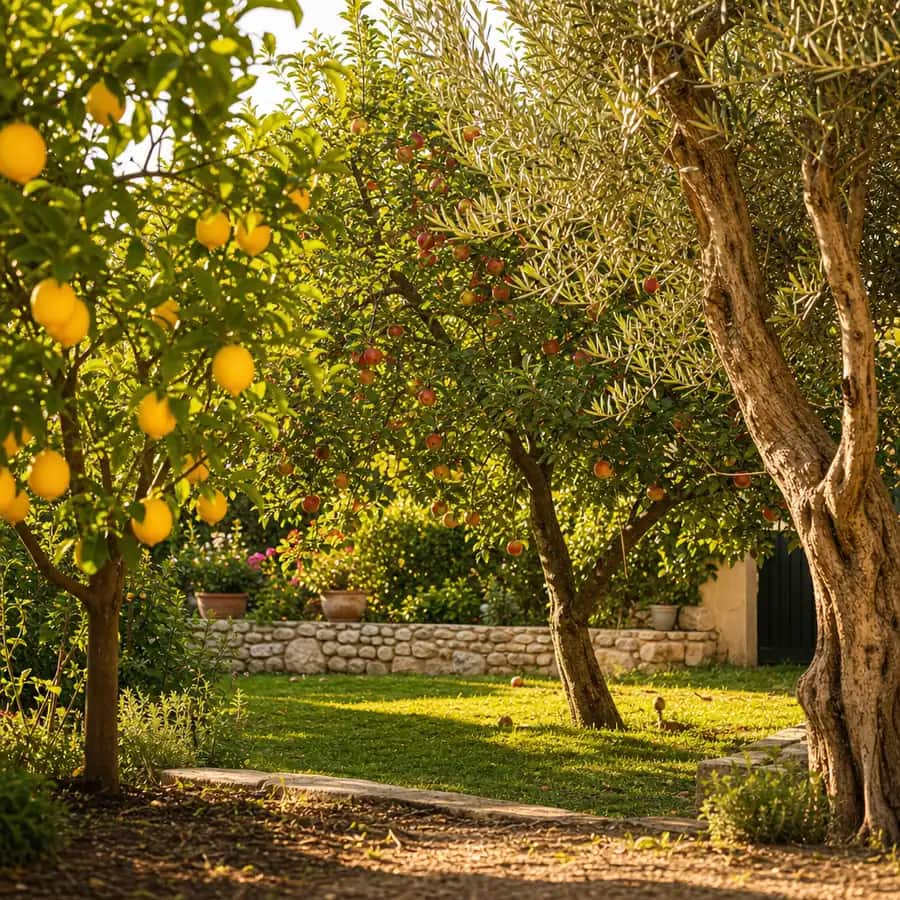 Fruit TreesHarvest your own apples and other cold-hardy fruit varieties that need the chill hours zone 6b delivers each winter.View all Fruit Trees →
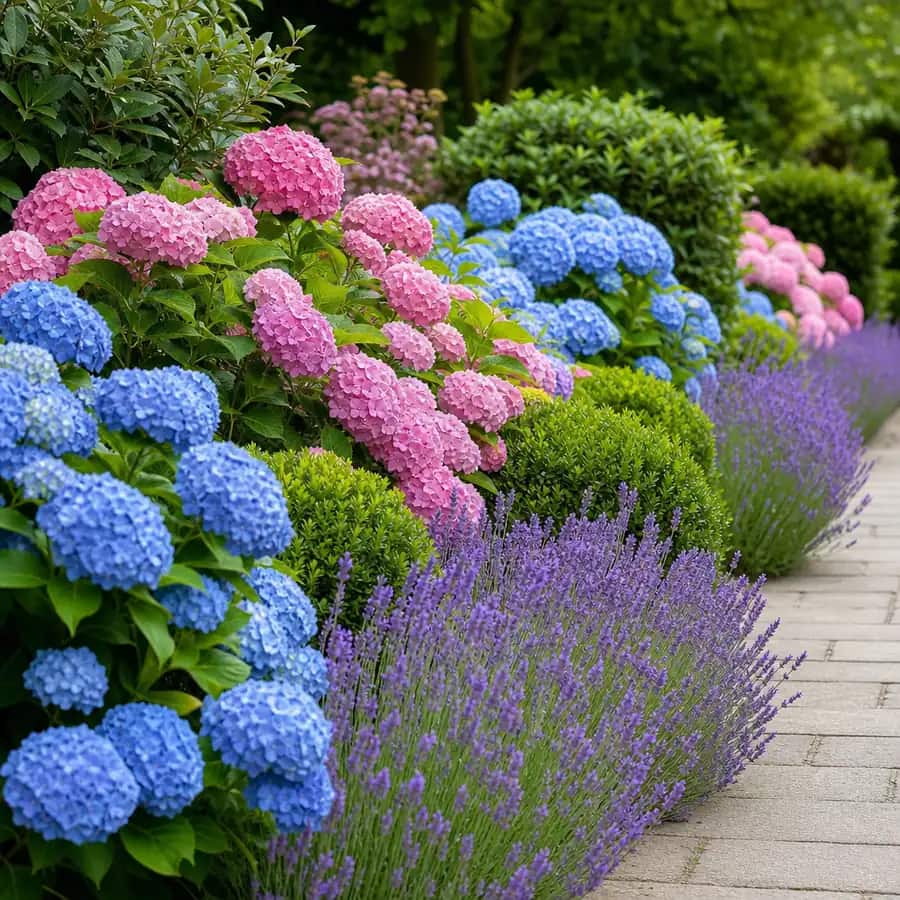 Shrubs & HedgesUnderplant or border your trees with shrubs that fill gaps while the canopy matures, all zone-tested for Central Valley.View all Shrubs & Hedges →
Local fit, from data
6b
about -5 to 0 F
Orange County
New York
Arbor Buddy backs every tree shipped to Central Valley with a 1-Year Thrive Guarantee. That means if a tree does not survive its first year, we replace it free. You can order large, nursery-grown trees online with confidence, knowing each one is matched to your yard's growing conditions before it leaves our nursery.
We deliver directly to homes in ZIP 10917. Whether you need shade, privacy, flowers, or fruit, our freight service brings usable-sized landscape trees to your door. Every tree is zone-matched to hardiness zone 6b, so you get varieties proven to thrive in your local climate.
Central Valley falls in USDA hardiness zone 6b, which means average winter lows stay in the single digits above zero. That cold enough to kill off truly tender species but mild enough to support a broad palette of deciduous shade trees, flowering ornamentals, and cold-hardy evergreens.
The growing season here is moderate, with humid summers and cold snaps that can dip into negative territory for short stretches. Trees that handle zone 6b well include oaks, elms, redbuds, and Japanese maples that are hardy to zone 5 or colder. Shade trees like Bur Oak and Allee Chinese Elm take the cold in stride, while flowering picks such as Hearts A'fire Redbud put on a show without worrying about frost damage to flower buds.
For privacy, Carolina Sapphire Arizona Cypress handles both the dry spells and the winter lows of zone 6b. And for fruit, the Honeycrisp Apple's cold hardiness down to zone 3 means it laughs at Central Valley's coldest nights, though it needs a pollinator partner to bear. The key is matching each tree to its zone rating, and Arbor Buddy does that for every order shipped to ZIP 10917.
Central Valley's typical winter lows run about -5 to 0 degrees F, which places it in USDA hardiness zone 6b. That means trees rated for zone 6 or colder will survive the winters here without extra protection.
Yes, Arbor Buddy ships large nursery-grown trees directly to ZIP 10917 via freight carrier. Delivery is scheduled for spring or fall, matching the mild planting weather for zone 6b.
Trees rated for zones 3 through 6 that handle cold winters and moderate summers do best. Bur Oak, Allee Chinese Elm, Hearts A'fire Redbud, and Honeycrisp Apple are all proven performers in zone 6b Central Valley.
Among fast growers, Allee Chinese Elm provides quick shade and Carolina Sapphire Arizona Cypress builds privacy screens rapidly. Both are zone-6b-rated and reach usable size after a few growing seasons.
Whether you need canopy shade, a privacy screen, flowering color, or homegrown fruit, Arbor Buddy ships the right tree for your zone right to ZIP 10917. Each order includes a 1-Year Thrive Guarantee, so you can plant with confidence.
Browse the trees matched to your area and place your order online.
ZIP 35032 in Bon Air, Alabama (AL) sits in humid zone 8a, where winter lows run 10 to 15 F. That mild climate lets homeowners plant tender evergreens like Leyland Cypress that would struggle in Central Valley's colder zone 6b. Locally, that points buyers toward cold-hardy oaks and maples rather than borderline broadleaf evergreens.
ZIP 71854 in Texarkana, Arkansas (AR) belongs to zone 8b, with winter lows of 15 to 20 F and hot, humid summers. Drought-tolerant species like Arizona Cypress adapt to both areas, but Texarkana's extra heat extends the growing season for heat-loving fruit trees that would not ripen fully in Central Valley. The practical difference is that Central Valley growers focus on cold-hardy apples and maples, while Texarkana can push into later-ripening peaches and figs.
ZIP 86401 in Kingman, Arizona (AZ) is arid zone 8b, with winter lows of 15 to 20 F and very low humidity. Heat and drought tolerance matter more there than cold hardiness. Here, the zone usually pushes the choice toward species that handle both dry heat and occasional cold snaps, like Arizona Cypress. For Central Valley, the emphasis tilts toward cold hardiness and the ability to handle humid summer nights, so shade trees like Bur Oak and Chinese Elm make stronger picks than desert-adapted evergreens.
What these contrasts mean for you in Central Valley: your tree choices center on cold hardiness and reliably zone-6b rated varieties. Species that need long, hot growing seasons or are borderline on moisture will underperform here. Stick with the zone-tested list, and your trees will establish well and reward you for years.
Arbor Buddy ships large, nursery-grown trees to Central Valley by freight carrier. Your tree arrives at a usable landscape size, already matched to zone 6b before it leaves. We only ship in spring or fall, when the weather is right for planting. That keeps stress low and gives your tree the best start.
Before delivery day, check:
If any problem shows up within the first year, the 1-Year Thrive Guarantee covers a free replacement. That is our promise that the tree will thrive in your Central Valley yard.
Enter your ZIP, shop only what thrives in your zone.
Freight delivery to your address: $149 flat per order, shown at checkout.
Plant it, watch it thrive, covered for one year.
Good to know · Growing guide
Coverage runs a full year from delivery. If something goes wrong, contact the team and they arrange the replacement. No store-credit games, no fine-print maze.