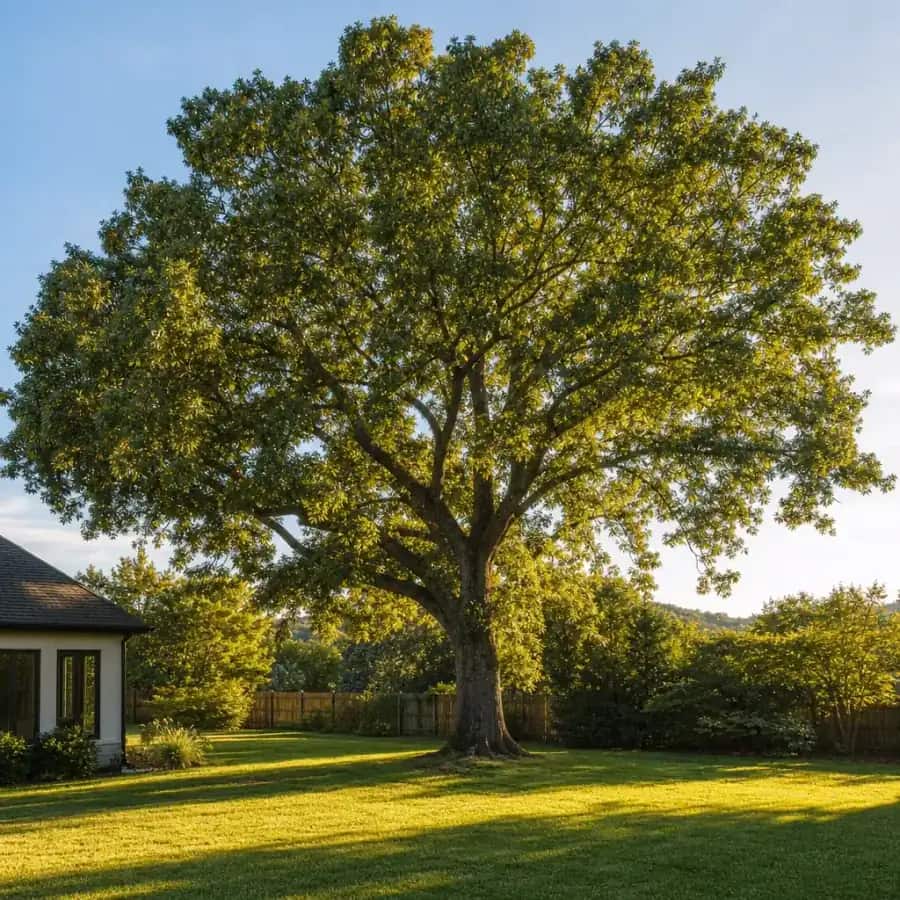
 Zones 4 to 8
Shade Trees
Chinkapin Oak
$579
Shop large, nursery-grown shade, privacy, flowering and fruit trees, delivered by freight in Locust. Every tree is matched to your hardiness zone and backed by our 1-Year Thrive Guarantee.
Enter your ZIP and we'll match trees to your exact growing zone.
Typical winter lows in Locust run about 10 to 15 F.
Matched to Locust's zone
Zones 4 to 8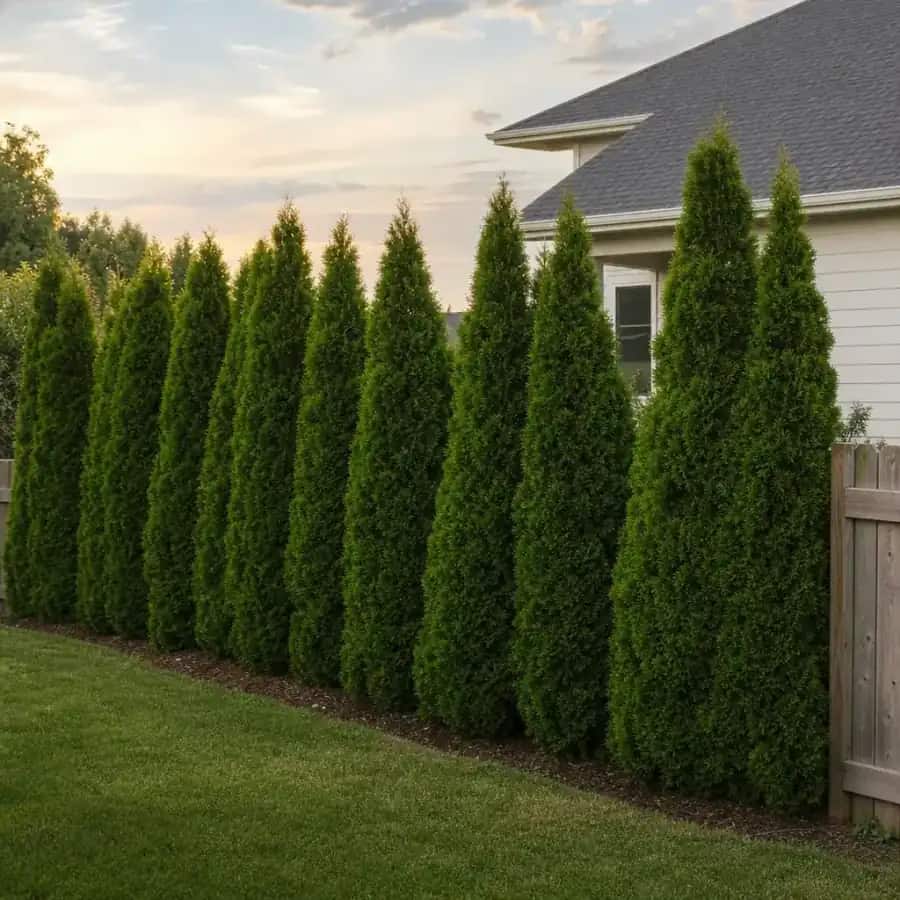 Zones 3 to 8
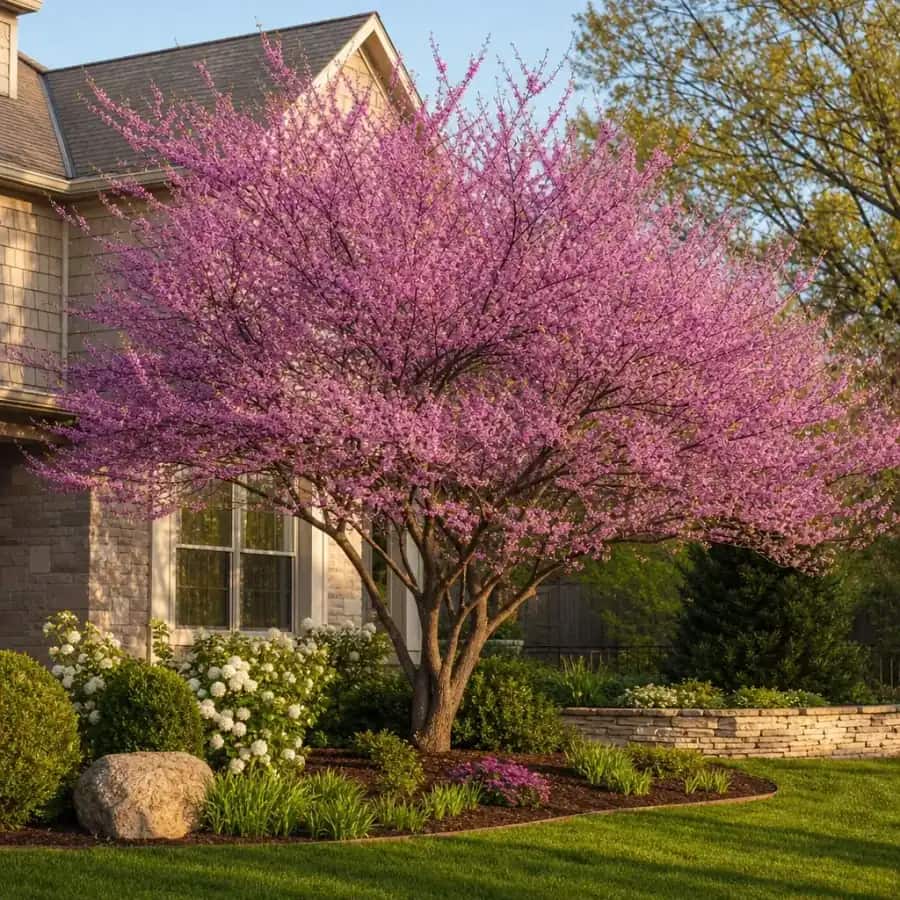 Zones 4 to 9
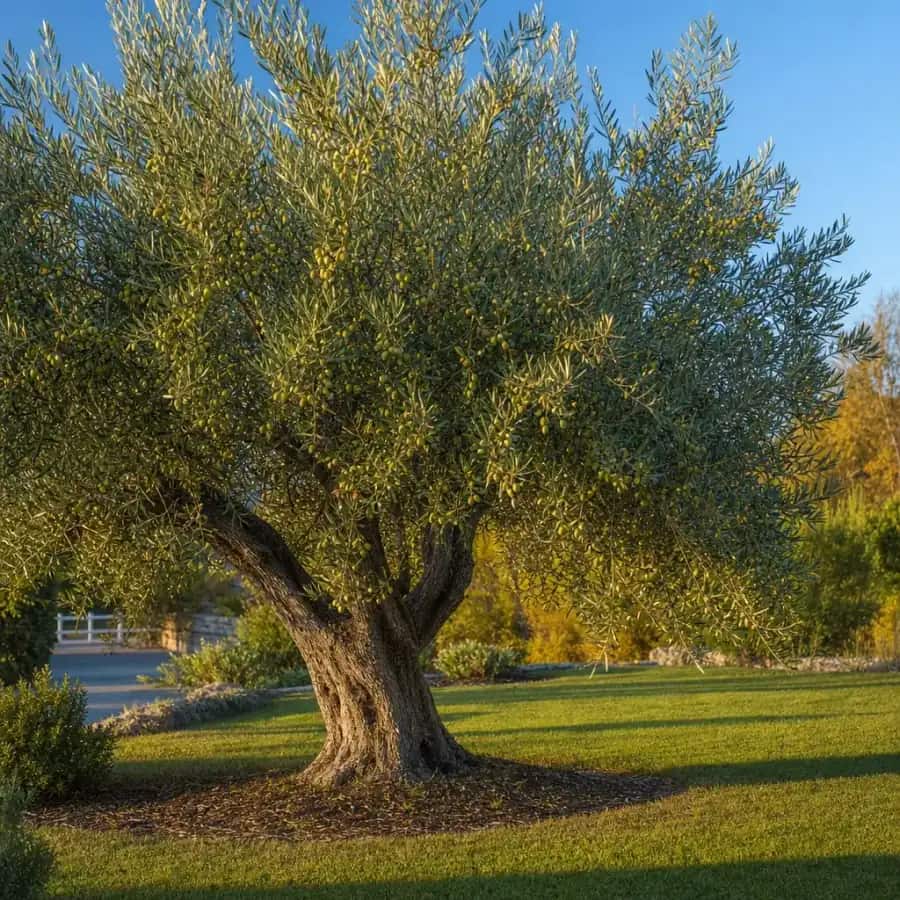 Zones 8 to 11
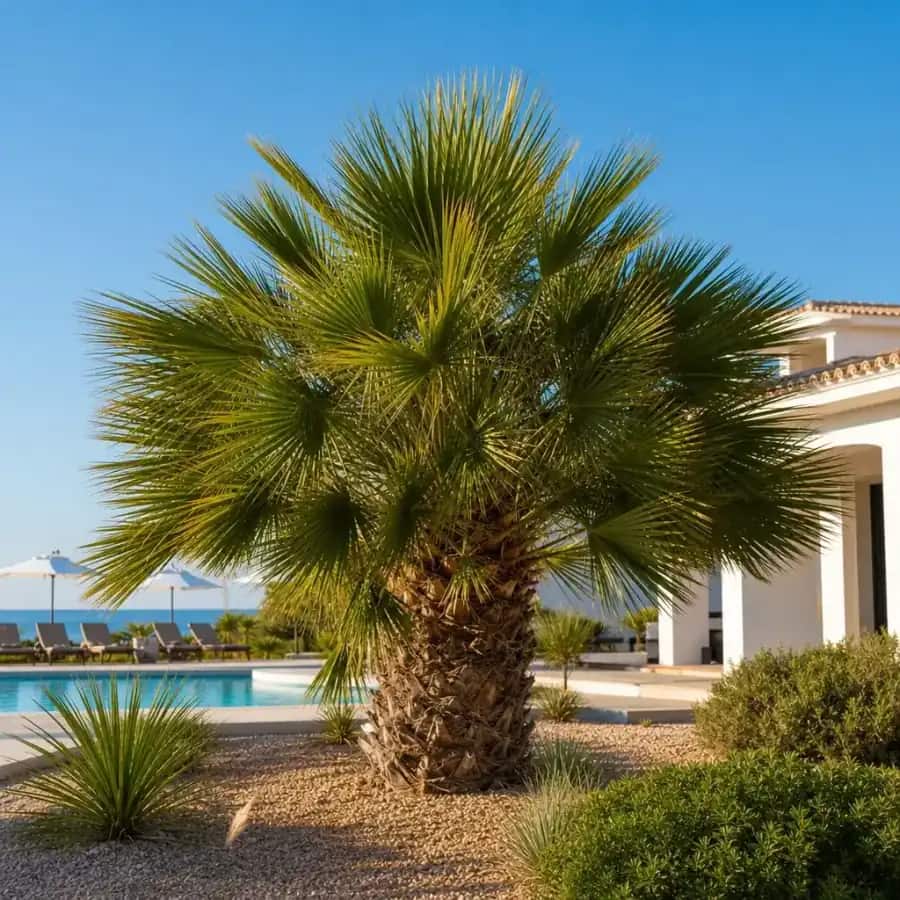 Zones 8 to 11
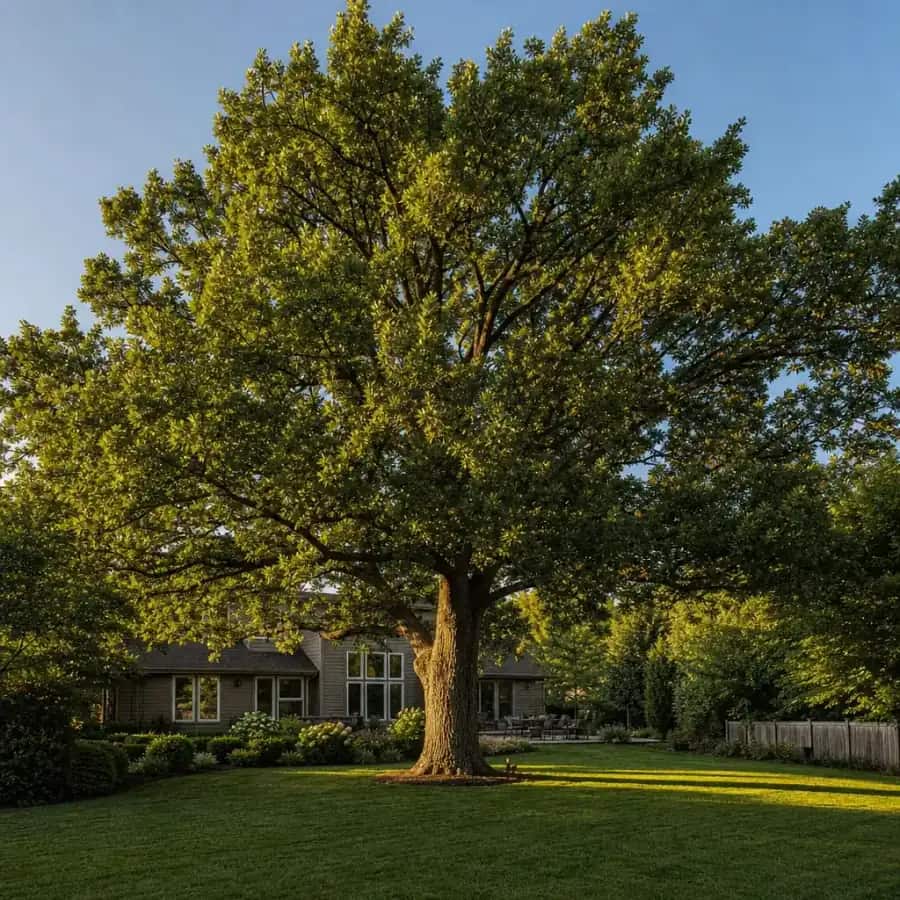 Zones 3 to 8
Shop by category
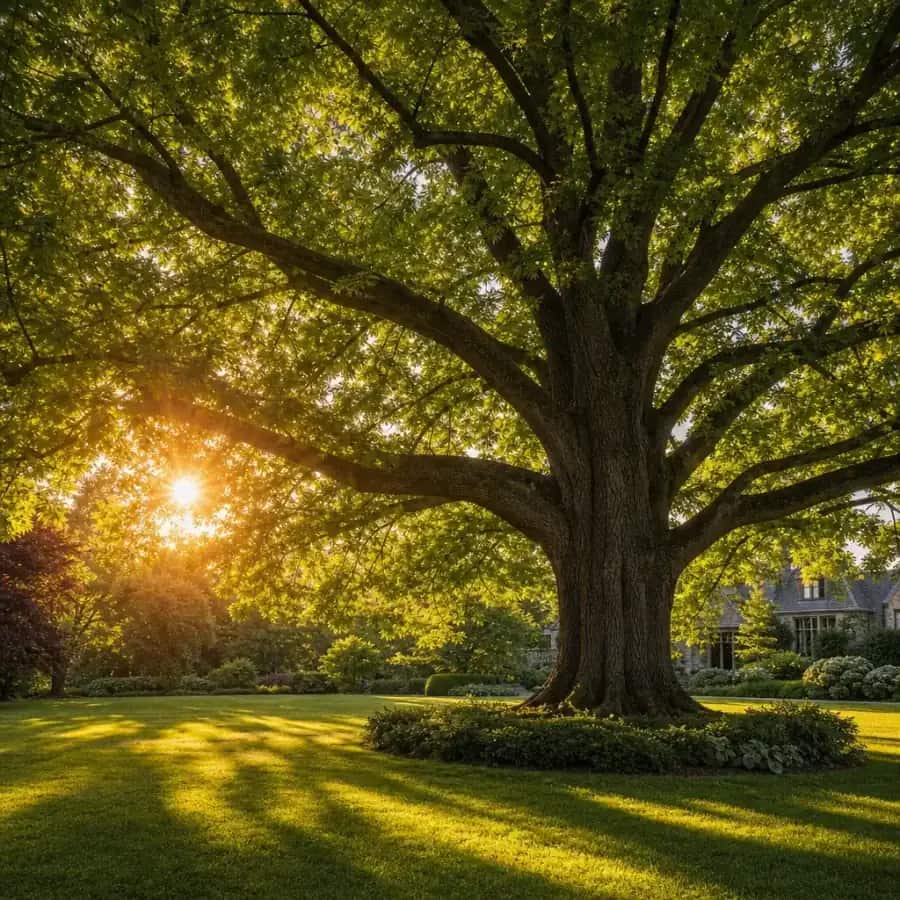 Shade TreesBig canopies like Live Oak and Autumn Blaze Red Maple that cut cooling costs in zone 8a.View all Shade Trees →
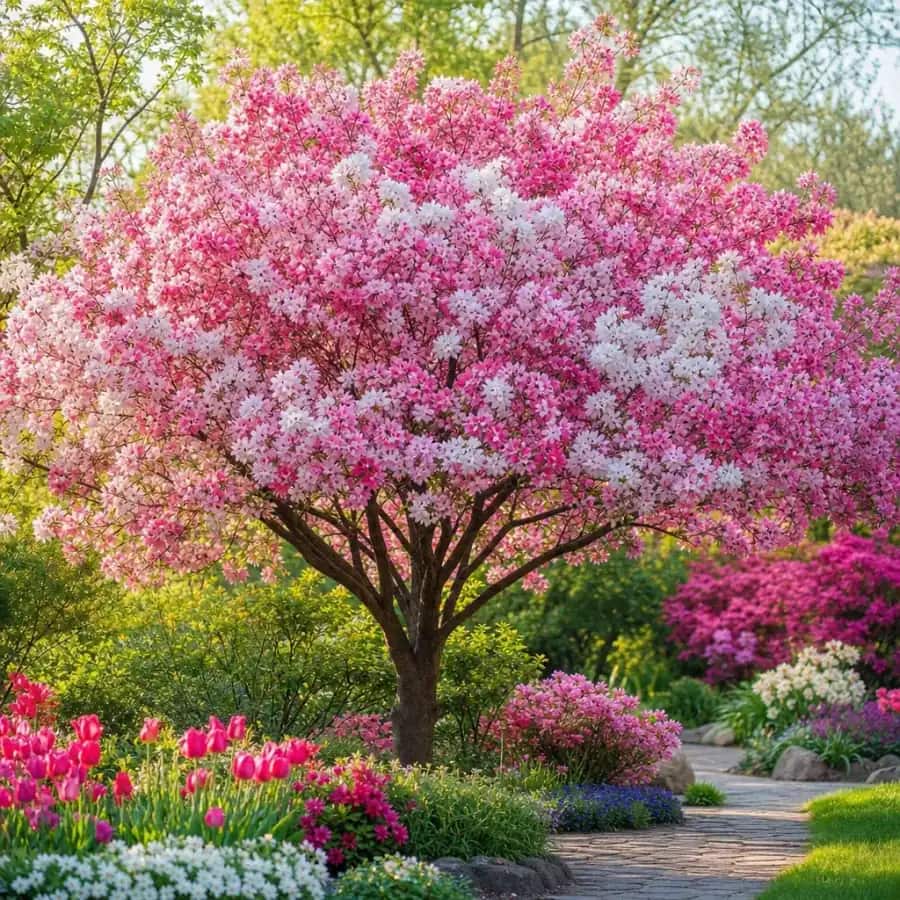 Flowering & OrnamentalCrape myrtle, cherry plum, and Mexican plum add color that holds up to our humid summers.View all Flowering & Ornamental →
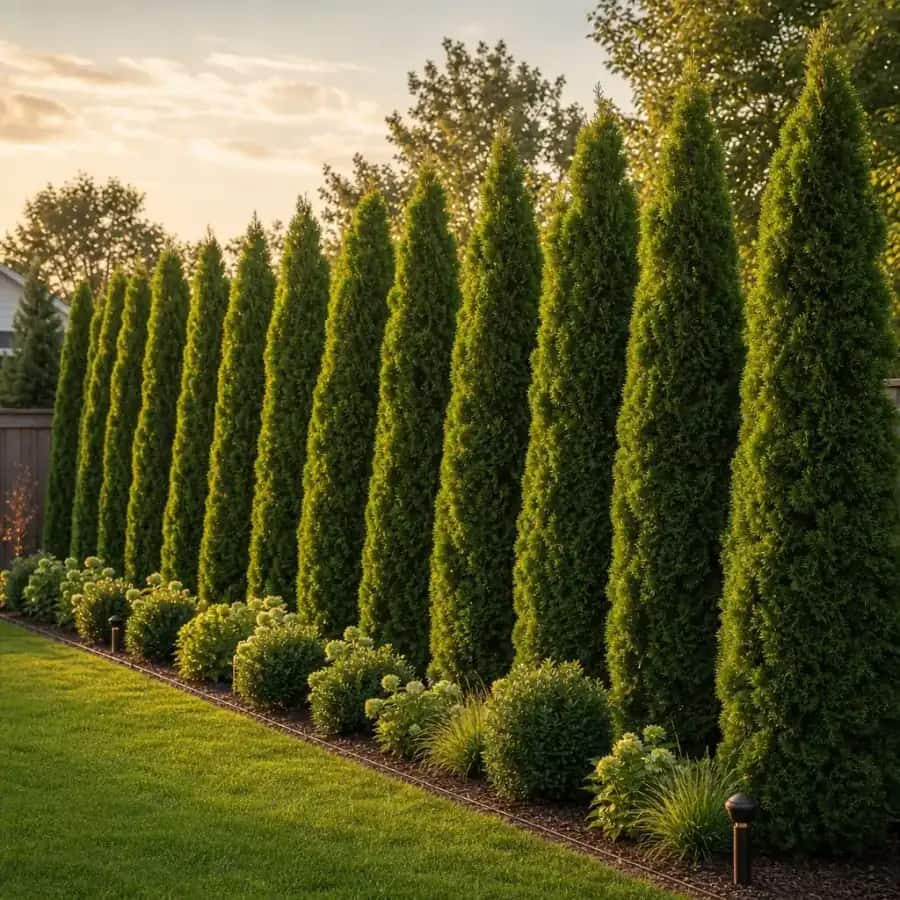 Evergreen & PrivacyYear-round screens from American Pillar Arborvitae and Carolina Sapphire Arizona Cypress.View all Evergreen & Privacy →
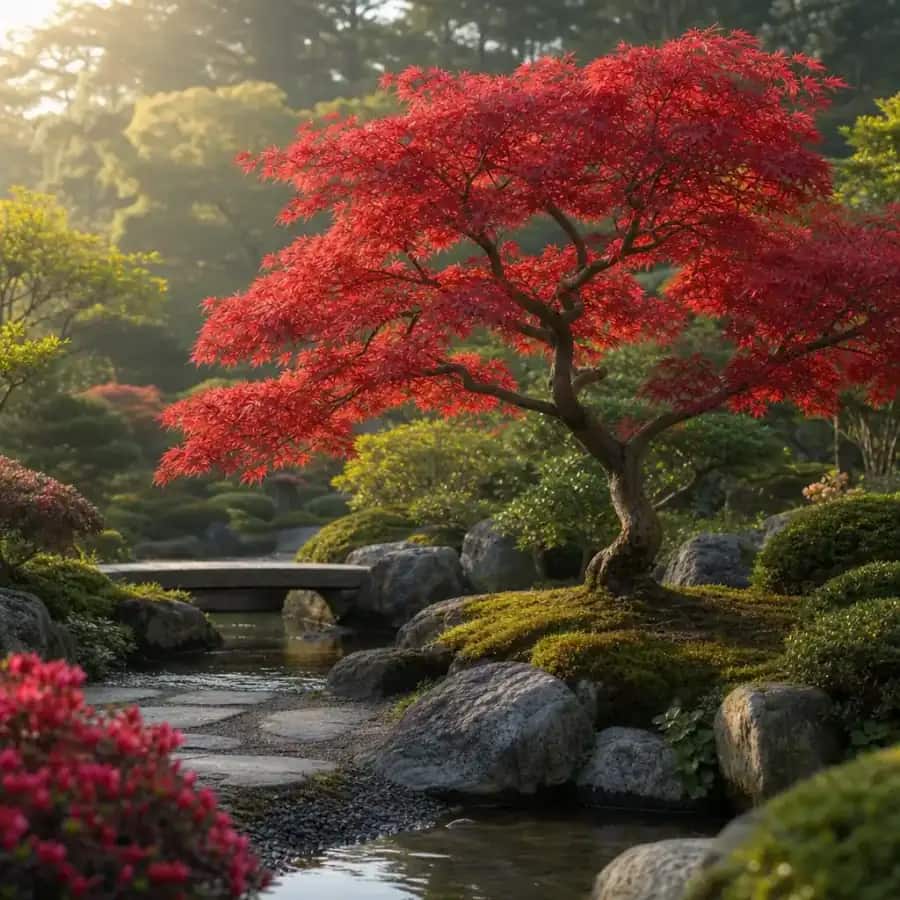 Japanese MaplesLaceleaf varieties that bring delicate texture to shaded corners.View all Japanese Maples →
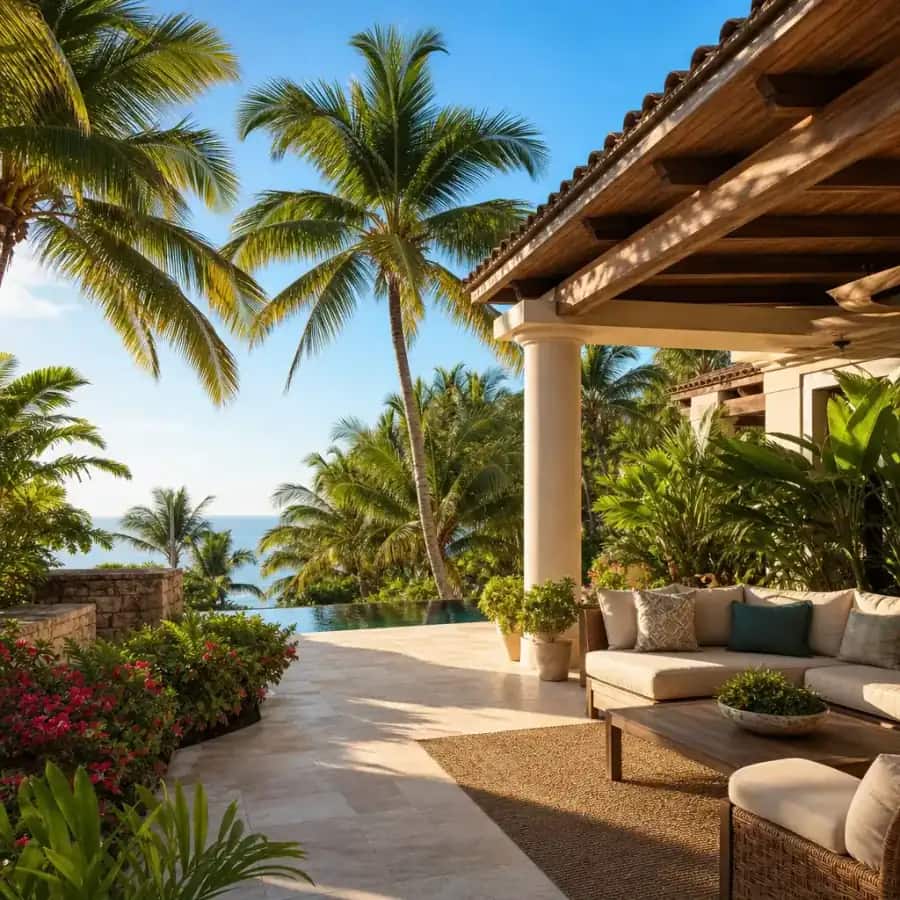 Palms & TropicalsCold-hardy species like the Dwarf Palmetto that survive your winter lows.View all Palms & Tropicals →
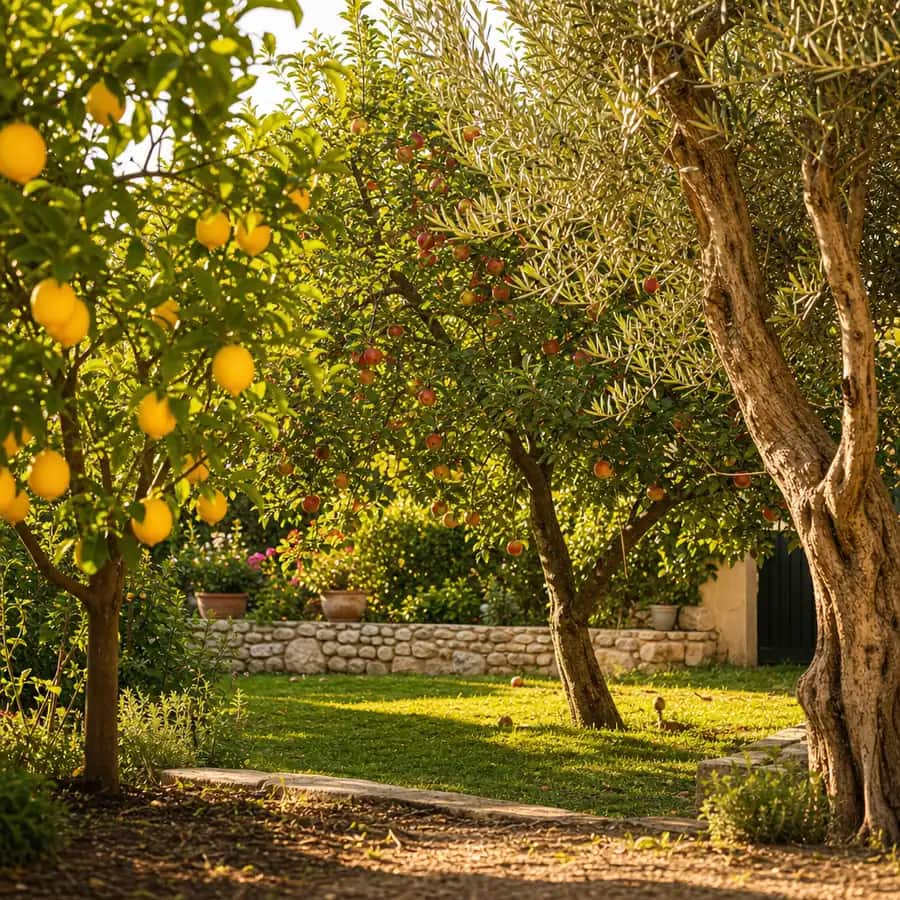 Fruit TreesFig, avocado, and other self-fertile picks that fruit reliably in zone 8a.View all Fruit Trees →
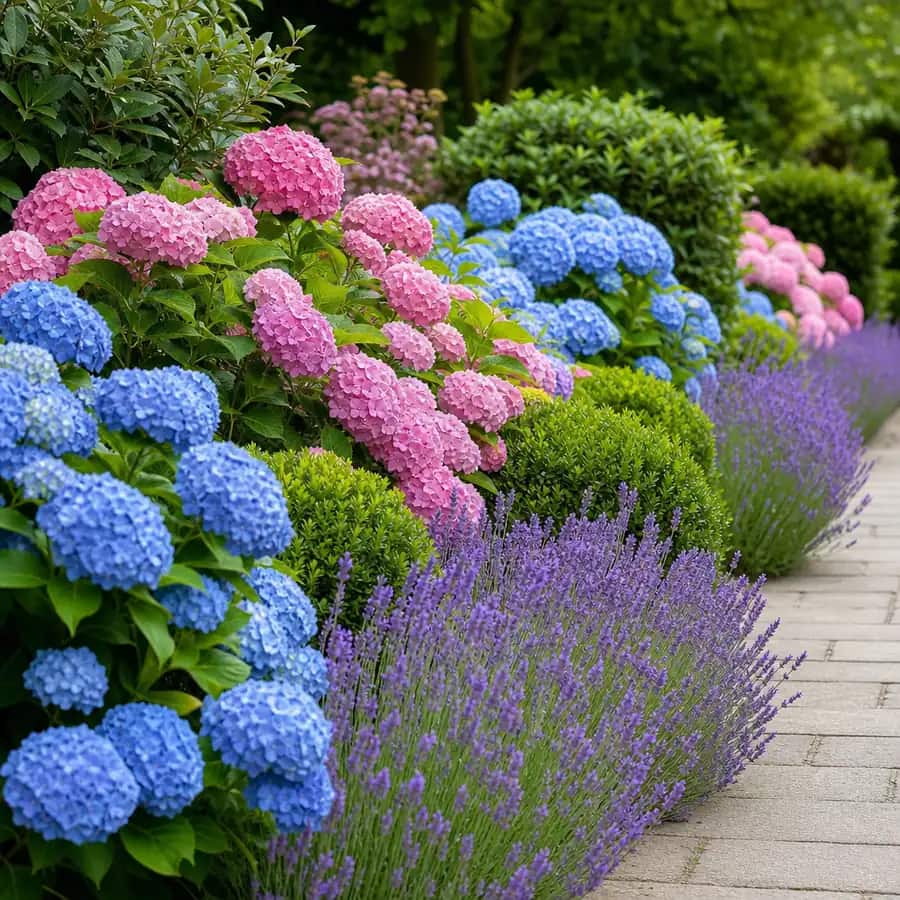 Shrubs & HedgesFoundation plants and border fillers like Nellie Stevens Holly and Endless Summer Hydrangea.View all Shrubs & Hedges →
Local fit, from data
8a
about 10 to 15 F
Stanly County
North Carolina
Arbor Buddy delivers large, nursery-grown trees by freight to residences in Locust, NC 28097. We offer shade, privacy, flowering, and fruit trees that are matched to your hardiness zone. Homeowners and contractors can order online and get trees that arrive ready to plant, backed by a 1-Year Thrive Guarantee. Your zone is 8a, which opens up a broad palette of species that would struggle farther north.
Your ZIP 28097 sits in USDA hardiness zone 8a, where winter lows typically run about 10 to 15 degrees Fahrenheit. That mild floor allows you to grow a mix of classic southern favorites and borderline species that would perish in colder climates. You get the heat and humidity of the Piedmont, which suits crape myrtles, figs, and many evergreens, but you also have occasional cold snaps that rule out truly tropical choices.
Shade trees like the Cedar Elm handle the summer heat without constant watering. Flowering ornamentals bloom reliably because the cold is just enough to trigger dormancy without killing buds. For privacy, columnar junipers and arborvitaes grow well provided they get full sun and good air circulation. If you live in a newer subdivision with smaller lots, slow-growing Japanese maples or dwarf palms give you the same lush feel in a compact footprint.
Overall, trees for zone 8 in Locust should handle both sticky summers and the occasional freeze. Stick with species tagged for zones 7 to 9, and you'll have a landscape that thrives with minimal fuss.
Arbor Buddy ships large, nursery-grown trees directly to your yard in Locust, zone-matched and backed by a 1-Year Thrive Guarantee. Browse the categories above or the featured picks, then order online. Your trees arrive ready to plant in the right season for your area.
ZIP 33844 in Haines City, Florida (FL) sits in zone 10a with winter lows of 30 to 35 F. That warmth keeps frost from threatening citrus and tropicals, so homeowners there plant mangoes and avocados without worry. In practice, buyers here lean toward fruit and palm species that would be marginal in your zone 8a yard. For you, cold-tolerance matters more, which is why the Cold Hardy Avocado and Dwarf Palmetto are smart picks.
ZIP 92176 in San Diego, California (CA) is zone 10b with lows of 35 to 40 F. That gap changes the local shortlist to include truly tender tropicals like bananas and plumeria, species that would not survive a typical Locust winter. Your yard can still host palms and subtropical fruit, but you need the more hardy varieties. The Chicago Hardy Fig and Dwarf Palmetto handle your conditions without extra protection.
ZIP 80236 in Denver, Colorado (CO) is zone 6a, where winter lows drop to -10 to -5 F. That climate limits evergreen privacy screens to conifers like spruce and juniper, and fruit trees to apples and cherries. For your cart, that means your zone 8a gives you a much wider palette of flowering trees, broadleaf evergreens, and fruit options that Denver simply cannot grow. You can choose Japanese maples, crape myrtles, and figs that would perish on the Front Range.
What these contrasts mean for you in Locust: your mild winters let you grow a diverse mix of shade, privacy, and fruit trees without worrying about hard freezes. Focus on species that also handle summer humidity, and you'll have a yard that outperforms both colder and hotter climates.
Arbor Buddy ships large, nursery-grown trees by freight to most addresses in ZIP 28097. Because these are landscape-size trees, a freight truck will need a street wide enough to stop and unload. You should be home to receive the tree, inspect it, and decide where you want it drop-shipped. The tree is matched to your zone before it leaves the nursery, so it's ready for your ground.
Every tree comes with a 1-Year Thrive Guarantee: if it doesn't survive its first year, we replace it free. For zone 8, orders travel in the fall-to-early-spring stretch, not peak summer. That timing gives the tree a chance to establish before the hot weather hits.
Before delivery day, check:
Enter your ZIP, shop only what thrives in your zone.
Freight delivery to your address: $149 flat per order, shown at checkout.
Plant it, watch it thrive, covered for one year.
Good to know · Growing guide
Coverage runs a full year from delivery. If something goes wrong, contact the team and they arrange the replacement. No store-credit games, no fine-print maze.