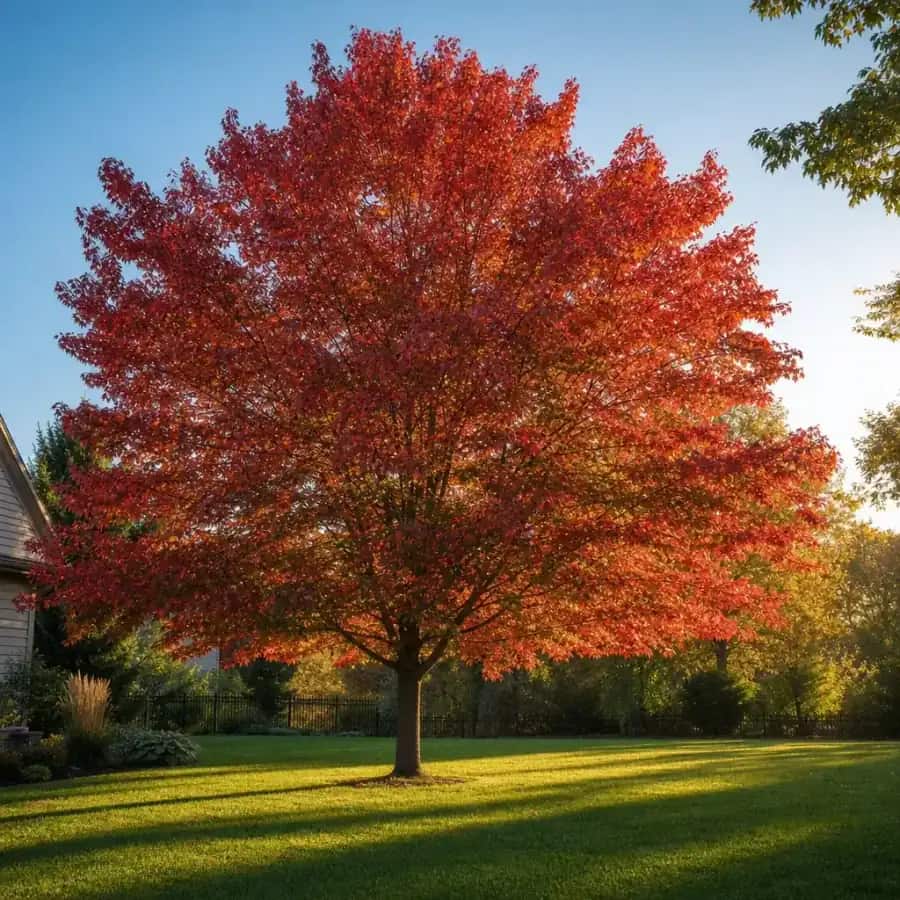
 Zones 3 to 8
Shade Trees
Autumn Blaze Red Maple
$60
Shop large, nursery-grown shade, privacy, flowering and fruit trees, delivered by freight in Alamance County. Every tree is matched to your hardiness zone and backed by our 1-Year Thrive Guarantee.
Enter your ZIP and we'll match trees to your exact growing zone.
Typical winter lows in Alamance County run about 10 to 15 F.
Matched to Alamance County's zones
Zones 3 to 8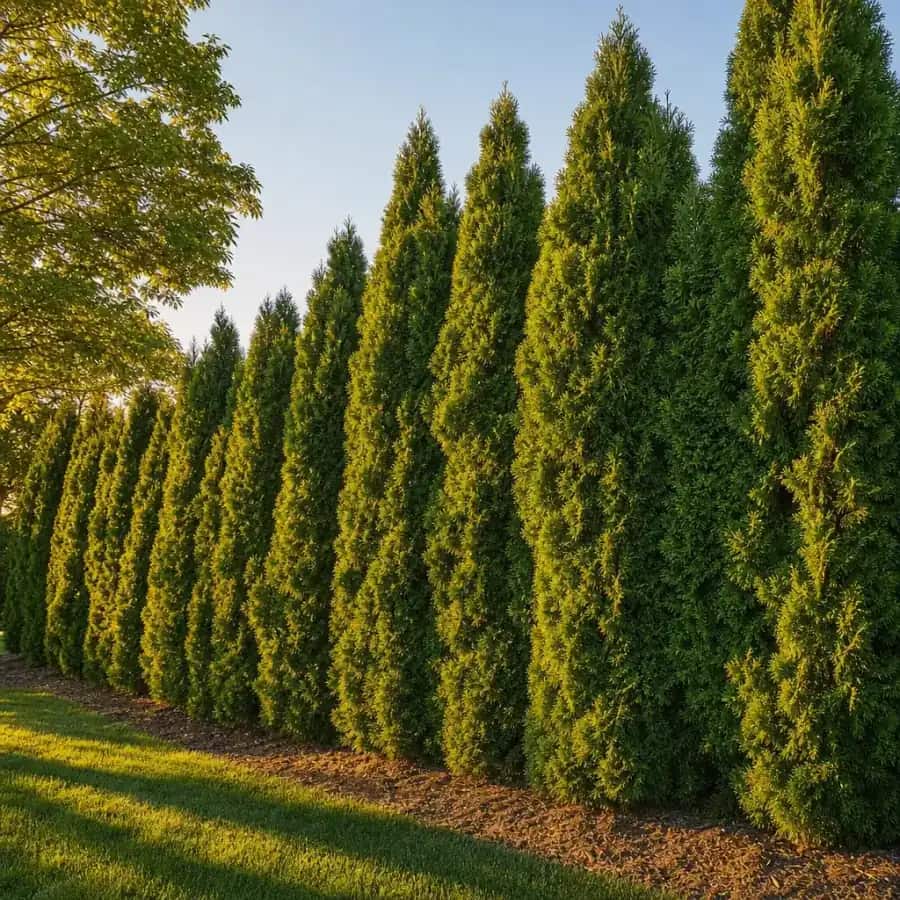 Zones 5 to 8
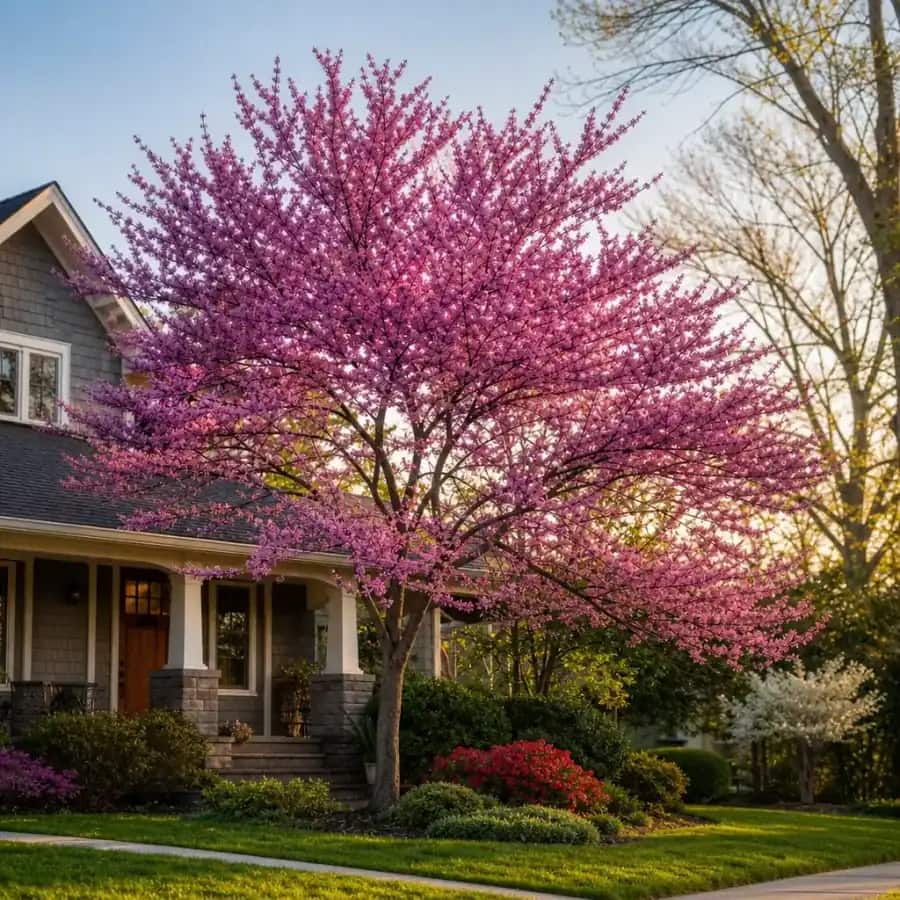 Zones 4 to 9
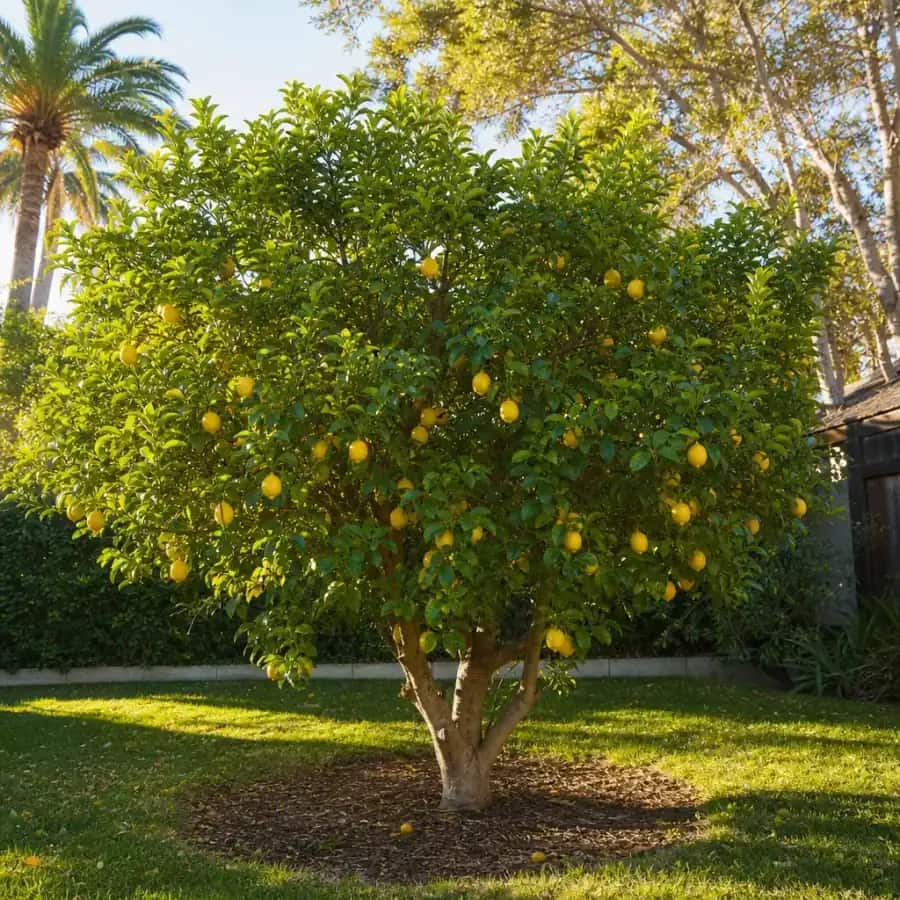 Zones 8 to 11
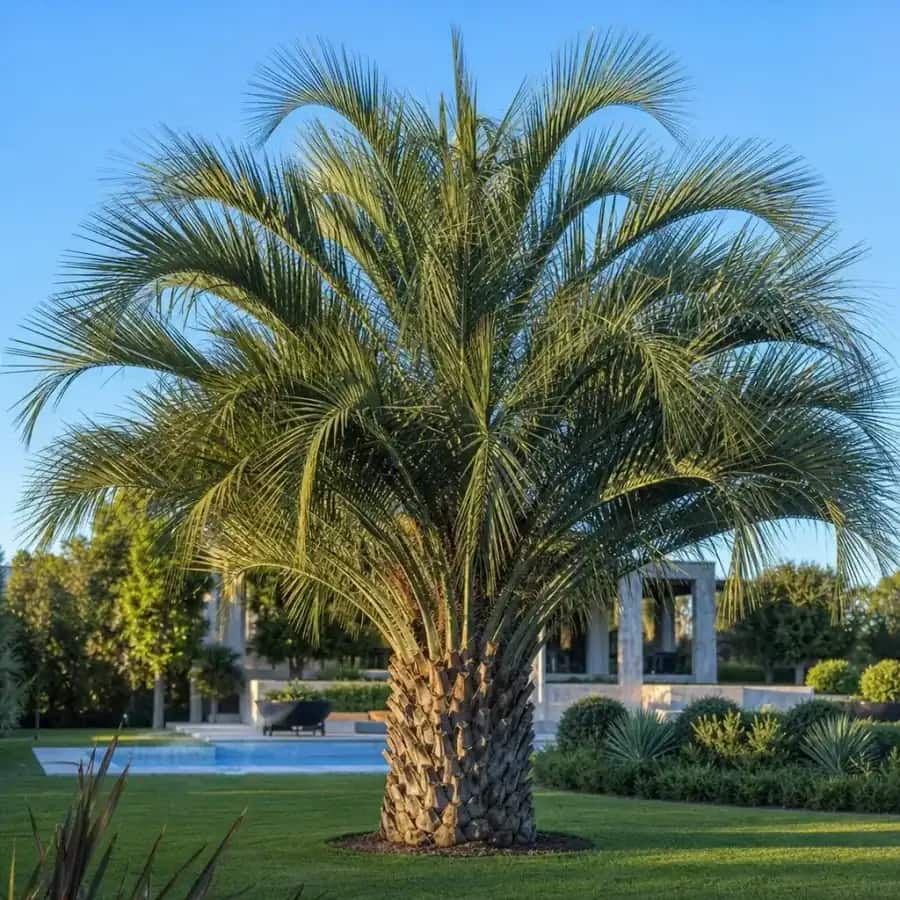 Zones 8 to 11
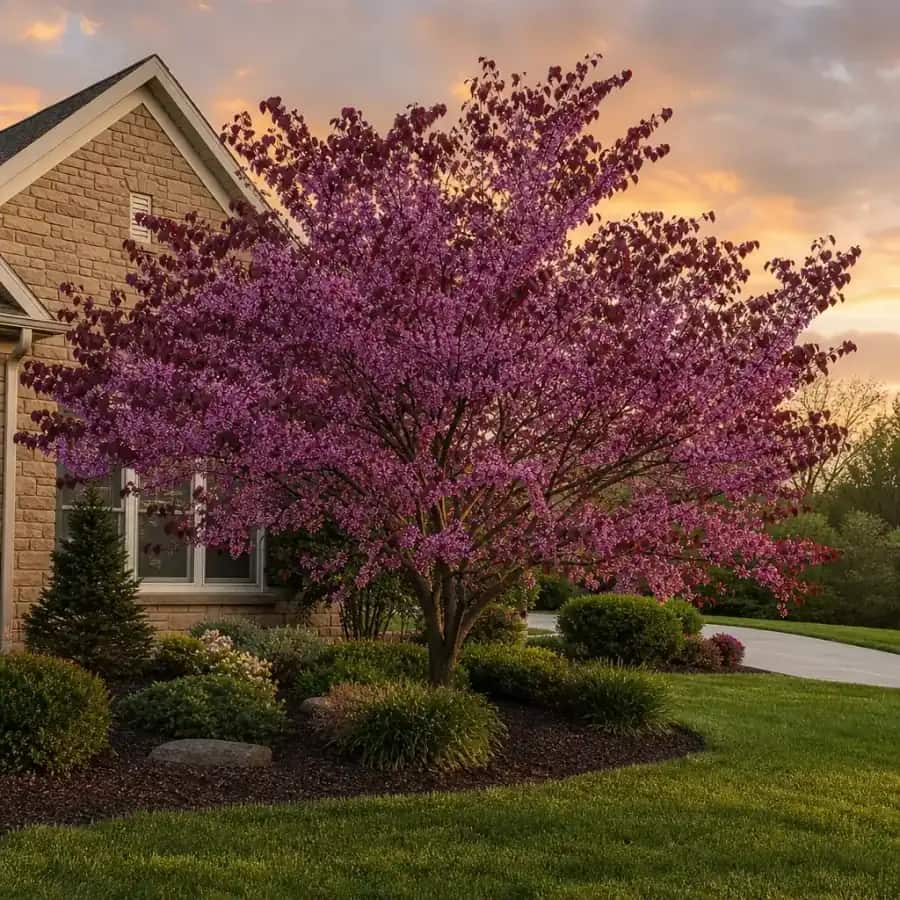 Zones 4 to 9
Shop by category
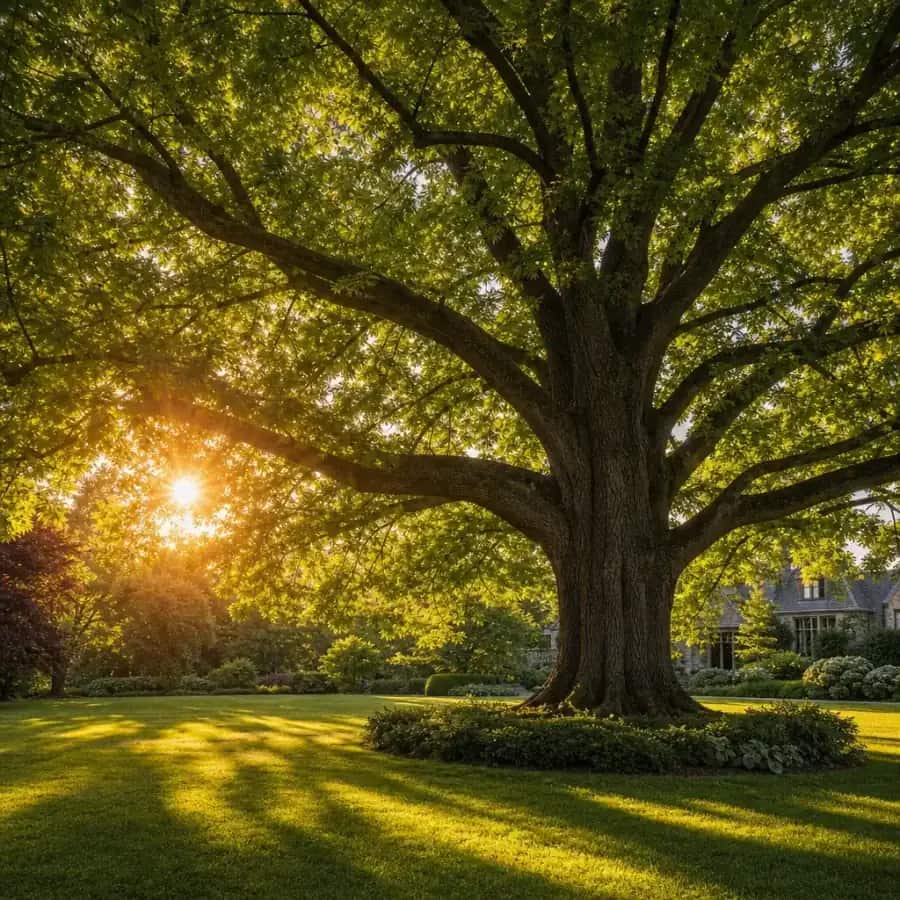 Shade TreesBroad canopies beat summer heat in zone 8 without harsh winter dieback.View all Shade Trees →
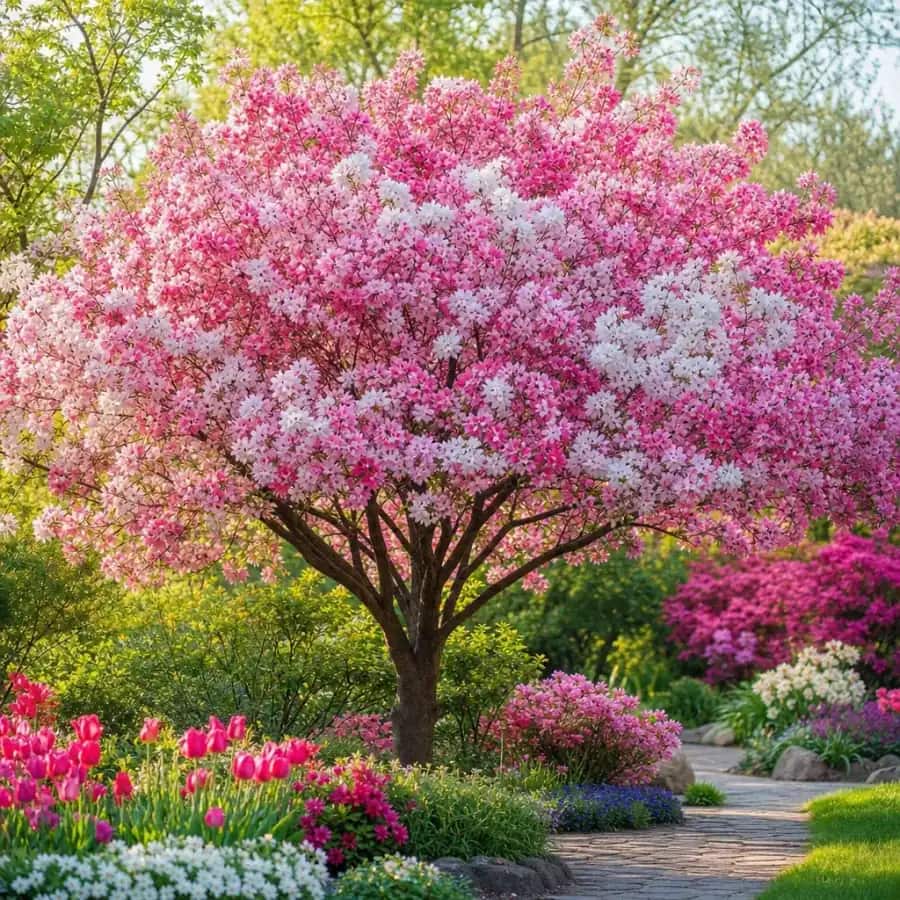 Flowering & OrnamentalReliable blooms through warm seasons with moderate chill hours.View all Flowering & Ornamental →
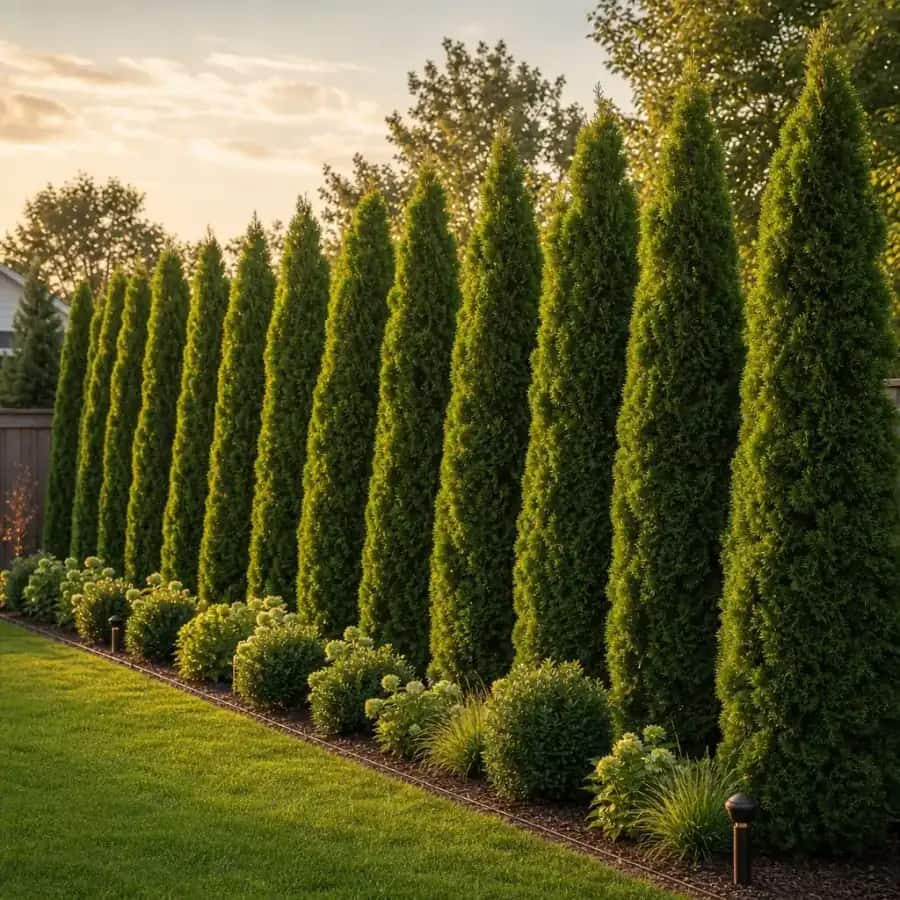 Evergreen & PrivacyYear-round screening tolerates humid summers but can handle occasional freezes.View all Evergreen & Privacy →
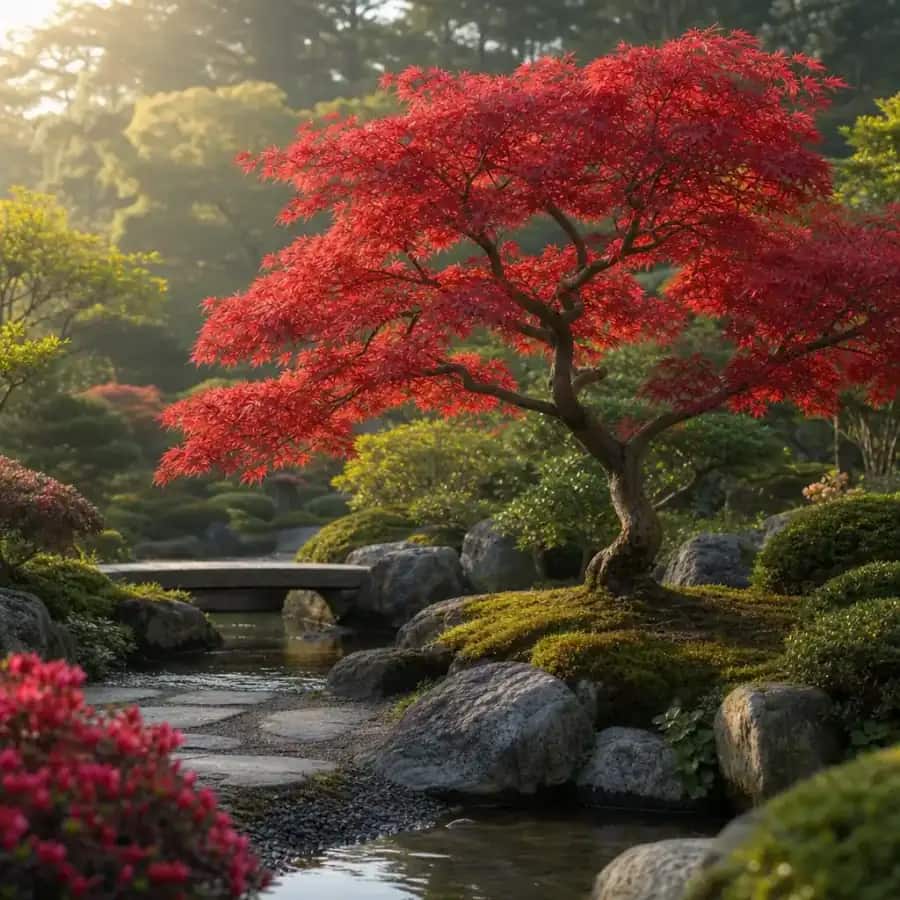 Japanese MaplesLaceleaf forms need afternoon shade in zone 8 to avoid leaf scorch.View all Japanese Maples →
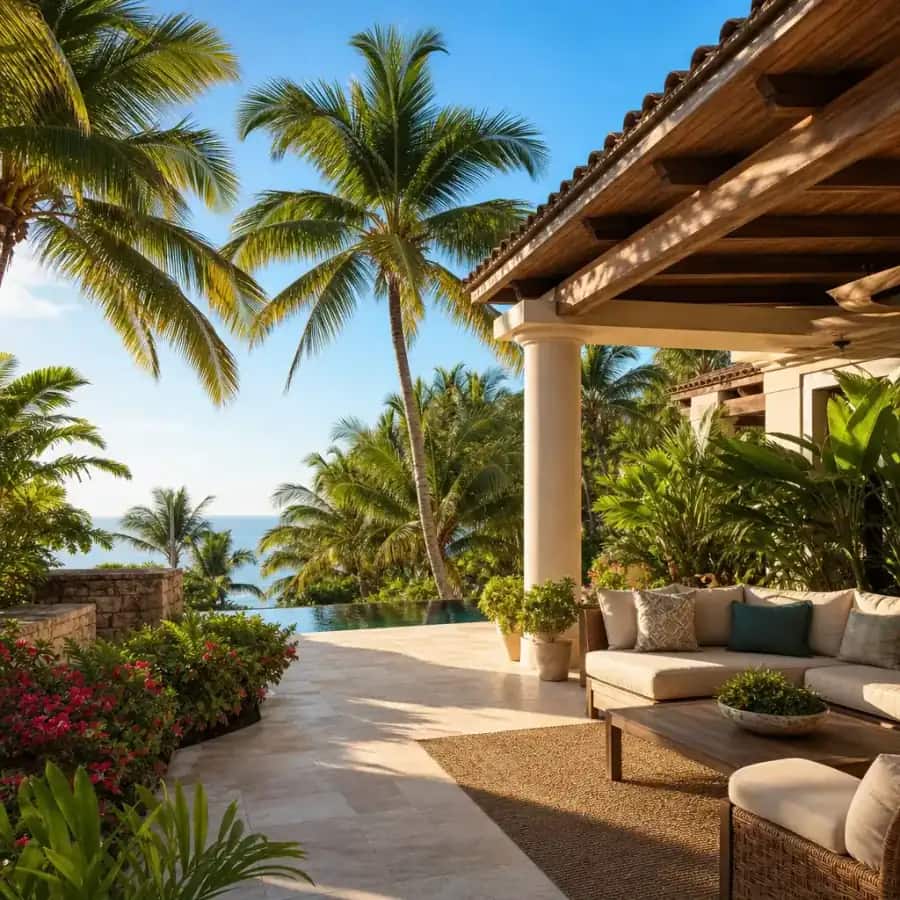 Palms & TropicalsCold-hardy species like Dwarf Palmetto shrug off zone 8 winter lows.View all Palms & Tropicals →
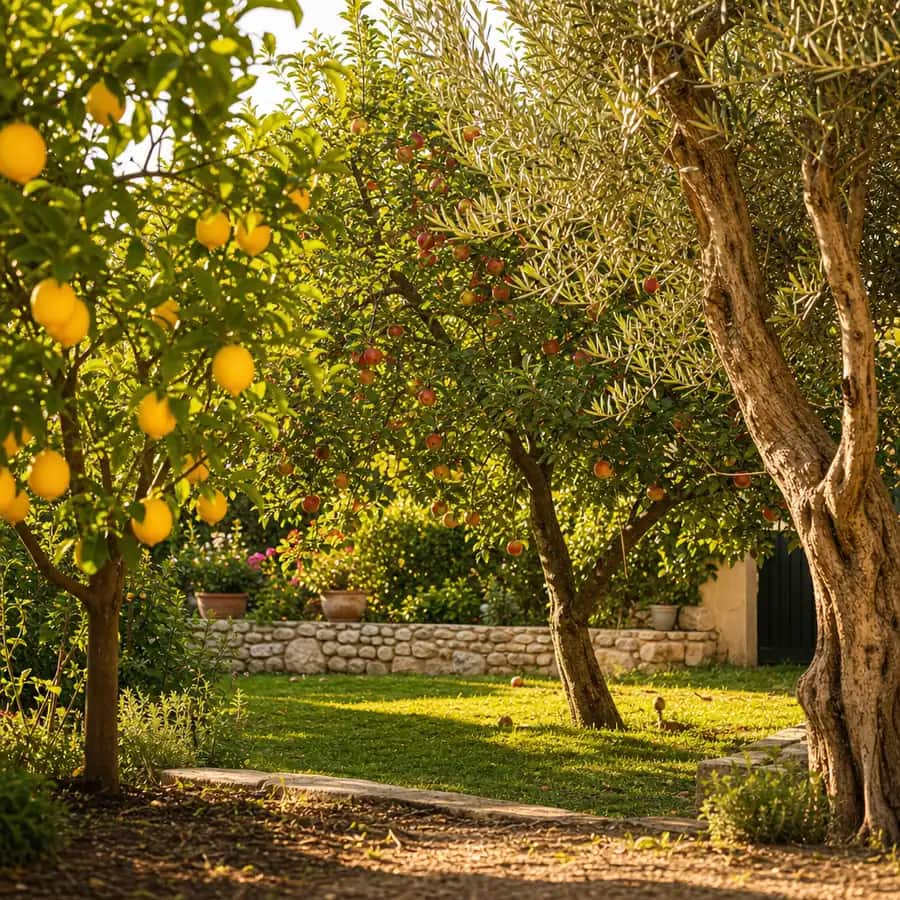 Fruit TreesApples, figs, and citrus need protection from rare deep freezes but produce well.View all Fruit Trees →
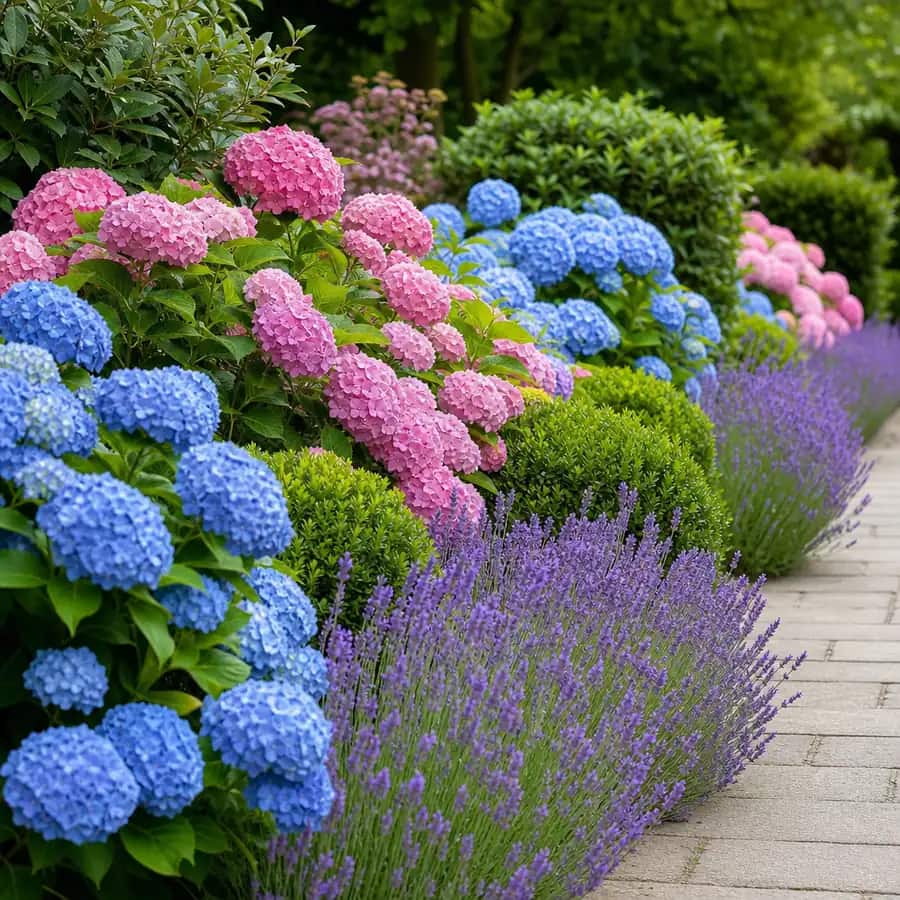 Shrubs & HedgesEvergreen shrubs anchor borders with minimal winter dieback.View all Shrubs & Hedges →
Local fit, from data
8a
about 10 to 15 F
12
Burlington
Arbor Buddy delivers large, nursery-grown shade, privacy, and fruit trees in Alamance County, North Carolina (NC) right to your home. We ship by freight and match every tree to the county's hardiness zone. With zone 8a and typical winter lows around 10 to 15 F, homeowners and contractors can pick from proven picks for this mild climate.
Alamance County spans zone 8a across its 12 ZIP codes. Typical winter lows run about 10 to 15 F. That mild envelope lets you grow many trees that would struggle in colder zones, including crape myrtles, palms, and early-blooming fruit trees.
The county's humid summers and occasional cold snaps mean trees for zone 8 in Alamance County should tolerate heat and some moisture. Western parts near higher ground may see brief freezes, so choose cold-hardy varieties if planting in those spots. Suburban core areas around Burlington stay warmer, making them ideal for borderline species.
Leaf scorch can affect Japanese maples and laceleaf varieties during prolonged dry heat. Plant them where they receive afternoon shade. Crape myrtles and pond cypress handle humidity well and reward you with reliable performance.
Weeping Willow and Pond Cypress both suit zone 8 well. Weeping willow provides fast shade near damp areas, and pond cypress offers fine-textured foliage in wet soil. Both tolerate the county's mild winters and humid summers.
Crape myrtles, palms like Dwarf Palmetto, and cold-hardy fruit trees such as Honeycrisp Apple all thrive in zone 8a. The typical winter lows of 10 to 15 F allow a wide mix of deciduous and evergreen species.
Yes, we ship by freight to addresses across the county, including Burlington and the surrounding 12 ZIP codes. Deliveries align with the cooler months, fall to early spring, to protect the tree during transit.
If a tree you order from Arbor Buddy does not survive the first year after planting, we replace it at no charge. The guarantee covers all trees shipped to Alamance County, giving you peace of mind as your tree establishes.
Pick from our zone-matched tree selection and have it delivered to your yard. Each tree ships with the 1-Year Thrive Guarantee and arrives ready to plant. Browse your options and place an order for the trees that fit your Alamance County landscape.
Indiana County, Pennsylvania (PA) sits in zone 6a to 6b with typical winter lows from -10 to 0 F. Here, the zone usually pushes the choice toward extra-cold-hardy species like spruce or birch. Alamance County's milder winters allow you to grow crape myrtles and palms that Pennsylvania buyers cannot easily keep. The practical difference is that your selection leans toward warmth-loving ornamentals, while Indiana County buyers prioritize cold tolerance.
Minnehaha County, South Dakota (SD) falls in zone 4b to 5a with winter lows reaching -25 to -15 F. The practical difference is staggering. Heat and humidity tolerance is not a concern there; the challenge is surviving deep freezes. Locally, that points buyers toward trees that can handle both humidity and brief freezes without winterkill. Your yard in Alamance rarely sees those extremes, so you can plant species like crape myrtles or Japanese maples that would fail in South Dakota.
Kenosha County, Wisconsin (WI) experiences zone 5b to 6a with lows from -15 to -5 F. Drought tolerance matters less there than selecting trees that survive hard frosts. Locally, that points buyers toward choices like weeping willow or pond cypress that can handle occasional dry spells but also need enough moisture. For Alamance County, the contrast means you have far more flexibility: you can pick from nearly the full tree catalog, while those in colder zones must rule out many favorites.
The real takeaway: your zone 8 conditions in Alamance County open up a broad palette of shade, flowering, and fruit trees that buyers in colder counties simply cannot grow.
Arbor Buddy ships trees by freight to much of Alamance County. Every tree arrives nursery-grown at a usable landscape size, matched to your zone before shipping. We back each tree with the 1-Year Thrive Guarantee: if it does not survive its first year, we replace it free. In zone 8, shipments are timed for the cooler months, fall to early spring.
Before delivery day, check:
Enter your ZIP, shop only what thrives in your zone.
Freight delivery to your address: $149 flat per order, shown at checkout.
Plant it, watch it thrive, covered for one year.
Good to know · Growing guide
Coverage runs a full year from delivery. If something goes wrong, contact the team and they arrange the replacement. No store-credit games, no fine-print maze.