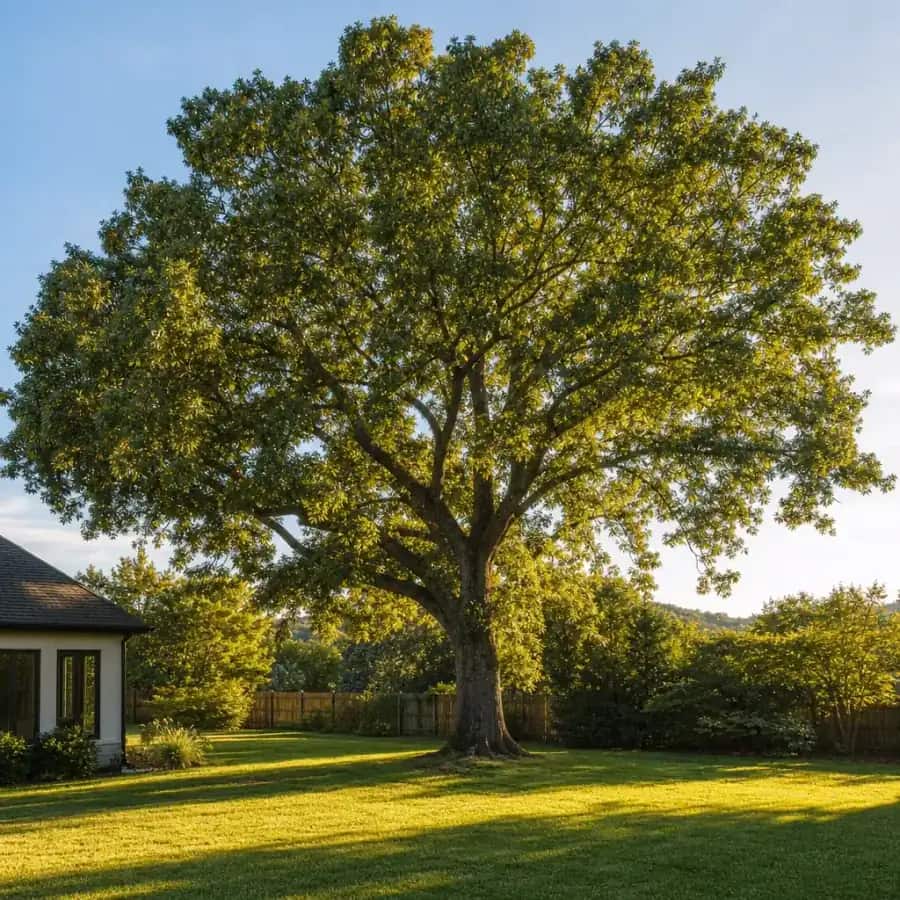
 Zones 4 to 8
Shade Trees
Chinkapin Oak
$579
Shop large, nursery-grown shade, privacy, flowering and fruit trees, delivered by freight in Lincoln County. Every tree is matched to your hardiness zone and backed by our 1-Year Thrive Guarantee.
Enter your ZIP and we'll match trees to your exact growing zone.
Typical winter lows in Lincoln County run about 10 to 15 F.
Matched to Lincoln County's zones
Zones 4 to 8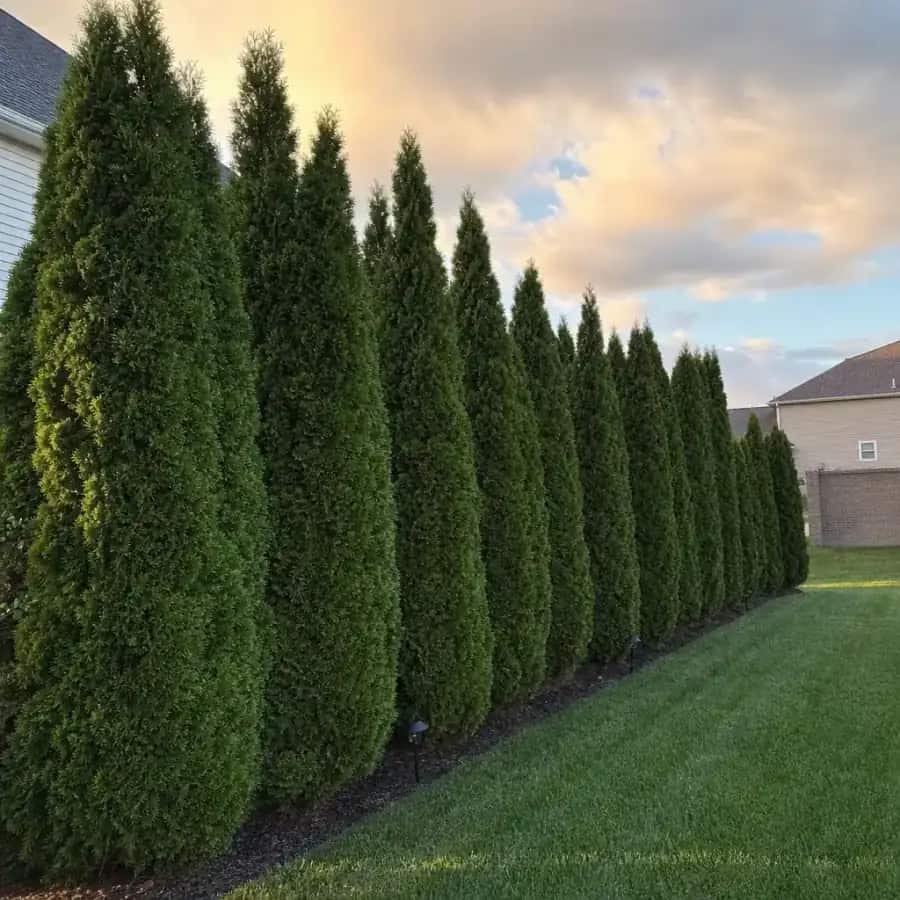 Zones 3 to 8
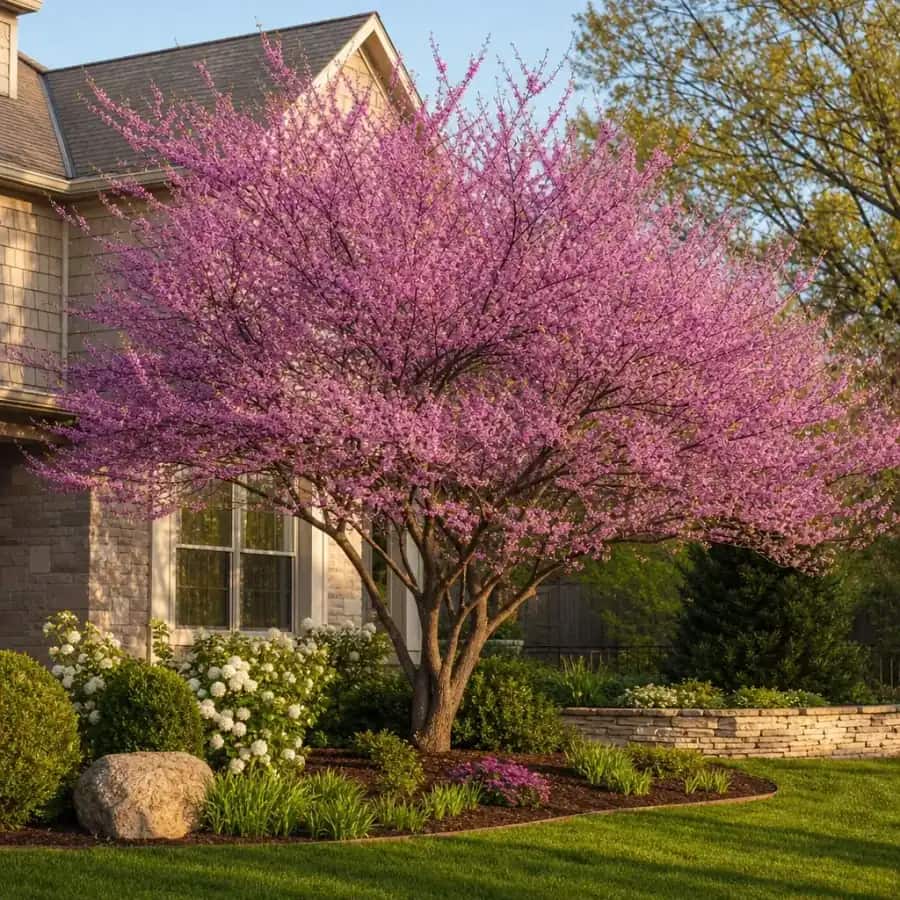 Zones 4 to 9
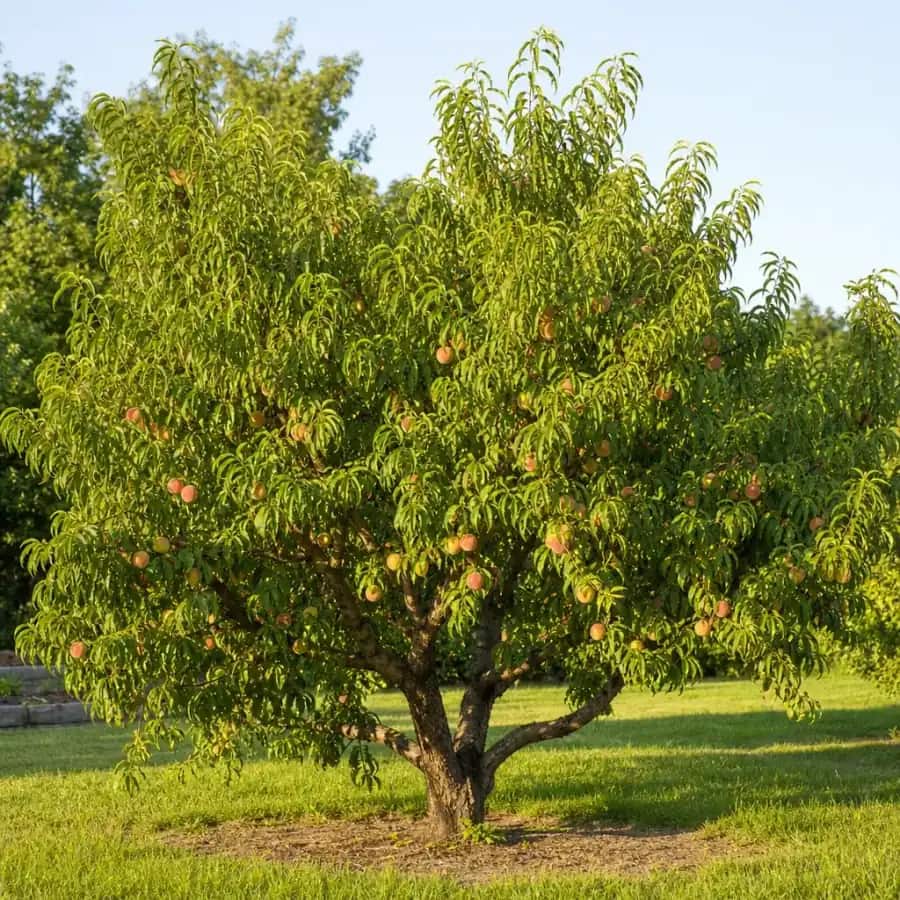 Zones 5 to 9
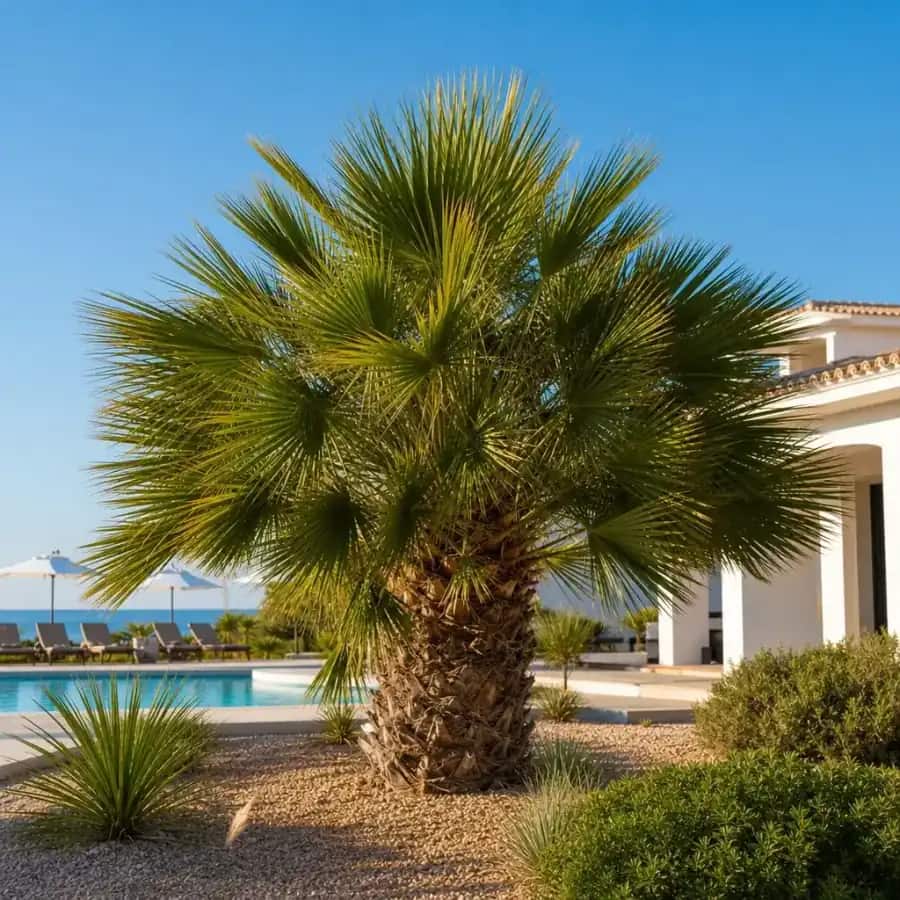 Zones 8 to 11
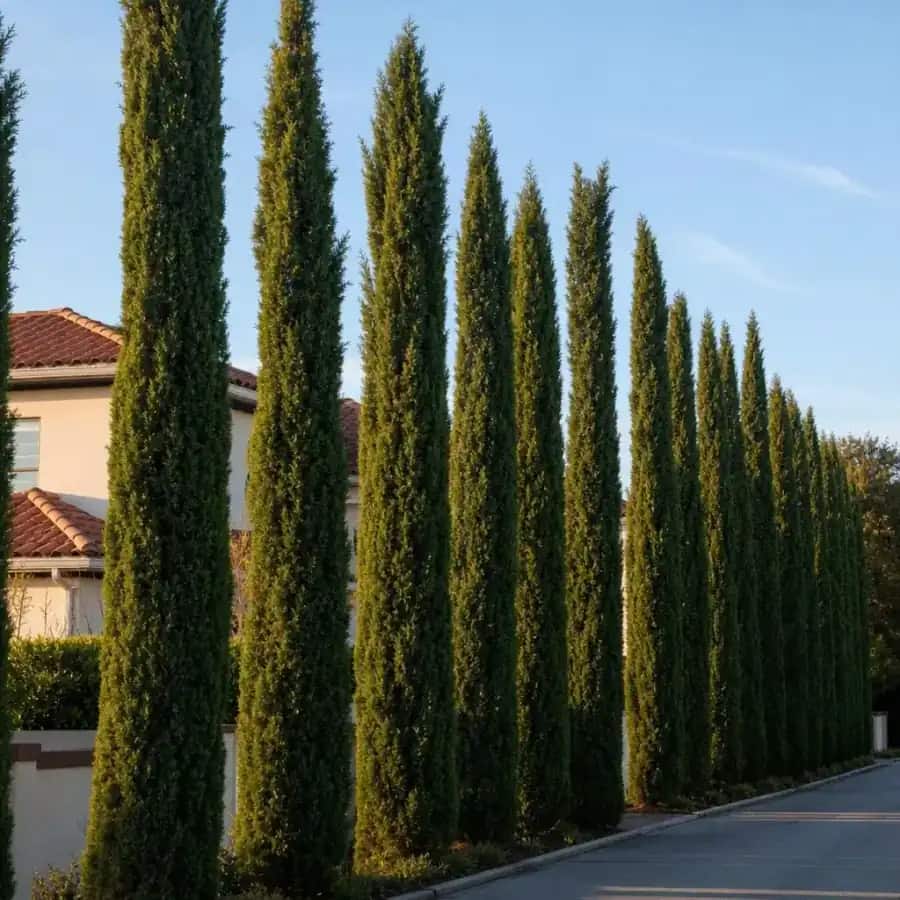 Zones 7 to 11
Shop by category
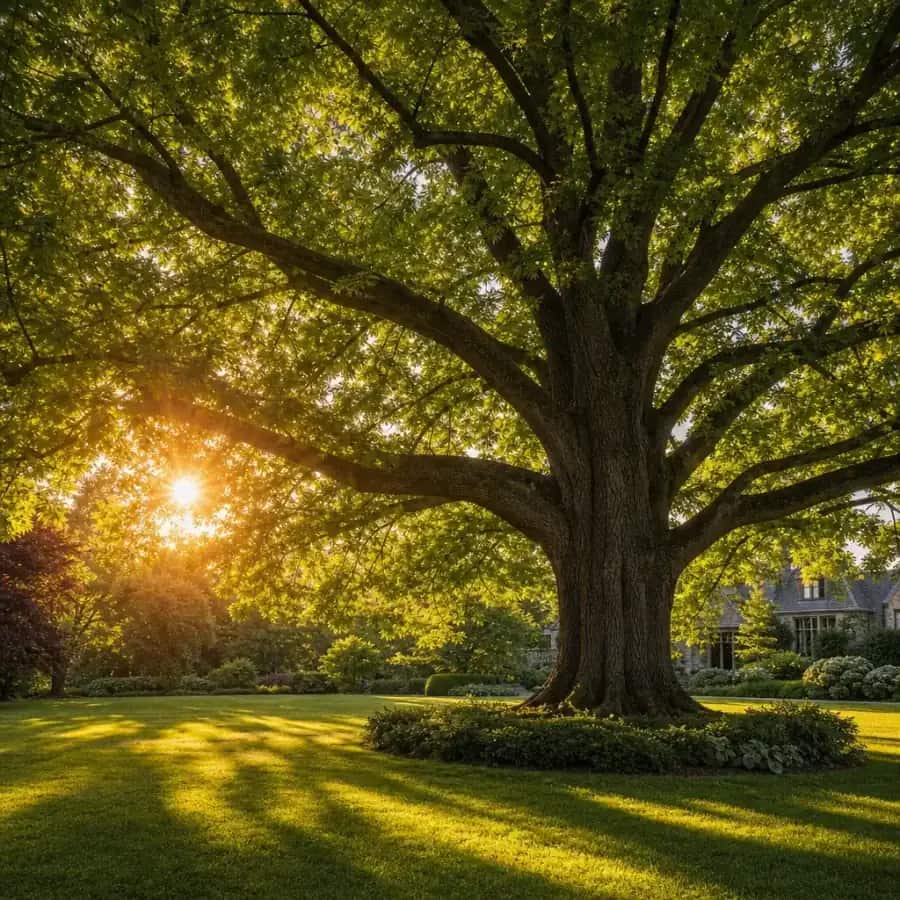 Shade TreesBur Oak drops big shade. Fast-growing options like Cedar Elm also suit zone 8.View all Shade Trees →
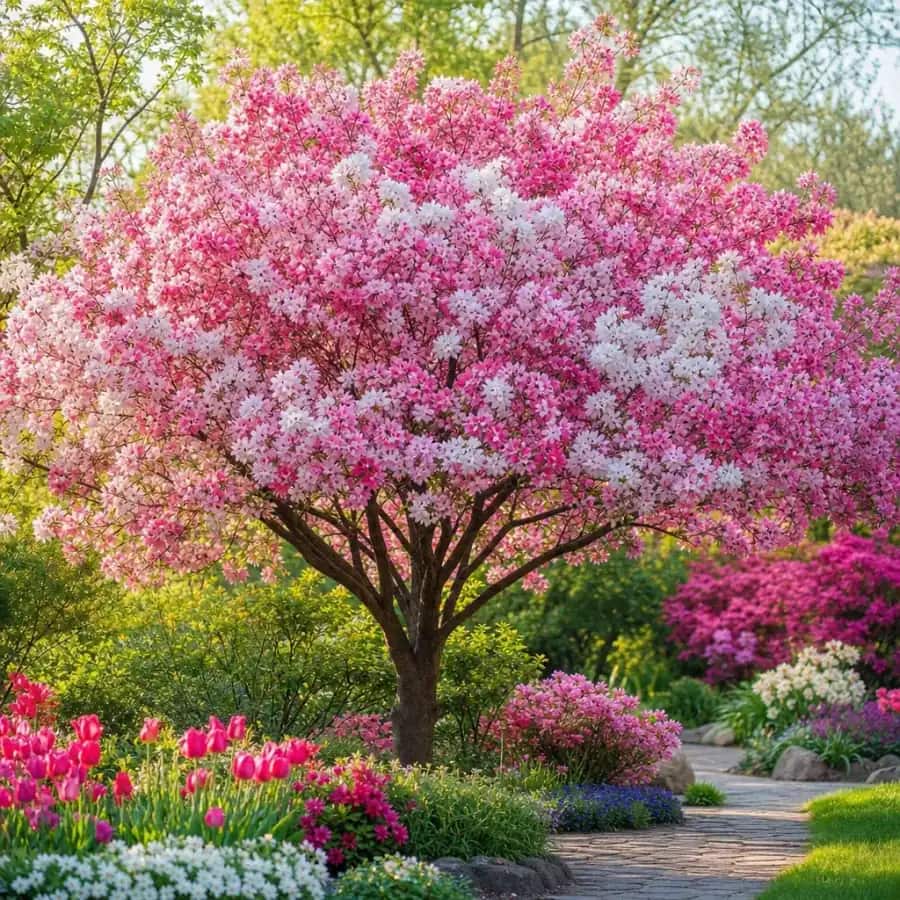 Flowering & OrnamentalThunderstruck Coral Boom Crape Myrtle brings heat-proof color. The Rising Sun Redbud blooms early.View all Flowering & Ornamental →
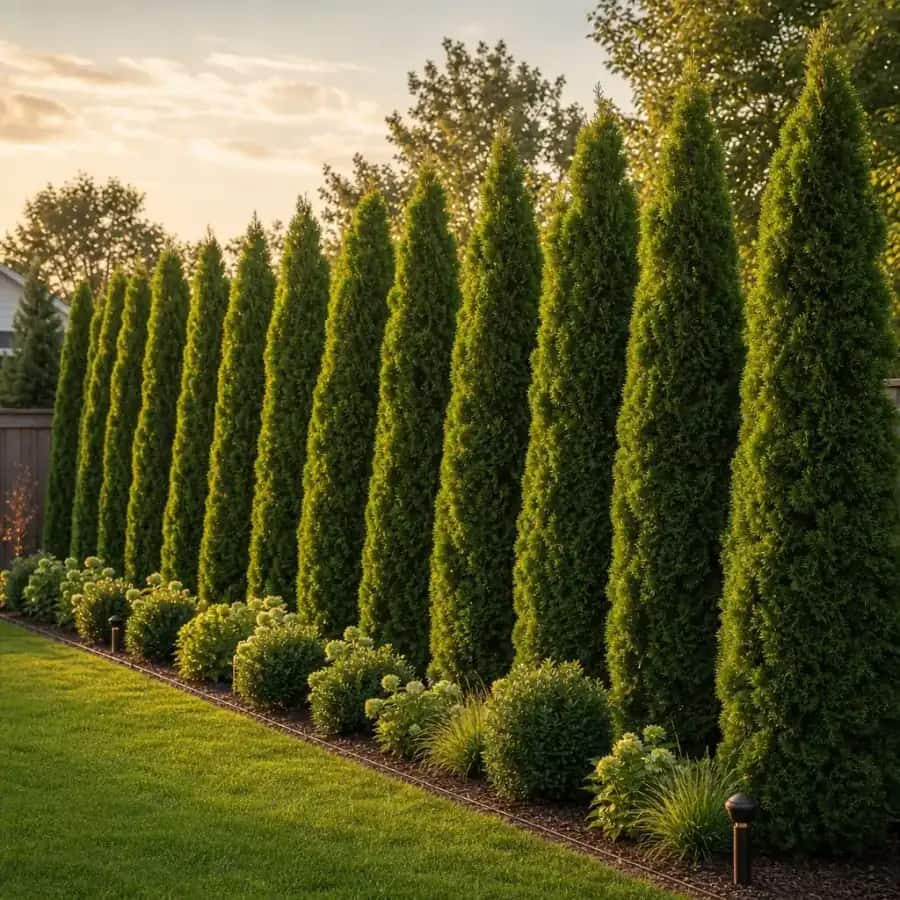 Evergreen & PrivacyNellie R. Stevens Holly and Teddy Bear Southern Magnolia create year-round screens in your mild winters.View all Evergreen & Privacy →
 Japanese MaplesCrimson Queen needs shade from afternoon sun, your 8a summers can scorch it without protection.
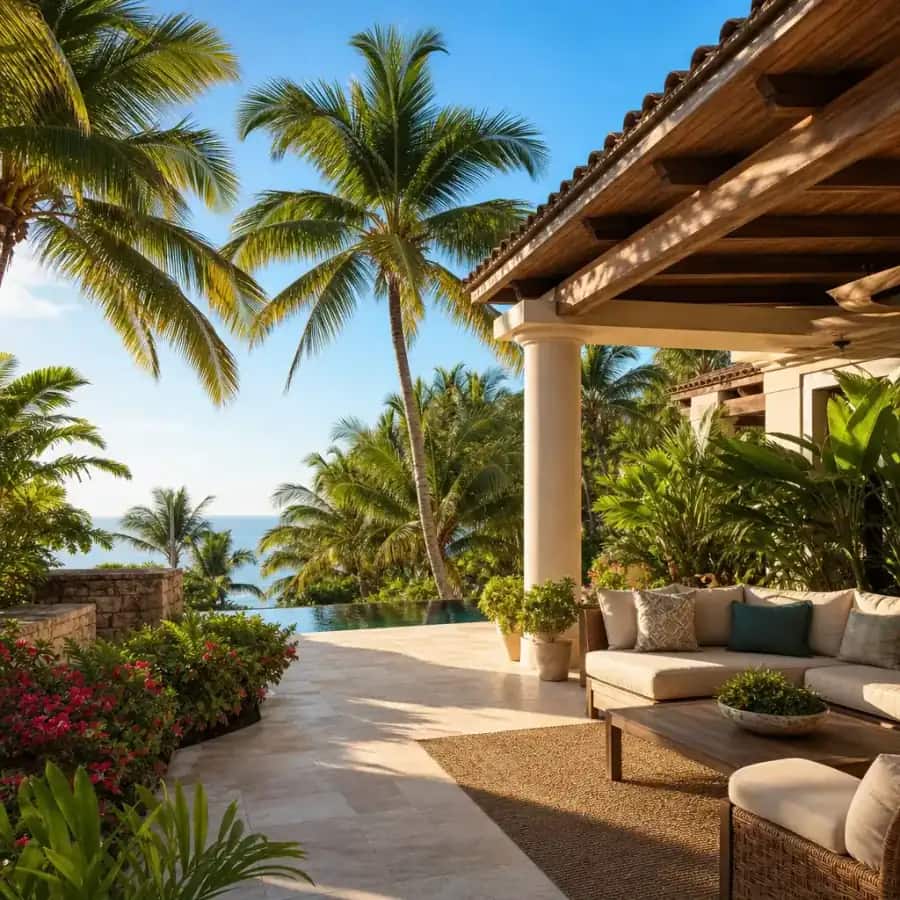 Palms & TropicalsChinese Windmill Palm handles 8a cold but prefers some humidity. Sago Palm stays small and toxic, not for screening.View all Palms & Tropicals →
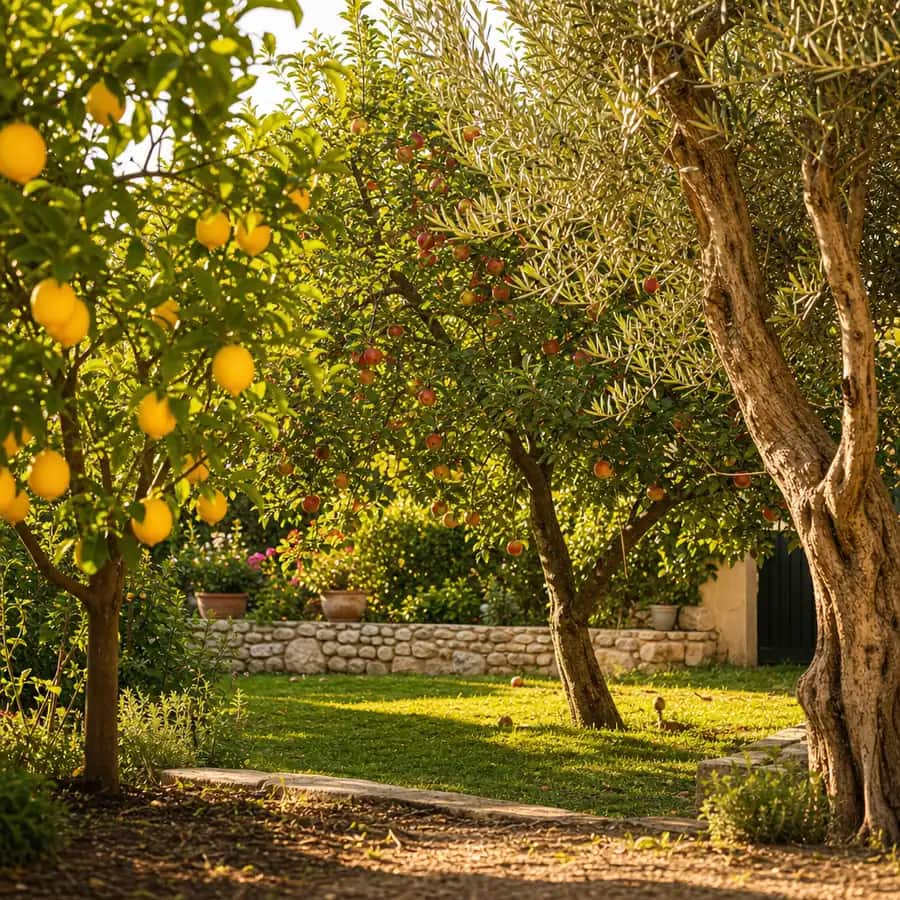 Fruit TreesElberta Peach needs chilling. Bing Cherry is self-sterile and frost-tender, not ideal for late freezes.View all Fruit Trees →
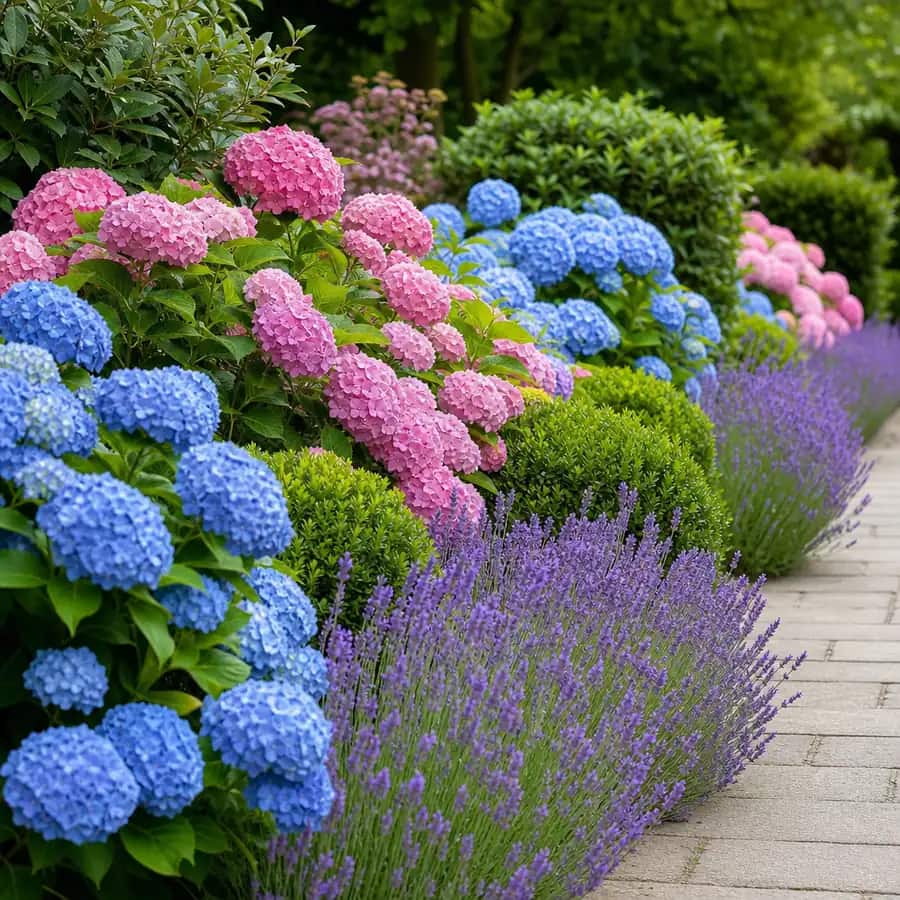 Shrubs & HedgesNellie Stevens Holly and Phenomenal Lavender fill gaps in borders. Endless Summer Hydrangea blooms on old and new wood.View all Shrubs & Hedges →
Local fit, from data
8a
about 10 to 15 F
6
Lincolnton
Shade, privacy, and fruit trees in Lincoln County, Arbor Buddy ships large, nursery-grown trees by freight direct to your yard. Homeowners and contractors in Lincoln County, North Carolina (NC) get zone-matched trees for your 8a climate. Winter lows run 10 to 15 degrees. Pick from shade oaks, flowering myrtles, and more.
Most of Lincoln County sits in zone 8a. Your six ZIP codes see typical winter lows of 10 to 15 degrees. That puts you in the warmer half of North Carolina. Trees that need mild winters, like the Thunderstruck Coral Boom Crape Myrtle and Nellie R. Stevens Holly, perform without cold damage.
Summers are humid, with occasional heat waves. Deciduous trees like Bur Oak handle that well. Japanese maples need afternoon shade to avoid leaf scorch. The Elberta Peach gets enough chill hours here; don't plant low-chill varieties in your area.
For reliable results, always choose trees for zone 8 in Lincoln County. The 8a envelope means you can grow many flowering and evergreen species that fail in colder zones.
Deliveries into zone 8 land in fall through early spring. That's the planting window when your 10 to 15 degree winter lows won't damage a newly planted tree. You order online, and we ship the right time for your zone.
Many trees thrive in zone 8. In Lincoln County, you can grow shade trees like Bur Oak, flowering varieties like Thunderstruck Coral Boom Crape Myrtle, evergreens like Nellie R. Stevens Holly, and fruit trees like Elberta Peach. Japanese maples need some shade, and tropicals like Chinese Windmill Palm survive with winter protection.
All trees are nursery-grown to a usable landscape size. Exact dimensions depend on the species, but you get a tree ready to plant, not a seedling. Shipping by freight lets us deliver larger specimens than standard parcel carriers.
Yes. Elberta Peach is a good choice, it needs about 800 chill hours, and your 8a winter lows provide that. Avoid low-chill varieties. Bing Cherry is self-sterile and frost-tender, so it's not ideal for late spring frosts. For a reliable option, stick with peaches, figs (Chicago Hardy Fig Tree), or cold-hardy avocados.
Pick your trees for Lincoln County, and Arbor Buddy sends them to your door. Every tree ships zone-matched to 8a and backed by a 1-Year Thrive Guarantee. If any tree doesn't survive its first year, you get a free replacement. Start your order now and secure the best planting window.
Your zone 8a climate is warmer than many parts of the country. Here's how it stacks up.
Wasatch County, Utah (UT). Zone 6a with winter lows of -10 to -5 F. That cold rules out palms and tropicals. In practice, buyers here lean toward cold-hardy evergreens and deciduous shade trees. You, by contrast, can grow Chinese Windmill Palm and Sago Palm if you want a tropical accent.
Lamoille County, Vermont (VT). Zone 4b to 5a with lows of -25 to -15 F. Fruit and citrus are impossible there. For your cart, that means you can add Elberta Peach and other stone fruits that need winter chill but not extreme cold. Vermont growers are limited to apples and pears.
Sawyer County, Wisconsin (WI). Zone 4a with lows of -30 to -25 F. Flowering ornamentals like crape myrtle die out. That gap changes the local shortlist to bare-twig dogwoods and cold-hardy spirea. Your Lincoln County yard welcomes Coral Boom Crape Myrtle and Japanese maples with just a little shade.
What it means for your cart: your zone 8a opens up a wider palette of flowering, evergreen, and fruit trees than in colder regions. Stick with trees rated for zone 8 and you'll get reliable growth.
Freight delivery to your Lincoln County address needs truck access. A semi or box truck can reach most streets in Lincolnton and the rural routes. Your tree arrives nursery-grown at a usable landscape size, already matched to zone 8. Deliveries into zone 8 land in fall through early spring, when planting weather is on your side.
Every tree comes with a 1-Year Thrive Guarantee. If your tree doesn't survive the first year, you get a free replacement. No questions.
Before delivery day, check:
Enter your ZIP, shop only what thrives in your zone.
Freight delivery to your address: $149 flat per order, shown at checkout.
Plant it, watch it thrive, covered for one year.
Good to know · Growing guide
Coverage runs a full year from delivery. If something goes wrong, contact the team and they arrange the replacement. No store-credit games, no fine-print maze.