 Zones 3 to 8
Shade Trees
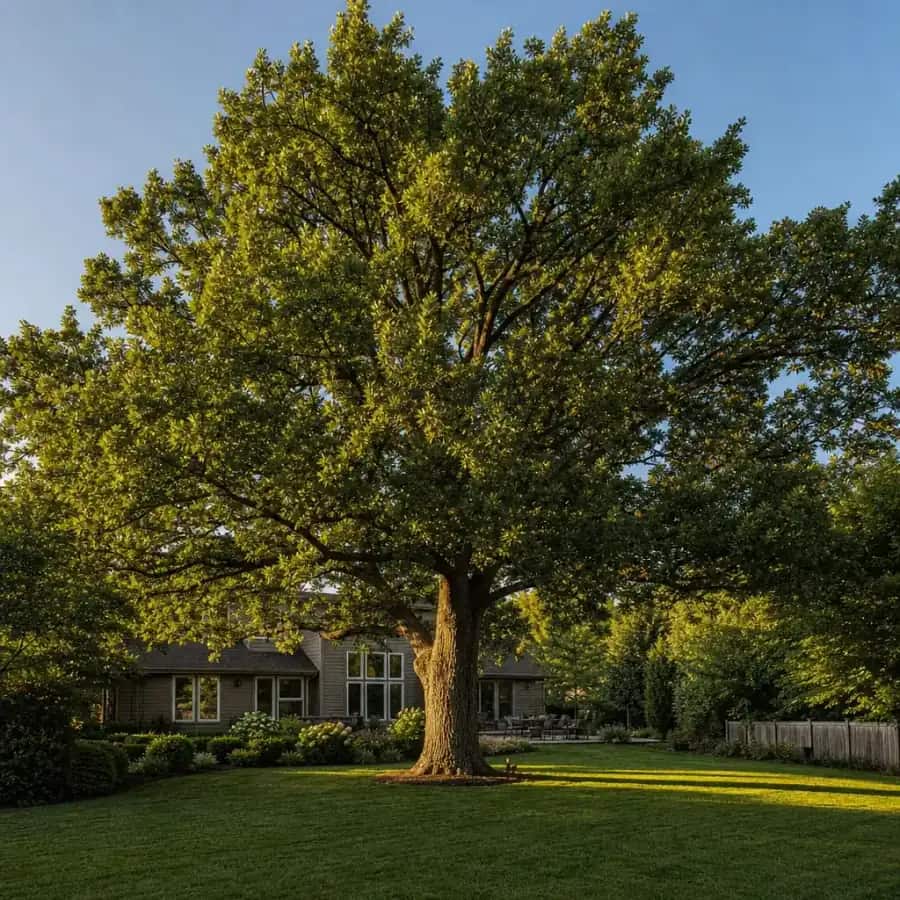
Bur Oak
$490
Shop large, nursery-grown shade, privacy, flowering and fruit trees, delivered by freight in Martin County. Every tree is matched to your hardiness zone and backed by our 1-Year Thrive Guarantee.
Enter your ZIP and we'll match trees to your exact growing zone.
Typical winter lows in Martin County run about 10 to 15 F.
Matched to Martin County's zones
Shop by category
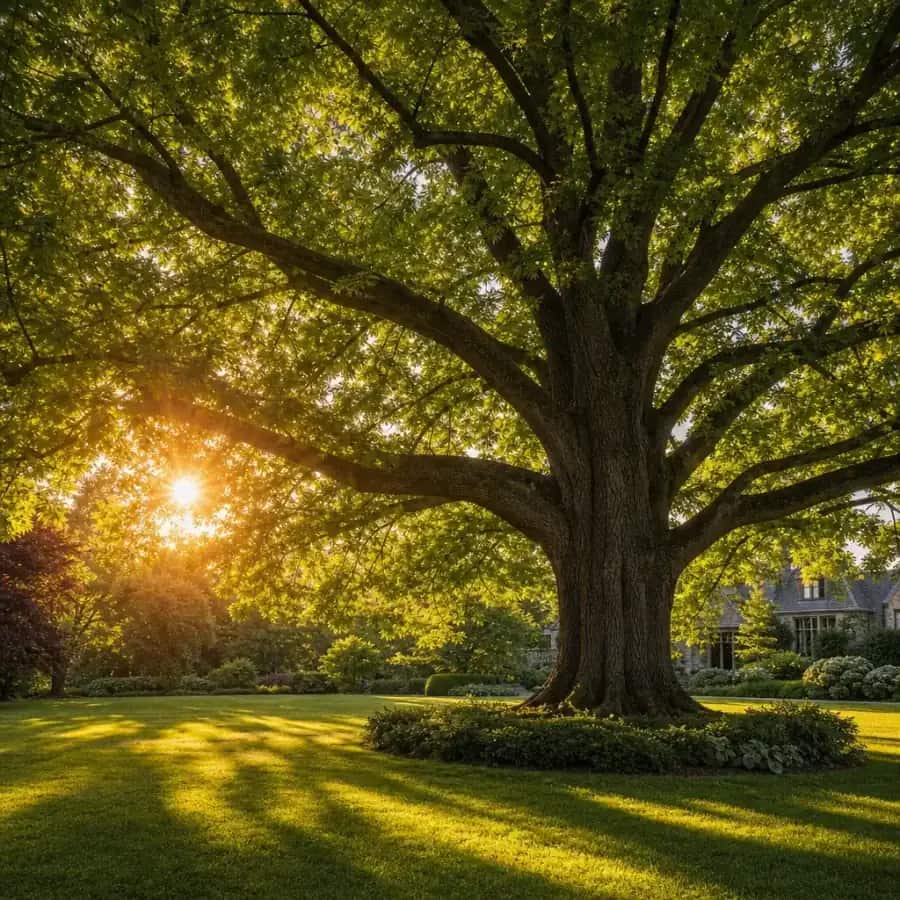 Shade TreesQuick canopy from Shumard Oak or Autumn Blaze Red Maple for Martin County summers.View all Shade Trees →
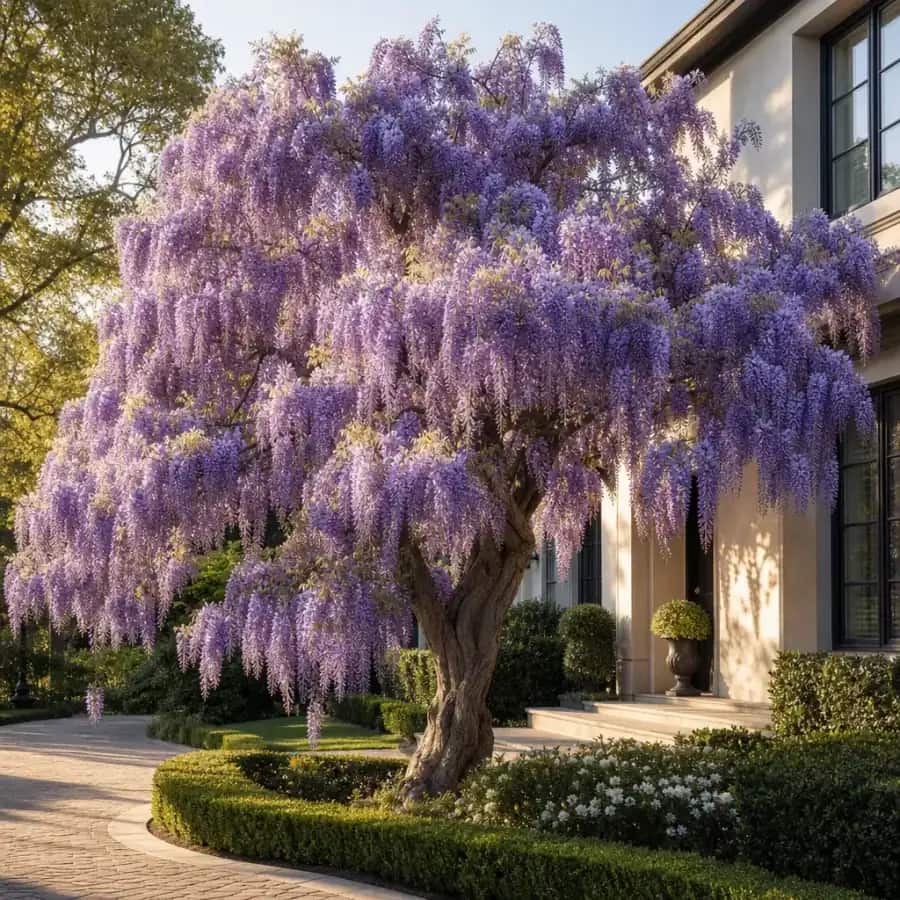
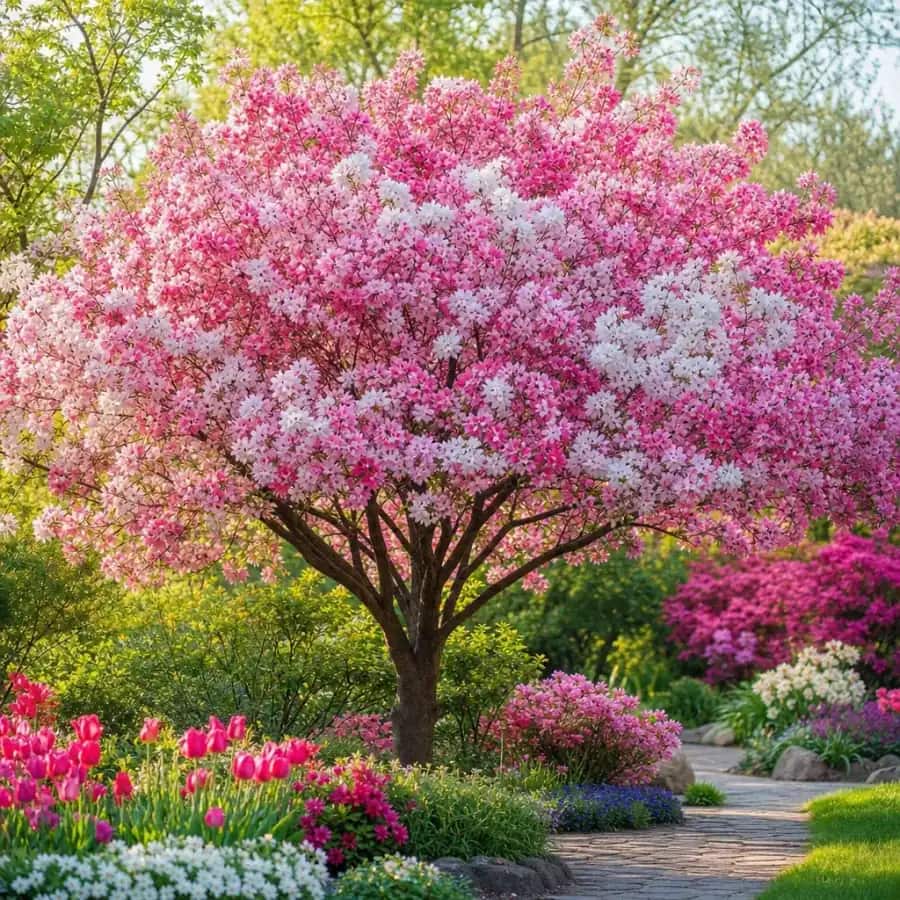 Flowering & OrnamentalTuscarora Crape Myrtle and Wisteria Tree bloom reliably in zone 8.View all Flowering & Ornamental →
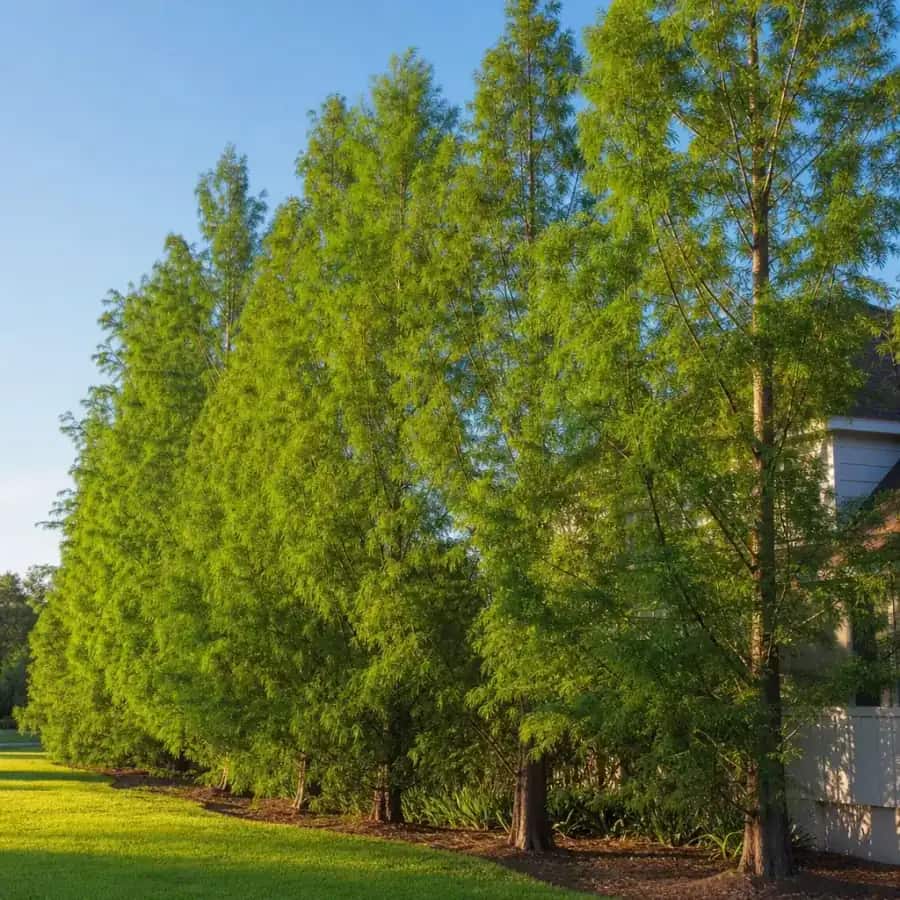
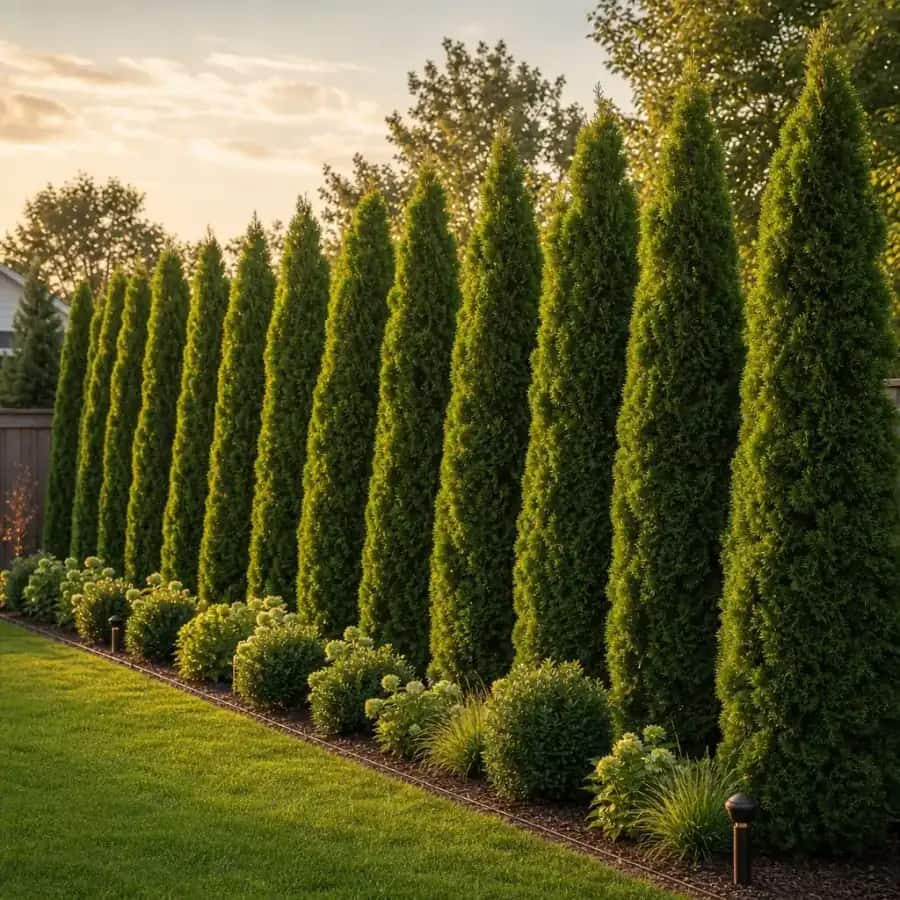 Evergreen & PrivacyLeyland Cypress and Southern Magnolia create dense screens year-round.
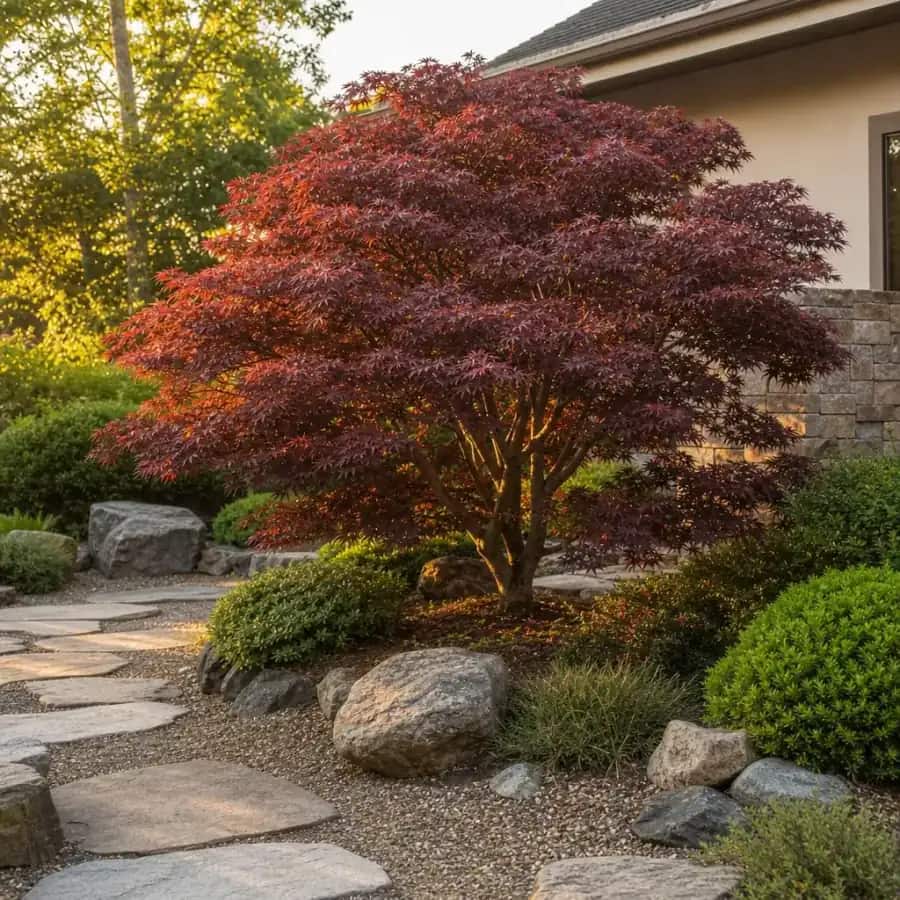
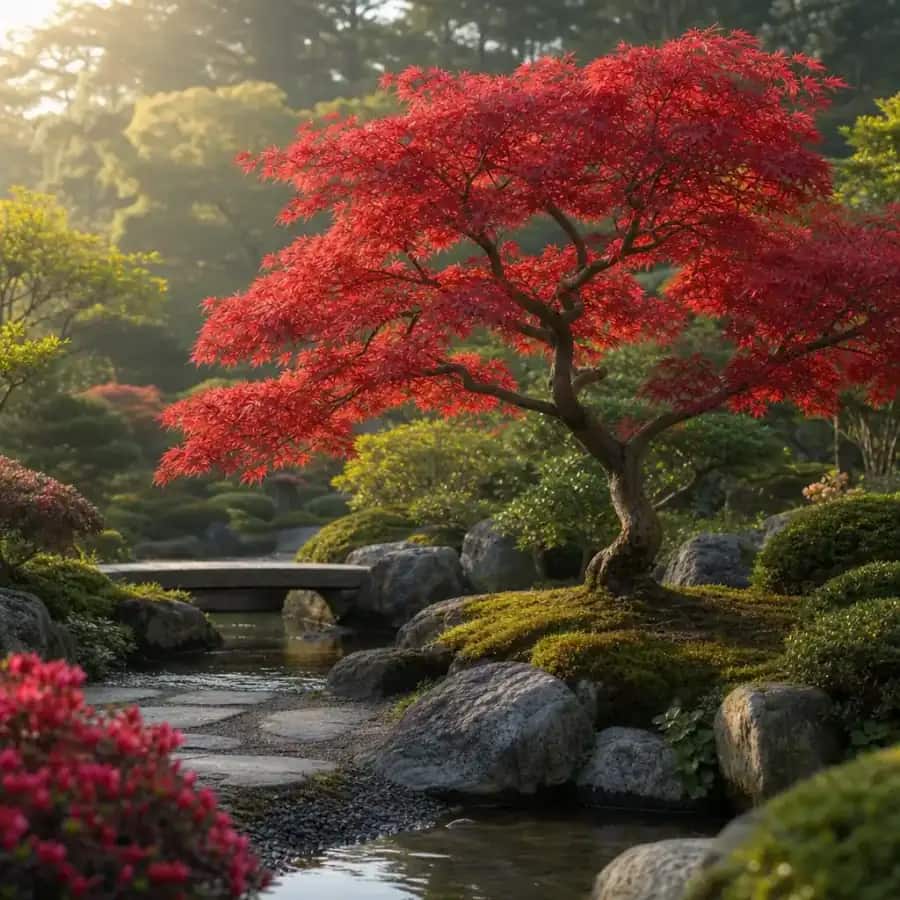 Japanese MaplesCoral bark and laceleaf varieties thrive with afternoon shade in zone 8.View all Japanese Maples →
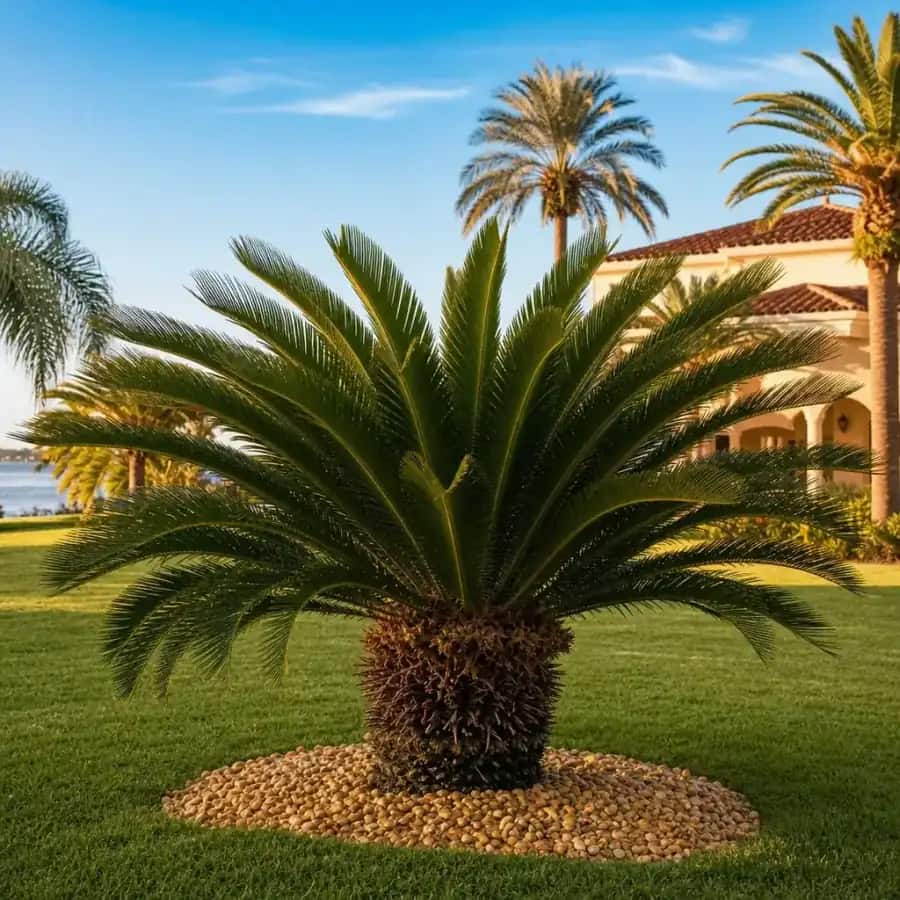
 Palms & TropicalsHardy options like Jelly Palm add a subtropical feel in Martin County's mild winters.View all Palms & Tropicals →
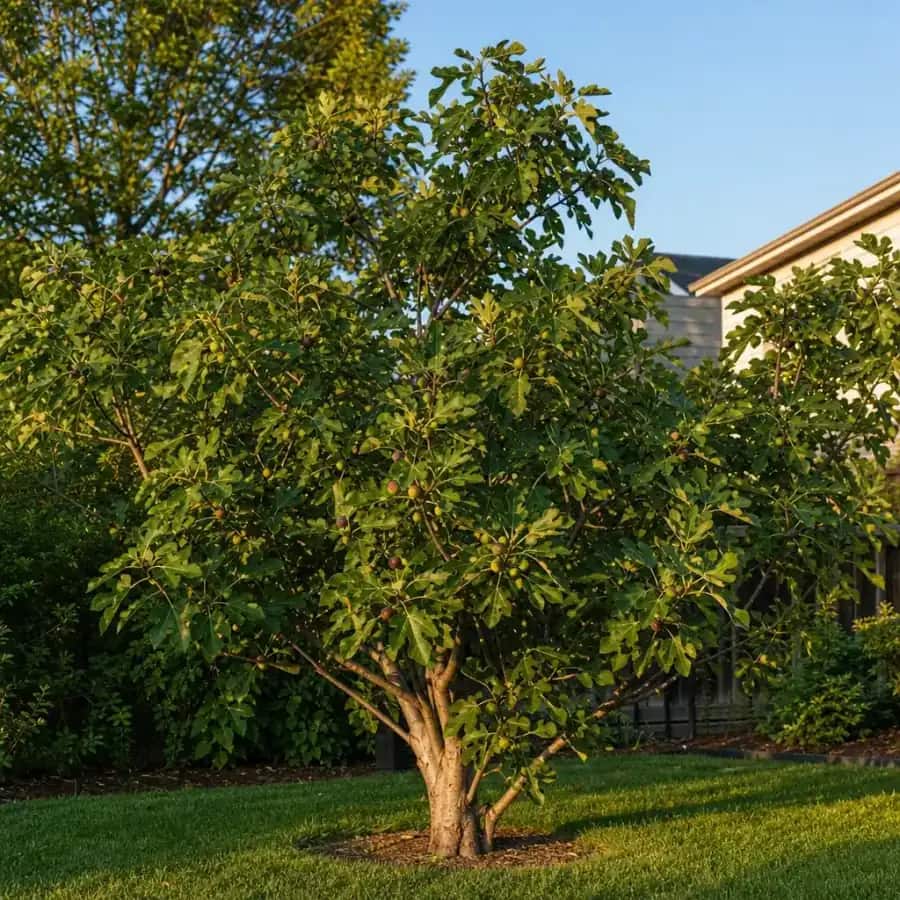
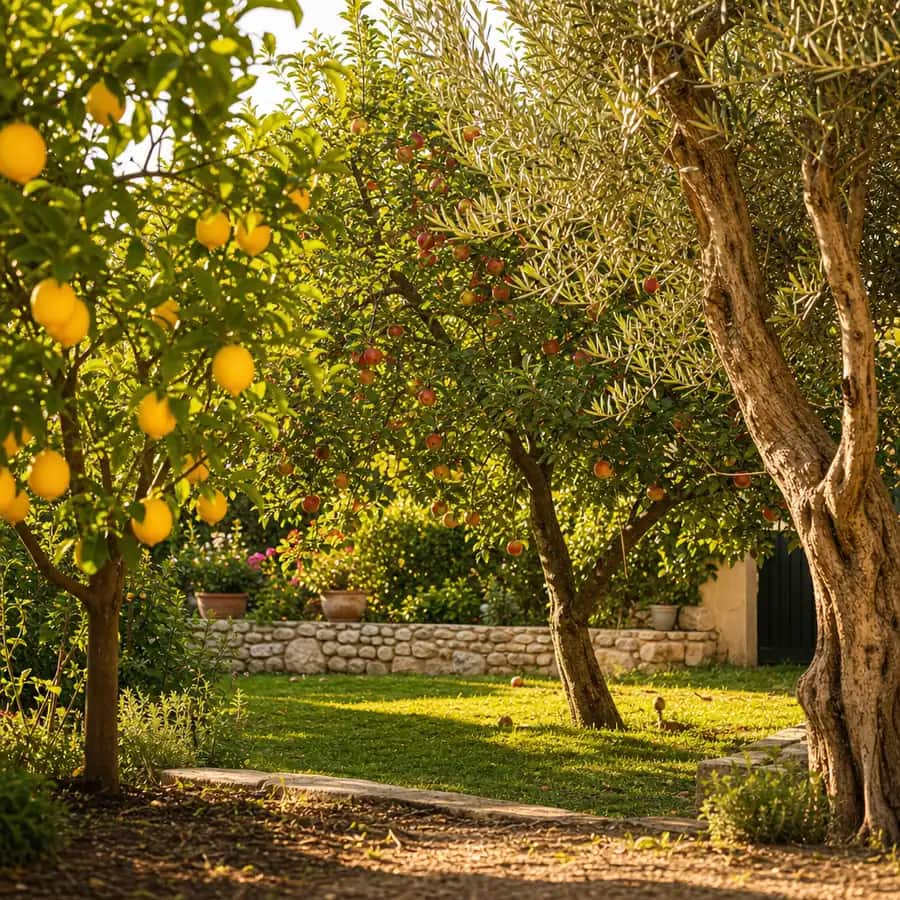 Fruit TreesMeyer Lemon and other citrus flourish in your 10-to-15-degree low range.View all Fruit Trees →
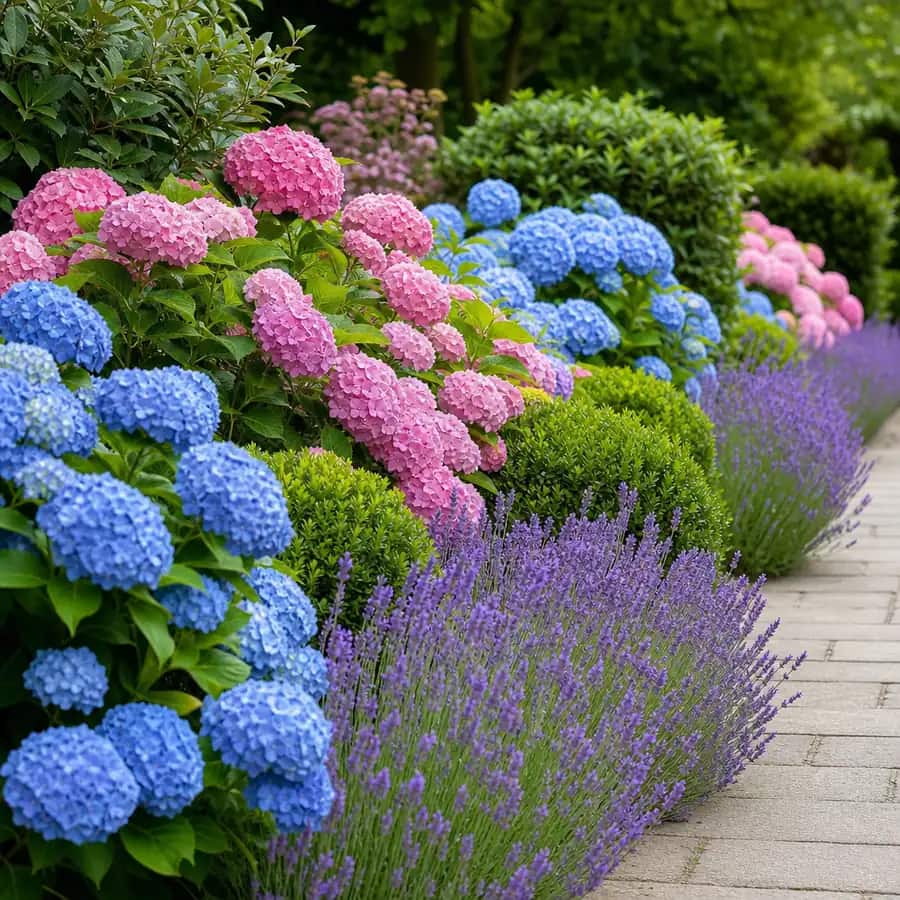 Shrubs & HedgesEndless Summer Hydrangea adds color in partial shade, perfect for entryways.View all Shrubs & Hedges →
Local fit, from data
8a
about 10 to 15 F
8
Everetts
Shade, privacy, and fruit trees in Martin County, North Carolina (NC) start with the right zone match. Arbor Buddy delivers large, nursery-grown trees by freight direct to homeowners. Every tree is matched to your hardiness zone 8a, where winter lows run about 10 to 15 degrees. That opens up options like citrus and flowering trees that struggle in colder counties.
Martin County falls in USDA zone 8a across its eight ZIP codes. Typical winter lows range from 10 to 15 degrees Fahrenheit. That's mild enough for many subtropical trees, yet cool enough for classic shade trees like oaks and elms.
Summers are warm and humid, typical of eastern North Carolina. Afternoon shade is valuable for Japanese maples and other understory species. Cold snaps are rare, but when they come, you may need to protect tender plants like citrus. The county's consistent zone 8 climate means most of our inventory grows well here. Look for trees for zone 8 in Martin County that handle both humidity and occasional frost.
Everetts, the largest city in the county, sits in the heart of this zone. Most deliveries reach every corner of Martin County without issue.
Many. Zone 8 covers a broad range from the Southeast to the Pacific Northwest. In Martin County, zone 8a means winter lows stay above 10 F. That allows Southern classics like live oaks, crape myrtles, and magnolias, plus citrus and Japanese maples with afternoon shade.
Trees that handle humidity and occasional frost. Our featured picks include Mexican Sycamore for fast shade, Forest Pansy Eastern Redbud for color, and Meyer Lemon for fruit. All are matched to zone 8a and proven in similar climates.
Yes. Meyer Lemon is a top choice for your zone. It thrives in the ground or a patio pot. Protect it when temperatures drop below 20 F. Other fruit options include figs and cold-hardy citrus. Browse our Fruit Trees category for more.
It is our promise that every tree we ship will survive its first year in your yard. If it does not, we send a free replacement. No extra fees. It covers the tree, not planting or care mistakes. It gives you confidence to order online.
Your tree choice in Martin County is backed by a full-year guarantee. Shop our zone-matched inventory, pick the tree that fits your yard goal, and order knowing Arbor Buddy stands behind every delivery. Browse the featured trees above or explore categories to find your match.
Every county's hardiness zone shifts what grows best. Here's how Martin County stacks up against three other regions.
Beaver County, Utah (UT) sits in zone 6a with winter lows of -10 to -5 F. That's a full two zones colder than Martin County. The difference most affects Japanese maples. In practice, buyers here lean toward cold-hardy varieties like Emperor 1, which can handle zone 5b. In Martin County, you can grow sangokaku coral bark Japanese maple without worrying about winter kill. For your cart, that means Japanese maples are a safer bet here than in Utah.
Snyder County, Pennsylvania (PA) is zone 6b with lows of -5 to 0 F. That colder climate rules out most palms and tropicals. In practice, buyers here lean toward conifers and hardy deciduous trees. Snyder County cannot grow Jelly Palm or Sago Palm reliably. In Martin County, palms and tropicals are viable, especially with frost protection in cold snaps. That gap changes the local shortlist to include hardy palm varieties.
Iowa County, Wisconsin (WI) is zone 5a with winter lows of -20 to -15 F. That is deep cold. Fruit trees like Meyer Lemon are impossible outdoors. In practice, buyers here lean toward apples and other hardy pome fruit. In Martin County, you can grow citrus in the ground or a patio pot. For your cart, that means fruit and citrus viability is dramatically higher here than in Wisconsin.
What this means for your cart: Martin County's zone 8a gives you a wider selection of trees, from subtropicals to classic shade. You get options that colder counties simply cannot offer.
Arbor Buddy ships trees by freight directly to your address in Martin County. These are large, nursery-grown specimens at a usable landscape size. Before we ship, every tree is zone-matched to your 8a conditions. That means the tree you receive is already proven to survive your winter lows.
Deliveries into zone 8 land in fall through early spring, when planting weather is on your side. The freight truck needs straight access and room to stop or turn. Someone must be home to receive and inspect the tree.
Every tree is backed by the 1-Year Thrive Guarantee. If it does not survive its first year, we replace it free.
Before delivery day, check:
Enter your ZIP, shop only what thrives in your zone.
Freight delivery to your address: $149 flat per order, shown at checkout.
Plant it, watch it thrive, covered for one year.
Good to know · Growing guide
Coverage runs a full year from delivery. If something goes wrong, contact the team and they arrange the replacement. No store-credit games, no fine-print maze.