 Zones 4 to 9
Shade Trees
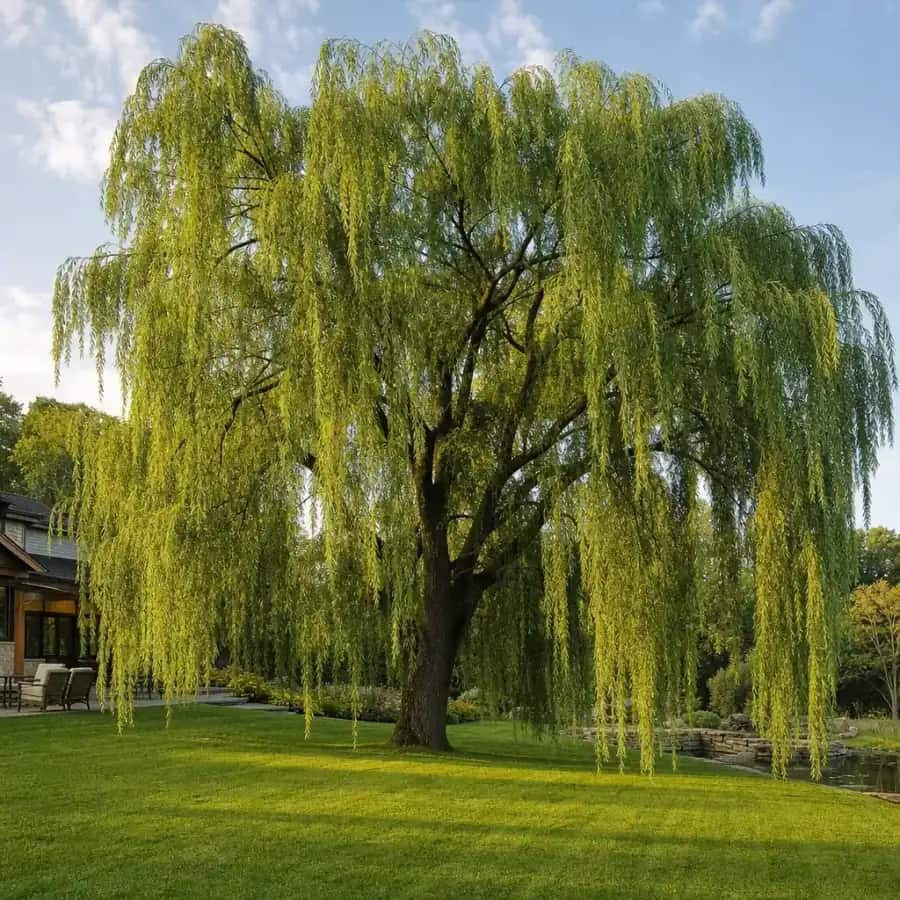
Weeping Willow
$40
Shop large, nursery-grown shade, privacy, flowering and fruit trees, delivered by freight in Wake County. Every tree is matched to your hardiness zone and backed by our 1-Year Thrive Guarantee.
Enter your ZIP and we'll match trees to your exact growing zone.
Typical winter lows in Wake County run about 10 to 15 F.
Matched to Wake County's zones
Zones 4 to 9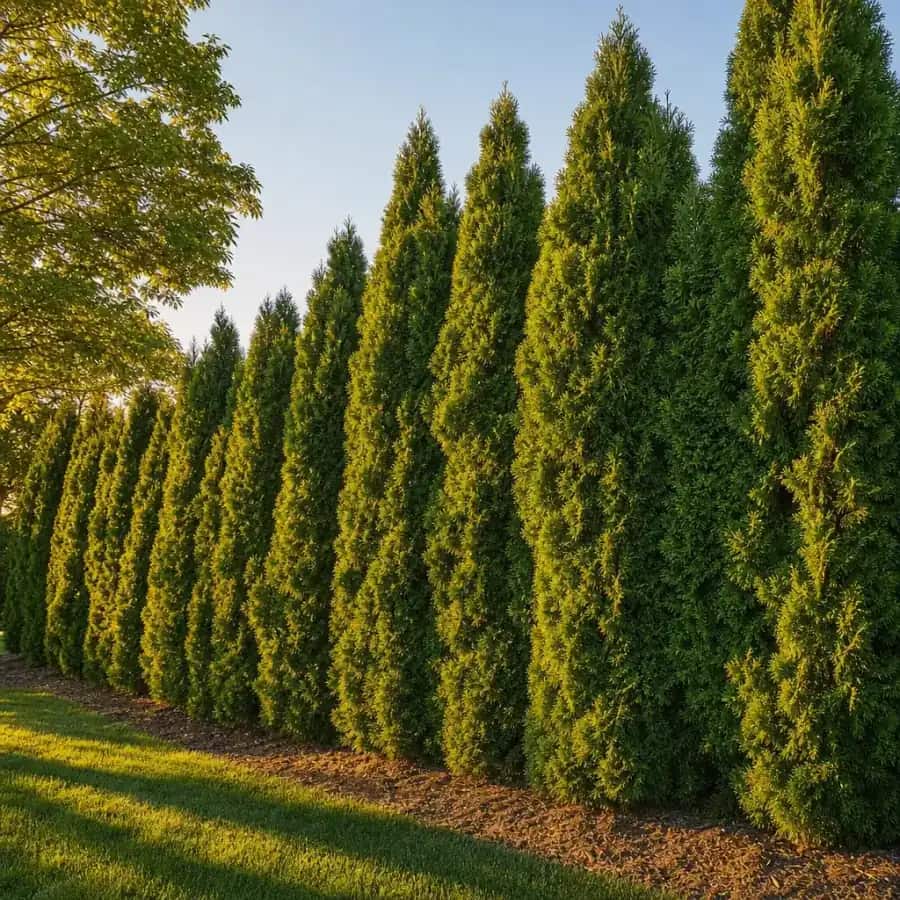 Zones 5 to 8
 Zones 4 to 9
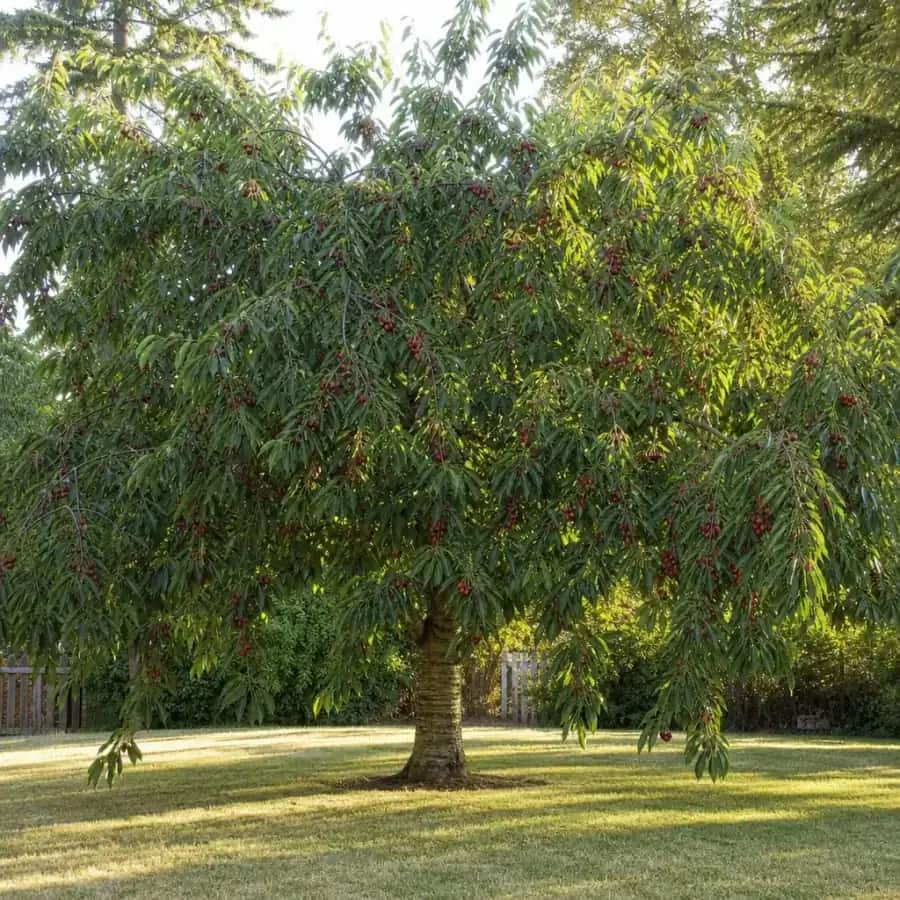 Zones 5 to 8
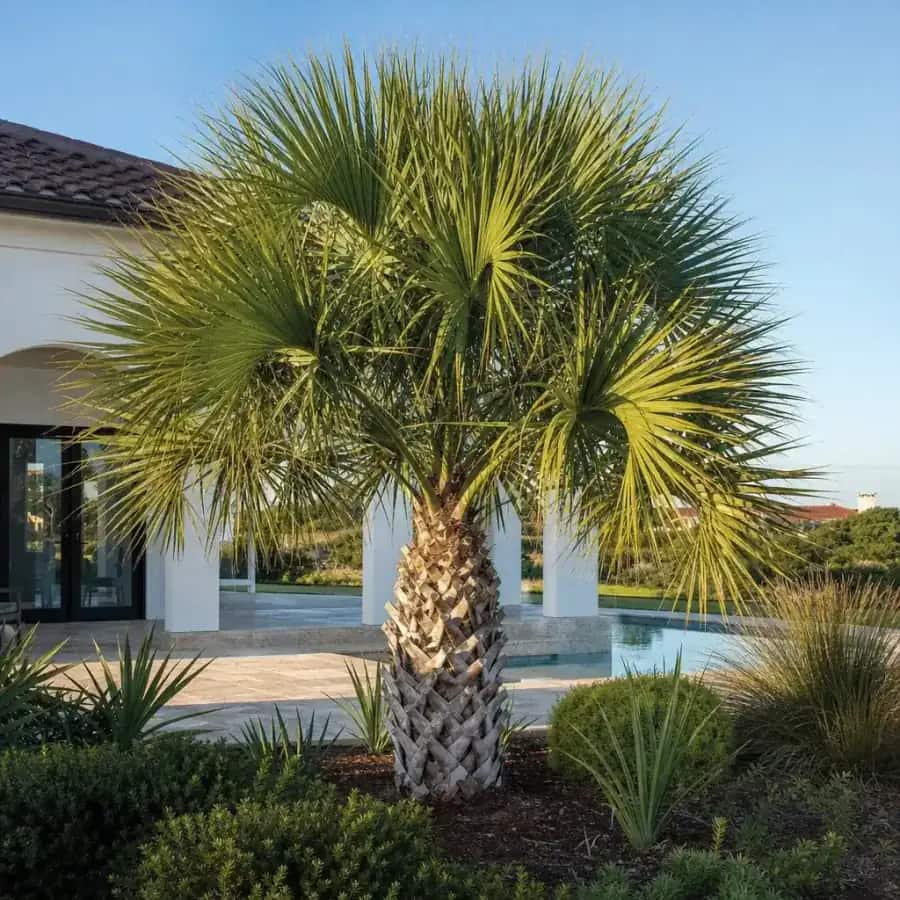 Zones 7 to 11
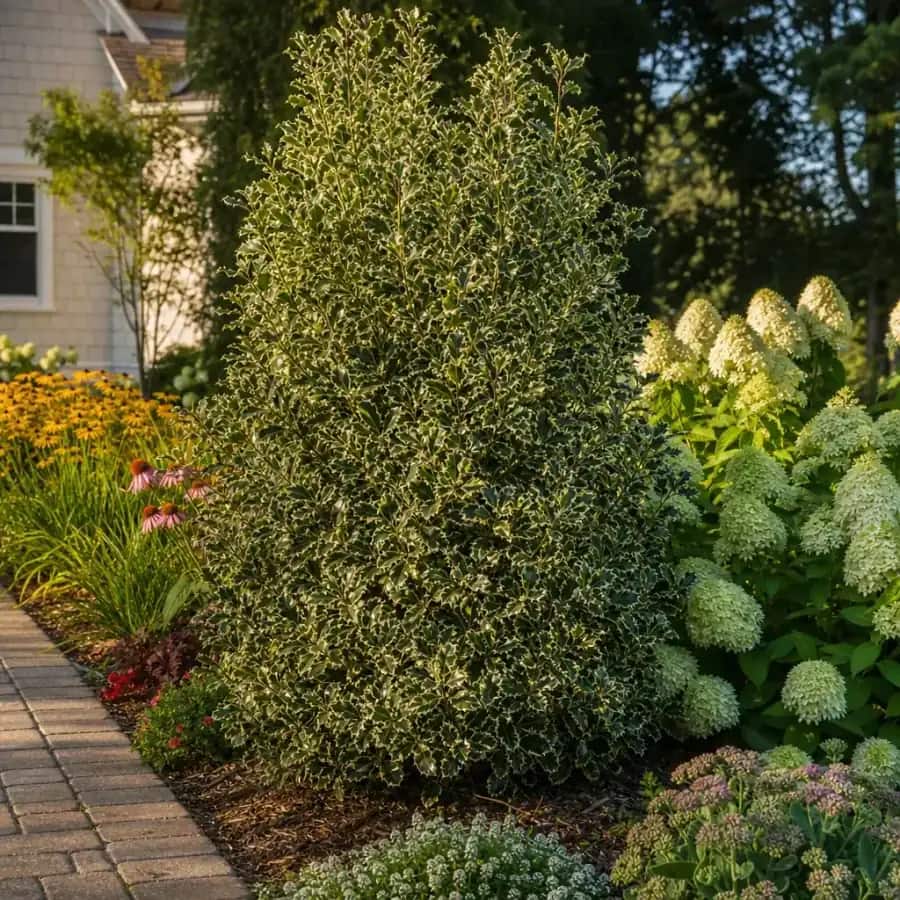 Zones 6 to 9
Shop by category
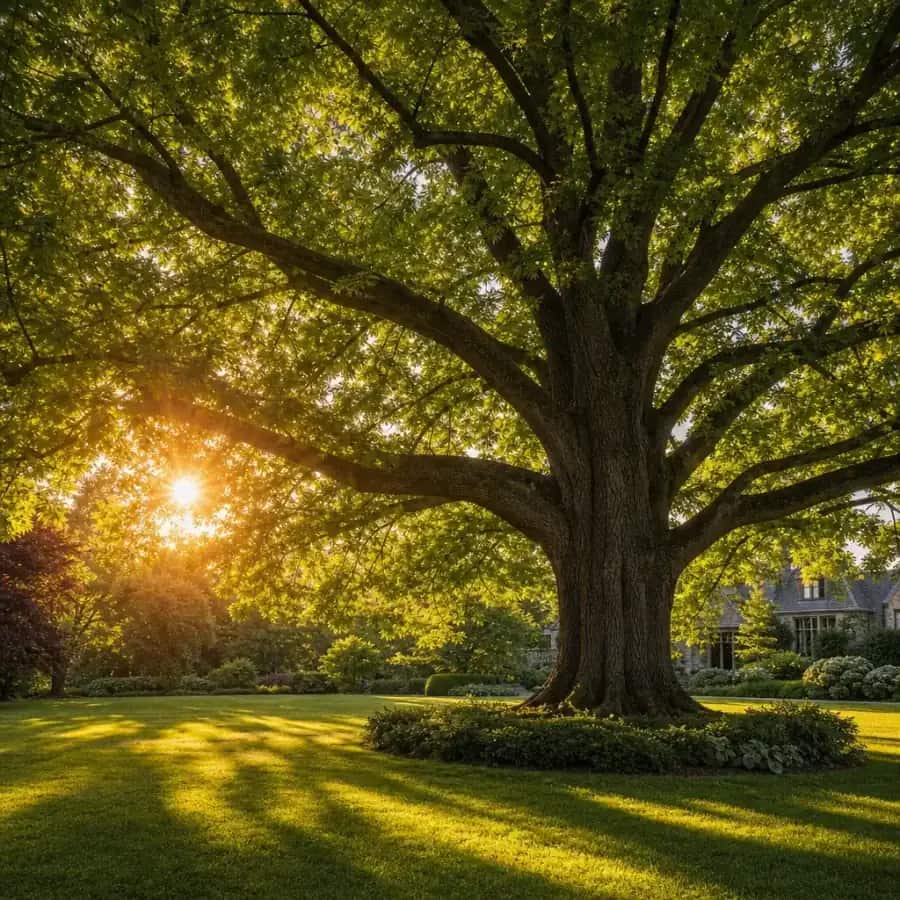 Shade TreesLarge canopies cool your home and yard during our long, hot summers.View all Shade Trees →
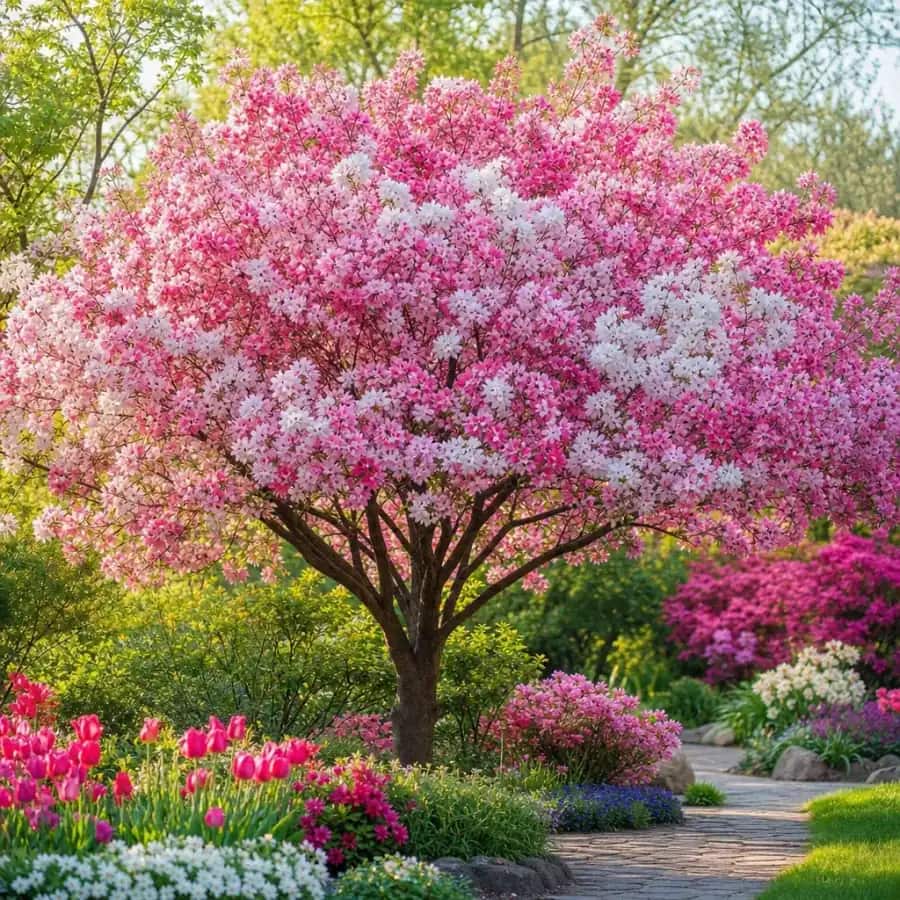 Flowering & OrnamentalSpring blooms that tolerate our humidity and mild winters.View all Flowering & Ornamental →
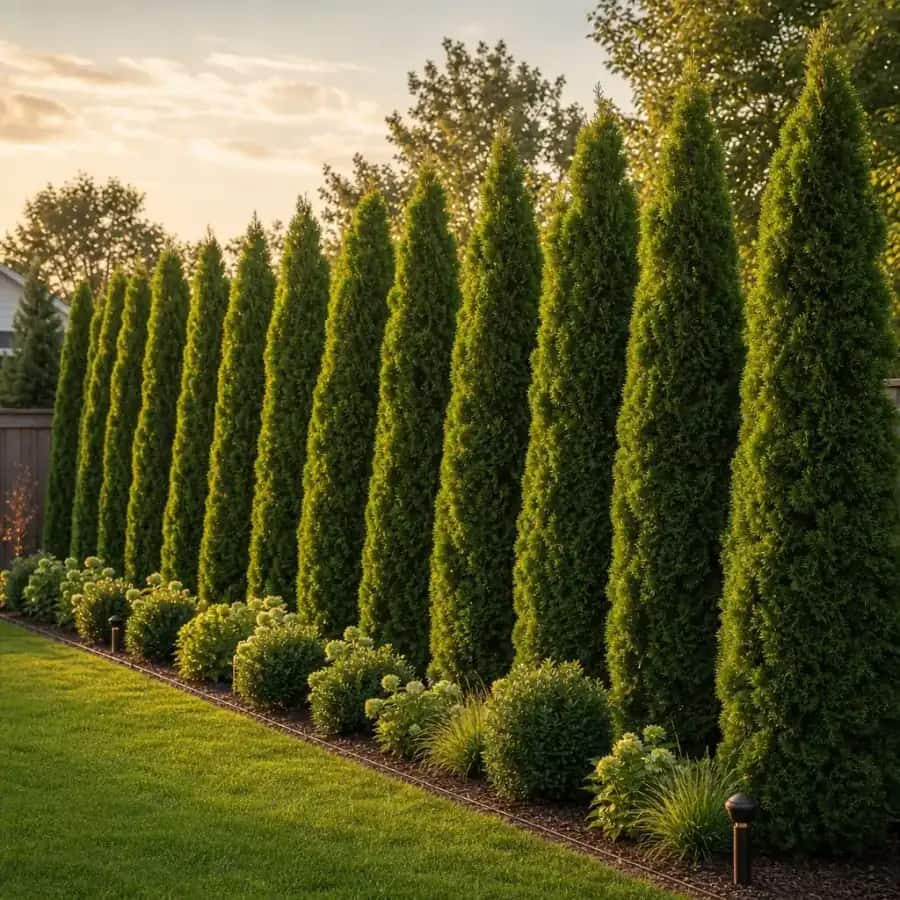 Evergreen & PrivacyYear-round screens that stay dense through our zone 8 winters.View all Evergreen & Privacy →
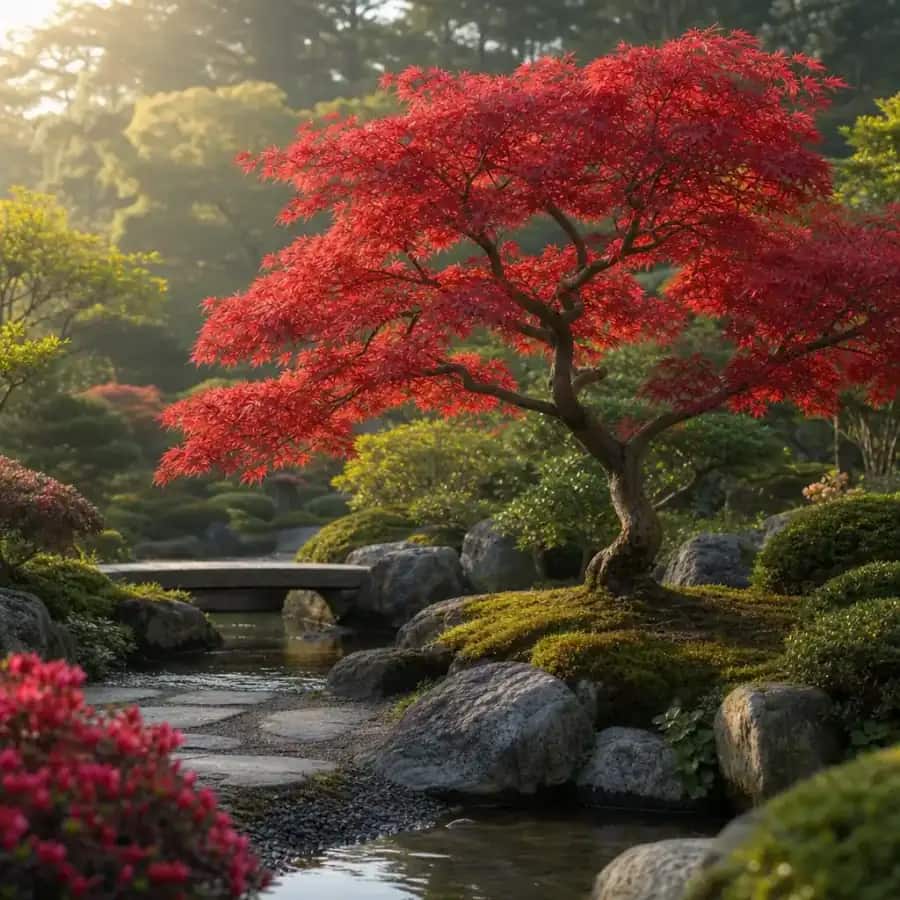 Japanese MaplesLaceleaf and upright forms for filtered shade; avoid scorch in full afternoon sun.
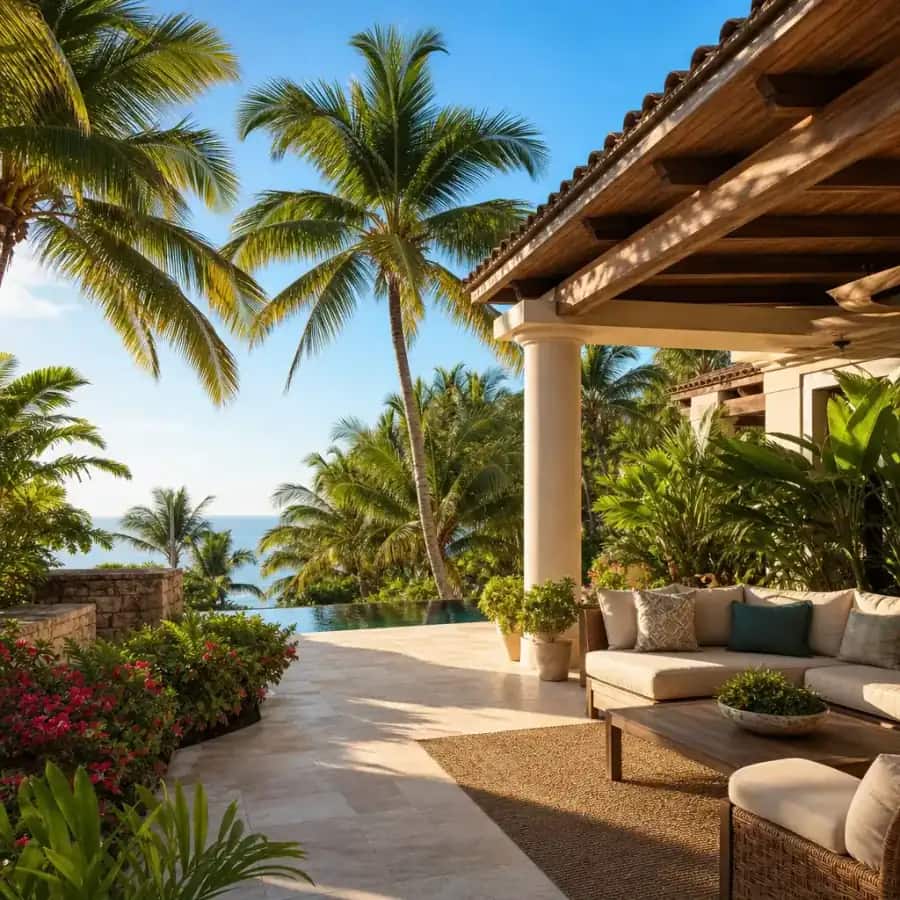 Palms & TropicalsCold-hardy species like Dwarf Palmetto add a subtropical feel without freeze risk.View all Palms & Tropicals →
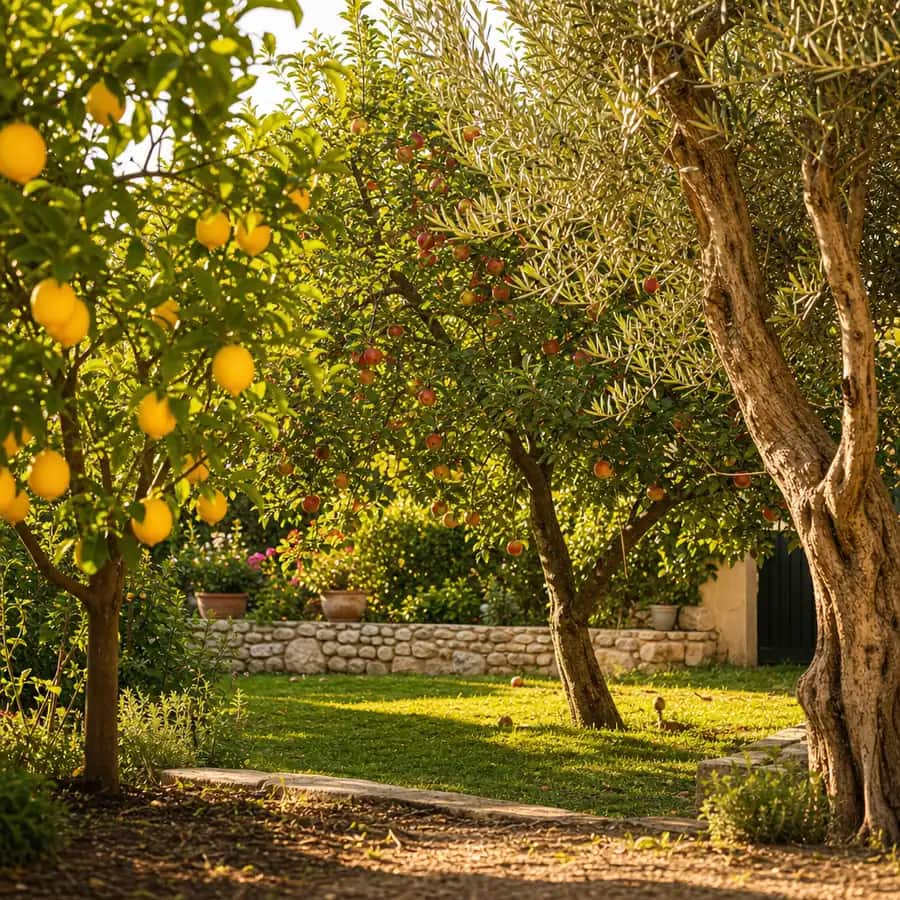 Fruit TreesApples, peaches, and citrus that ripen before our first frost.View all Fruit Trees →
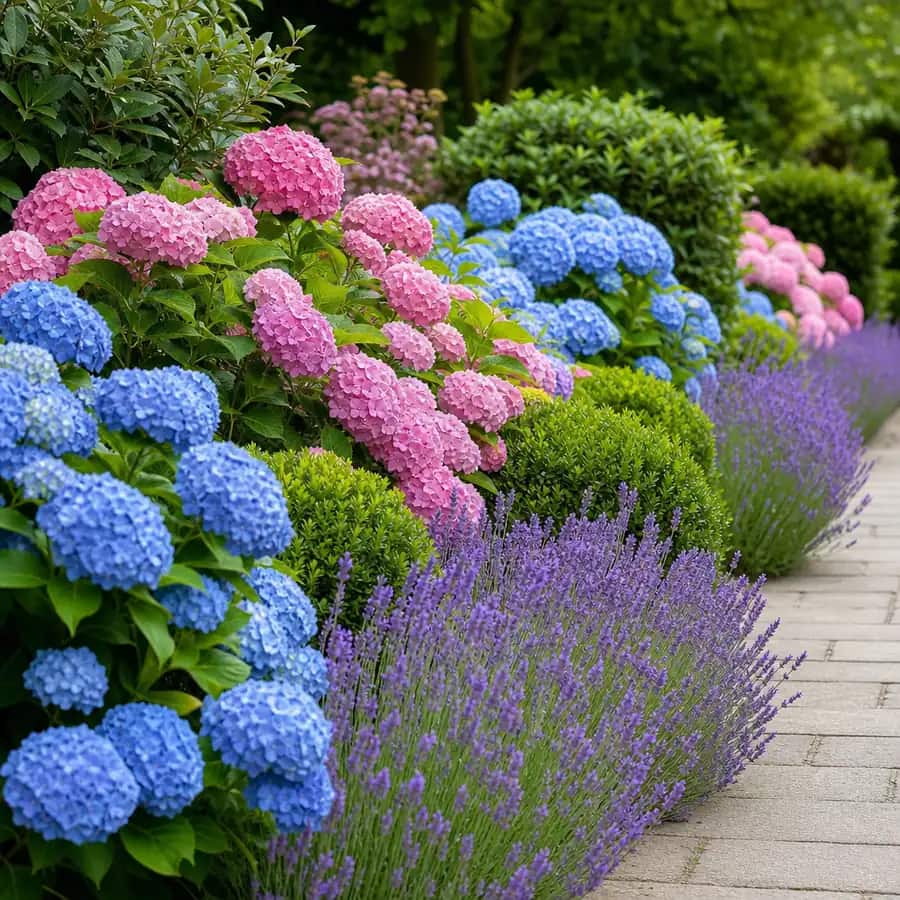 Shrubs & HedgesFoundation plants and flowering shrubs that handle our clay soil.View all Shrubs & Hedges →
Local fit, from data
8a
about 10 to 15 F
63
Raleigh
Orders to zone 8 areas are scheduled for fall and early-spring arrival. That makes now the time to plan your yard's next addition. Arbor Buddy delivers large, nursery-grown landscape trees by freight straight to homeowners in Wake County, North Carolina (NC). We match every tree to your hardiness zone, so you get shade, privacy, flowering, and fruit trees suited to your winter lows that run about 10 to 15 degrees F.
Wake County spans USDA hardiness zone 8a across its 63 ZIP codes. That means typical winter lows stay between 10 and 15 degrees F, warm enough for a huge palette of trees. The mild winters let you grow many evergreens, flowering ornamentals, and fruit trees that struggle in colder zones. Our summers bring heat and humidity, so trees that tolerate moisture and afternoon sun do best.
In the western part of the county, slightly cooler microclimates can still support zone 8a, while the suburban core around Raleigh benefits from urban warmth. This consistency makes trees for zone 8 in Wake County a reliable choice. Shade trees like oaks and maples thrive, as do palms such as the cold-hardy Dwarf Palmetto. Japanese maples do well with some protection from intense afternoon sun.
Weeping Willow is a top pick for areas with wet soil and room to spread. Our zone 8a climate also suits live oaks, red maples, and cedar elms. All provide dense summer shade and handle our humidity.
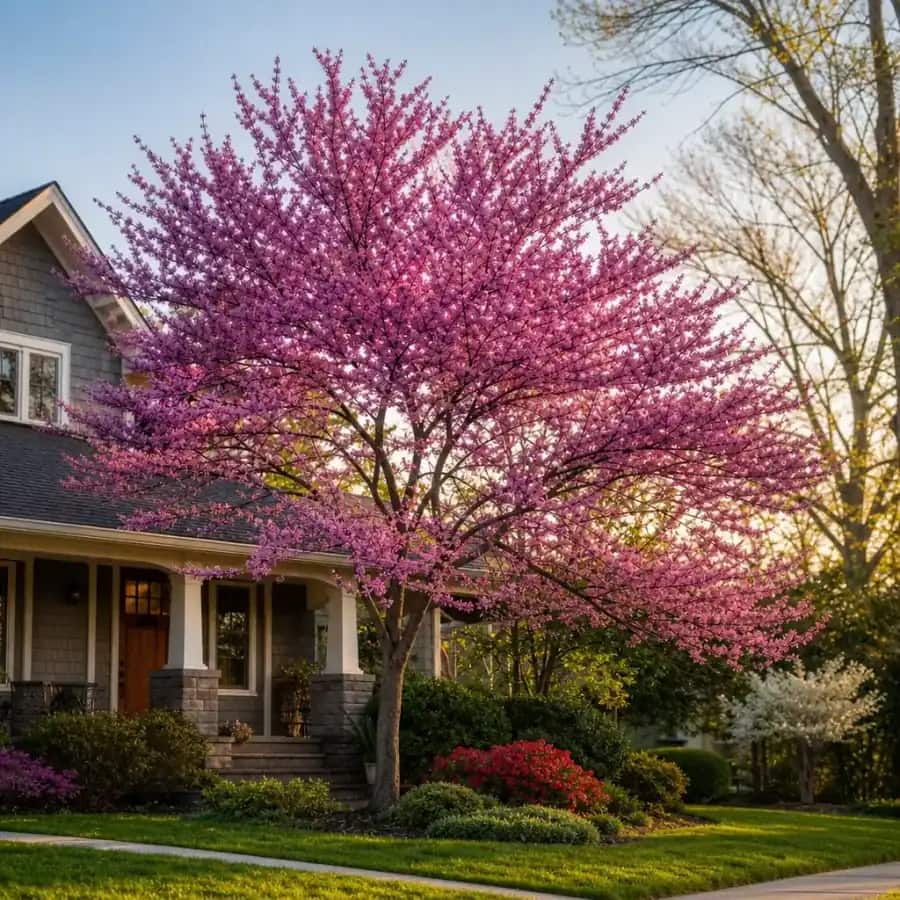
Zone 8a (typical winter lows 10 to 15 F) supports a broad range: evergreens like Spartan Chinese Juniper and Nellie Stevens Holly, flowering trees like Wisteria Tree, fruit trees like Honeycrisp Apple, and cold-hardy palms such as Dwarf Palmetto. Our warm summers also favor heat-tolerant varieties.
Yes, we ship by freight to all 63 ZIP codes in Wake County. Delivery is scheduled for fall and early-spring arrival to match the best planting window for zone 8. You need to be home to receive the tree.
It is our promise that if any tree you order does not survive its first year after planting, we replace it at no cost. The guarantee covers the replacement tree and its shipping, not labor. It gives you confidence to invest in your landscape.
Browse our zone-matched trees now. Pick the tree that fits your yard, and we will ship it to your Wake County address with the 1-Year Thrive Guarantee. Place your order before the shipping window closes.
Ottawa County, Kansas (KS) sits in zone 6b with winter lows of -5 to 0 F. Here, the zone usually pushes the choice toward cold-hardy species like oaks and spruces. In Wake County, our milder winters let you grow more tender trees like the Wisteria Tree or Japanese maples that would struggle in Kansas. The heat and humidity we share are less intense there, but our longer growing season offsets it.
Hancock County, Iowa (IA) falls in zone 5a with lows dipping to -20 to -15 F. The practical difference is that trees like Honeycrisp Apple, which is hardy to zone 3, can survive both places, but our zone 8 climate lets it flower earlier and fruit more reliably. Hancock County gardeners must protect against late frosts; we rarely have that issue. Our humidity also encourages different disease pressures, so local pest resistance matters more.
Custer County, Idaho (ID) spans zones 5a to 5b with winter lows of -20 to -10 F. Locally, that points buyers toward drought-tolerant evergreens like junipers and pines. In Wake County, we focus on trees that handle wetter summers and higher humidity. The Spartan Chinese Juniper does well in both climates, but here it needs less winter protection and can grow faster. Our warmer winters also allow us to plant palms and tropicals that would freeze in Idaho.
What this means for your cart: Wake County's mild zone 8a opens the door to a wider tree selection than many other parts of the country. You can choose from shade trees, flowering ornamentals, fruit trees, and even cold-hardy palms without worrying about severe winter cold.
Every tree from Arbor Buddy ships via freight to your Wake County address. We match each tree to your zone before it leaves the nursery, so you get a tree ready for your yard. Your purchase is backed by our 1-Year Thrive Guarantee: if a tree does not survive its first year, we replace it free. Orders to zone 8 areas are scheduled for fall and early-spring arrival.
Before delivery day, check:
Enter your ZIP, shop only what thrives in your zone.
Freight delivery to your address: $149 flat per order, shown at checkout.
Plant it, watch it thrive, covered for one year.
Good to know · Growing guide
Coverage runs a full year from delivery. If something goes wrong, contact the team and they arrange the replacement. No store-credit games, no fine-print maze.