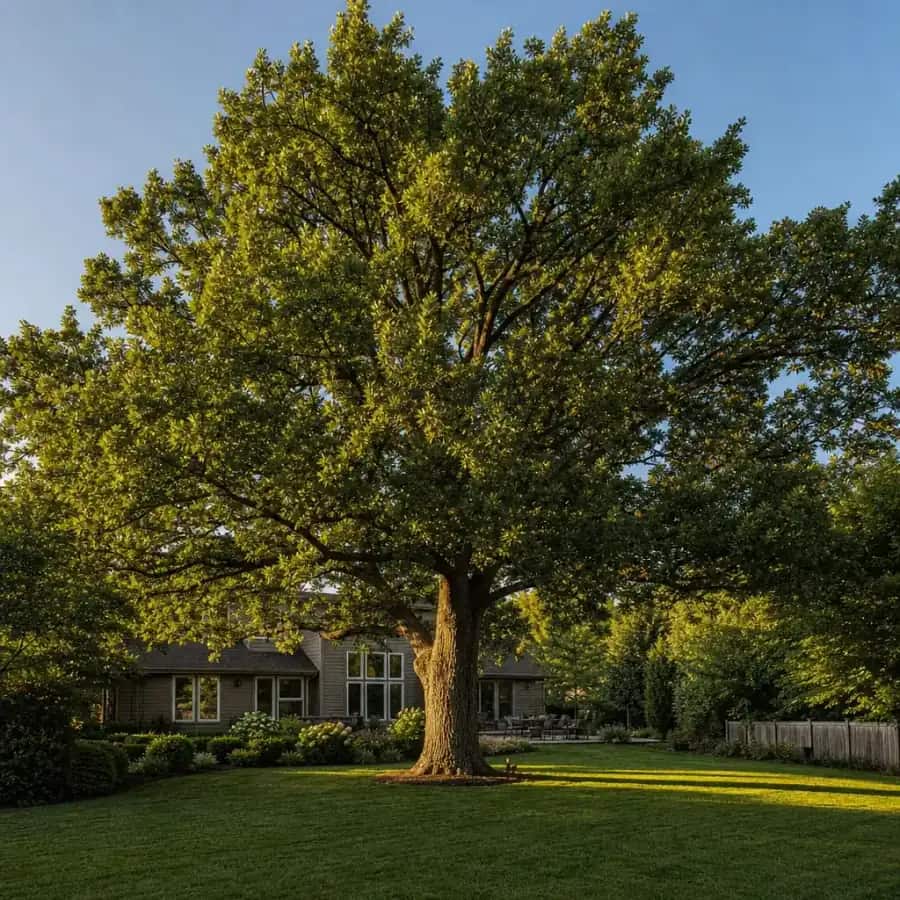
 Zones 3 to 8
Shade Trees
Bur Oak
$490
Shop large, nursery-grown shade, privacy, flowering and fruit trees, delivered by freight in Wilson County. Every tree is matched to your hardiness zone and backed by our 1-Year Thrive Guarantee.
Enter your ZIP and we'll match trees to your exact growing zone.
Typical winter lows in Wilson County run about 10 to 15 F.
Matched to Wilson County's zones
Zones 3 to 8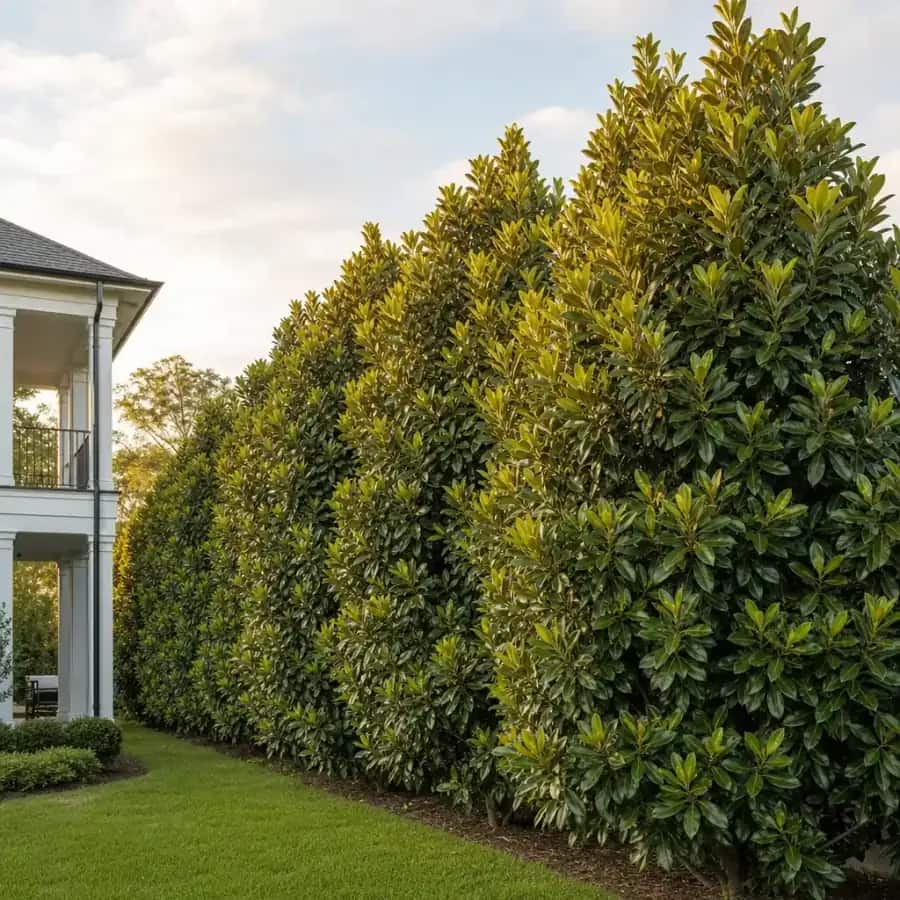 Zones 7 to 9
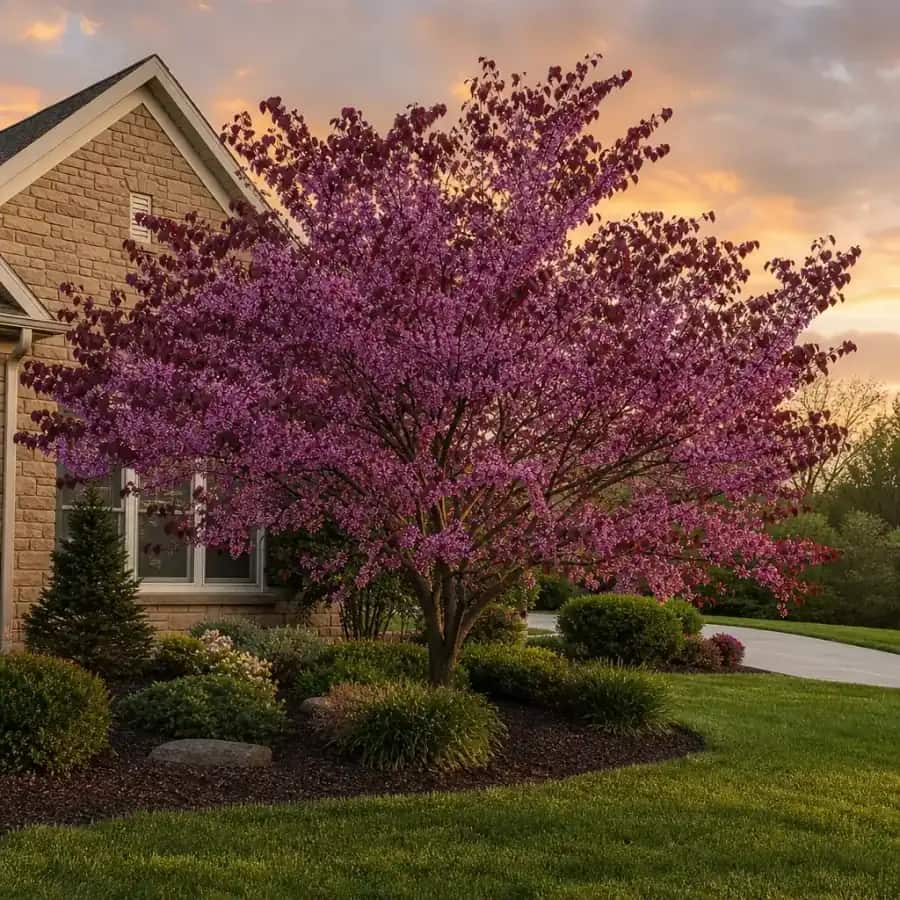 Zones 4 to 9
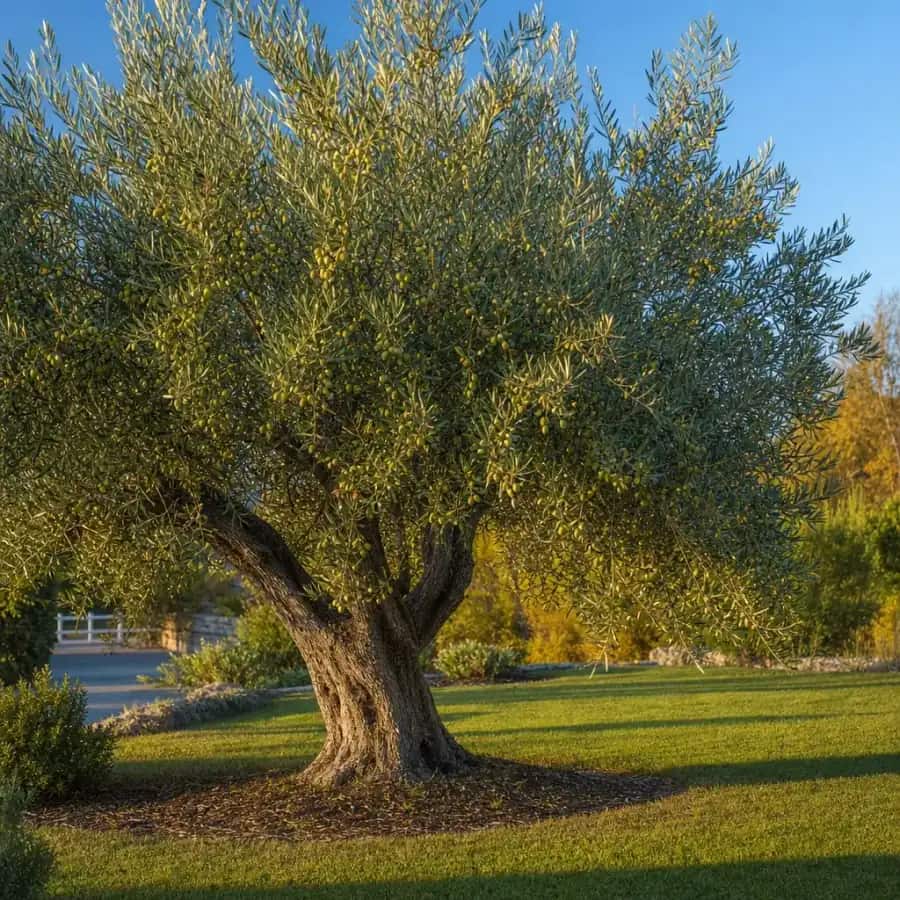 Zones 8 to 11
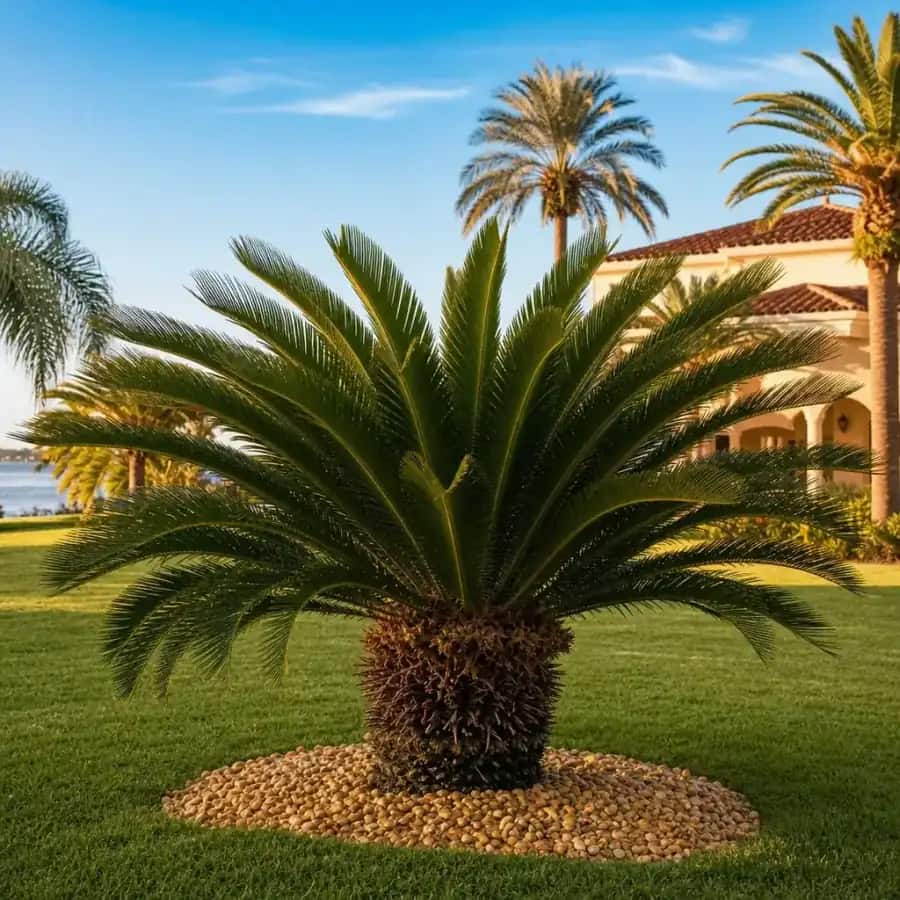 Zones 8 to 11
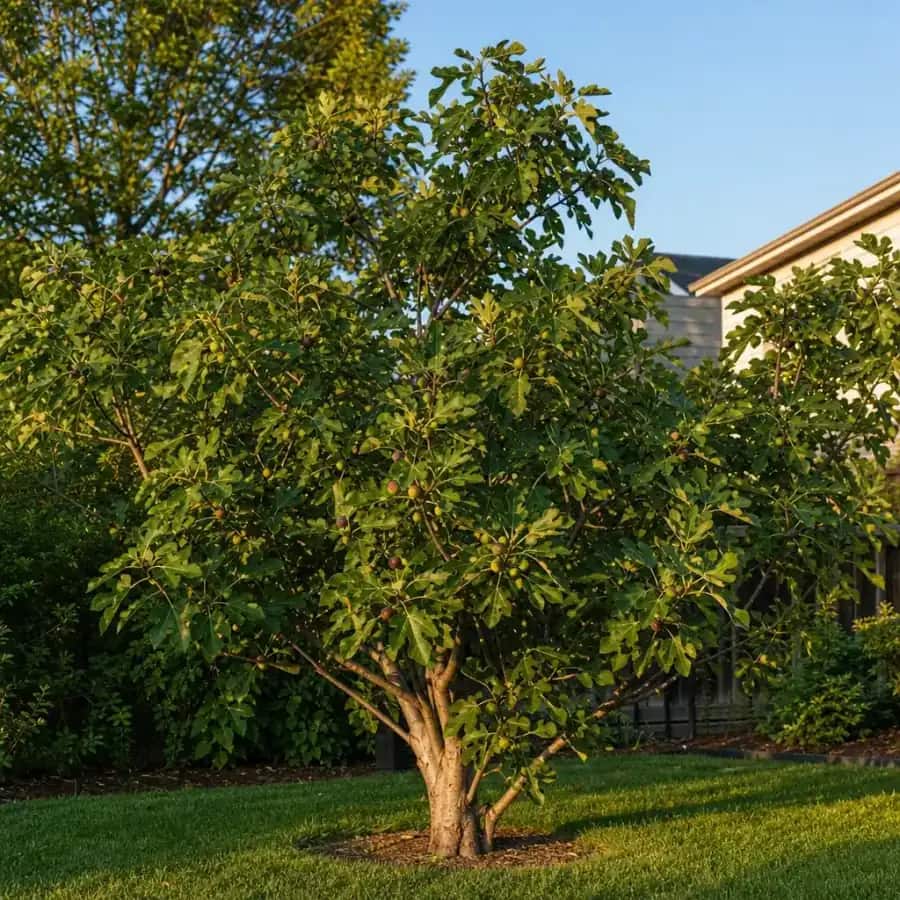 Zones 5 to 10
Shop by category
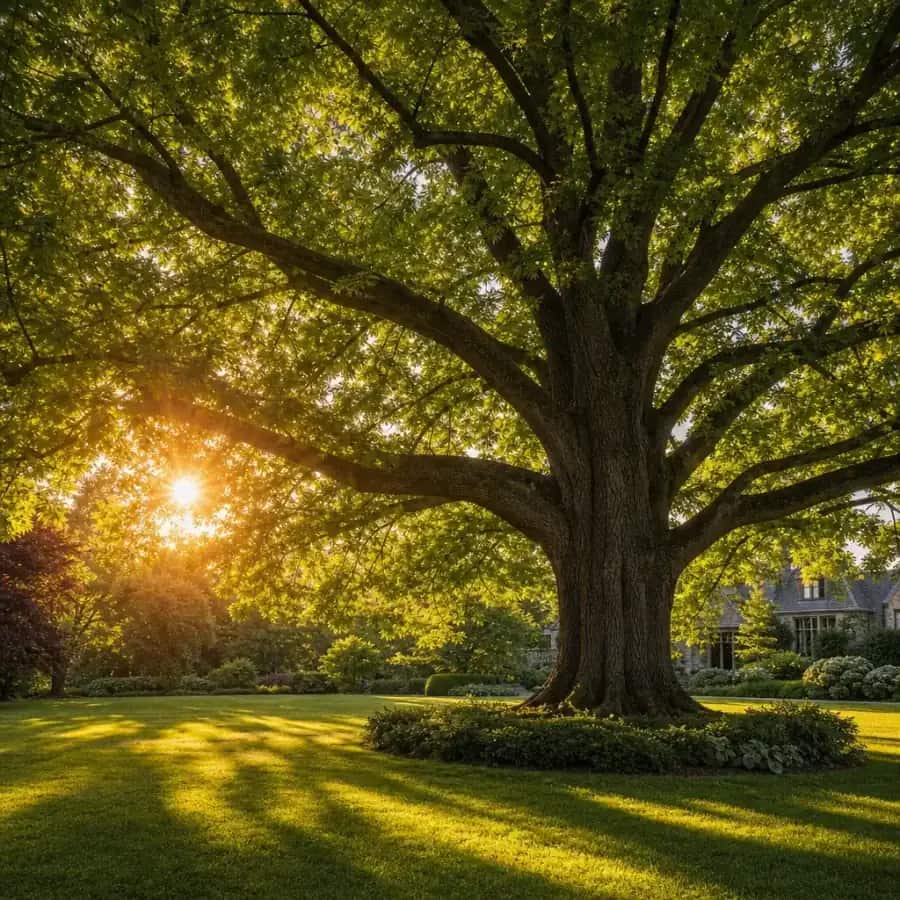 Shade TreesZone 8 summers call for big shade. Our shade trees soar quickly and cool your home.View all Shade Trees →
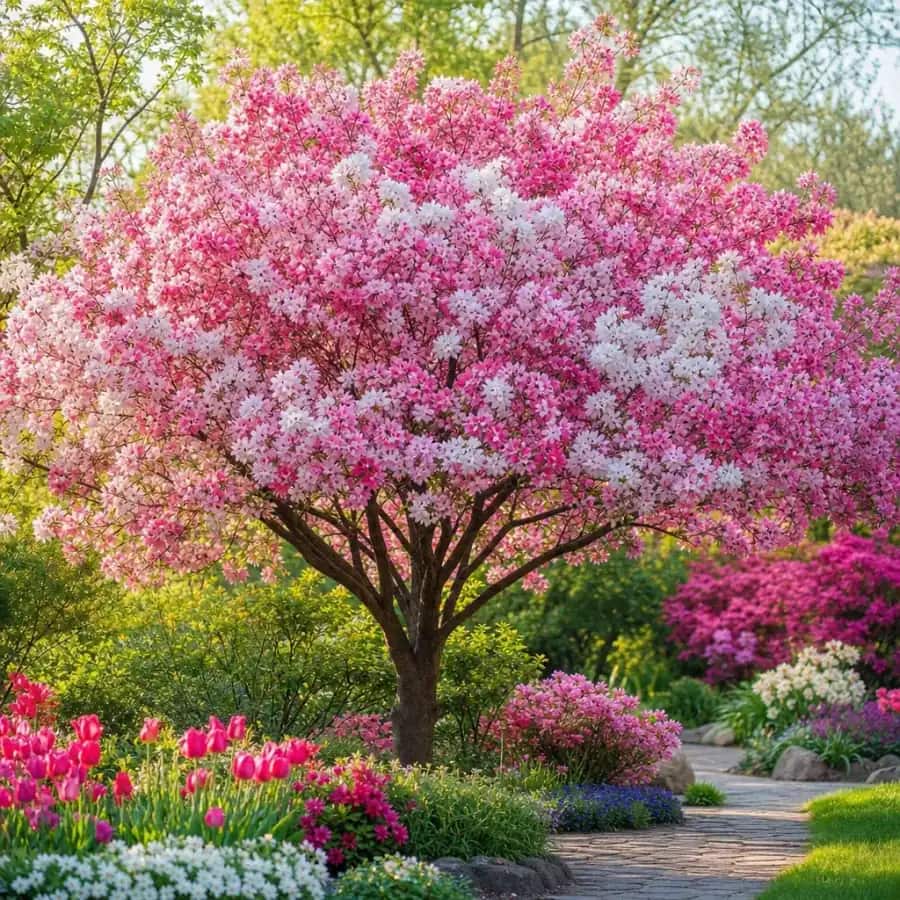 Flowering & OrnamentalFlowering trees like redbuds and plum put on a show from early spring. Great for curb appeal.View all Flowering & Ornamental →
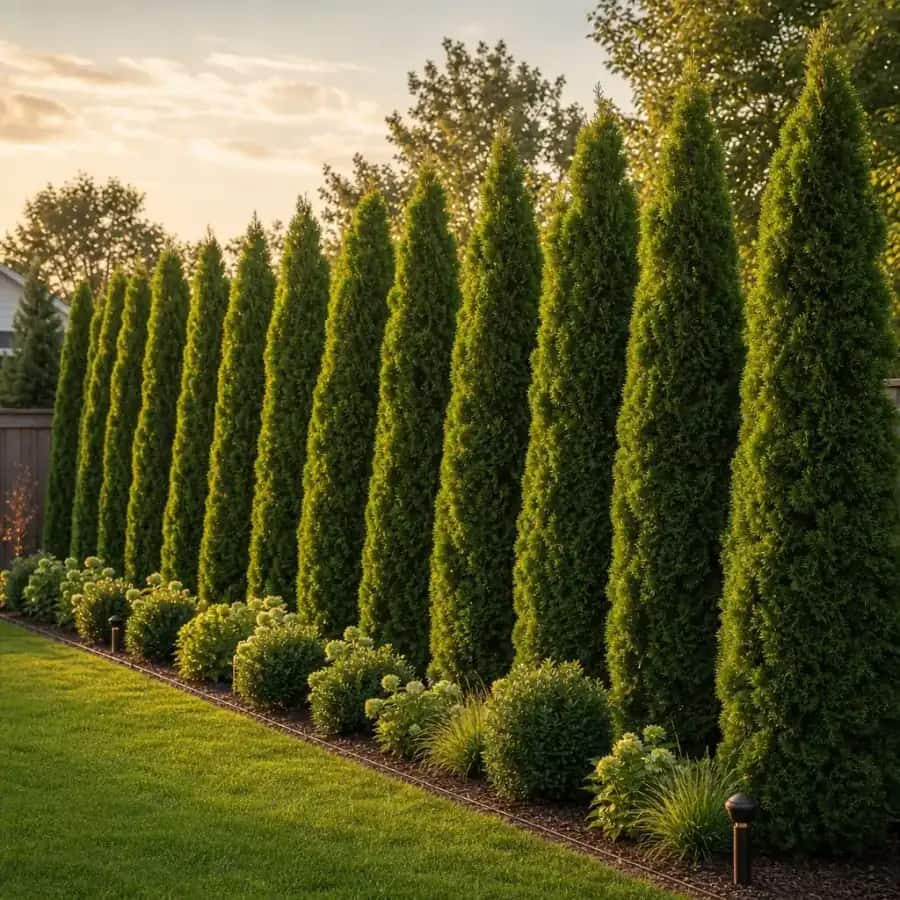 Evergreen & PrivacyDense evergreens stay green year-round in Wilson County. They screen neighbors without fuss.View all Evergreen & Privacy →
 Japanese MaplesJapanese maples add delicate leaf color in reds and greens. Many thrive in the milder zone 8 climate.View all Japanese Maples →
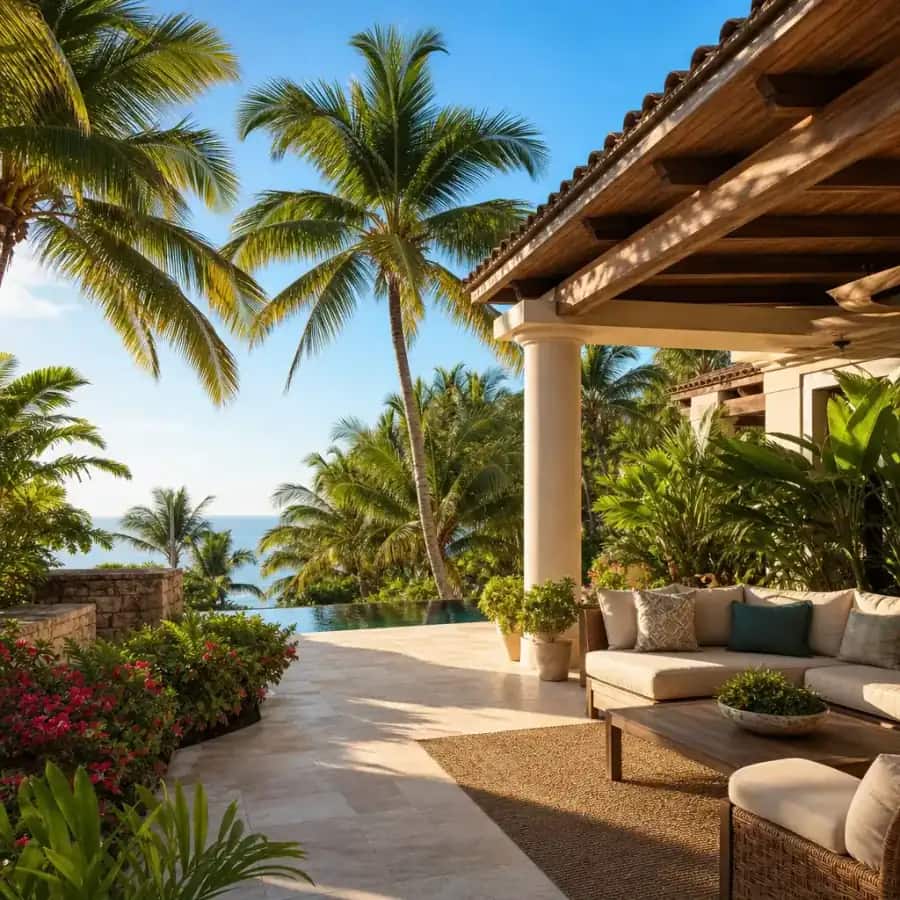 Palms & TropicalsPalms give a tropical vibe without winter worry. Cold-hardy choices like Dwarf Palmetto handle 10 F.View all Palms & Tropicals →
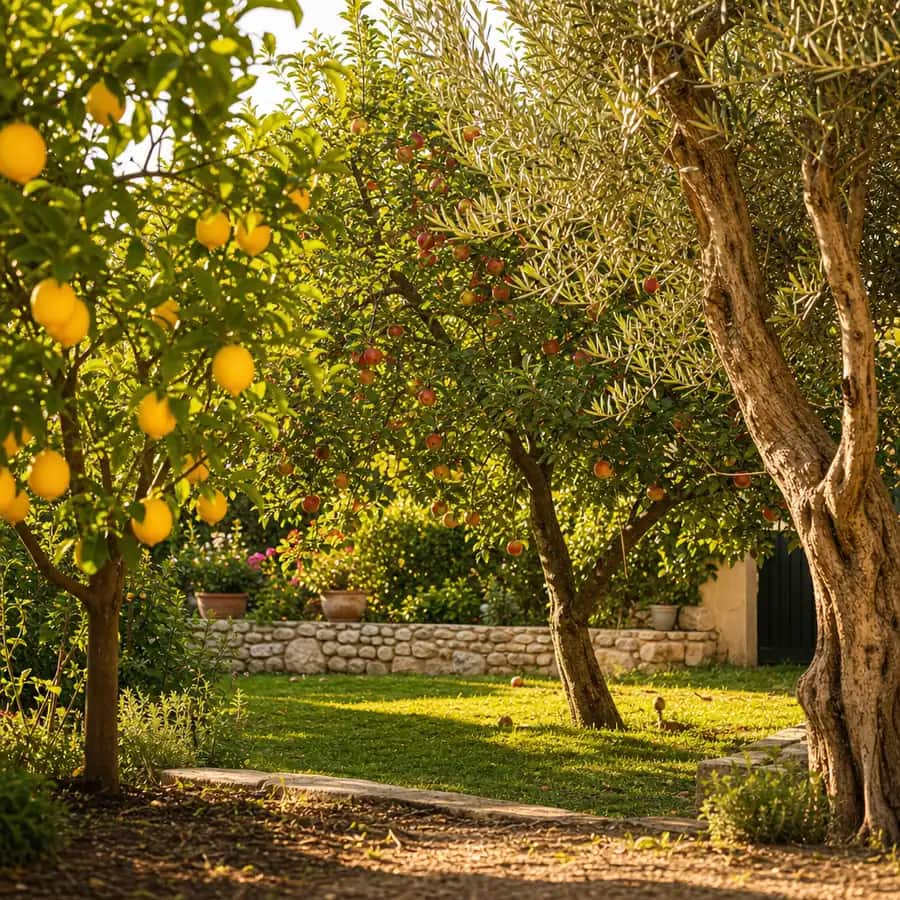 Fruit TreesGrow your own apples, peaches, and figs. Most need a winter chill, which zone 8 provides just enough of.View all Fruit Trees →
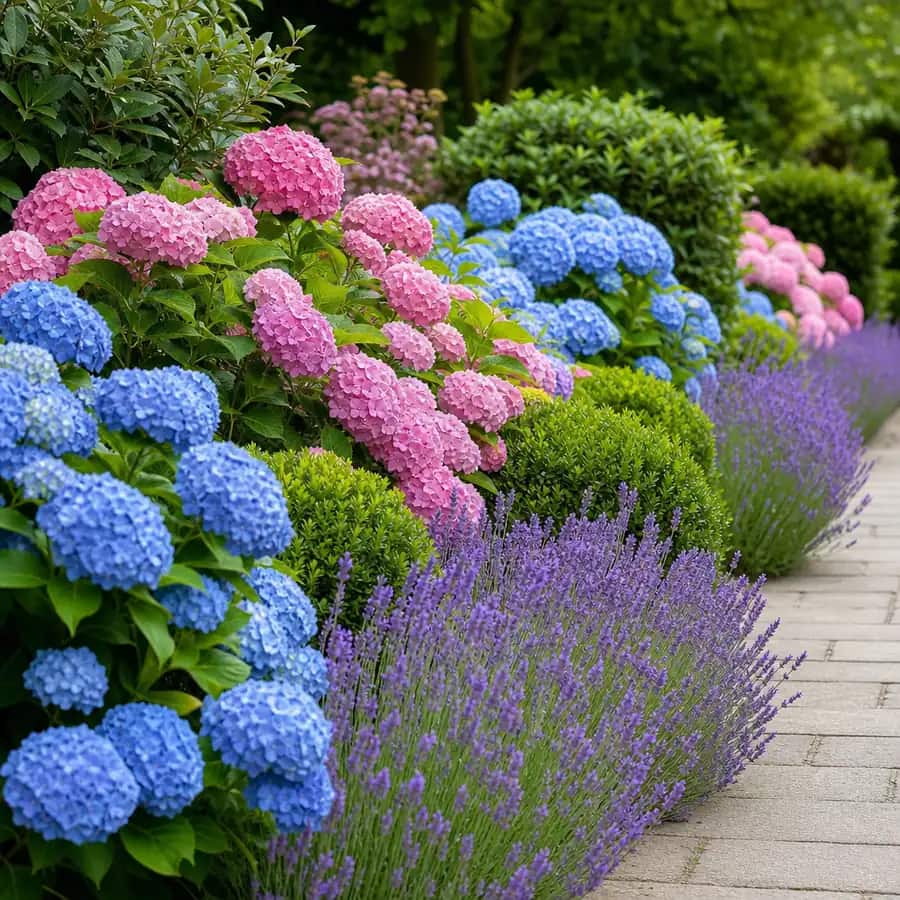 Shrubs & HedgesCompact shrubs fill gaps and edge beds. Hollies, lavender, and hydrangeas all do well here.View all Shrubs & Hedges →
Local fit, from data
8a
about 10 to 15 F
10
Wilson
Shade, privacy, and fruit trees in Wilson County are available now with Arbor Buddy. As a delivery-only vendor, we ship large, nursery-grown landscape trees by freight to homes across Wilson County, North Carolina (NC). Trees are matched to your USDA hardiness zone, with typical winter lows around 10 to 15 F in zone 8a. Orders to zone 8 areas are scheduled for fall and early-spring arrival.
Wilson County spans USDA hardiness zone 8a across its 10 ZIP codes. Typical winter lows run about 10 to 15 F, which is mild enough for most popular landscape trees. The county's growing season is long and supports many varieties that struggle in colder areas.
Summers in eastern North Carolina bring heat and humidity. Trees that resist fungal issues and tolerate muggy conditions perform best here. Deciduous species like birches and redbuds flourish, while some evergreens appreciate good drainage. The milder winters mean less risk of freeze damage to marginally hardy plants like camellias and some palms.
When choosing trees for zone 8 in Wilson County, focus on species that thrive in warm, wet summers. Bald cypress and river birch love damp soil, while hollies and maples adapt to average garden conditions. Avoid trees that demand dry air or alkaline ground. The rural parts of the county may have slightly cooler microclimates, but the overall zone 8a designation holds.
Trees ship in fall and early spring. Orders to zone 8 areas like Wilson County are scheduled for fall and early-spring arrival. This timing lets trees establish roots before summer heat or winter cold. Summer shipments are avoided to reduce stress on the tree. You can order year-round, but we ship within your recommended window.
Dura Heat River Birch is an excellent choice for shade in Wilson County. It tolerates heat and thrives in the moist conditions common here. Other shade trees like oaks and maples also perform well in zone 8a. The river birch's peeling bark adds year-round interest even when leaves drop. Consider planting near a water source for best results.
Trees arrive at a sturdy landscape size. They are large enough to make an immediate impact in your yard. Arbor Buddy ships nursery-grown specimens that are ready to plant. Trees come in sturdy containers that protect the root ball during freight transport. Most trees are between 3 and 6 feet tall, depending on the species. Upon arrival, inspect the tree for any shipping damage before planting.
Most trees suited to zones 4 through 9 will thrive in Wilson County's zone 8a. Both warm-climate favorites like the Dwarf Palmetto Palm and cold-hardy options like the Honeycrisp Apple grow well. The key is matching each tree to your specific microclimate and soil. Pay attention to sun exposure and soil drainage when selecting. For example, Honeycrisp Apple needs a second variety nearby to set fruit. Wilson County's climate poses few limitations on tree selection.
Begin browsing trees matched to your Wilson County yard. Arbor Buddy delivers large, healthy trees right to your home. Your 1-Year Thrive Guarantee covers every purchase. Find the perfect shade tree, privacy screen, or fruit tree for your property. Place your order now for fall or early spring planting.
Beaver County, Pennsylvania (PA) lives in zone 6b with winter lows from -5 to 0 F. That colder climate limits choices to very hardy trees like maples and oaks. Here, the zone usually pushes the choice toward trees that can handle warmer, more humid summers. The practical difference is that Wilson County's milder winters allow a broader palette, including redbuds, hollies, and palms. Locally, that points buyers toward heat-tolerant selections like the Oakland Southern Living Holly.
Beaver County, Utah (UT) is zone 6a with typical lows from -10 to -5 F. It is a high desert with dry air and low humidity. The practical difference is that Wilson County receives much more rainfall, so drought-tolerant trees like junipers and pines are less critical here. Here, the zone usually pushes the choice toward moisture-loving trees such as river birch, which would struggle in Utah's dry climate.
Orleans County, Vermont (VT) faces extreme cold with winter lows down to -30 to -20 F in zones 4a to 4b. Only the most hardy trees survive there, like certain apples and maples. The practical difference is that Wilson County's zone 8a is much warmer, allowing many ornamental and fruiting trees that would freeze in Vermont. Locally, that points buyers toward options like the Honeycrisp Apple, which is already hardy to zone 3 and thrives in your warmer climate.
What these contrasts mean for Wilson County buyers: your mild winters and humid summers let you choose from many trees that would fail in colder or drier regions. Focus on heat-tolerant, moisture-friendly species.
Arbor Buddy ships large, nursery-grown trees by freight to Wilson County. Your tree arrives at a sturdy landscape size, already matched to your zone. Trees arrive in sturdy containers, ready to plant upon arrival. The 1-Year Thrive Guarantee means free replacement if your tree does not survive its first year. Orders to zone 8 areas are scheduled for fall and early-spring arrival. This timing reduces transplant shock and gives roots a head start.
Before delivery day, check:
Enter your ZIP, shop only what thrives in your zone.
Freight delivery to your address: $149 flat per order, shown at checkout.
Plant it, watch it thrive, covered for one year.
Good to know · Growing guide
Coverage runs a full year from delivery. If something goes wrong, contact the team and they arrange the replacement. No store-credit games, no fine-print maze.