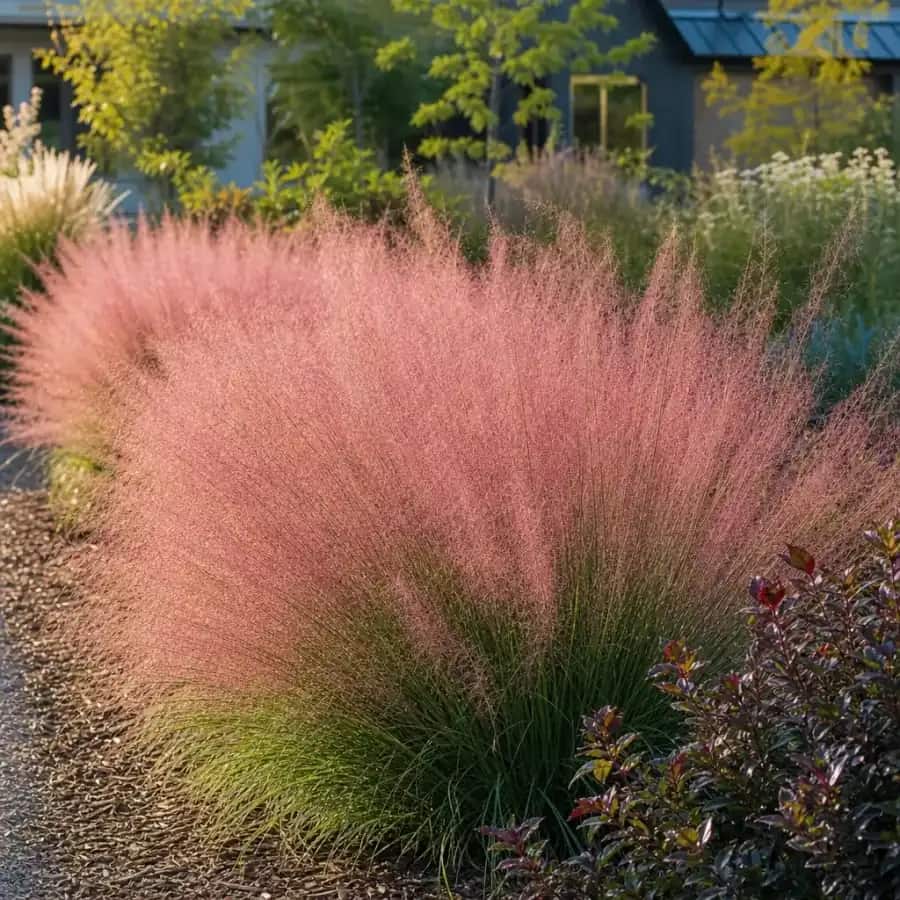
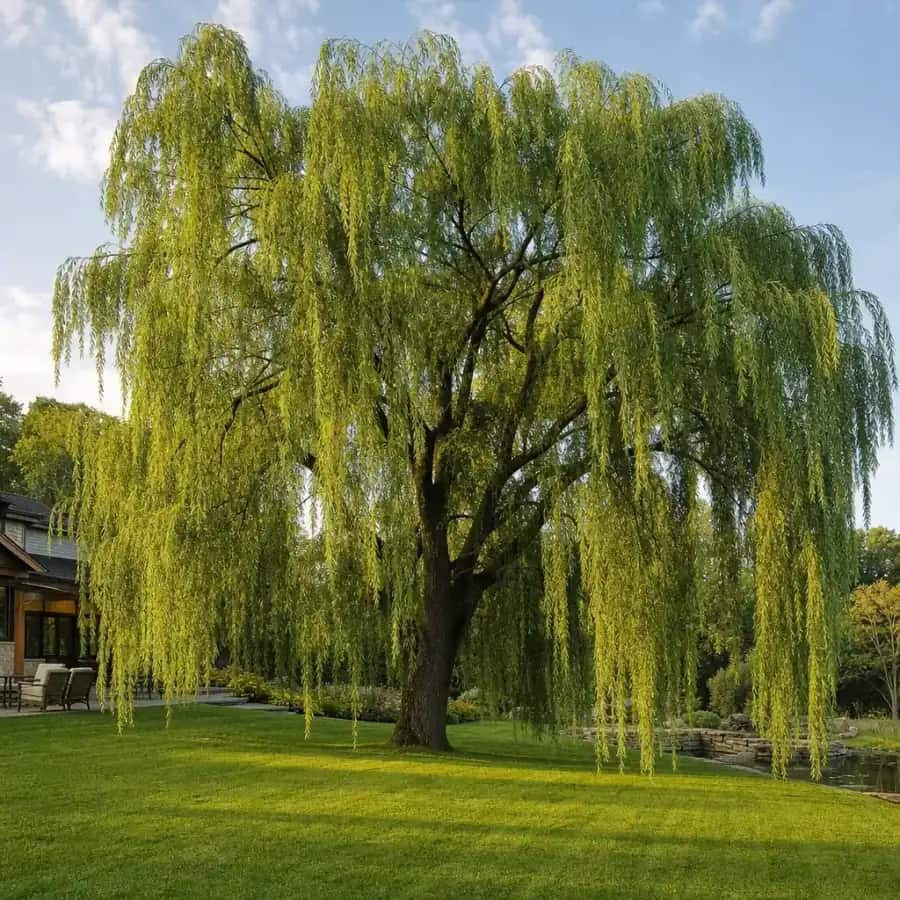
 Zones 4 to 9
Shade Trees
Weeping Willow
$40
Shop large, nursery-grown shade, privacy, flowering and fruit trees, delivered by freight in Clark County. Every tree is matched to your hardiness zone and backed by our 1-Year Thrive Guarantee.
Enter your ZIP and we'll match trees to your exact growing zone.
Typical winter lows in Clark County run about -10 to 0 F.
Matched to Clark County's zones
Shop by category
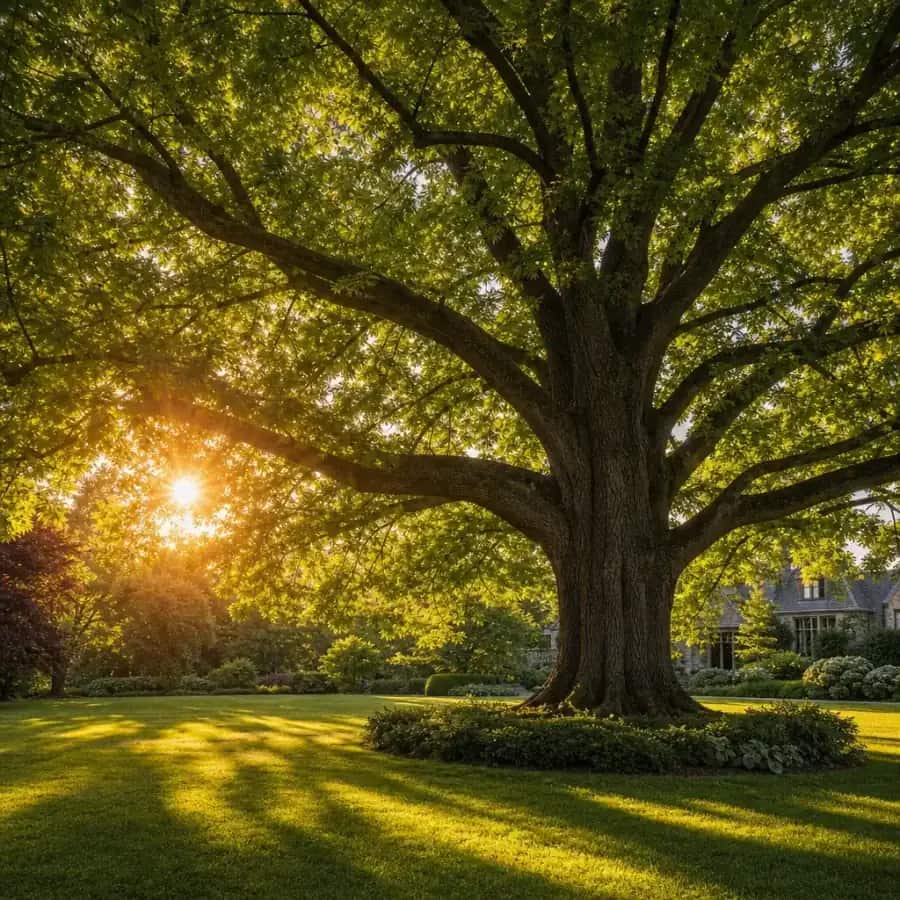 Shade TreesBroad canopies for the hot side of Clark County's zone 6 summers.View all Shade Trees →
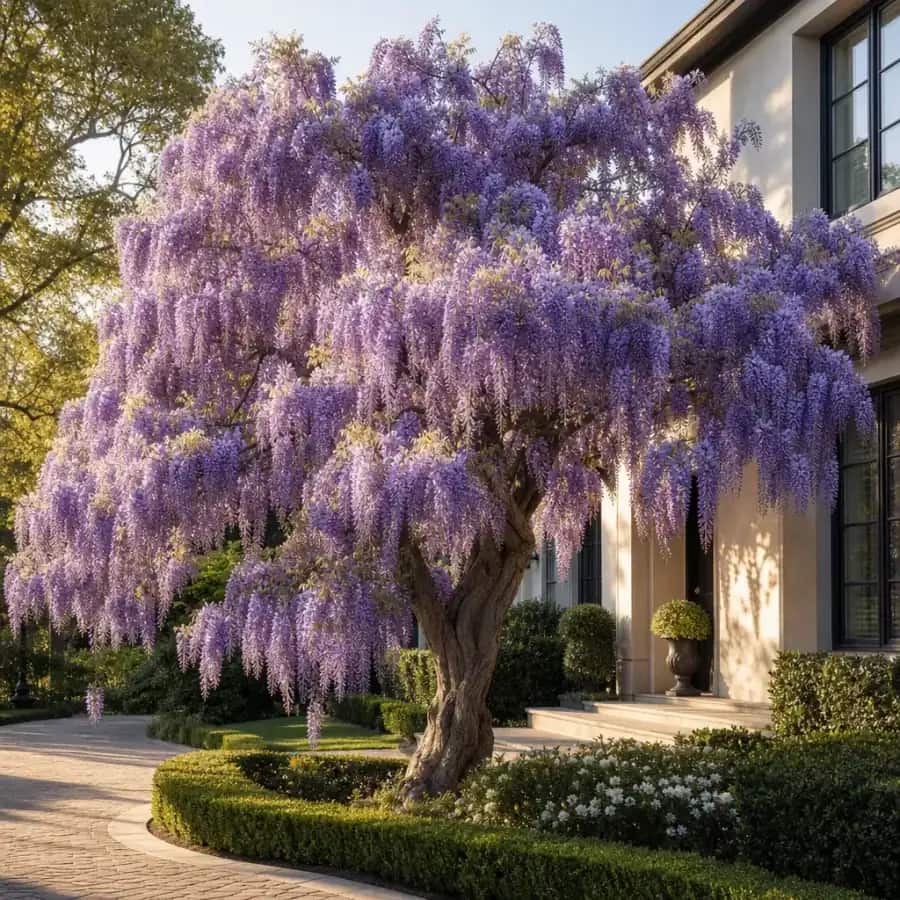
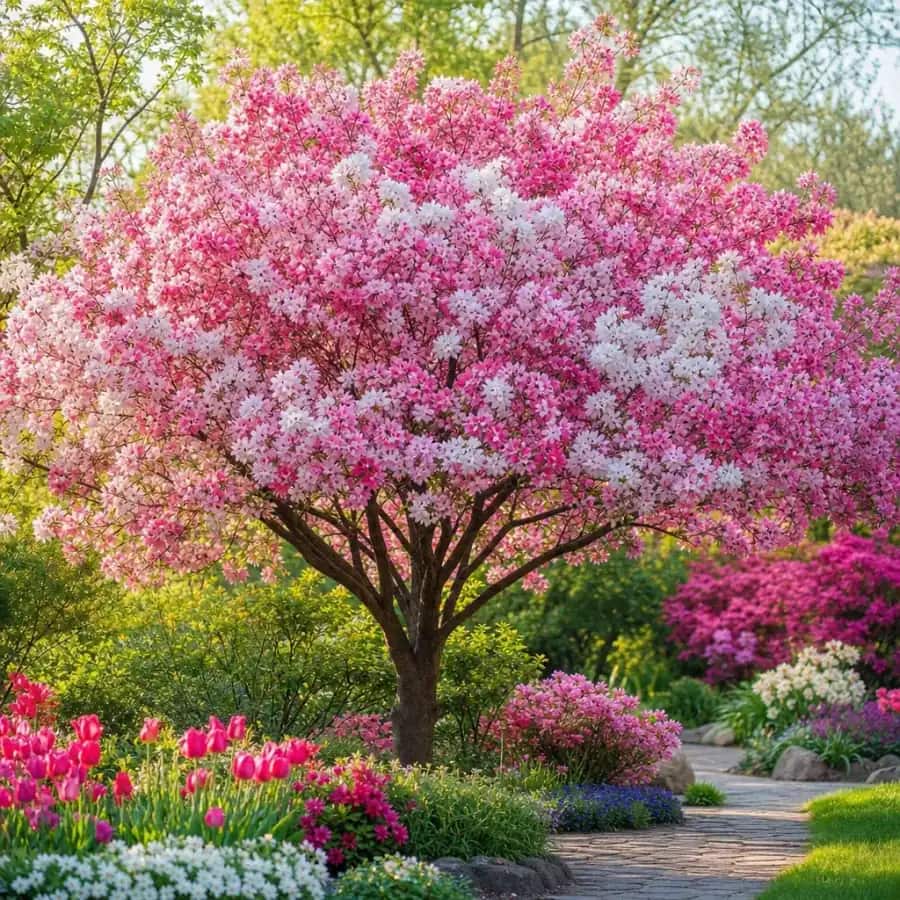 Flowering & OrnamentalBlooming cherries and plums thrive in your winter chill hours.View all Flowering & Ornamental →
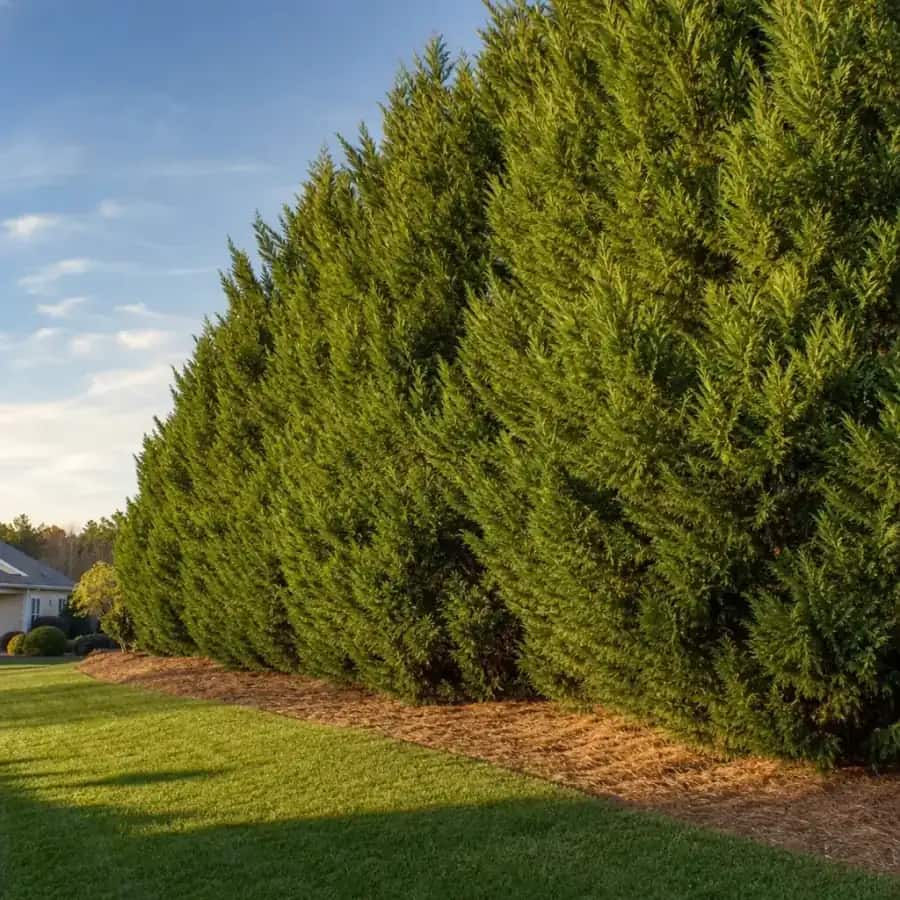
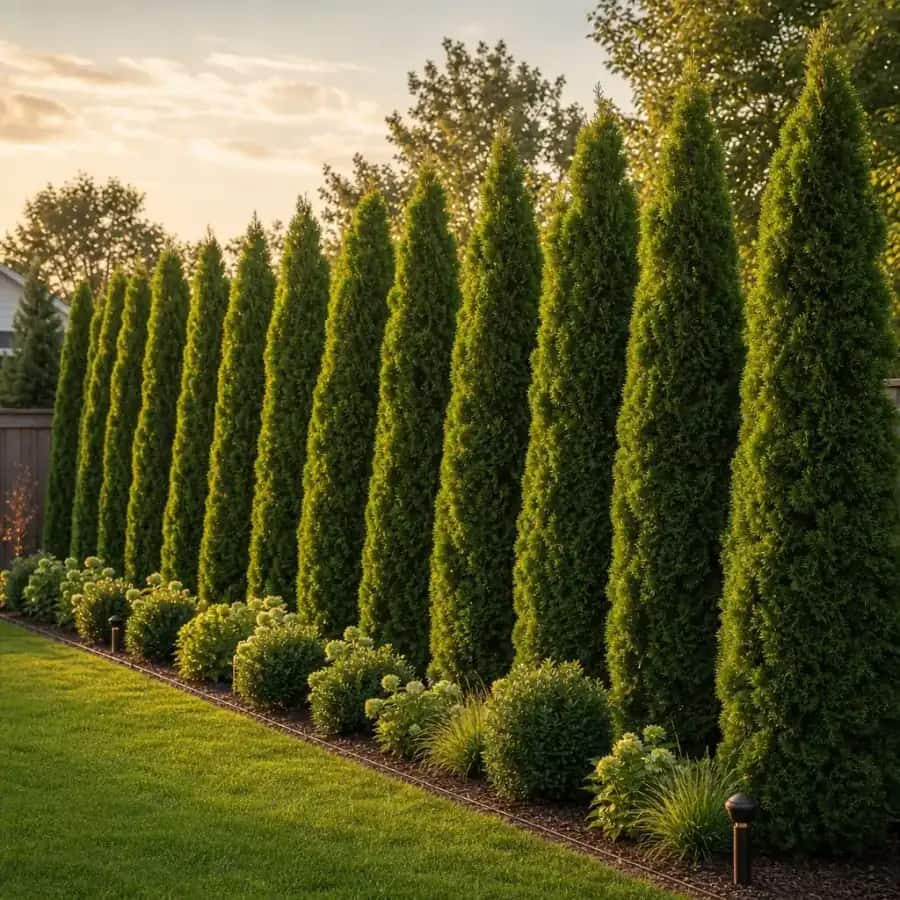 Evergreen & PrivacyYear-round screens that shrug off the county's -10 F lows.View all Evergreen & Privacy →
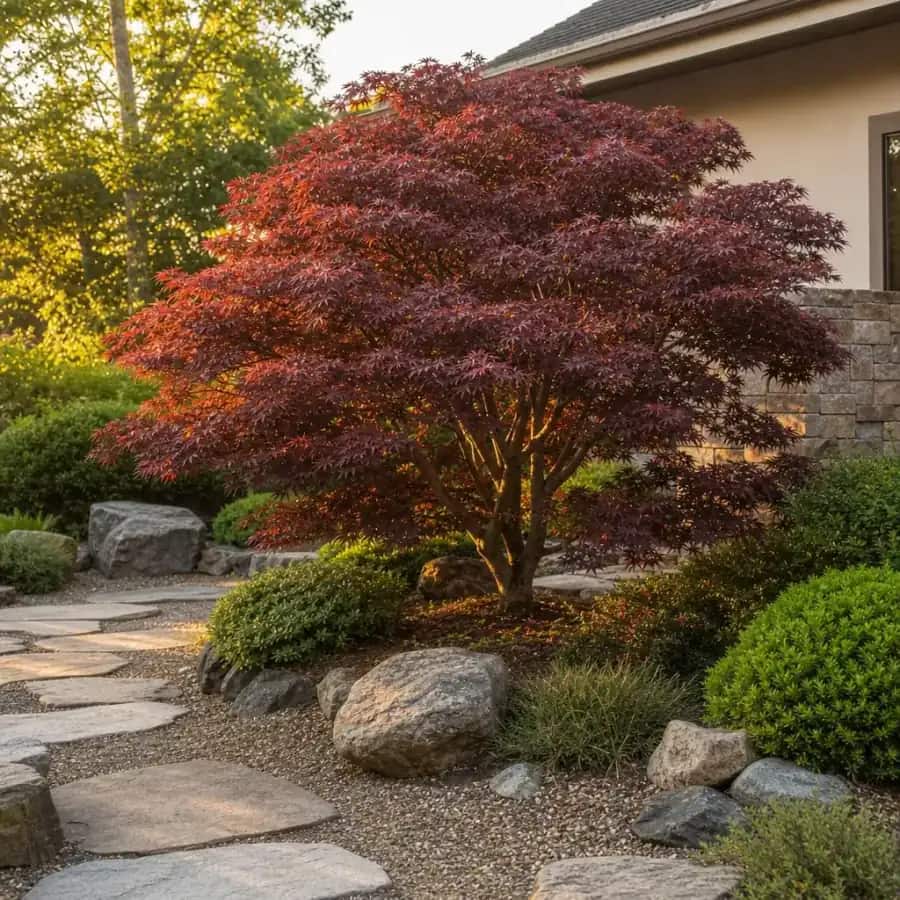
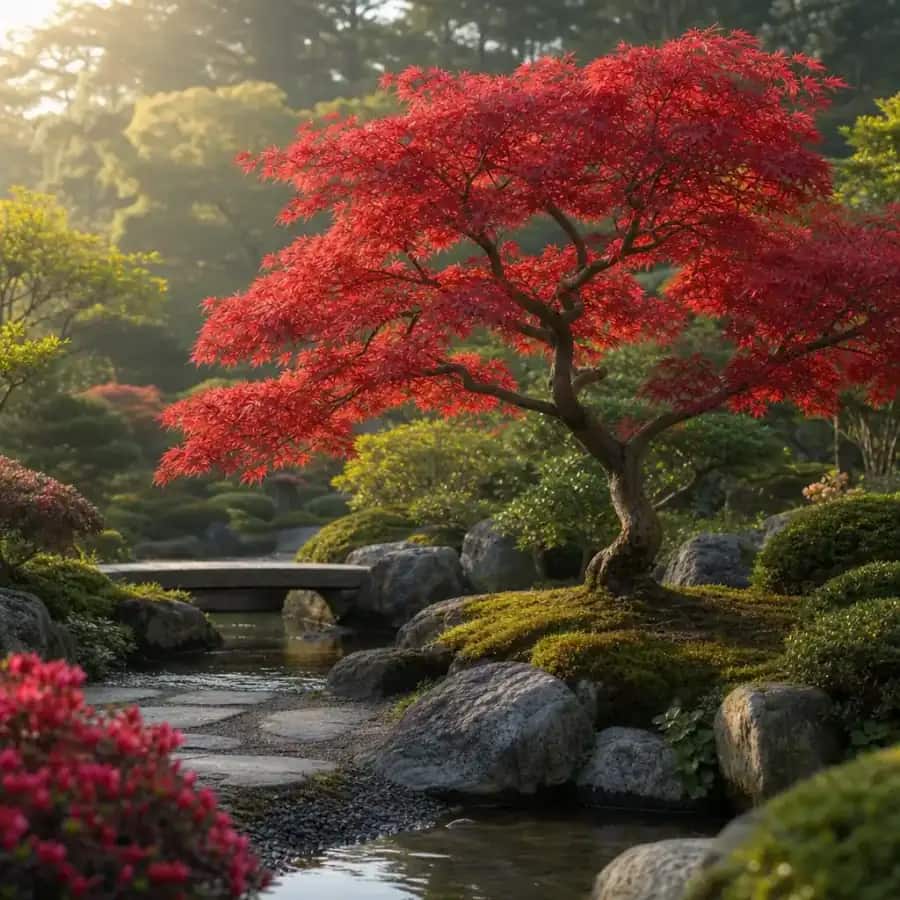 Japanese MaplesDelicate laceleaf forms need a protected nook in zone 6 winters.
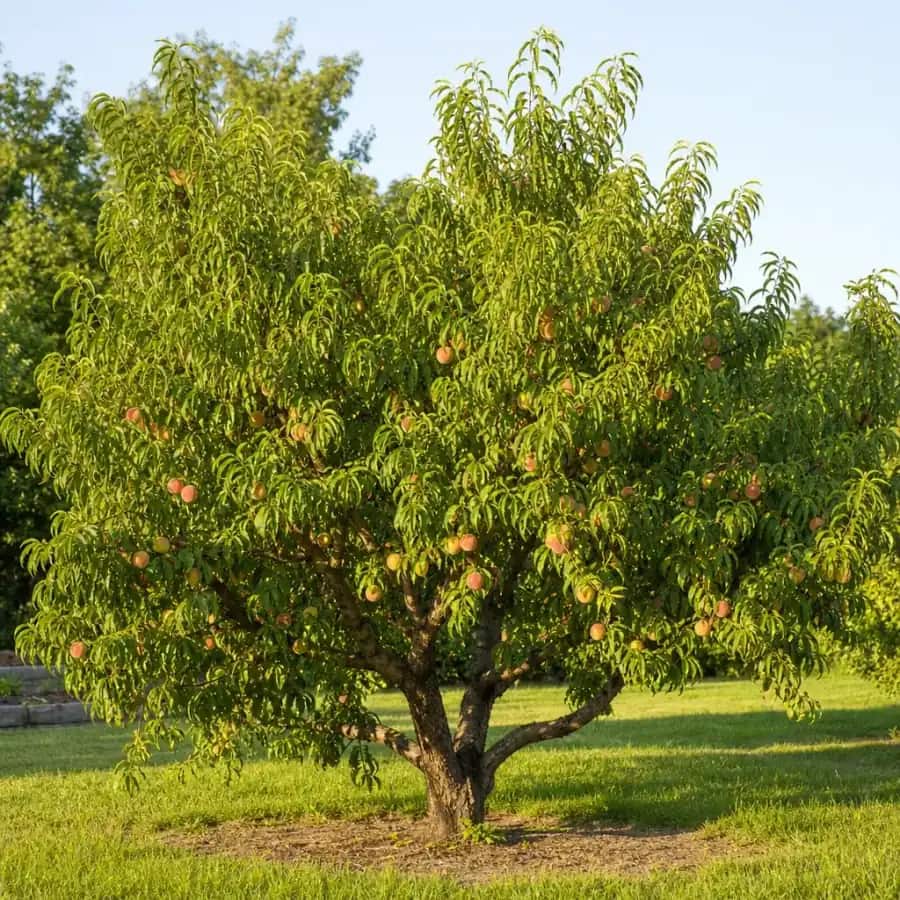
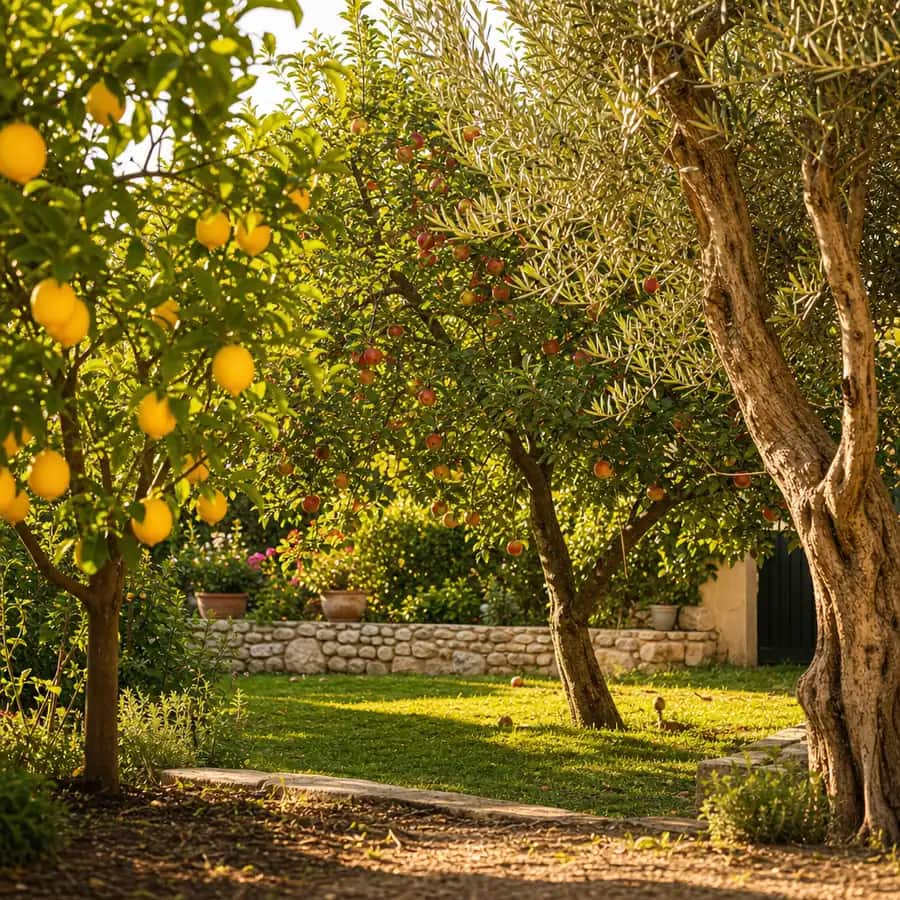 Fruit TreesFigs and plums produce after a cold zone 6 winter.View all Fruit Trees →
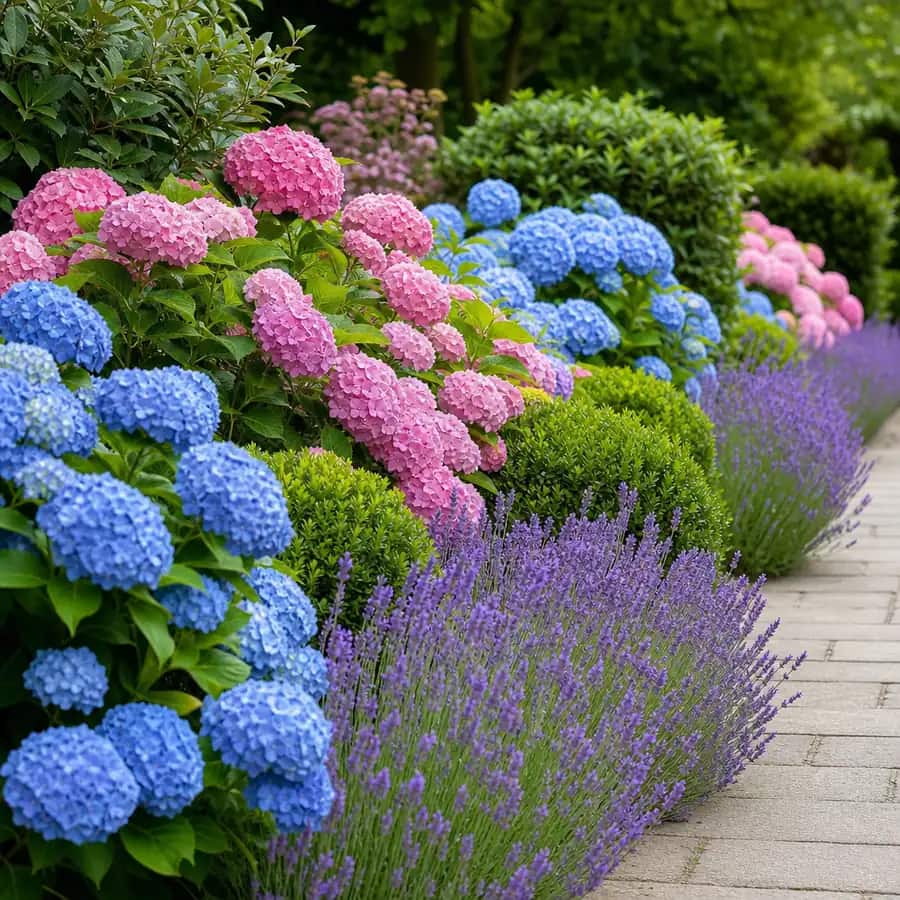 Shrubs & HedgesFoundation plants and hedges for Clark County's varied soil types.View all Shrubs & Hedges →
Local fit, from data
6a to 6b
about -10 to 0 F
15
Springfield
Shade, privacy, and fruit trees in Clark County, Ohio (OH) land at your door with Arbor Buddy. We ship large nursery-grown trees by freight direct to homeowners. Every tree matches the county's hardiness zone - 6a to 6b, where winter lows can dip to -10 F. Pick from flowering ornamentals, evergreens, maples, and more.
Clark County spans the 6a to 6b line across its 15 ZIP codes. The colder end, 6a, sees winter lows near -10 F. That chills tender evergreens and pushes fruit trees into dormancy. The warmer end, 6b, stays above 0 F and gives a longer growing season for flowering ornamentals.
Summers are humid, but hot spells are short. Trees for zone 6 in Clark County handle the swing between -10 F and 90-plus F. Deciduous shade trees like sweetgum lean into the heat. Japanese maples need a spot shielded from afternoon sun to avoid leaf burn. The county's cold snaps rule out tropical species, but hardy figs and plums are a solid bet.
Spring and fall rain usually moderate soil moisture. The suburban core around Springfield drains well; rural clay may hold water. Match your tree to your site's drainage and sun.
Zone 6 covers winter lows from -10 to 0 F. Deciduous shade trees, flowering ornamentals, evergreens, and many fruit trees grow well here. At Arbor Buddy, we match each tree to your specific zone range, so you get a species proven to survive a 6a or 6b winter.
The best fits match the county's 6a to 6b range and typical winter lows of -10 to 0 F. The featured trees - sweetgum, juniper, cherry plum, fig, laceleaf maple, and crape myrtle - all thrive within this envelope. Japanese maples do best in a sheltered spot; the fig is the cold-hardiest choice for home fruit.
Yes. The Chicago Hardy Fig is an excellent starter because it needs no pollinator. Plums and cherries also fruit here, though sweet cherries require a second compatible tree for pollination. Your winter chill is adequate for most standard fruit varieties.
Arbor Buddy guarantees every tree survives its first year in the ground. If a tree dies within 12 months of planting, we send a free replacement. No restocking fee, no paperwork. You just contact us with a photo, and we ship the replacement in the next planting window.
Pick your trees, place your order, and know that the first year is risk-free. Arbor Buddy ships large, zone-matched trees to Clark County. If any tree does not make it through that first winter or summer, the guarantee covers a free replacement. That is the confidence you need to invest in your yard.
Cass County, Minnesota (MN) sits in zone 3b to 4a with winter lows of -35 to -25 F. That deep freeze kills many species that thrive here. In practice, buyers there lean toward Siberian elms and super-hardy evergreens. Japanese maples like Tamukeyama would not survive a Cass County winter. For your cart, that means the Japanese maples you can grow here are a luxury you should use.
Yazoo County, Mississippi (MS) lies in zone 8b with lows of 15 to 20 F. Palm trees and tropicals grow there unprotected. Here, those same plants would be annuals at best. For your cart, that means you skip palms and stick with cold-hardy ornamentals like crape myrtle and cherry plum. The county's humidity is similar, but your colder winter limits the tropical palette.
Custer County, Montana (MT) covers zone 4a to 4b with lows of -30 to -20 F. Fruit trees there rely on hardy apples and plums. That gap changes the local shortlist to include only the toughest varieties. In Clark County, you can add figs and more tender plums. The contrast shows that your zone 6 gives you a much wider fruit selection than the Northern Plains.
What that means for your cart: Clark County sits in a sweet spot. You can grow Japanese maples (with care), reliable fruit, and a full palette of flowering trees that would fail in colder zones.
Your zone 6 order ships in a spring or fall window, whichever comes next. A freight truck brings your tree to the curb. Before delivery day, check:
Every tree arrives nursery-grown at a usable landscape size. It is already matched to your hardiness zone. The 1-Year Thrive Guarantee covers the first year: if the tree does not survive, Arbor Buddy sends a free replacement. No questions asked.
Enter your ZIP, shop only what thrives in your zone.
Freight delivery to your address: $149 flat per order, shown at checkout.
Plant it, watch it thrive, covered for one year.
Good to know · Growing guide
Coverage runs a full year from delivery. If something goes wrong, contact the team and they arrange the replacement. No store-credit games, no fine-print maze.