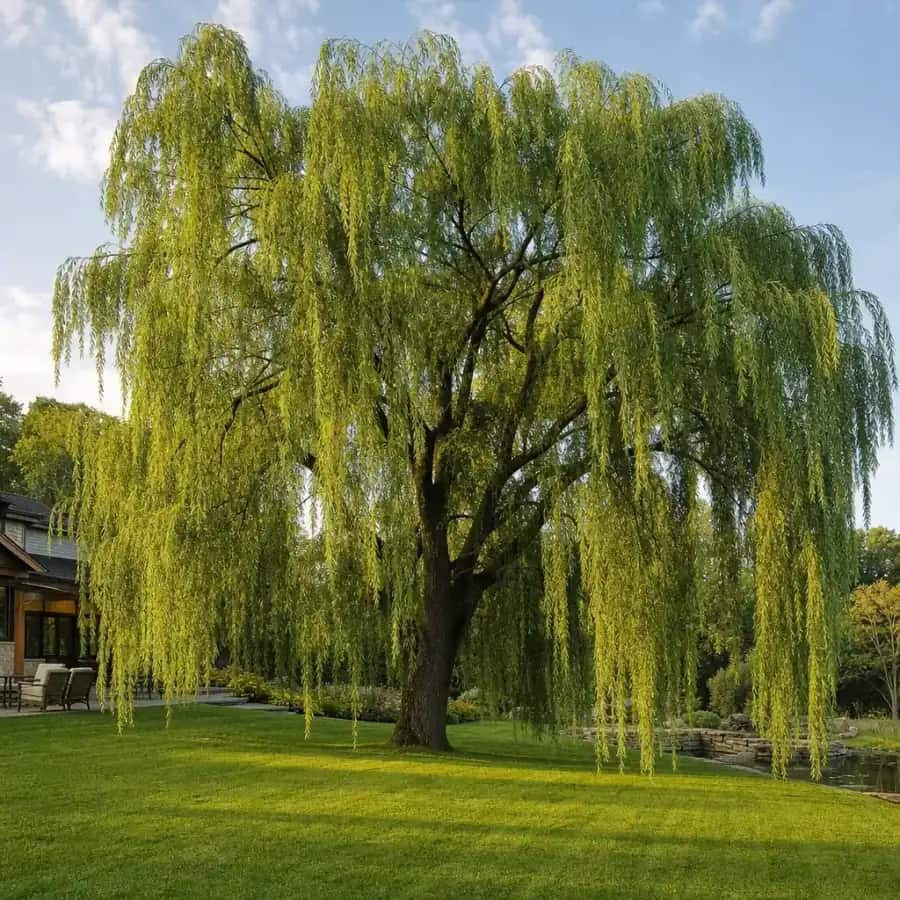
 Zones 4 to 9
Shade Trees
Weeping Willow
$40
Shop large, nursery-grown shade, privacy, flowering and fruit trees, delivered by freight in Hughes County. Every tree is matched to your hardiness zone and backed by our 1-Year Thrive Guarantee.
Enter your ZIP and we'll match trees to your exact growing zone.
Typical winter lows in Hughes County run about 5 to 10 F.
Matched to Hughes County's zones
Zones 4 to 9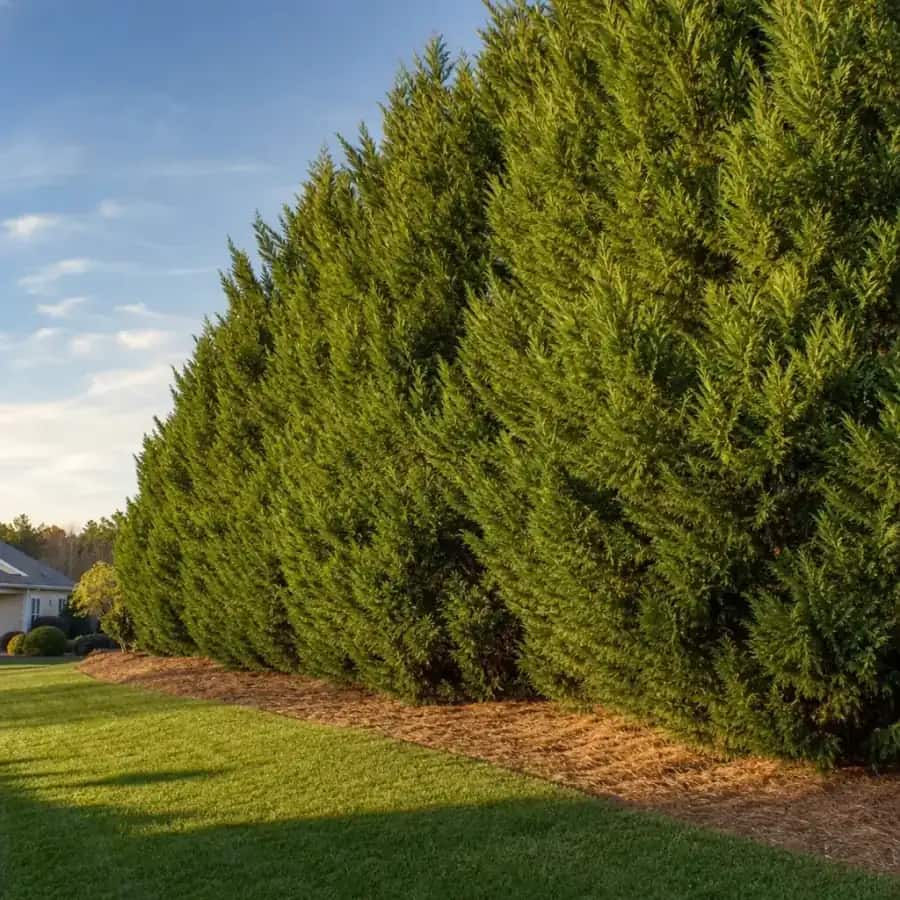 Zones 6 to 10
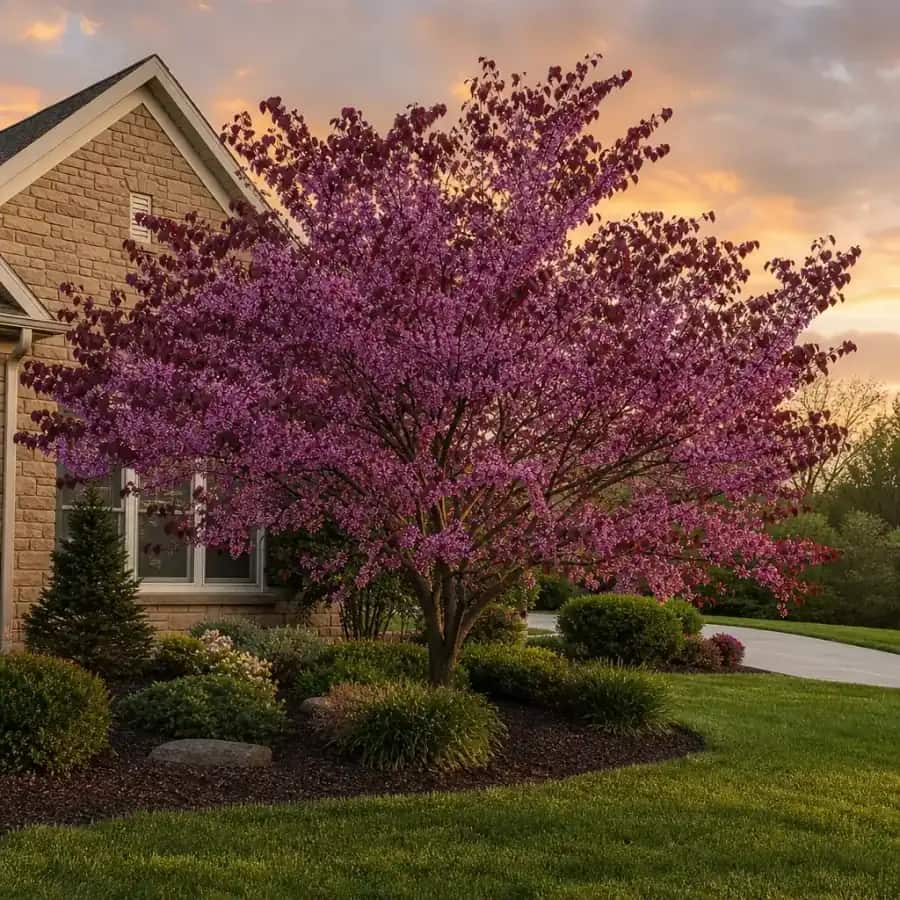 Zones 4 to 9
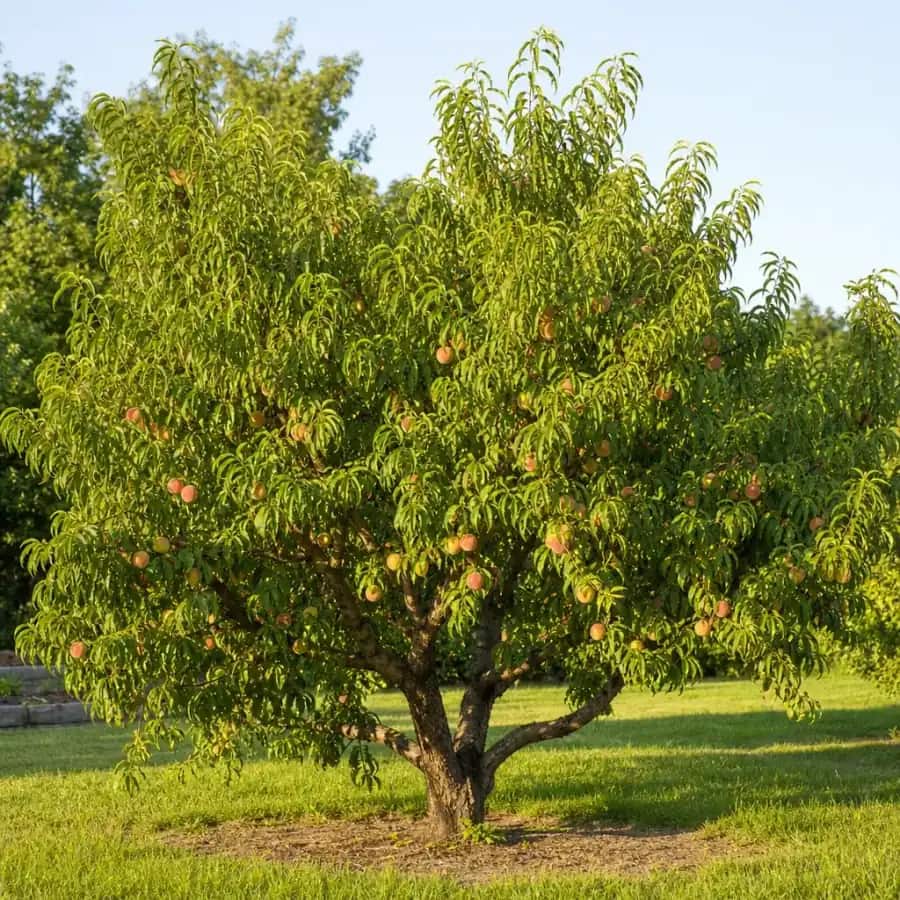 Zones 5 to 9
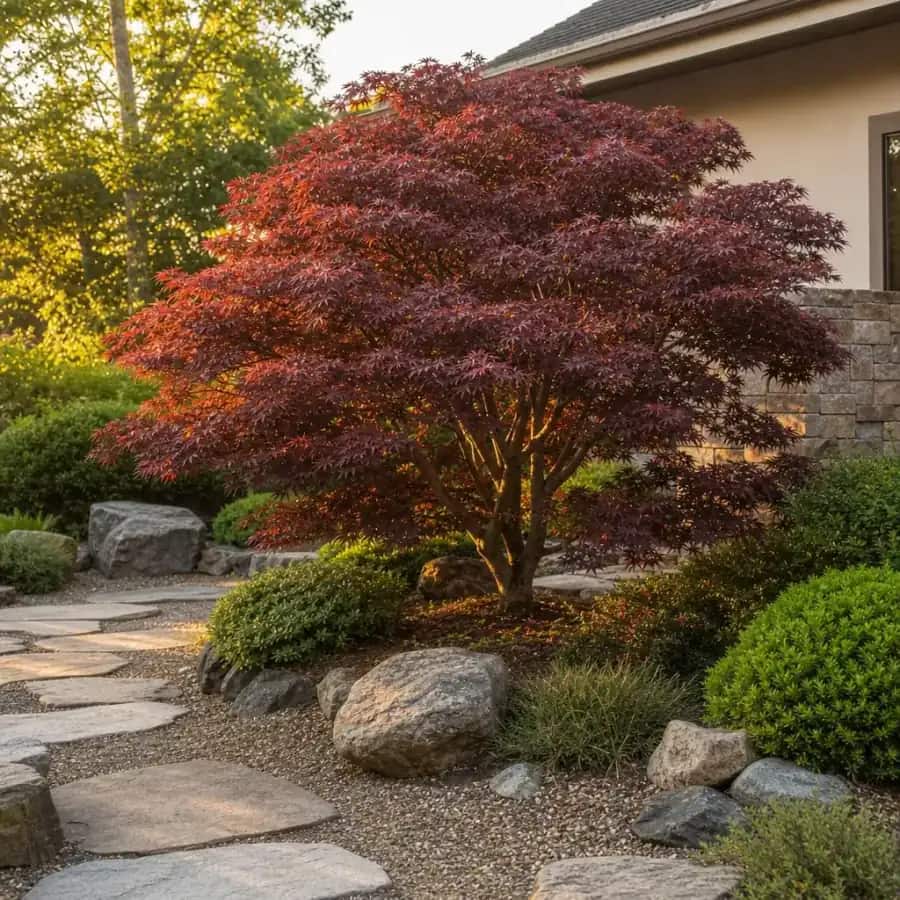 Zones 5 to 8
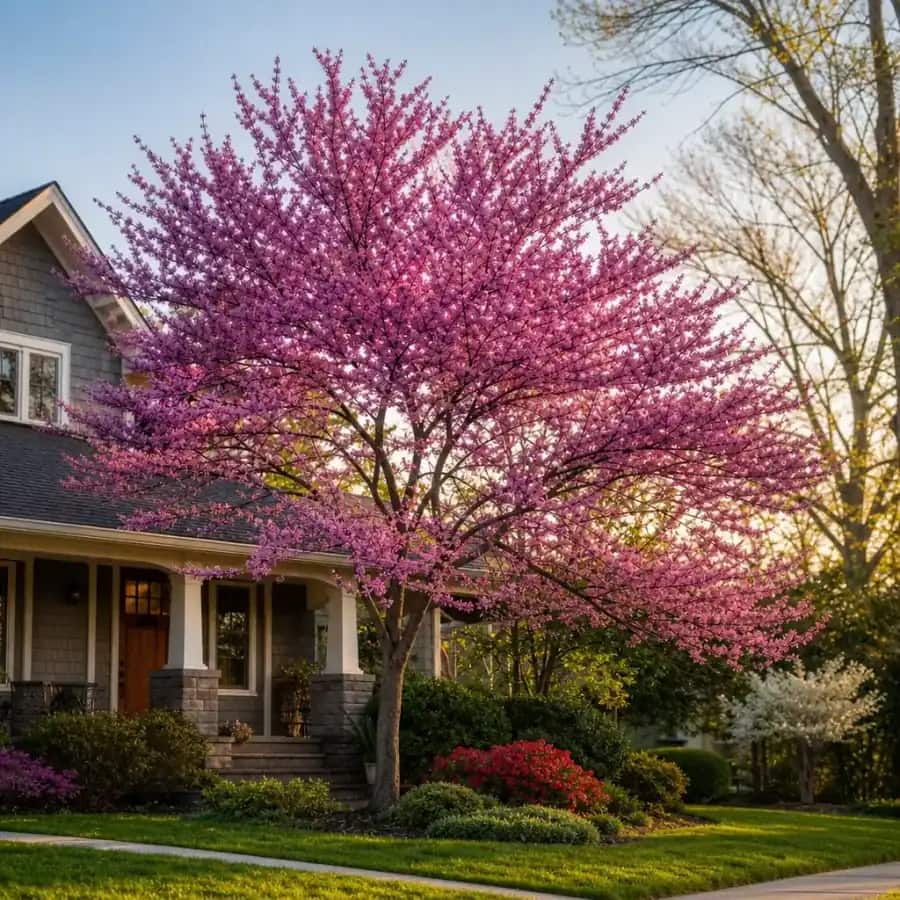 Zones 4 to 9
Shop by category
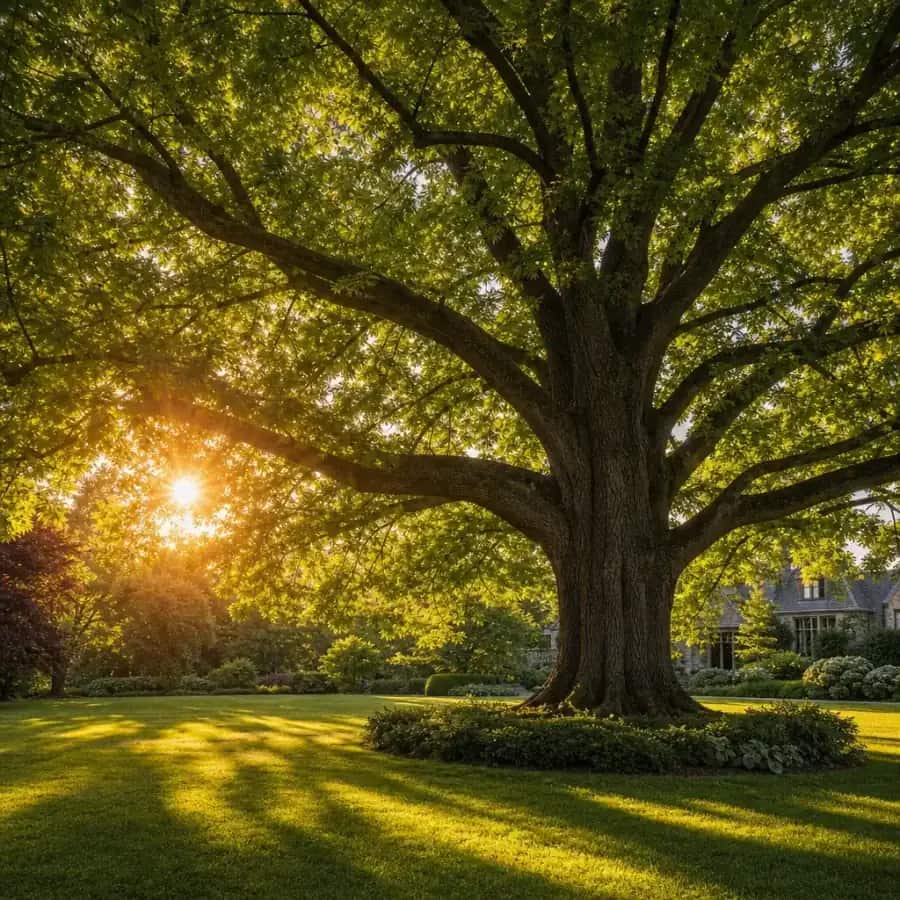 Shade TreesBig, fast canopy. Oaks, elms, maples and more.View all Shade Trees →
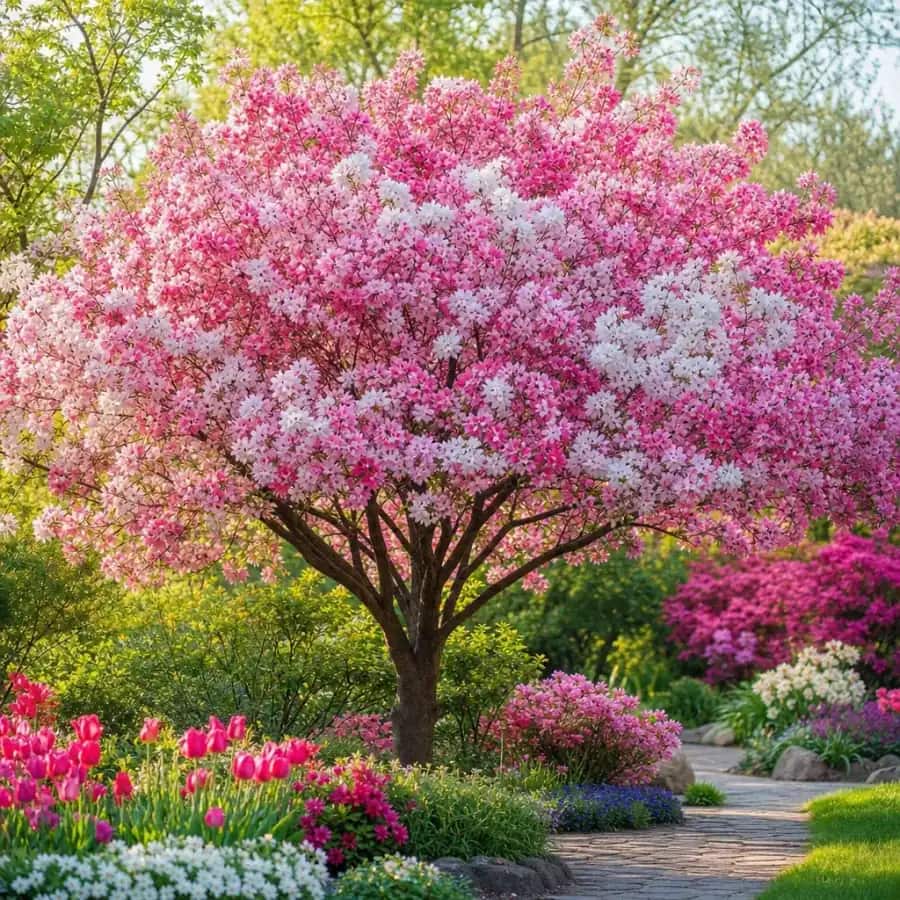 Flowering & OrnamentalRedbuds, crape myrtles and blooming showpieces.View all Flowering & Ornamental →
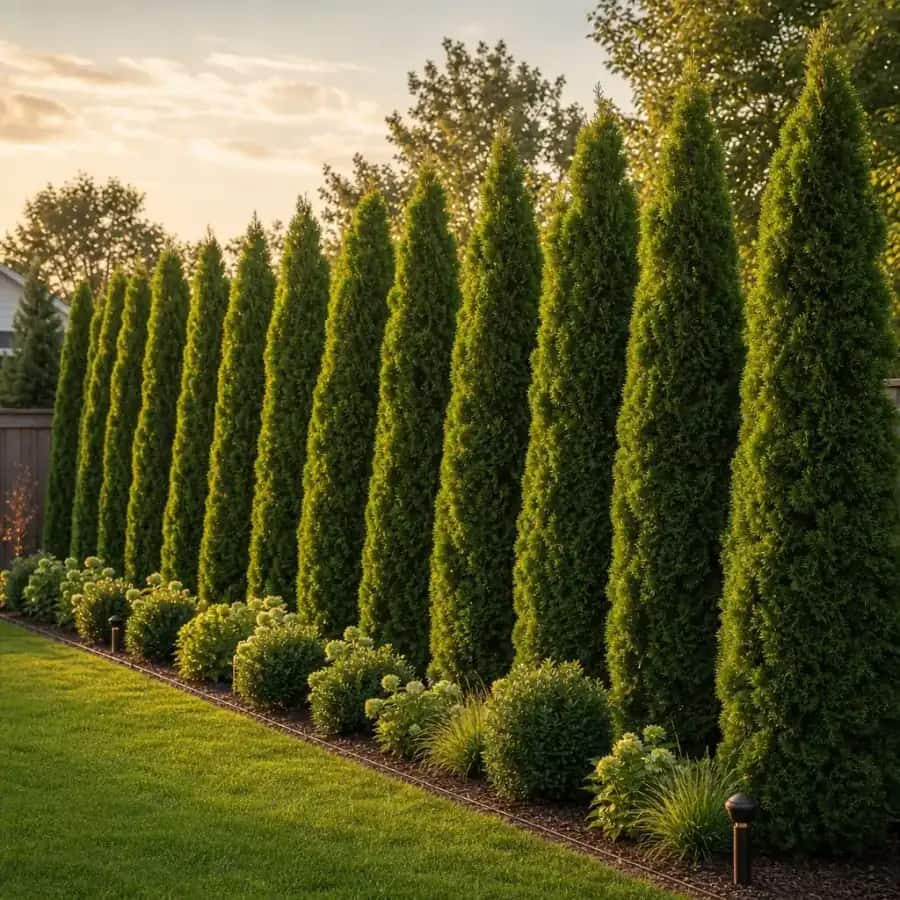 Evergreen & PrivacyYear-round green: cypress, juniper, holly, magnolia.
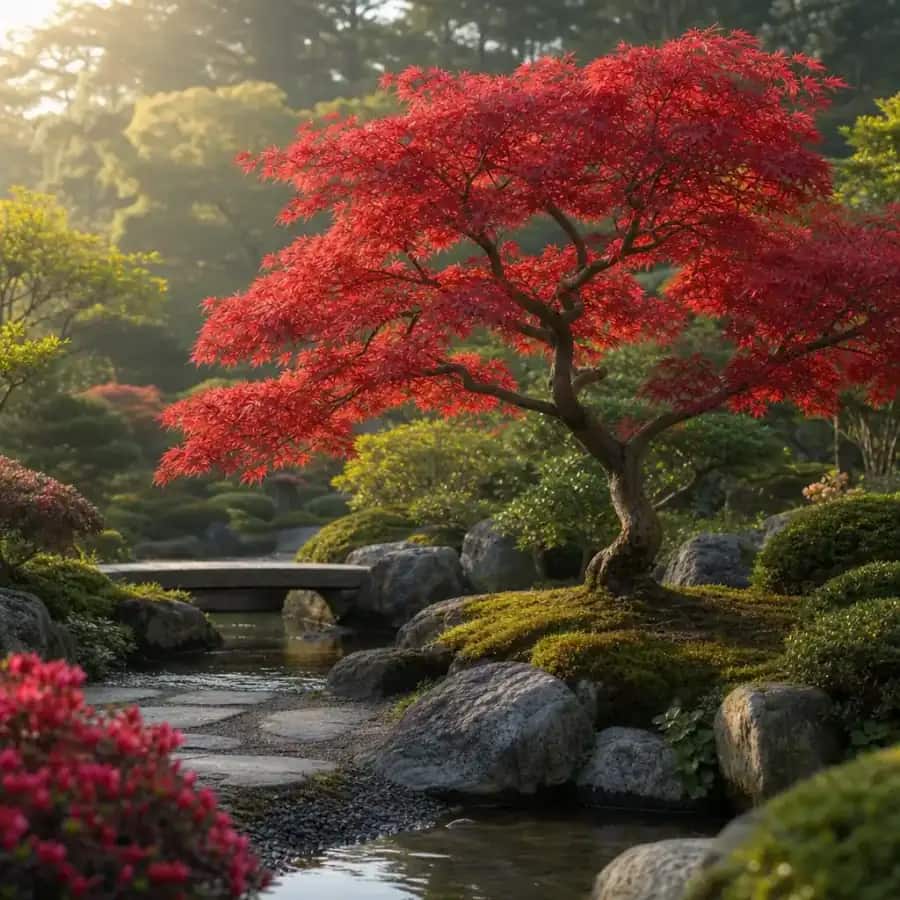 Japanese MaplesLiving sculpture in crimson, coral and lace.
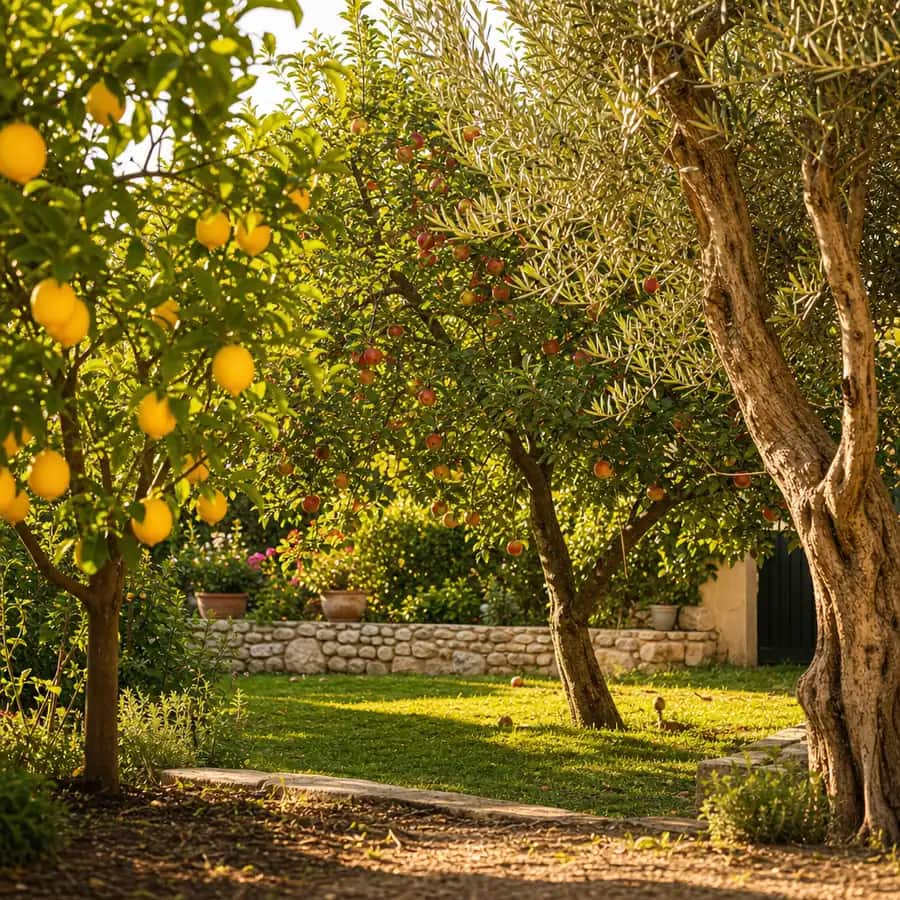 Fruit TreesHomegrown lemons, apples, figs, olives and more.View all Fruit Trees →
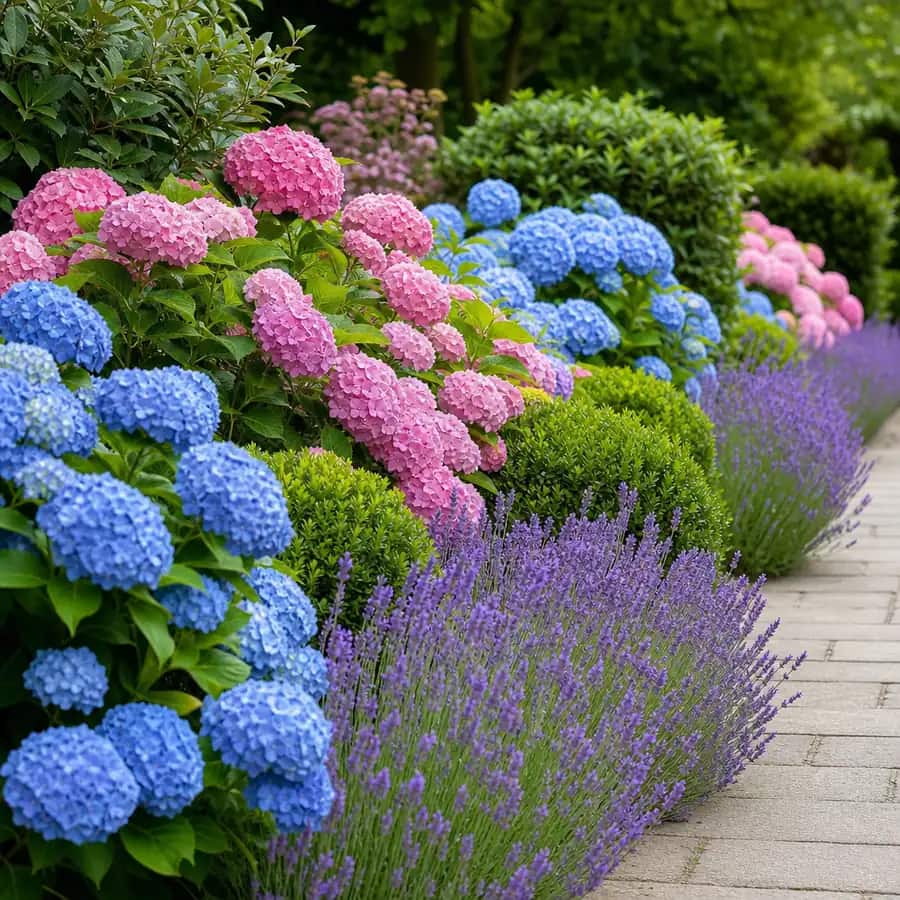 Shrubs & HedgesHydrangeas, hollies, lavender and living privacy.View all Shrubs & Hedges →
Local fit, from data
7b
about 5 to 10 F
7
Atwood
Shade trees top the list for many Hughes County yards. Summers here get hot. Arbor Buddy delivers large, nursery-grown trees by freight directly to your property. We match every tree to your hardiness zone. Homeowners in Hughes County, Oklahoma (OK) can order shade, privacy, flowering, and fruit trees. All backed by a 1-Year Thrive Guarantee. Your zone 7b climate handles winter lows of 5 to 10 degrees.
Hughes County covers zone 7b across its 7 ZIP codes. That means winter lows run from 5 to 10 degrees. The warmer end of your zone supports a broader palette of trees. The colder pockets need cold-hardy picks like the Chicago Hardy Fig or Bald Cypress.
Summers bring heat and humidity. Rain is spread through the year, but short dry spells happen. Deciduous shade trees handle the heat well. Bald Cypress adapts to both wet and dry soil. Japanese maples need afternoon shade to avoid leaf scorch. Flowering trees like redbuds and crape myrtles bloom without cold damage.
When you search for trees for zone 7 in Hughes County, remember that your winters are mild enough for many species that fail in colder zones. Atwood, the largest city in the county, gets the same zone conditions as the rest of the area.
Many trees grow in zone 7. Deciduous shade trees like oaks and maples thrive. Flowering trees such as redbuds, crape myrtles, and dogwoods do well. Japanese maples, figs, and many fruit trees also succeed. Your zone 7b supports varieties that need mild winters.
Trees that match 7b grow best. Autumn Blaze Red Maple handles the summer heat and winter lows of 5 to 10 degrees. Bald Cypress tolerates both wet and dry soil. Chicago Hardy Fig produces fruit even after a cold snap. Japanese maples need afternoon shade to prevent leaf burn. Fruit trees with moderate chill hour needs perform well.
Yes, you can grow fruit trees. Chicago Hardy Fig is a top choice for zone 7b. Apple, peach, and pear trees also do well here. Make sure the variety needs a compatible pollinator if it is self-sterile. Your winter lows do not kill most common fruit trees.
If your tree dies during its first year after planting, Arbor Buddy sends a free replacement. The guarantee covers the tree itself. You must follow basic planting and care instructions. It gives you confidence to order trees online without worry.
Every tree you buy from Arbor Buddy arrives zone-matched and backed by the 1-Year Thrive Guarantee. That means you can order shade, privacy, or fruit trees for Hughes County risk-free. Browse our selection, pick your trees, and schedule freight delivery. Your new tree starts its first year protected.
Your zone 7b climate is much warmer than many parts of the country. That changes which trees belong in your cart.
Lincoln County, Wisconsin (WI) sits in zone 4a to 4b with winter lows of -30 to -20 F. Japanese maples like Orangeola would not survive those winters without heavy protection. In Hughes County, Japanese maples grow reliably. You can plant a cascading Orangeola or other laceleaf varieties without winter worry. In practice, buyers here lean toward Japanese maples as a standard accent.
Big Horn County, Wyoming (WY) has zone 4b to 5a and winter lows of -25 to -15 F. Palms and tropical plants cannot survive there at all. Hughes County's zone 7b is not tropical either, but figs, bananas, and some palms can live through your winters with mulching. You have more options for exotic-looking foliage. For your cart, that means you can try a cold-hardy fig like the Chicago Hardy Fig. Grow it in a protected spot near a wall.
Grand Isle County, Vermont (VT) covers zone 5a to 5b with winter lows of -20 to -10 F. Citrus trees need a greenhouse there. In Hughes County, you can grow citrus in containers and move them indoors during a frost. The gaps between -20 and 5 degrees mean you can plant peach, apple, and fig trees outdoors year-round. That gap changes the local shortlist to include more fruit varieties. You can pick from sweet cherries, apples, peaches, and figs.
What does this mean for your cart? Hughes County's mild zone gives you freedom to plant shade, flowering, fruit, and Japanese maples that would fail in colder counties. Your winters let you grow a wider selection with less risk.
Every tree comes with a 1-Year Thrive Guarantee. If it doesn't survive its first year, we replace it free. Trees are zone-matched before shipping. They arrive at a usable landscape size, not a tiny starter. Trees headed to zone 7 arrive in spring or fall, matched to mild planting weather.
Freight trucks deliver to much of Hughes County. Your driveway or street needs room for a large truck to stop and turn. Someone must be home to receive the tree and look it over before the driver leaves.
Before delivery day, check:
Enter your ZIP, shop only what thrives in your zone.
Freight delivery to your address: $149 flat per order, shown at checkout.
Plant it, watch it thrive, covered for one year.
Good to know · Growing guide
Coverage runs a full year from delivery. If something goes wrong, contact the team and they arrange the replacement. No store-credit games, no fine-print maze.