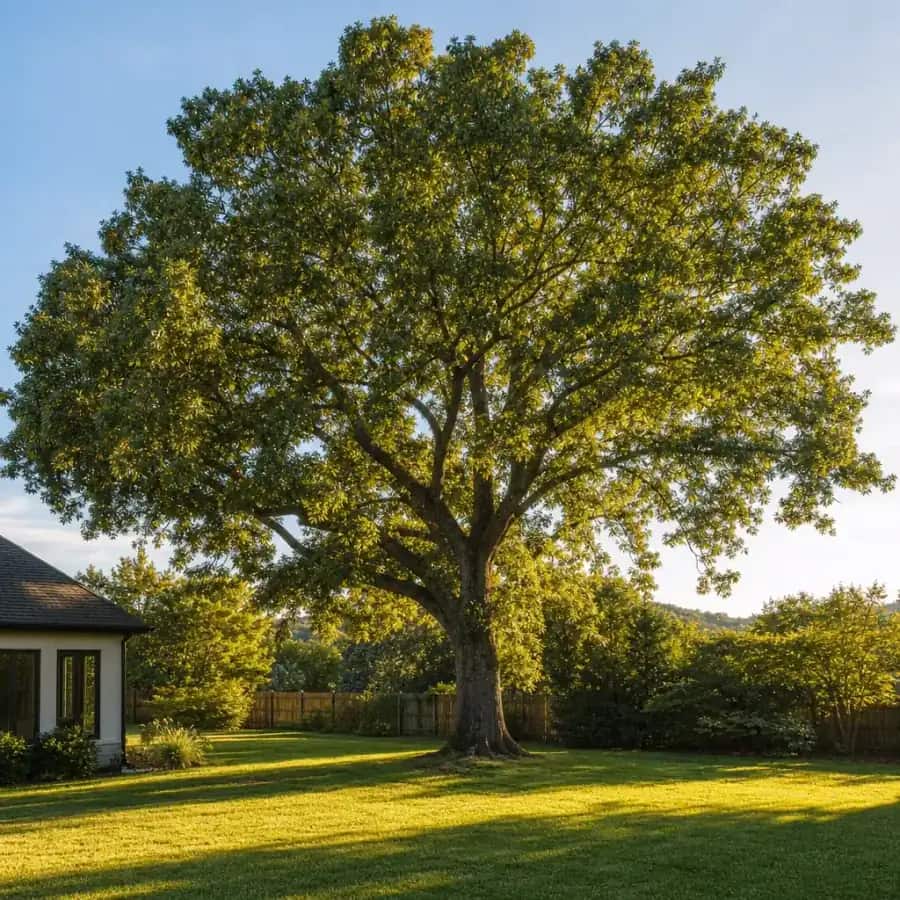
 Zones 3 to 8
Shade Trees
Bur Oak
$490
Shop large, nursery-grown shade, privacy, flowering and fruit trees, delivered by freight in Jackson County. Every tree is matched to your hardiness zone and backed by our 1-Year Thrive Guarantee.
Enter your ZIP and we'll match trees to your exact growing zone.
Typical winter lows in Jackson County run about 10 to 20 F.
Matched to Jackson County's zones
Shop by category
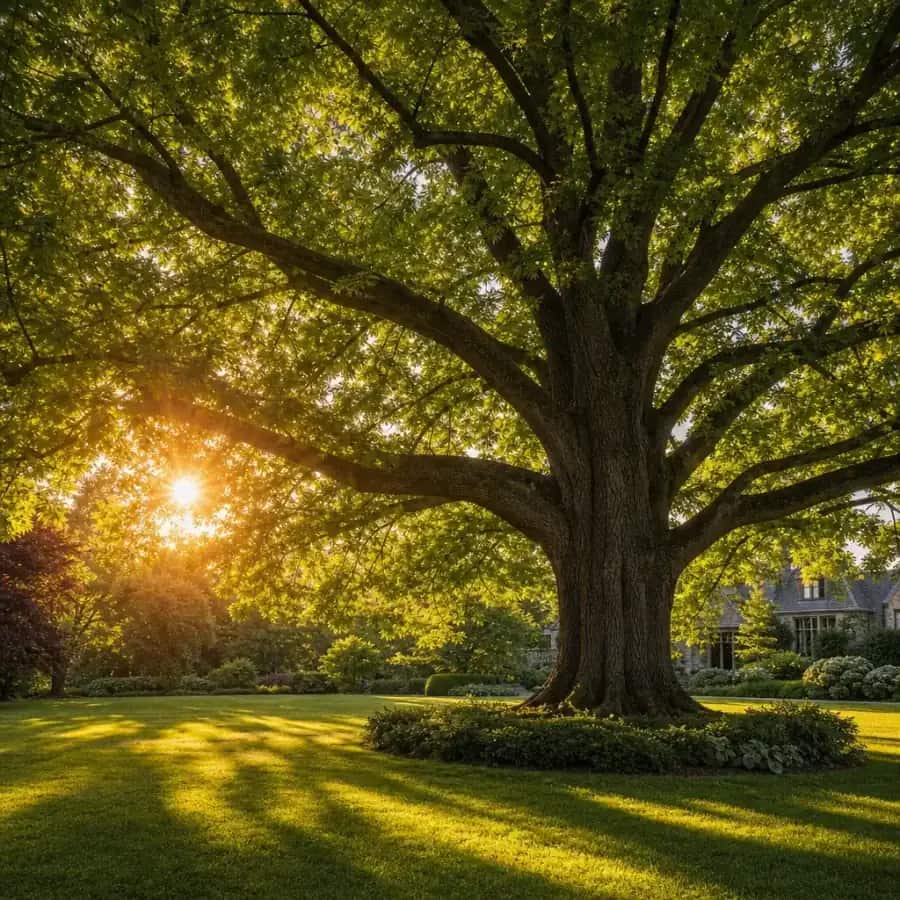 Shade TreesLarge trees like oaks that cast deep shade and handle dry summers.View all Shade Trees →
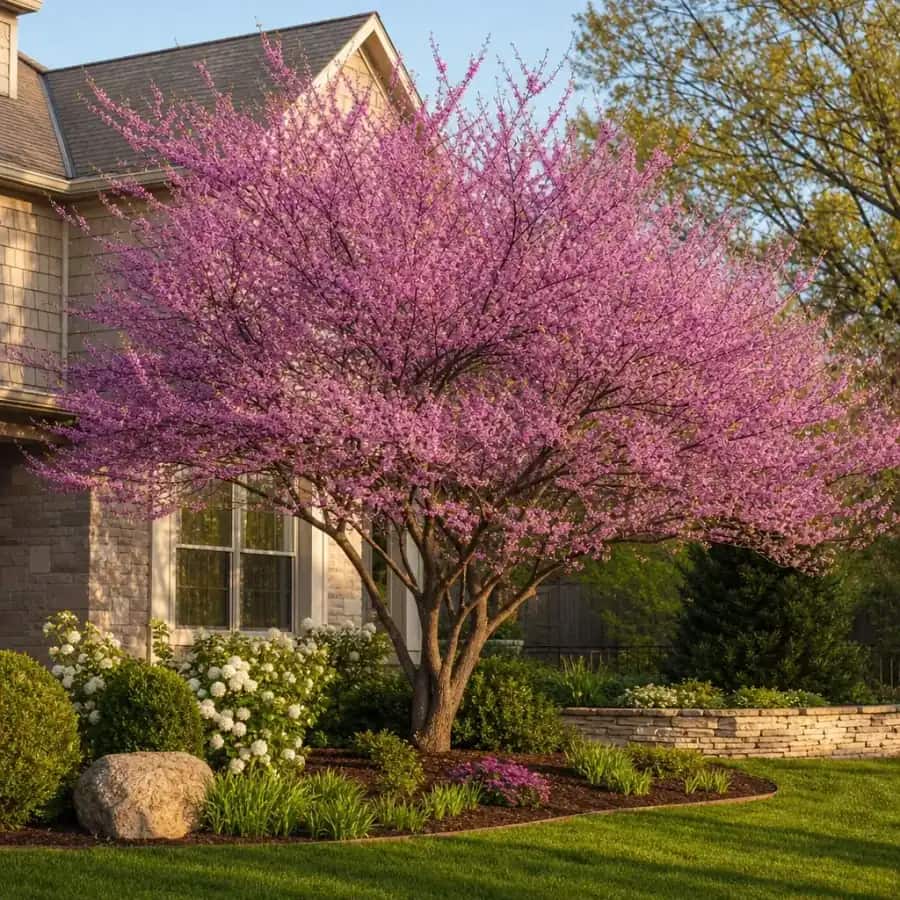
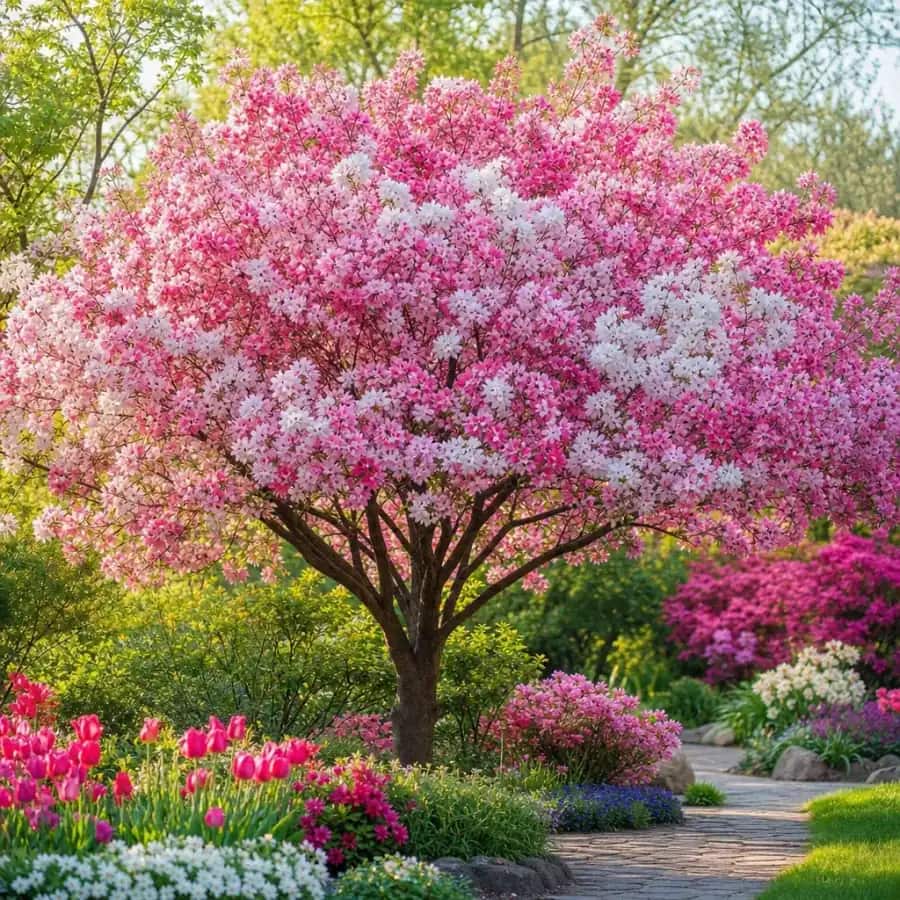 Flowering & OrnamentalBloomers that light up spring and summer in zone 8 warmth.View all Flowering & Ornamental →
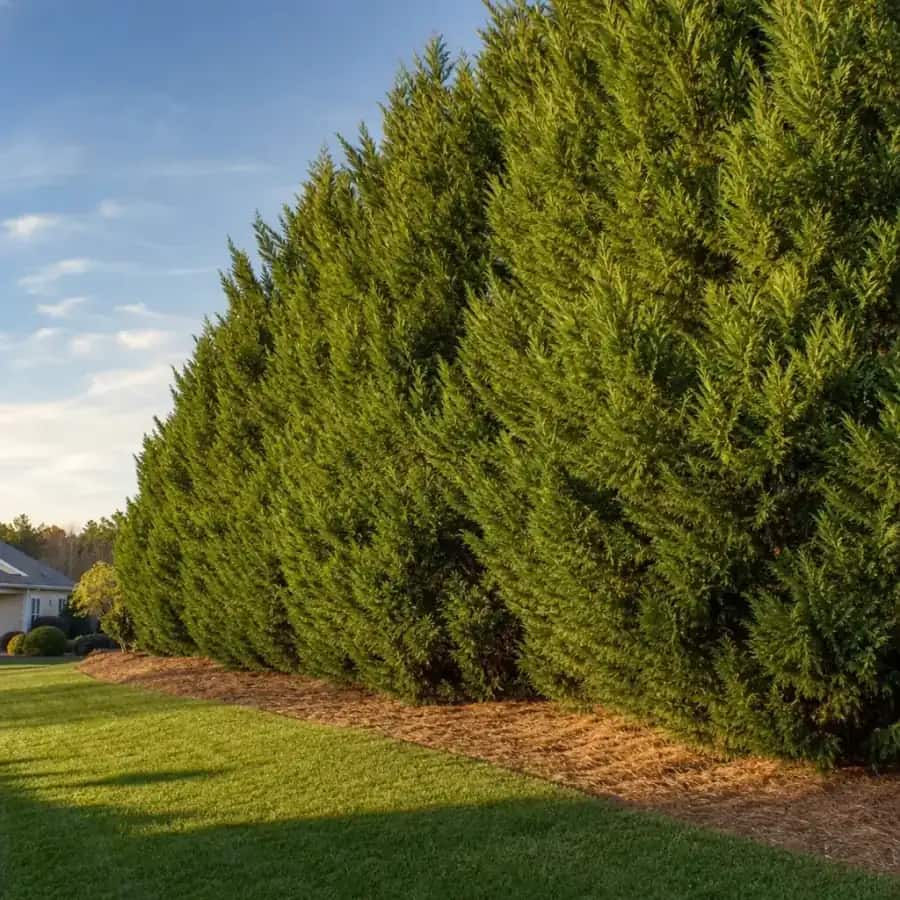
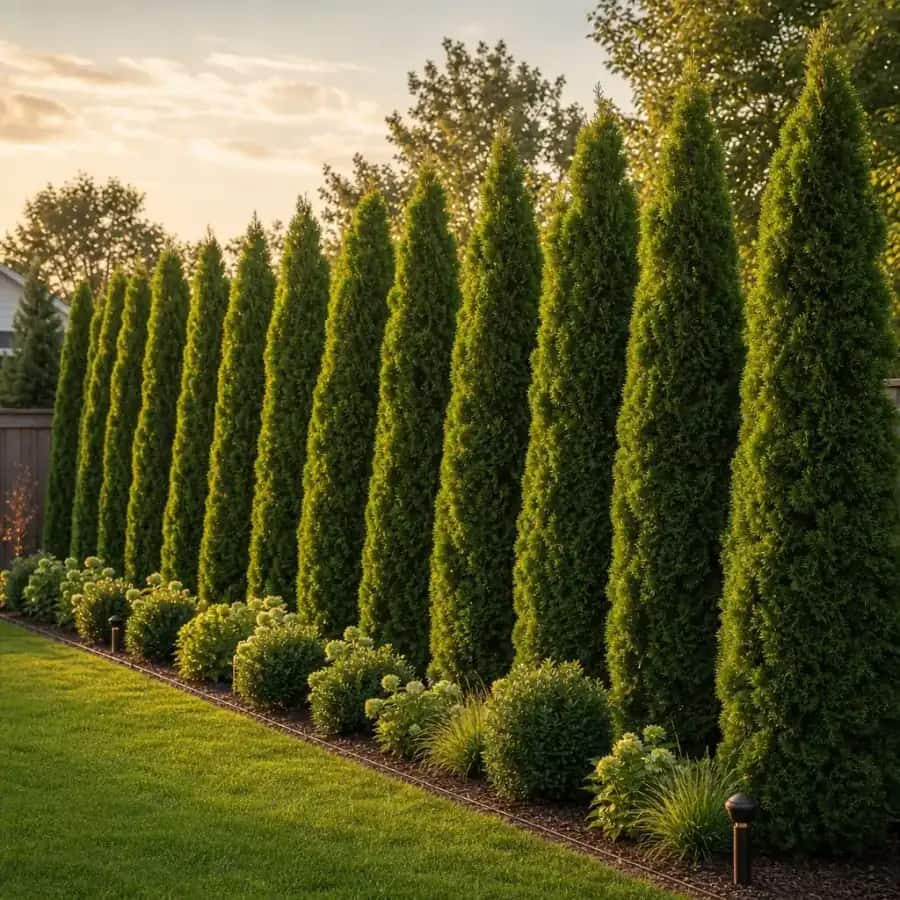 Evergreen & PrivacyYear-round screens that stay green through mild winters.
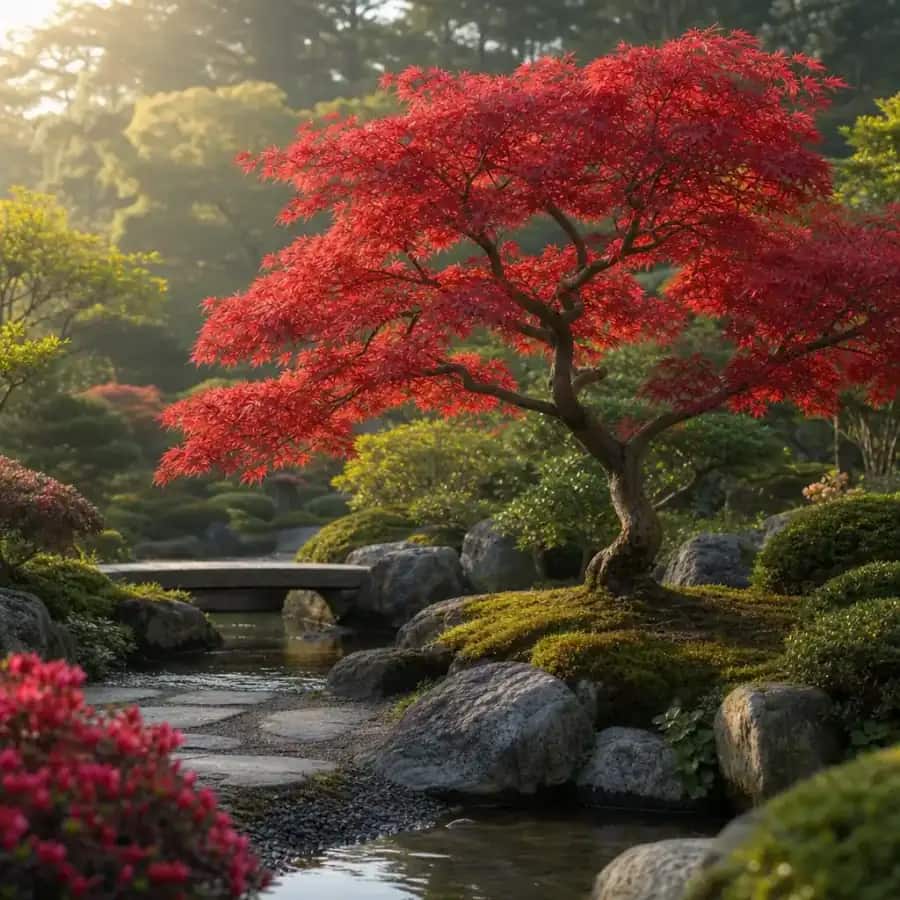 Japanese MaplesAccent trees with refined foliage and compact habits for smaller yards.
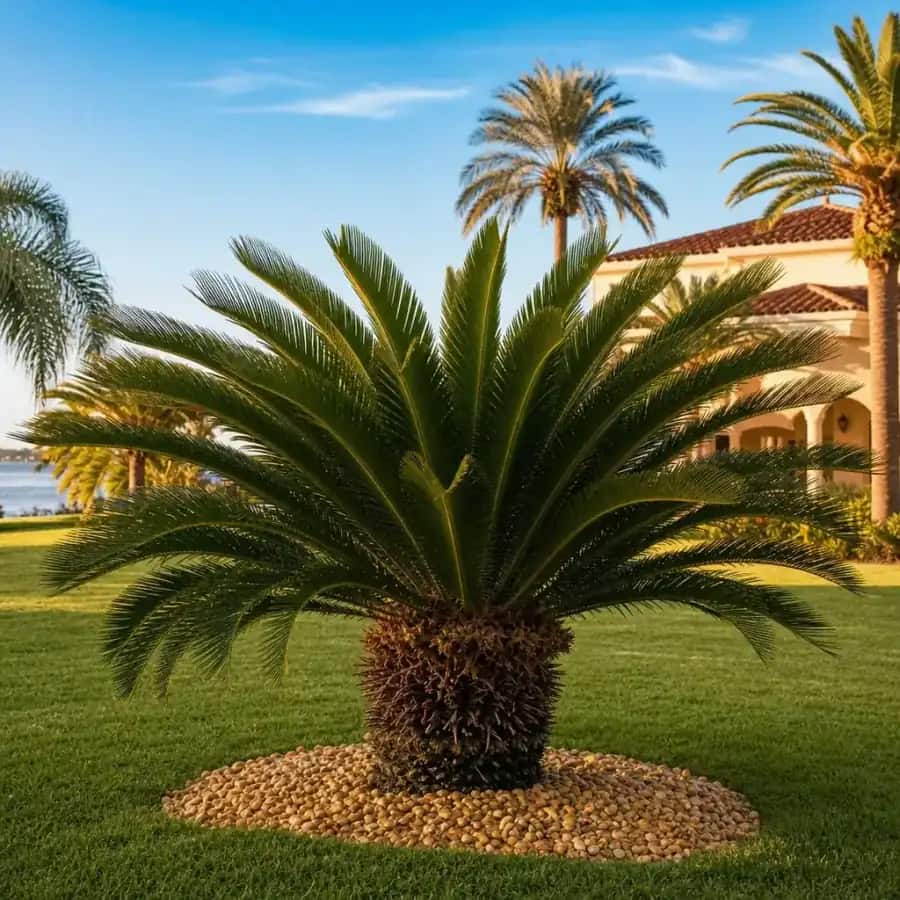
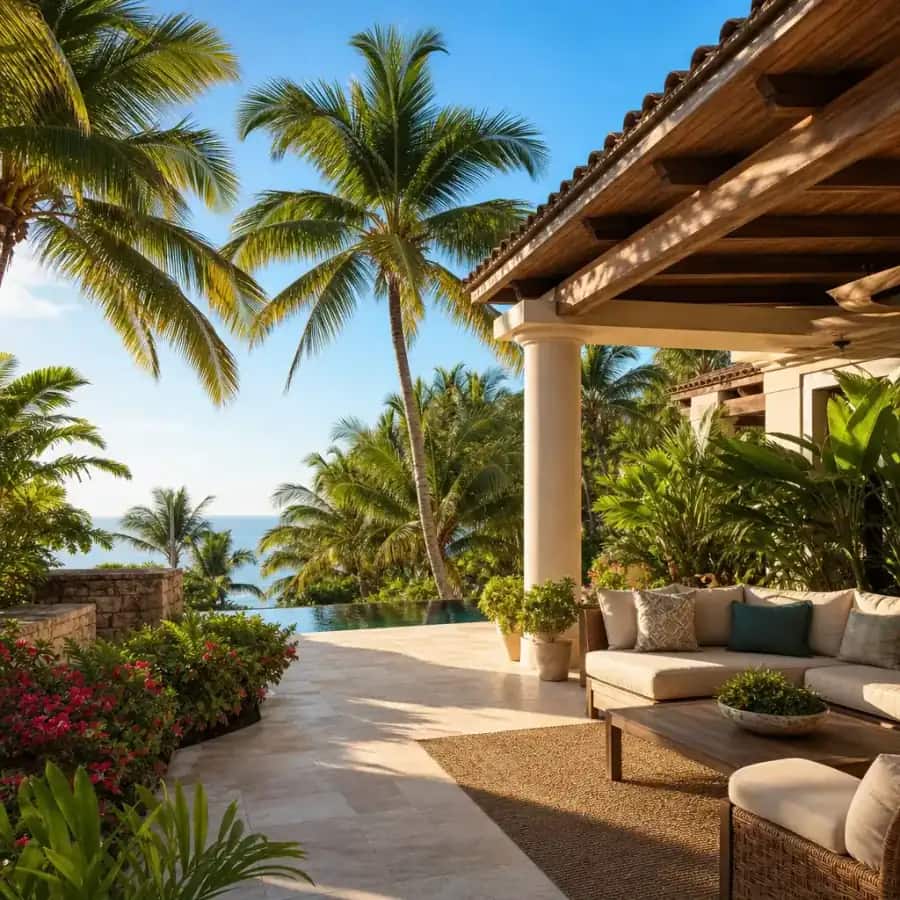 Palms & TropicalsCold-hardy options that add a subtropical feel, but note size constraints.View all Palms & Tropicals →
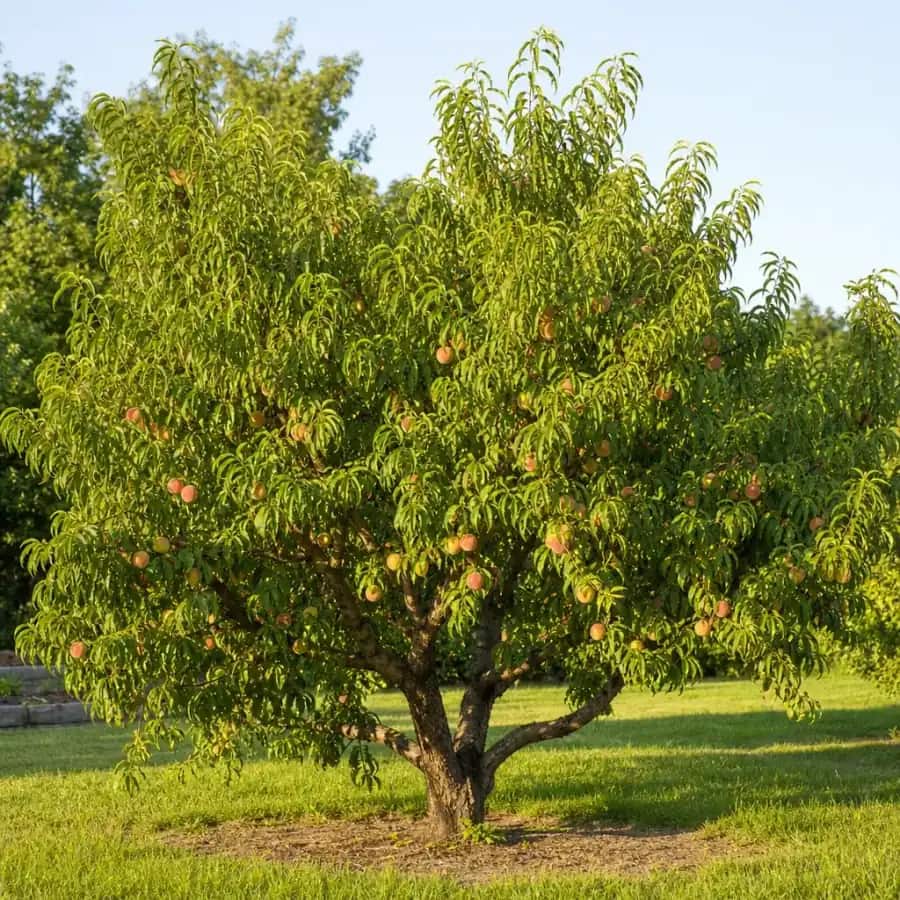
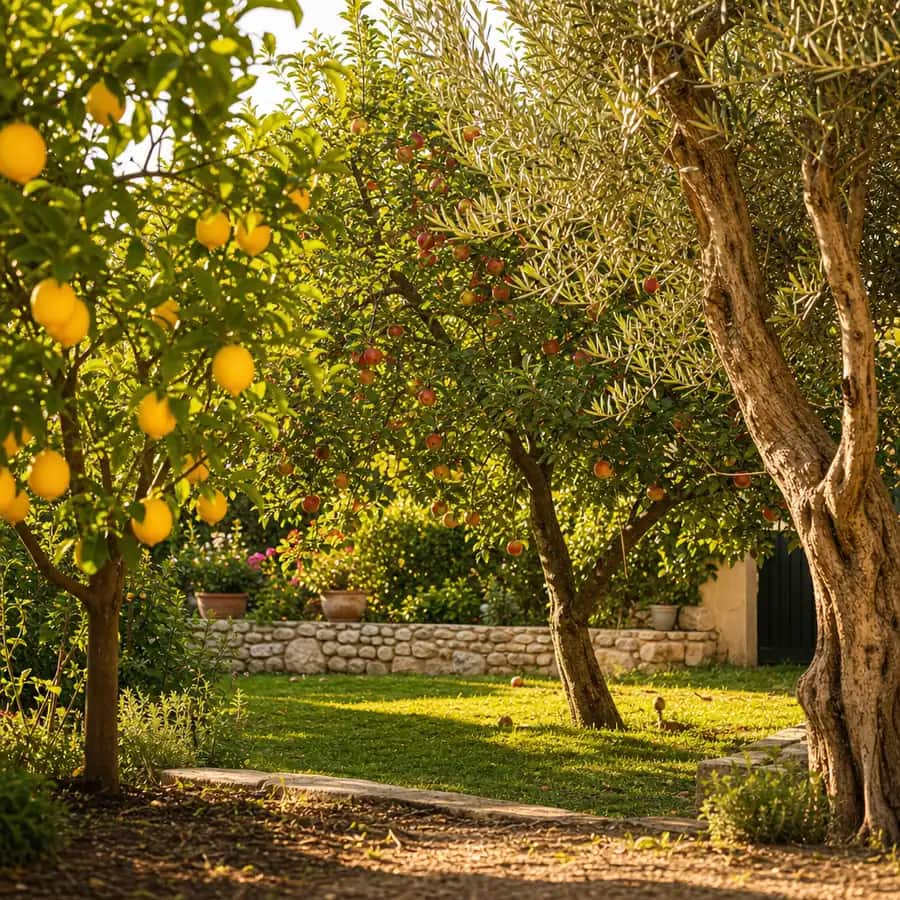 Fruit TreesVarieties that match Jackson County's 800-plus chill hours for reliable harvests.View all Fruit Trees →
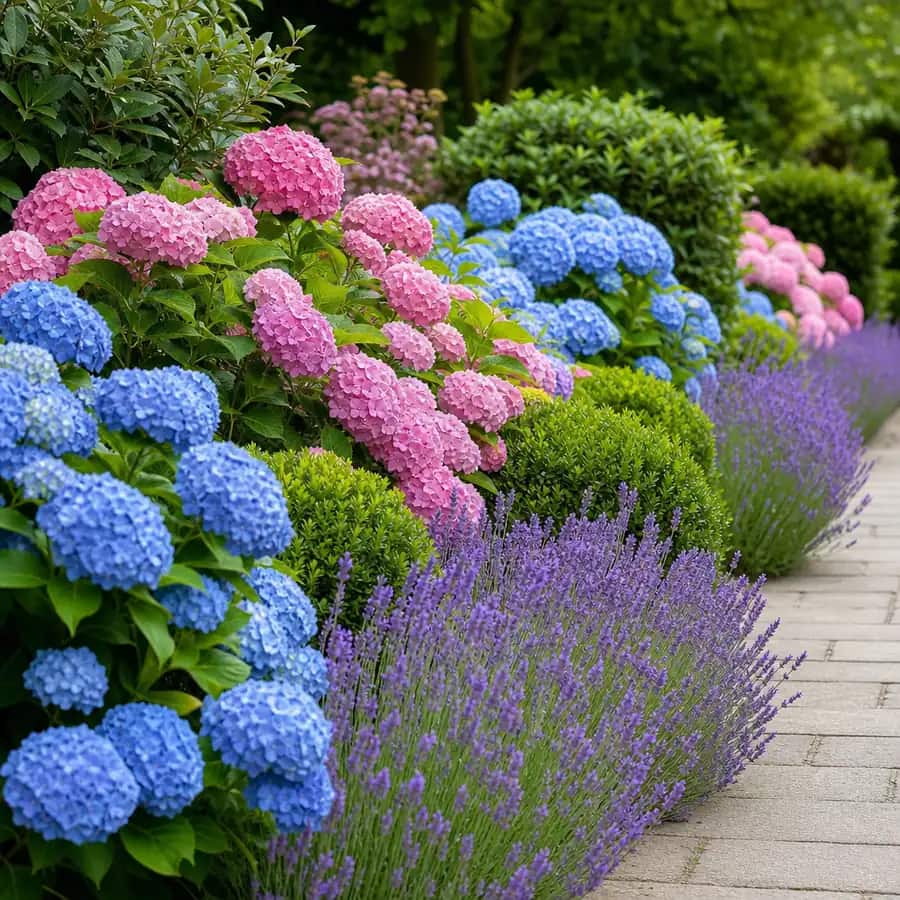 Shrubs & HedgesFoundation plantings and borders that handle the local winter lows.View all Shrubs & Hedges →
Local fit, from data
8a to 8b
about 10 to 20 F
15
Medford
Shade, privacy, and fruit trees in Jackson County, Oregon (OR) arrive ready to plant. Arbor Buddy ships large, nursery-grown trees by freight to homeowners and contractors. Every tree is zone-matched to the local hardiness range from 8a to 8b. Typical winter lows here run about 10 to 20 degrees, so the selection focuses on heat-tolerant and adaptable varieties.
Jackson County spans USDA zones 8a to 8b across its 15 ZIP codes. That means most areas see typical winter lows of 10 to 20 degrees. The warmer end, 8b, lets you grow borderline species like some crape myrtles and Texas redbud with confidence. The colder edge, 8a, still supports a wide selection of oaks, maples, and fruit trees that need winter chill.
Summers here are dry and hot, especially in the Rogue Valley around Medford. Trees that handle drought once established, like the Chinkapin Oak and Carolina Sapphire Cypress, do well. In the upland or cooler parts of the county, Japanese maples and redbuds can escape the worst heat. The key is matching each tree's zone range to your specific microclimate. For homeowners shopping for trees for zone 8 in Jackson County, the featured list above covers the most reliable performers.
Arbor Buddy ships your zone-matched trees to Jackson County during the fall or early-spring window. Browse the full shop for shade, privacy, fruit, and ornamental options. Place your order now so the tree arrives ready to plant when the weather cooperates.
Montour County, Pennsylvania (PA) sits in zone 6b with winter lows of -5 to 0 F. The practical difference is that Jackson County's warmer winters let you grow crape myrtles and citrus-hardy species. In Montour County, those same trees would need heavy winter protection or fail entirely. Here, the zone usually pushes the choice toward heat-loving plants like Arizona cypress instead of cold-hardy arborvitae. Locally, that points buyers toward drought-tolerant evergreens and flowering ornamentals that skip winter dieback.
Moody County, South Dakota (SD) is zone 4b with lows of -25 to -20 F. Here, the zone usually pushes the choice toward trees that survive brutal cold, like bur oak or Colorado spruce. Jackson County's mild winters eliminate that constraint entirely. The practical difference is that you can choose from a broader palette of Japanese maples, fruit trees, and broadleaf evergreens. Locally, that points buyers toward species that thrive on heat and dry air, not just cold survival.
Brown County, Wisconsin (WI) is zone 5b with winter lows of -15 to -10 F. Here, the zone usually pushes the choice toward cold-hardy maples, oaks, and fruit cultivars that need high chill hours. Jackson County's 8a to 8b range extends the growing season and allows earlier blooming. The practical difference is that trees like the Texas redbud, which would be marginal in Wisconsin, become reliable performers here. Locally, that points buyers toward heat-tolerant varieties that would struggle in the Upper Midwest.
Arbor Buddy ships large trees by freight directly to Jackson County addresses. Your zone 8 order ships for a fall or early-spring window, ahead of summer heat. Each tree arrives nursery-grown at a usable landscape size, bare-root and ready to plant. The 1-Year Thrive Guarantee covers free replacement if a tree does not survive its first year. You only pay the original shipping once.
Before delivery day, check:
Enter your ZIP, shop only what thrives in your zone.
Freight delivery to your address: $149 flat per order, shown at checkout.
Plant it, watch it thrive, covered for one year.
Good to know · Growing guide
Coverage runs a full year from delivery. If something goes wrong, contact the team and they arrange the replacement. No store-credit games, no fine-print maze.