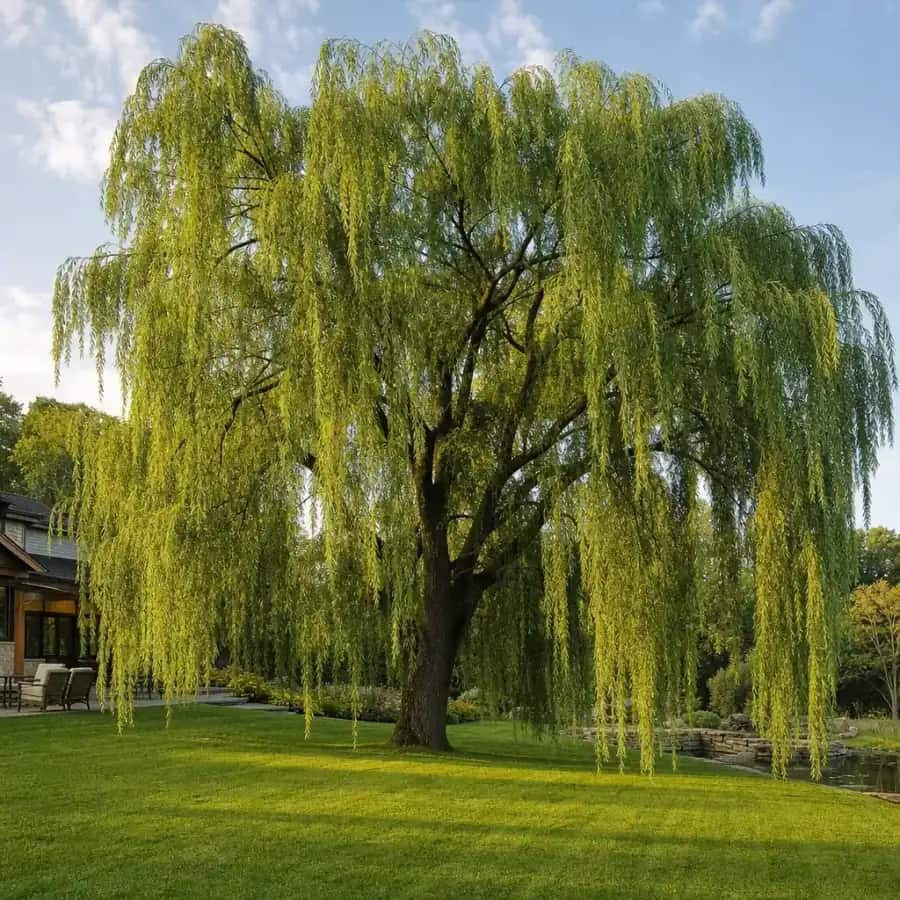
 Zones 4 to 9
Shade Trees
Weeping Willow
$40
Shop large, nursery-grown shade, privacy, flowering and fruit trees, delivered by freight in Charleston County. Every tree is matched to your hardiness zone and backed by our 1-Year Thrive Guarantee.
Enter your ZIP and we'll match trees to your exact growing zone.
Typical winter lows in Charleston County run about 20 to 25 F.
Matched to Charleston County's zones
Zones 4 to 9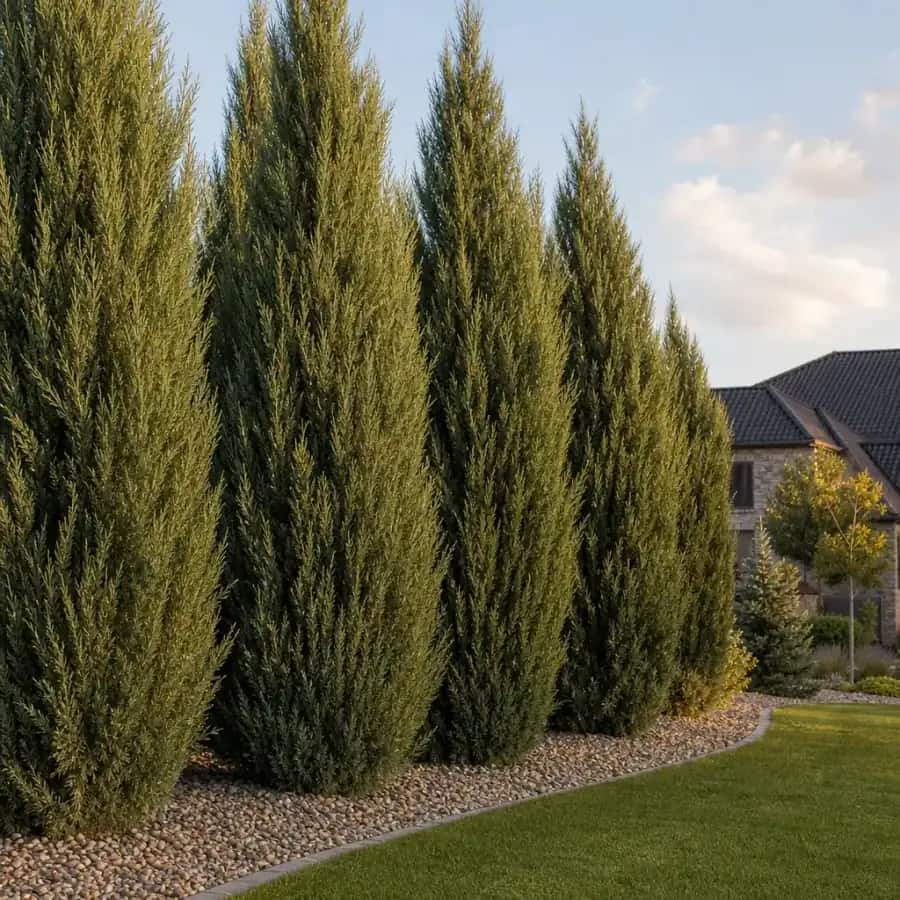 Zones 4 to 9
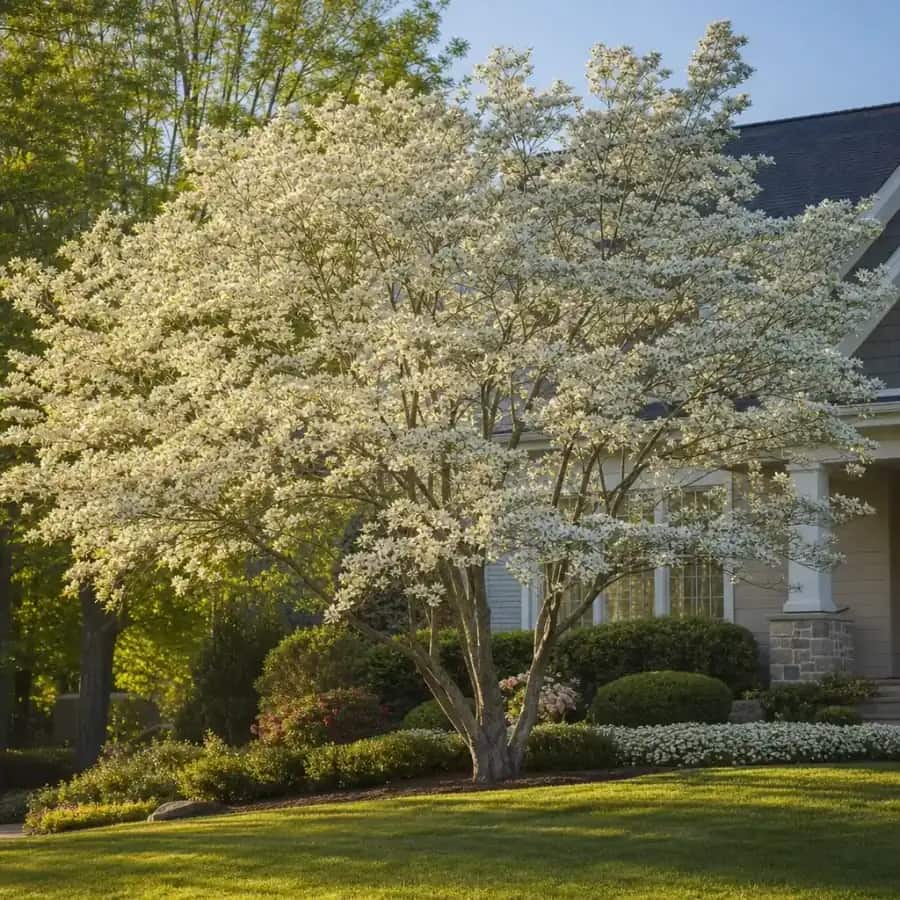 Zones 5 to 9
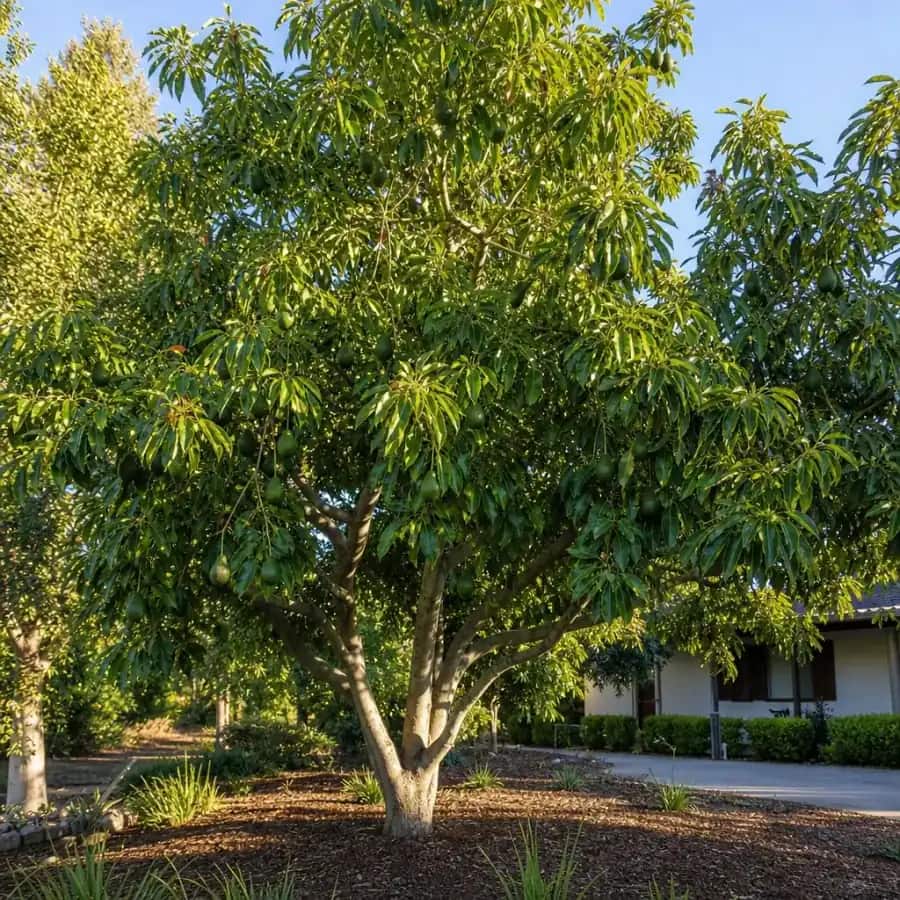 Zones 8 to 11
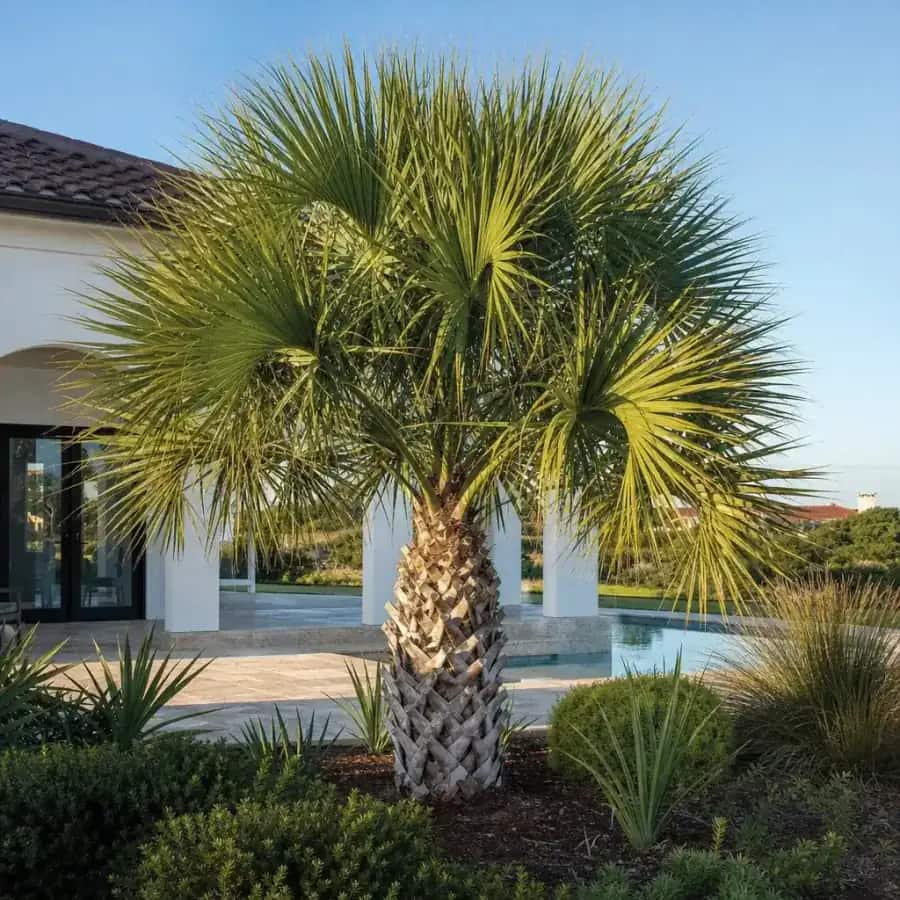 Zones 7 to 11
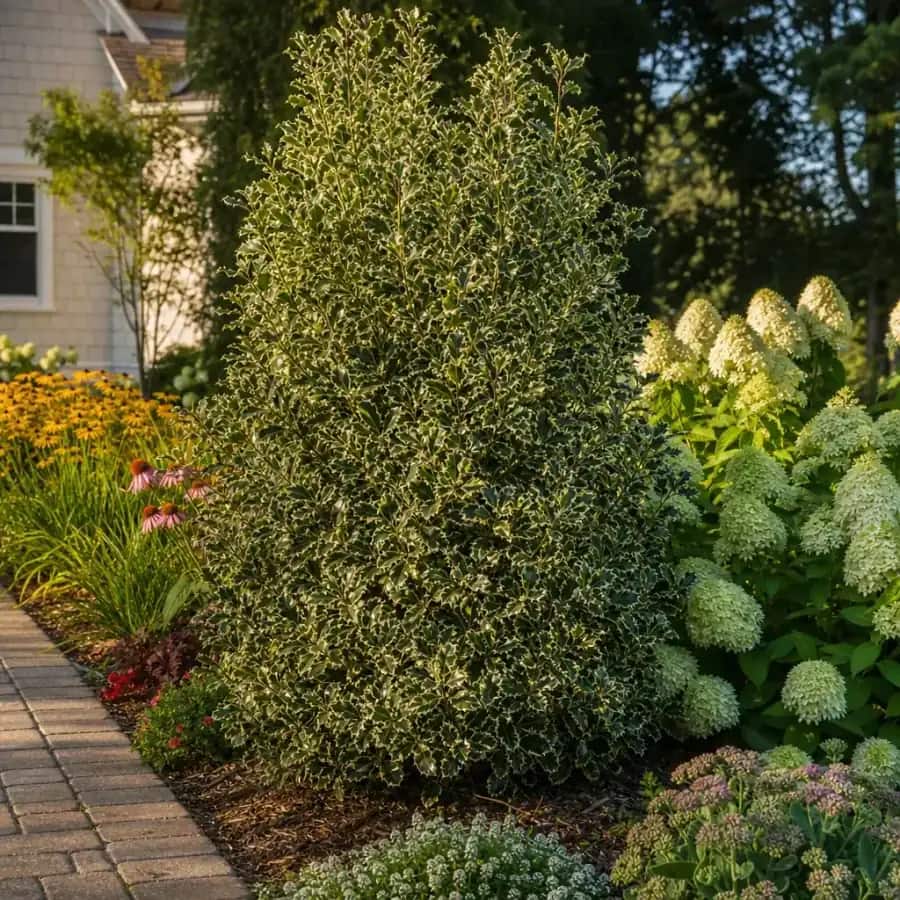 Zones 6 to 9
Shop by category
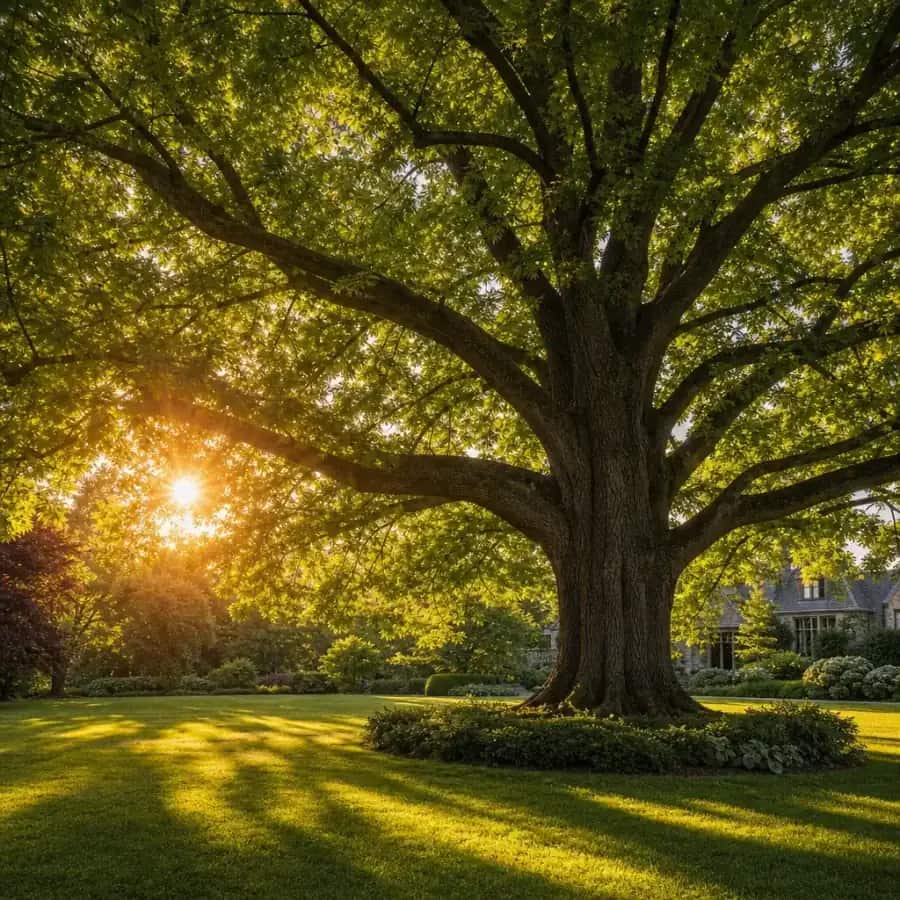 Shade TreesBig canopy trees that beat the coastal heat and add curb appeal.
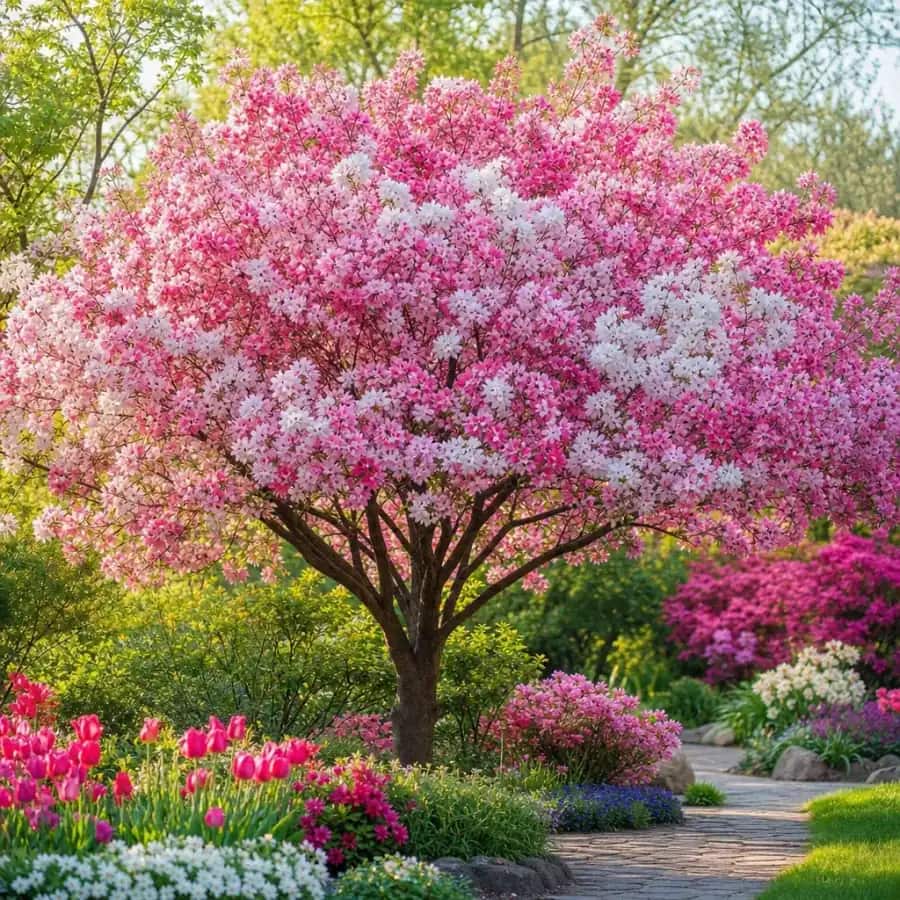 Flowering & OrnamentalColor that lasts from spring into fall with low chill requirements.View all Flowering & Ornamental →
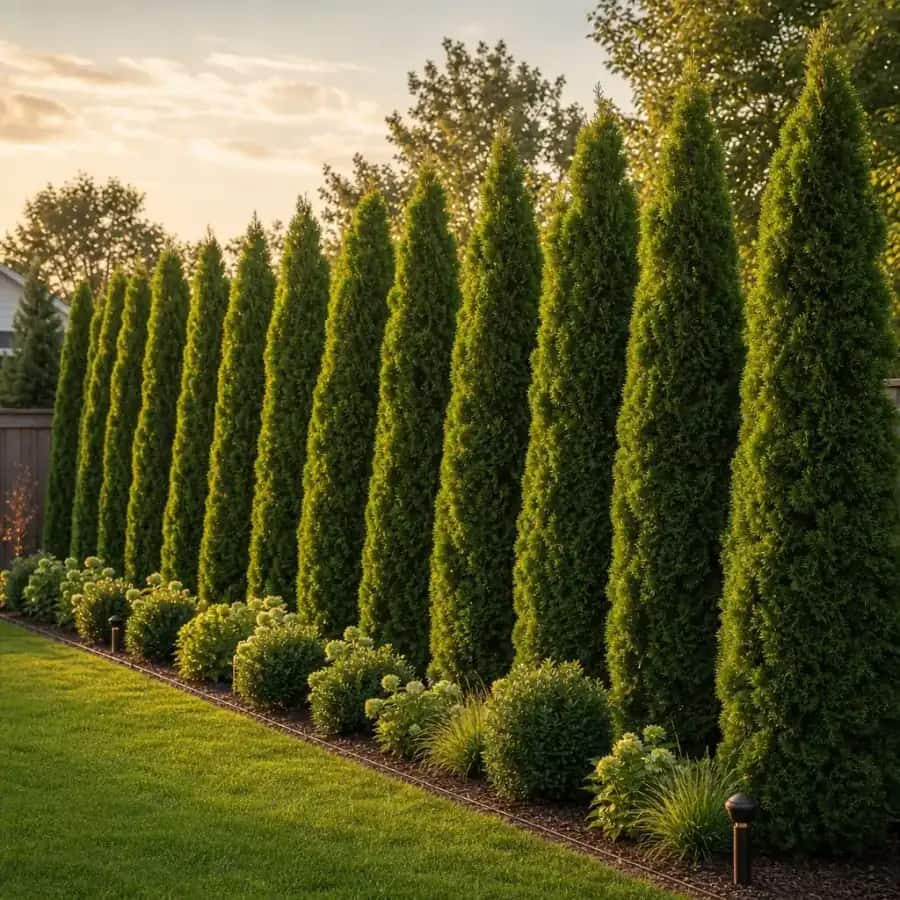 Evergreen & PrivacyYear-round screens that handle humidity and sea breeze.View all Evergreen & Privacy →
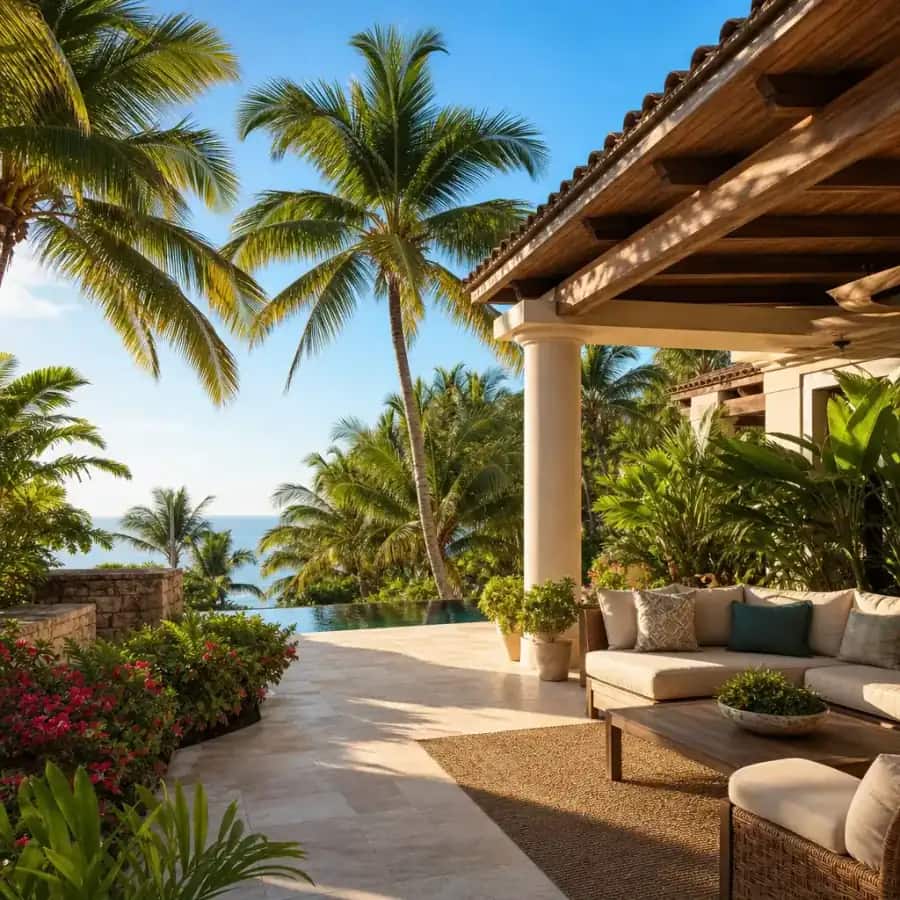 Palms & TropicalsZone-hardy palms for a subtropical feel without winter damage.View all Palms & Tropicals →
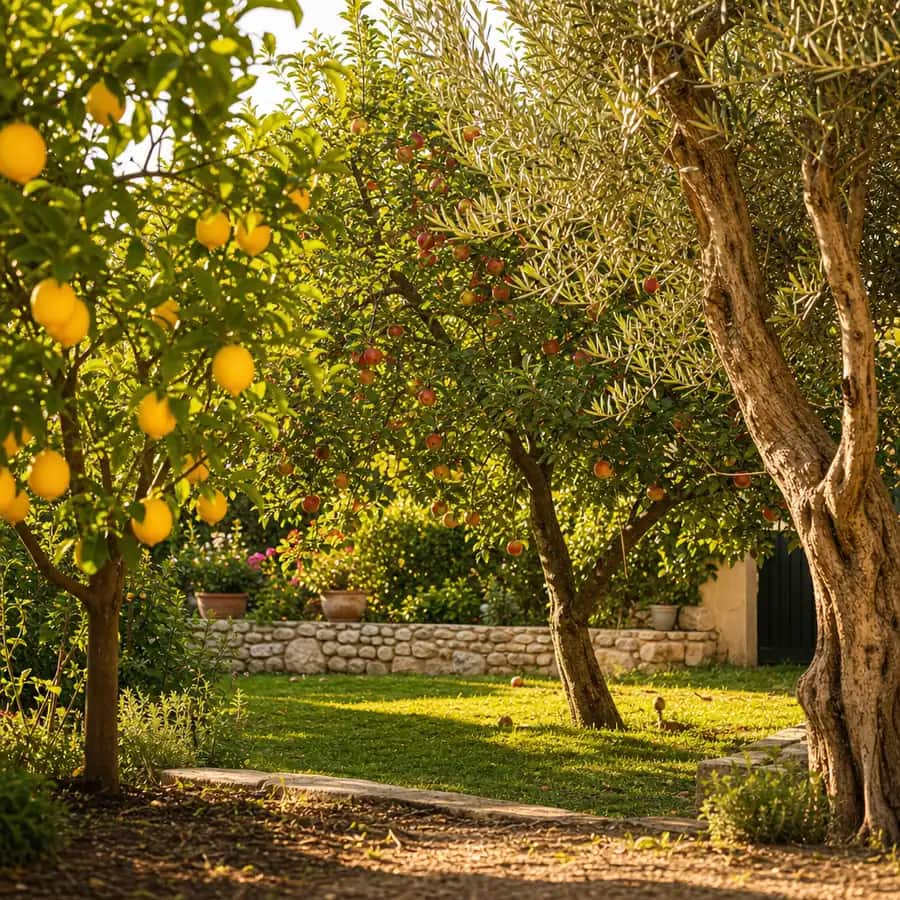 Fruit TreesWarm-climate fruit like peach and fig that ripen in the long growing season.View all Fruit Trees →
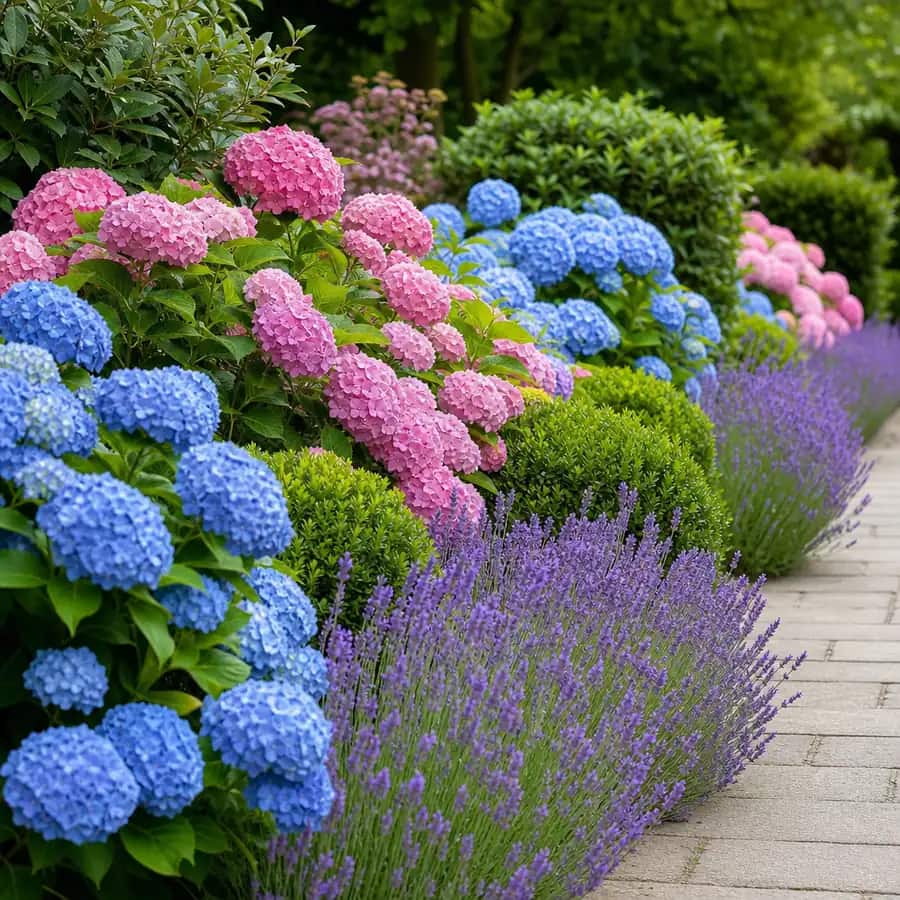 Shrubs & HedgesLow-maintenance borders that fill in fast and stay healthy.View all Shrubs & Hedges →
Local fit, from data
9a
about 20 to 25 F
35
Charleston
Shopping for shade, privacy, and fruit trees in Charleston County, South Carolina (SC) means picking trees that handle zone 9a winters. Arbor Buddy delivers large nursery-grown trees by freight direct to homeowners. Every tree is matched to your hardiness zone, so only the ones that survive here appear on this page.
Not everything that works in a colder zone survives here. Charleston County sits in USDA zone 9a, with typical winter lows around 20 to 25 degrees F. That means trees that need long, deep freezes, like some apples or cherries, won't fruit well. But it also means you can grow palms, crape myrtles, and peaches that would freeze in the North.
Across the county's 35 ZIP codes, the climate stays fairly mild. Summers bring humidity and heat, so trees like Texas Ash that shrug off drought do especially well. The coastal influence keeps temperatures from swinging too far. That makes trees for zone 9 in Charleston County reliable performers year after year.
If you live in the western part of the county, you may get slightly cooler lows, but still within zone 9. The warmer areas near the coast let you push into tropicals like the Queen Sago Palm. Stick with the categories above and you'll pick trees that thrive without fuss.
Yes, we ship by freight to much of Charleston County. Your order arrives during our fall-to-early-spring shipping window for zone 9. Just make sure your delivery address is reachable by a freight truck, and someone is there to receive the tree.
Texas Ash is a standout because it handles drought and still gives fall color. Its zone range includes 9, so it suits the county's winter lows around 20 to 25 F. Live Oak and Chinese Elm also work well for broad shade.
Zone 9a trees like Natchez Crape Myrtle, Carolina Sapphire Arizona Cypress, and Elberta Peach all thrive here. They need mild winters and tolerate humid summers. Avoid low-chill fruit trees that require a colder rest period.
Carolina Sapphire Arizona Cypress gives fast, blue-green cover and stays evergreen. Taylor Eastern Red Cedar is a narrow native that fits tight side yards. Both are zone-hardy in 9a and resist the local humidity.
Arbor Buddy makes it simple: start by browsing trees that already match your hardiness zone 9. Once you find the shade, privacy, or fruit tree that fits your yard, order online and we'll ship it when conditions are best. Your 1-Year Thrive Guarantee backs every tree.
McCook County, South Dakota (SD) sits in zone 5a with typical winter lows of -20 to -15 F. That cold kills Japanese maples outright. Here in Charleston County, many Japanese maple varieties would scorch in the summer heat. Locally, that points buyers toward tough shade trees like Texas Ash and away from delicate ornamentals that need a cold winter.
Pike County, Pennsylvania (PA) runs zone 6a to 6b with winter lows around -10 to 0 F. Their climate pushes the choice toward cold-hardy evergreens and maples that need a real winter. Here, the zone usually pushes the choice toward heat-tolerant flowering trees and palms that Pike County could not grow at all. You get a longer growing season and more tropical options.
Newport County, Rhode Island (RI) falls in zone 7a with winter lows from 0 to 5 F. It's warmer than the other two but still much colder than Charleston County. The practical difference is heat and humidity tolerance. Trees that handle Rhode Island's cooler summers may struggle with the muggy July afternoons here. You need trees bred for the South, like the Carolina Sapphire Arizona Cypress, which thrives in both heat and humidity.
What these contrasts mean for your cart: trees that survive other climates often fail here. Stick with zone-matched picks and you avoid surprises.
Before any tree ships, we zone-match it to your address. That step makes sure every tree you order is already proven to survive Charleston County's climate. Then the tree travels by freight during the fall-to-early-spring stretch, not peak summer, so it arrives when conditions are best for planting.
Every tree comes with a 1-Year Thrive Guarantee. If it fails in its first year, we replace it free. The trees are nursery-grown at a usable landscape size, so you're not starting from a twig.
Before delivery day, check:
Enter your ZIP, shop only what thrives in your zone.
Freight delivery to your address: $149 flat per order, shown at checkout.
Plant it, watch it thrive, covered for one year.
Good to know · Growing guide
Coverage runs a full year from delivery. If something goes wrong, contact the team and they arrange the replacement. No store-credit games, no fine-print maze.