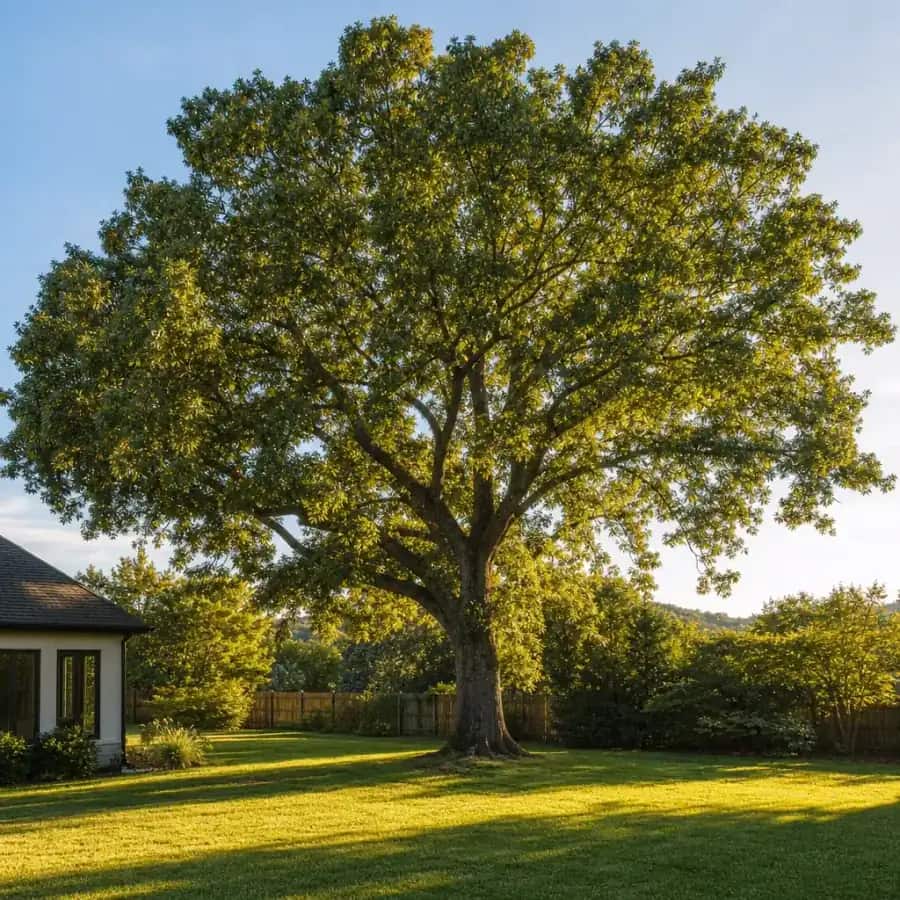
 Zones 4 to 8
Shade Trees
Chinkapin Oak
$579
Shop large, nursery-grown shade, privacy, flowering and fruit trees, delivered by freight in Washington. Every tree is matched to your hardiness zone and backed by our 1-Year Thrive Guarantee.
Enter your ZIP and we'll match trees to your exact growing zone.
Typical winter lows in Washington run about 15 to 20 F.
Matched to Washington's zone
Zones 4 to 8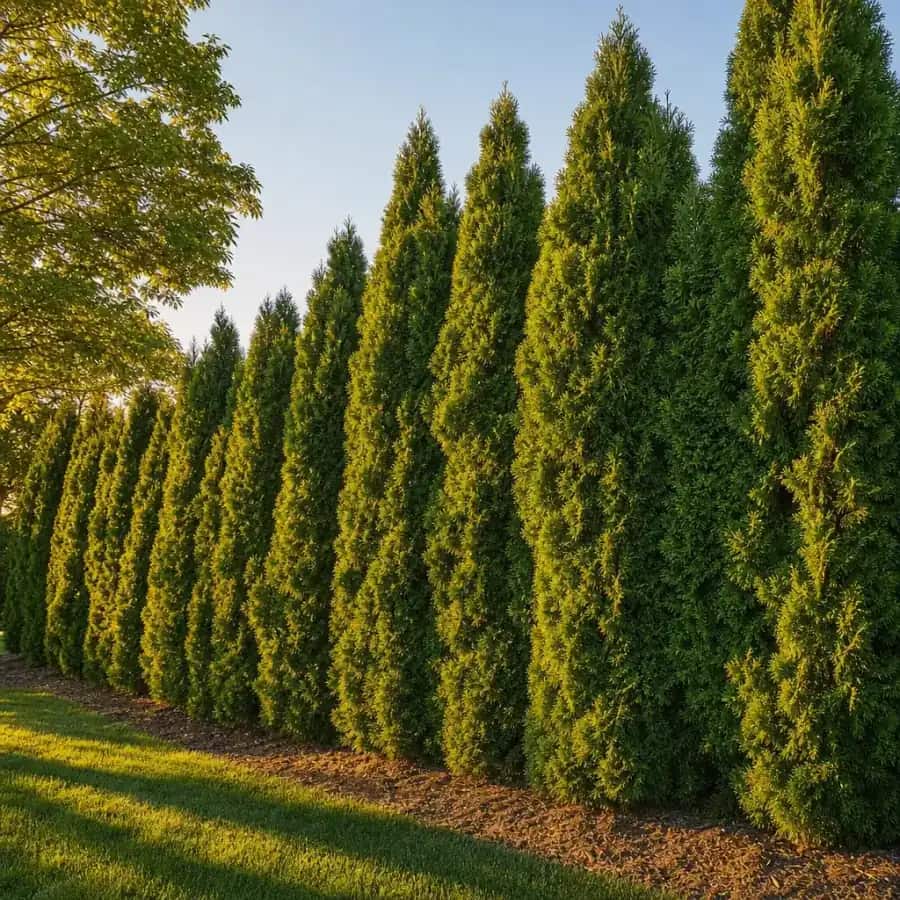 Zones 5 to 8
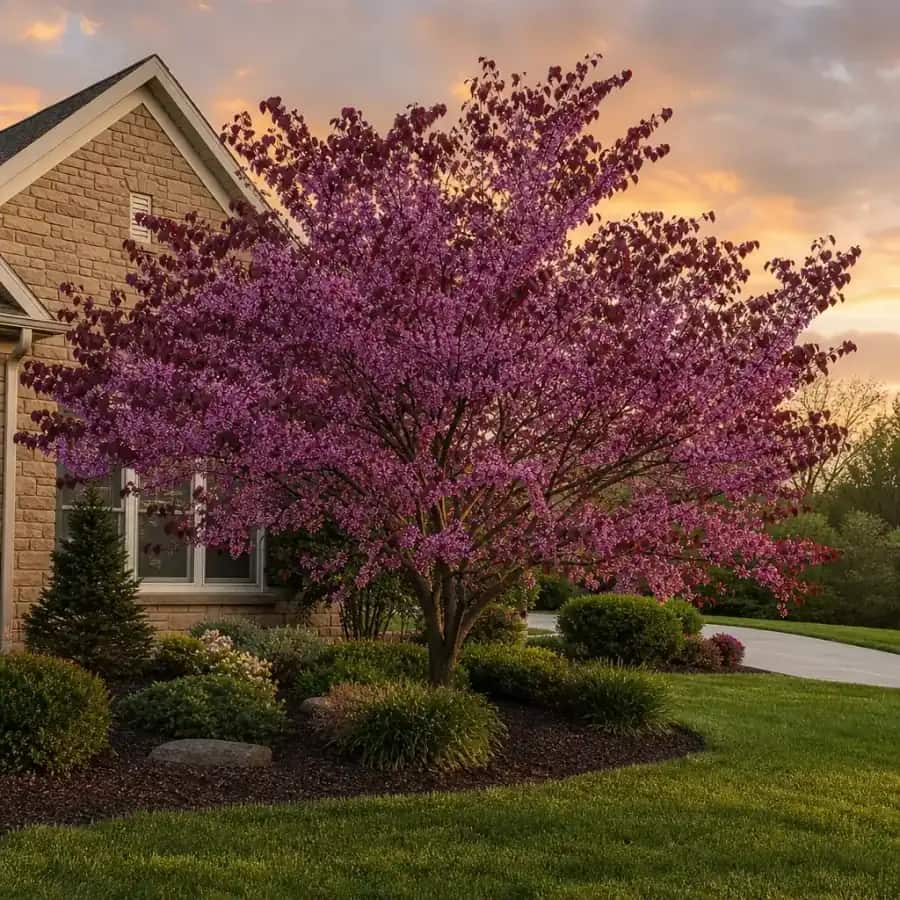 Zones 4 to 9
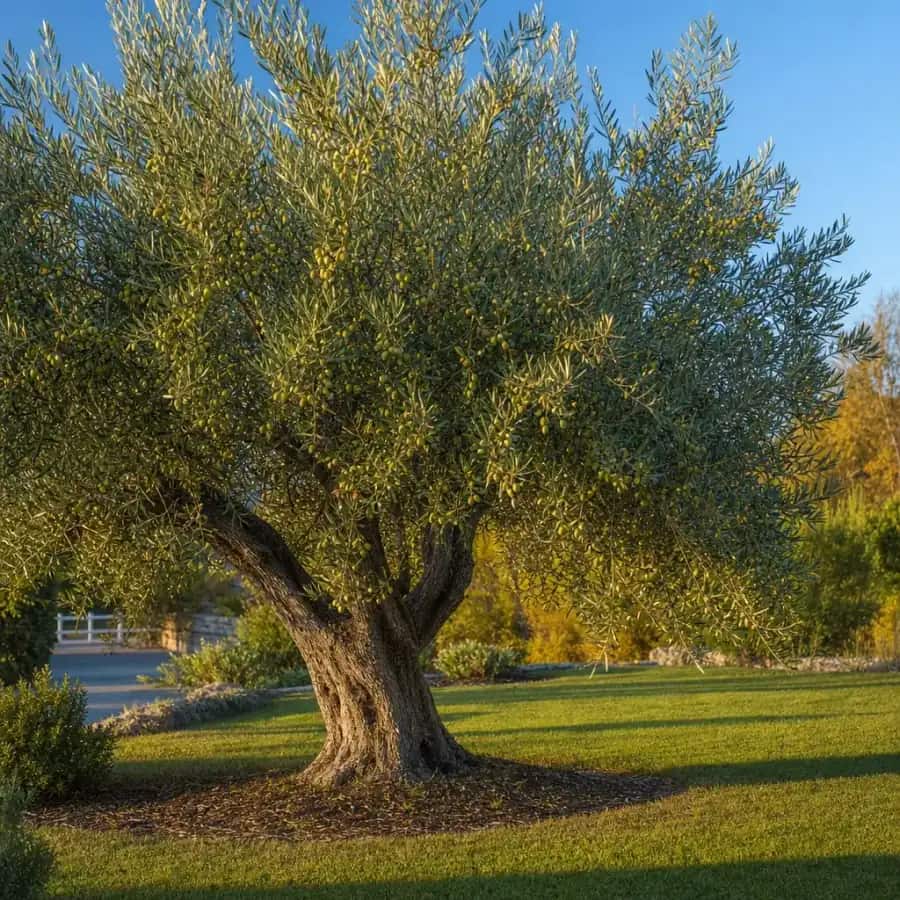 Zones 8 to 11
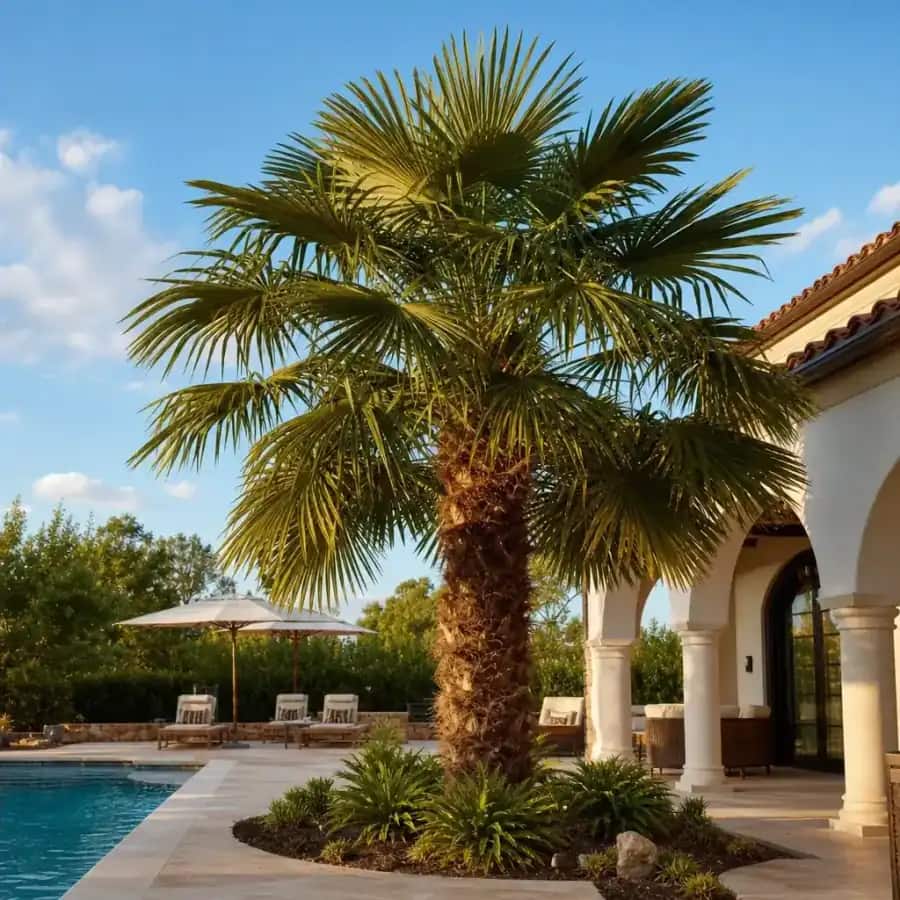 Zones 7 to 11
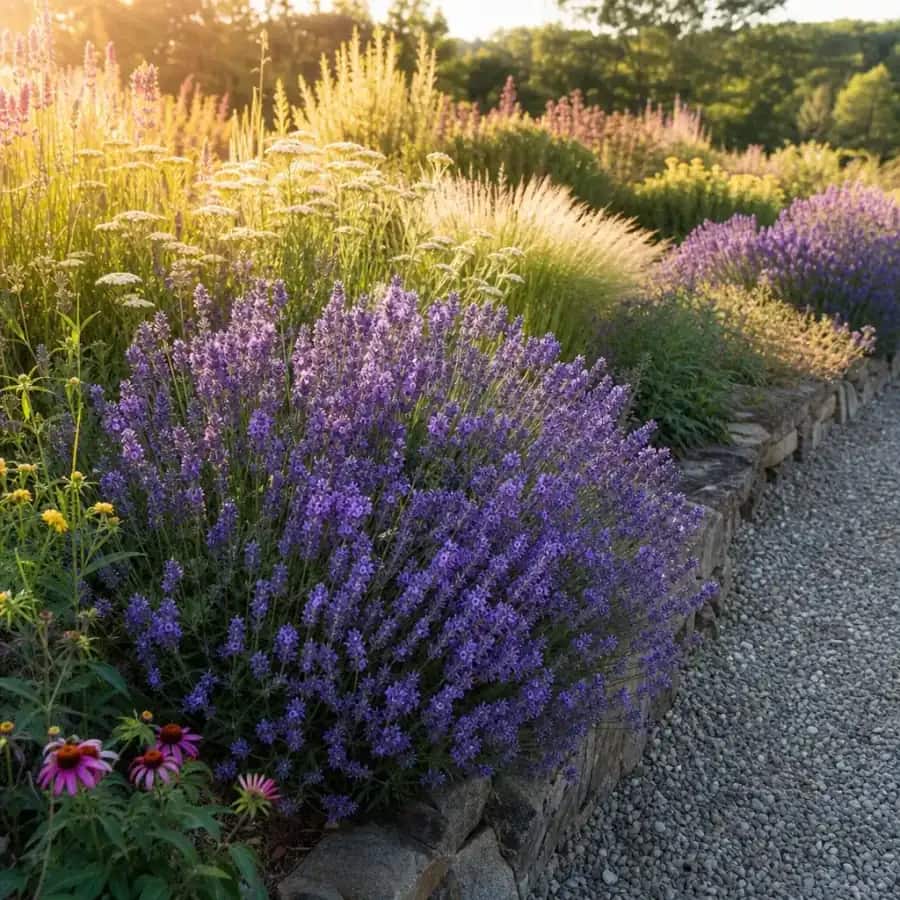 Zones 5 to 9
Shop by category
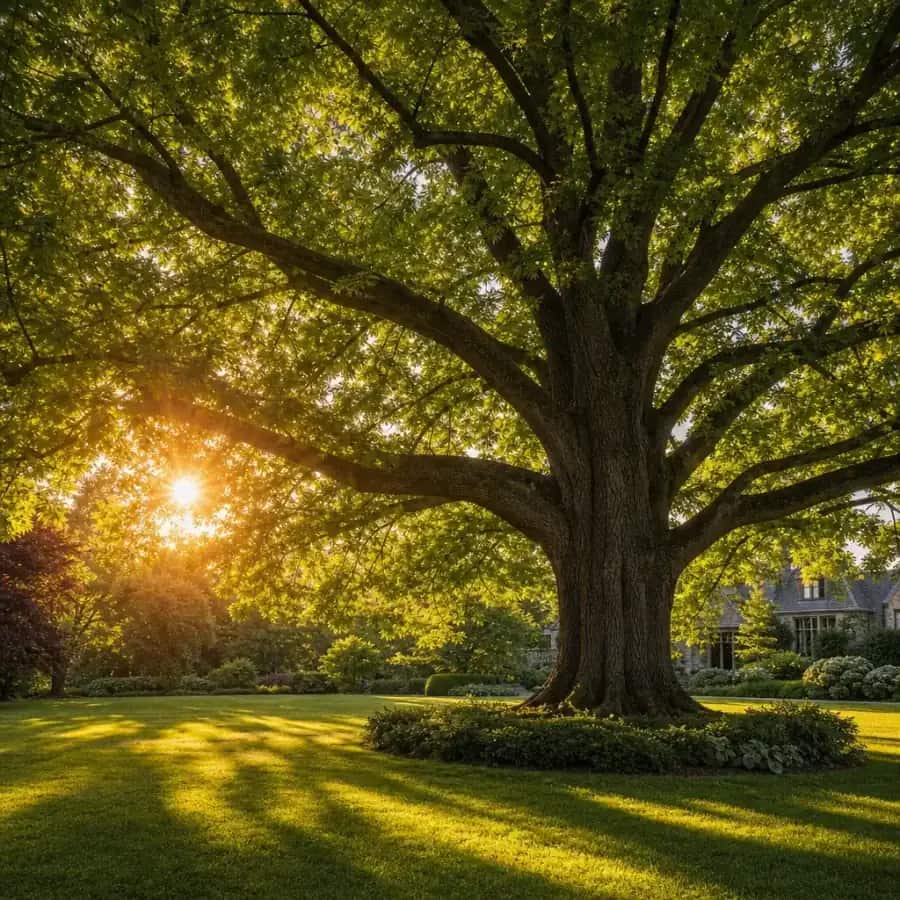 Shade TreesBig, fast canopy. Oaks, elms, maples and more.View all Shade Trees →
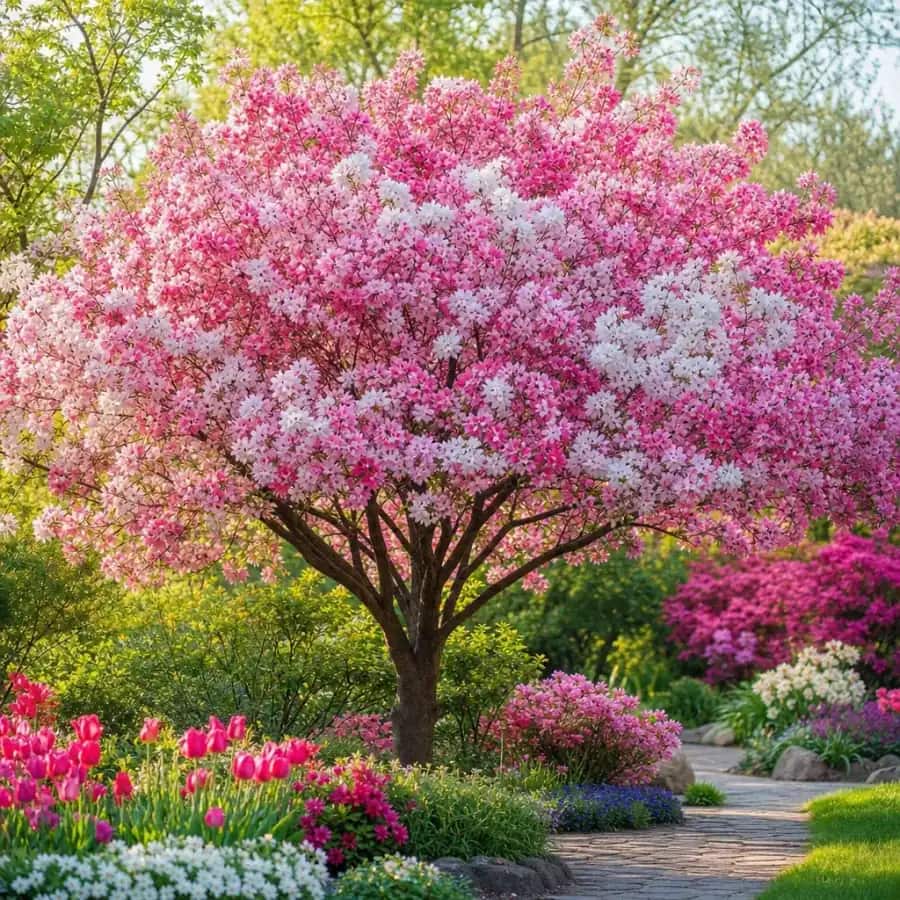 Flowering & OrnamentalRedbuds, crape myrtles and blooming showpieces.
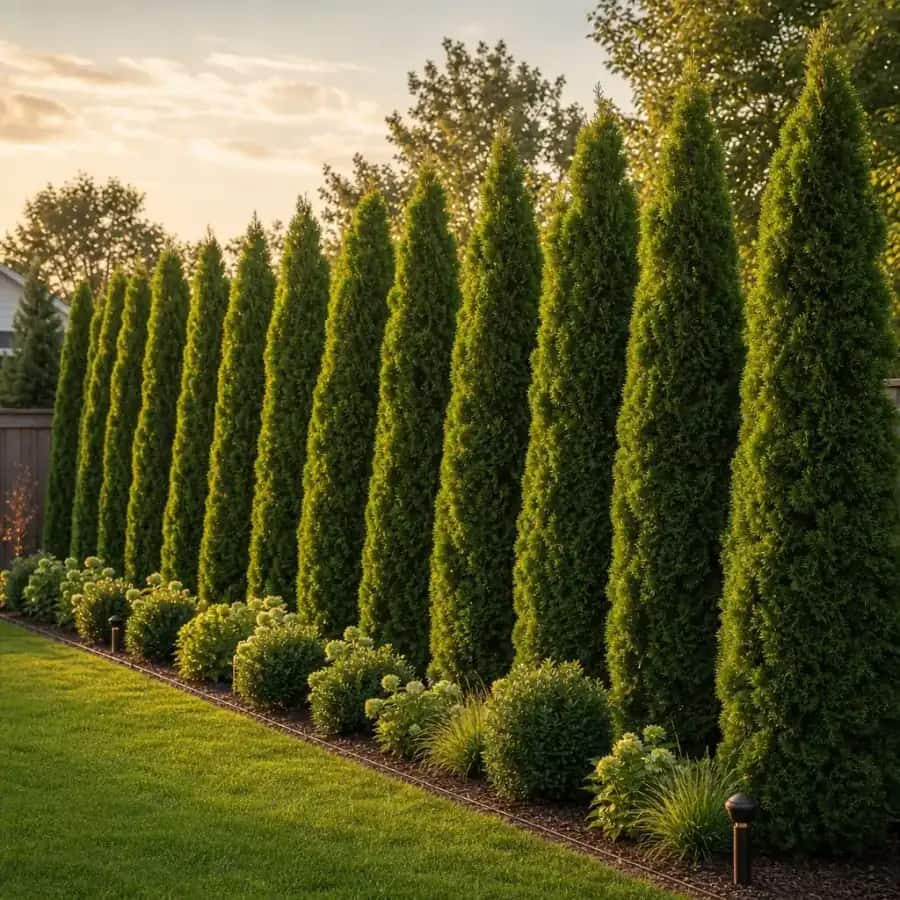 Evergreen & PrivacyYear-round screening suited to the zone's winter lows and dry spells.View all Evergreen & Privacy →
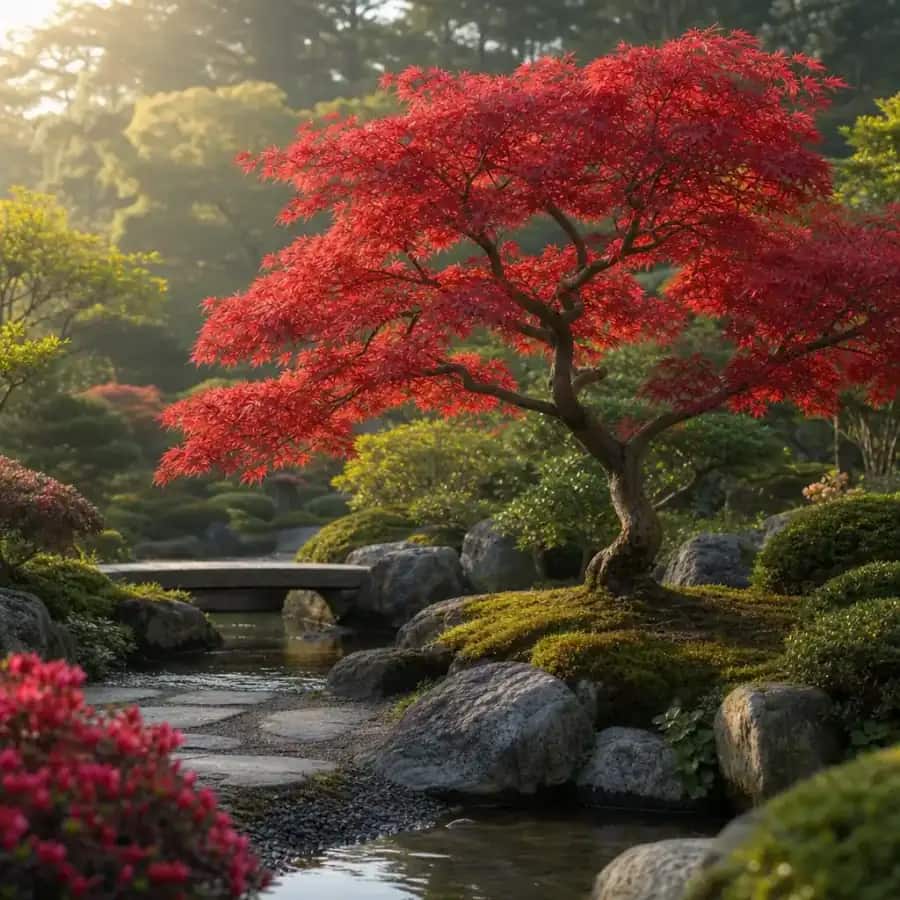 Japanese MaplesLiving sculpture in crimson, coral and lace.
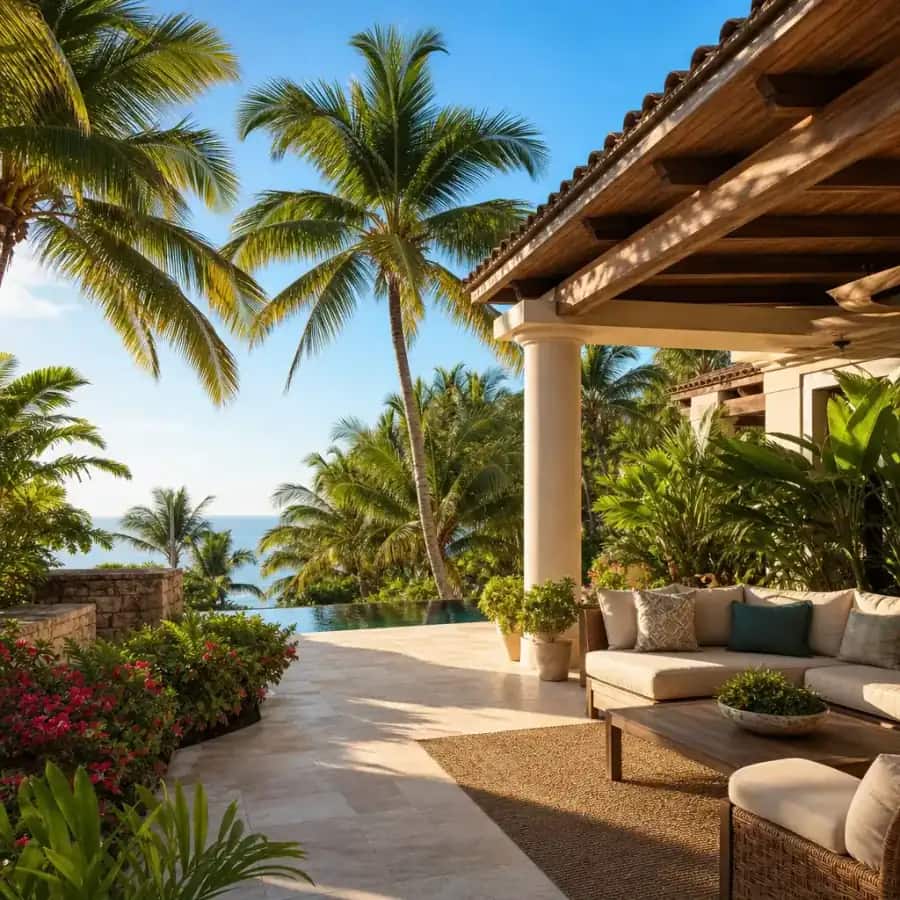 Palms & TropicalsCold-hardy palm varieties that survive zone 8b winters and add a resort feel.View all Palms & Tropicals →
Local fit, from data
8b
about 15 to 20 F
Washington County
Utah
Need shade fast in Washington, UT 84780? Arbor Buddy delivers large, nursery-grown trees by freight direct to your yard. Homeowners and contractors can pick from shade, flowering, evergreen, fruit, and palm categories. Every tree matches your hardiness zone 8b. That means reliable growth without guesswork.
Washington sits in USDA zone 8b. Typical winter lows run about 15 to 20 degrees F. That rules out only the most frost-tender tropicals but opens the door to a broad palette of deciduous and evergreen trees. Summers are hot and dry, so trees that handle both heat and brief cold snaps thrive here.
Shade trees from the Shade Trees category anchor the landscape. Bur Oak is a top choice. For spring color, the Flowering & Ornamental selection like The Rising Sun Eastern Redbud performs well. Evergreen screening options such as Brodie Eastern Red Cedar hold up through zone 8 winters. Fruit trees like Honeycrisp Apple need winter chill, which zone 8b provides enough of. And cold-hardy palms like Chinese Windmill Palm bring a tropical note without risk.
This zone lets you mix different categories. The key is choosing trees that can handle both hot summers and the occasional cold dip.
Brodie Eastern Red Cedar is a strong choice for quick screening, adding several feet per year in zone 8b. Bur Oak also puts on good annual growth once established. Both handle the local winter lows of 15 to 20 F without damage.
Bur Oak is a top pick for its massive canopy and durability in heat and cold. Other shade oaks and maples from the Shade Trees category also perform well in zone 8. The key is selecting a tree that can handle both hot summers and the occasional frost.
Yes, but choose temperate fruits, not citrus. Honeycrisp Apple is hardy to zone 8 and needs a second apple variety for pollination. Elberta Peach, Meyer Lemon, and Arbequina Olive are not featured here because they have specific chill requirements or low-desert restrictions. Stick with apples, pears, and stone fruits bred for cold winters.
Brodie Eastern Red Cedar is a go-to evergreen screening tree, narrow and columnar. For a softer look, the Evergreen & Privacy category offers options like Bald Cypress (deciduous, so it loses needles in winter) and Mondell Pine. All handle zone 8b lows well.
Every tree you order from Arbor Buddy ships zone-matched to 84780 and backed by a 1-Year Thrive Guarantee. If your tree doesn't survive its first growing season, we replace it free. That guarantee makes ordering online simple.
Browse shade, fruit, flowering, and privacy trees for Washington and start your order today.
Different climates shift what trees thrive. Compare your ZIP 84780 with three other regions.
ZIP 32141 in Edgewater, Florida (FL) falls in zone 10a with winter lows of 30 to 35 F. That warmth allows many palms and tropicals that Washington cannot sustain. In practice, buyers here lean toward cold-hardy palms like Chinese Windmill Palm, but you skip the ultra-tropicals that Edgewater would take for granted. Your zone gives you more deciduous variety.
ZIP 48816 in Cohoctah, Michigan (MI) sits in zone 6a with lows of -10 to -5 F. That cold rules out many fruit and citrus trees. For your cart, that means you can grow Honeycrisp Apple in Washington without the extended deep freeze that would damage it in Michigan. Your zone also allows flowering ornamentals that would suffer bud damage up north.
ZIP 56260 in Maynard, Minnesota (MN) is zone 4b with lows of -25 to -20 F. That gap changes the local shortlist to only the most cold-hardy species. You have a wider range of flowering color, including The Rising Sun Eastern Redbud, which would struggle in Minnesota. Your winter lows are mild enough to keep branches safe from severe dieback.
For Washington buyers, the contrast means you can confidently select trees from all major categories, shade, fruit, flowering, evergreens, and cold-hardy palms, without worrying about extreme cold.
Your tree ships by freight direct to your Washington address. Deliveries into zone 8 land in fall through early spring, when planting weather is on your side. A truck brings the tree to your curb or driveway. You need someone home to receive it and inspect the root ball and trunk.
Before delivery day, check:
Every tree is nursery-grown at a usable landscape size and matched to your zone 8b before shipping. The 1-Year Thrive Guarantee covers free replacement if it doesn't survive its first year.
Enter your ZIP, shop only what thrives in your zone.
Freight delivery to your address: $149 flat per order, shown at checkout.
Plant it, watch it thrive, covered for one year.
Good to know · Growing guide
Coverage runs a full year from delivery. If something goes wrong, contact the team and they arrange the replacement. No store-credit games, no fine-print maze.