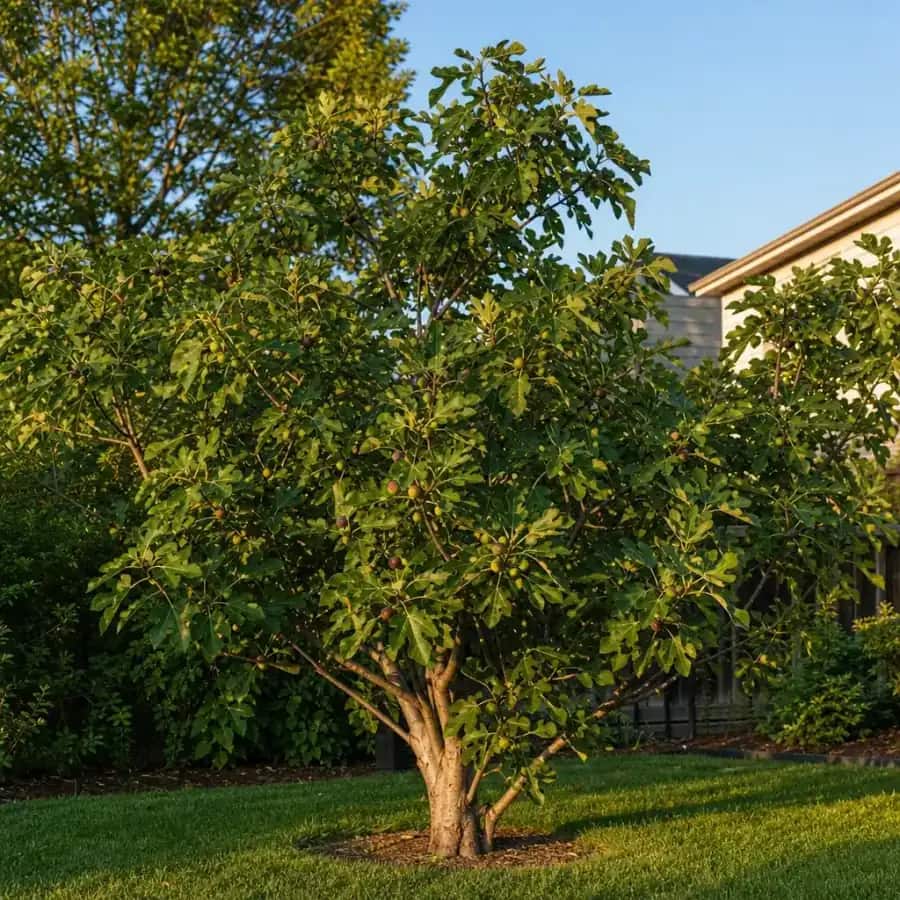
 Zones 4 to 9
Shade Trees
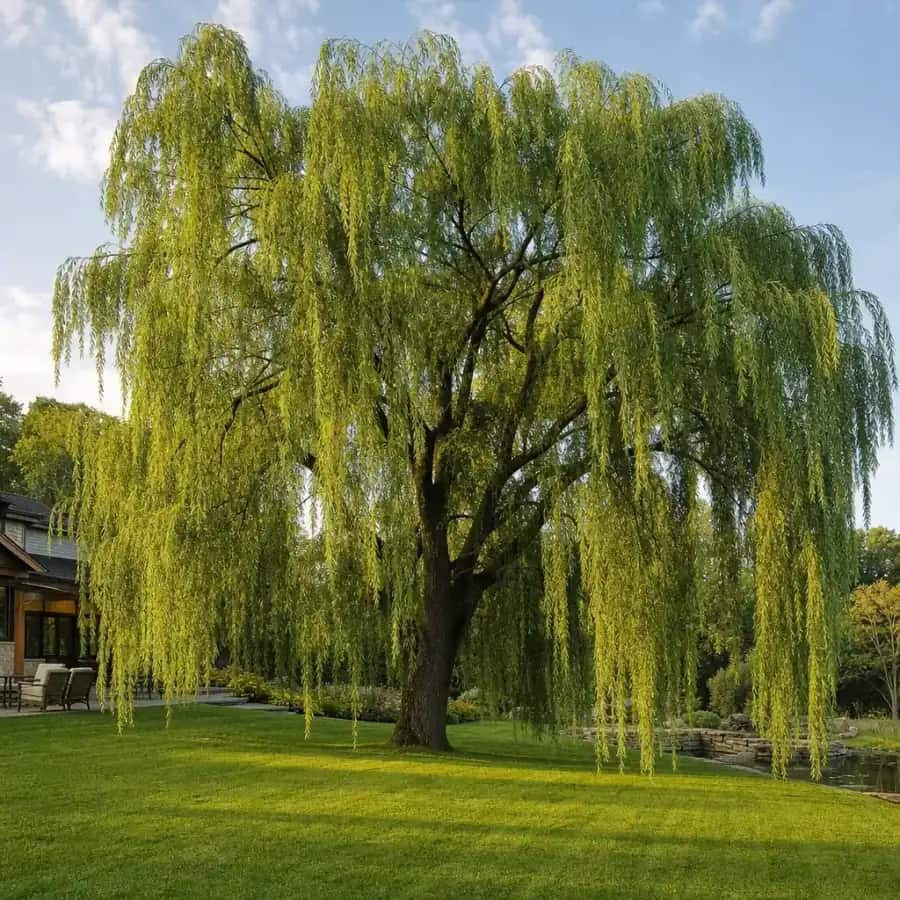
Weeping Willow
$40
Shop large, nursery-grown shade, privacy, flowering and fruit trees, delivered by freight in Forest. Every tree is matched to your hardiness zone and backed by our 1-Year Thrive Guarantee.
Enter your ZIP and we'll match trees to your exact growing zone.
Typical winter lows in Forest run about 5 to 10 F.
Matched to Forest's zone
Shop by category
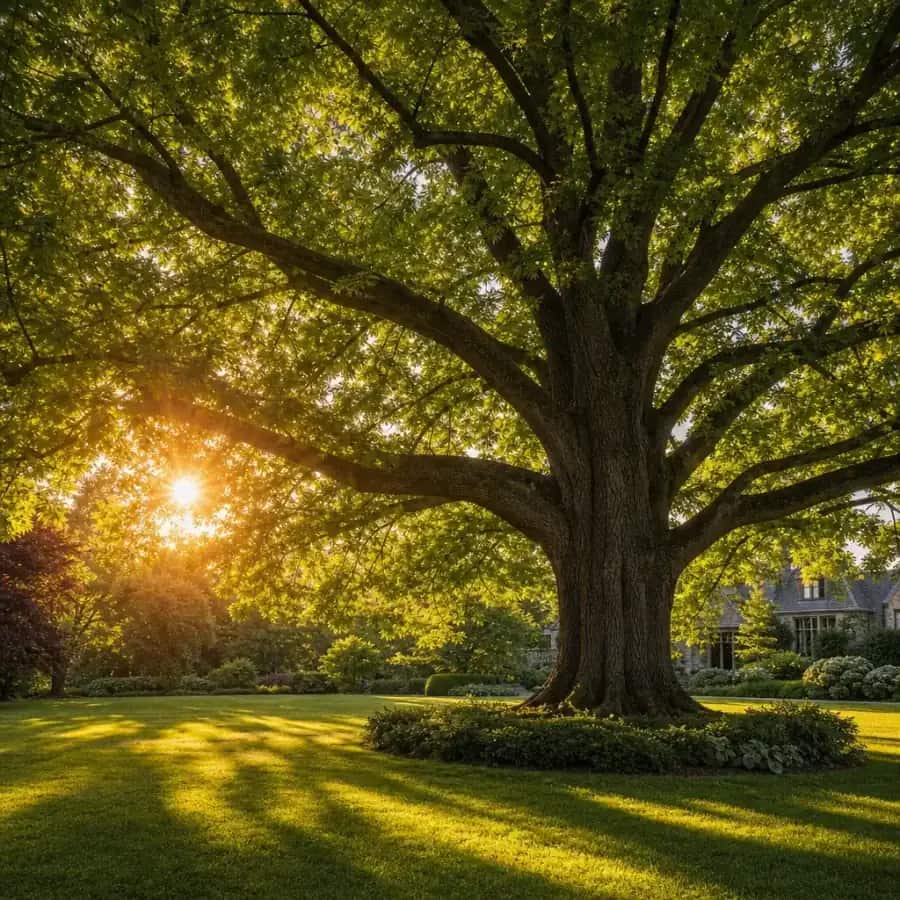 Shade TreesBeat the summer heat in Forest with a fast-spreading canopy that cools your house and yard.View all Shade Trees →
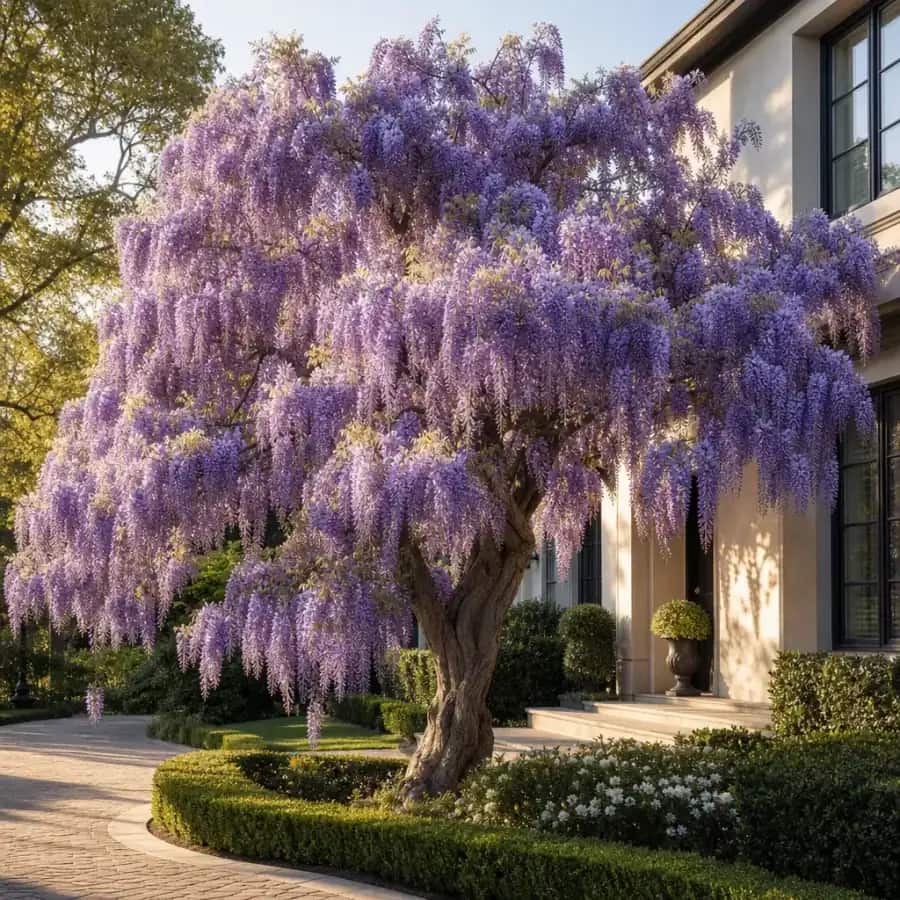
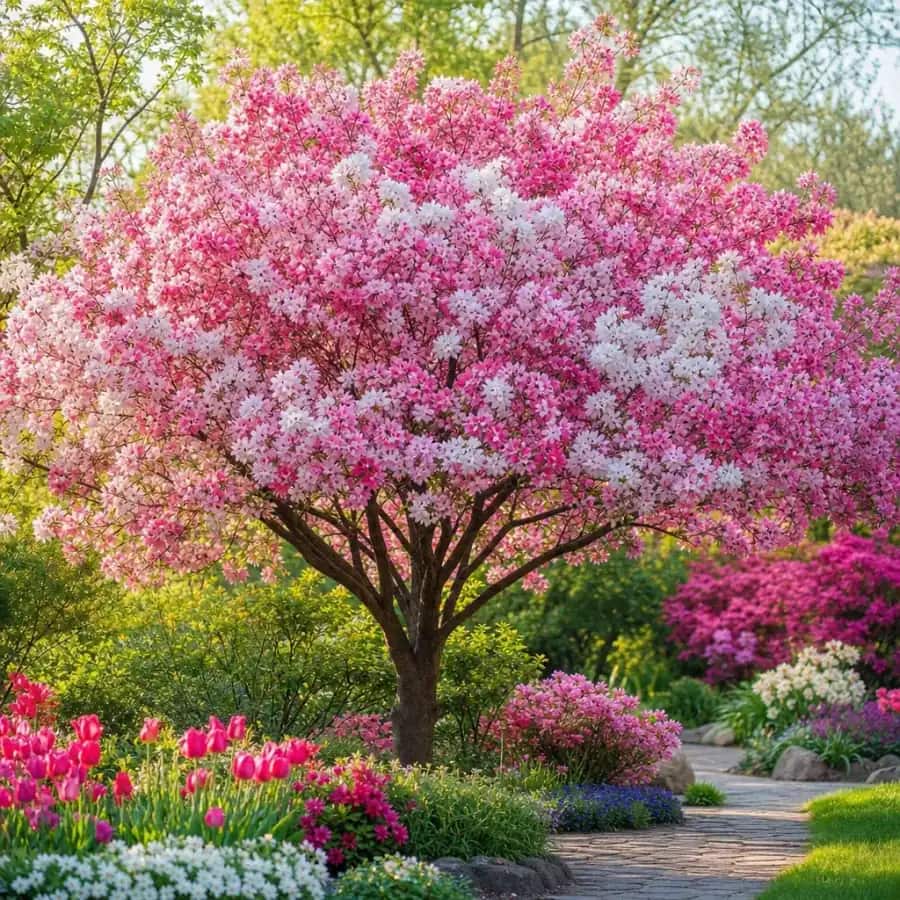 Flowering & OrnamentalBrighten your street with spring blooms and fall color that hold up to zone 7 winters.View all Flowering & Ornamental →
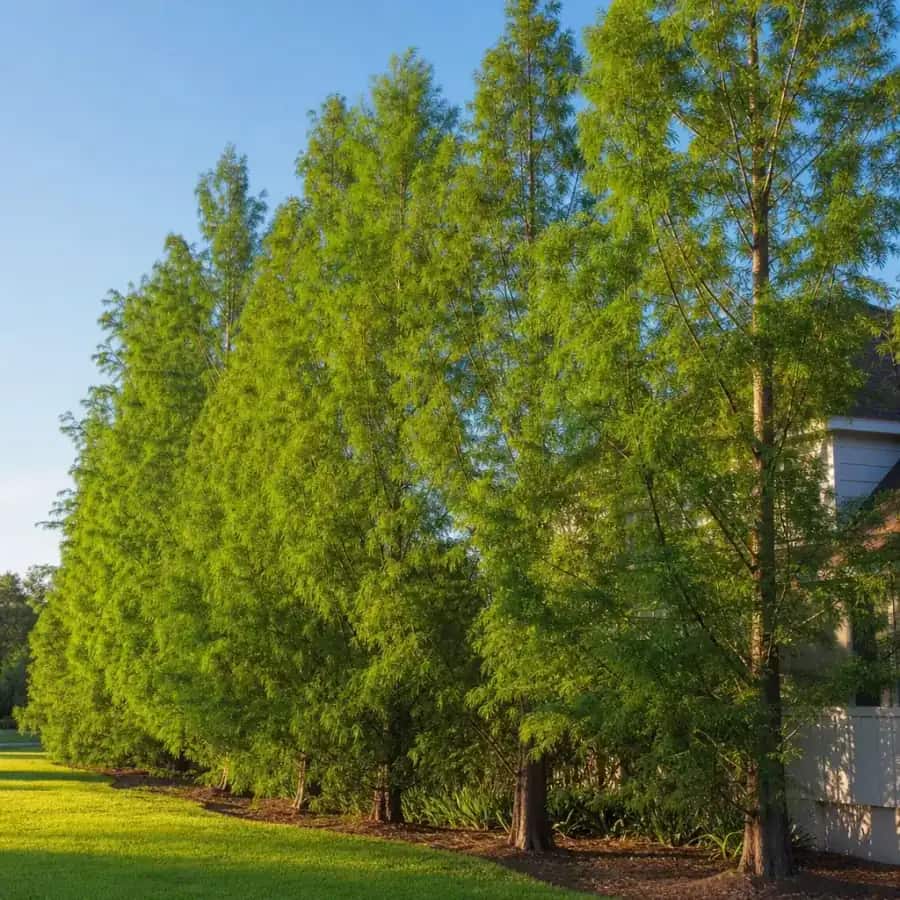
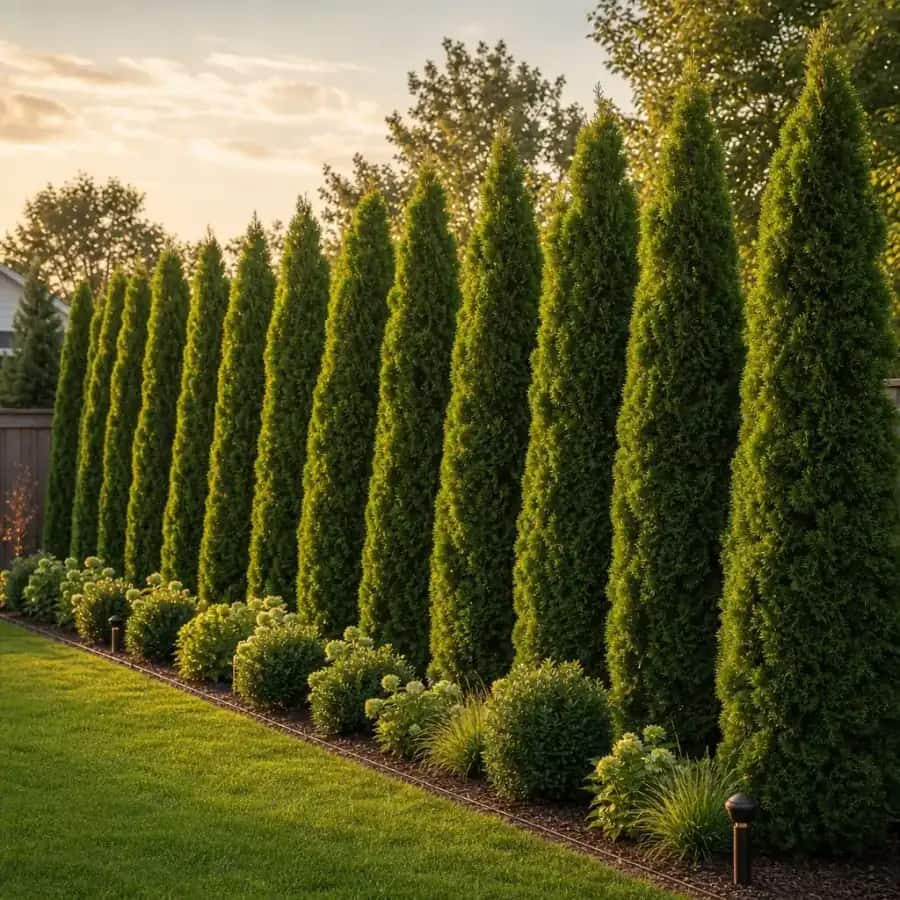 Evergreen & PrivacyBlock wind and views with dense year-round greenery that shrugs off local temperature swings.View all Evergreen & Privacy →
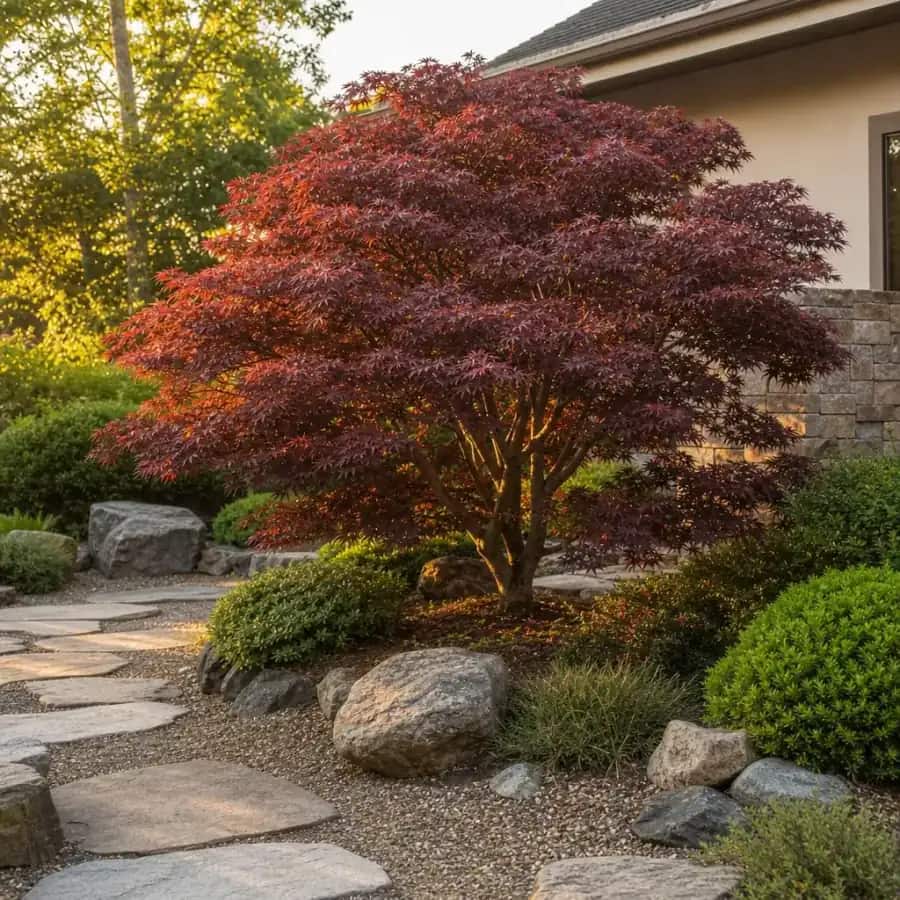
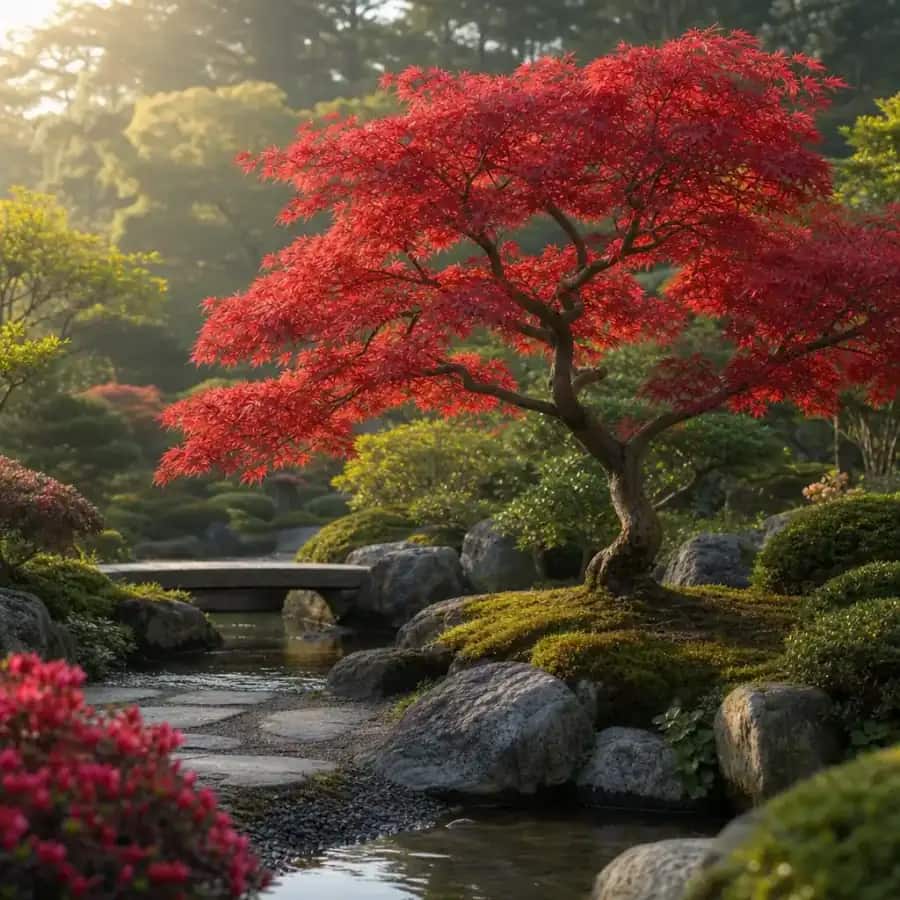 Japanese MaplesAdd refined shape and seasonal leaf color to a shaded corner of your Forest property.
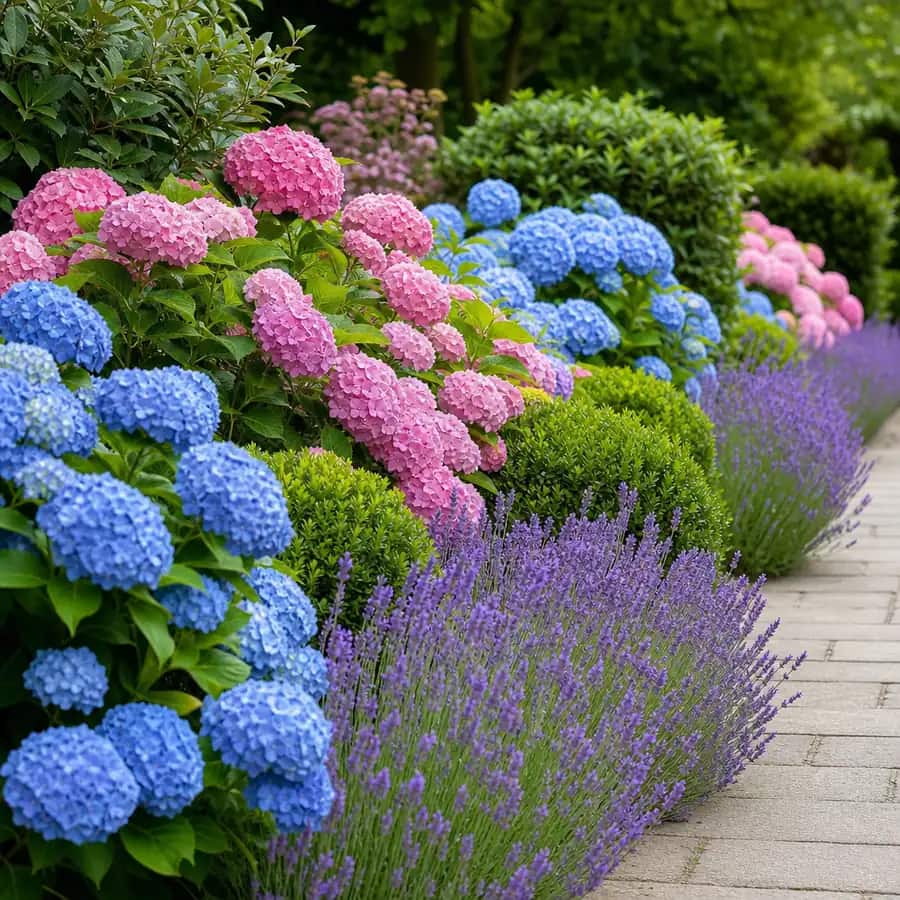 Shrubs & HedgesDefine garden beds and property lines with tough shrubs that stay neat without heavy pruning.View all Shrubs & Hedges →
Local fit, from data
7b
about 5 to 10 F
Bedford County
Virginia
Looking for large landscape trees delivered to Forest, VA 24551? Arbor Buddy ships nursery-grown trees nationwide by freight. We match every tree to your local hardiness zone: 7b. Our online inventory covers shade, flowering, evergreen, fruit, and privacy trees. Homeowners in Forest get big, healthy trees that are ready to plant.
No need to haul a tree home. We bring it to your driveway. Each tree is zone-tested to thrive in Bedford County winters and summers.
Forest sits in USDA zone 7b, where typical winter lows run about 5 to 10 degrees F. That means many popular trees thrive here. You can grow southern classics such as crape myrtles and eastern favorites like redbuds in the same yard. Summer heat and humidity are normal, but zone 7 trees have the genetics to handle them.
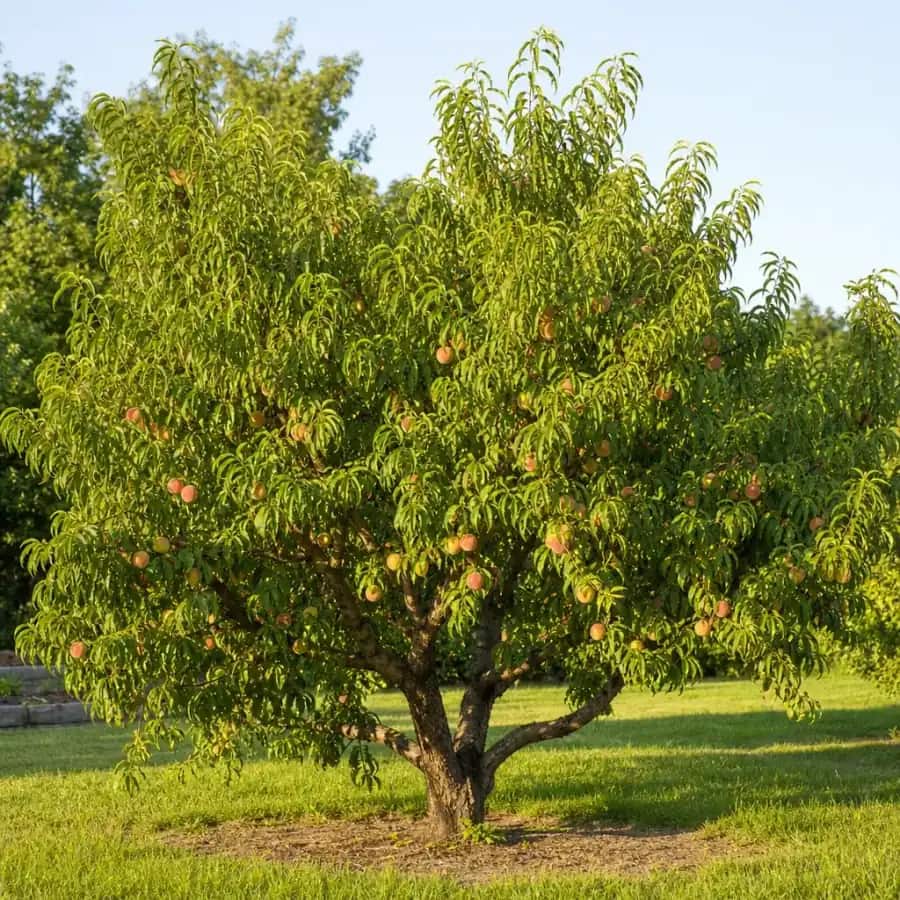
Shade trees like the Chinese Elm adapt quickly to local soil. Flowering ornamentals put on a show every spring. For privacy, columnar evergreens stay dense without taking up too much width. Fruit trees like the Elberta Peach get enough chill hours to set a heavy crop. Even cold-hardy palms like the Dwarf Palmetto survive here.
When you shop trees for zone 7 in Forest, you get a broad palette. The main limit is tropical plants that need zone 8 or warmer. Everything on this page is pre-matched to your climate.
Arbor Buddy matches every tree to your hardiness zone. In Forest, zone 7b gives you the freedom to choose shade, privacy, flowering, and fruit trees that would fail in colder areas. All shipments carry the 1-Year Thrive Guarantee.
Browse the trees suited to your area and order online.
ZIP 24551 in Forest, VA has winter lows only down to about 5 to 10 degrees F. That is much milder than colder areas of the country. Let us look at three different climates and what they mean for tree choices.
ZIP 05250 in Arlington, Vermont (VT) sits in zone 5a with typical winter lows of -20 to -15 F. That gap changes the local shortlist to hardier evergreens and deciduous trees that survive extreme cold. In Forest, you can plant less cold-tolerant species like the Hetz Columnaris Chinese Juniper without worry. Vermont gardeners often rely on thick snow cover for insulation. You do not need that here. Your cart can include southern evergreens and broadleaf ornamentals that would fail in VT.
ZIP 54940 in Fremont, Wisconsin (WI) is also zone 5a with lows of -20 to -15 F. For your cart, that means flowering trees that bloom after the last frost are easier in Forest. In Wisconsin, late freezes kill buds on early-blooming redbuds and peaches. Your Forest yard gives redbuds like The Rising Sun a longer, safer bloom window. You can also count on fruit trees like Elberta Peach to set fruit every year, whereas Wisconsin growers must pick extra-hardy varieties. Here, the zone usually pushes the choice toward standard fruit trees with reliable chill accumulation.
ZIP 82837 in Leiter, Wyoming (WY) is zone 4b with lows of -25 to -20 F. In practice, buyers here lean toward wind-hardy evergreens and tough native species. Your Forest climate is far more forgiving. You can plant the Dwarf Palmetto Palm, which would die in a Wyoming winter. The contrast is clear: your winters are short and mild enough to grow palms, crape myrtles, and fruit trees that are impossible in the northern plains. For your shopping list, that means you can focus on aesthetics and fruit production instead of survival alone.
What these comparisons show: Forest's zone 7b opens up a wide palette of trees. You are not limited to the toughest cold-hardy picks. Your cart can include flowering ornamentals, shade trees, and semi-tropical accents that would fail in colder ZIPs.
Arbor Buddy ships your trees by freight to ZIP 24551. A semi truck can deliver to most residential streets in Forest if there is room to pull in and turn around. You or an adult must be home to receive the tree and inspect it. Zone 7 orders travel in the spring and fall windows on either side of summer. That timing avoids extreme heat and gives roots a gentle start.
Every tree comes backed by the 1-Year Thrive Guarantee. If your tree does not survive its first year, we send a free replacement. This is not a warranty: it is a promise that your zone-matched tree will establish.
Before delivery day, check:
Enter your ZIP, shop only what thrives in your zone.
Freight delivery to your address: $149 flat per order, shown at checkout.
Plant it, watch it thrive, covered for one year.
Good to know · Growing guide
Coverage runs a full year from delivery. If something goes wrong, contact the team and they arrange the replacement. No store-credit games, no fine-print maze.