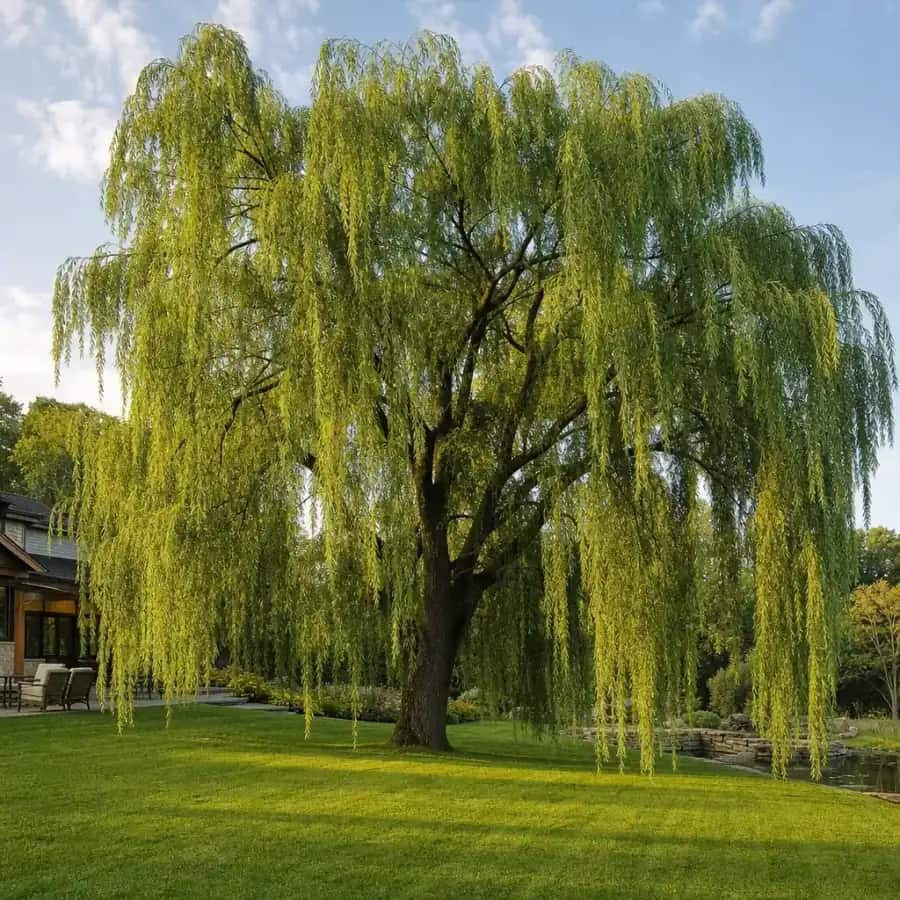
 Zones 4 to 9
Shade Trees
Weeping Willow
$40
Shop large, nursery-grown shade, privacy, flowering and fruit trees, delivered by freight in Scott County. Every tree is matched to your hardiness zone and backed by our 1-Year Thrive Guarantee.
Enter your ZIP and we'll match trees to your exact growing zone.
Typical winter lows in Scott County run about 0 to 10 F.
Matched to Scott County's zones
Zones 4 to 9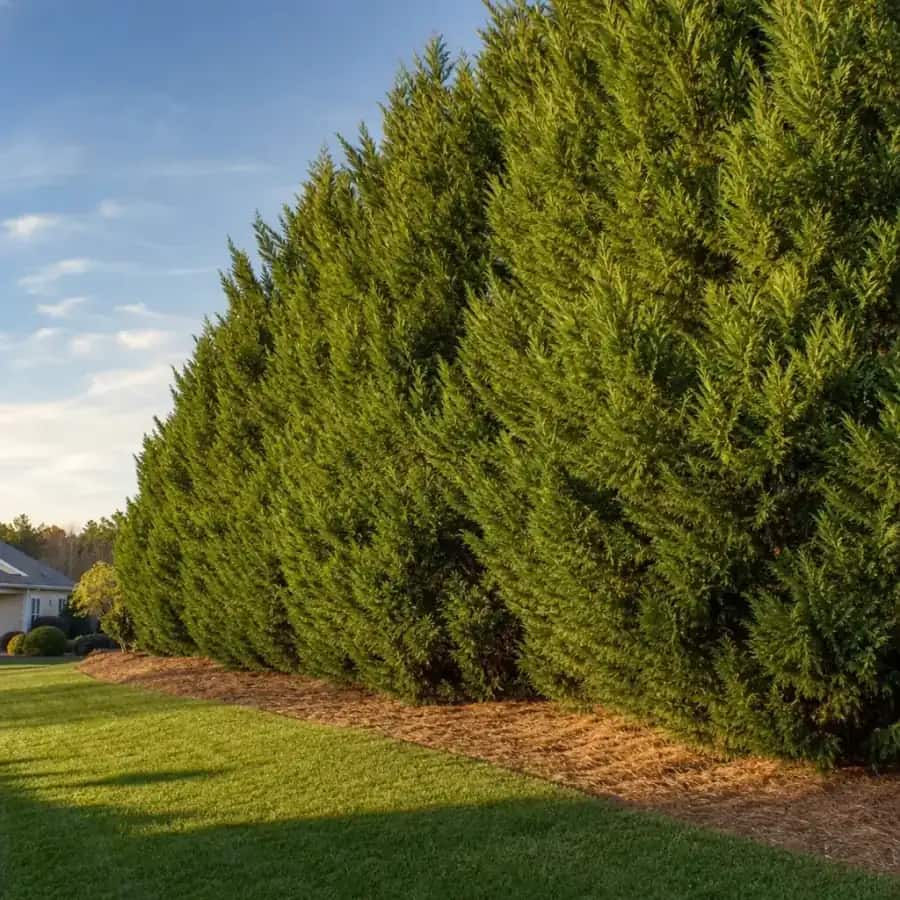 Zones 6 to 10
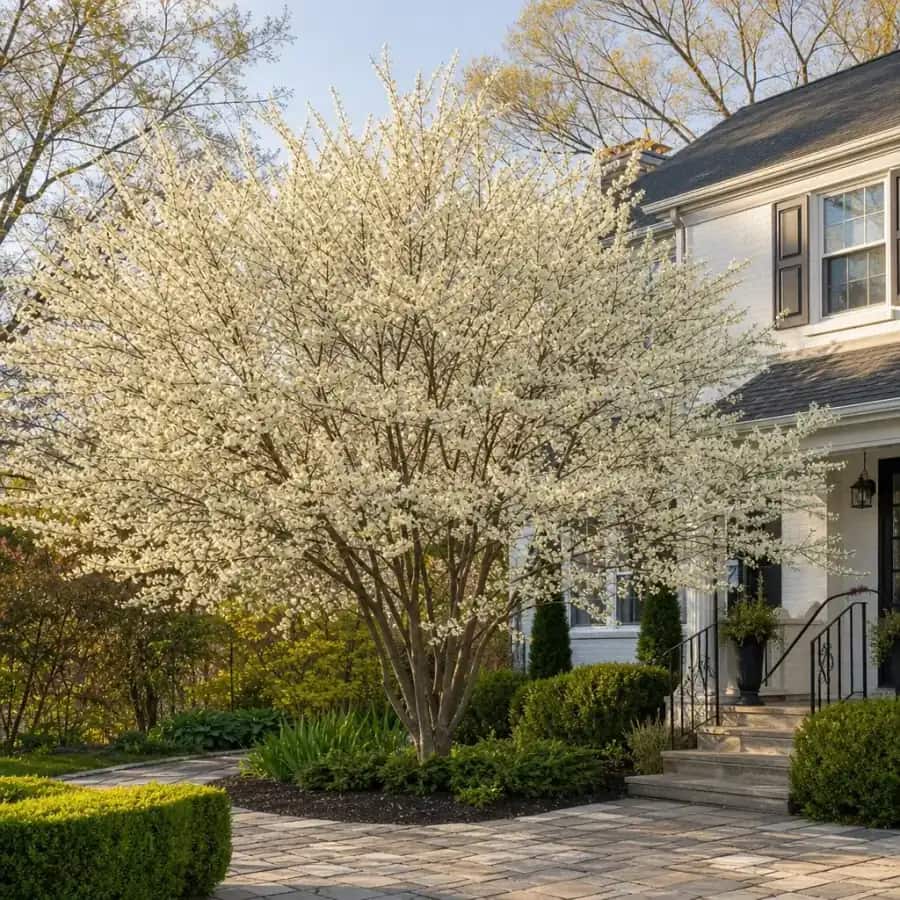 Zones 4 to 9
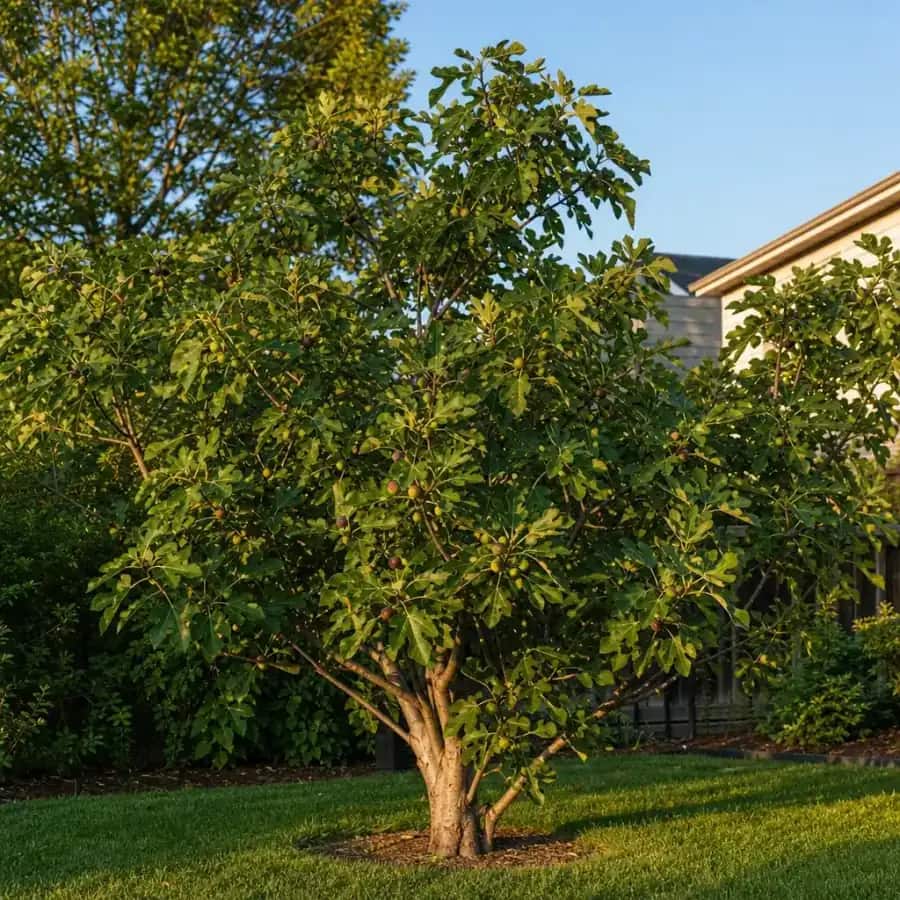 Zones 5 to 10
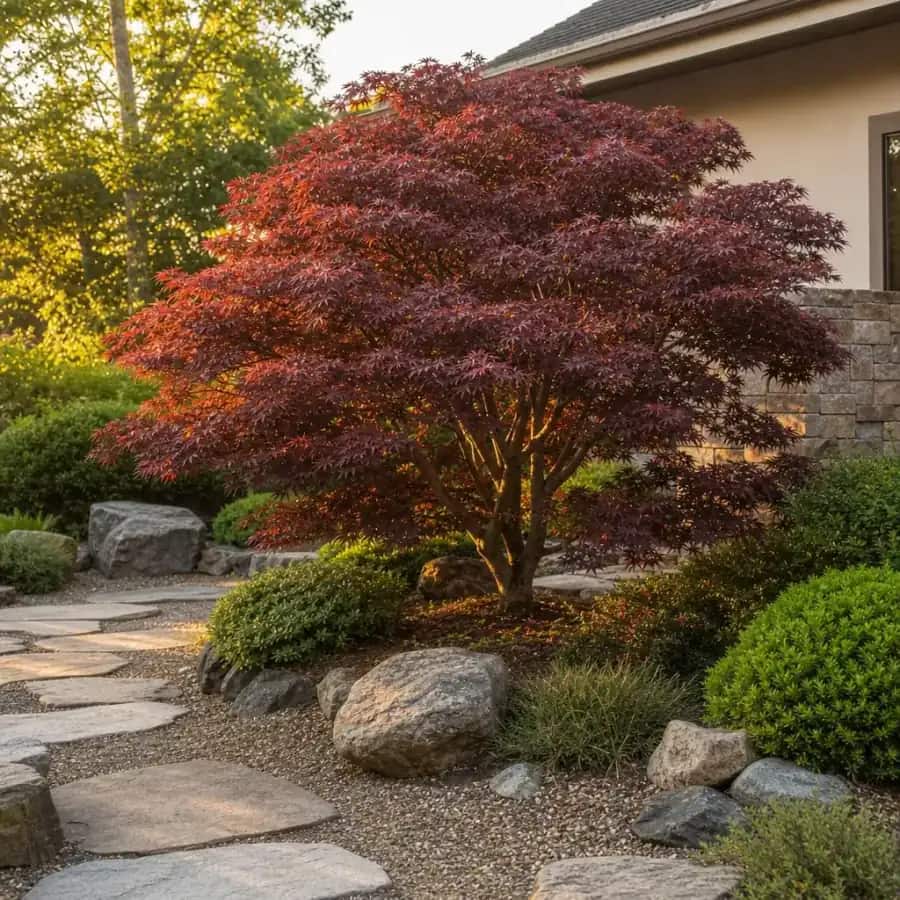 Zones 5 to 8
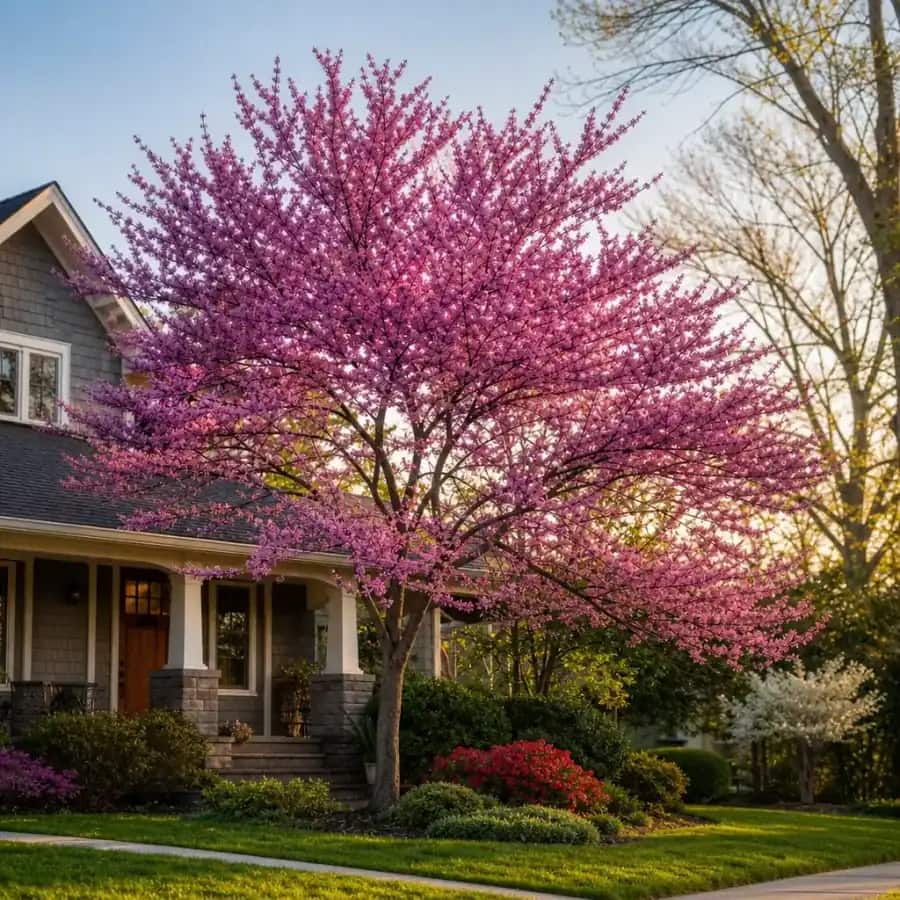 Zones 4 to 9
Shop by category
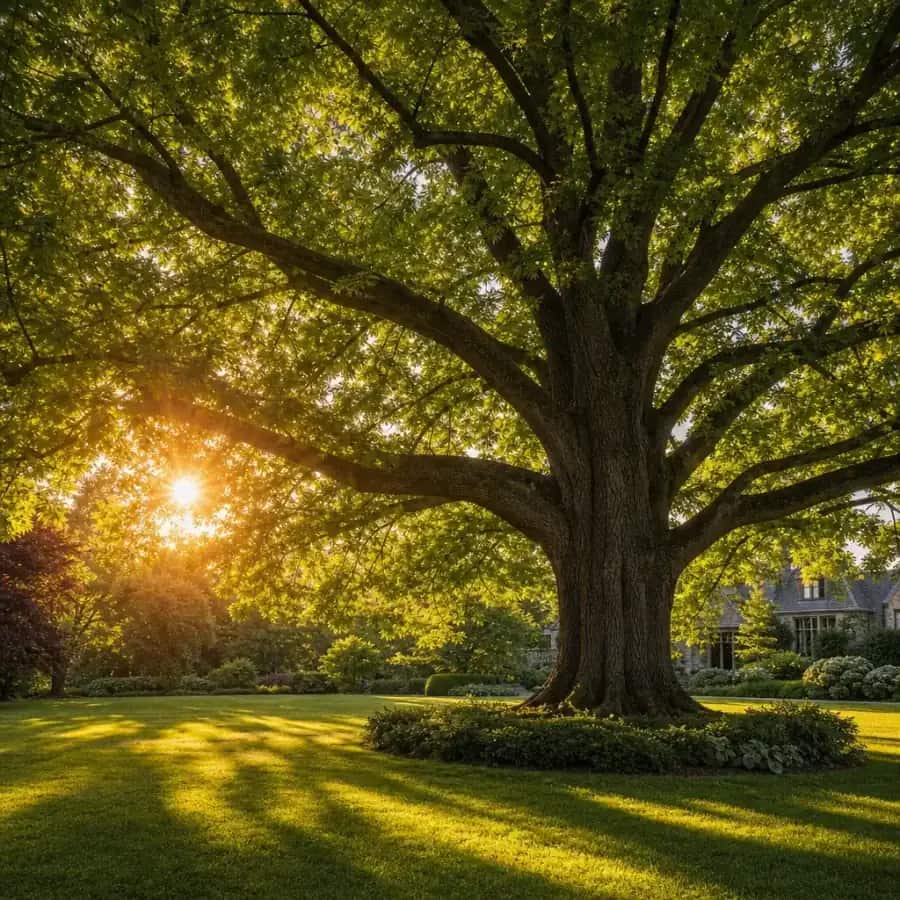 Shade TreesBig, fast canopy. Oaks, elms, maples and more.View all Shade Trees →
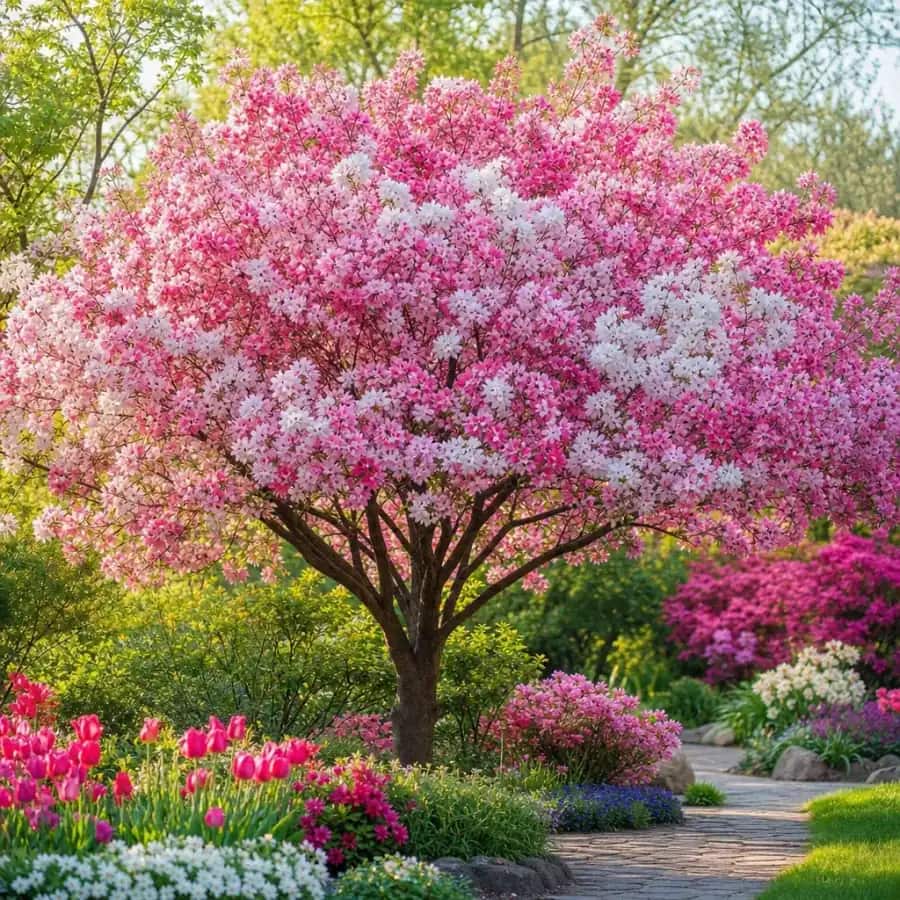 Flowering & OrnamentalZone-tough blooms like redbuds and crape myrtles that hold up to local heat.View all Flowering & Ornamental →
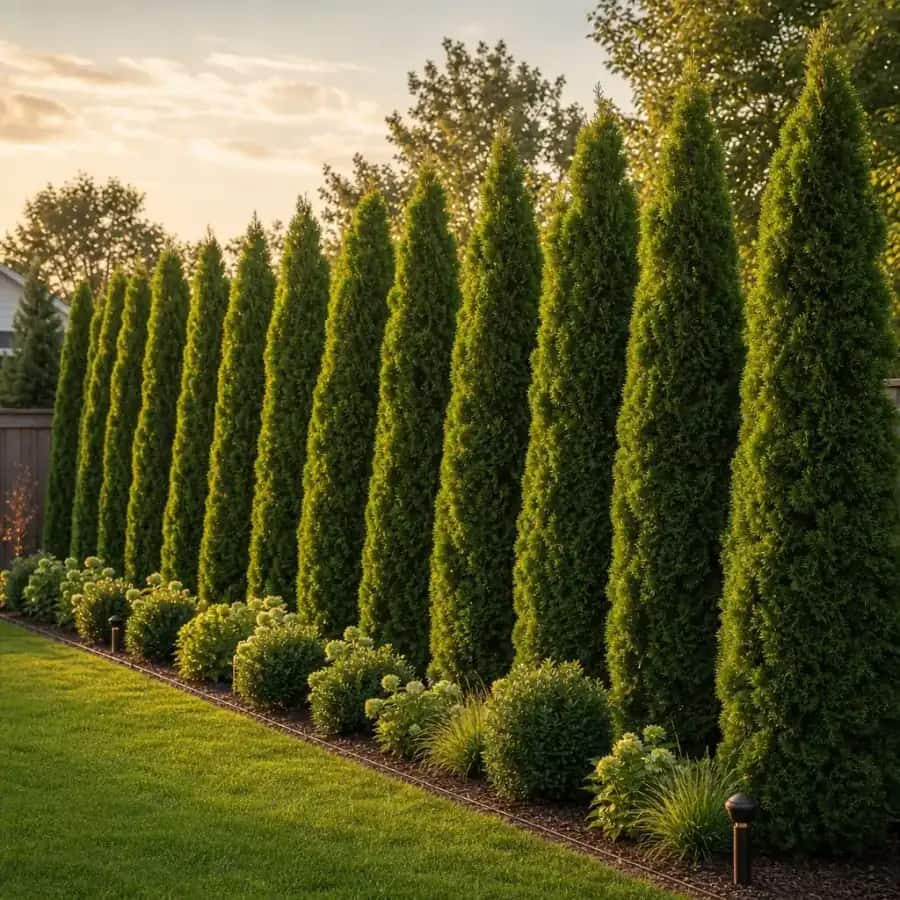 Evergreen & PrivacyYear-round green: cypress, juniper, holly, magnolia.View all Evergreen & Privacy →
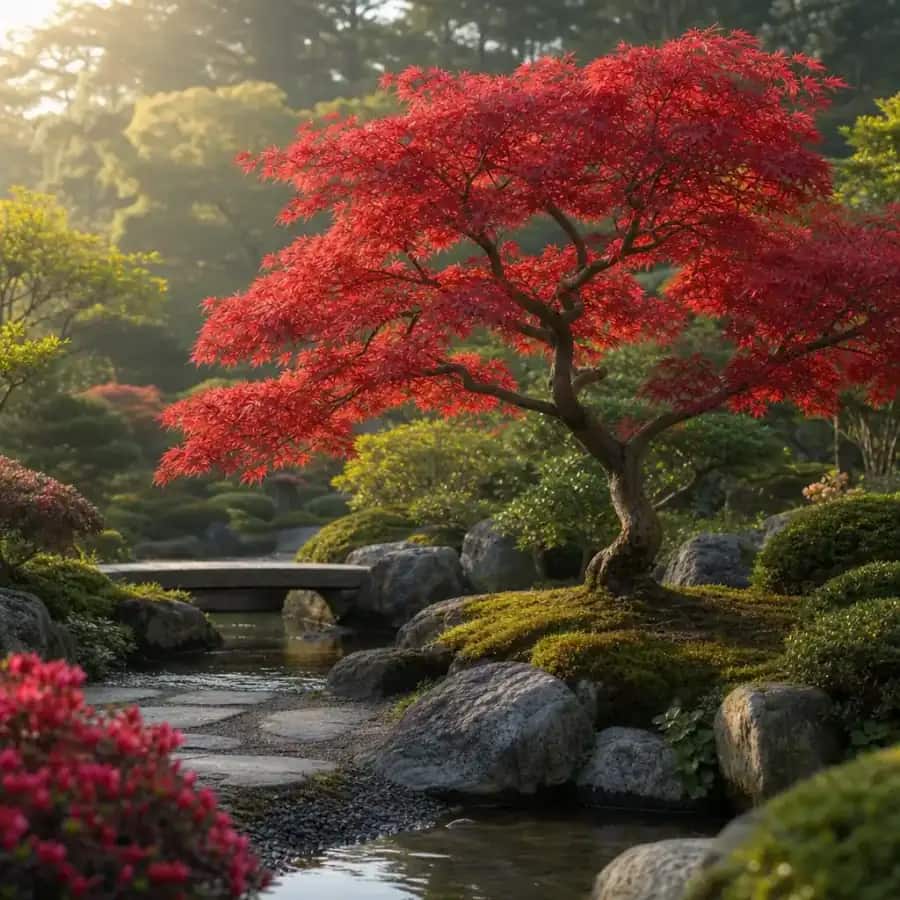 Japanese MaplesLiving sculpture in crimson, coral and lace.
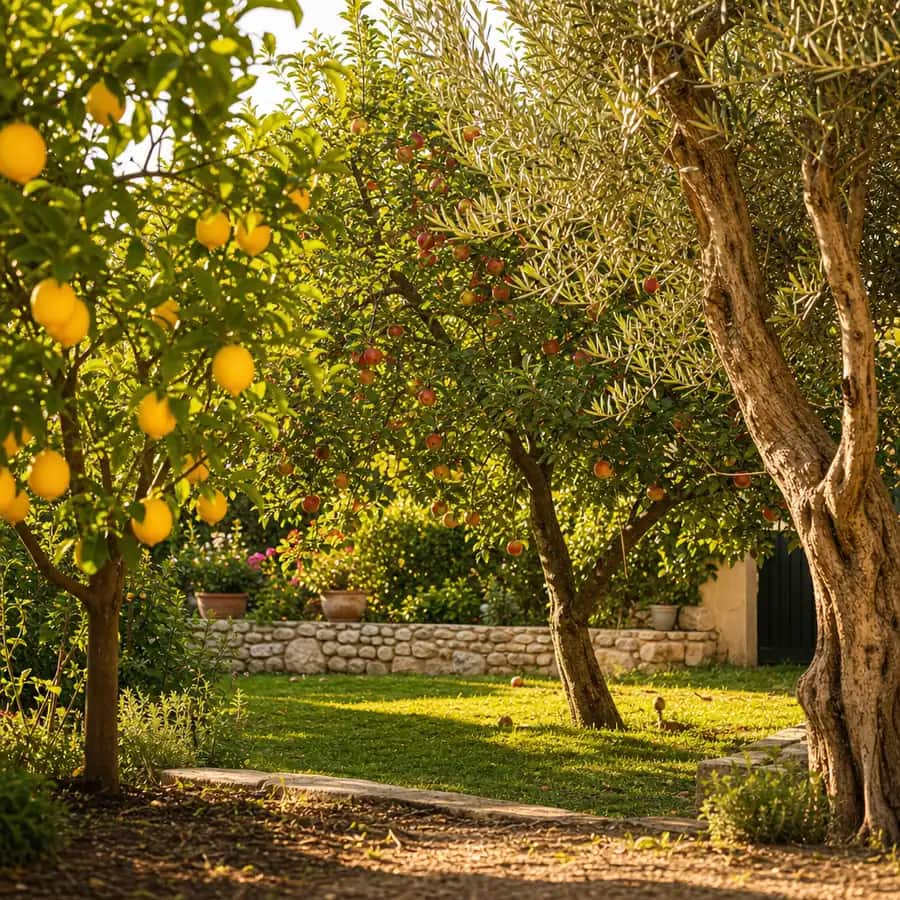 Fruit TreesCold-hardy figs, apples, and peaches suited to Scott County winters.View all Fruit Trees →
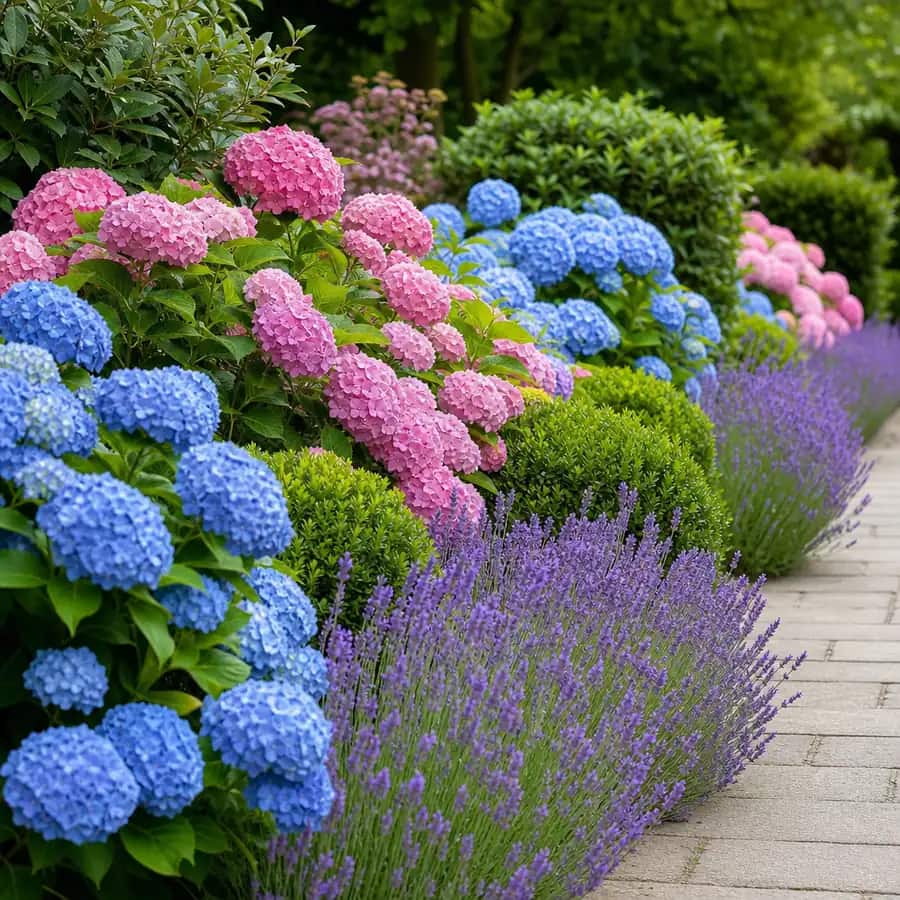 Shrubs & HedgesFoundation plants like hydrangeas and hollies that handle the local climate.View all Shrubs & Hedges →
Local fit, from data
7a to 7b
about 0 to 10 F
7
Duffield
Shade, privacy, and fruit trees in Scott County, Virginia (VA) start here. Arbor Buddy is a delivery-only vendor of large, nursery-grown landscape trees shipped by freight nationwide. Homeowners in this zone 7a to 7b county get trees matched to their climate. Choose from shade, flowering, evergreen, and fruit categories.
Scott County spans zone 7a to 7b across its seven ZIP codes. The colder end (7a) sees winter lows around 0 F, while the warmer end (7b) stays above 5 F. Typical winter lows run about 0 to 10 F across the county. That range opens the door to many trees that struggle farther north.
Summers bring humidity and occasional dry spells. Trees for zone 7 in Scott County need heat tolerance as much as cold hardiness. Deciduous shade trees and flowering redbuds do well. Japanese maples benefit from afternoon shade in the warmer pockets. Evergreens like junipers handle the full sun and variable moisture.
The western part of the county tends to be cooler, while the Duffield area and lower elevations sit closer to zone 7b. Match each tree to your exact half-zone to avoid winter injury or summer stress.
Deliveries into zone 7 land in spring or fall, the two planting-friendly stretches. Arbor Buddy schedules freight shipments to match your local planting window. You will receive a tracking update before the tree arrives.
Trees for zone 7 include redbuds, Japanese maples, figs, weeping willows, and junipers. All six featured trees above are hardy from zone 7a to 7b. Many species that need warmer zones will not survive, but zone 7 opens the door to a solid mix of shade, fruit, and ornamentals.
Arbor Buddy ships nursery-grown trees at a usable landscape size. You receive a tree that is large enough to establish quickly in your yard. Exact dimensions vary by species, but each tree is ready to plant.
Yes. The Chicago Hardy fig is a proven performer for zone 7. Apples, peaches, and pears also grow here, though some varieties need a second tree for pollination. The key is choosing cultivars matched to your half-zone and chill hours.
Every tree from Arbor Buddy ships zone-matched to Scott County and backed by the 1-Year Thrive Guarantee. If your tree does not survive its first year, you get a free replacement. That guarantee takes the risk out of ordering large trees online. Browse the featured picks and add your tree today.
Scott County's zone 7a to 7b climate is milder than many parts of the country. Here is how it stacks up against three other regions.
Jackson County, Wisconsin (WI) sits in zone 4b with winter lows from -25 to -20 F. That cold rules out nearly all fruit trees and tender Japanese maples. In practice, buyers there lean toward hardy pines and cold-tolerant shade trees. Scott County buyers can grow figs, redbuds, and laceleaf maples that would never survive a Wisconsin winter.
Hot Springs County, Wyoming (WY) covers zone 4b to 5a with lows -25 to -15 F. Dry air and short growing seasons limit flowering trees. For your cart, that means options like weeping willow and junipers are safe here but not the heat-loving Texas redbud or fig. In Scott County you get a longer growing season and more flowering choices.
Essex County, Vermont (VT) lands in zone 4a to 4b with lows -30 to -20 F. That gap changes the local shortlist to only the hardiest maples and spruces. Scott County's warmer winters allow you to plant cherry, apple, and fig trees that would freeze out in northern Vermont. Bottom line: your zone 7 location opens the door to species that colder regions can only dream of.
Arbor Buddy ships large, nursery-grown trees by freight to Scott County. Every tree is zone-matched to your address before it leaves the nursery. The delivery window lands in spring or fall, the two planting-friendly stretches for zone 7. A freight truck can reach most of the county, but access varies.
Before delivery day, check:
Every tree comes with a 1-Year Thrive Guarantee. If it does not survive the first year, Arbor Buddy sends a free replacement. No hassle.
Enter your ZIP, shop only what thrives in your zone.
Freight delivery to your address: $149 flat per order, shown at checkout.
Plant it, watch it thrive, covered for one year.
Good to know · Growing guide
Coverage runs a full year from delivery. If something goes wrong, contact the team and they arrange the replacement. No store-credit games, no fine-print maze.