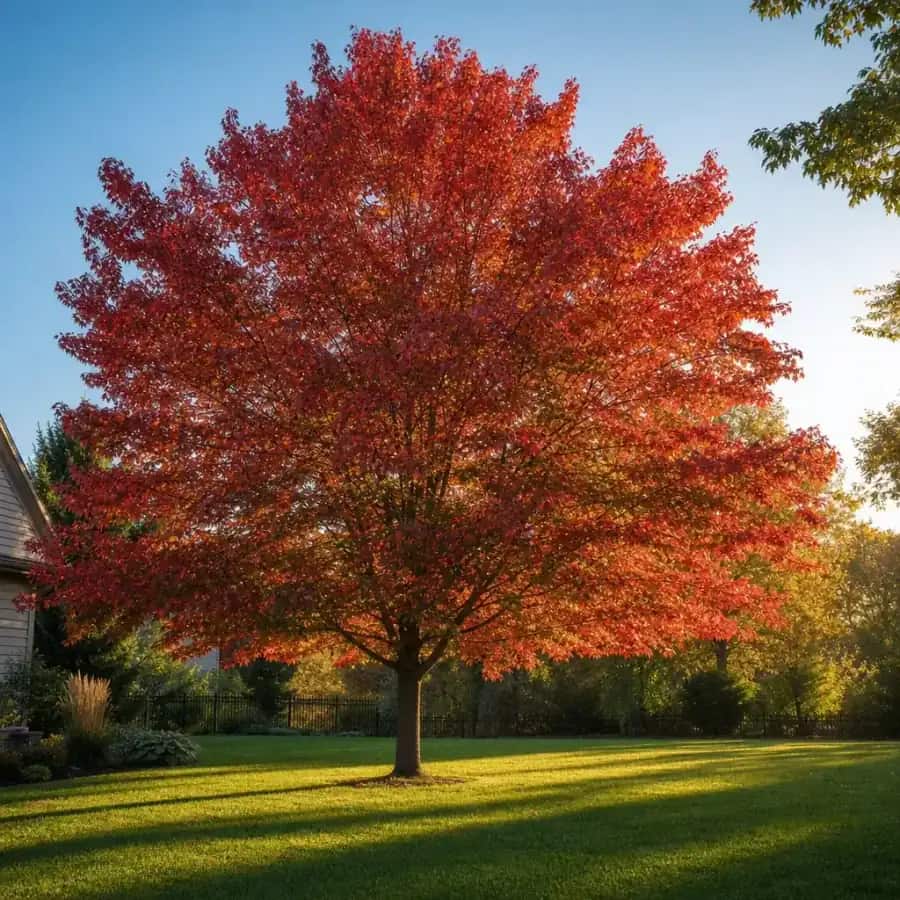
 Zones 3 to 8
Shade Trees
Autumn Blaze Red Maple
$60
Shop large, nursery-grown shade, privacy, flowering and fruit trees, delivered by freight in Clay. Every tree is matched to your hardiness zone and backed by our 1-Year Thrive Guarantee.
Enter your ZIP and we'll match trees to your exact growing zone.
Typical winter lows in Clay run about -5 to 0 F.
Matched to Clay's zone
Zones 3 to 8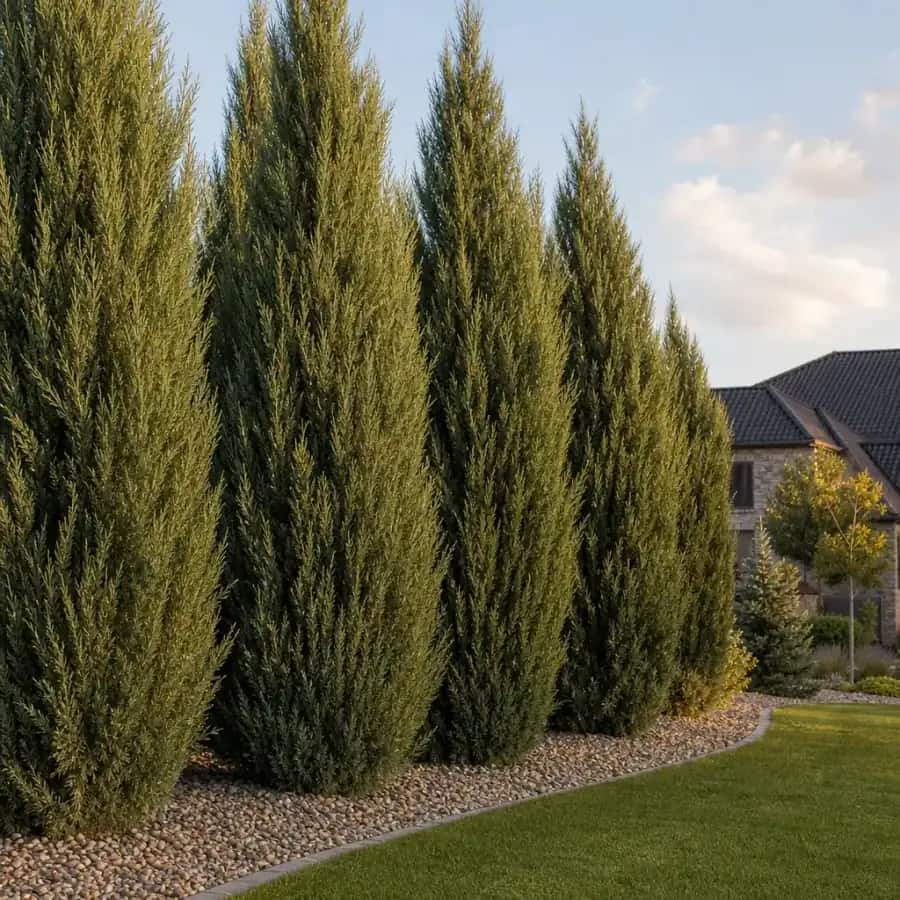 Zones 4 to 9
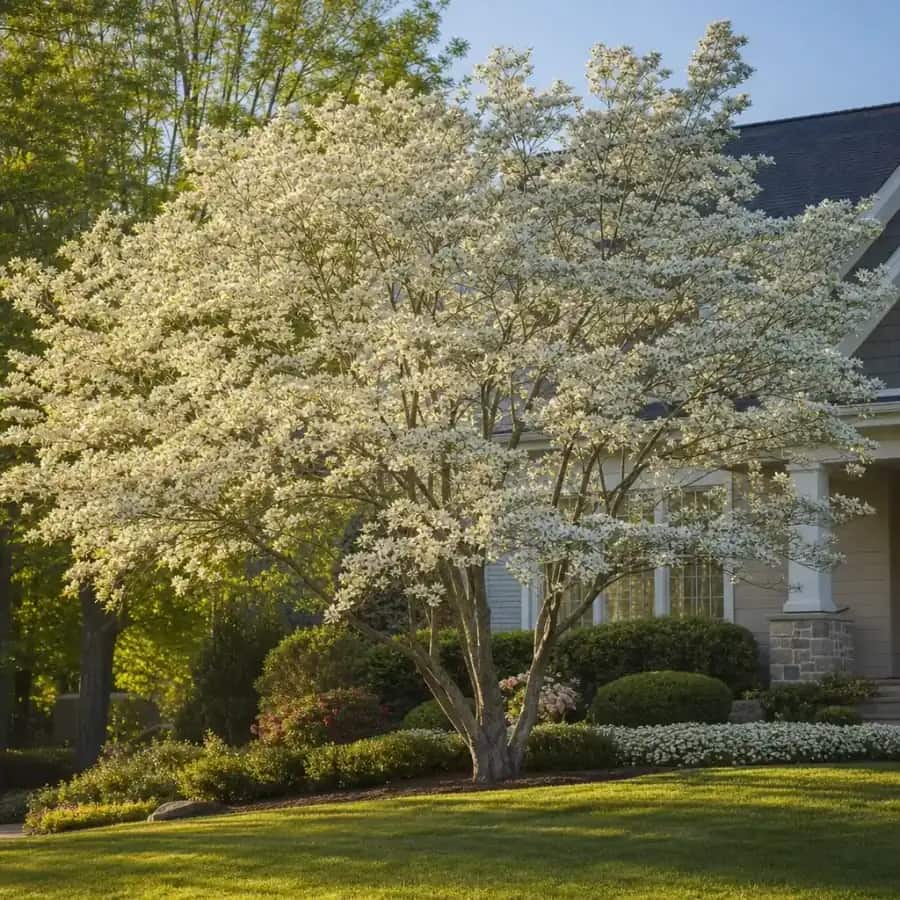 Zones 5 to 9
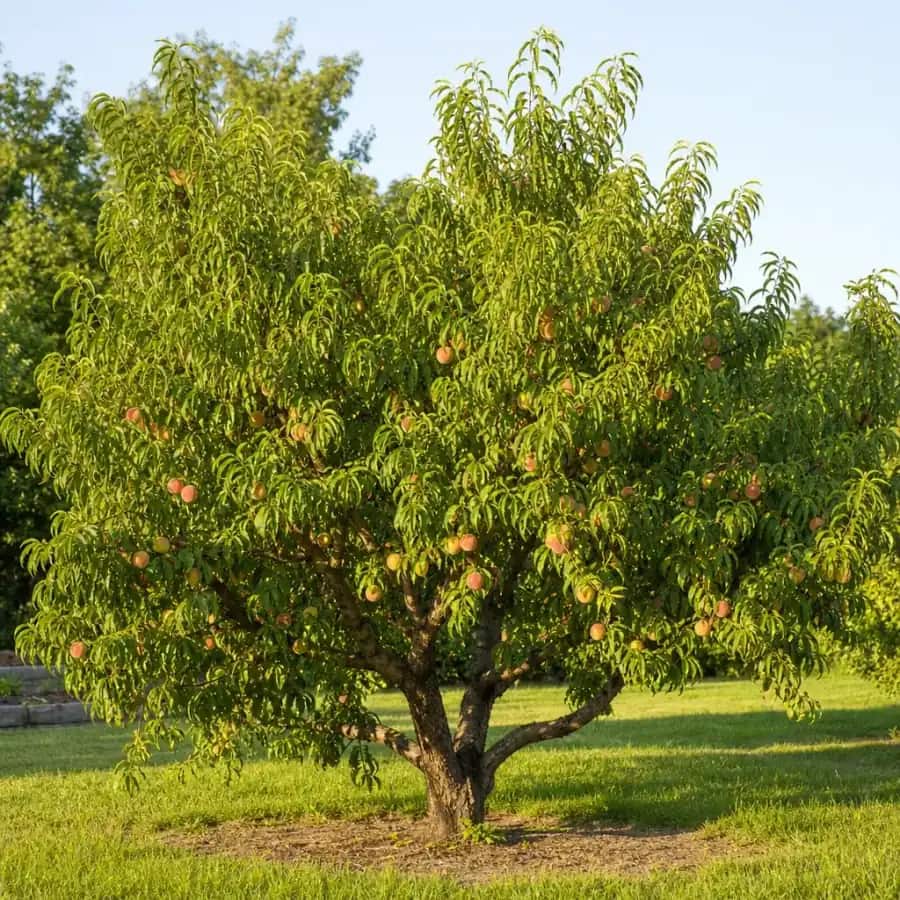 Zones 5 to 9
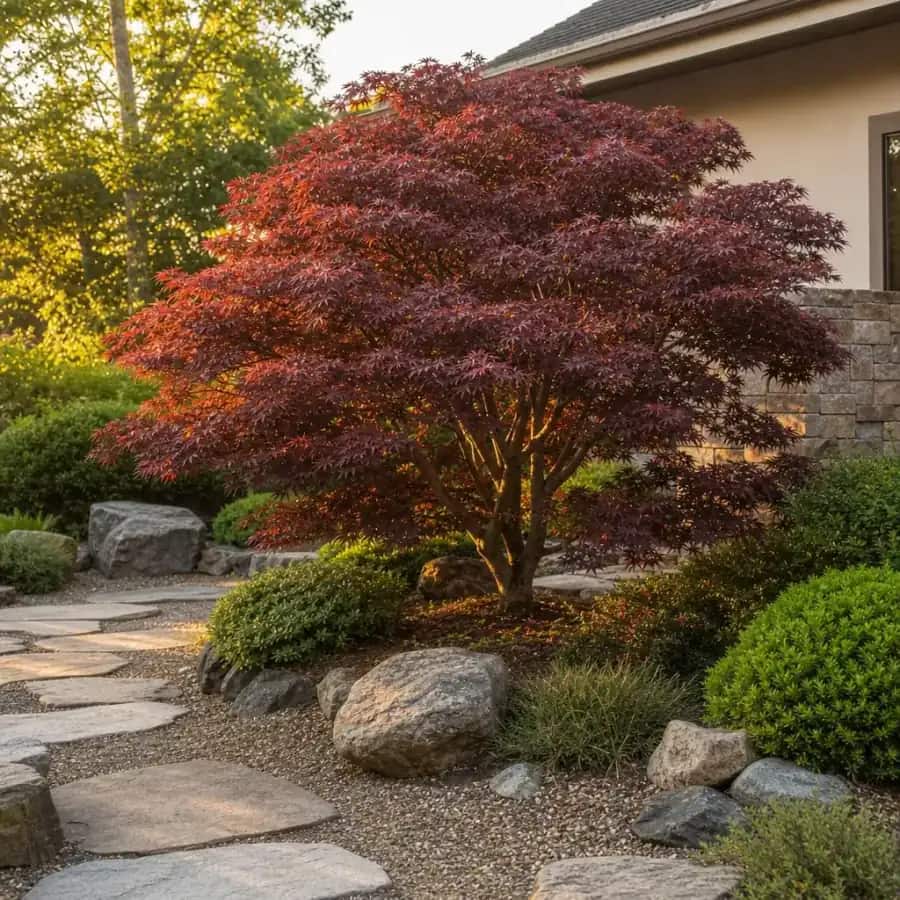 Zones 5 to 8
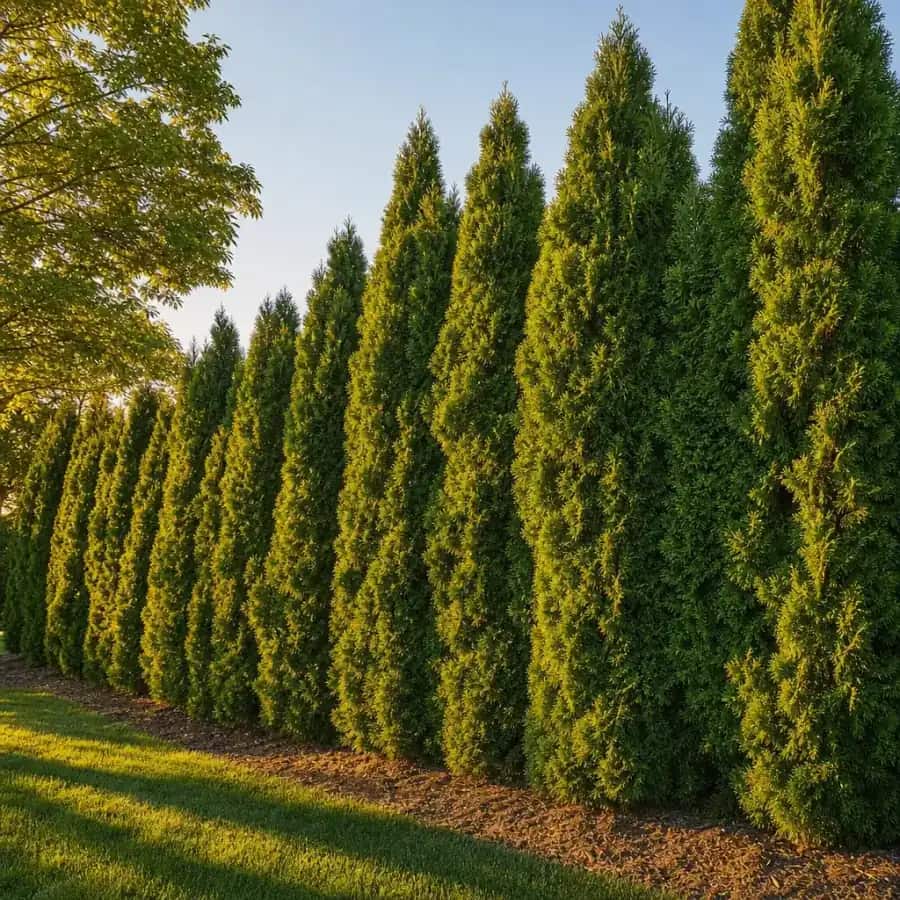 Zones 5 to 8
Shop by category
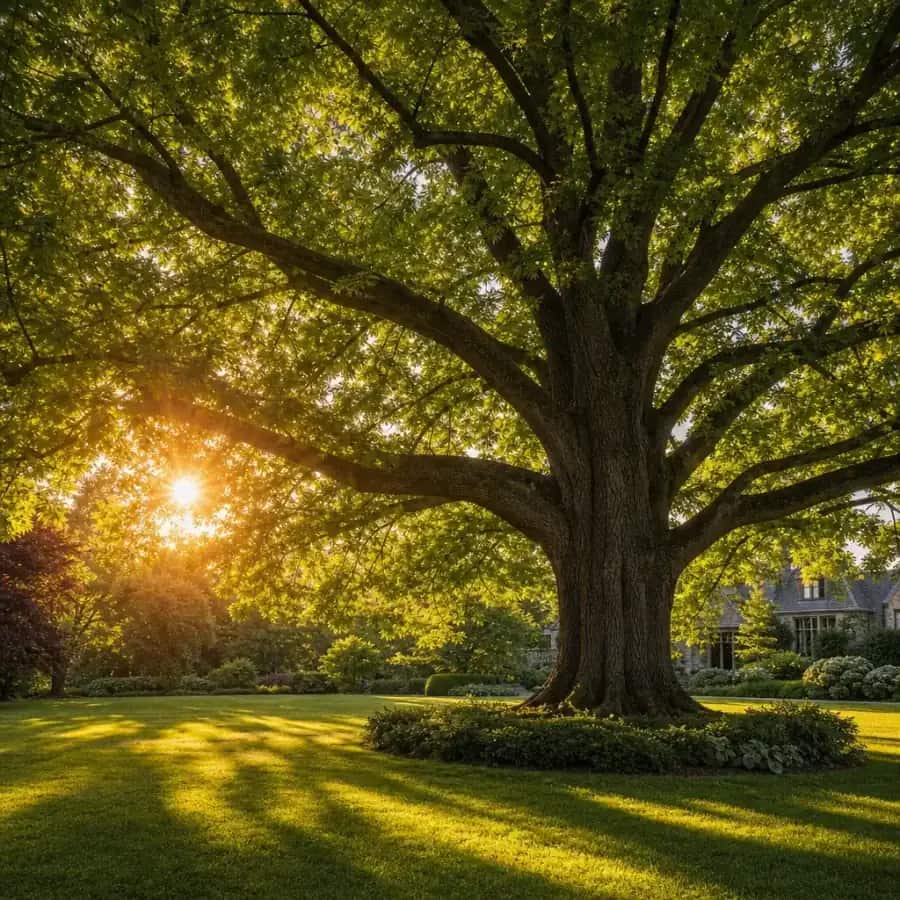 Shade TreesLarge canopy selections like Bur Oak that cool your home through Clay's hot summers.View all Shade Trees →
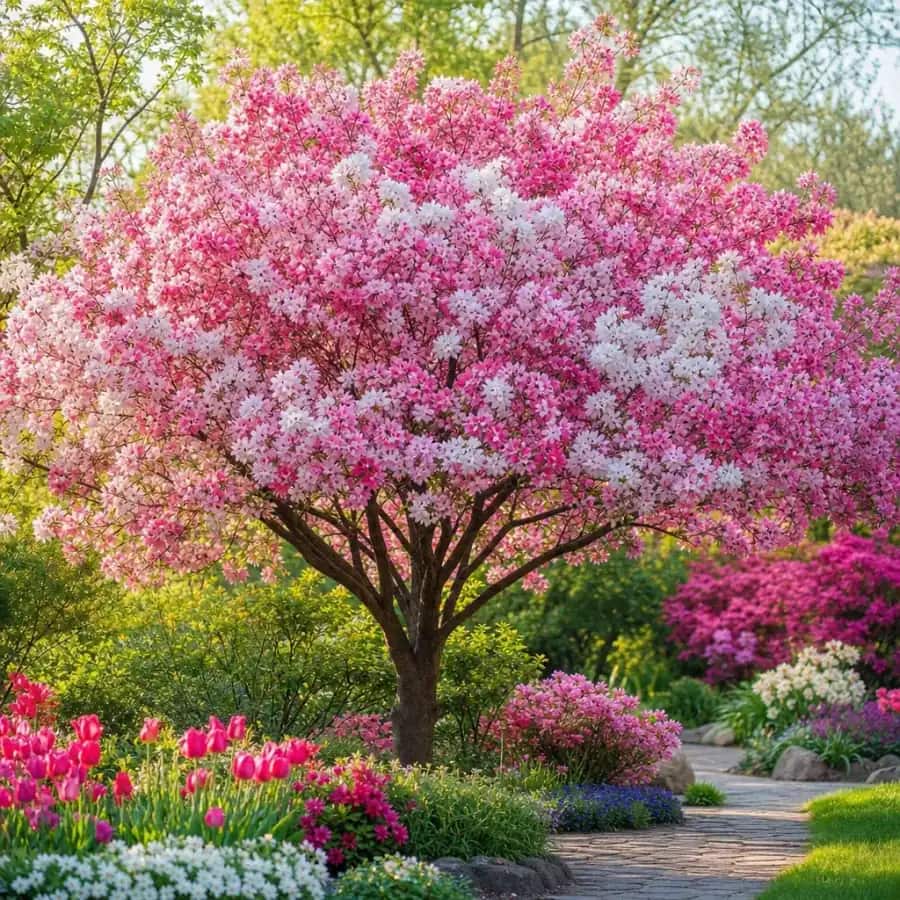 Flowering & OrnamentalBloom-heavy picks such as Muskogee Crape Myrtle that handle zone 6 humidity.View all Flowering & Ornamental →
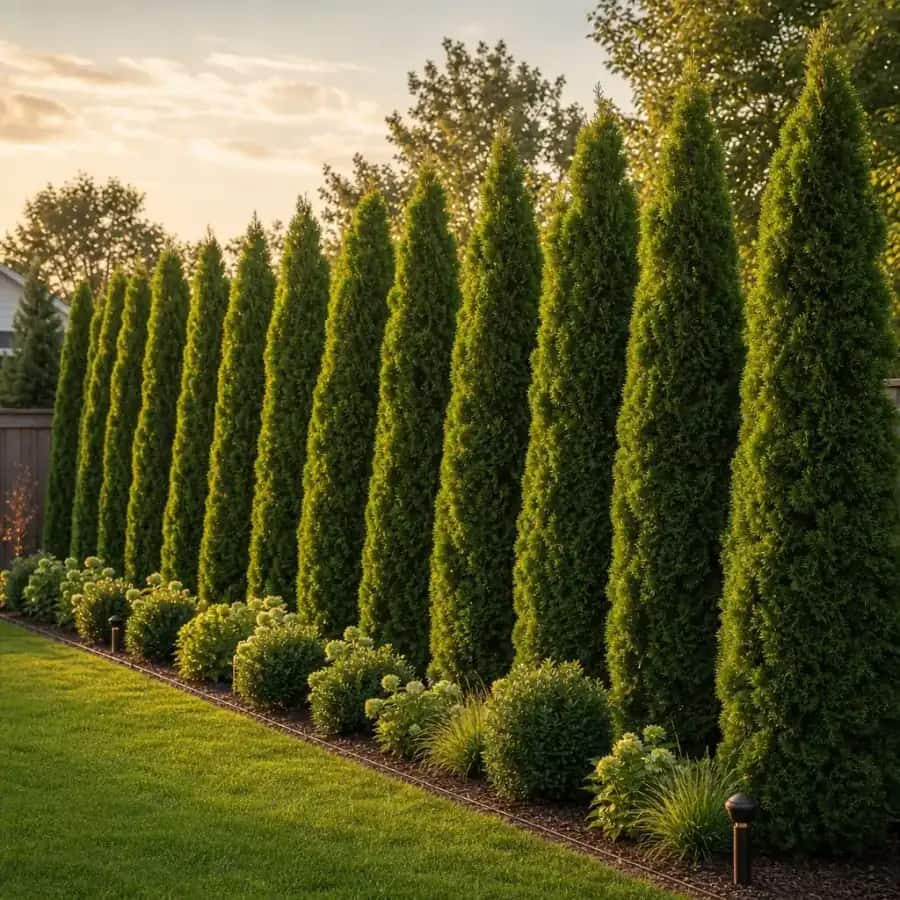 Evergreen & PrivacyYear-round screens like D. D. Blanchard Southern Magnolia that stay dense in cold winters.View all Evergreen & Privacy →
 Japanese MaplesDelicate forms such as Viridis Laceleaf that tolerate Clay's zone 6b with partial shade.
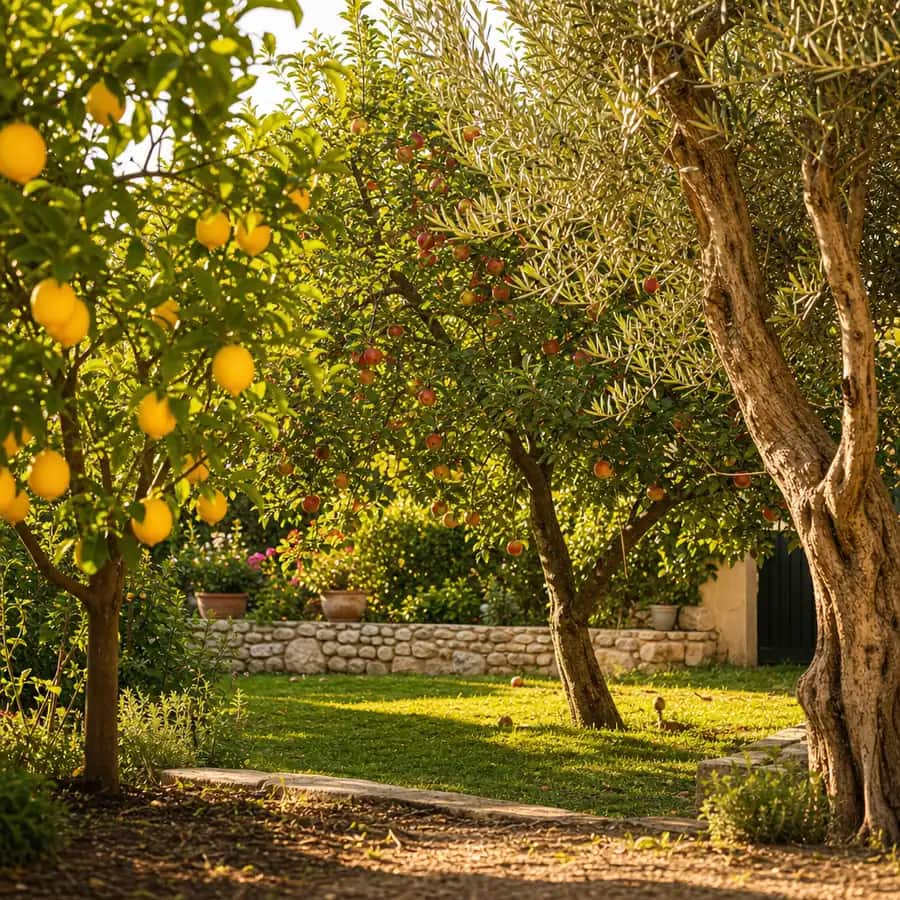 Fruit TreesCold-hardy varieties like Chicago Hardy Fig that produce after a hard winter.View all Fruit Trees →
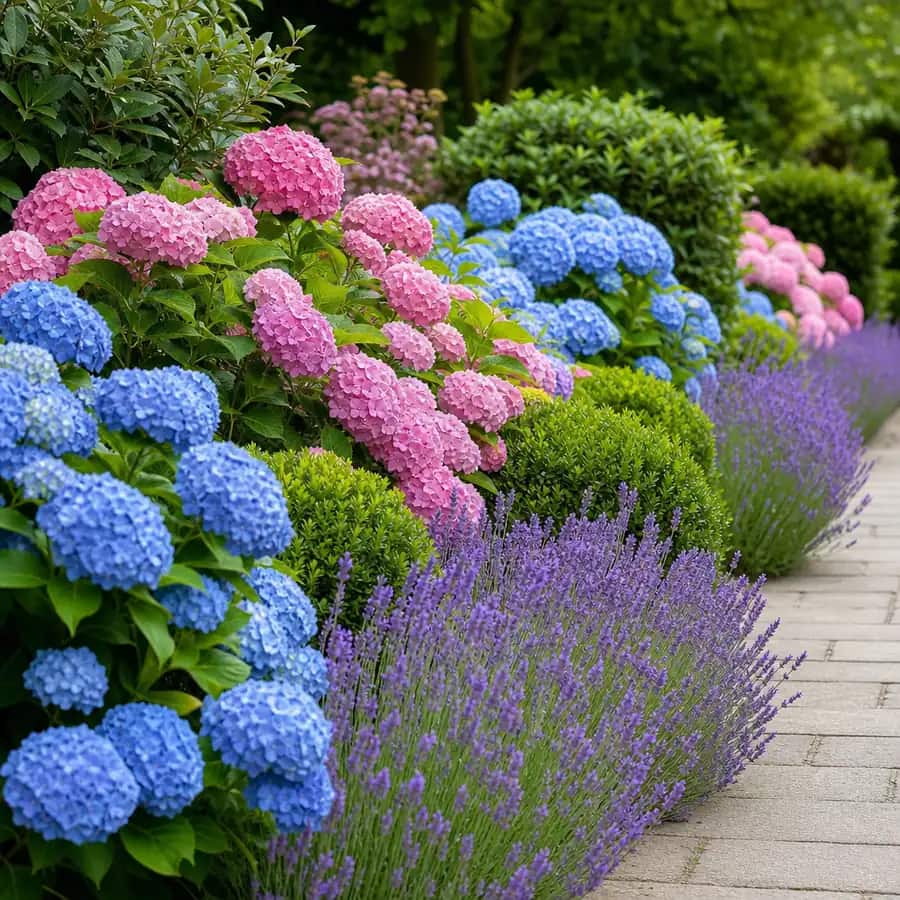 Shrubs & HedgesFoundation plants that round out your landscape without extra care.View all Shrubs & Hedges →
Local fit, from data
6b
about -5 to 0 F
Clay County
West Virginia
Trees delivered to Clay, WV 25043 from Arbor Buddy cover shade, privacy, flowering, fruit, and Japanese maples. Every tree is nursery-grown, shipped by freight, and matched to your hardiness zone. Homeowners and contractors in Clay County get large, zone-ready trees that are built for your 6b climate. One concrete fact: your typical winter lows run about -5 to 0 degrees F, so every pick here is cold-hardy enough to thrive.
Clay sits in USDA zone 6b, where winter lows average -5 to 0 degrees F. That climate allows a broad range of trees. Deciduous shade trees like Bur Oak and Slender Silhouette Sweetgum thrive in the cold dormancy. Evergreens such as D. D. Blanchard Southern Magnolia hold their leaves through moderate winters when sited in sheltered spots near Lizemores or Bomont.
Clay's summers bring humidity and occasional drought. Flowering picks like Muskogee Crape Myrtle resist mildew in that environment. Japanese maples such as Viridis Laceleaf need afternoon shade to avoid leaf scorch. Fruit trees like Chicago Hardy Fig benefit from winter protection the first year. Overall, trees for zone 6 in Clay include cold-hardy shade, flowering ornamentals, and well-sited evergreens.
Local conditions vary by microclimate. Areas near Ivydale or Maysel may have slightly cooler lows. Always match the tree's zone range to your specific site.
Trees ship in spring or fall, matched to zone 6's mild planting windows. Spring deliveries arrive after frost danger passes, and fall shipments come early enough for root establishment before winter. Your specific ZIP 25043 order follows this seasonal timing.
Bur Oak, D. D. Blanchard Southern Magnolia, Muskogee Crape Myrtle, Chicago Hardy Fig, Viridis Japanese Laceleaf Maple, and Slender Silhouette Sweetgum all perform well in Clay's zone 6b with winter lows near -5 to 0 F. Cold-hardy shade and flowering trees are the safest picks.
Deciduous trees typically arrive 5 to 7 feet tall, evergreens 3 to 4 feet. All are nursery-grown at a usable landscape size that establishes quickly after planting.
If your tree does not survive its first year, Arbor Buddy replaces it at no cost. The guarantee covers the replacement tree and its shipping, not planting costs, and applies to all orders.
For shade, privacy, fruit, and accent trees matched to your zone in ZIP 25043 of Clay, Arbor Buddy ships large nursery-grown trees with a 1-Year Thrive Guarantee. Trees are delivered in spring or fall, timed to your zone's ideal planting season.
Browse the trees suited to your area and order online ahead of your shipping window.
Clay's zone 6b gives you cold-hardy options that warmer zones cannot support. The practical difference is visible when you look at Japanese maple suitability. ZIP 71102 in Shreveport, Louisiana (LA) falls in zone 8b with winter lows of 15 to 20 F. There, Japanese maples like Viridis Laceleaf struggle with heat and humidity. In Clay, those same maples thrive with afternoon shade, while Shreveport buyers must pick heat-tolerant alternatives.
Compared to ZIP 97416 in Camas Valley, Oregon (OR), zone 9a with lows of 20 to 25 F, drought tolerance becomes the issue. Camas Valley gets dry summers, pushing buyers toward drought-resistant trees like Muskogee Crape Myrtle. Here, the zone usually pushes the choice toward trees that handle humidity and occasional wet soil, not dry air. Bur Oak and D. D. Blanchard Southern Magnolia suit Clay's moisture pattern better than drought-hardy picks.
ZIP 56256 in Madison, Minnesota (MN) is zone 4b with lows of -25 to -20 F. That much colder climate rules out many trees that Clay can grow. Locally, that points buyers toward species like Chicago Hardy Fig, which survives zone 5 and up. Madison homeowners cannot grow figs outdoors without heavy winter protection. In Clay, the same fig produces fruit reliably with only light mulching.
The takeaway: Clay's zone 6b opens a wider palette than colder northern areas while excluding heat-loving species that thrive in the Deep South. Your cart should lean on cold-hardy, humidity-tolerant trees like those featured here.
Your tree arrives via freight to ZIP 25043. Trees are nursery-grown at a usable landscape size, typically 5 to 7 feet tall for deciduous species and 3 to 4 feet for evergreens. Freight trucks need a street wide enough to stop with room to turn. You or someone else must be home to receive the tree and inspect it.
Trees headed to zone 6 arrive in spring or fall, matched to mild planting weather. Every order is backed by a 1-Year Thrive Guarantee. If your tree does not survive the first year, Arbor Buddy replaces it free.
Before delivery day, check:
Enter your ZIP, shop only what thrives in your zone.
Freight delivery to your address: $149 flat per order, shown at checkout.
Plant it, watch it thrive, covered for one year.
Good to know · Growing guide
Coverage runs a full year from delivery. If something goes wrong, contact the team and they arrange the replacement. No store-credit games, no fine-print maze.