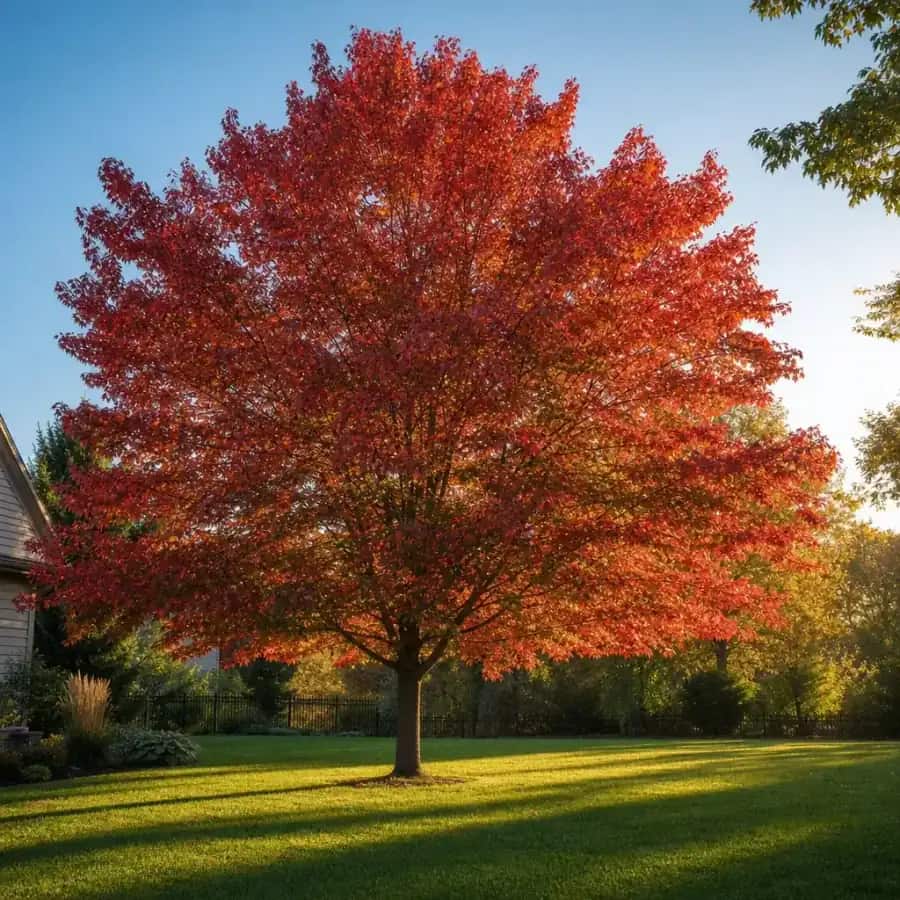
 Zones 3 to 8
Shade Trees
Autumn Blaze Red Maple
$60
Shop large, nursery-grown shade, privacy, flowering and fruit trees, delivered by freight in Lookout. Every tree is matched to your hardiness zone and backed by our 1-Year Thrive Guarantee.
Enter your ZIP and we'll match trees to your exact growing zone.
Typical winter lows in Lookout run about -5 to 0 F.
Matched to Lookout's zone
Zones 3 to 8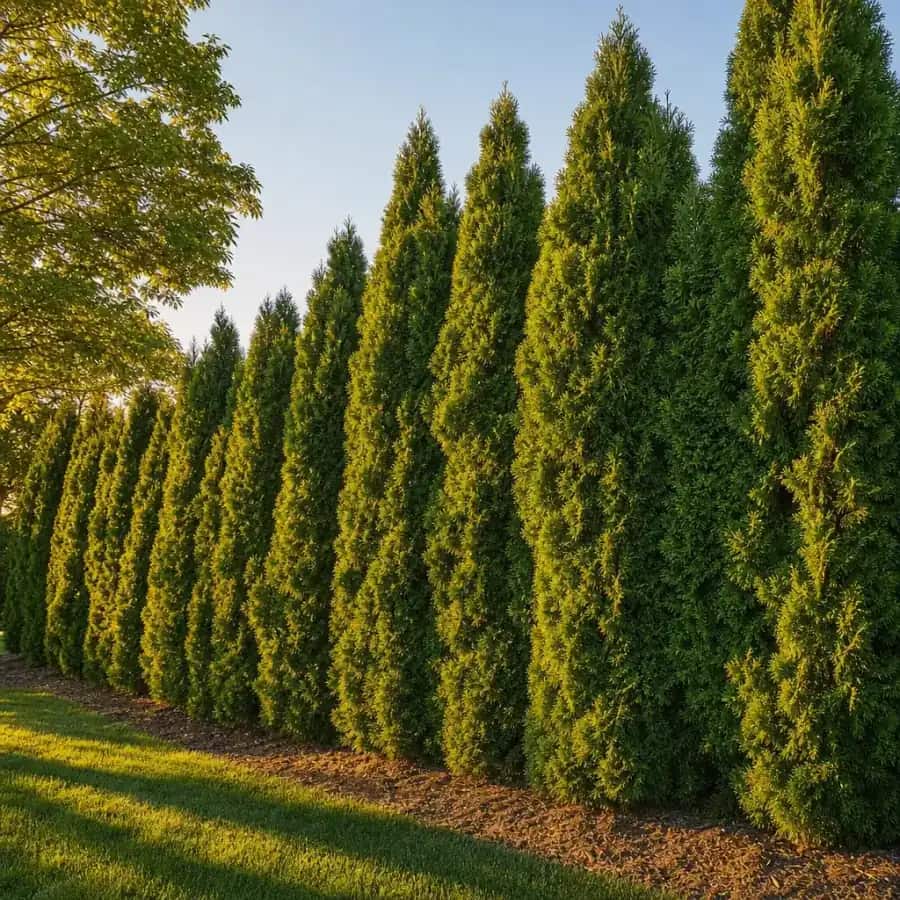 Zones 5 to 8
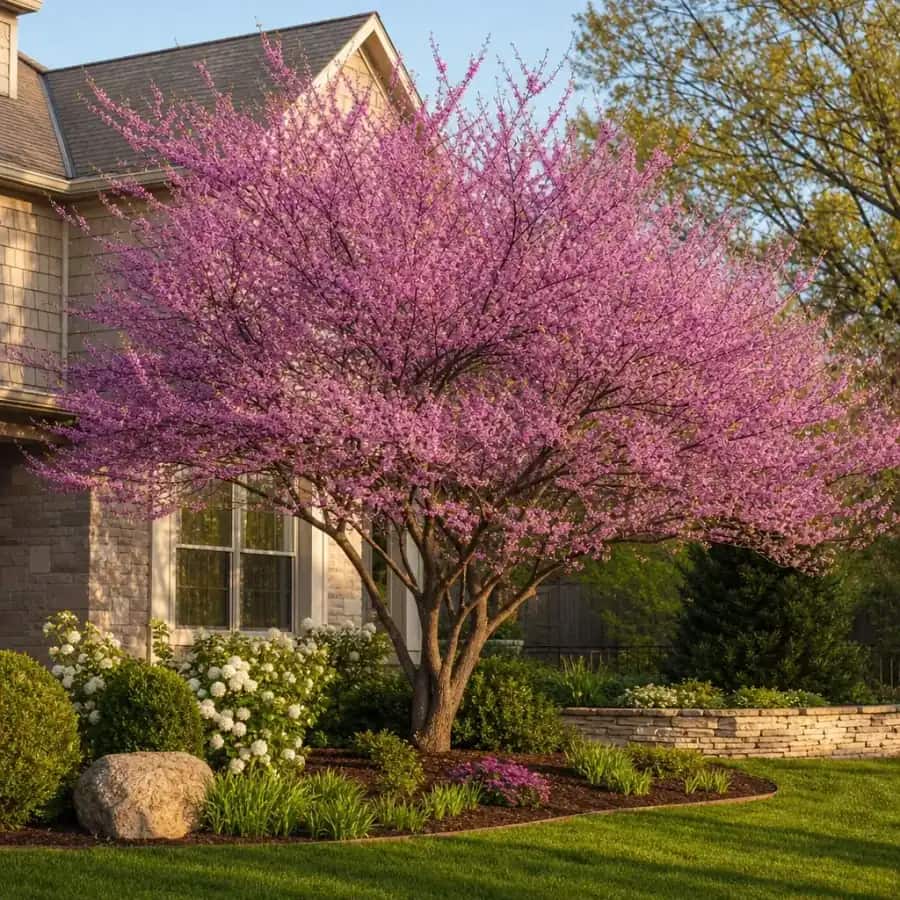 Zones 4 to 9
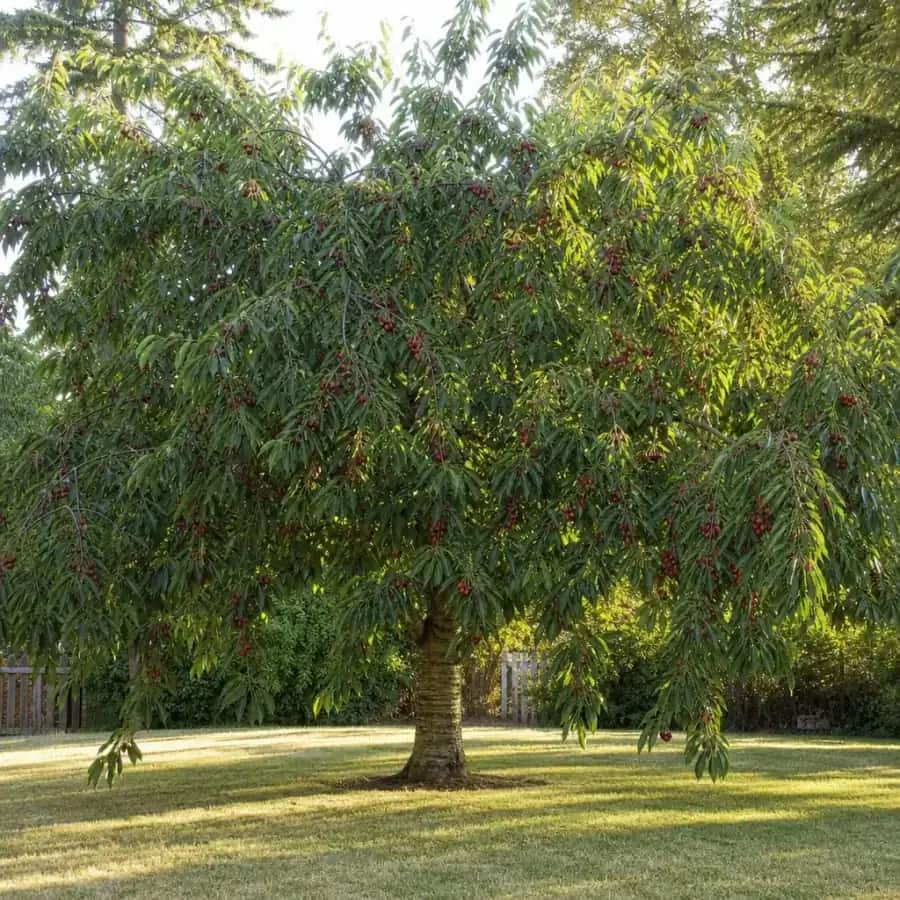 Zones 5 to 8
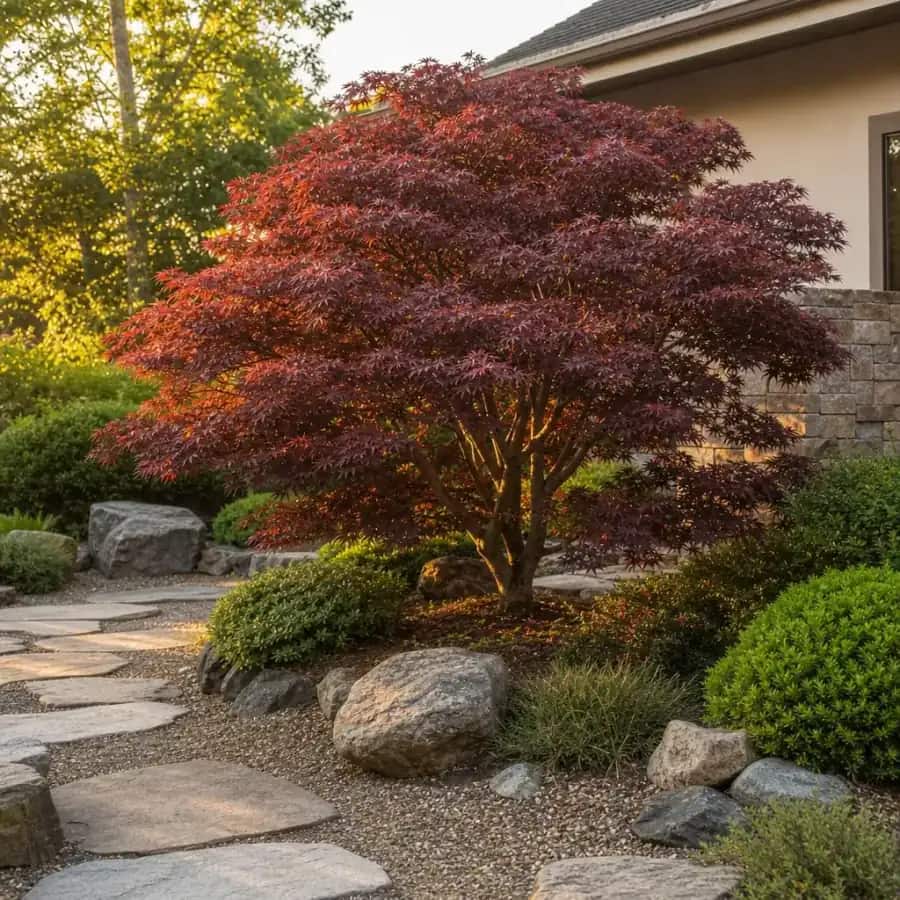 Zones 5 to 8
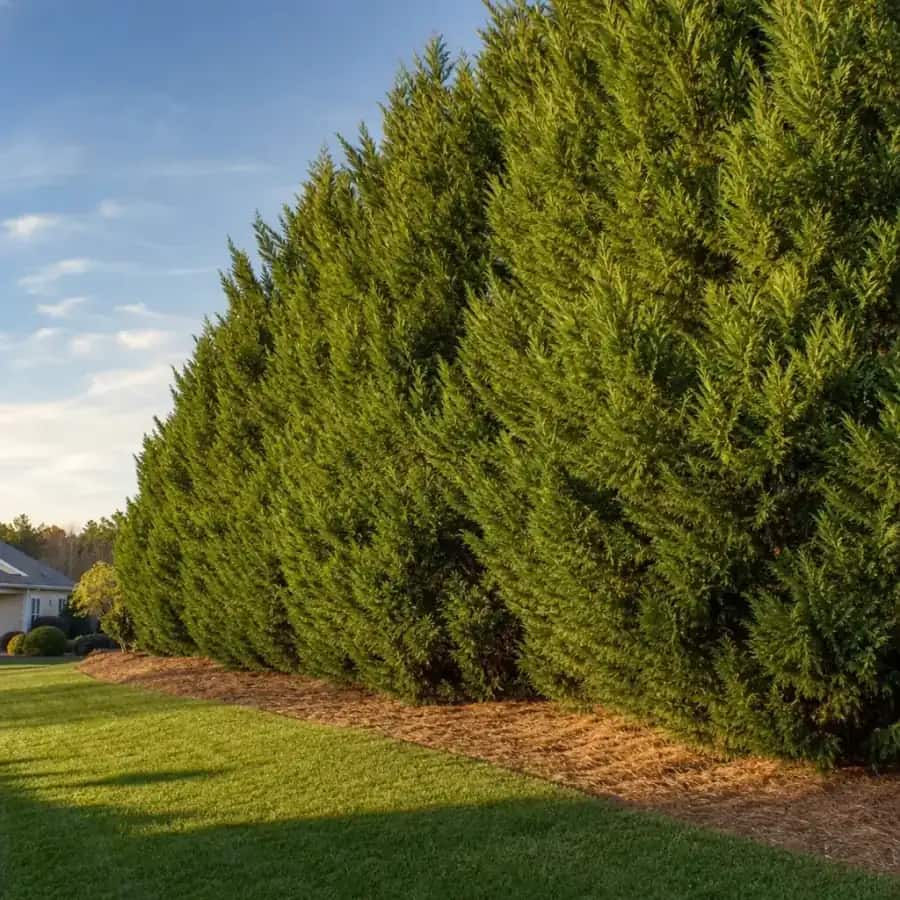 Zones 6 to 10
Shop by category
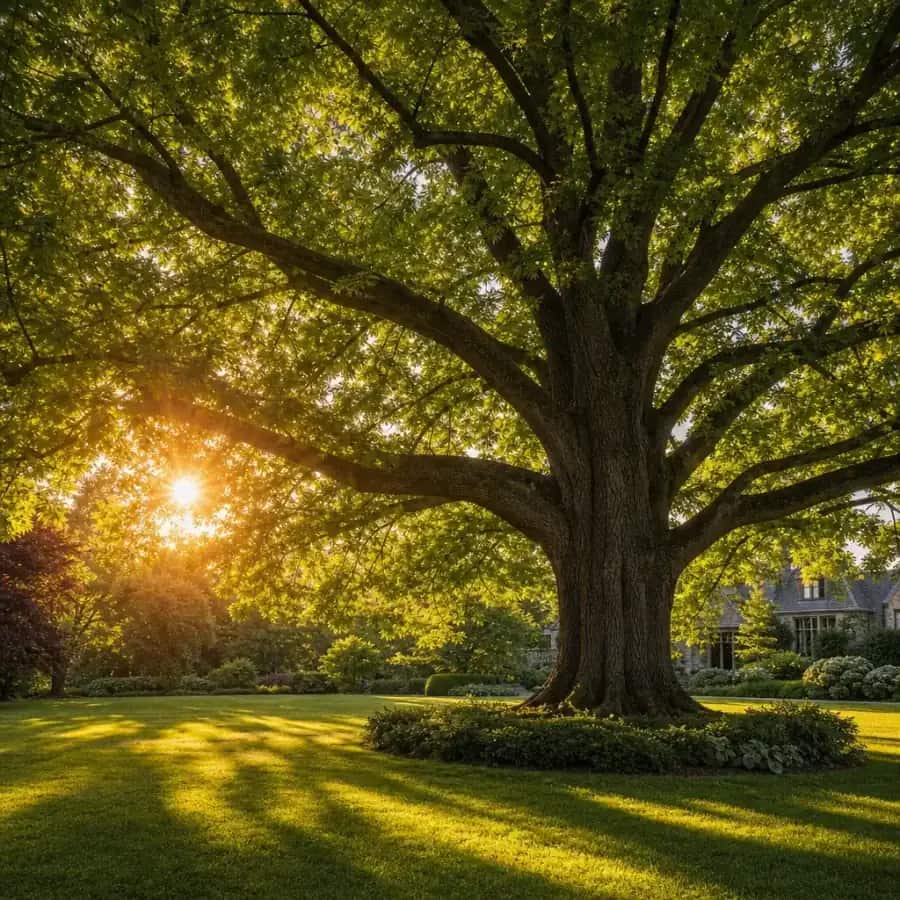 Shade TreesCool your home and yard with fast-growing oaks and elms built for zone 6b winters.View all Shade Trees →
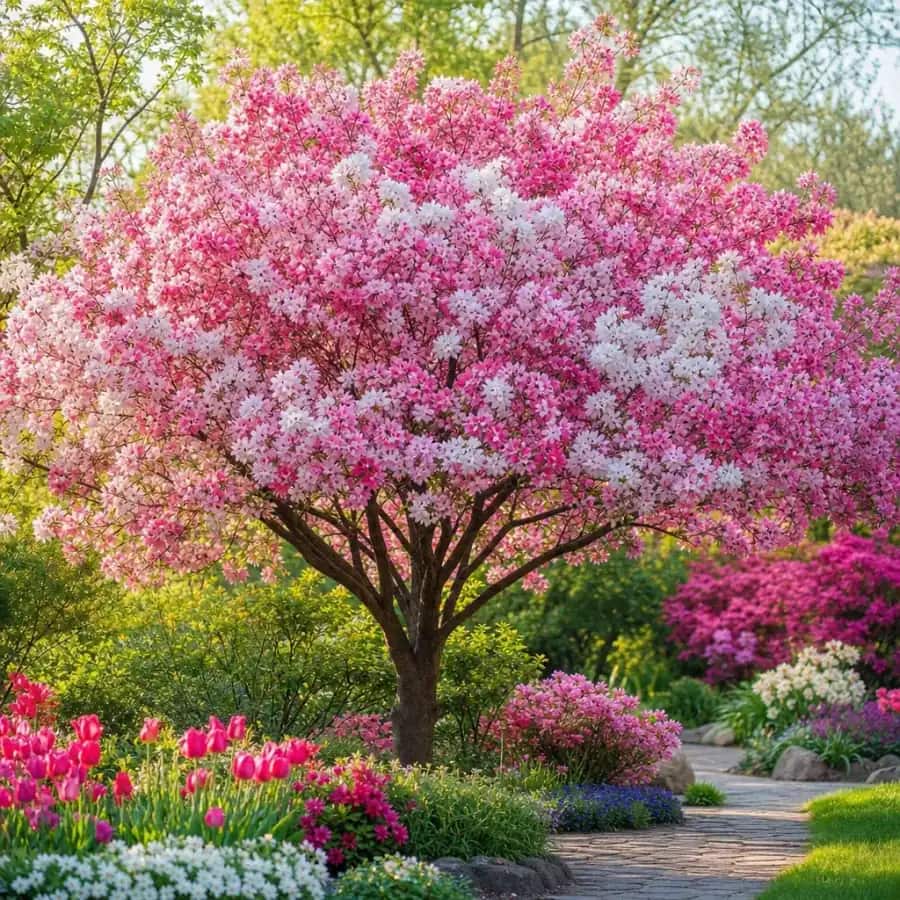 Flowering & OrnamentalAdd seasonal color with wisteria or redbuds that bloom reliably after Lookout's cold spells.View all Flowering & Ornamental →
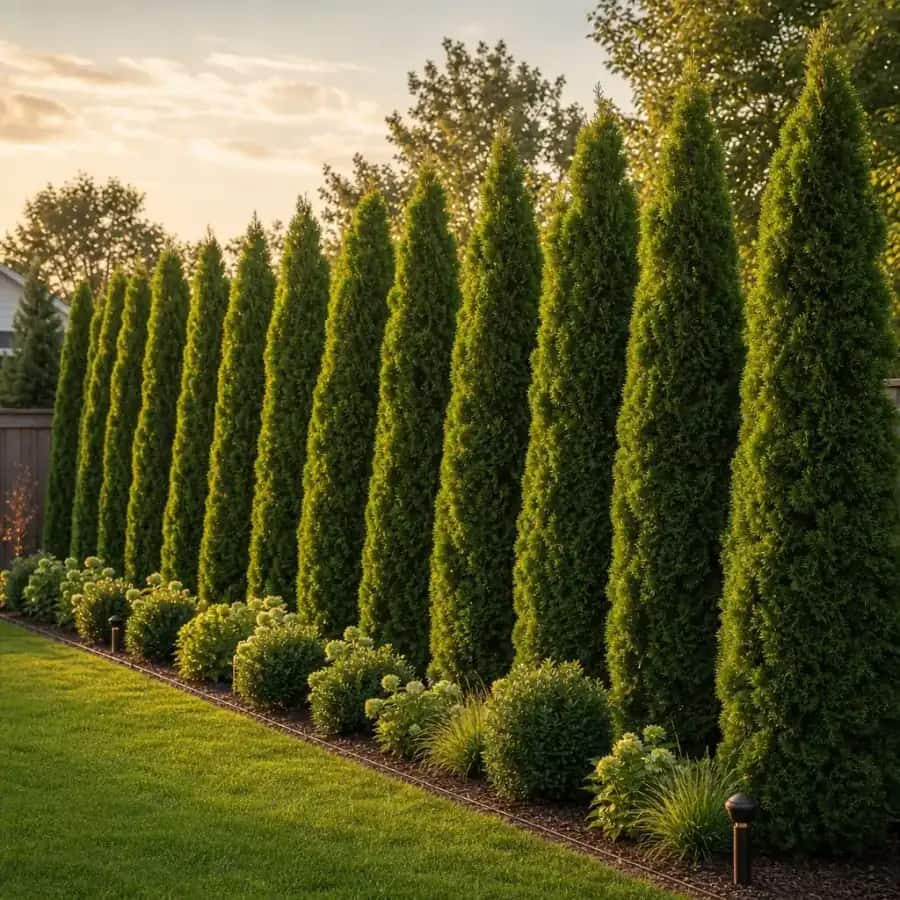 Evergreen & PrivacyBlock wind and neighbors with holly and juniper that stay green through zone 6b lows.View all Evergreen & Privacy →
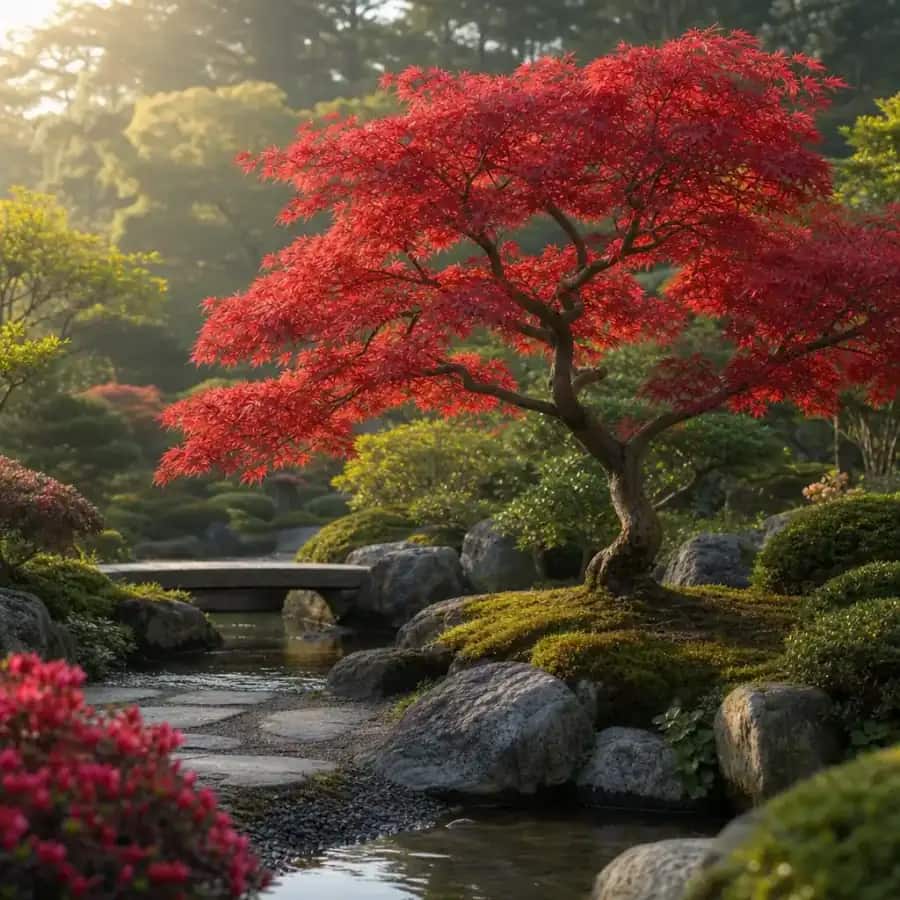 Japanese MaplesChoose laceleaf or upright maples for elegant structure; many are well-suited to zone 6.
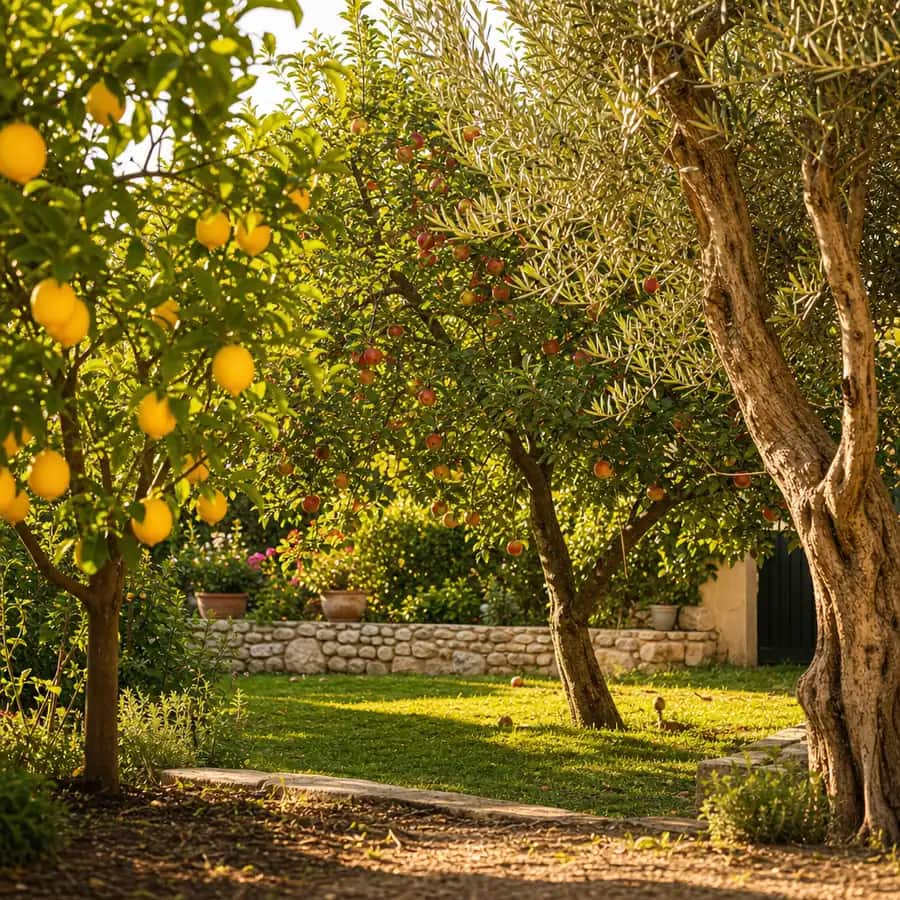 Fruit TreesGrow peaches, apples, or figs with enough chill hours from Lookout's winter temperatures.View all Fruit Trees →
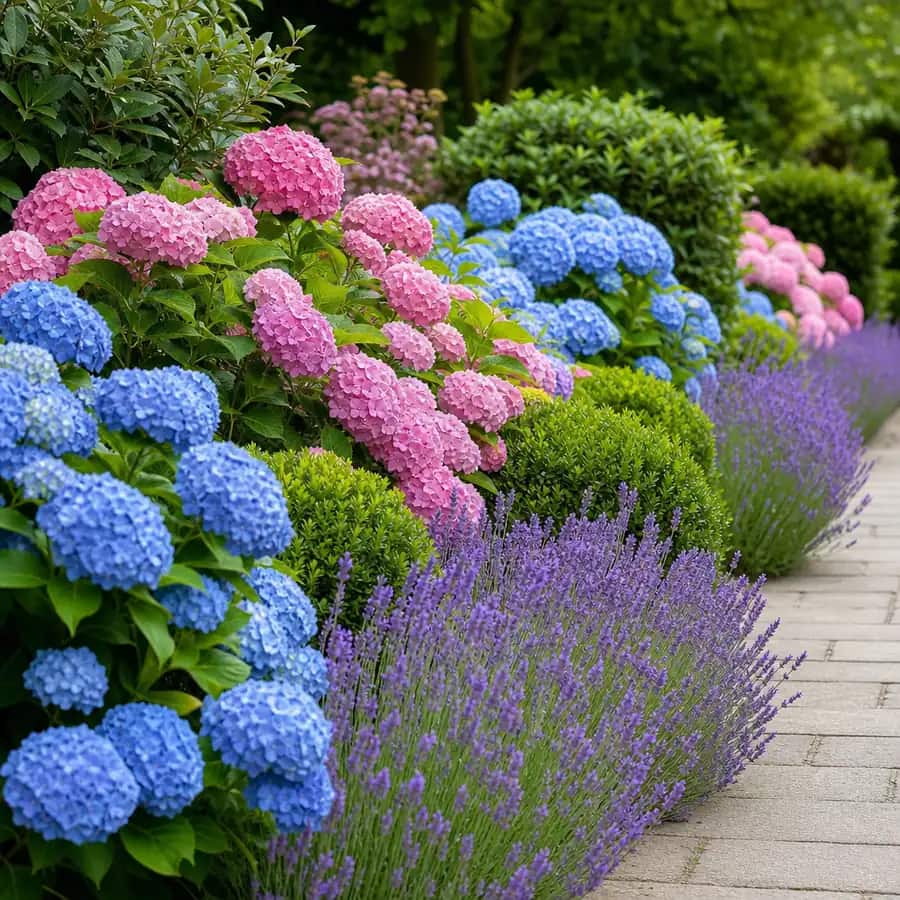 Shrubs & HedgesFill borders and foundations with hardy options like Nellie Stevens holly or hydrangea.View all Shrubs & Hedges →
Local fit, from data
6b
about -5 to 0 F
Fayette County
West Virginia
What trees can you count on in Lookout, WV 25868? Arbor Buddy delivers large, nursery-grown trees by freight direct to homeowners in this area. You can choose from shade trees, evergreens, flowering ornamentals, Japanese maples, and fruit trees. Every tree is matched to your zone. In Lookout that is zone 6b, which opens up many proven options for your yard.
Whether you need a fast shade canopy, a privacy screen, or a fruit tree that will produce, the list starts with what fits your local climate.
Zone 6b in Lookout means winter lows typically stay between -5 and 0 degrees F. That cold window lets you grow many classic trees that would struggle in warmer southern states. Shade trees like oaks and elms, flowering ornamentals like wisteria, and fruit trees with moderate chill requirements all feel at home here.
Summers can bring humidity, but good air circulation and well-drained soil help most trees thrive. Japanese maples do well in zone 6b as long as you avoid hot, reflected afternoon sun. Evergreens such as holly and juniper provide year-round structure. The key is matching each tree to your site's sun and moisture, and the zone is already working for you.
When you shop trees for zone 6 in Lookout, you can focus on varieties that need a real winter to set fruit or flower.
Shumard Oak and Allee Chinese Elm are top choices for shade in Lookout. Both are hardy in zone 6b and grow to form a broad canopy that cools your yard. Allee Chinese Elm establishes faster if you need quicker coverage.
Allee Chinese Elm and Shumard Oak are among the faster-growing options for zone 6. Allee Chinese Elm can put on several feet per year when planted in full sun and well-drained soil. The trade-off is that very fast growers may have weaker wood than slower species.
Oakland Southern Living Holly is a compact evergreen that provides dense screening. It is hardy in zone 6b and keeps its glossy leaves all winter. For a taller screen, you can consider a row of junipers or arborvitae.
Yes, you can grow fruit trees like Elberta Peach, but not true citrus. Elberta Peach needs about 800 chill hours, which zone 6b easily supplies. Citrus would need a greenhouse or indoor protection during Lookout's cold winters.
Your zone 6b climate decides the trees that will do best in your yard. Arbor Buddy ships large, nursery-grown trees to Lookout, WV 25868, each one matched to your hardiness zone and backed by a 1-Year Thrive Guarantee. Browse the selection and find the trees that belong in your landscape.
Comparing Lookout to other ZIPs shows how your zone shapes the tree choices.
In ZIP 76012 in Arlington, Texas (TX), zone 8b with winter lows of 15 to 20 degrees F, the climate is warmer and milder. That gap changes the local shortlist to more heat-tolerant and subtropical species. Privacy and screening options there lean toward evergreens that handle heat and humidity. In Lookout, your zone 6b winter cold rules out some of those choices, but it also opens the door to trees that need a true winter rest, like fruit trees with chill requirements.
ZIP 98108 in Seattle, Washington (WA) sits in zone 9a with lows of 20 to 25 degrees F. Winters there are even warmer, so flowering ornamentals bloom earlier. For your cart, that means Lookout's later spring can delay blossoms, but it also avoids the risk of a false spring confusing your trees. The practical difference is that in Lookout you can count on a consistent cold period that many fruit and flowering trees rely on for proper bud set.
ZIP 57073 in Wakonda, South Dakota (SD) is zone 5a with winter lows of -20 to -15 F. That is significantly colder than Lookout. In practice, buyers here lean toward very cold-hardy species like Siberian elm or crabapple. In Lookout, you have more flexibility: you can grow Japanese maples and peaches that would struggle in Wakonda. The milder winter gives you a larger menu of ornamental and fruit trees.
For Lookout buyers, the takeaway is that zone 6b hits a sweet spot: cold enough for chill-dependent plants, warm enough for a wide selection of shade and flowering trees.
Arbor Buddy ships large, nursery-grown trees by freight to ZIP 25868. In zone 6, shipments are timed for spring and autumn, skipping temperature extremes. A freight truck can deliver to most residential streets in Lookout, but you will need to be home to accept the tree and inspect it on arrival.
Every tree comes with a 1-Year Thrive Guarantee. If it does not survive its first year, Arbor Buddy replaces it at no cost. The guarantee covers the tree, not the labor to replant, but it gives you confidence in what you order.
Before delivery day, check:
Enter your ZIP, shop only what thrives in your zone.
Freight delivery to your address: $149 flat per order, shown at checkout.
Plant it, watch it thrive, covered for one year.
Good to know · Growing guide
Coverage runs a full year from delivery. If something goes wrong, contact the team and they arrange the replacement. No store-credit games, no fine-print maze.